













A gate left open after a late delivery, a fuel card taken from an unsecured truck, or an alarm at 2:00 a.m. can interrupt an industrial operation long before the morning crew arrives. Industrial guard deployment gives Calgary-area site supervisors a practical way to control those risks with trained personnel, visible presence, and documented activity.
For industrial properties, security is not just about putting a guard at the front entrance. The right coverage has to account for shift changes, contractor traffic, equipment yards, warehouse doors, perimeter weak points, remote areas of the property, and the cost of stopping work after an incident. A deployment plan should protect operations without creating unnecessary friction for employees, drivers, and approved visitors.
What Industrial Guard Deployment Should Accomplish
An industrial security program should make it harder for unauthorized people to enter, remove property, damage equipment, or remain on site unnoticed. It should also give management clear information when something does happen. That means a guard must do more than observe. They need defined duties, escalation instructions, a reliable reporting process, and a direct line to the people responsible for the site.
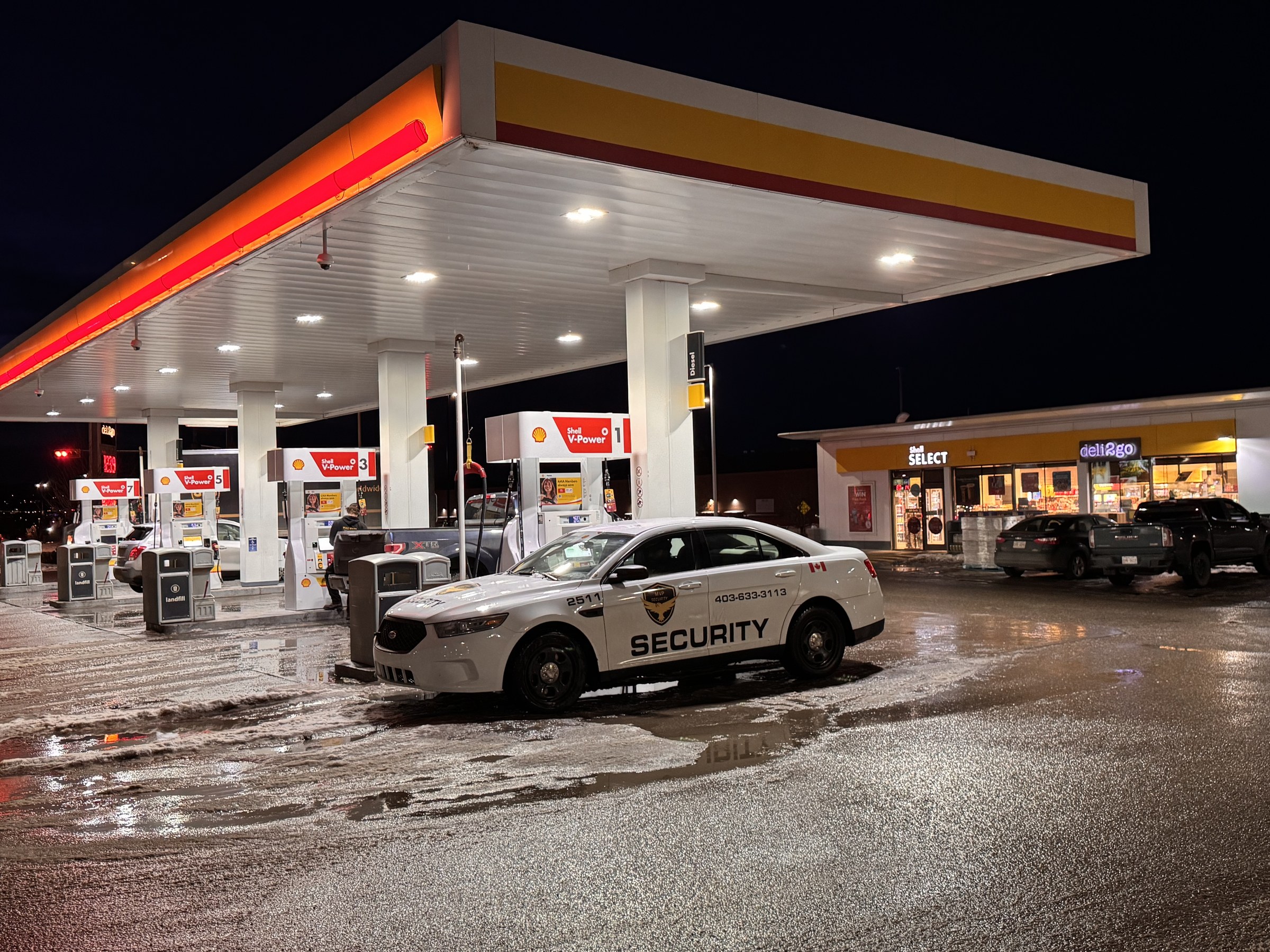
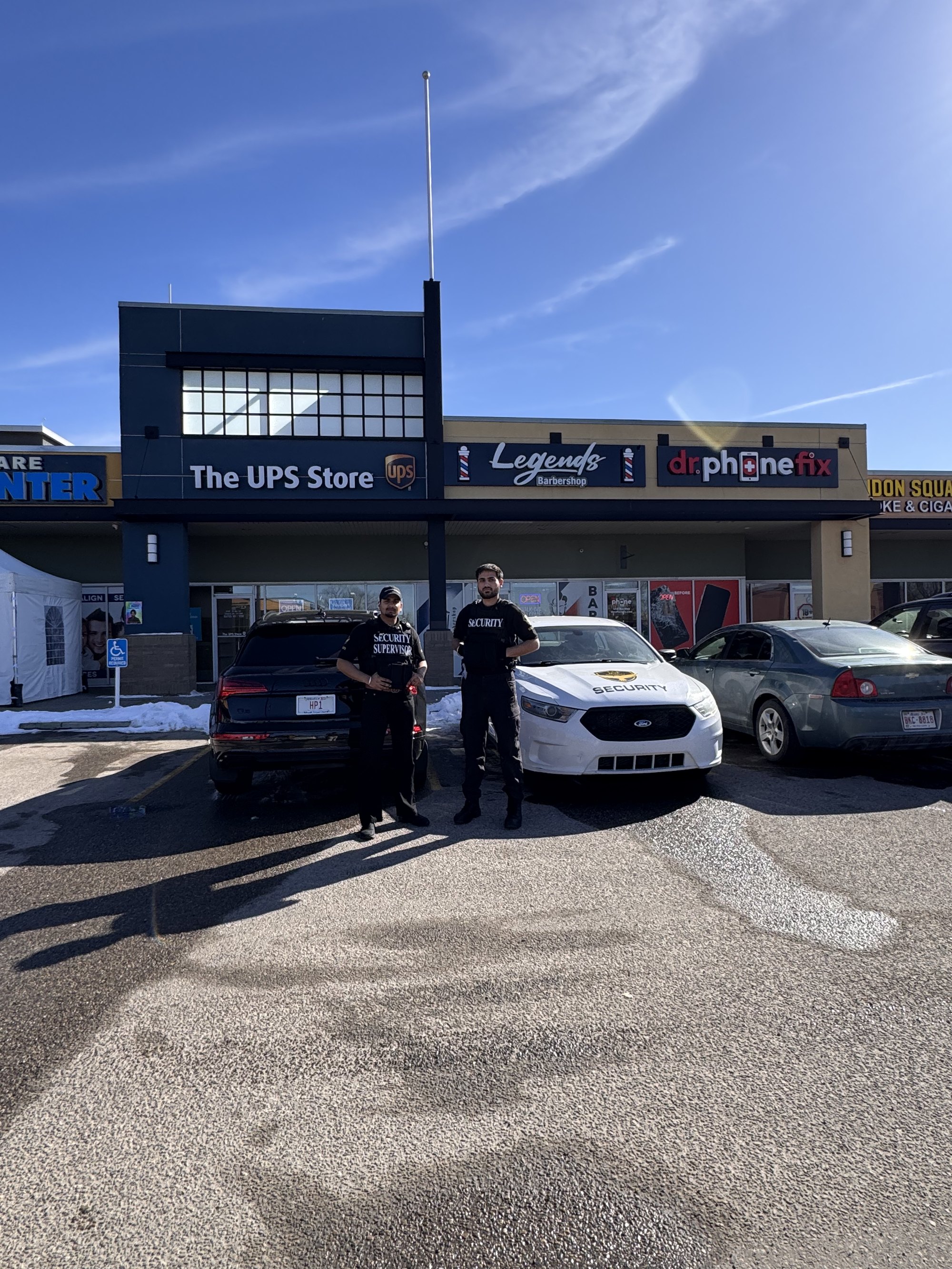
The most effective deployments combine deterrence and verification. A marked patrol vehicle at a fenced yard may discourage opportunistic theft, while a static guard at a controlled entry point can verify identification, direct deliveries, and stop unauthorized access before it becomes a problem. Neither approach is automatically better. The right choice depends on the size of the site, the value and mobility of assets, operating hours, and the incident history.
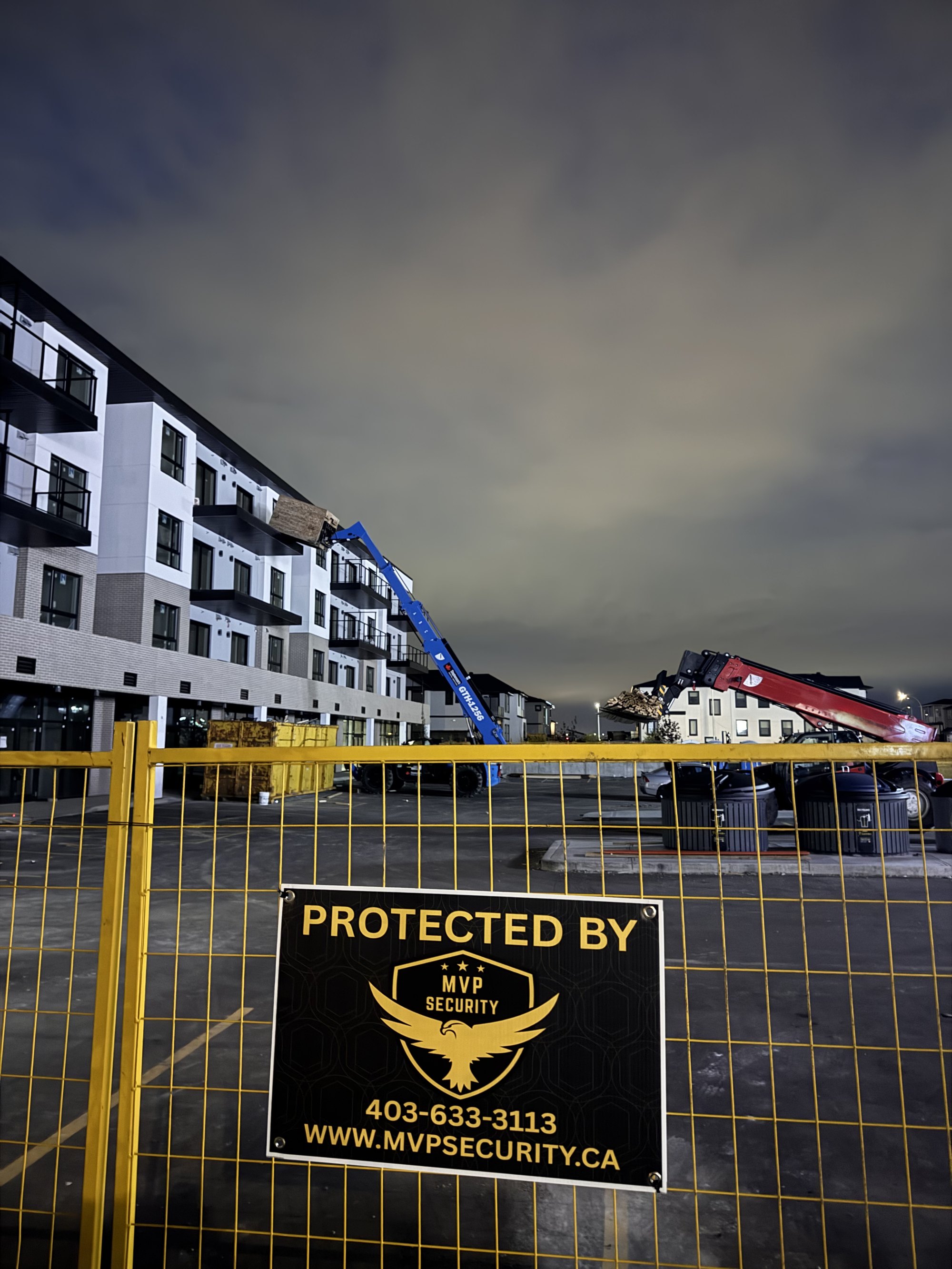
For example, a busy fabrication facility with regular truck traffic may need daytime access control and visitor management. A laydown yard with equipment parked overnight may benefit more from scheduled mobile patrols, perimeter checks, and rapid alarm response. A high-risk location that has experienced repeated break-ins may need both a fixed overnight guard and mobile supervisory support.
Start With the Site Risks, Not a Standard Guard Schedule
A security provider should assess the property before recommending hours or staffing levels. Industrial sites vary widely across Calgary, Airdrie, Cochrane, Chestermere, Okotoks, and High River. A distribution warehouse near major transport routes faces different challenges than a remote construction yard, energy service facility, or industrial condominium complex.
The assessment should identify how people enter the site, where vehicles can access the perimeter, which assets are most exposed, and when the property is least supervised. It should also consider less obvious vulnerabilities: poor lighting around a rear gate, a camera view blocked by stored materials, keys left in mobile equipment, or a side door used by contractors outside regular hours.
A useful deployment plan answers practical questions. Who is authorized to enter? What documents or identification are required? Where should delivery drivers wait? Which areas are restricted? Who receives a call when a guard finds damage, an unlocked door, or an alarm condition? If police, fire, or emergency services attend, does the guard have current contact information and site access instructions?
These details matter because a generic post order often fails during a real incident. Site-specific instructions allow guards to act quickly while staying within the client’s procedures and the limits of their role.
Fixed Guards for Active Control Points
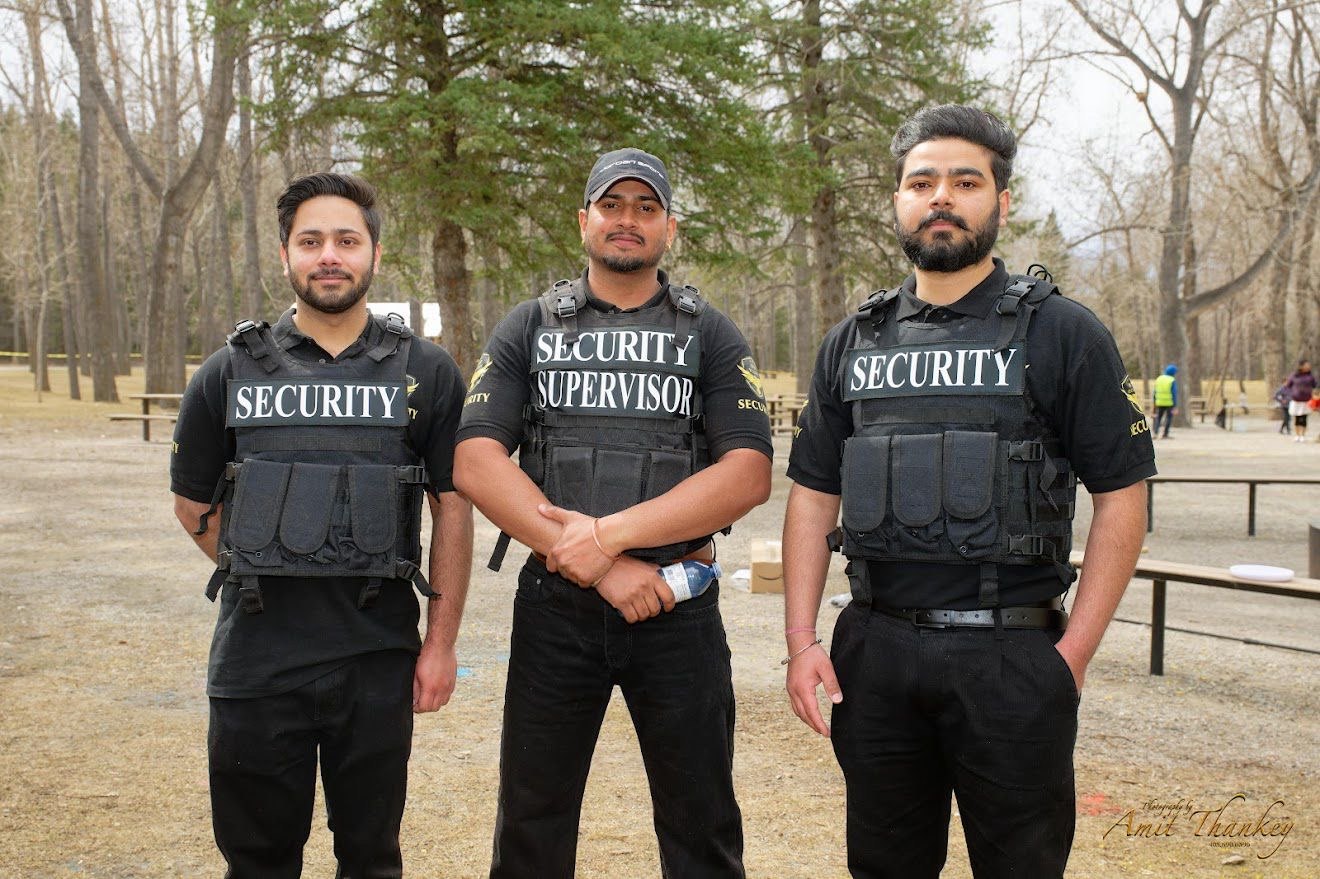
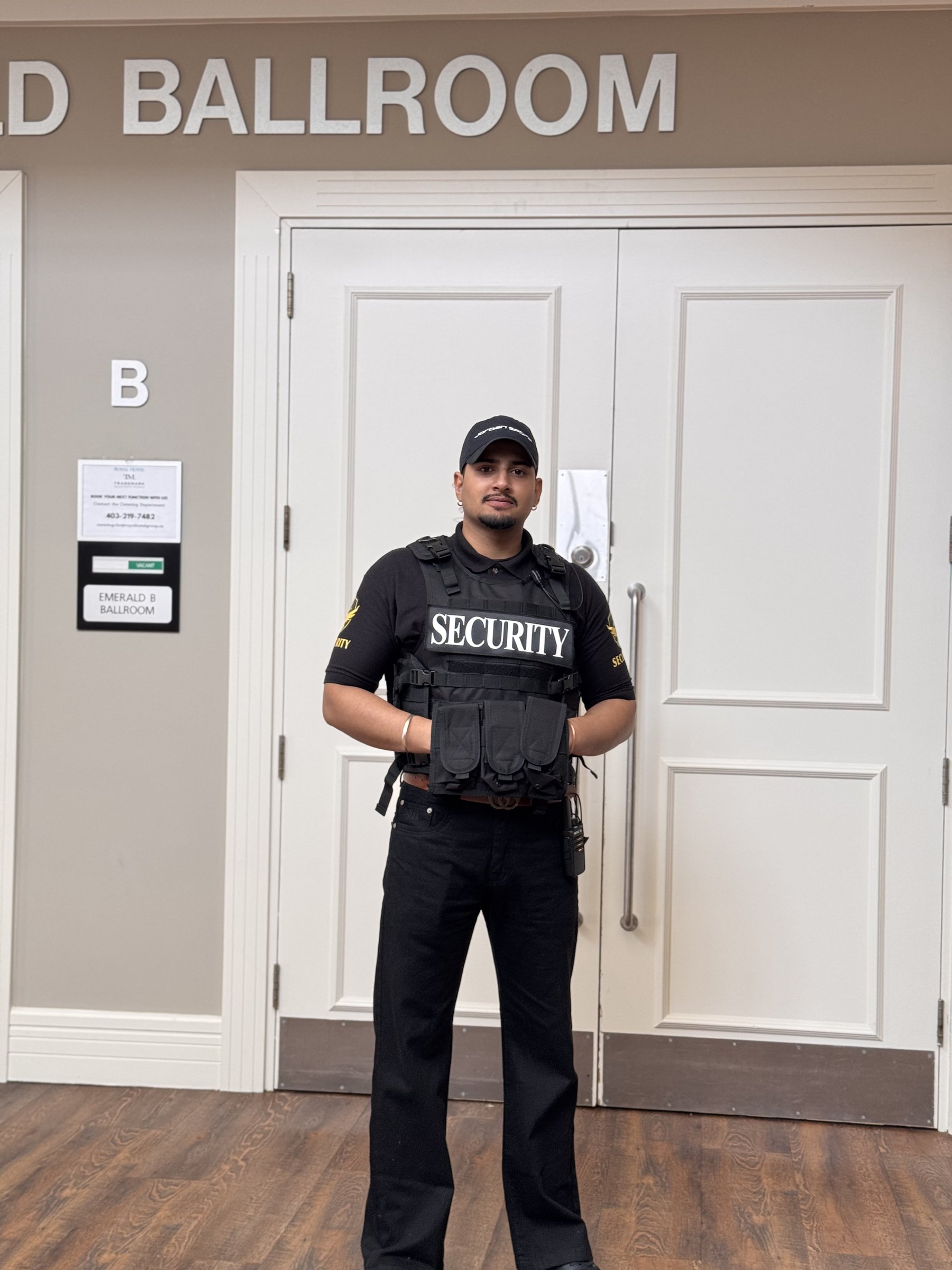
Static guards are a strong fit when a site has a gatehouse, reception point, controlled vehicle entrance, or active work area that needs continuous oversight. Their duties can include checking credentials, maintaining visitor and contractor logs, confirming delivery appointments, monitoring cameras, conducting interior or exterior rounds, and responding to suspicious activity.
A fixed guard is particularly valuable when the presence of one person can prevent several risks at once. At a large warehouse, for instance, the guard may monitor access, enforce sign-in procedures, watch for tailgating at secure doors, and provide a visible point of contact for employees after hours.
The trade-off is cost. Continuous coverage requires scheduled staffing, relief planning, and supervision. For a lower-traffic facility with a secure perimeter, constant static coverage may be more than the site needs. This is where mobile patrol can provide a more efficient layer of protection.
Mobile Patrols for Large or After-Hours Properties
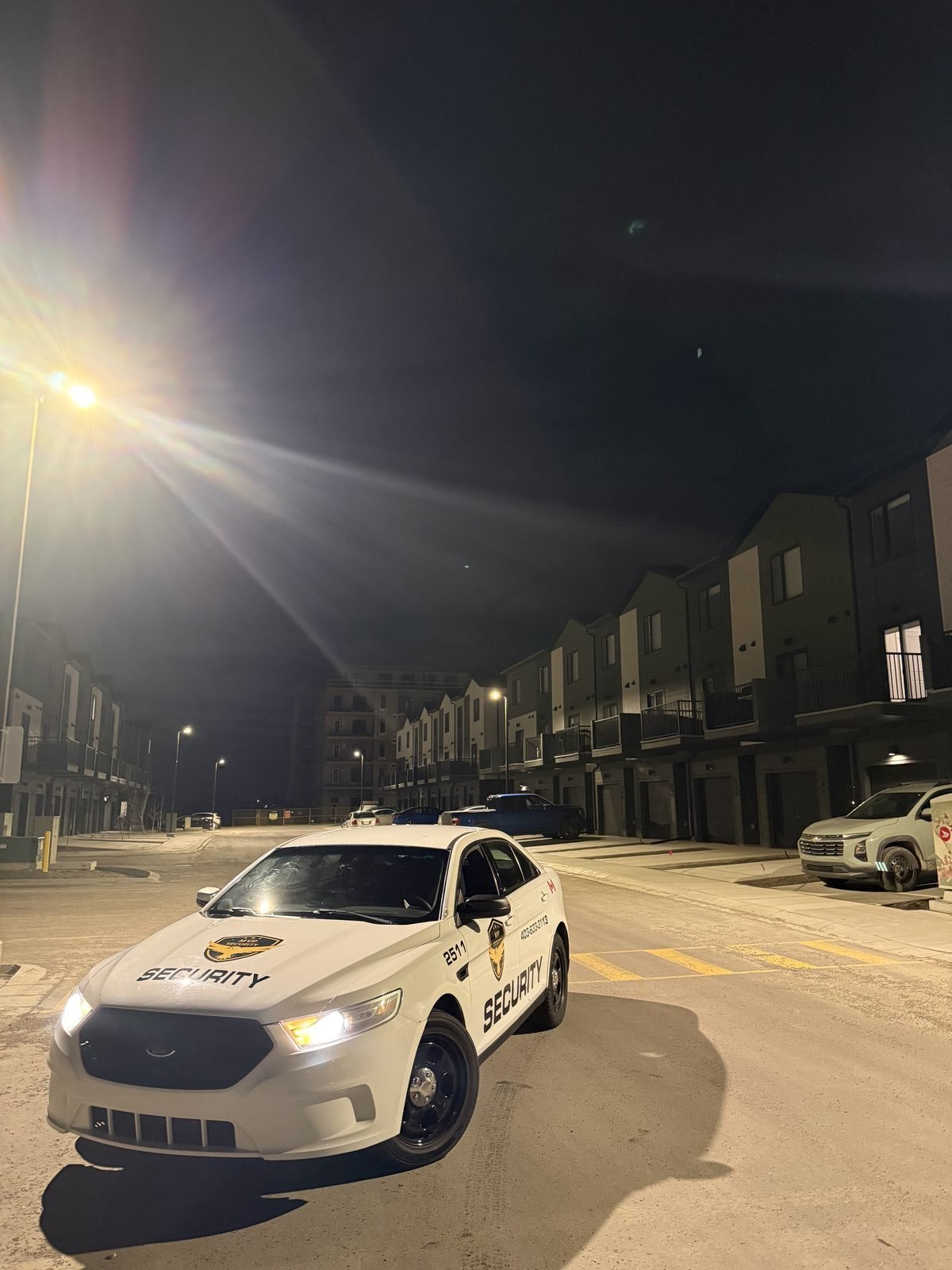
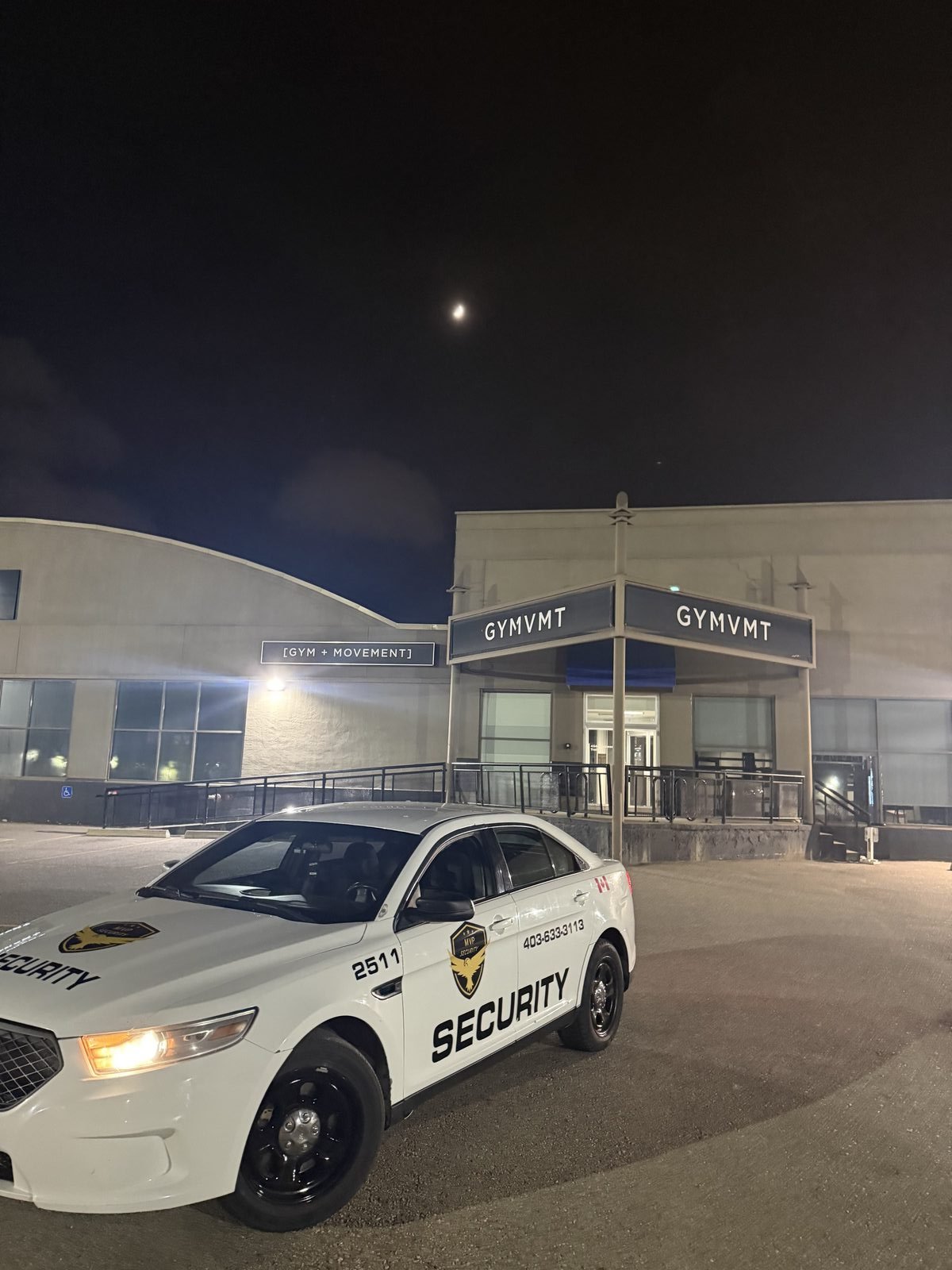
Mobile patrol is often suited to industrial yards, vacant facilities, multi-building properties, and sites that are most vulnerable after business hours. Patrol officers can attend at randomized or scheduled times, inspect gates and doors, check perimeter conditions, look for signs of intrusion, and verify that exterior areas are secure.
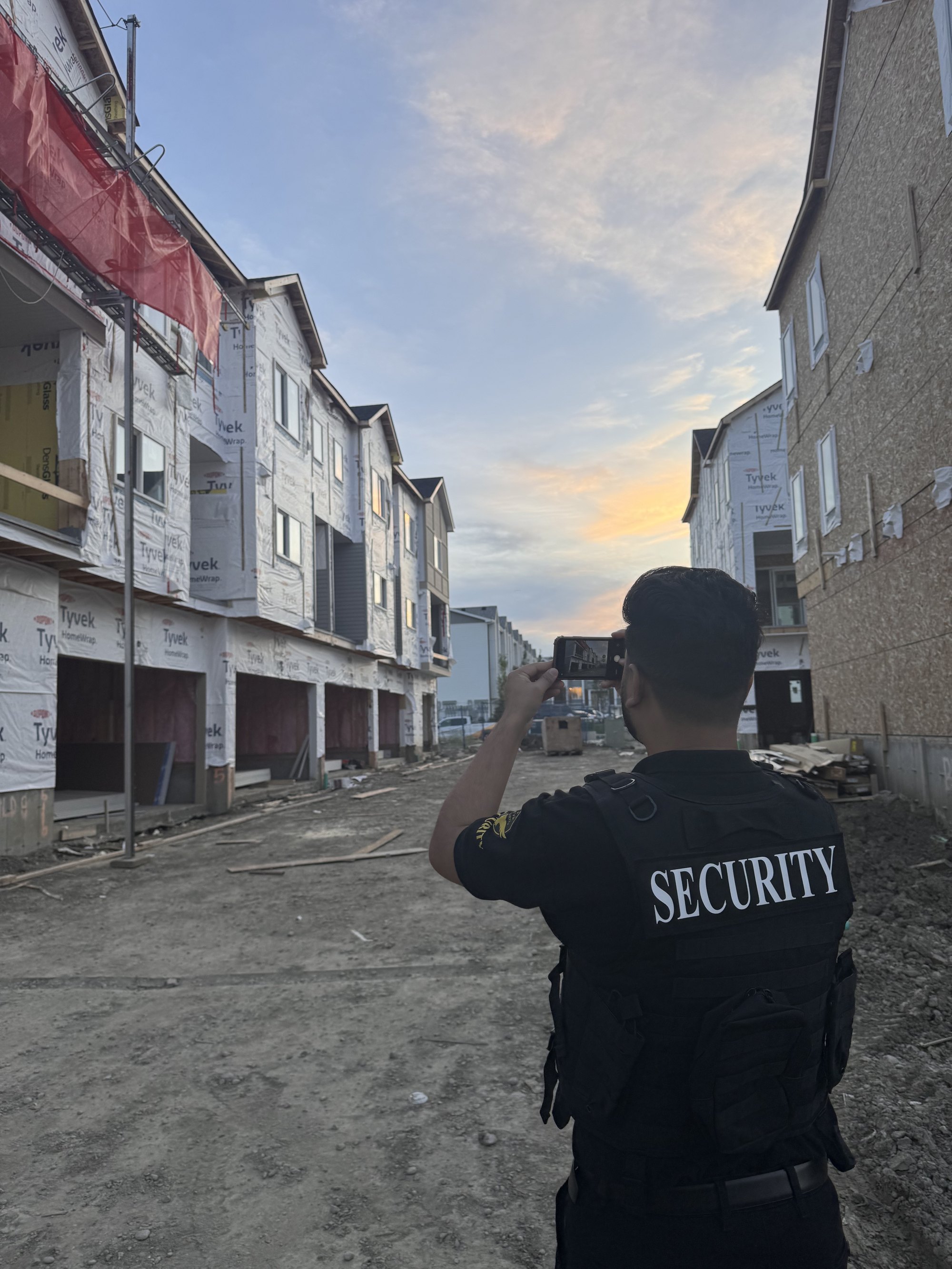
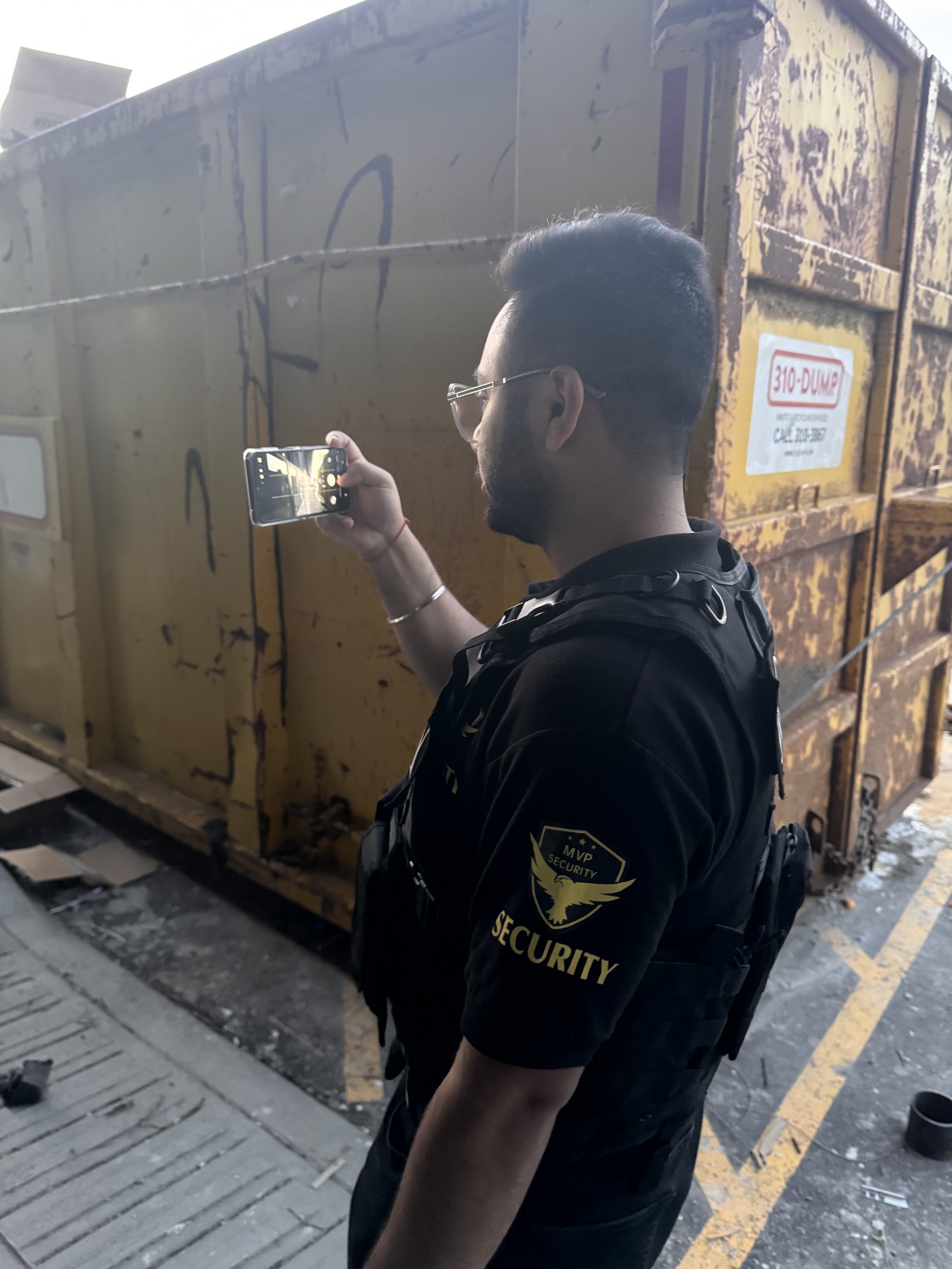
Randomization can be especially useful. Predictable patrol patterns are easier for offenders to watch and avoid. At the same time, patrol activity still needs to be accountable. GPS-tracked attendance and photo-documented reporting provide proof that assigned checks occurred and identify conditions requiring attention.
Mobile patrol should not be treated as a substitute for a fixed guard when real-time access control is required. A patrol officer cannot manage a busy entrance while travelling between locations. But for properties that need regular checks rather than constant staffing, it can be a practical way to maintain visible oversight within budget.
Build the Guard Post Around Actual Operations
A guard who does not understand the site can unintentionally slow down operations or miss a meaningful warning sign. Before coverage begins, the provider should receive current information on operating hours, key contacts, restricted zones, emergency exits, contractor procedures, alarm protocols, and known hazards.
Industrial locations may have heavy equipment, hazardous materials, rail access, loading docks, high-voltage areas, or vehicle routes that require special awareness. Guards should know where they are permitted to go, when they must not enter an area, and whom to contact if they identify an unsafe condition. Security staff are not a replacement for site safety personnel, but they can support safety procedures by reporting hazards, securing access points, and helping maintain orderly entry and exit activity.
Clear post orders should also address the limits of guard authority. Guards should observe, document, de-escalate where appropriate, and contact police or emergency services when required. They should not take unnecessary risks to recover property or confront a potentially dangerous person alone. Protecting people remains the priority.
Reporting Is Part of the Security Service
A guard deployment is difficult to manage if the client only hears about major incidents. Routine reporting creates accountability and helps identify patterns before they become expensive losses.
Daily activity reports should record patrol times, access issues, inspections, incidents, and actions taken. Photos can document an unsecured gate, damaged fence panel, blocked emergency exit, suspicious vehicle, or lighting failure. For site managers who oversee several locations, consistent reporting makes it easier to compare conditions and make informed decisions about staffing or physical upgrades.
Incident reports should be factual and timely. A useful report identifies the date and time, location, people involved where known, observations, actions taken, notifications made, and any follow-up needed. Vague reports create uncertainty. Detailed, objective documentation supports internal review, insurance claims, police reports, and corrective action.
Choose a Provider That Can Scale When Conditions Change
Industrial security needs rarely stay fixed. A project may move from excavation to framing, a warehouse may add a night shift, or a theft incident may create an immediate need for overnight coverage. The provider should be able to adjust the plan without forcing the client into a one-size-fits-all program.
When evaluating a security company, ask about Alberta licensing and insurance, guard training, supervision, response procedures, patrol verification, reporting standards, and emergency availability. Ask who answers the phone after hours and how quickly the company can deploy coverage when an alarm, break-in, fire watch requirement, or staffing gap occurs.
Local knowledge also has operational value. A Calgary-based provider understands regional weather conditions, industrial-area travel times, local policing considerations, and the practical challenges of reaching sites outside the core. MVP Security Inc. builds site-specific programs around these conditions, using Alberta-licensed guards, GPS-tracked patrol activity, and documented reporting to keep clients informed.
When to Increase Coverage
A security plan should be reviewed after any material change in risk. Repeated trespassing, theft of tools or fuel, a new high-value equipment delivery, reduced staffing, fencing damage, alarm events, or a temporary shutdown can all justify additional guard presence.
Coverage can also be reduced or restructured when controls improve. Better lighting, repaired fencing, access-card systems, monitored cameras, and stronger key management may allow a site to shift from static guarding to mobile patrols. The goal is not to buy the most security possible. It is to put the right level of trained, accountable coverage where it has the greatest effect.
A dependable industrial guard deployment begins with an honest look at how the site operates after the last truck leaves. When guards have clear instructions, reliable supervision, and a reporting process that management can use, security becomes a controlled part of operations rather than a reaction to the next loss.