









A single unlocked gate at 2:15 a.m. can turn into stolen materials by sunrise, a damaged fence line by noon, and a production delay that costs far more than the missing equipment. That is why industrial site security Calgary operators choose cannot be generic. Warehouses, yards, plants, fabrication shops, and logistics properties each carry different risks, different operating hours, and different pressure points.
What industrial sites in Calgary are actually up against
Industrial properties face a mix of security problems that do not stay neatly inside one category. Theft is the obvious one, especially when copper, tools, fuel, pallets, vehicles, or high-value inventory are accessible after hours. But unauthorized access, trespassing, vandalism, break-ins, and recurring alarm events often create just as much disruption.
In Calgary and surrounding industrial areas, the challenge is not only stopping a major incident. It is reducing the smaller, repeated issues that drain time from supervisors and property managers. A cut lock, an open overhead door, a damaged camera, or a person sheltering in a loading area can all lead to safety concerns, insurance headaches, and avoidable downtime.
Weather, shift schedules, and large site footprints add another layer. Some sites run 24/7, others go quiet overnight, and many have multiple buildings, yards, and access points that are difficult to watch consistently without a clear plan. That is where a tailored security program matters more than a one-size-fits-all guard post.
What effective industrial site security in Calgary looks like
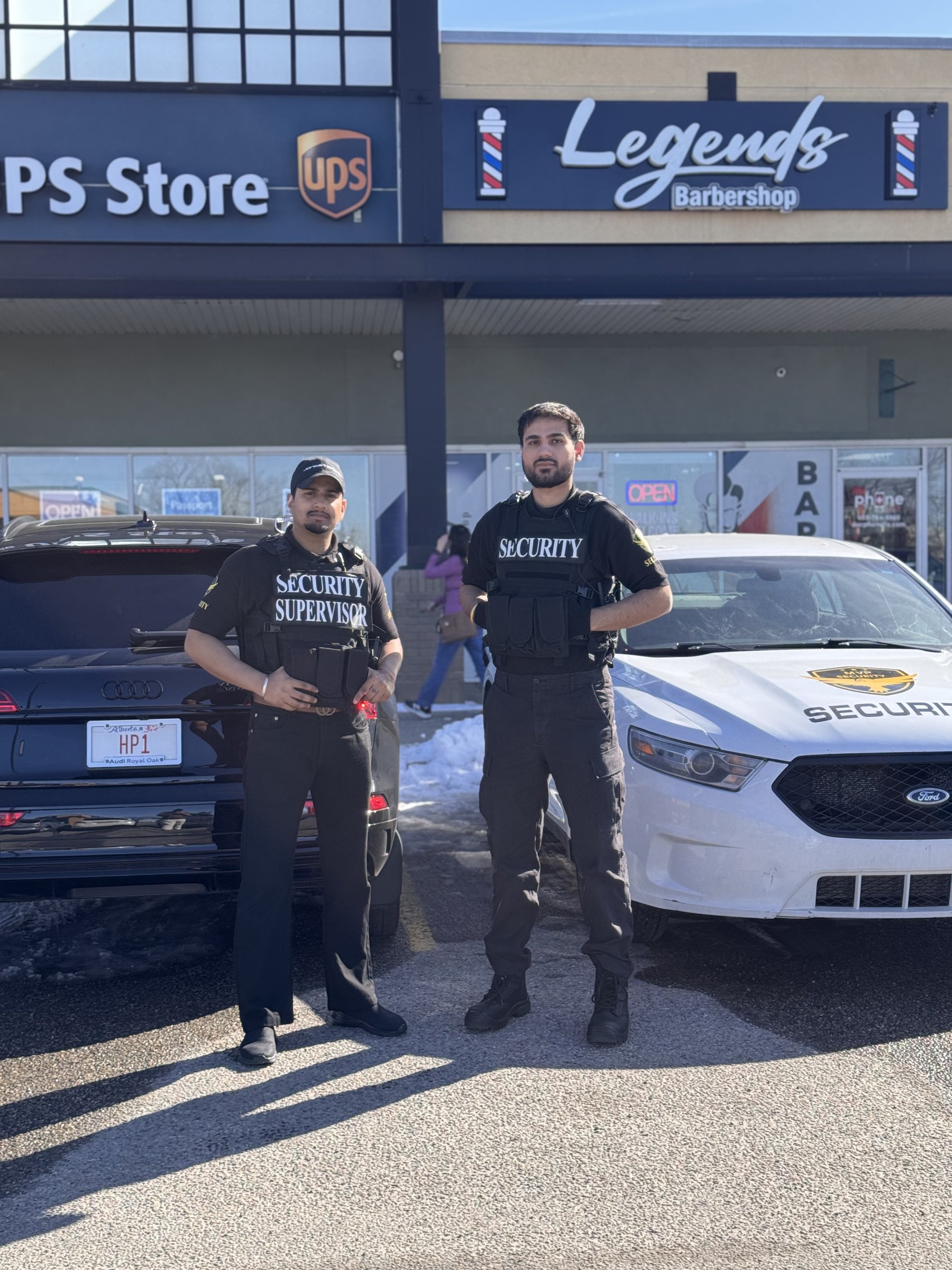
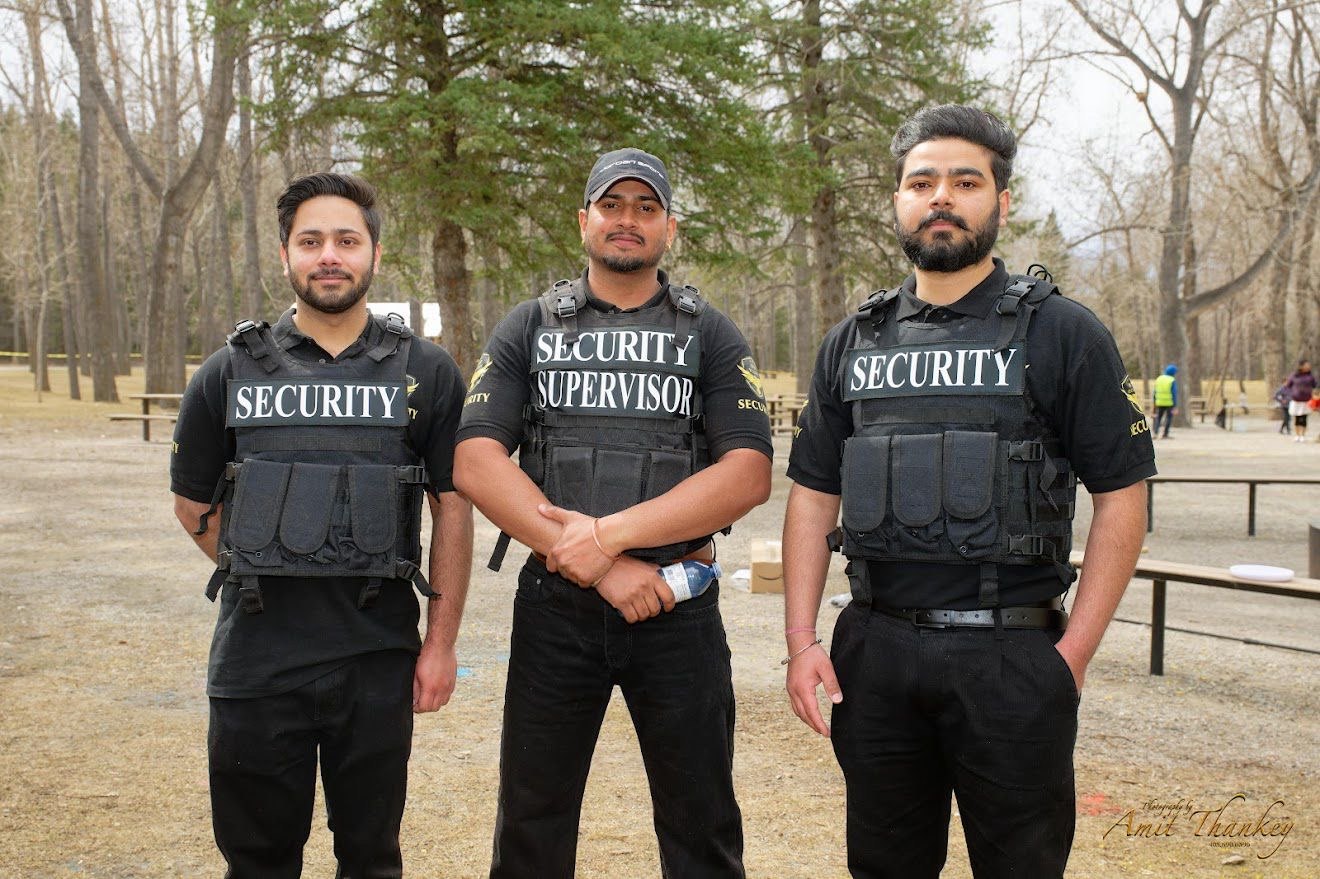
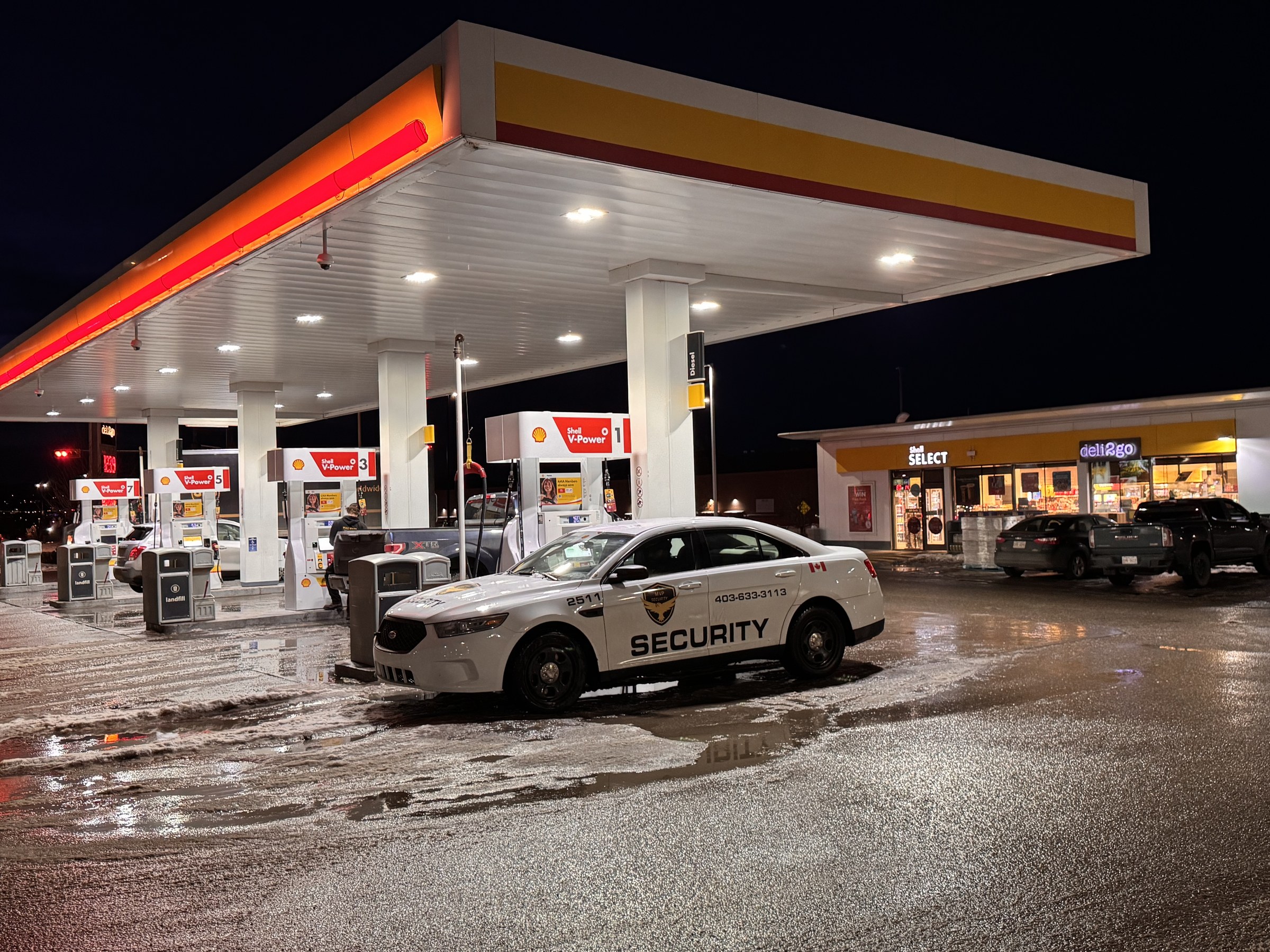
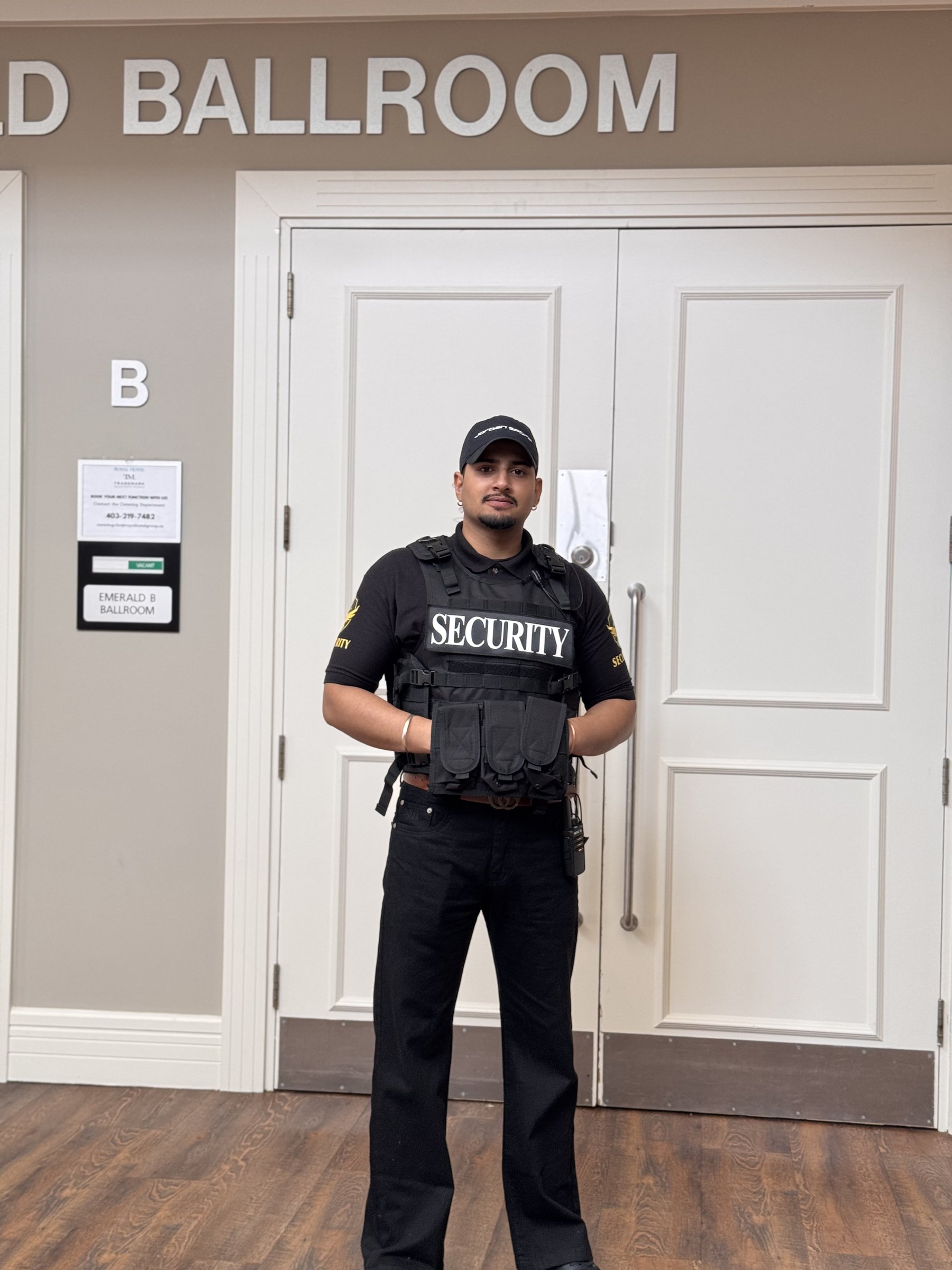
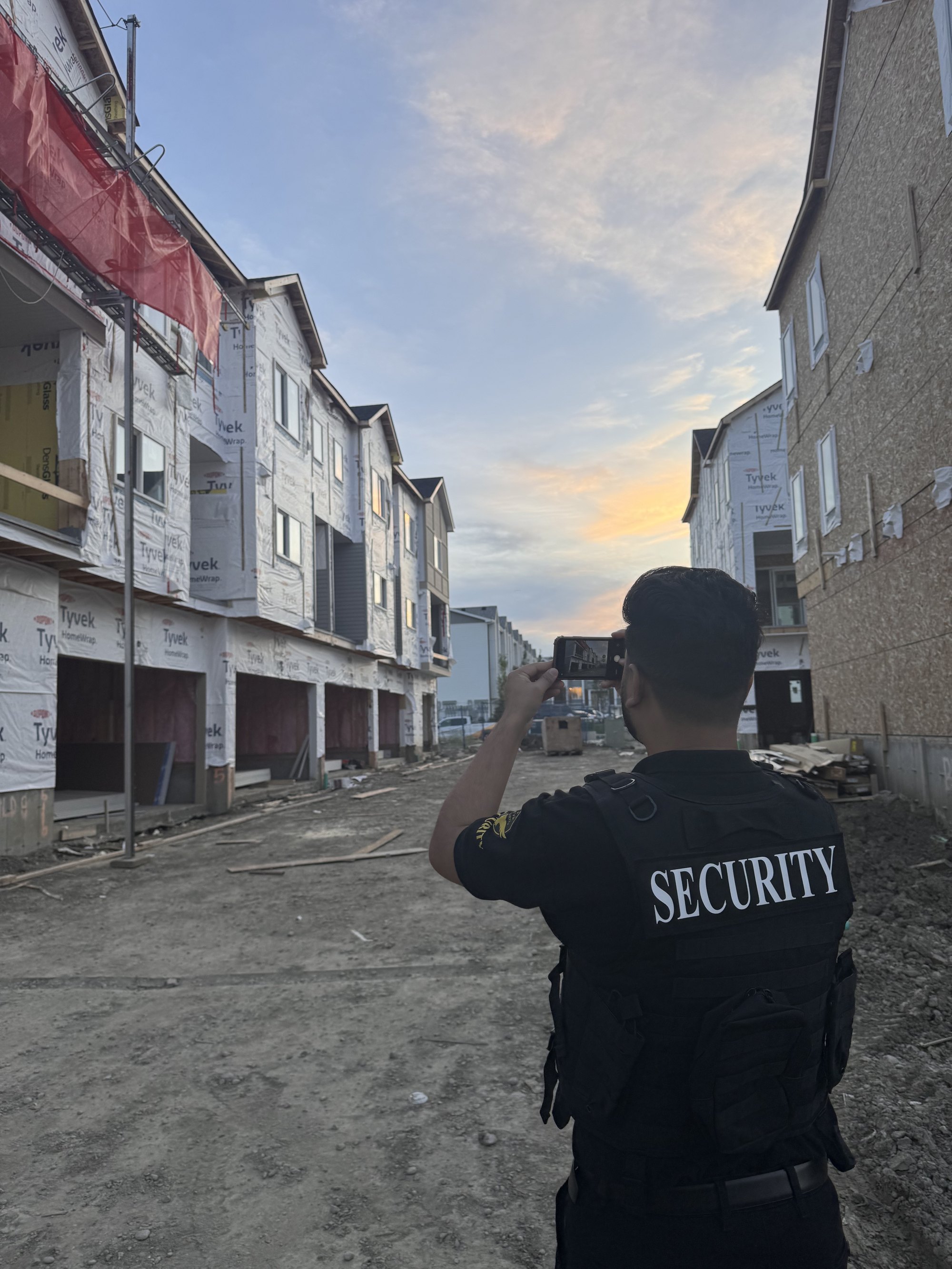
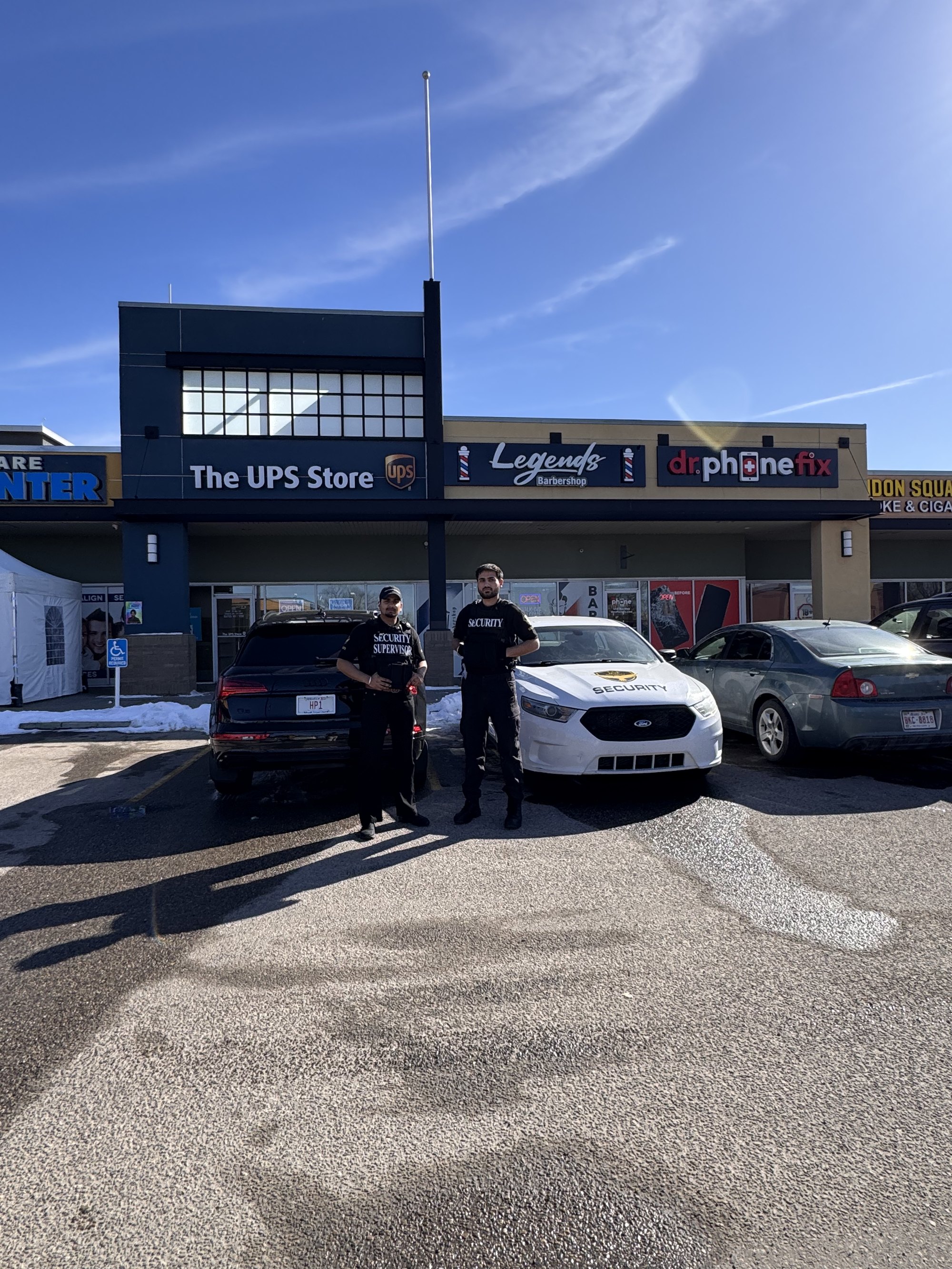
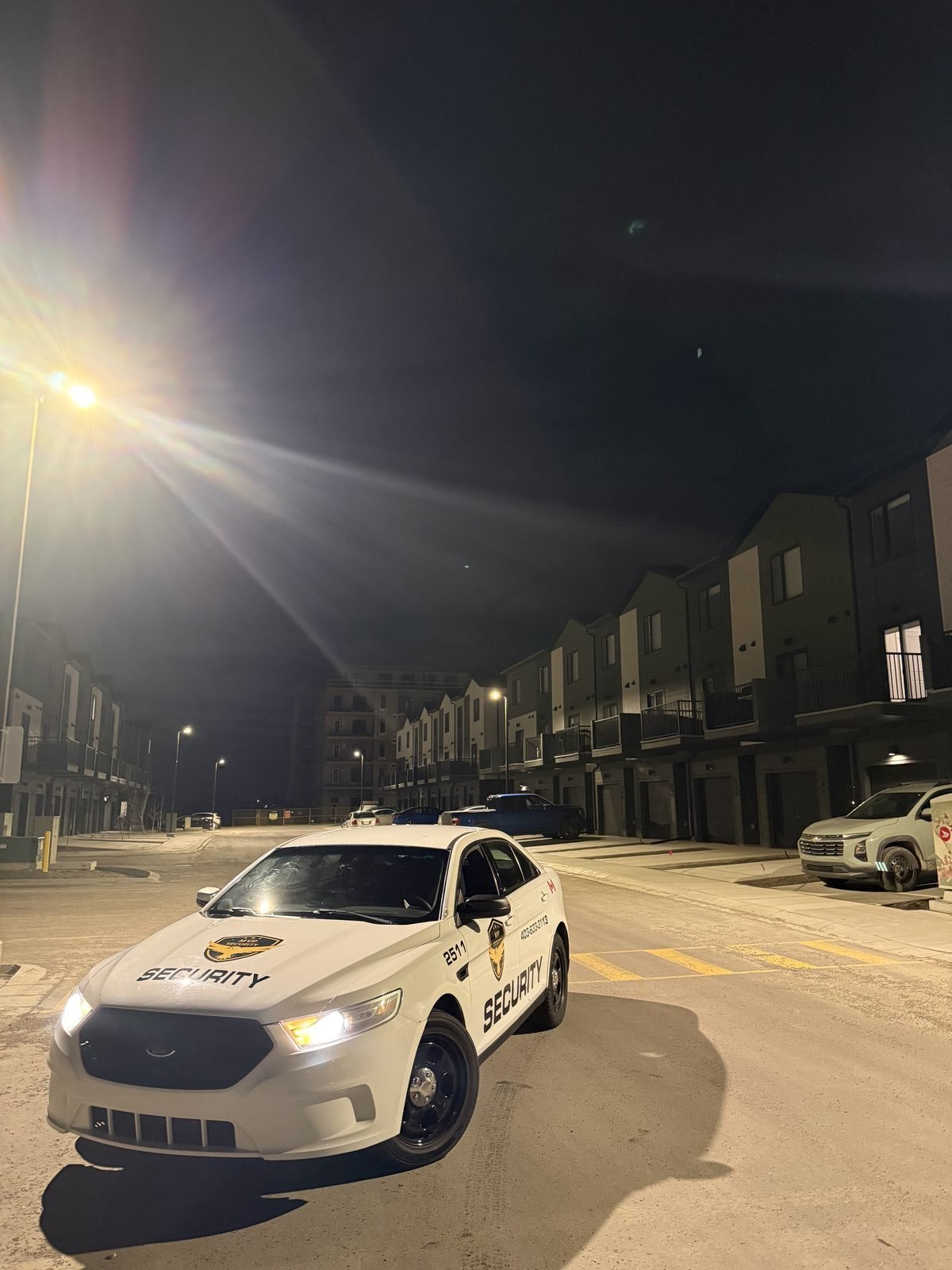
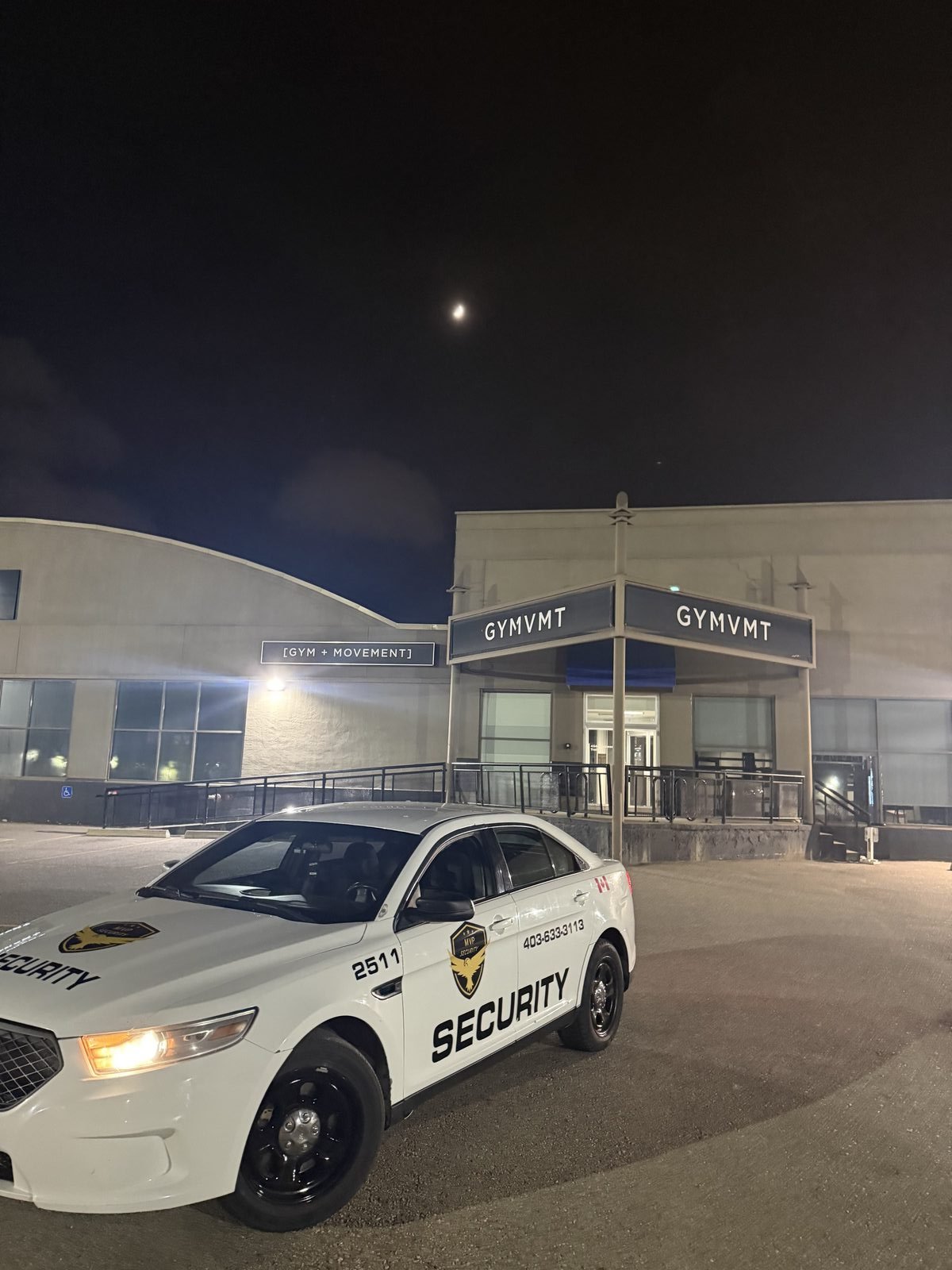
Good industrial security starts with visibility and follows through with accountability. A marked patrol vehicle, a professional uniform, and active gate checks create deterrence. But deterrence only works when the security team is actually present, following site instructions, and documenting what they find.
For many industrial clients, the right setup includes a mix of mobile patrol and static guard coverage. Mobile patrol works well for properties that need regular lock checks, perimeter inspections, alarm response, and overnight presence without paying for a full-time guard at every hour. Static guards make sense when a site has active access control needs, sensitive inventory, frequent after-hours traffic, or a higher risk of intrusion.
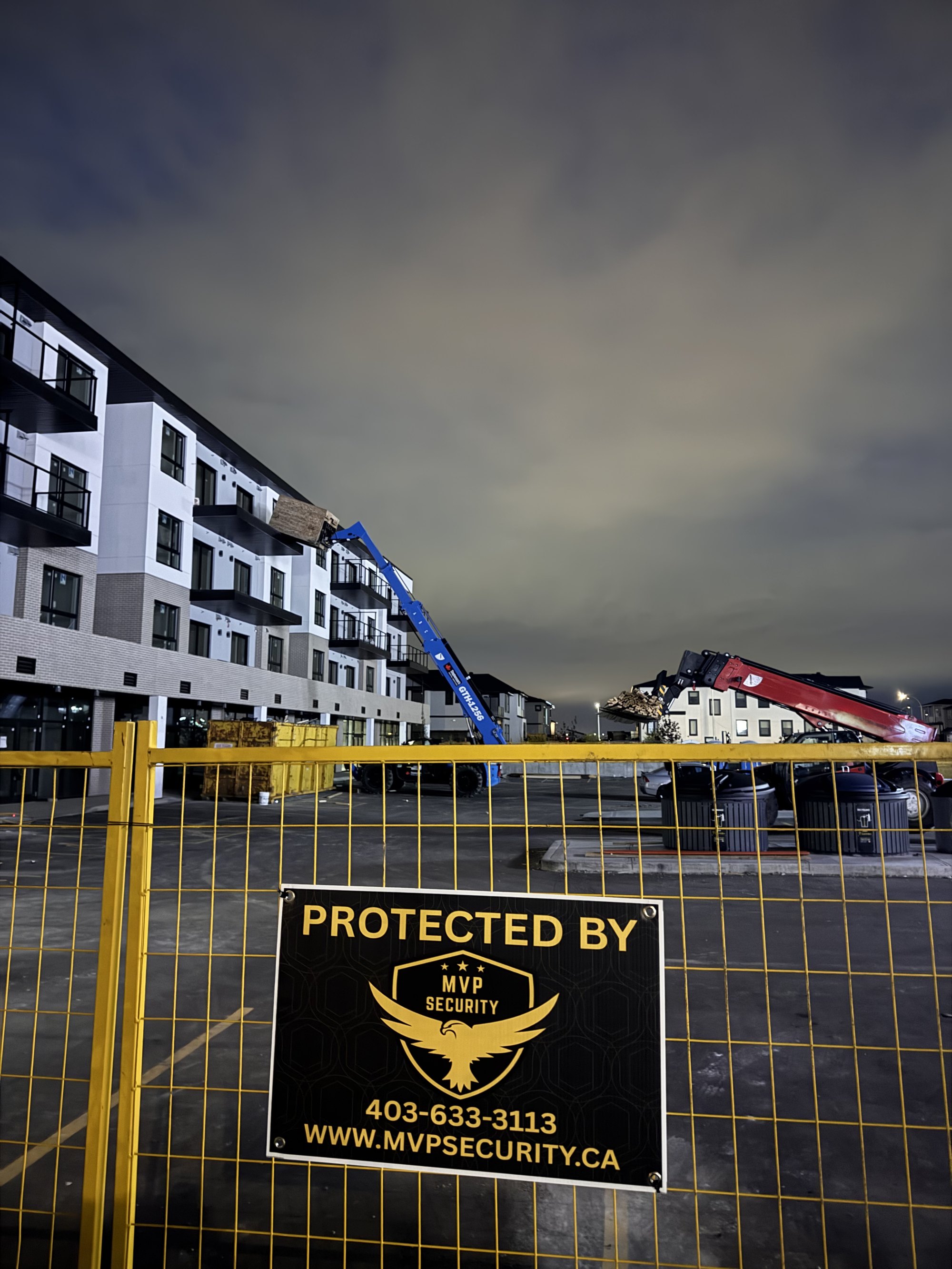
There is no perfect package that fits every site. A distribution yard with repeated overnight trespassing may need frequent patrol hits and fence-line checks. A manufacturing facility with employees arriving on staggered shifts may need front-entry control and visitor verification. A contractor laydown yard may need stronger after-hours patrols on weekends when materials are most exposed.
Why site-specific planning matters more than headcount
One of the most common mistakes in industrial site security Calgary buyers make is assuming more guards automatically means better protection. Sometimes that is true. Often, it is not.
A guard who is posted in the wrong place, at the wrong hours, without clear reporting expectations, will not solve the actual problem. Security planning should be based on the site layout, known incident history, business hours, lighting conditions, access points, alarm activity, and the value of assets at risk.
That means asking practical questions. Where are people getting in now? Which gates are used after hours? Are contractors, drivers, or staff creating access control gaps? Is the problem mostly theft, loitering, vandalism, or alarm fatigue? Do you need a visible presence, fast dispatch, documented patrols, or all three?
When a provider builds coverage around those realities, the result is usually more efficient. You get protection where it matters, not wasted hours where it does not.
The role of mobile patrol for industrial properties
Mobile patrol is often the most cost-effective option for industrial sites that need consistent oversight but not a permanent guard on every shift. Patrol officers can check gates, doors, trailers, storage areas, fencing, and parked vehicles on a scheduled or randomized basis. That random element matters because predictable routines are easier for repeat offenders to study.
Patrol is also useful when alarm systems generate after-hours events. Instead of sending site staff into uncertain situations, trained security can attend, investigate, document conditions, and escalate to emergency services when needed. That shortens response time and gives property managers clearer information about what actually happened.
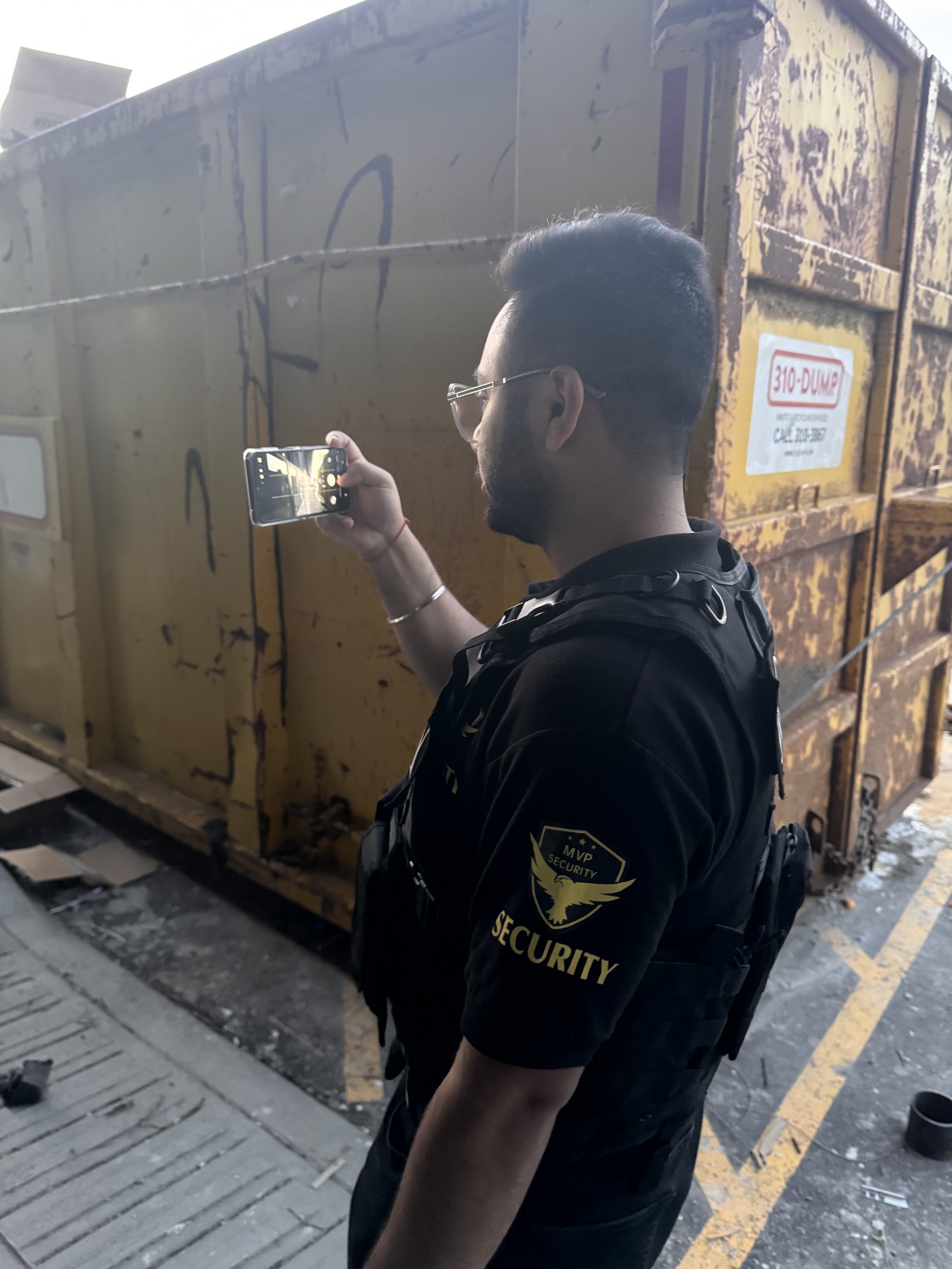
Documentation is the difference between security that feels active and security that is provably active. GPS-tracked patrol activity, time-stamped reports, and photo-backed incident notes give clients a record they can review. For industrial operations, that kind of reporting is not a nice extra. It helps with internal follow-up, insurance records, contractor accountability, and trend tracking over time.
When static guards are the better fit
Some industrial sites need a constant on-site presence. If your property has frequent deliveries outside standard hours, controlled entry requirements, vulnerable stock, or recurring conflict with trespassers, a static guard can provide stronger control than patrol alone.
A good on-site guard does more than sit at a desk. They manage access points, verify credentials, keep unauthorized individuals off the property, perform regular internal and external checks, and act as an immediate point of contact if something changes on site. Their presence also supports staff and contractors who may feel exposed during early morning or overnight operations.
That said, static coverage is a larger investment, so it should be used where it genuinely improves risk control. In some cases, a blended model works better - static coverage at peak vulnerability periods and mobile patrol at lower-risk times.
Compliance, licensing, and response standards are not minor details
Industrial buyers usually look at price first, then find out later that service quality was the more expensive issue. Missed patrols, poor reporting, unlicensed personnel, or slow alarm attendance can create more exposure than having no professional coverage at all.
In Alberta, clients should expect licensed guards, insured operations, and a provider that understands SSIA compliance. They should also expect clear communication around response expectations, escalation procedures, and reporting standards. If your provider cannot explain how incidents are tracked, who is dispatched, or how patrol activity is verified, that is a warning sign.
Local response matters too. A Calgary-based provider with active deployment across the city and nearby communities can usually react faster than a company trying to manage the market from a distance. For industrial clients, minutes matter. A fast response can mean the difference between an open gate caught early and a fully compromised yard.
Common pressure points that deserve extra attention
Most industrial losses happen in familiar places. Perimeter fencing, side gates, loading docks, fuel storage, tool containers, and detached yard areas tend to draw repeat attention. These are the spots where patrol frequency, lighting checks, and visible presence often have the biggest impact.
Another weak point is after-hours access by people who look like they belong there. Former workers, contractors, delivery drivers, and visitors can move through industrial properties with less scrutiny than an obvious intruder. That is why access control and guard awareness are as important as perimeter patrol.
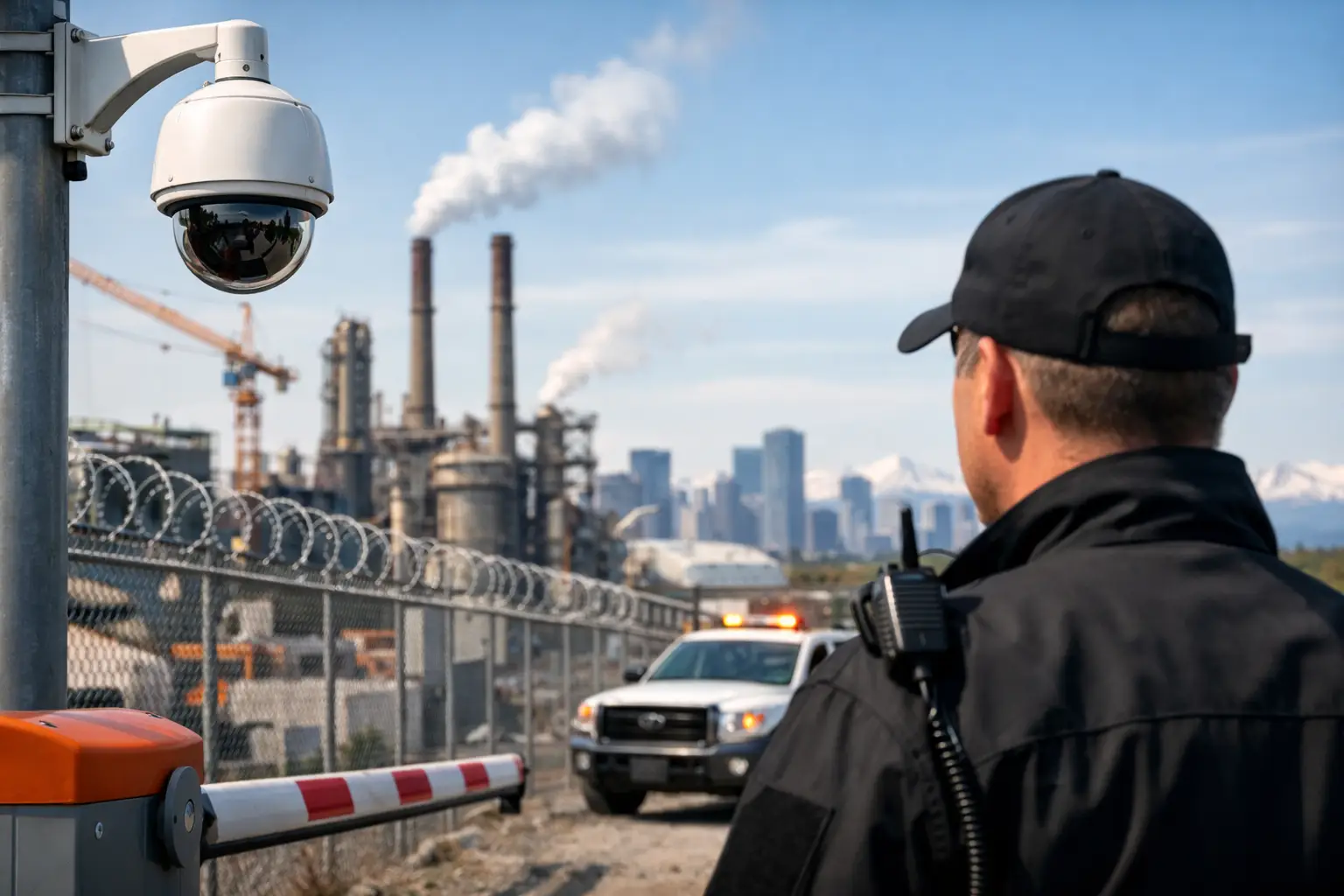
There is also the issue of false confidence in cameras alone. CCTV is valuable, especially for overnight review and incident confirmation, but cameras do not challenge a trespasser, lock a gate, or respond to an alarm. On industrial sites, the strongest setup is usually technology supported by trained personnel who can act on what the system detects.
Choosing an industrial security partner in Calgary
If you are comparing providers, ask how they would staff your site and why. Ask what they would check on each patrol, how reports are delivered, how quickly they can deploy, and what happens during an alarm or active incident. A credible company should be able to answer in operational terms, not general promises.
It is also worth asking how flexible the service is. Industrial needs change quickly. A project ramps up, a tenant moves in, a laydown yard expands, or a theft pattern shifts from weekdays to weekends. Your security coverage should be able to adjust without turning into a long, slow administrative process.
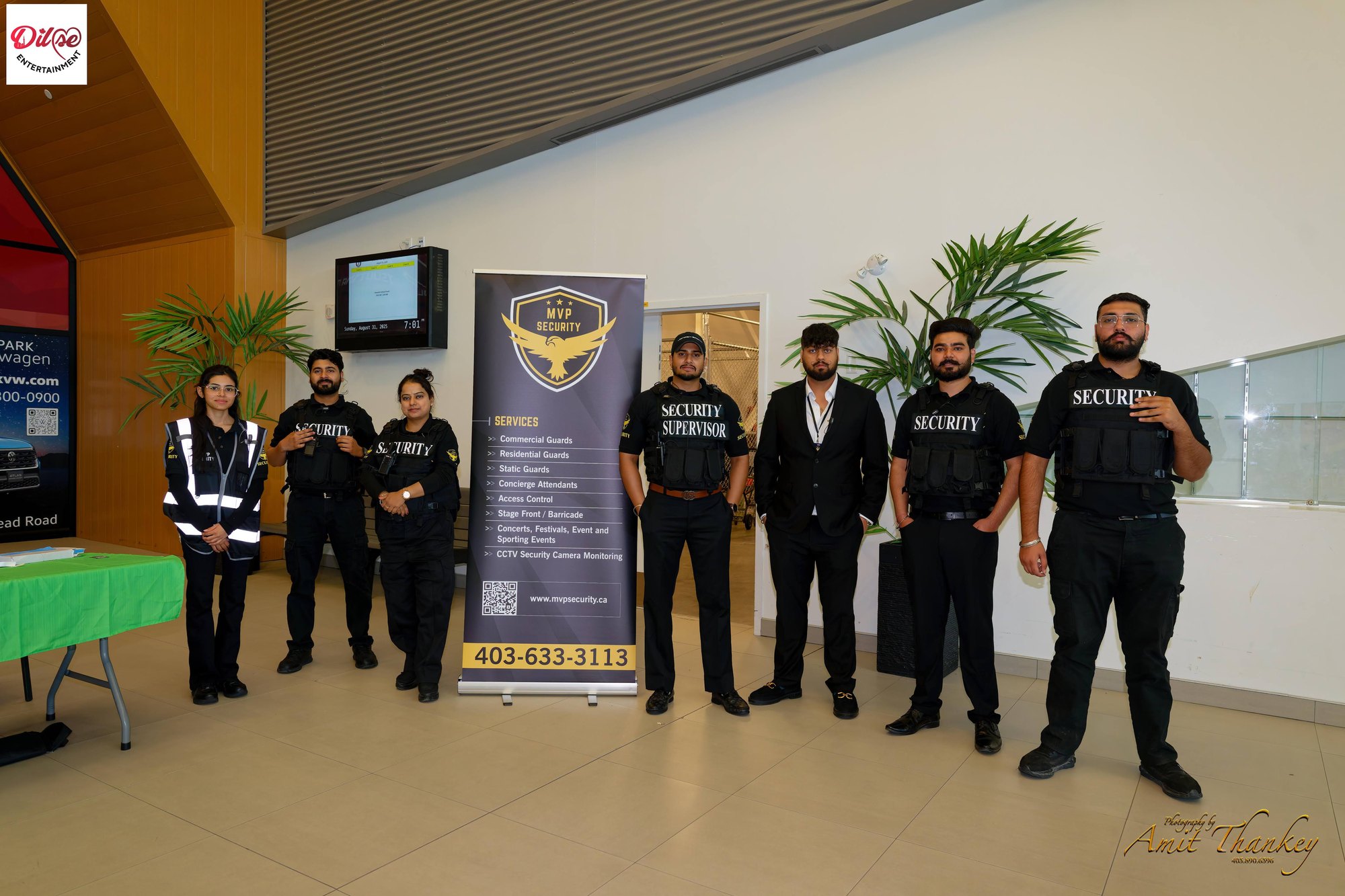
That responsiveness is one reason many Calgary businesses work with local firms such as MVP Security Inc. The value is not just guard presence. It is the ability to get licensed coverage quickly, receive documented reporting, and build a plan around the actual site instead of forcing the site into a standard template.
Industrial security works best when it is practical, visible, and accountable. If your current coverage is giving you gaps, vague reports, or slow response, the issue may not be security itself. It may be that your site needs a plan built for how the property really operates after dark.