
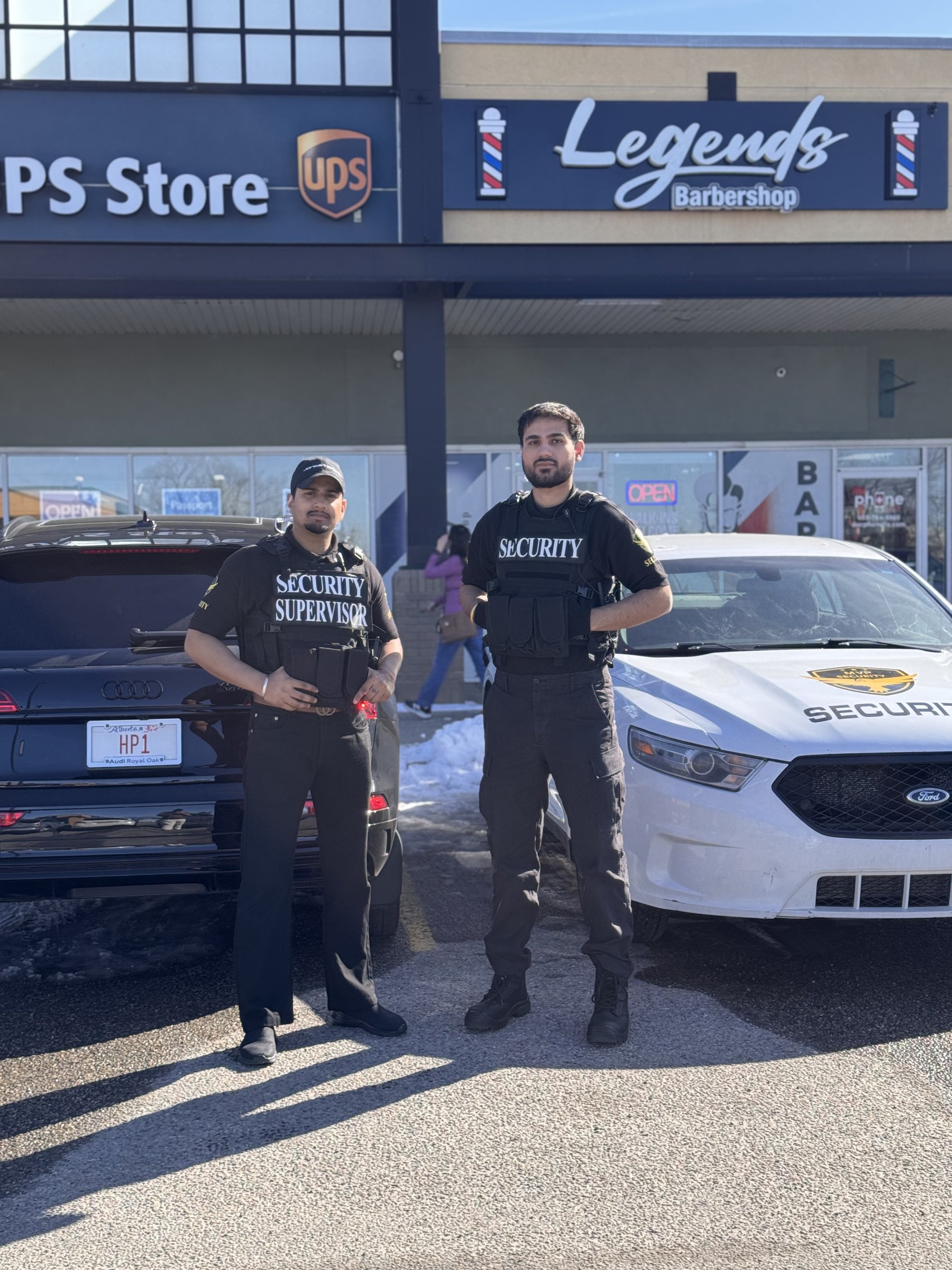






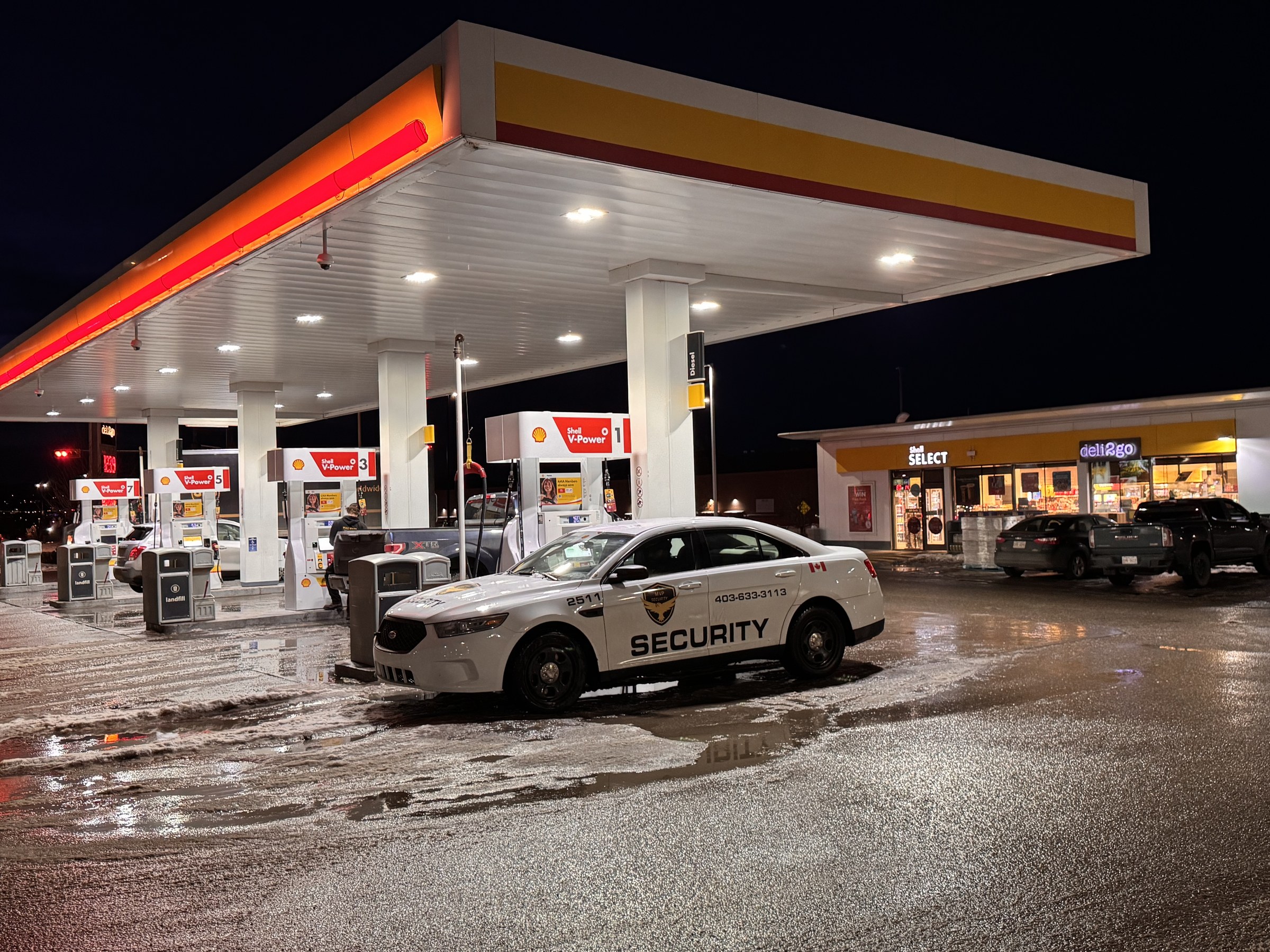
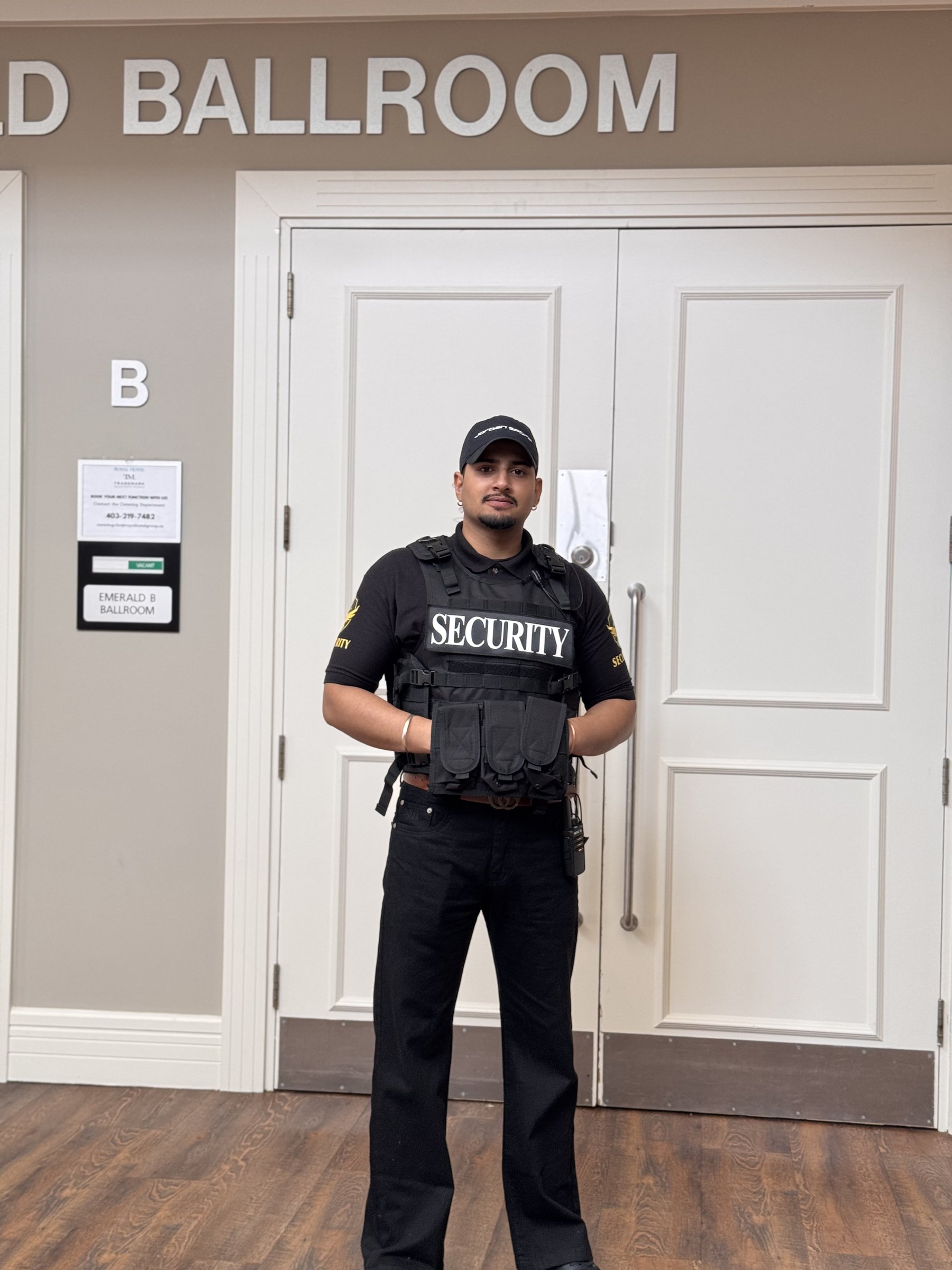
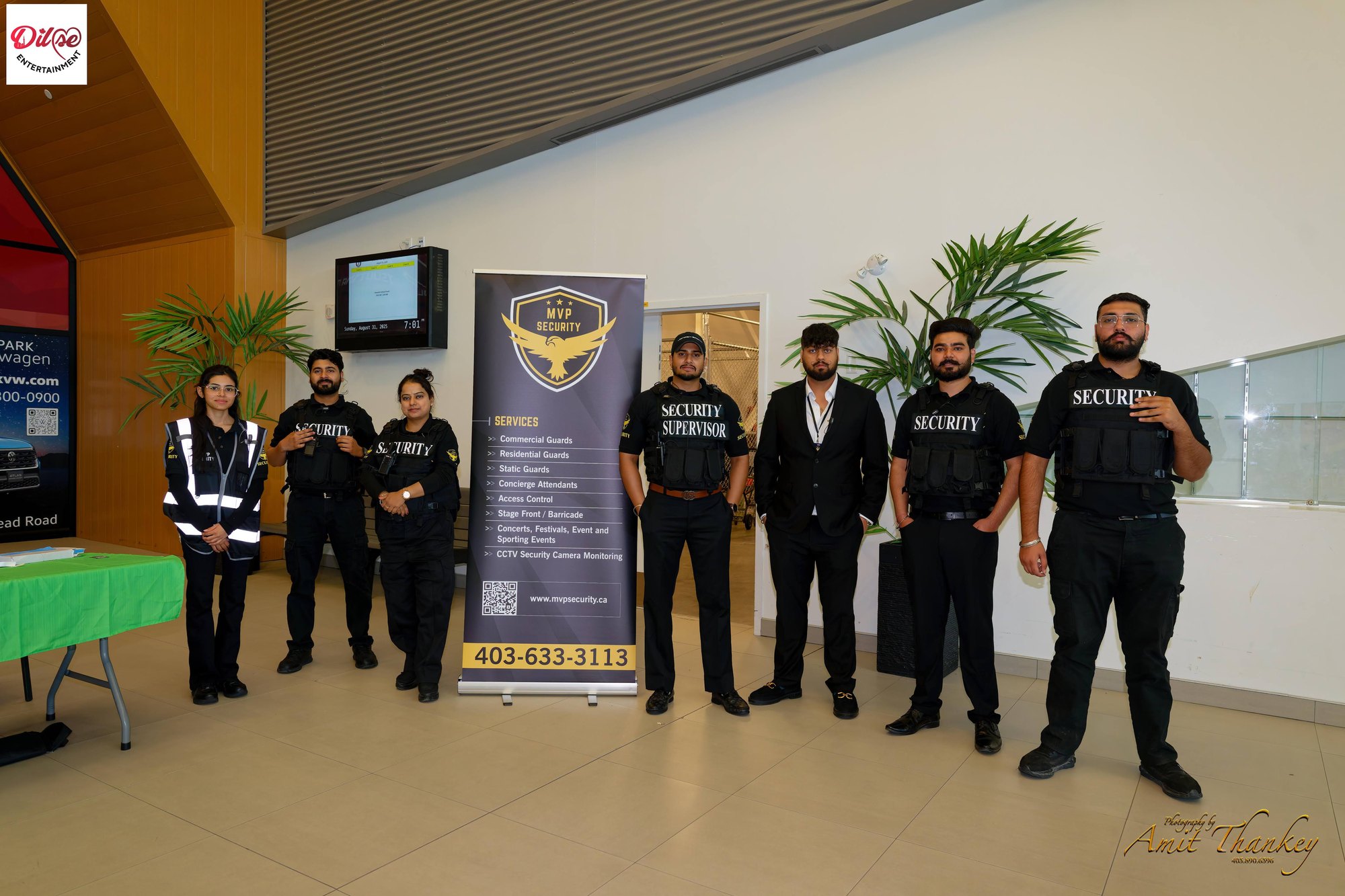
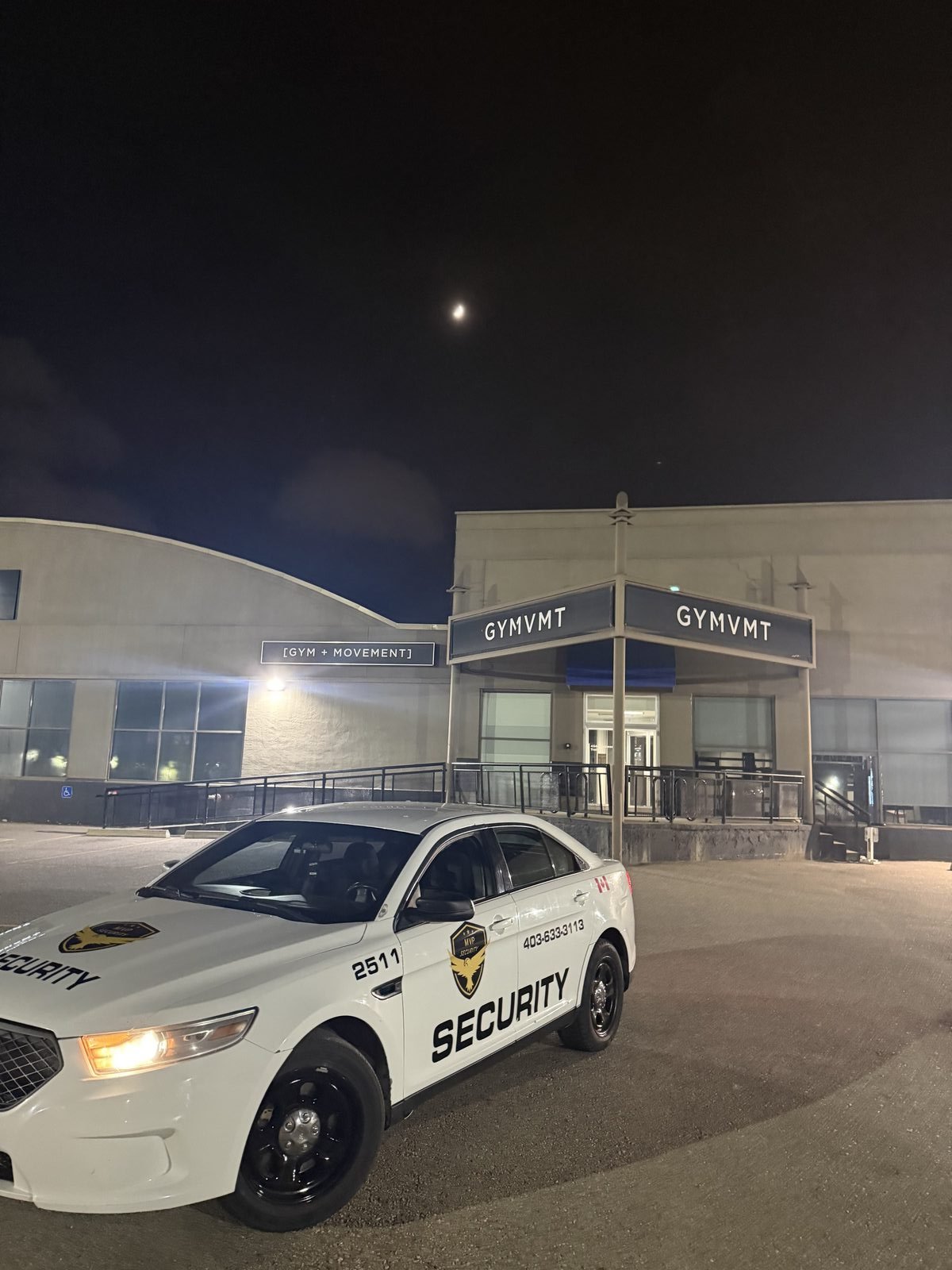
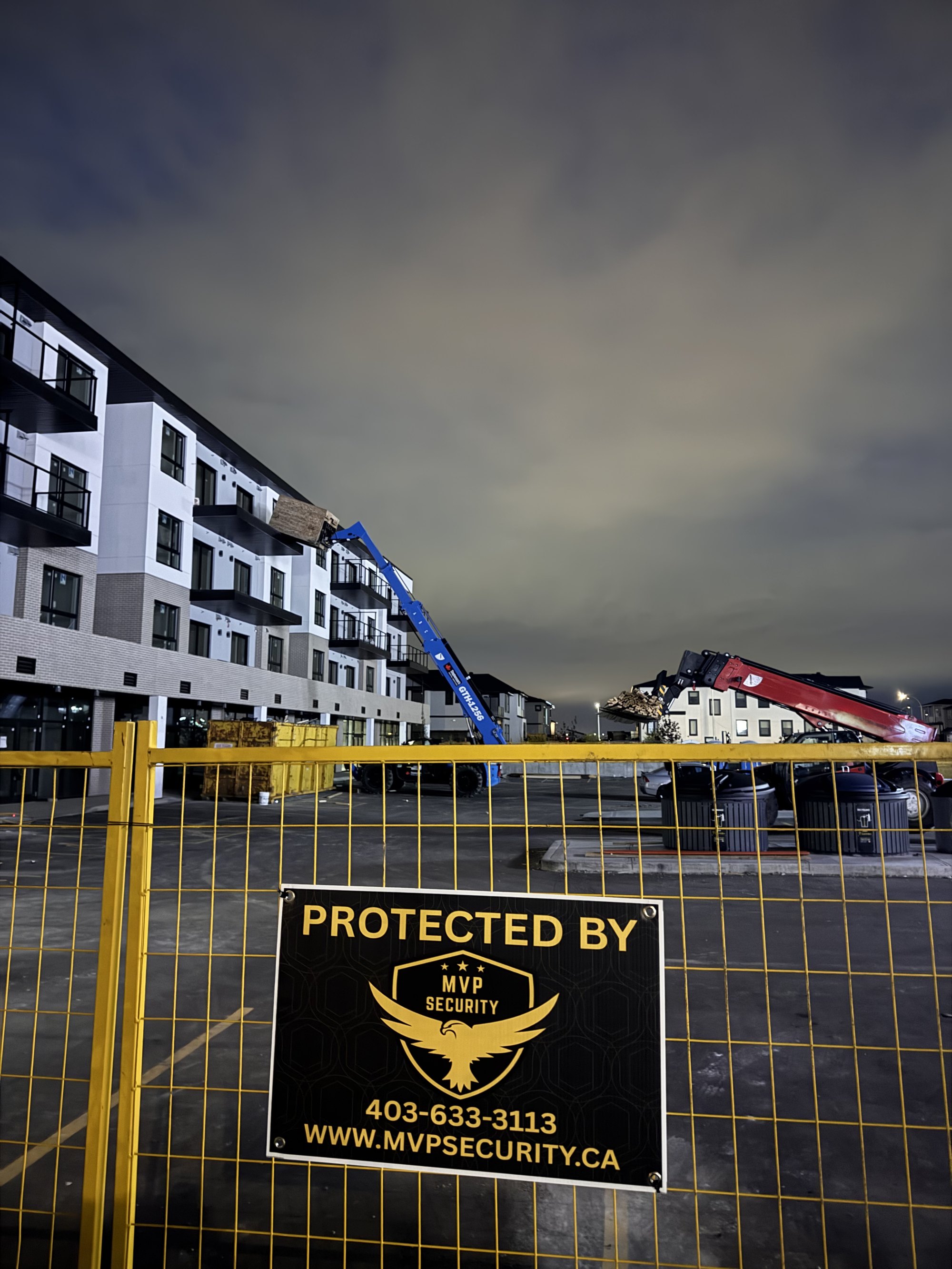
A guard shows up late, misses an access point, or files a vague incident note, and the real cost lands on your site - not on the security company. For property managers, builders, retail operators, and event organizers, hiring licensed security guards Alberta clients can rely on is not a box to check. It is an operational decision that affects theft risk, tenant confidence, after-hours safety, insurance concerns, and how quickly problems are contained.
The challenge is that not every guard service is built the same. Two providers may both say they offer licensed coverage, but the difference in supervision, documentation, response times, and site planning can be substantial. If you are responsible for a commercial property, construction site, condo, industrial facility, or event venue in Calgary or nearby communities, it helps to know what licensed security should actually mean in practice.
What licensed security guards in Alberta should provide
At a minimum, a licensed guard in Alberta should be properly certified under provincial requirements and deployed through a compliant security company. That matters because licensing is the baseline for legal and professional operation, not the full measure of quality. A licence confirms eligibility to work in the role. It does not, by itself, tell you whether the guard understands your site, follows post orders, escalates correctly, or documents incidents in a way that protects your business.
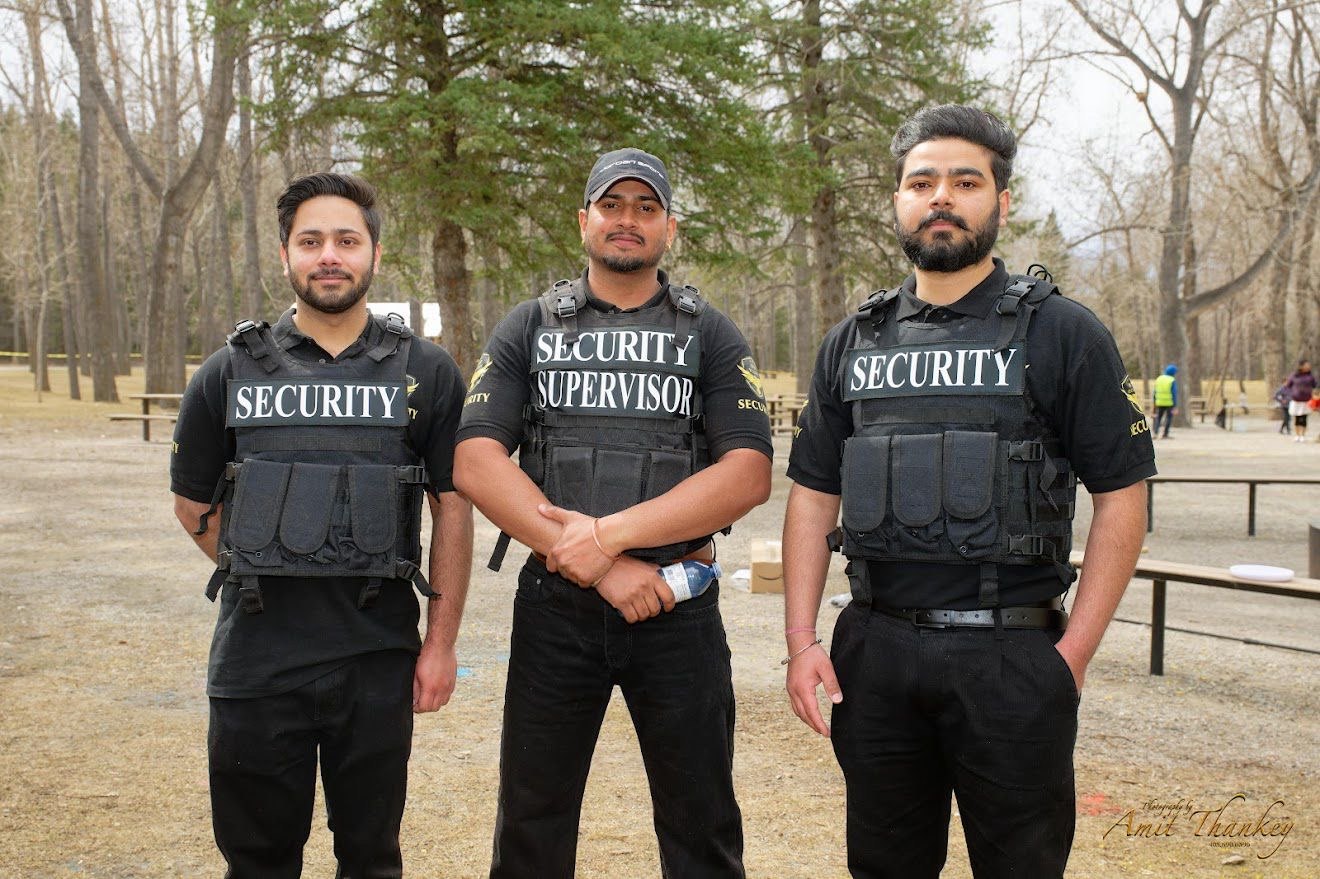
This is where buyers often need to look deeper. A licensed guard who is unsupported, poorly briefed, or rarely supervised may still leave major gaps. By contrast, a well-managed team with clear site instructions, active oversight, GPS-tracked patrol activity, and photo-documented reporting gives you something more useful than a visible uniform. It gives you accountability.
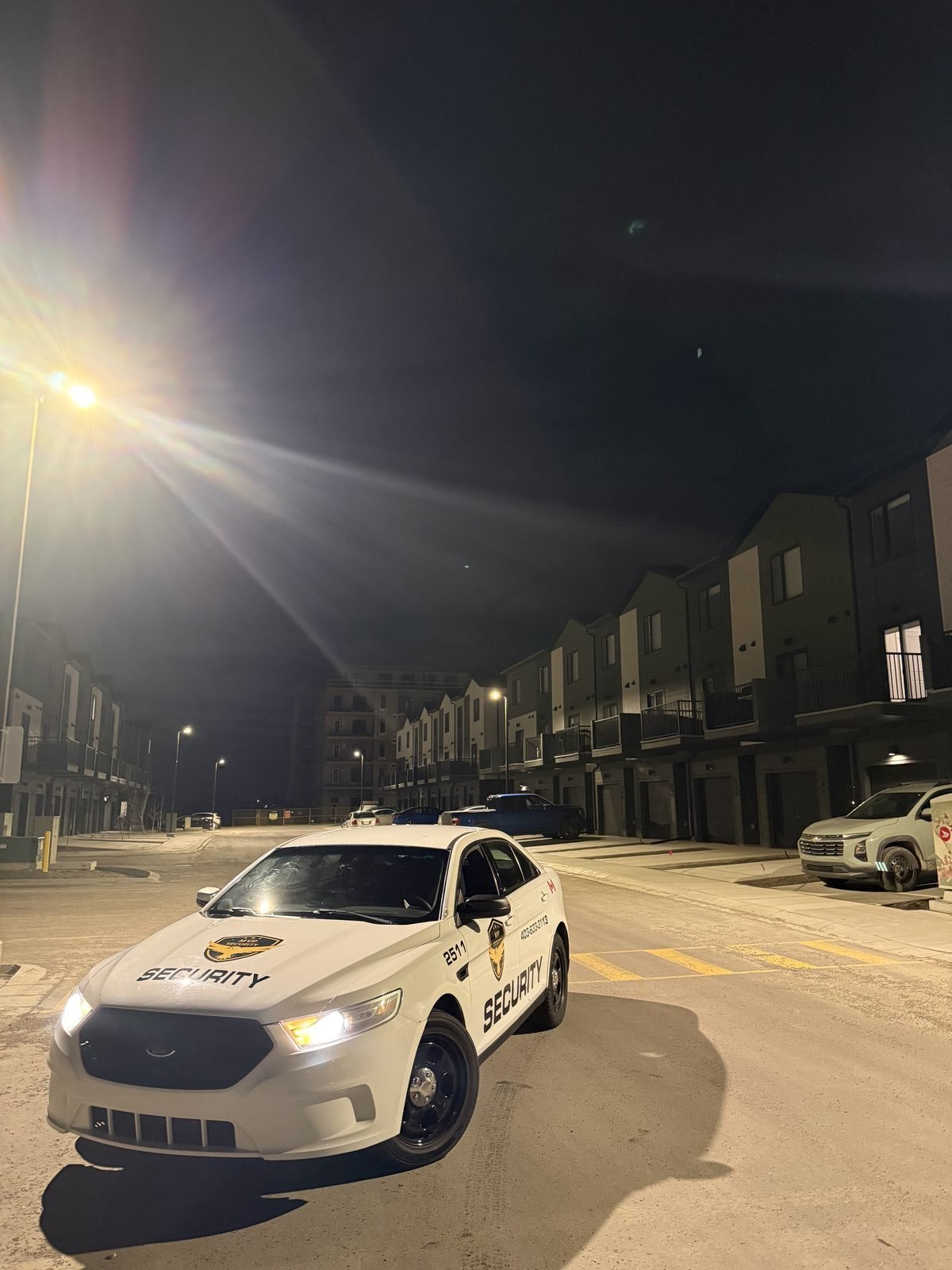
For most clients, that accountability matters most during the hours when nobody else is watching. Overnight trespassing, repeated nuisance activity, alarm activations, unsecured entries, and contractor access issues do not wait for business hours. Security coverage has to function when your own staff are off-site.
Why Alberta licensing is only the starting point
When people search for licensed security guards Alberta wide, they are usually trying to reduce risk quickly. They want to know that the provider is legitimate, the guards are qualified, and the service can be trusted on-site. That is reasonable, but the buying decision should not stop at the licence itself.
A good provider will be able to explain how guards are assigned, how shifts are supervised, and how incidents are reported. They should also be clear about whether coverage is static, mobile, concierge-based, event-focused, or tied to alarm response and overnight monitoring. The right setup depends on the site.
A downtown commercial building with regular public access needs a different approach than a fenced construction project in an outer suburban area. A condo property may need a mix of concierge presence and after-hours patrol. An event may require access control, crowd management, bag checks, and visible deterrence at entry points. An industrial yard might need perimeter patrols, gate verification, and fast response to alarms or suspicious vehicle activity.
Licensing matters in every one of these cases, but the service design matters just as much.
How to evaluate licensed security guards Alberta buyers are considering
The fastest way to compare providers is to move past general promises and ask operational questions. If a company cannot answer them clearly, that usually tells you what you need to know.
Ask how the site plan is built
A serious security company should want to understand your hours, traffic patterns, recent incidents, vulnerable areas, and reporting expectations before recommending coverage. If the answer is a generic eight-hour shift with no discussion of site conditions, the service may not be tailored enough to solve the actual problem.
Security planning should reflect the reality of the location. A retail plaza dealing with loitering and overnight break-in attempts needs a different patrol rhythm than a residential tower dealing with unauthorized visitors and parking issues. The more site-specific the planning, the more useful the coverage becomes.
Ask how patrols and incidents are documented
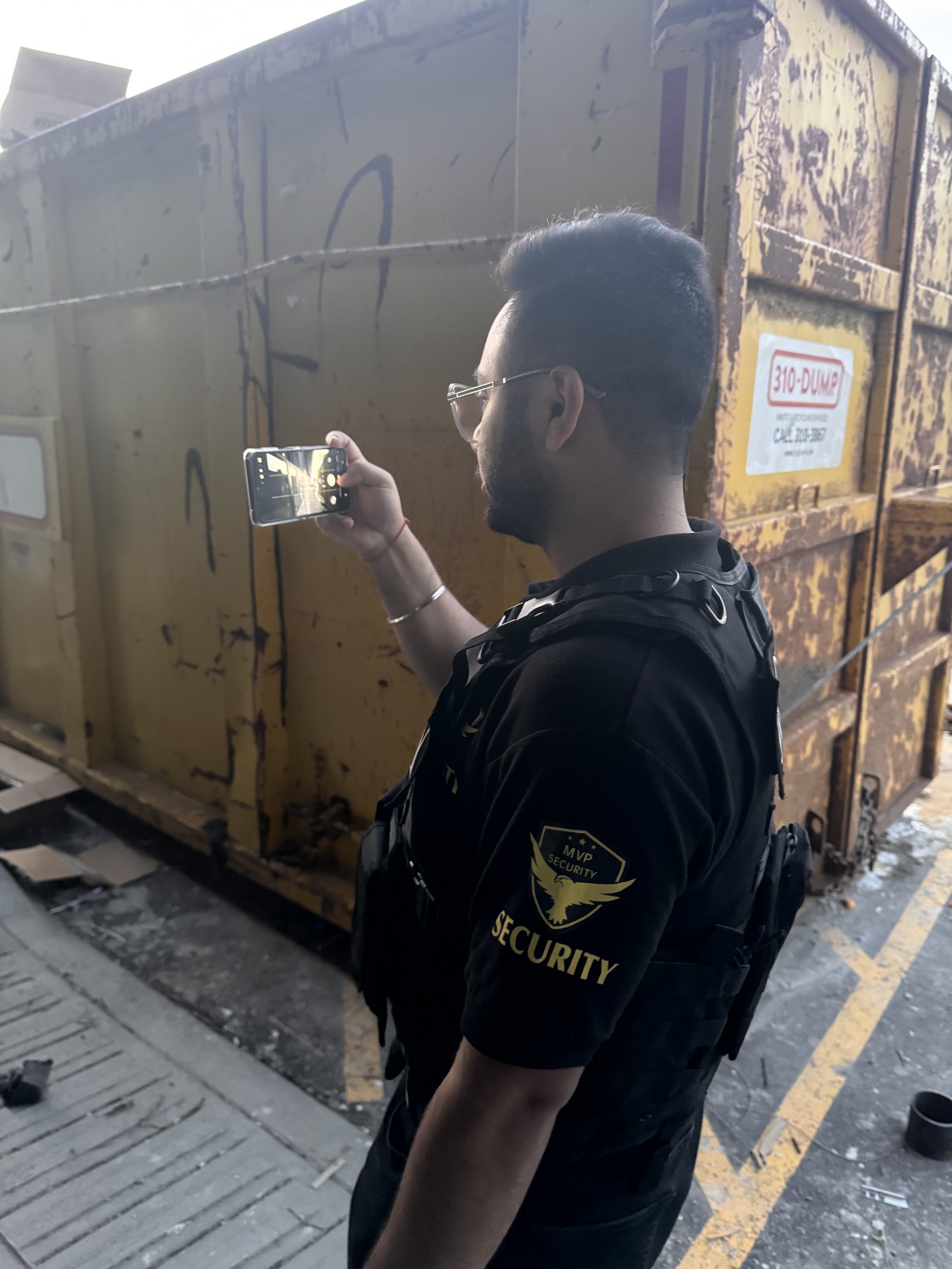
Documentation is where professionalism becomes visible. If there is a trespassing incident, a lock issue, a fire panel concern, or suspicious activity near an access point, you should not be left with a one-line summary the next day. Good reporting includes time stamps, clear notes, and photo evidence where appropriate.
This is particularly important for construction sites, commercial portfolios, and managed residential properties. Decision-makers often need records for internal review, client communication, insurance follow-up, or vendor accountability. If the reporting is weak, the service becomes harder to verify.
Ask about response capability
Some sites need a standing guard. Others need mobile patrol, alarm response, or the ability to add coverage on short notice. A provider with local deployment capacity is often better positioned to respond quickly, especially in Calgary and surrounding communities where timing matters.
Fast response is not a marketing extra. It affects whether an unsecured door is caught before a loss occurs, whether suspicious activity is interrupted early, and whether your tenants, staff, or contractors feel that someone is actually in control of the situation.
Ask who is supervising the guards
Even experienced guards perform better with active supervision. That can include post checks, dispatch support, scheduled communication, and confirmation that procedures are being followed. If a company cannot explain how field performance is monitored, you may be relying too heavily on chance.
Where licensed guards make the biggest difference
Not every site needs the same level of coverage, but there are environments where licensed guards create immediate value.
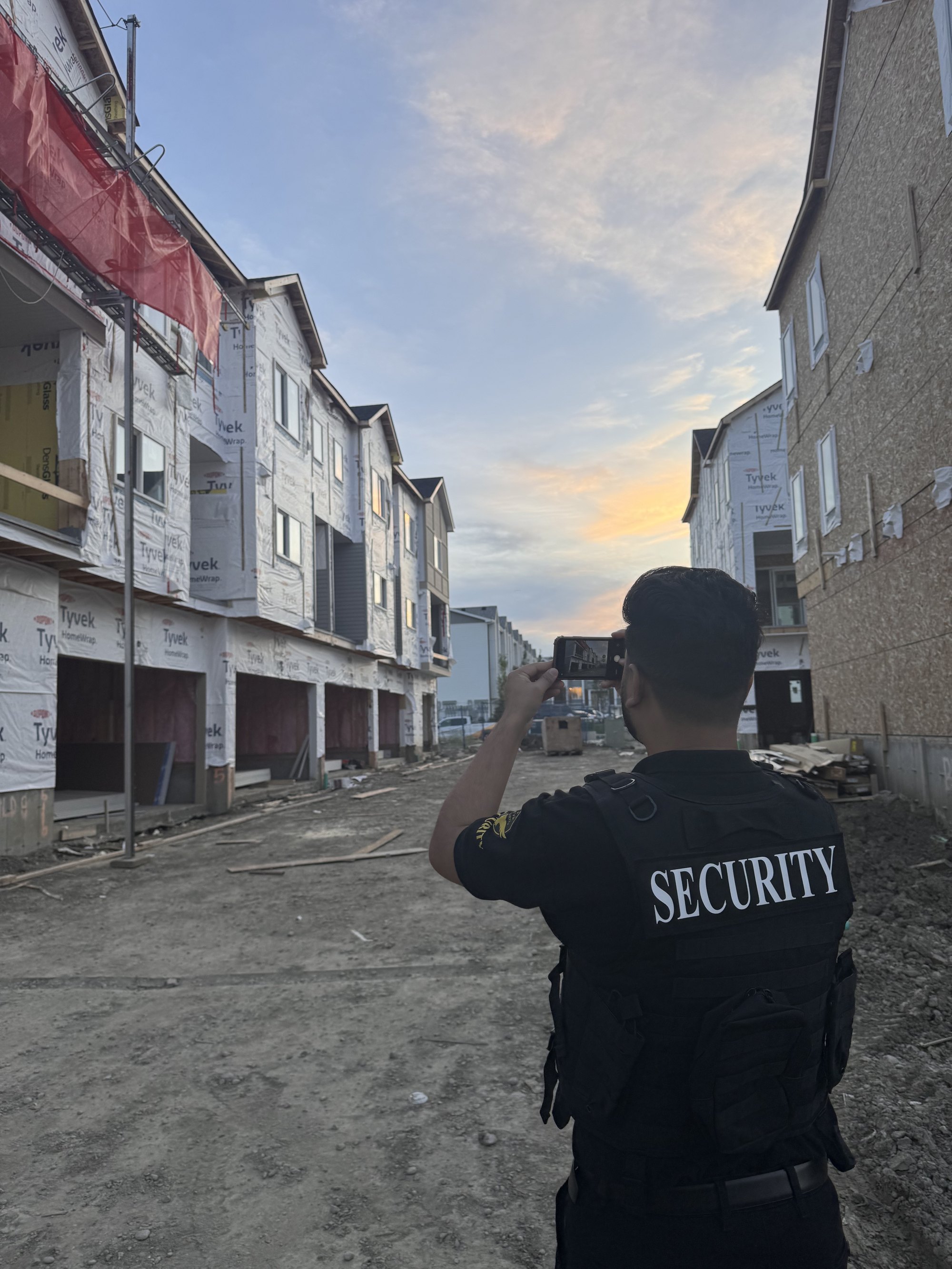
Construction sites are a clear example. Theft of tools, copper, equipment, and fuel can derail schedules quickly. So can vandalism, unauthorized entry, and unsafe after-hours activity. A visible guard presence, combined with perimeter checks and documented patrols, often helps reduce repeat incidents.
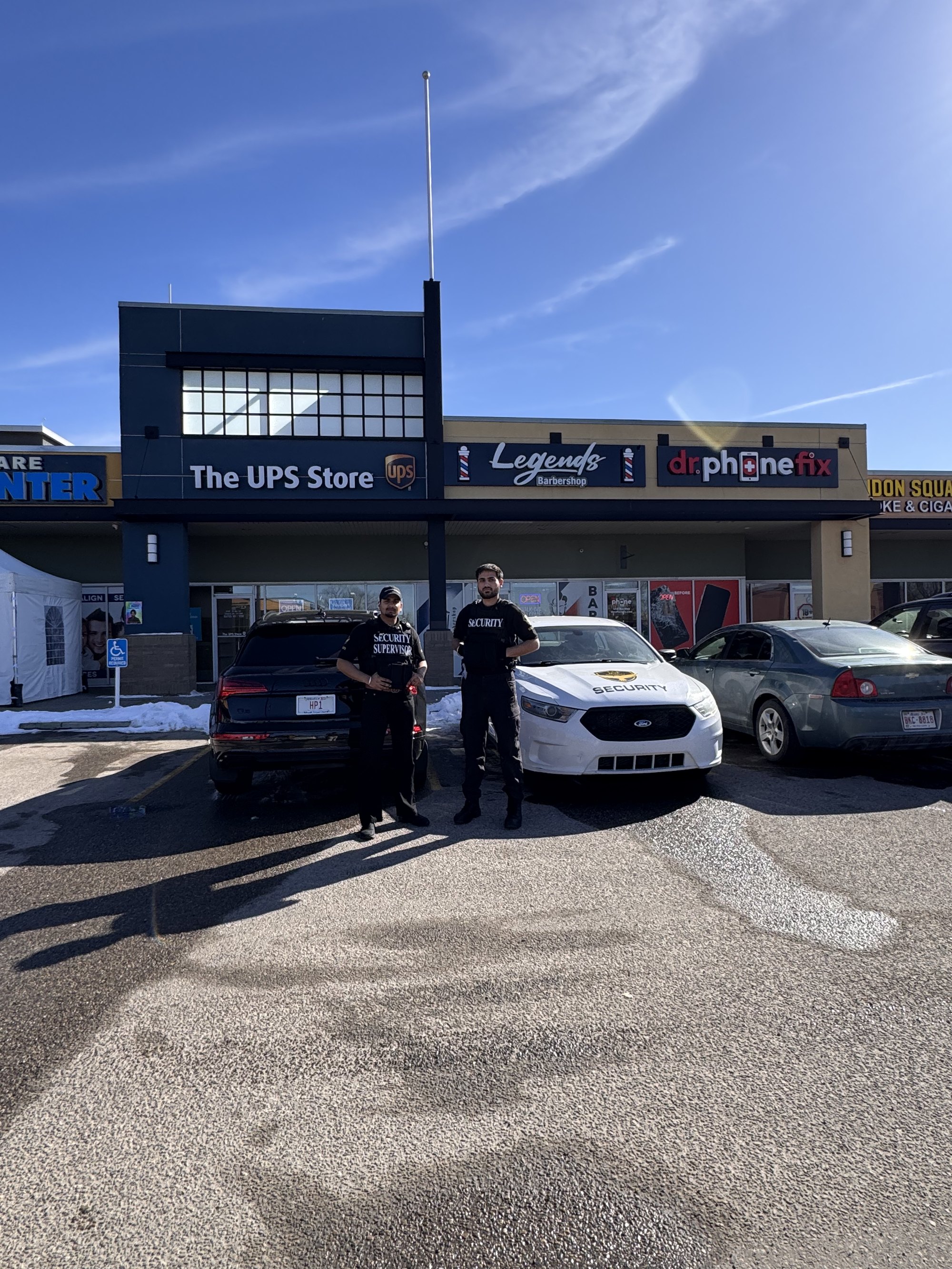
Commercial and retail properties benefit in a different way. Here, the issue is often less about one major event and more about recurring problems - loitering, after-hours access, nuisance behaviour, suspicious persons, and alarm-related callouts. Consistent patrols and clear reporting help property teams stay ahead of those patterns rather than reacting case by case.
Residential and condo sites often need a more service-oriented posture. Residents and visitors notice professionalism quickly. Guards assigned to concierge, access control, or lobby monitoring have to balance customer interaction with enforcement. A licensed guard who is calm, alert, and well-briefed can improve both security and day-to-day confidence in the building.
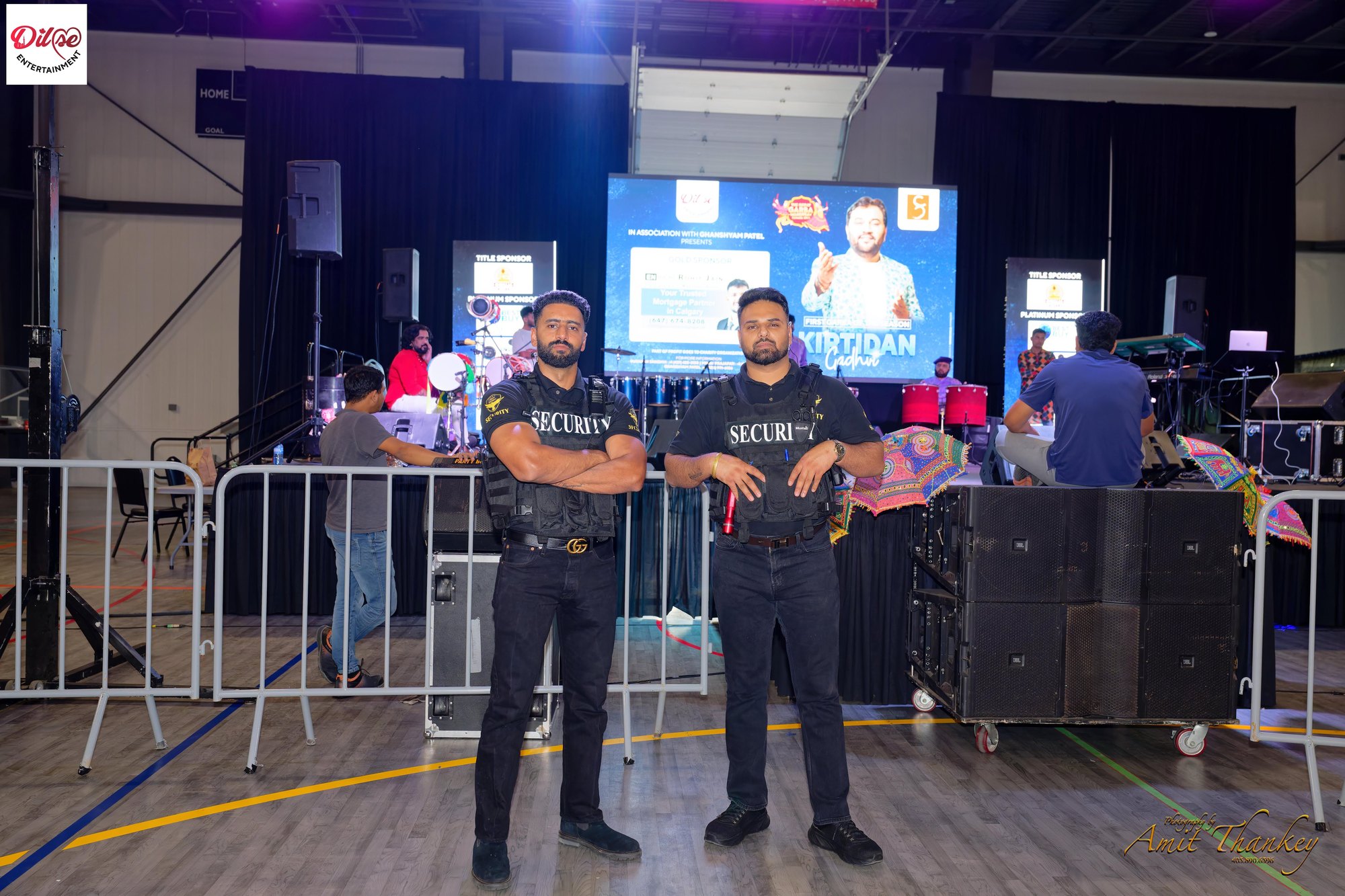
Events add another layer. Crowd flow, access points, restricted areas, and fast-changing conditions require guards who can stay visible, communicate clearly, and adapt without losing control of the site. Licensing matters, but composure and planning matter just as much.
Local coverage matters more than many buyers expect
Security is one of those services where local familiarity often shows up in performance. A team that understands Calgary and nearby municipalities can usually deploy more realistically, respond more quickly, and plan around neighbourhood-specific risks, traffic patterns, site types, and seasonal pressures.
That local edge becomes especially valuable when coverage is needed urgently. Last-minute guard requests happen all the time - after a break-in, during a labour disruption, when a fire watch is required, or when another provider fails to show. In those moments, decision-makers are not looking for polished language. They need a compliant team that can get on-site, understand the assignment, and start documenting immediately.
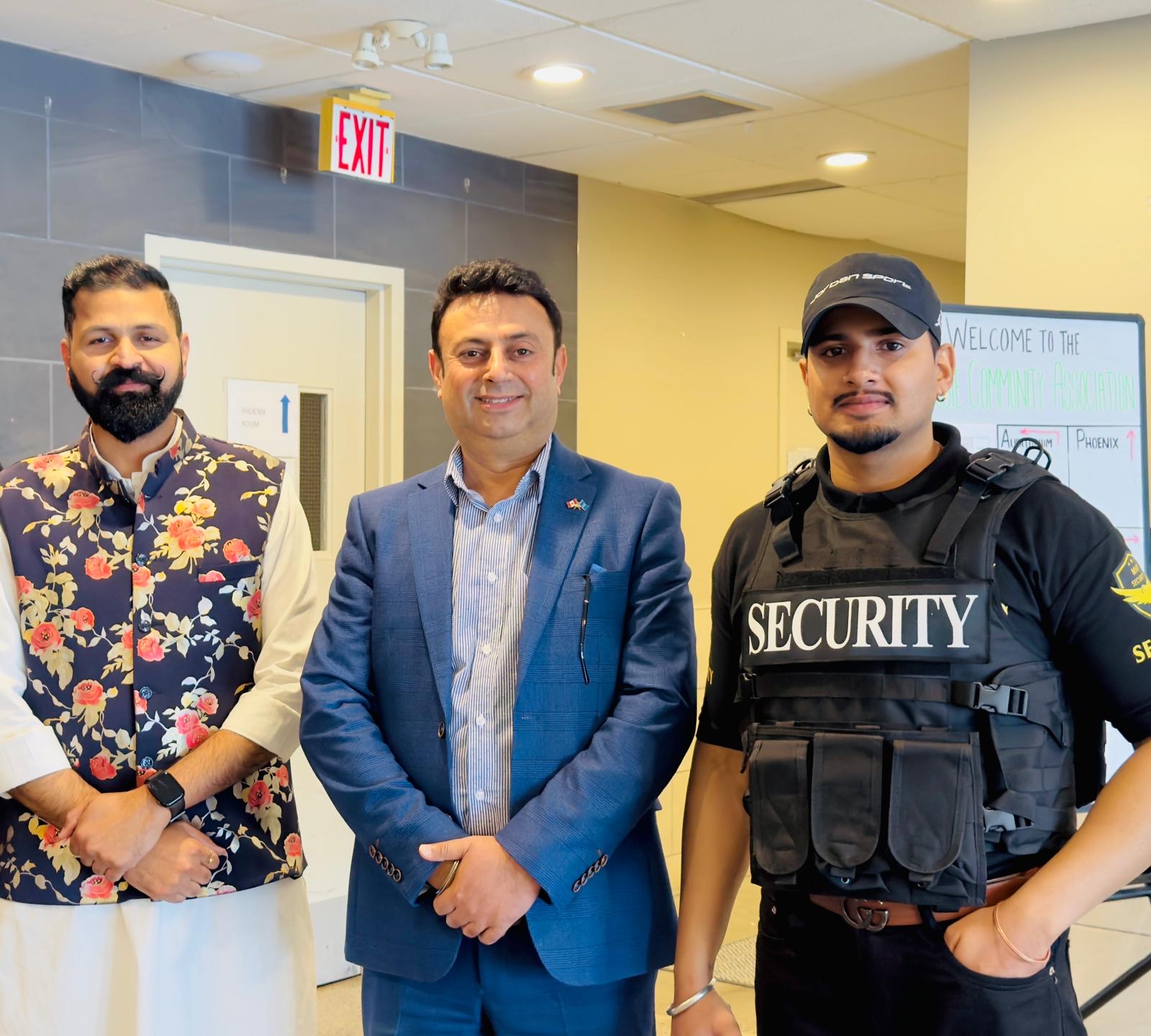
That is one reason many buyers prefer working with a responsive local company such as MVP Security Inc. rather than a larger provider that may be slower to adjust staffing or harder to reach when conditions change.
Choosing the right level of service
There is no single best security model for every property. Sometimes a static guard is necessary because the site needs a continuous presence. In other cases, mobile patrol is the better value because the main risks occur at specific times or locations. Some clients need a hybrid approach, such as overnight patrols backed by alarm response, or concierge coverage during the day with after-hours checks.
Budget matters here, and so does honesty. The lowest-cost option can look fine on paper but fail under real conditions if patrol frequency is too light or reporting is too weak. At the same time, overstaffing a low-risk site is not efficient. The right provider should be able to explain the trade-offs clearly and recommend coverage that matches the actual exposure.
That kind of conversation is usually a good sign. When a company asks practical questions and gives direct answers, they are more likely to build a program that works.
If you are reviewing licensed security guards Alberta has to offer, focus on what happens after the guard arrives. Licensing is essential, but it is the combination of compliance, supervision, documentation, local response, and site-specific planning that determines whether the service really protects your property. The best security coverage feels steady, visible, and accountable long before a serious incident tests it.