









A broken gate at 2:10 a.m., a loitering complaint from tenants before dawn, an alarm that needs a physical check before your staff arrive - these are the moments when mobile patrol Calgary services earn their value. For many properties, the issue is not whether security is needed. It is whether the coverage matches the real risk, the hours of exposure, and the budget available.
Mobile patrol is often the right fit when you need a visible deterrent and a trained response presence, but not a full-time guard posted on site around the clock. In Calgary, that matters across commercial plazas, condo properties, industrial yards, construction sites, and mixed-use buildings where risks change by time of day, tenant activity, and season.
What mobile patrol Calgary actually includes
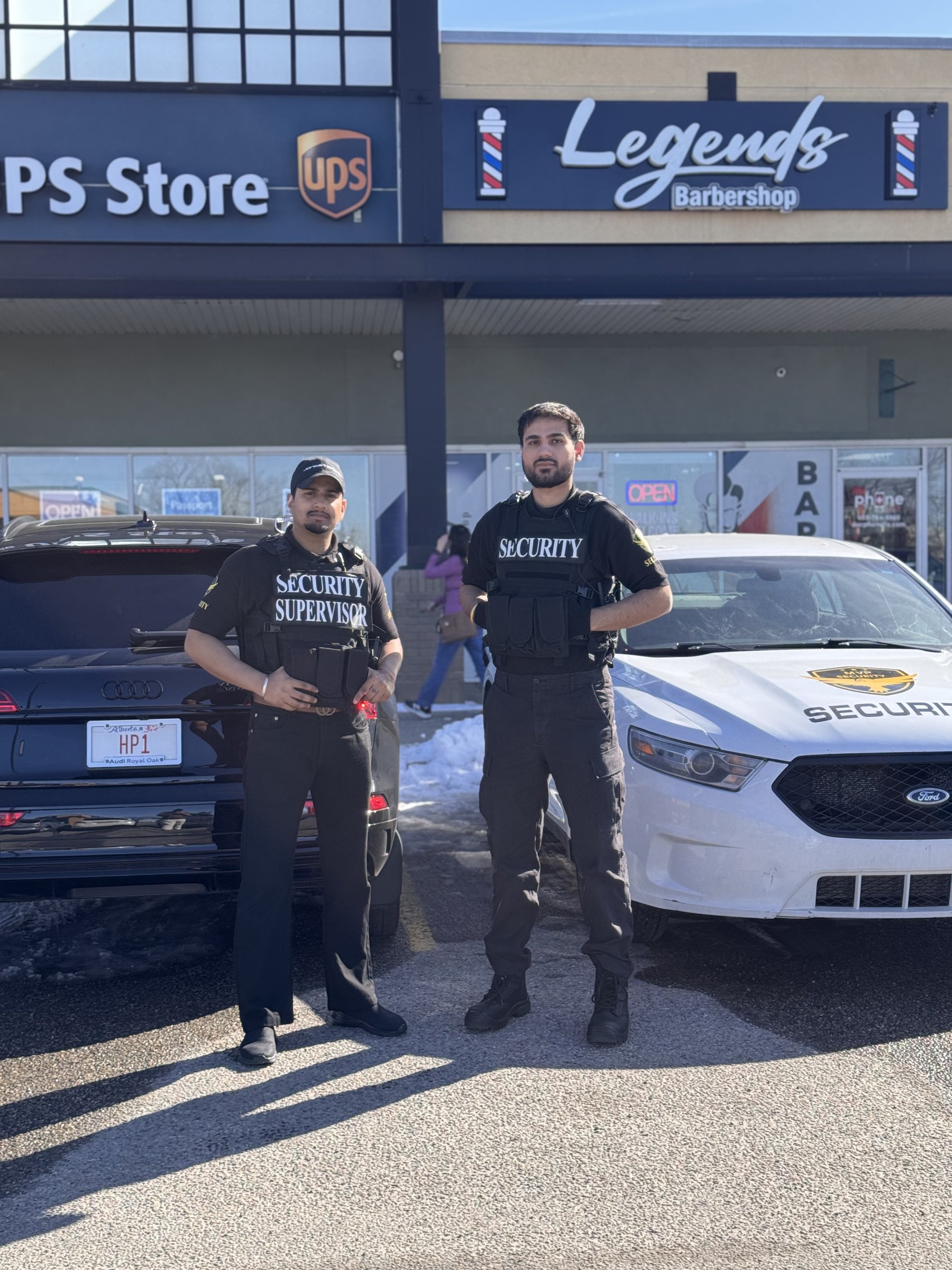
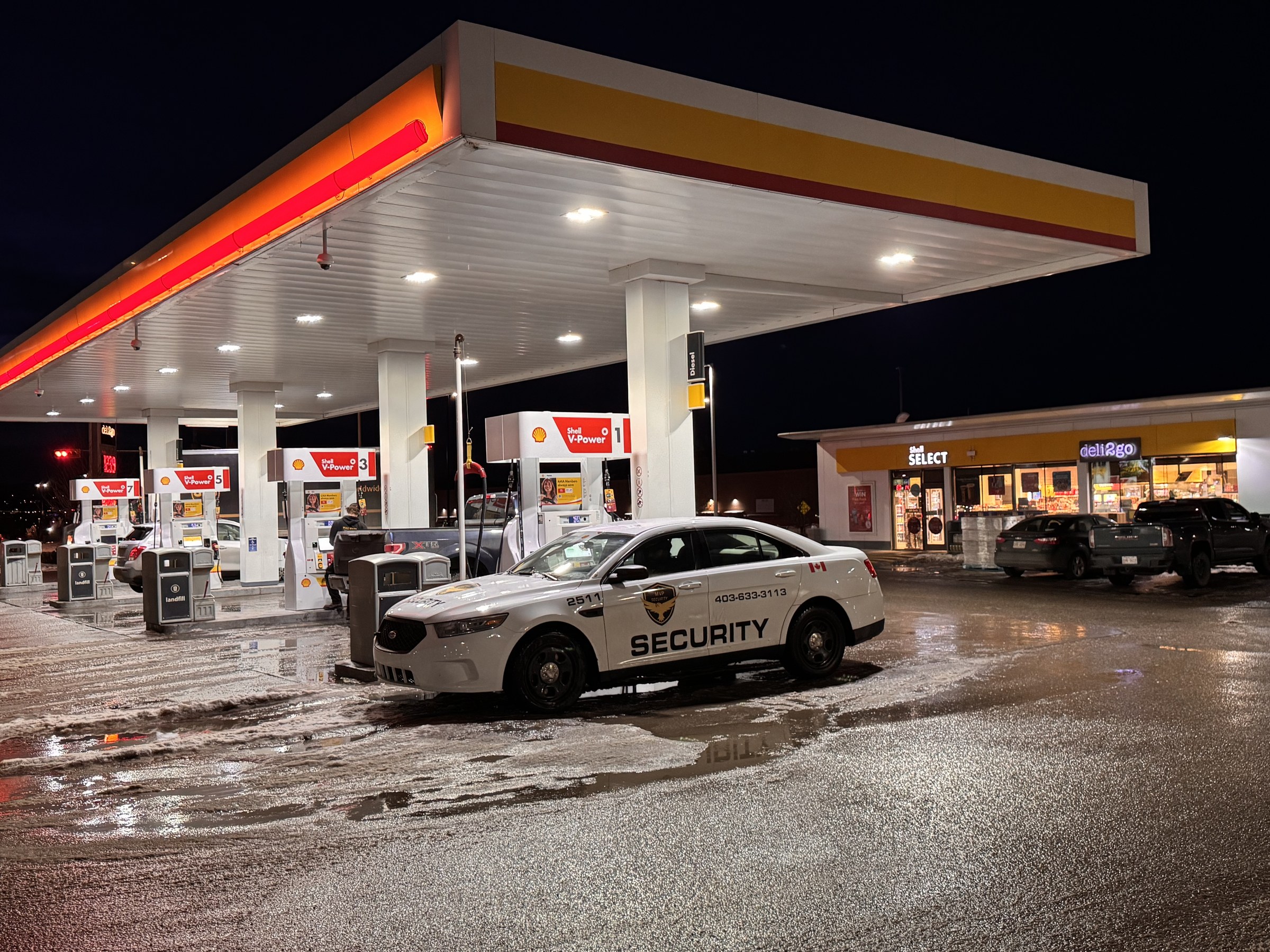
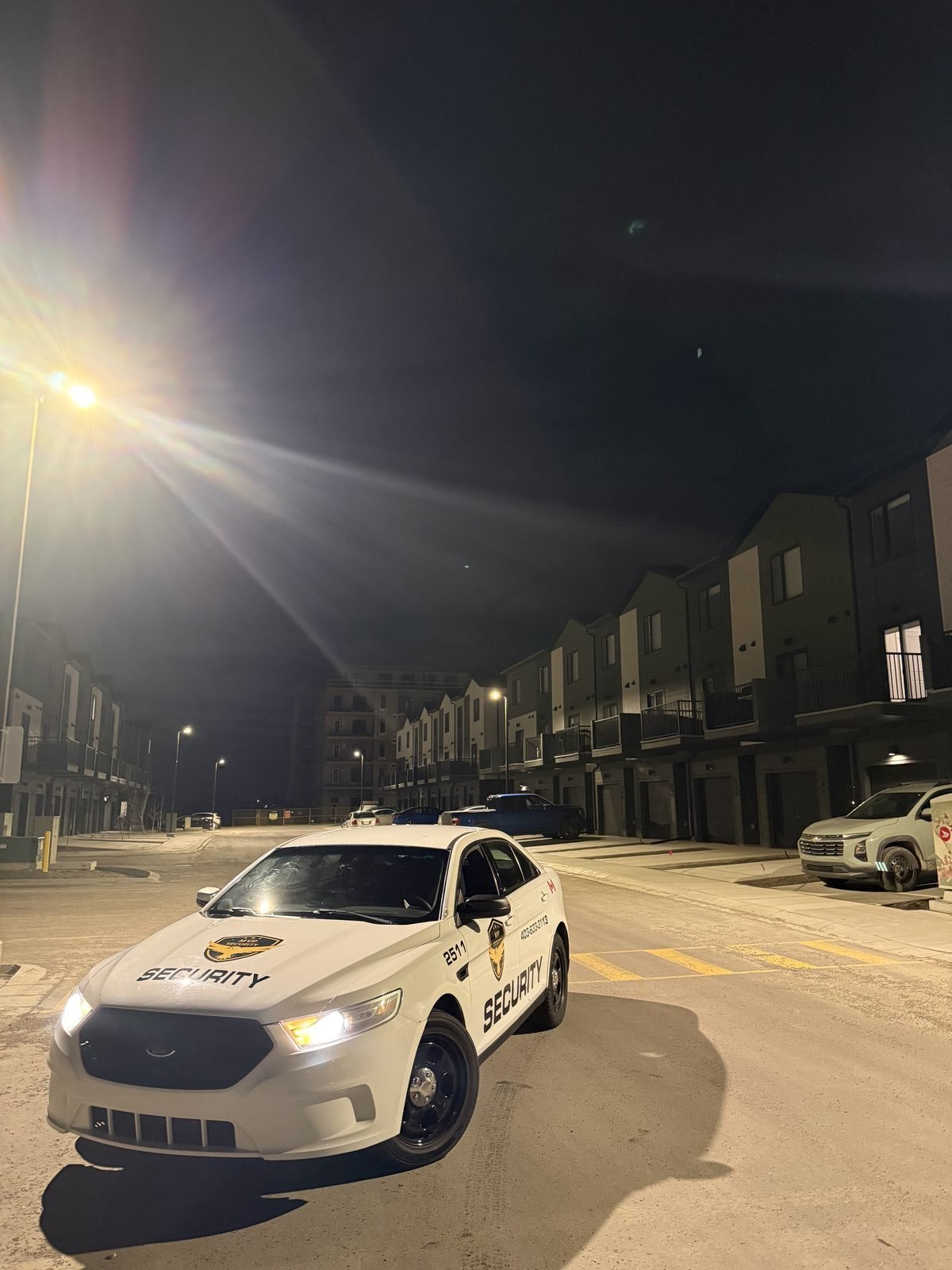
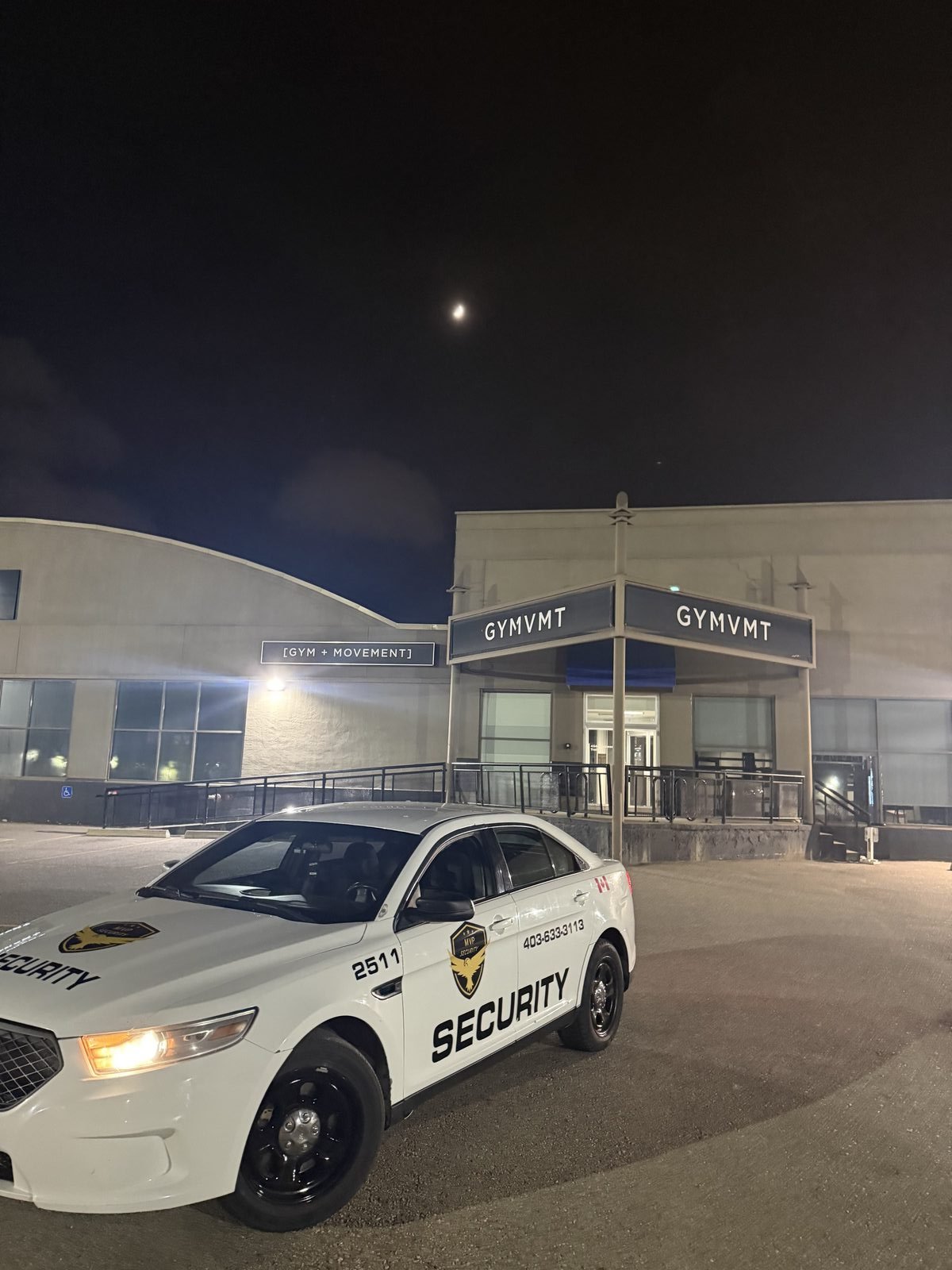
Mobile patrol is not just a vehicle driving past a property. A proper program is built around scheduled and randomized patrol visits, lock and unlock checks, alarm response, exterior and interior inspections where required, and documented reporting after each stop. The goal is simple: show presence, identify issues early, and respond before a minor incident becomes a costly one.
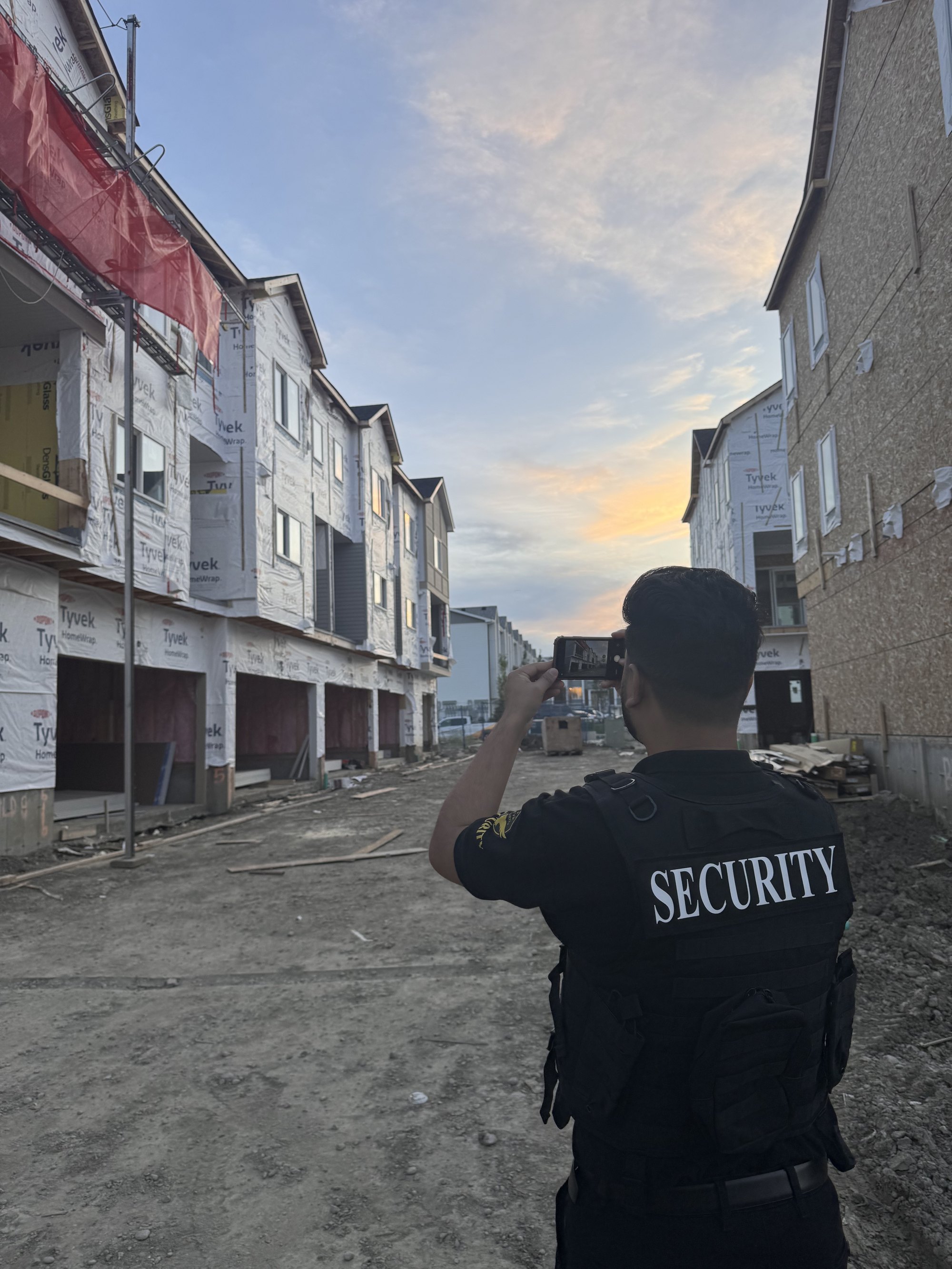
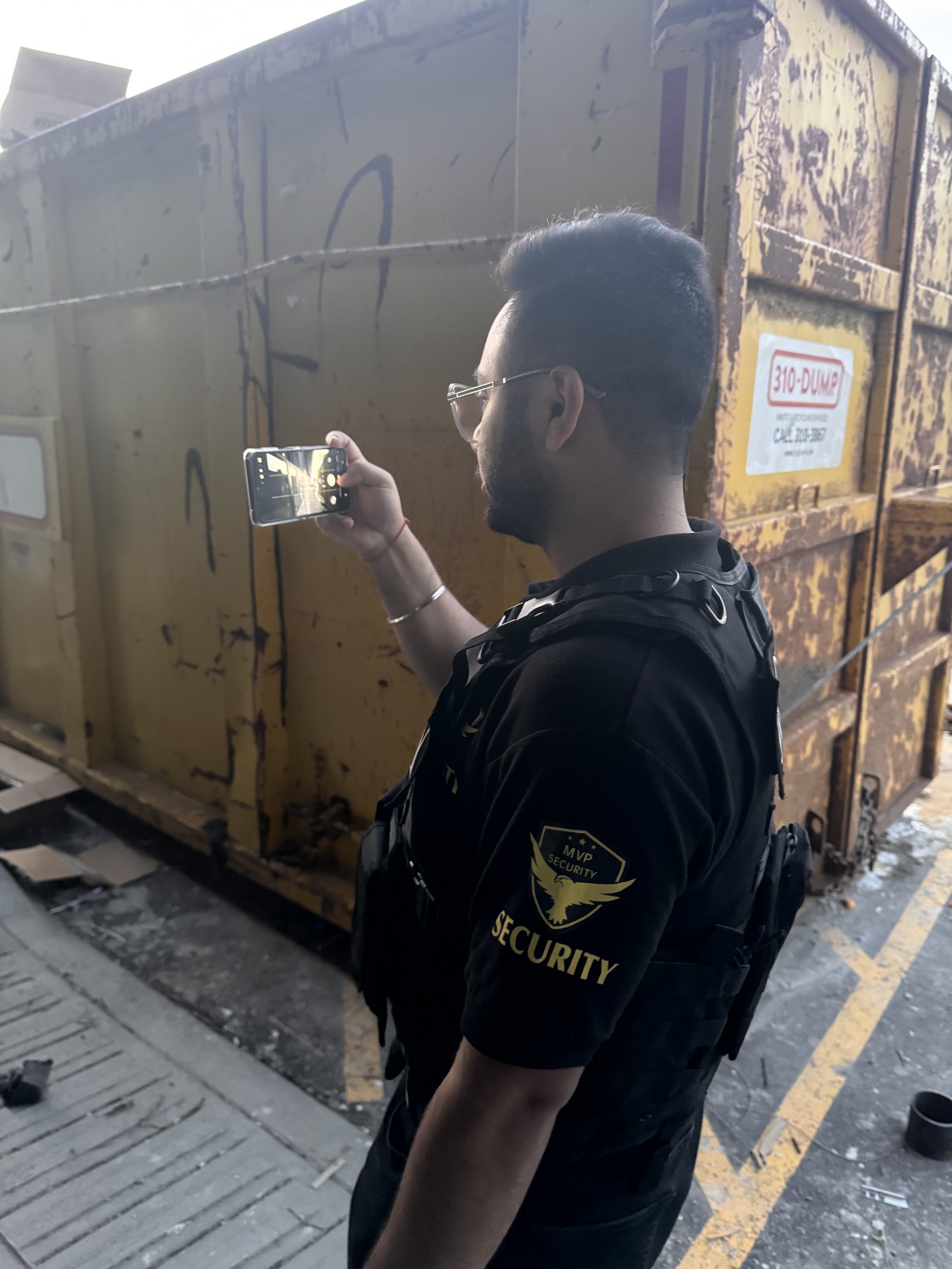
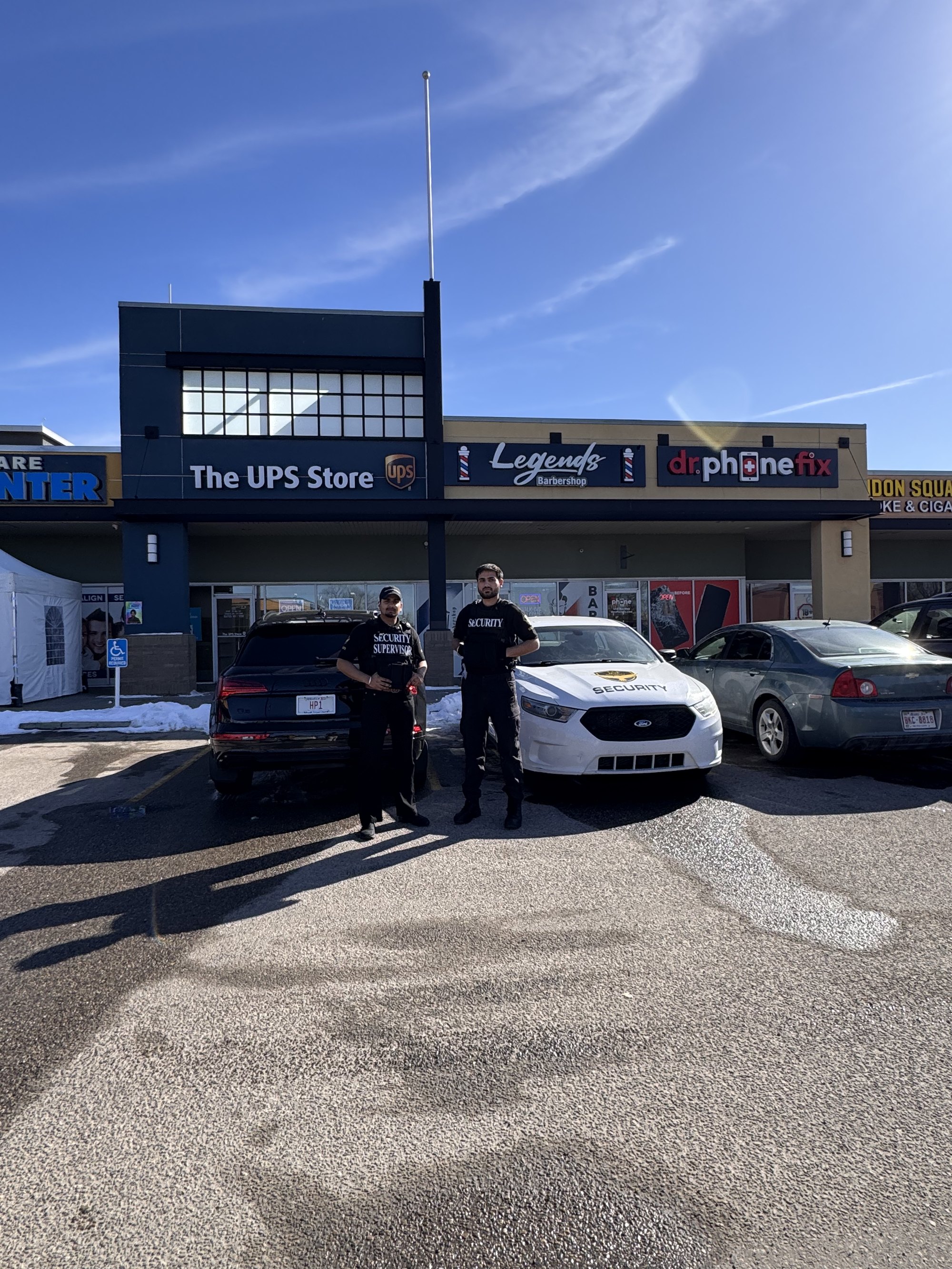
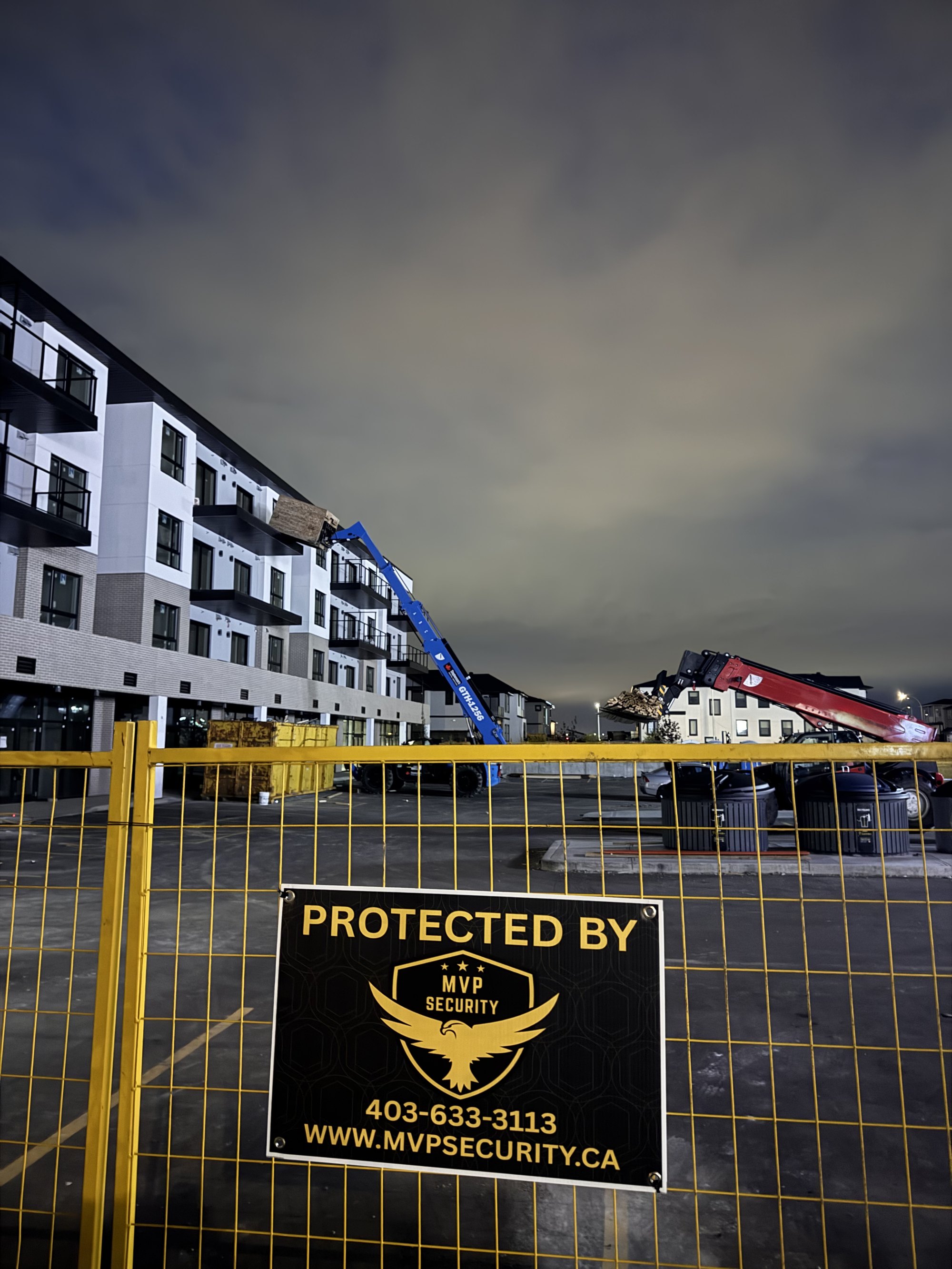
That looks different from site to site. A retail property may need after-hours patrols focused on storefront checks, dumpster areas, and rear loading zones. A construction site may need late-night perimeter inspections, gate verification, and checks around stored materials, fuel, and equipment. A residential complex may need patrols that address parkade access, common-area disturbances, and unauthorized entry concerns.
The value comes from combining visibility with accountability. When patrol activity is GPS-tracked and supported by photo-documented reports, property managers and site supervisors are not left guessing whether checks happened or what was found.
When mobile patrol makes more sense than a static guard
Not every site needs a dedicated guard on post. In fact, some sites do better with mobile coverage because the security requirement is intermittent rather than constant.
If your main concerns happen after business hours, during weekends, or at known risk windows, mobile patrol can cover those periods efficiently. It also works well when a property has multiple buildings or a broad exterior footprint that benefits from unpredictable patrol timing. The unpredictability matters. Repeated criminal activity often depends on routine, and a patrol schedule that varies is harder to work around.
That said, there are trade-offs. If your site has high public traffic, frequent access control issues, or a need for continuous on-site incident management, a static guard may still be the better option. The strongest security plans are usually built around what the site actually faces, not around a one-size-fits-all service model.
The risks mobile patrol helps control
Most buyers are not looking for security in the abstract. They are trying to solve specific operational problems.
For commercial properties, mobile patrol helps reduce break-ins, vandalism, overnight trespassing, graffiti, and nuisance activity around entrances, loading areas, and parking lots. For condo and apartment properties, patrols can help with unauthorized access, suspicious persons, property damage, and tenant concerns in common spaces.
On construction sites, the priorities are often theft prevention, perimeter integrity, material protection, and rapid response when alarms or suspicious activity are reported. Industrial sites may need patrols tied to gate checks, after-hours safety observations, and support for remote or lightly staffed operations.
There is also a practical benefit that gets overlooked: documentation. When an incident happens, the record of patrol times, observations, photos, and response actions can support internal reporting, client communication, insurance discussions, and contractor accountability.
Why local response matters in Calgary
Security coverage looks better on paper than in practice when response times are slow. That is one reason local mobile patrol matters.
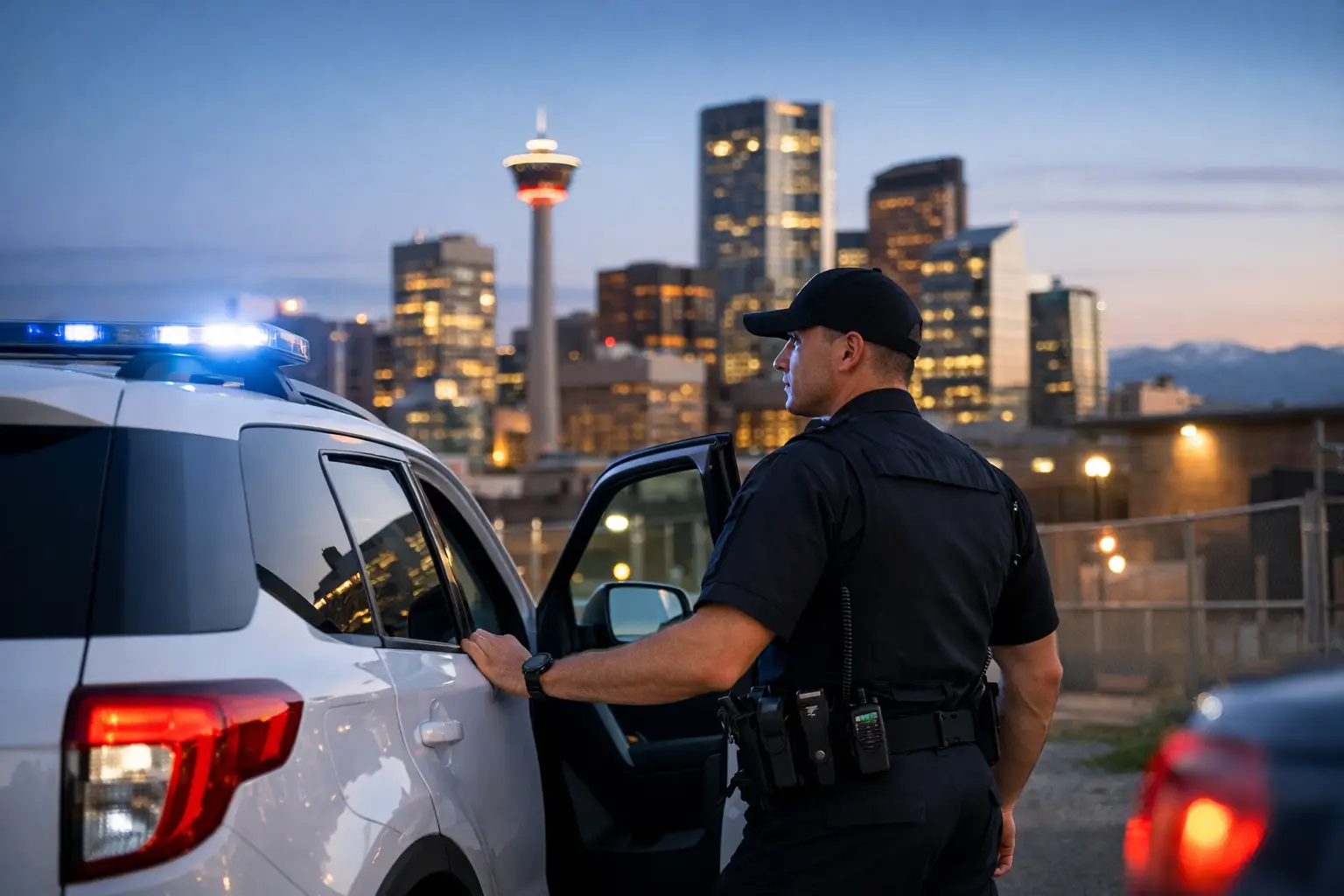
Calgary properties deal with a mix of urban density, industrial corridors, growing suburban developments, and weather conditions that can affect access and response. A provider with active deployment across Calgary and surrounding communities can usually move faster, route smarter, and adjust patrol priorities based on what is happening in a specific area.
This is especially relevant for alarm response and short-notice coverage. If a monitored alarm activates, the value of dispatch depends on how quickly trained personnel can attend, assess the situation, and escalate if needed. The same applies when a property manager needs temporary patrols after an incident, during tenant turnover, or while waiting for repairs to fencing, doors, or access systems.
For clients in Airdrie, Cochrane, Chestermere, Okotoks, and High River, local coordination also helps maintain consistency across multi-site portfolios. That matters when one manager is responsible for several properties and needs a single reporting standard and clear communication from one team.
What to look for in a mobile patrol provider
The basics should not be negotiable. Guards should be Alberta-licensed, the company should be insured, and the service should operate 24/7. Beyond that, the difference usually comes down to execution.
You want to know how patrols are documented, how incidents are reported, how dispatch is handled, and whether the patrol plan is tailored to your site or pulled from a generic template. Ask whether patrol timing can be randomized, whether photo reporting is included, and what happens if an officer finds an unlocked door, evidence of forced entry, or a person on site without authorization.
It is also worth asking how the company handles escalation. A good patrol program does not just observe problems. It follows clear site instructions for notifying contacts, attending alarm events, preserving the scene, or coordinating with emergency services when necessary.
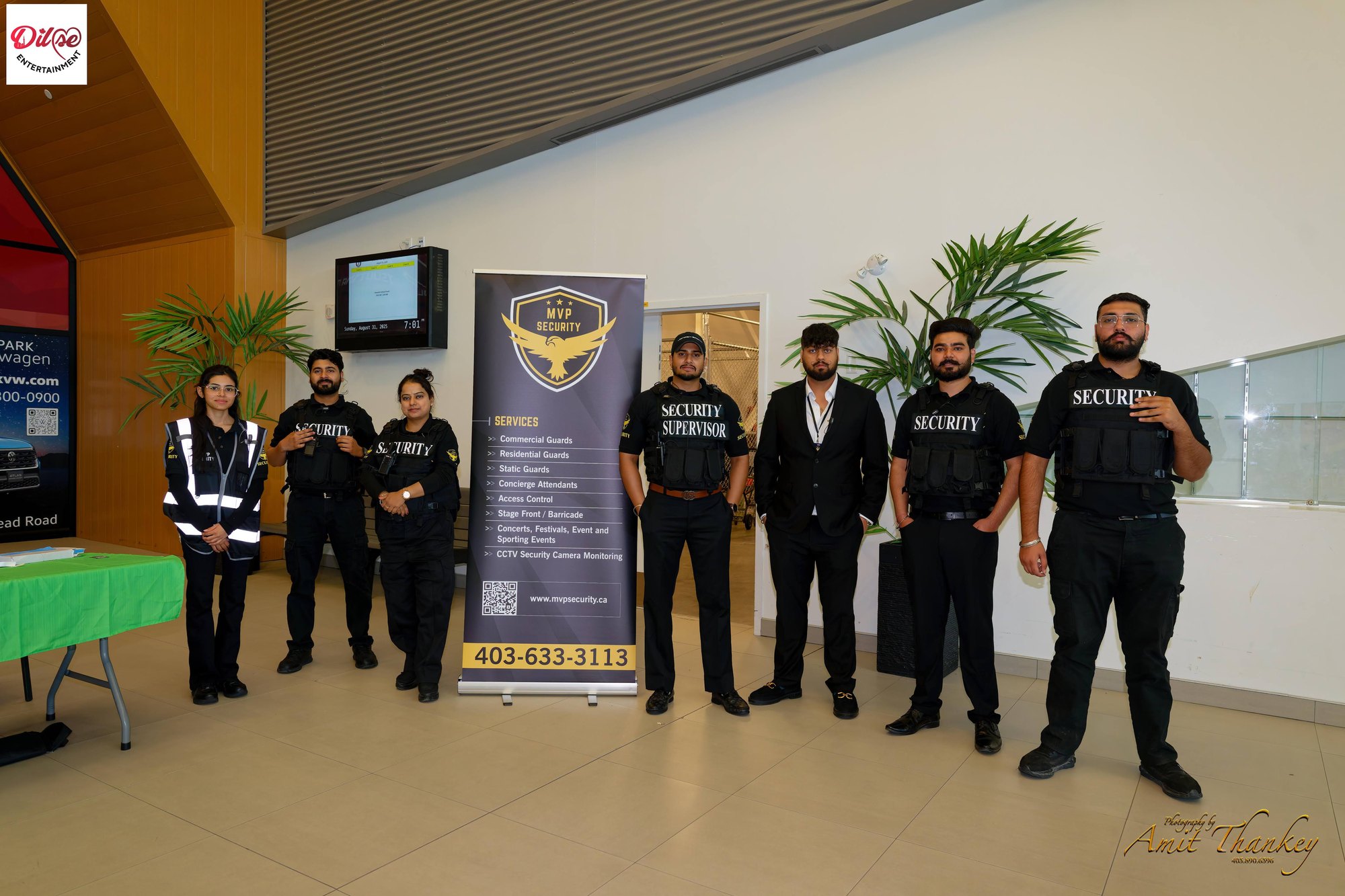
MVP Security Inc. is built around that kind of operational clarity - local deployment, GPS-tracked patrol activity, documented reporting, and site-specific planning that reflects actual risk and budget, not generic coverage promises.
How patrol schedules should be designed
The best mobile patrol Calgary program is rarely the cheapest or the most intensive. It is the one aligned to your exposure.
A small office property may only need a few evening and overnight checks each week, plus alarm response. A construction project nearing completion may need multiple nightly patrols because materials, tools, and temporary access points create more opportunity for theft. A residential building with recurring complaints may need a short-term increase in patrol frequency before settling into a lighter ongoing plan.
This is where an honest risk assessment matters. Entry points, prior incidents, lighting conditions, tenant or public traffic, nearby problem areas, and operating hours all affect what level of patrol actually makes sense. Seasonal changes can matter too. Longer winter nights, vacant holiday periods, and summer construction peaks all change the risk picture.
Mobile patrol and alarm response work better together
Many sites already have cameras and monitored alarms. That does not remove the need for patrol. In many cases, it makes patrol more effective.
Monitoring can tell you an alarm tripped or movement was detected. It cannot secure a gate, clear a doorway, verify damage, or meet attending police, fire, or maintenance personnel. A trained patrol officer provides the physical response piece that remote systems cannot.
This combination is often the most practical approach for sites that want stronger after-hours protection without paying for a permanent on-site guard. CCTV, alarm monitoring, and mobile patrol each solve a different part of the problem. When they are coordinated properly, coverage is stronger and response is more efficient.
A service that should feel measurable
Security is easier to renew when the service can be evaluated. That means clients should be able to see when patrols occurred, what was checked, what issues were found, and how those issues were handled.
The measurable side of mobile patrol matters because many decision-makers are responsible not just for site safety, but also for budgets, tenant communication, contractor coordination, and owner reporting. They need proof of service and clear records. A patrol program that provides consistent logs and incident documentation is easier to defend internally and easier to adjust when property conditions change.
That is also how trust is built. Not through broad claims, but through visible patrol presence, timely communication, and reporting that shows the job was done.
If you are evaluating mobile patrol for a property in Calgary, the right question is not simply how many patrols you can buy. It is whether the coverage will reduce your actual risk, respond when something happens, and give you reliable documentation after every visit. When those pieces are in place, mobile patrol stops being a line item and starts acting like operational support you can count on.