
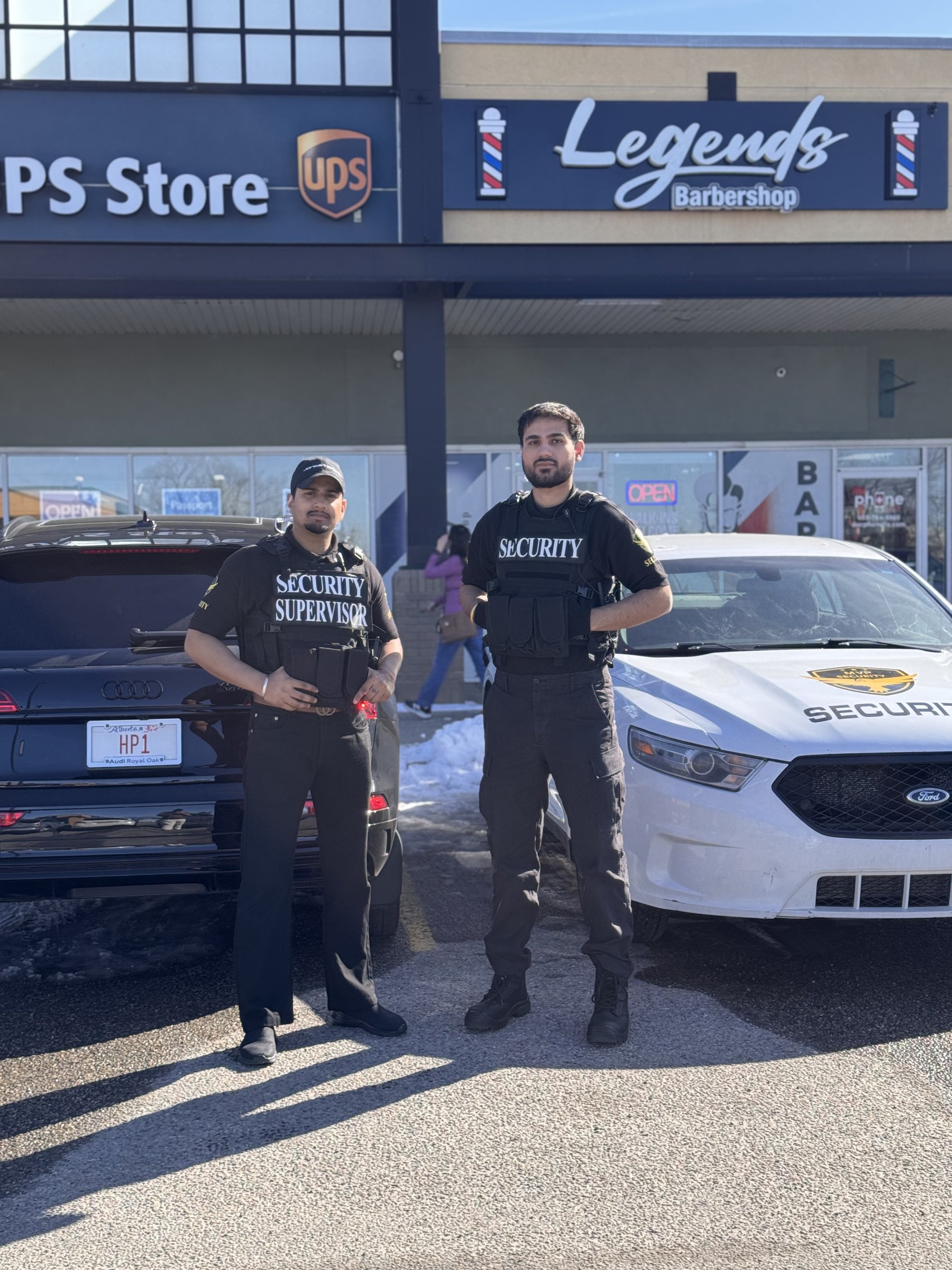








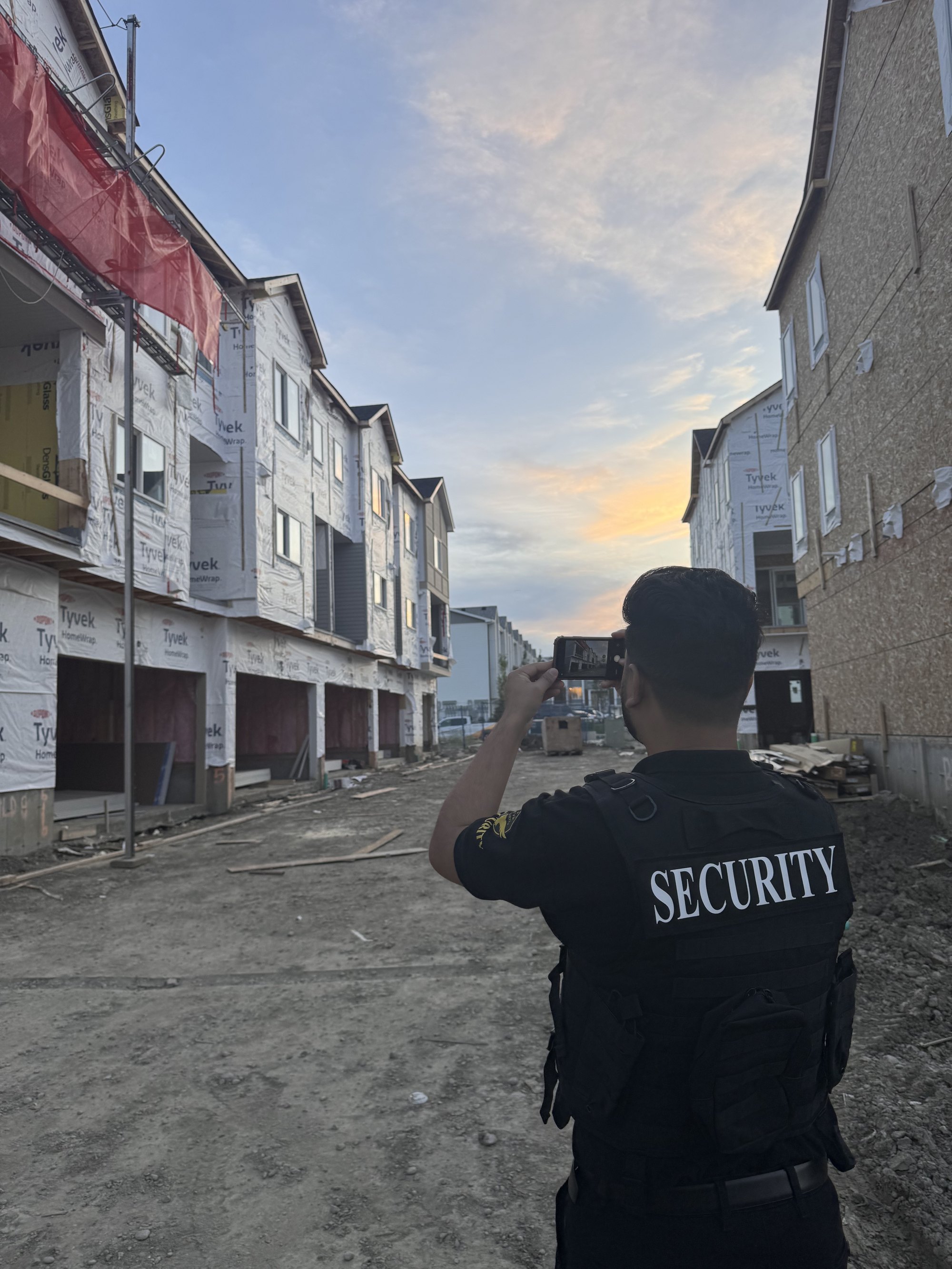


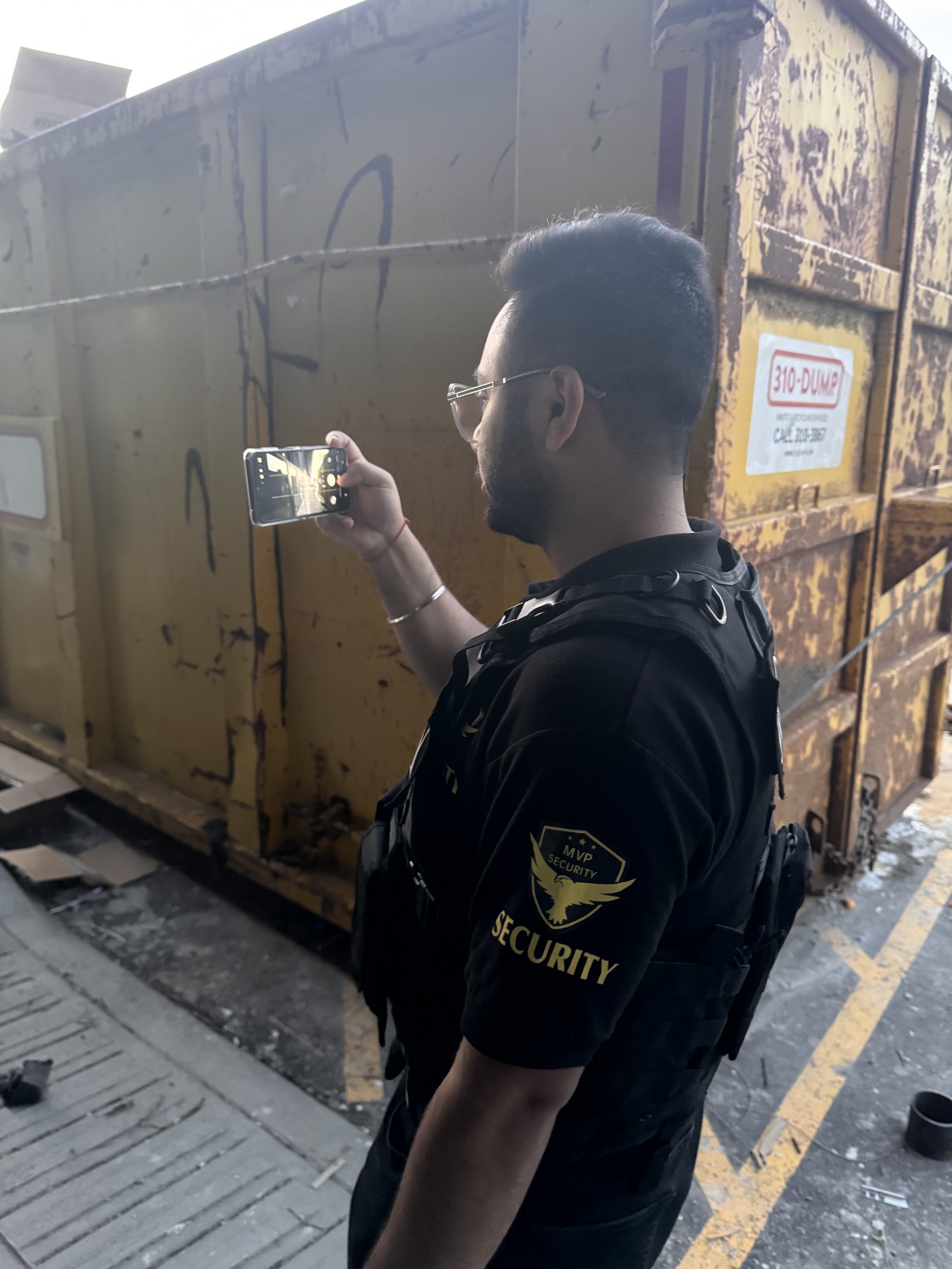
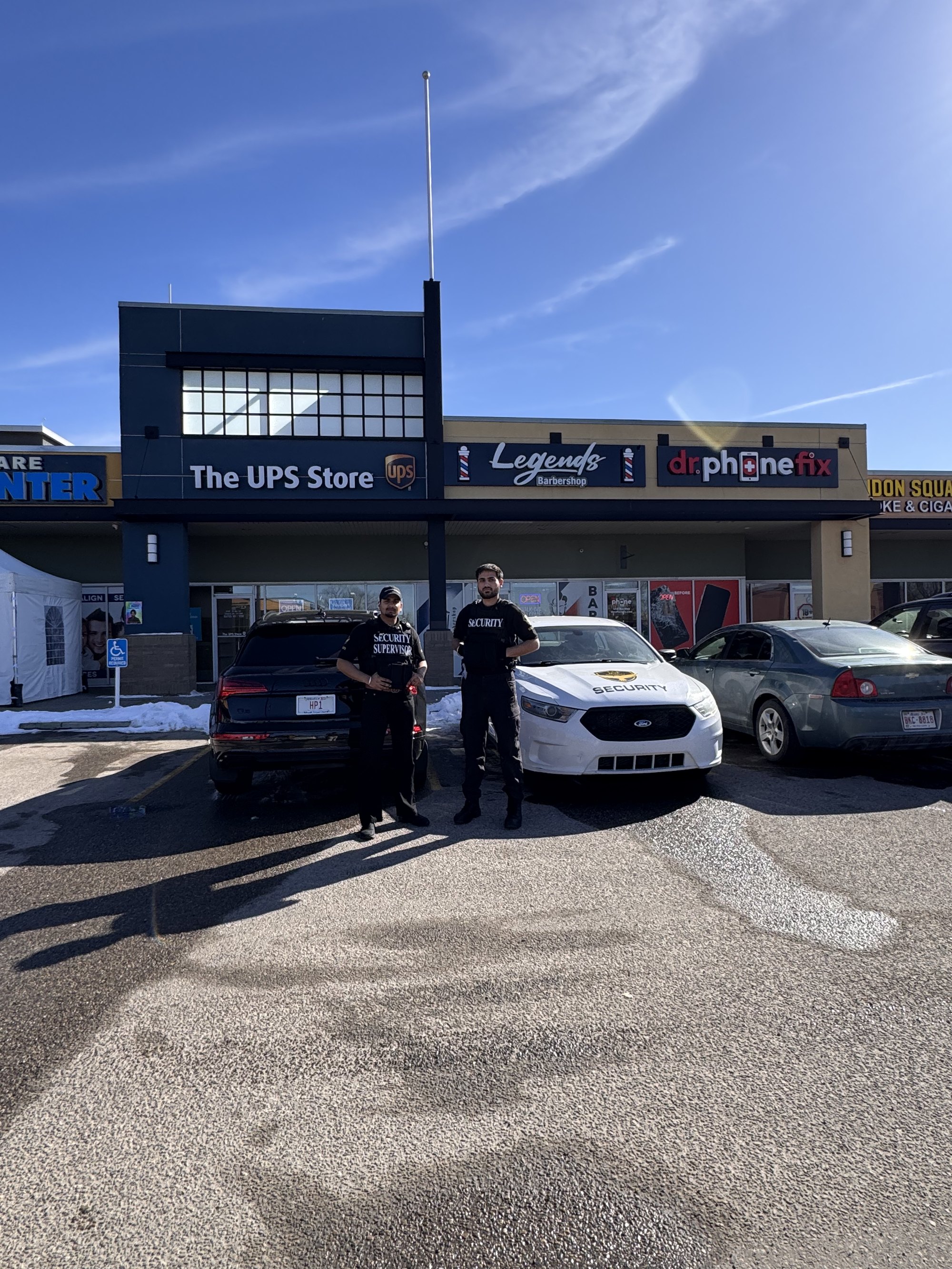
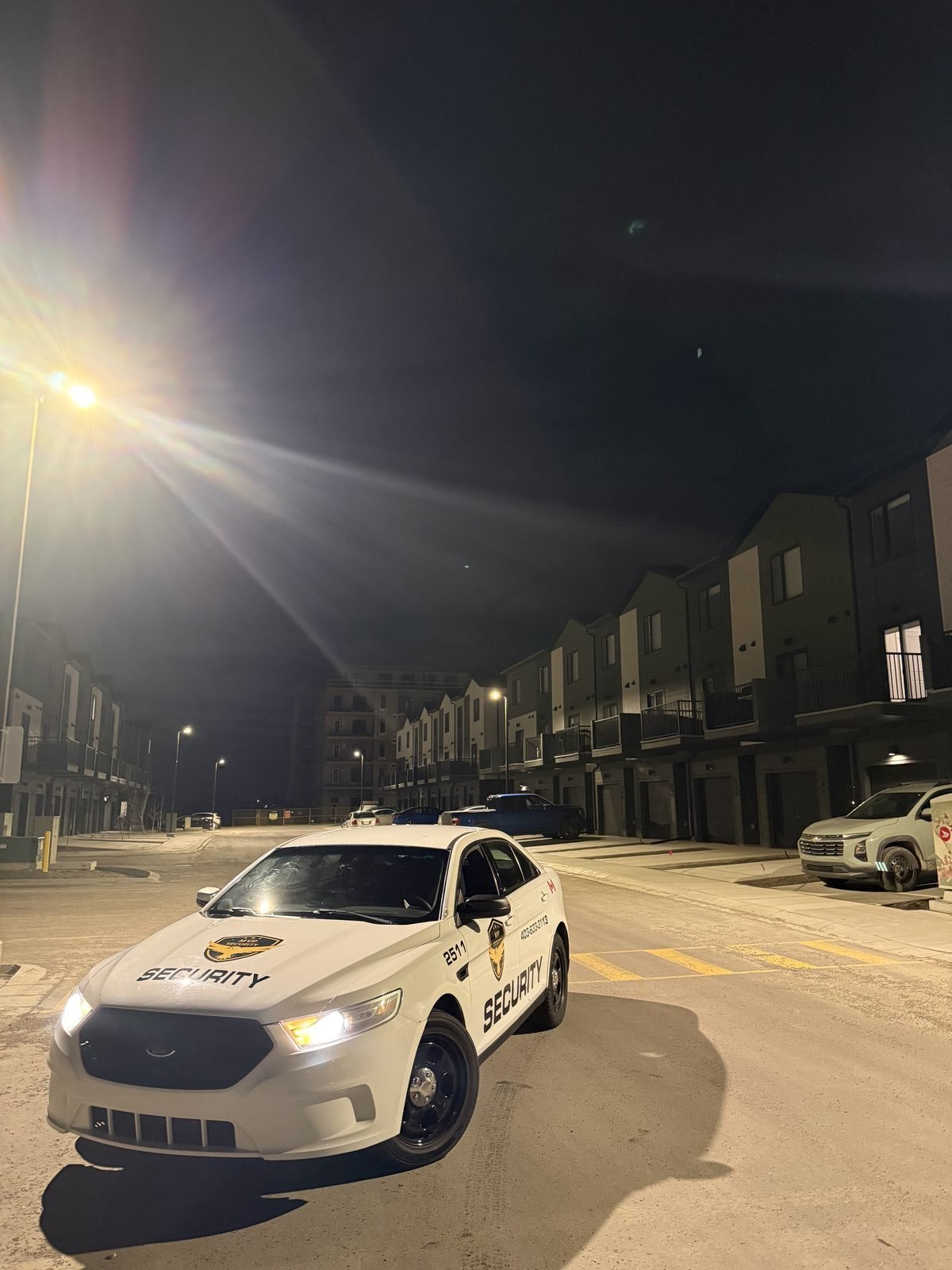
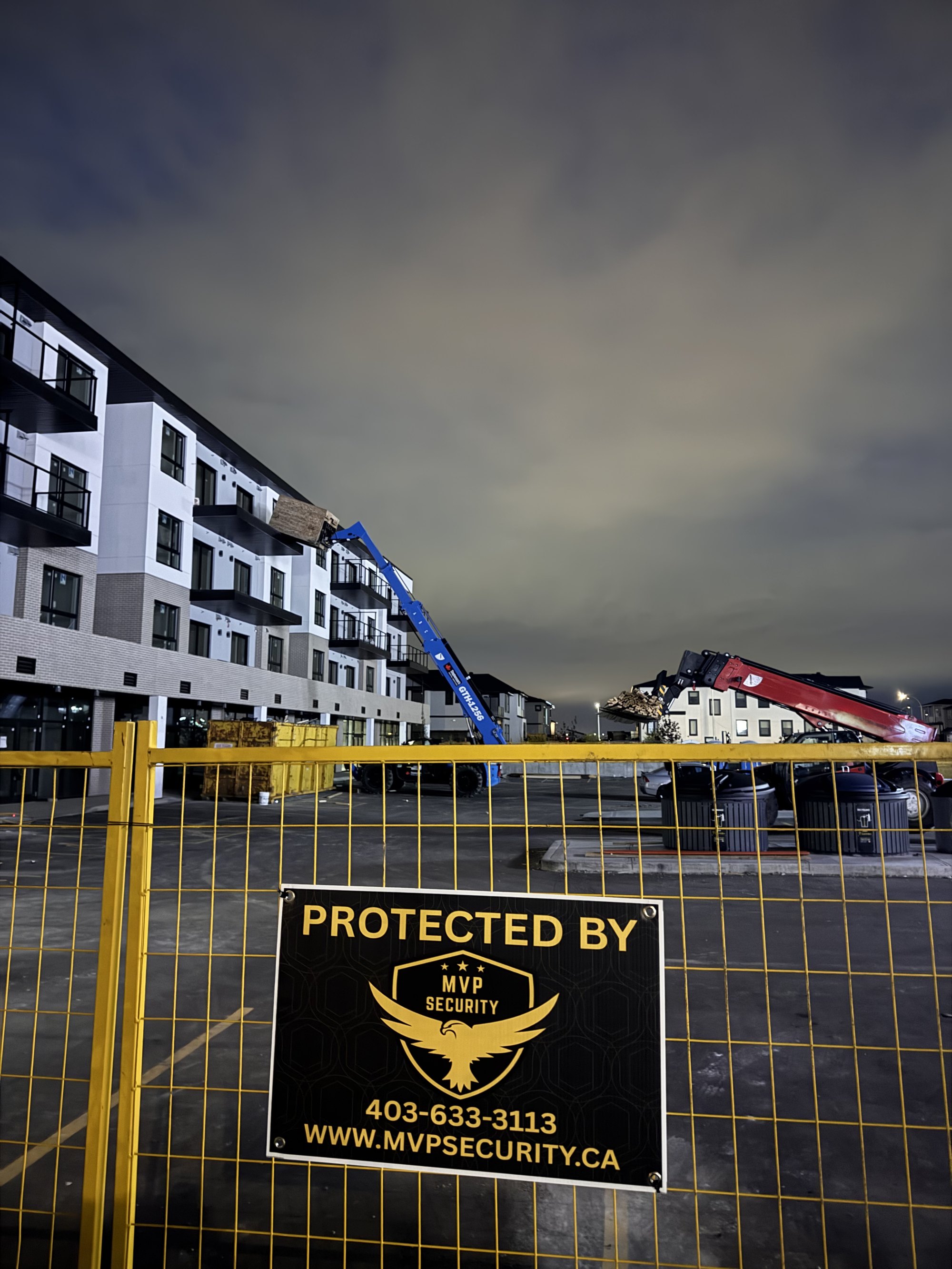

A construction gate left unsecured at 2:15 a.m. needs a different response than a condo lobby managing visitor access all day. That is the real issue behind mobile patrol vs static guards. Both options reduce risk, improve visibility, and support faster incident handling, but they solve different operational problems.
For property managers, builders, retail operators, and event organizers in Calgary, the wrong model usually shows up in one of two ways. Either you are paying for continuous on-site coverage when periodic checks would do the job, or you are relying on drive-by patrols when the site really needs a dedicated guard present. The better choice comes from matching the security model to the site’s hours, exposure, traffic, and response expectations.
What mobile patrol actually does
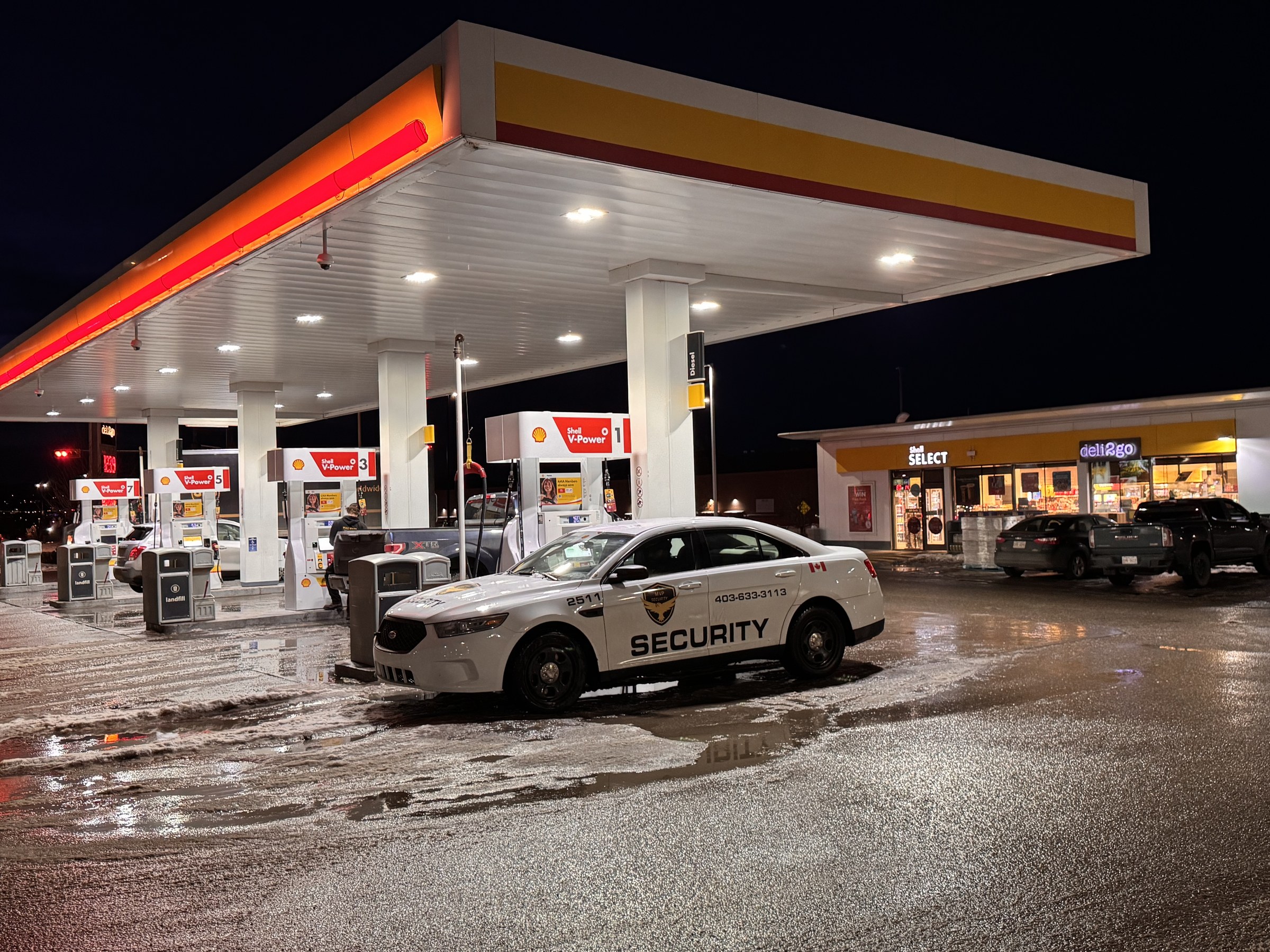
Mobile patrol is built for coverage across time and space rather than constant presence in one location. A patrol unit visits the site on a scheduled or randomized basis, checks key areas, verifies access points, responds to alarms, and documents findings. In many cases, patrol officers also perform lockups, unlocks, perimeter inspections, parking lot checks, and after-hours welfare checks.
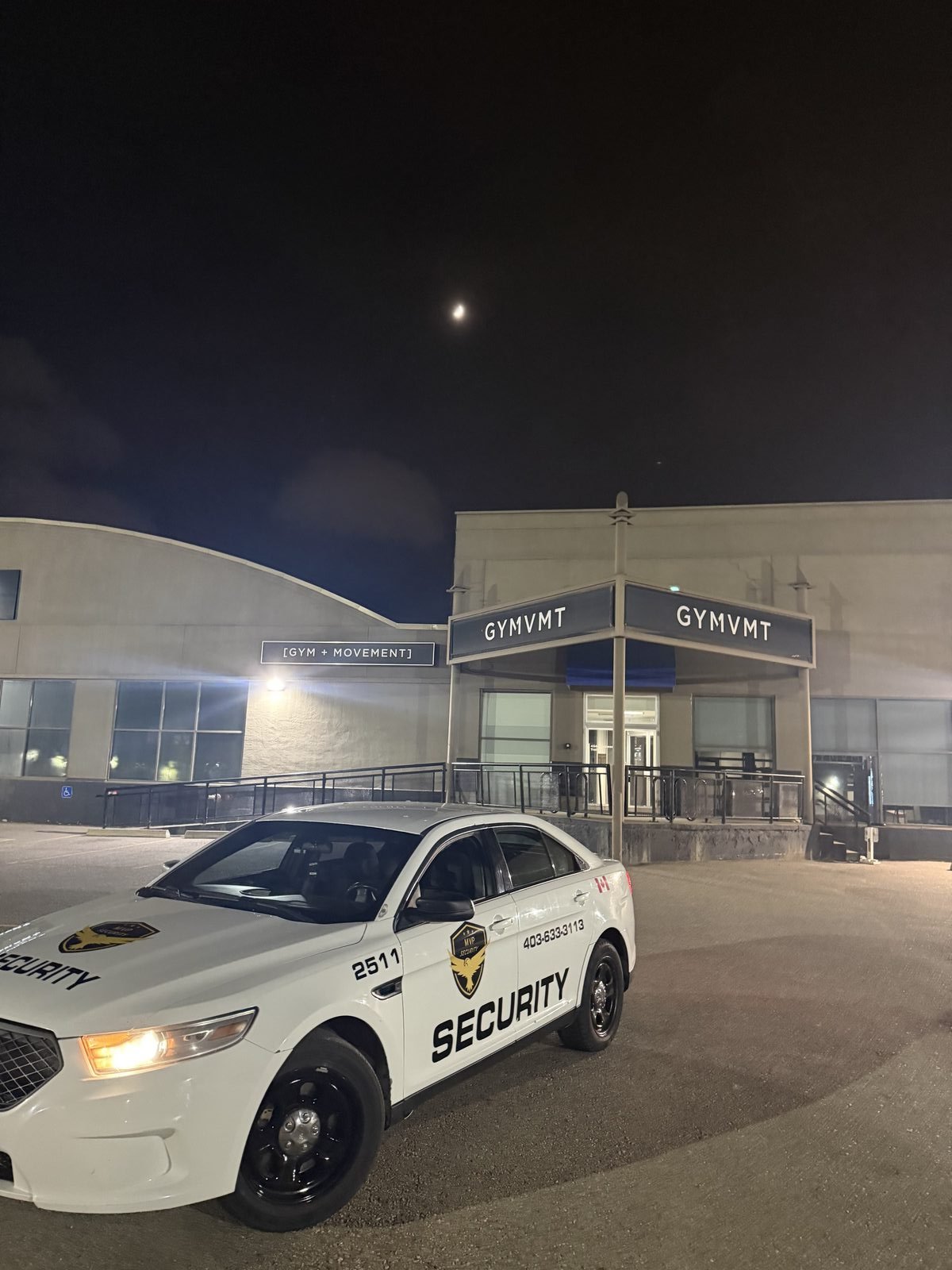
This model works well when the goal is deterrence and verification rather than full-time physical control of a site. A visible patrol vehicle, flashlight checks, and GPS-tracked activity can be enough to discourage trespassing, identify damage early, and confirm that the property is secure overnight.
For many commercial and residential clients, mobile patrol is also the practical answer to budget limits. You still get licensed guard coverage, site reporting, and a professional response presence, but without the cost of posting a guard for every hour of the night.
What static guards are there to handle
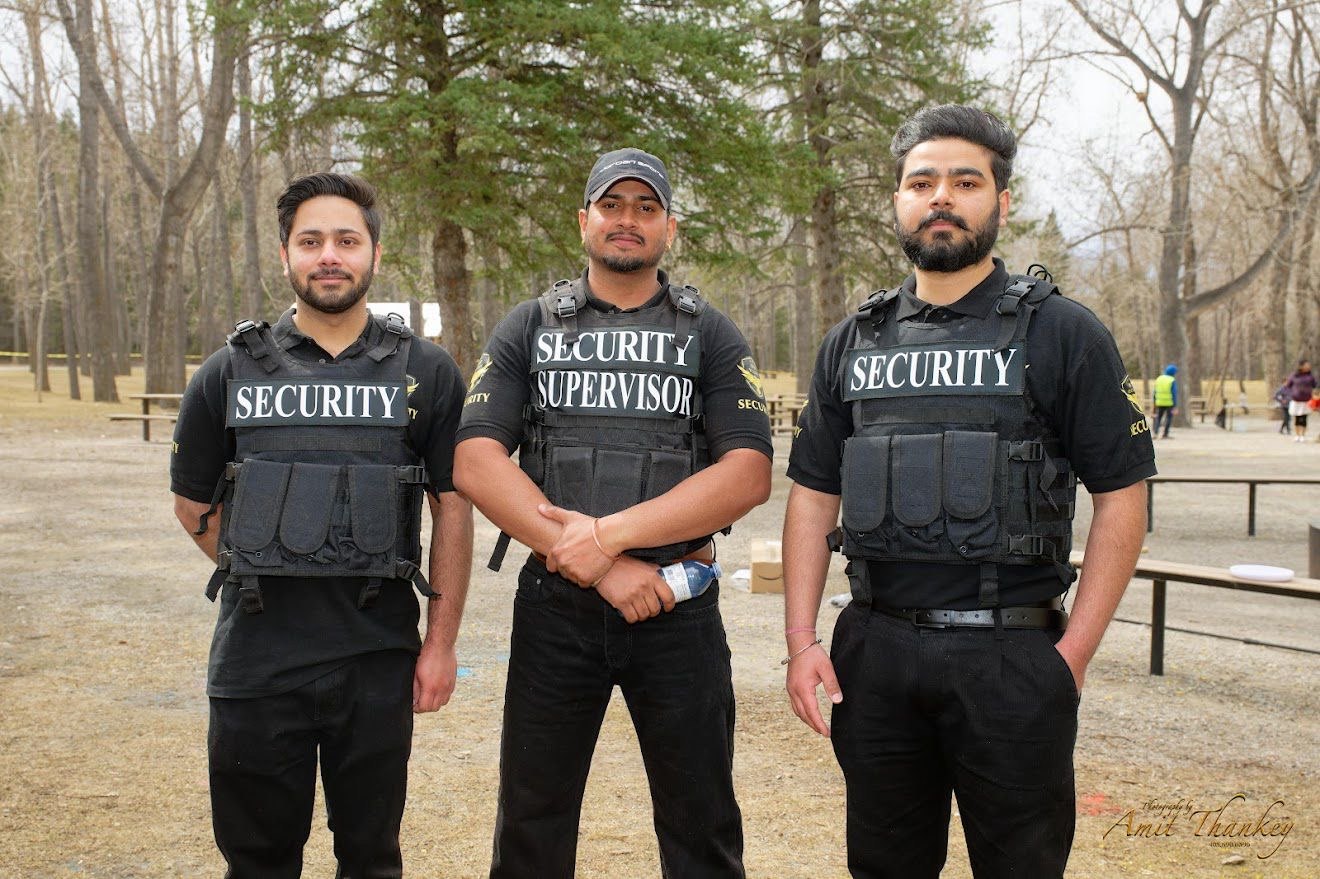
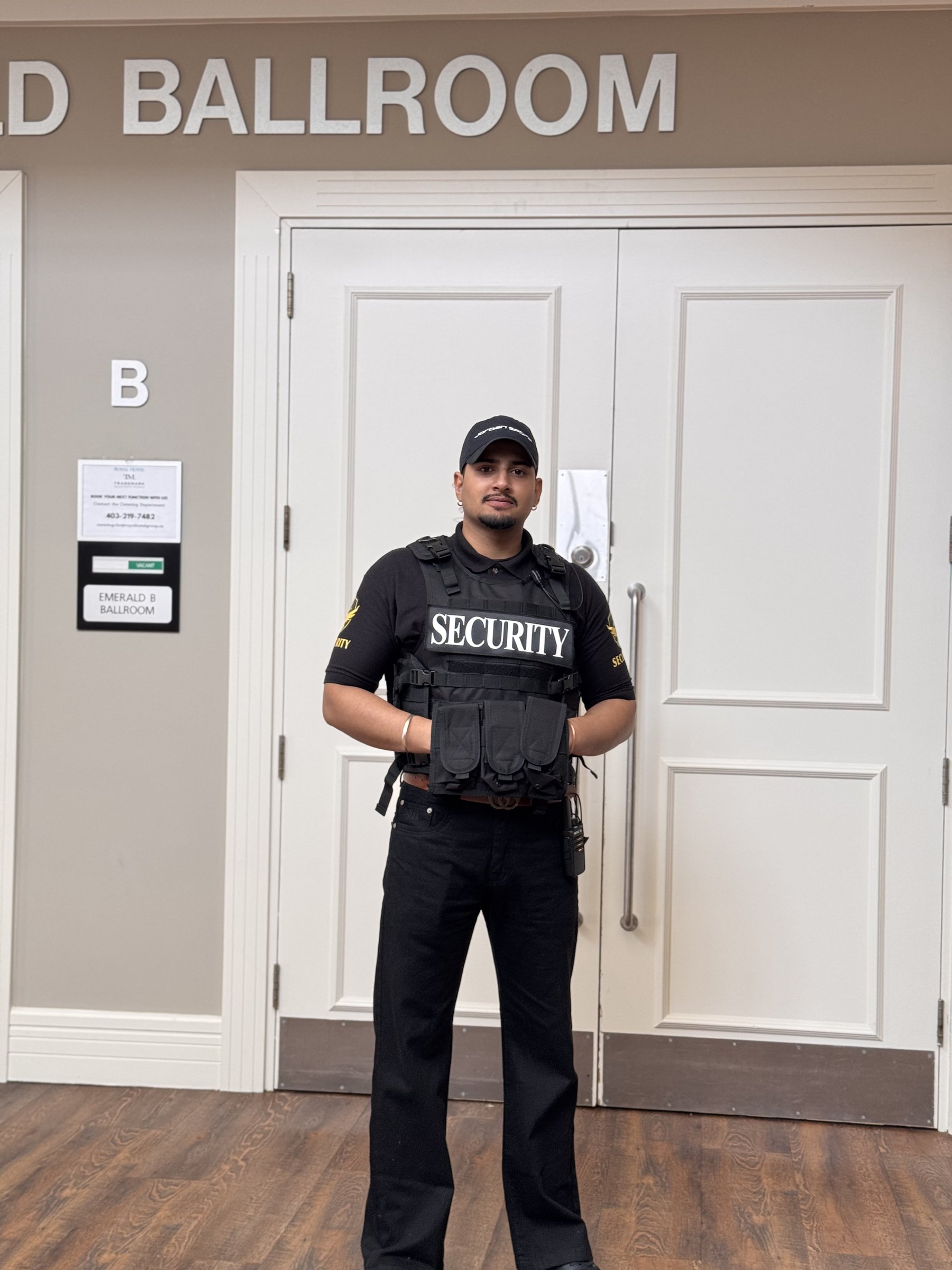
Static guards are assigned to remain on site for a scheduled shift. Their role is not just to observe. In the right setting, they actively control access, monitor activity in real time, respond immediately to incidents, and provide a visible security presence that cannot be missed.
That matters in environments where people are constantly moving through the property or where the risk changes minute by minute. A front desk in a residential tower, a busy retail entrance, a construction site with ongoing deliveries, or an event with crowds and restricted areas all require decisions that cannot wait for the next patrol visit.
Static guards are usually the better fit when your site needs one or more of the following: continuous access control, visitor screening, tenant interaction, contractor verification, fire watch, active rule enforcement, or immediate intervention. In those cases, security is part of daily operations, not just after-hours protection.
Mobile patrol vs static guards: the core difference
The simplest way to compare mobile patrol vs static guards is this: patrol is intermittent coverage with high visibility and efficient response, while static guarding is continuous on-site presence with direct control.
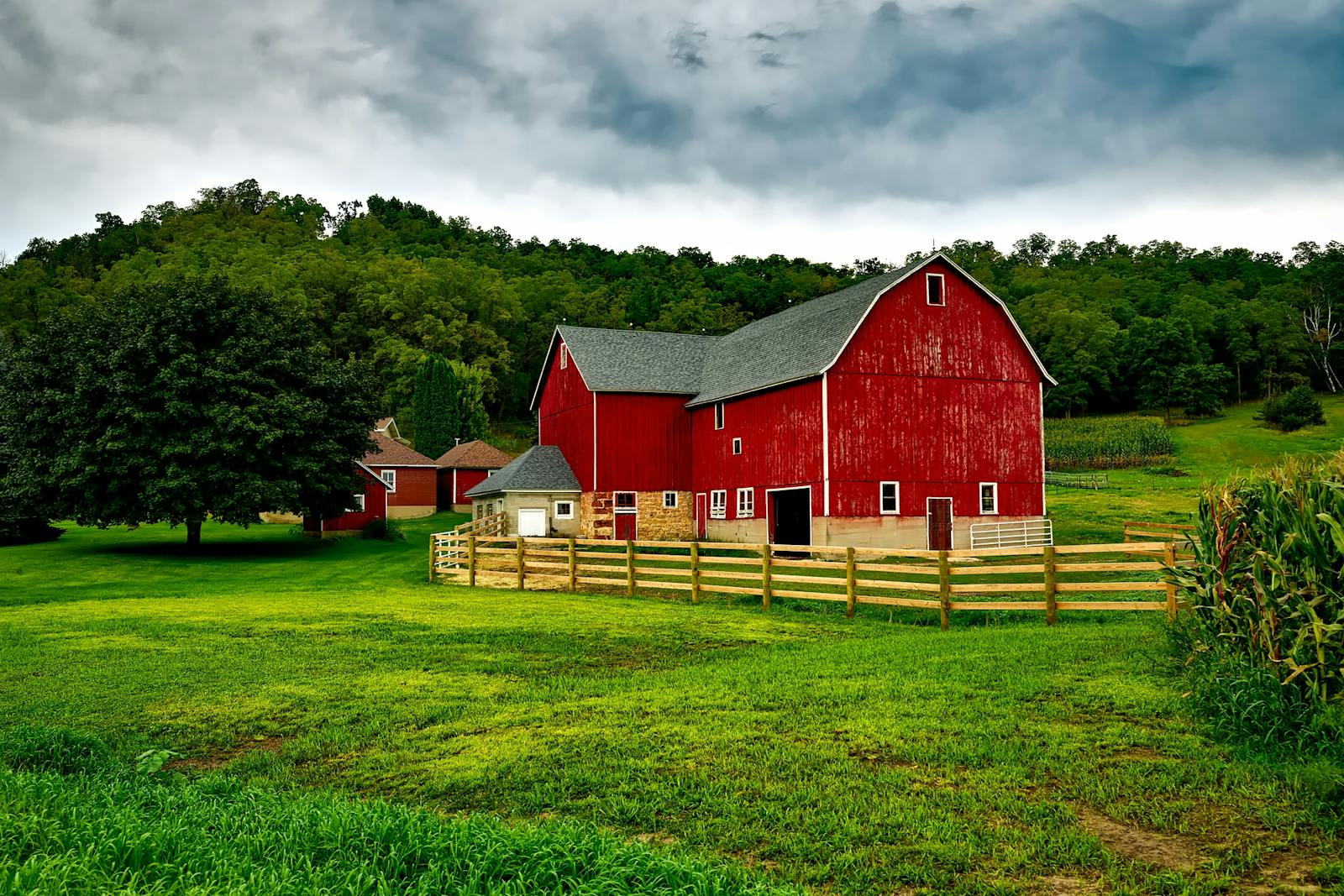
Neither is automatically better. A fenced industrial yard with low overnight traffic may benefit more from multiple documented patrols than from one stationary guard. A downtown mixed-use building with public access, deliveries, tenant concerns, and recurring disturbances will often need a dedicated guard because issues develop in real time.
The choice depends on how quickly a problem can escalate and whether someone must already be there when it happens.
Cost matters, but so does exposure
Budget is always part of the decision, and rightly so. Mobile patrol is generally the more cost-efficient option for properties that do not need constant staffing. It allows decision-makers to maintain a professional security presence while keeping coverage aligned with actual risk periods such as evenings, weekends, or overnight hours.
Static guards cost more because they provide labour on site for set shifts. That said, the cheaper option becomes expensive quickly if it fails to prevent losses. If your property is dealing with repeated trespassing, copper theft, vandalism, aggressive behaviour, or unauthorized entry during active hours, under-deploying security can create bigger costs than the guard coverage itself.
A realistic security plan looks beyond hourly rate. It asks what one break-in, one tenant injury claim, one equipment theft, or one unmanaged disturbance could cost in repairs, delays, insurance issues, or reputational damage.
Where mobile patrol is usually the better fit
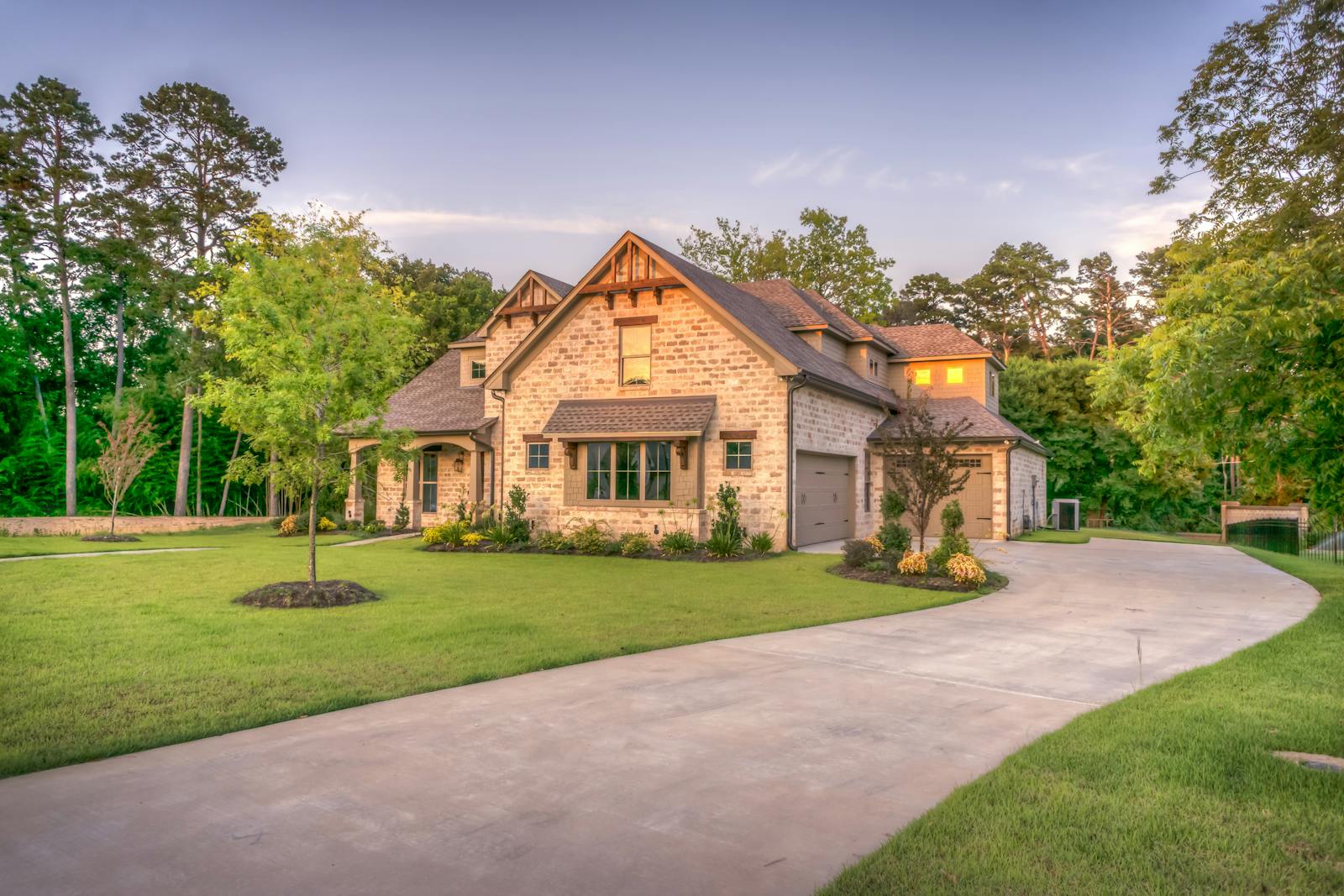
Mobile patrol tends to perform well on properties that are mostly vacant at certain hours but still need regular checks and a quick response option. This includes office complexes after business hours, condo parking areas, industrial yards, small retail plazas, and lower-traffic construction sites that need perimeter checks and lock verification.
It is also a strong fit for clients who need broad area coverage. A property manager with several buildings or a builder managing multiple active sites may not need a dedicated guard at every location. Scheduled and randomized patrols can create deterrence across the portfolio while keeping reporting and oversight consistent.
In Calgary and surrounding communities, weather and seasonal conditions also matter. Patrol officers can identify frozen access points, damaged fencing, lighting failures, or unsafe conditions during routine site checks before those issues turn into liability problems.
Where static guards are usually the better fit
Static guarding is often the right call when the site has high foot traffic, active operations, or a strong need for authority at a fixed point. Condo towers need lobby control and visitor management. Construction sites may need gate supervision, credential checks, and monitoring of trades, deliveries, and equipment movement. Retail sites may need a visible deterrent during peak hours or immediate handling of disorder issues.
Events are another clear example. Patrol alone cannot manage entry points, monitor crowd behaviour, enforce restricted access, or respond inside a dense venue in real time. A static guard team can be positioned where incidents are most likely and where presence has the greatest operational value.
This model is also better when incident response needs to happen in seconds, not minutes. If there is a known pattern of conflict, theft, site intrusion, or safety concerns, a guard already on location changes the outcome.
The middle ground often works best
Many sites do not need to choose one option exclusively. A blended program is often the most effective and most practical solution.
A construction project might use a static guard during working hours or at a vulnerable overnight stage, with mobile patrol covering the rest of the week. A condo property may rely on concierge-style static coverage in the lobby while adding overnight patrol checks of parking, perimeter doors, and amenity spaces. A retail centre may use patrol for after-hours lockup and alarm response, then schedule static guards during weekends or high-loss periods.
This kind of layered coverage gives decision-makers more control over spend while keeping protection tied to actual risk windows. It also allows security coverage to change as the site evolves. Early-stage construction, tenant turnover, special events, vacancy periods, or seasonal crime trends often justify adjusting the model rather than locking into one format year-round.
Questions to ask before you choose
Before selecting mobile patrol or static guards, look at how the property actually operates. When do incidents happen? Is the biggest risk unauthorized entry, theft, loitering, safety issues, or public interaction? Does someone need to check credentials, manage keys, meet emergency responders, or preserve order during active hours?
It also helps to review how fast a response must be. If a delay of even a few minutes creates major loss or safety concerns, static coverage may be necessary. If the main priority is visible deterrence, perimeter integrity, alarm follow-up, and documented checks, mobile patrol may be enough.
Finally, consider reporting and accountability. Security should not be guesswork. GPS-confirmed patrol activity, incident reports, photo documentation, and clear communication matter because they let managers verify that coverage is being delivered properly and adjust it when conditions change.
The best choice is the one that matches the site
There is no universal winner in mobile patrol vs static guards. The right answer depends on whether your property needs periodic verification or continuous control, whether the main concern is deterrence or active management, and how much risk exists between one security touchpoint and the next.
For Calgary-area properties, a good security program is rarely about buying the most coverage. It is about placing the right coverage where it will actually prevent loss, support operations, and respond when something goes wrong. If your site conditions, hours, or exposure have changed, that is usually the point when a fresh security assessment pays off most.
A dependable security plan should feel practical from day one - clear coverage, clear reporting, and the confidence that the guard presence on paper is the one showing up in the field.