





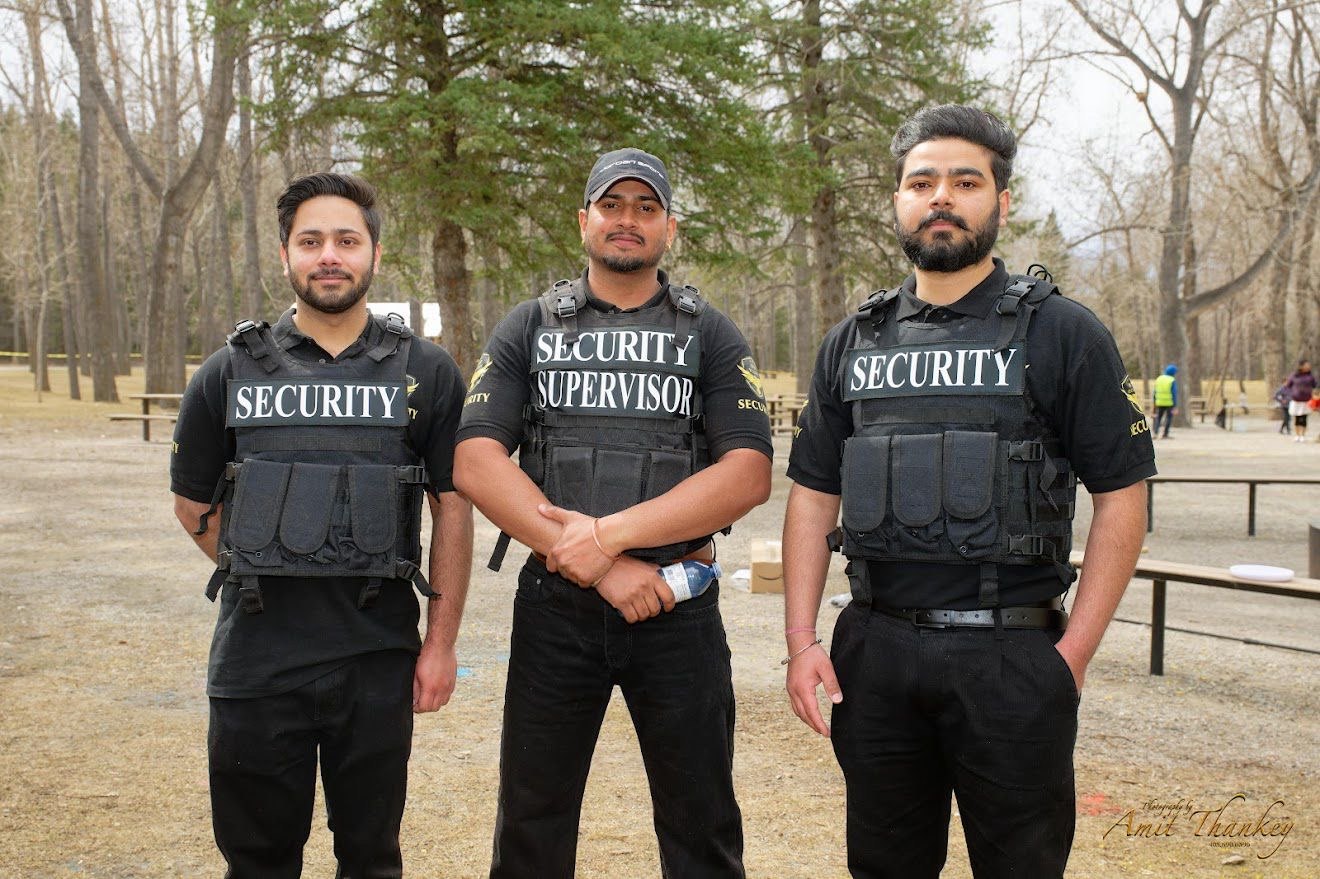
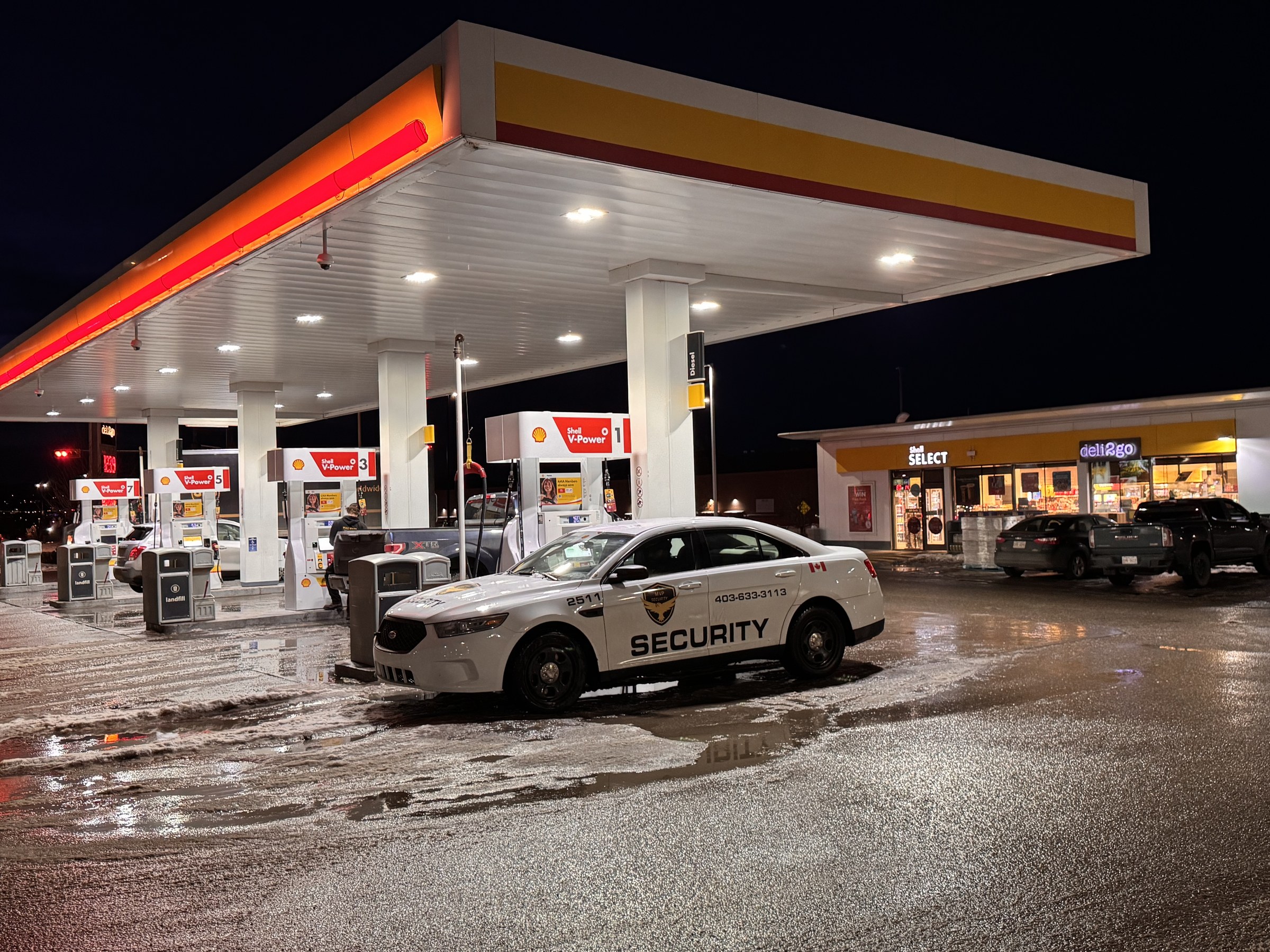
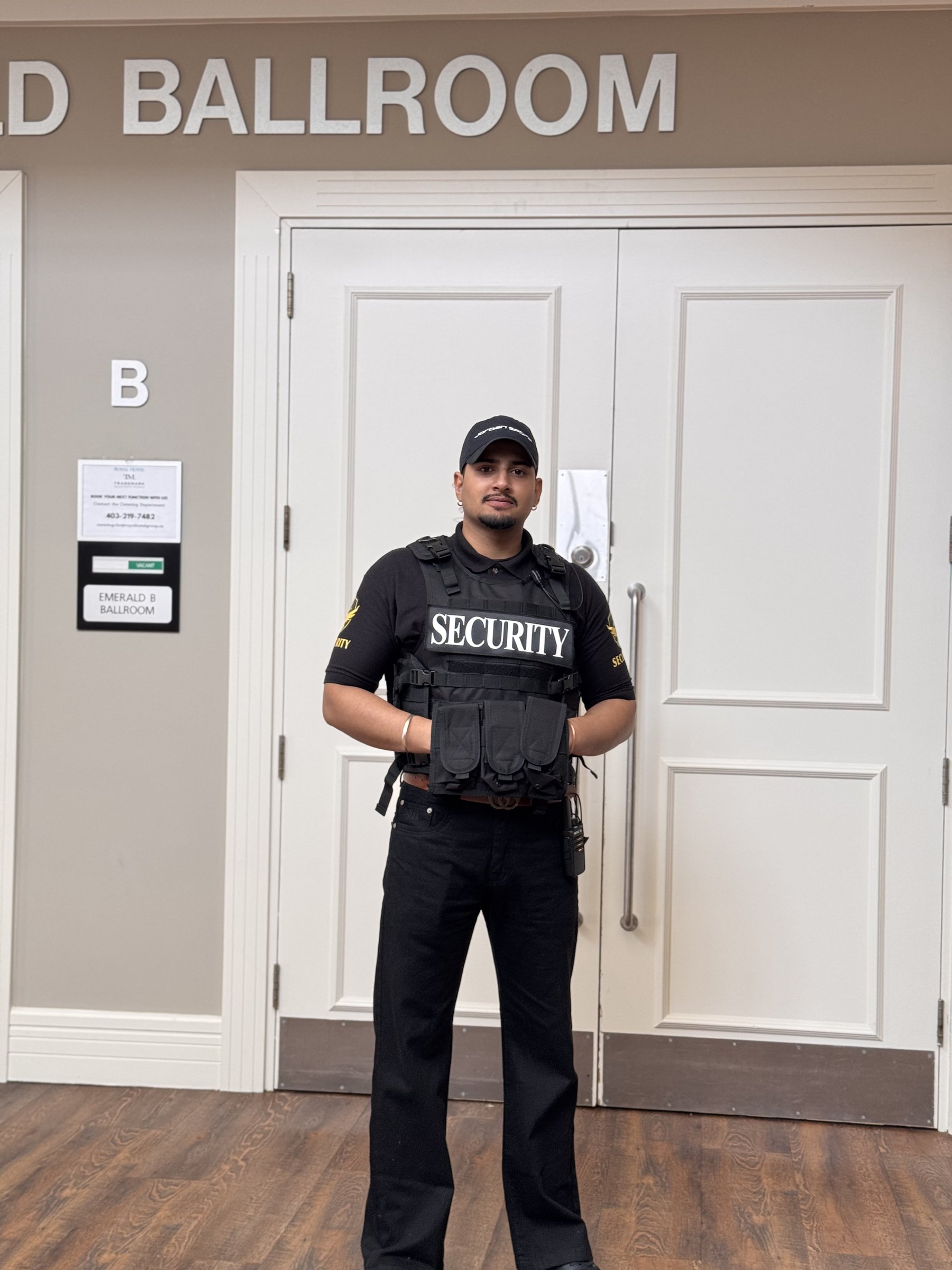
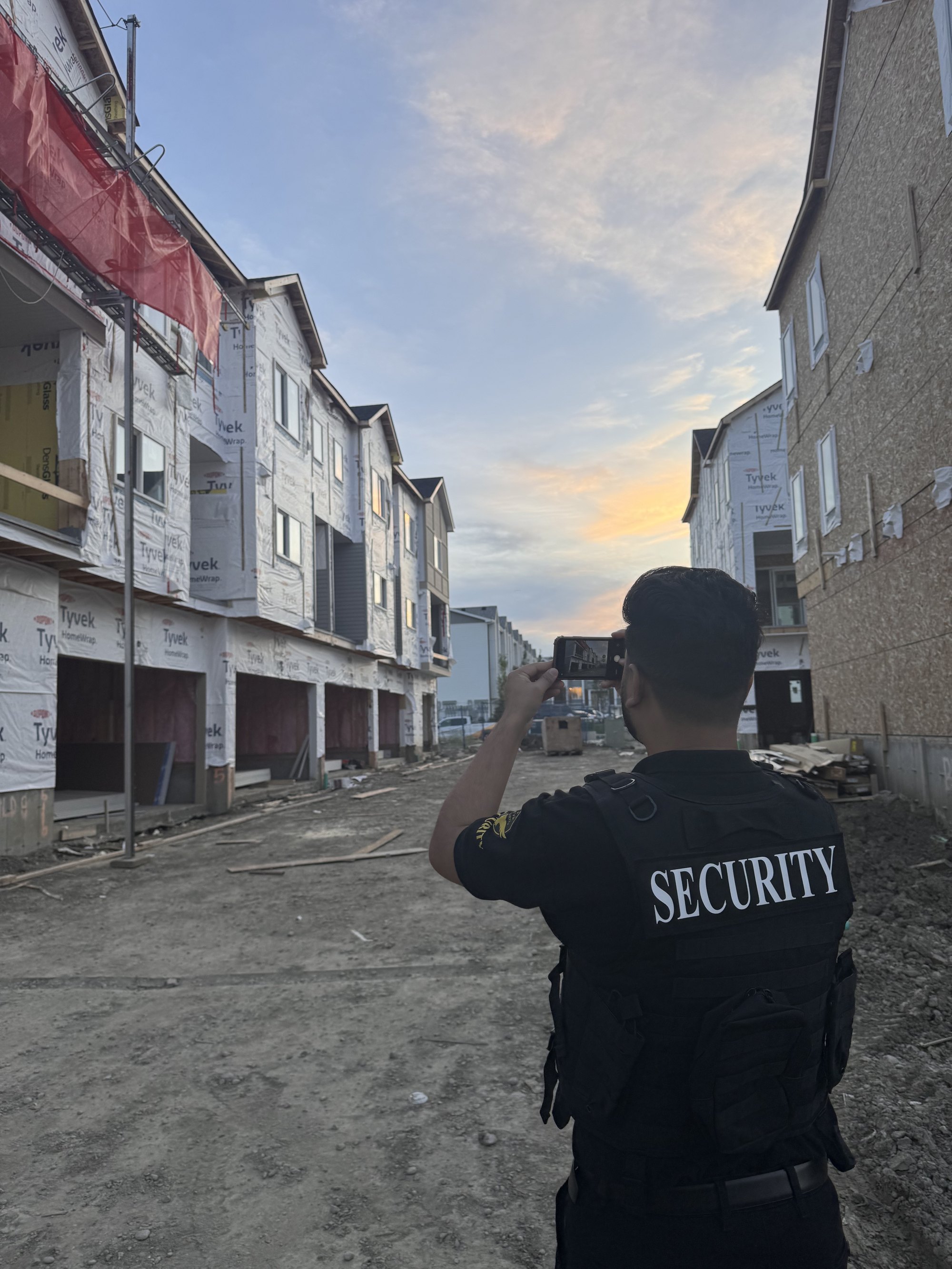
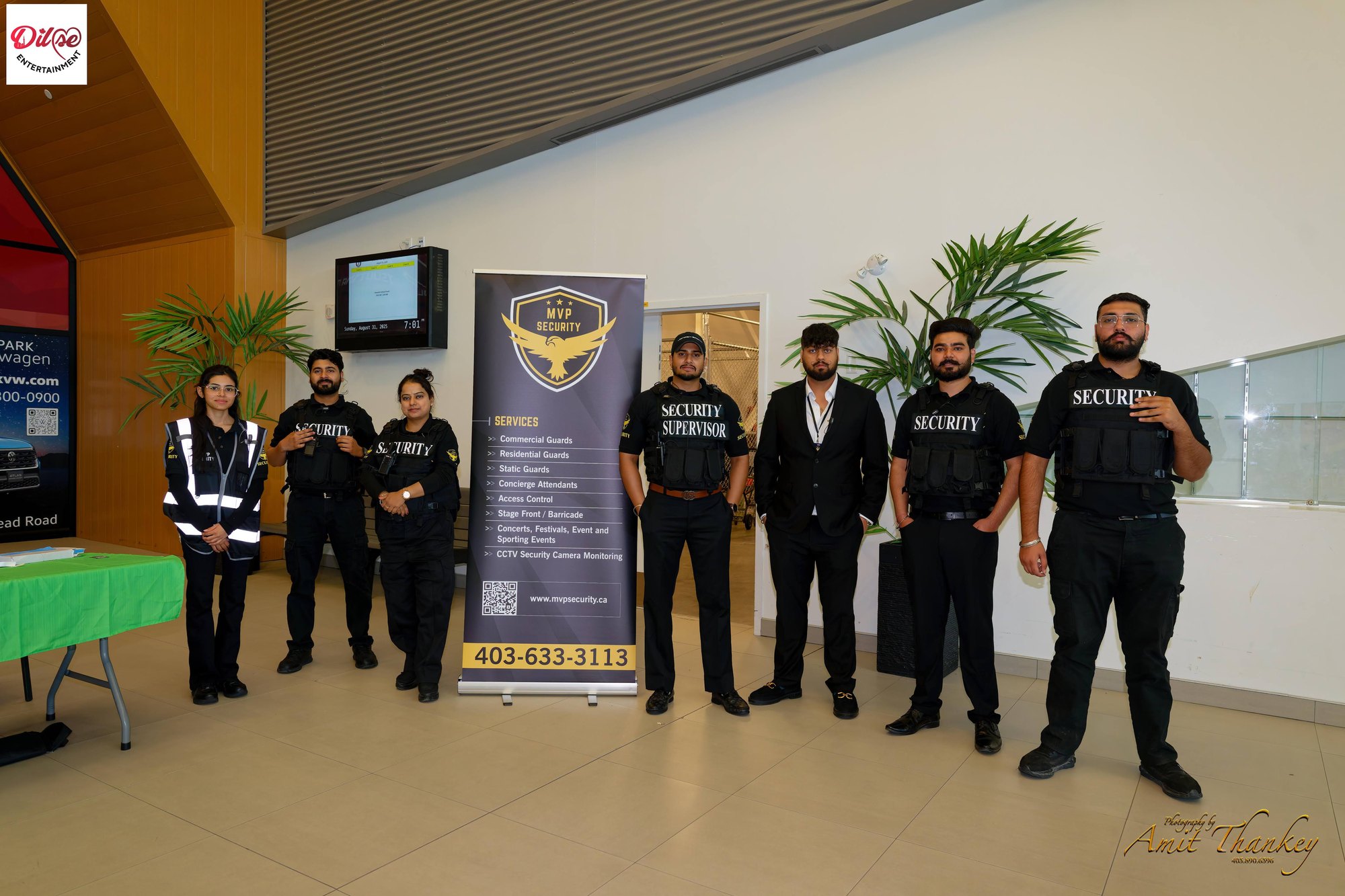
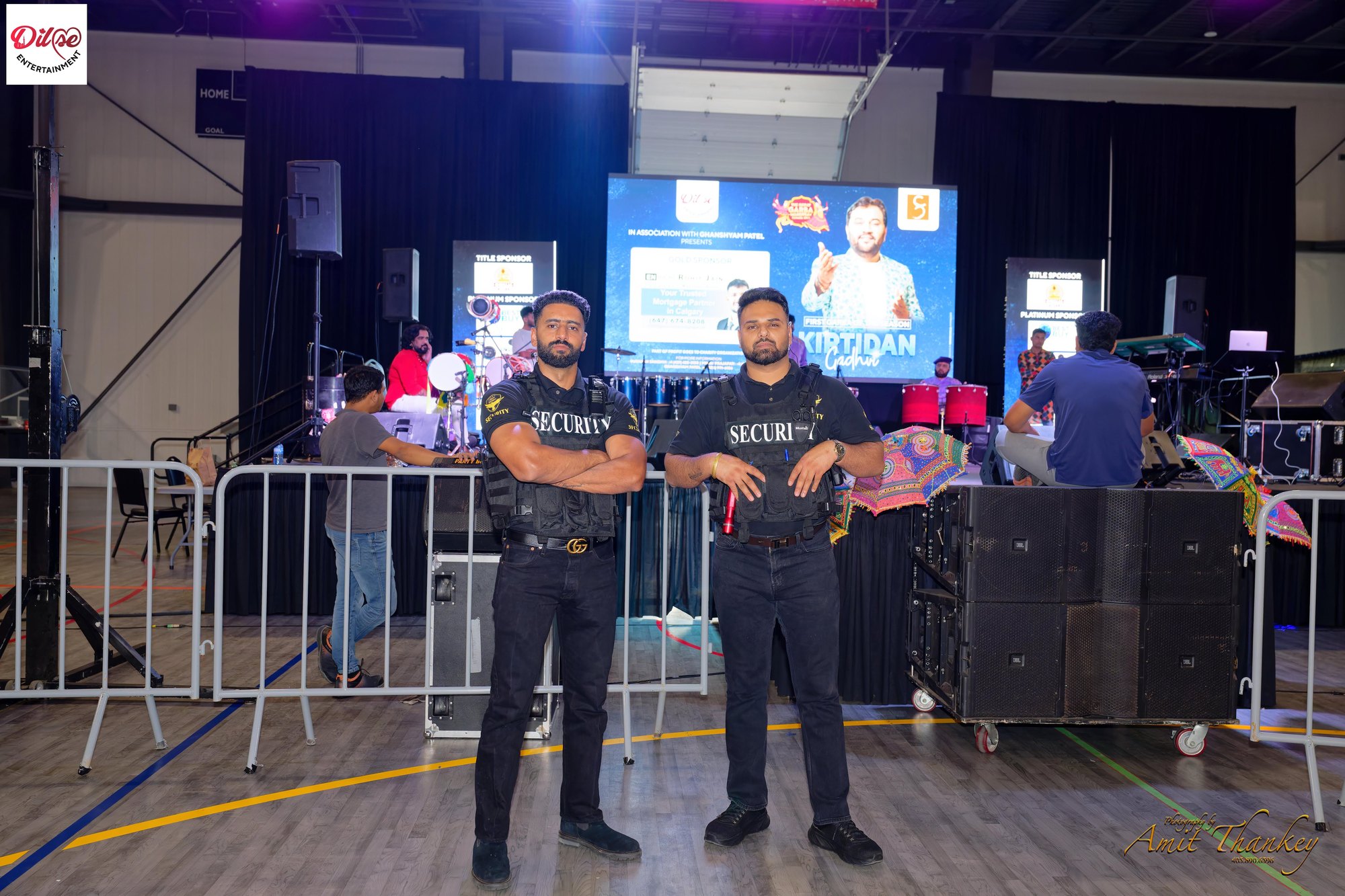
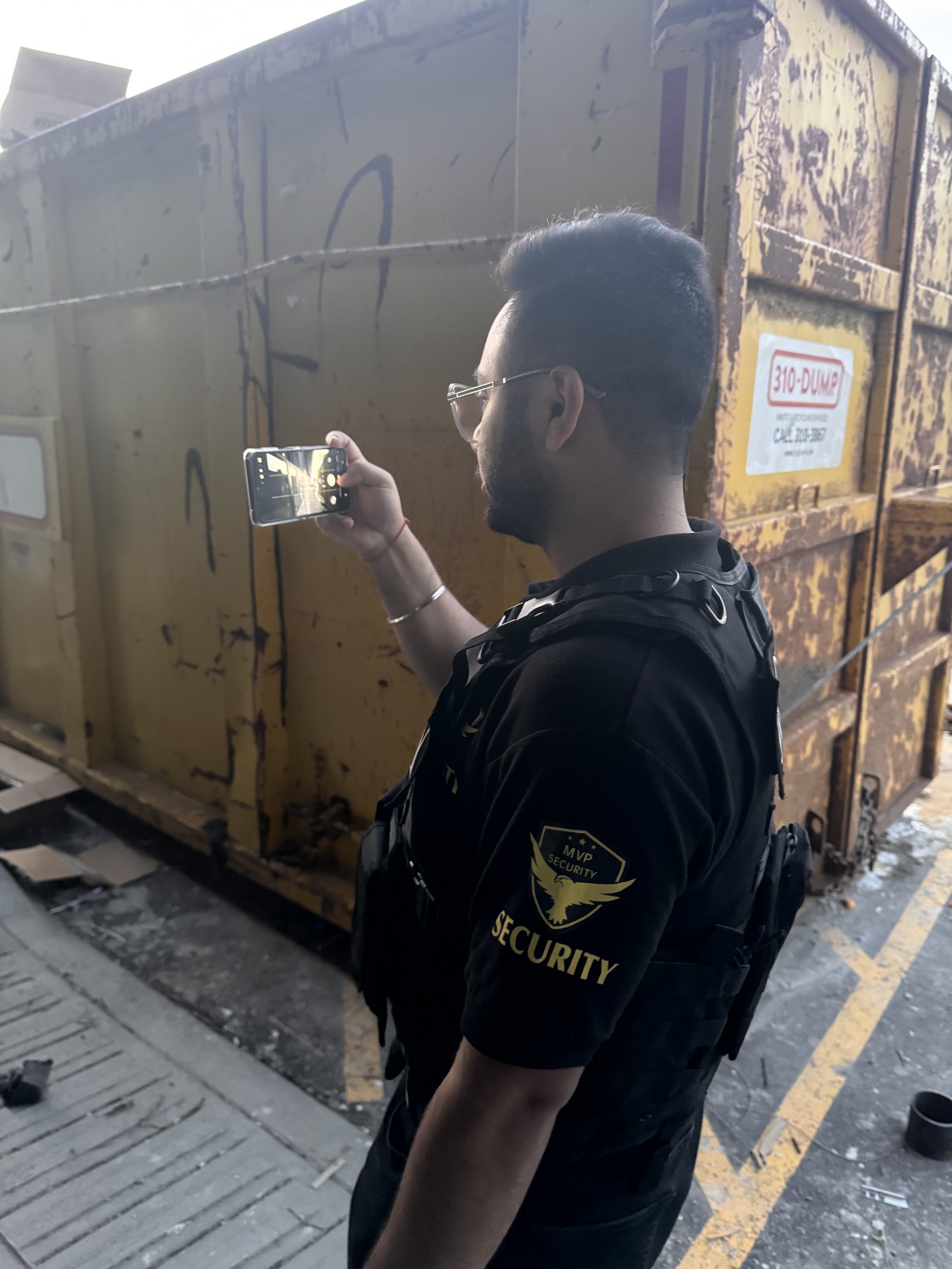
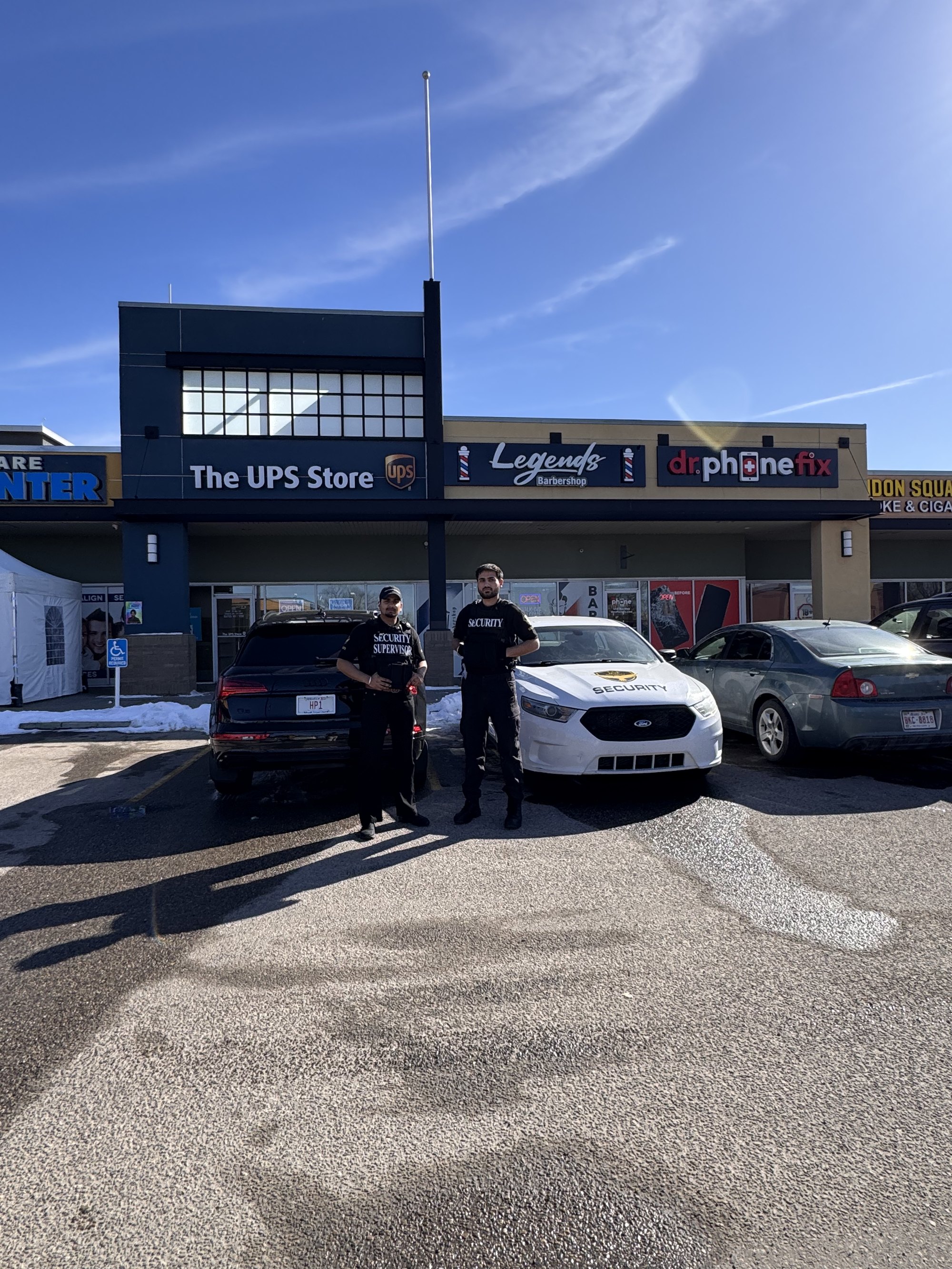
A property can look quiet after 10 p.m. and still face its highest-risk hours. Fewer staff are present, nearby businesses may be closed, and a delayed response can turn a minor access issue, alarm, or suspicious vehicle into theft, damage, or an unsafe situation. Effective overnight security coverage gives Calgary-area sites an accountable presence when internal teams have gone home.
The right plan is not simply a guard standing at a door for eight hours. It is a site-specific program built around the property’s layout, operating hours, known vulnerabilities, public access points, alarm procedures, and budget. For some sites, a static guard is necessary. For others, scheduled and randomized mobile patrols provide the visible deterrence and verification required overnight.
Why Overnight Security Coverage Needs a Different Plan
Daytime security often benefits from natural oversight. Employees, tenants, contractors, delivery drivers, and customers create activity that can discourage unauthorized access or quickly identify a problem. Overnight, that informal layer disappears.
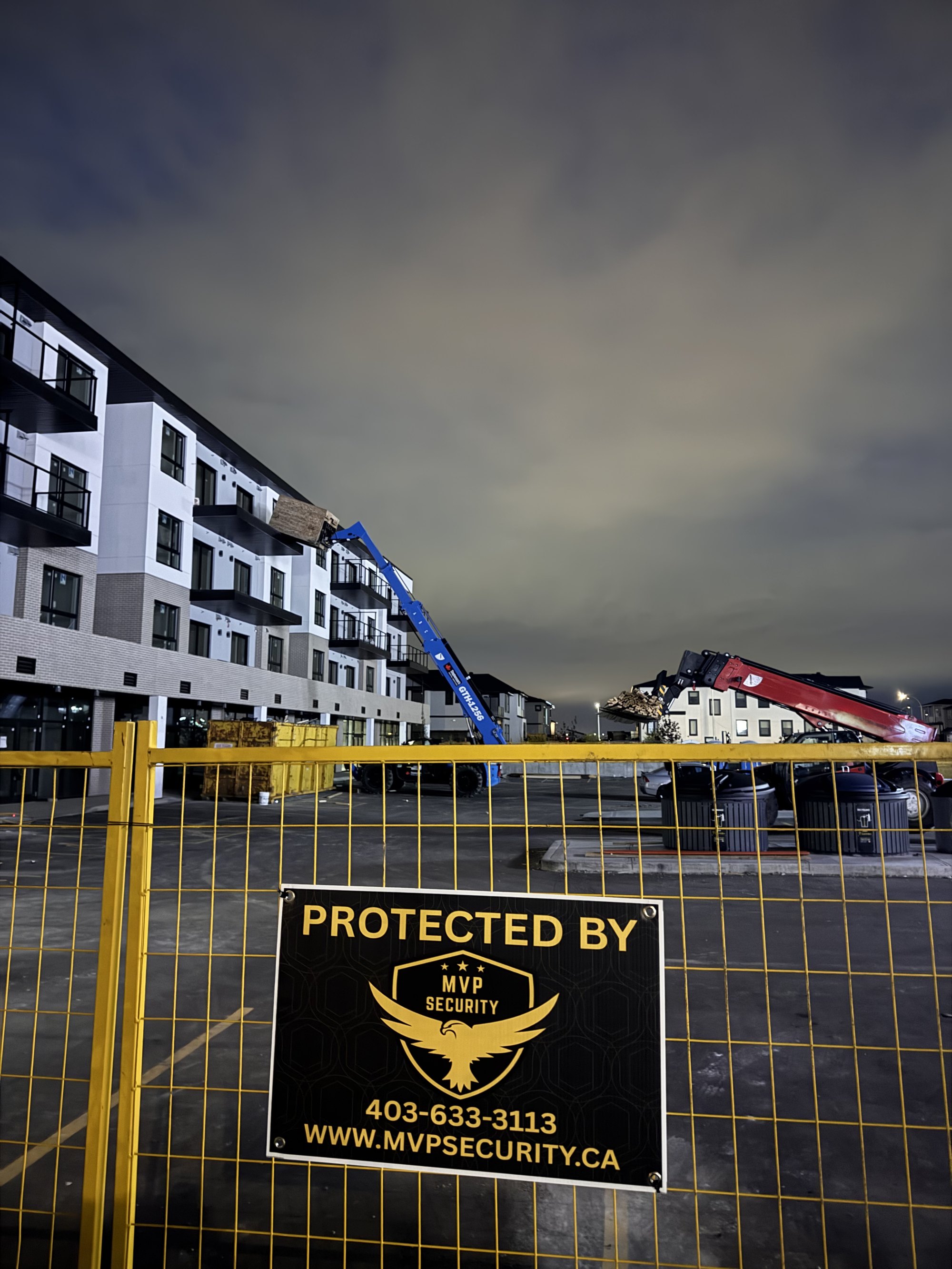
Construction sites become targets for tool and material theft. Retail plazas may face break-in attempts, loitering, graffiti, or illegal dumping. Condominiums can see unauthorized parking, access control concerns, and disturbances in common areas. Industrial yards may have exposed equipment, gates, trailers, fuel storage, or inventory that cannot be left without regular checks.
The objective is not to treat every after-hours visitor as a threat. It is to establish control: verify who should be on site, identify exceptions early, respond according to clear instructions, and create a record of what occurred. This is where a generic patrol schedule often falls short. A predictable visit at the same time every night can be easy to anticipate. A well-managed program combines planned duties with enough variation to create meaningful deterrence.
Choosing the Right Overnight Security Coverage Model
The appropriate coverage model depends on how quickly an incident could escalate and whether a person needs to remain on site continuously. The most cost-effective choice is not always the least expensive hourly option. It is the model that addresses the site’s actual exposure without paying for coverage the property does not need.
Static guards for active or high-risk sites
A dedicated static security guard is usually the strongest option when a site has ongoing overnight activity, repeated incidents, a public-facing entrance, or assets that require continuous supervision. This may include an occupied residential building, an active construction project, a warehouse with overnight deliveries, a fire watch requirement, or a commercial property experiencing recurring trespass issues.
A guard can control access, conduct interior and exterior rounds, monitor cameras, respond to tenant or staff concerns, document incidents, and contact emergency services when required. The trade-off is straightforward: continuous staffing has a higher cost, but it provides immediate on-site decision-making and visible coverage throughout the shift.
Mobile patrols for lower-traffic properties
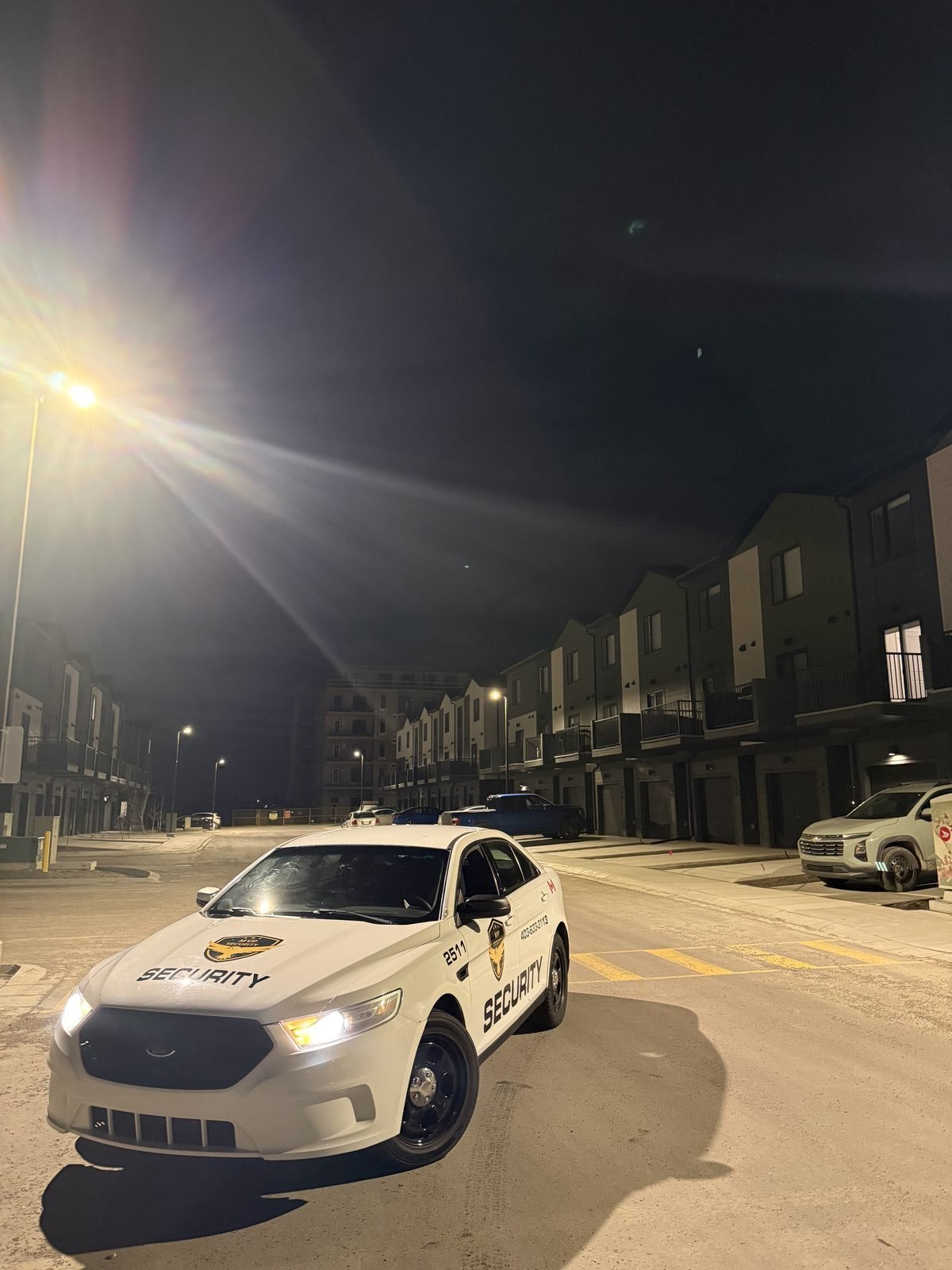
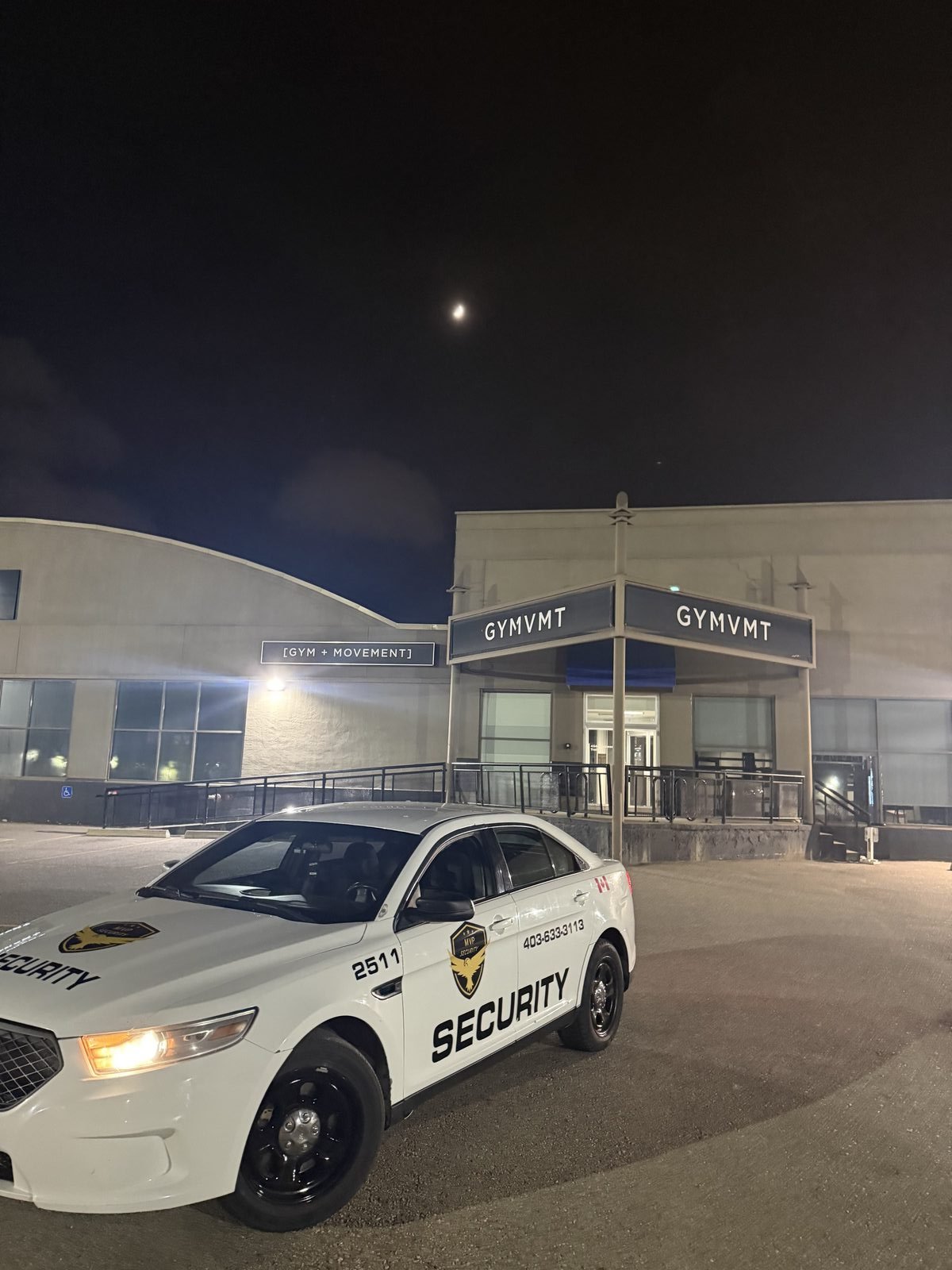
Mobile patrol is often a practical fit for closed offices, retail plazas, vacant properties, equipment yards, and smaller construction sites. A licensed patrol officer attends the property at scheduled or randomized intervals, checks designated areas, verifies doors, gates and fencing, looks for damage or unauthorized activity, and documents the visit.
This model works well when the primary need is deterrence, inspection, and response rather than constant access control. It is also scalable. Coverage can increase during long weekends, after a nearby incident, during a vulnerable project phase, or when a tenant reports a concern.
Alarm response for monitored sites
An alarm signal without a defined response plan creates uncertainty for property managers and owners. Police response is not guaranteed for every alarm event, and staff may not be positioned to attend safely or quickly at 2 a.m.
Alarm response assigns a trained security professional to attend, assess the exterior or agreed access points, follow site procedures, document observations, and escalate when appropriate. When paired with CCTV monitoring or mobile patrols, it helps close the gap between an automated alert and a verified on-site response.
What a Reliable Program Looks Like in Practice
Overnight protection should begin before the first shift. A provider needs to understand the property, not just receive an address and a start time. This includes identifying access points, blind spots, alarm panels, keyholder instructions, emergency contacts, restricted areas, lighting conditions, known hazards, and preferred escalation procedures.
Clear post orders are essential. They tell officers what to inspect, how to handle unauthorized persons, when to contact police or fire services, which issues require immediate client notification, and how to secure the site after an incident. For construction locations, post orders may include checking tool storage, perimeter fencing, temporary power, equipment keys, and open excavation areas. For residential properties, they may focus on parkades, entrance doors, common areas, visitor access, and nuisance activity.
Documentation matters just as much as attendance. GPS-tracked patrol activity and photo-documented reporting give clients evidence that checks were completed and help establish a timeline if an incident occurs. A useful report does more than say “all clear.” It identifies the time of attendance, areas checked, conditions found, actions taken, and any recommended follow-up.
That reporting also supports better decision-making over time. If officers repeatedly find an unsecured gate, poor lighting near a loading area, or trespass activity around the same perimeter section, the client has information to correct the underlying issue rather than only responding to each event.
Questions to Ask Before Hiring Overnight Security
A security provider should be able to explain how coverage will operate at your specific site. Ask whether guards are licensed under Alberta’s Security Services and Investigators Act, how dispatch and supervision are handled overnight, and what happens if the assigned officer cannot attend a shift. Ask how incidents are reported and how quickly urgent issues are communicated.
It is also reasonable to ask whether the provider can adjust coverage on short notice. Security needs change quickly. A broken fence, terminated contractor, alarm event, tenant complaint, or material delivery can create an immediate requirement for extra patrols or a temporary static guard.
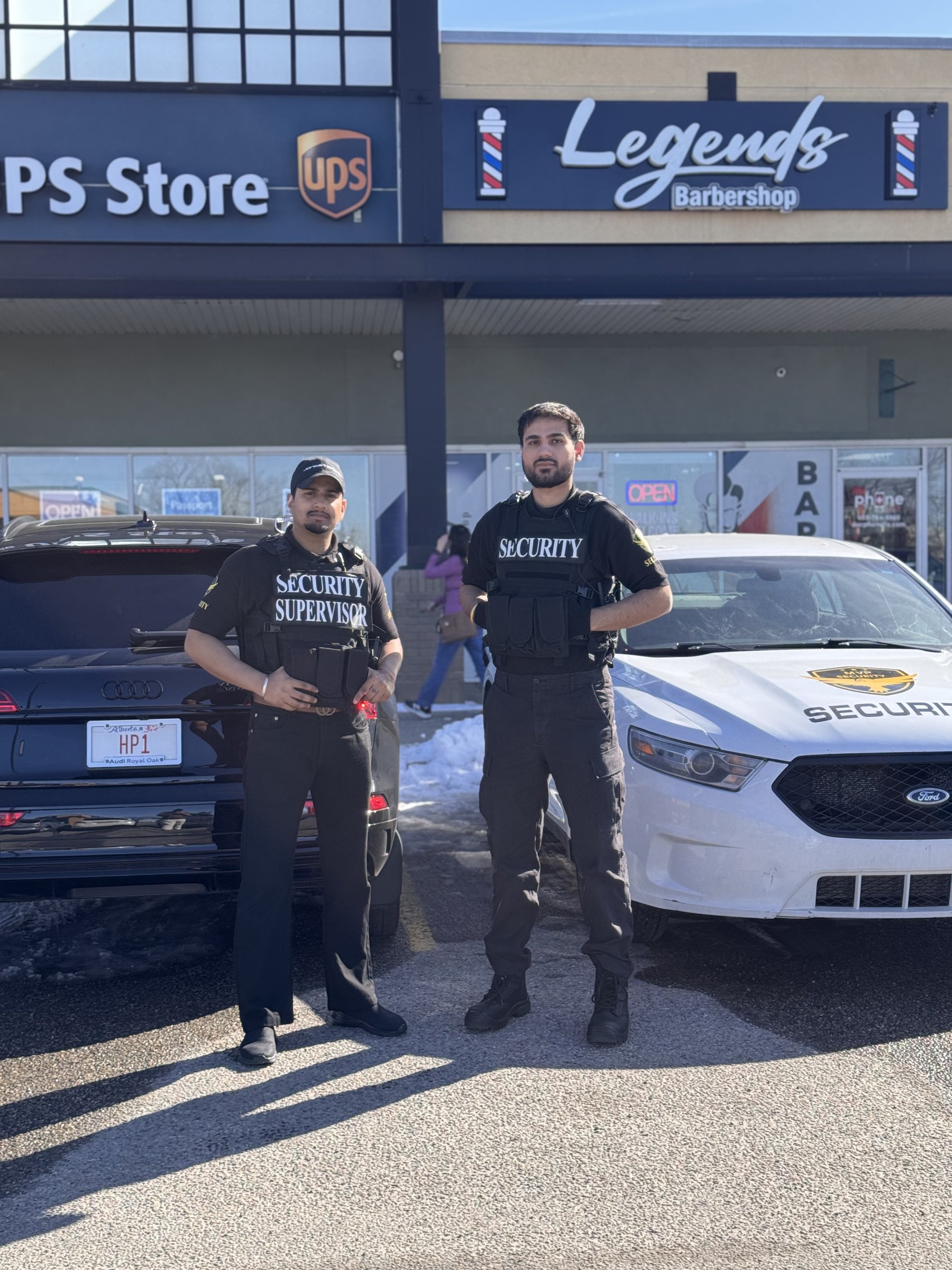
Local knowledge makes a practical difference here. A Calgary-based team that regularly serves Airdrie, Cochrane, Chestermere, Okotoks, and High River can plan deployment around the region rather than treating every urgent request as a remote dispatch problem. MVP Security Inc. builds programs around local site conditions, trained Alberta-licensed personnel, and documented accountability from the first patrol through the final overnight report.
Common Gaps That Put Properties at Risk
Many security failures are operational, not technical. Cameras can record an incident without stopping it. An alarm can activate while no one knows who is responsible for attending. A guard can be physically present but lack clear instructions, site access, or a reliable reporting process.
The most common gap is assuming all sites need the same service. A large industrial yard may need multiple perimeter checks and gate control, while a small office building may only need mobile patrols and alarm response. Another frequent problem is failing to revisit the plan as conditions change. Construction sites evolve weekly, tenant patterns shift, and a property that was low risk six months ago may no longer be low risk after repeated incidents.
Overnight security should also work alongside practical site improvements. Better lighting, secured keys, visible signage, maintained fencing, controlled access credentials, and properly positioned cameras can reduce risk and make patrol duties more effective. Security personnel should be part of that conversation because they see the property when it is most exposed.
A dependable overnight plan gives property decision-makers more than a name on a schedule. It provides a defined response, a documented record, and a professional presence when the site is least able to protect itself. Start with the risks that keep you answering calls after hours, then match the coverage to the conditions on the ground.