
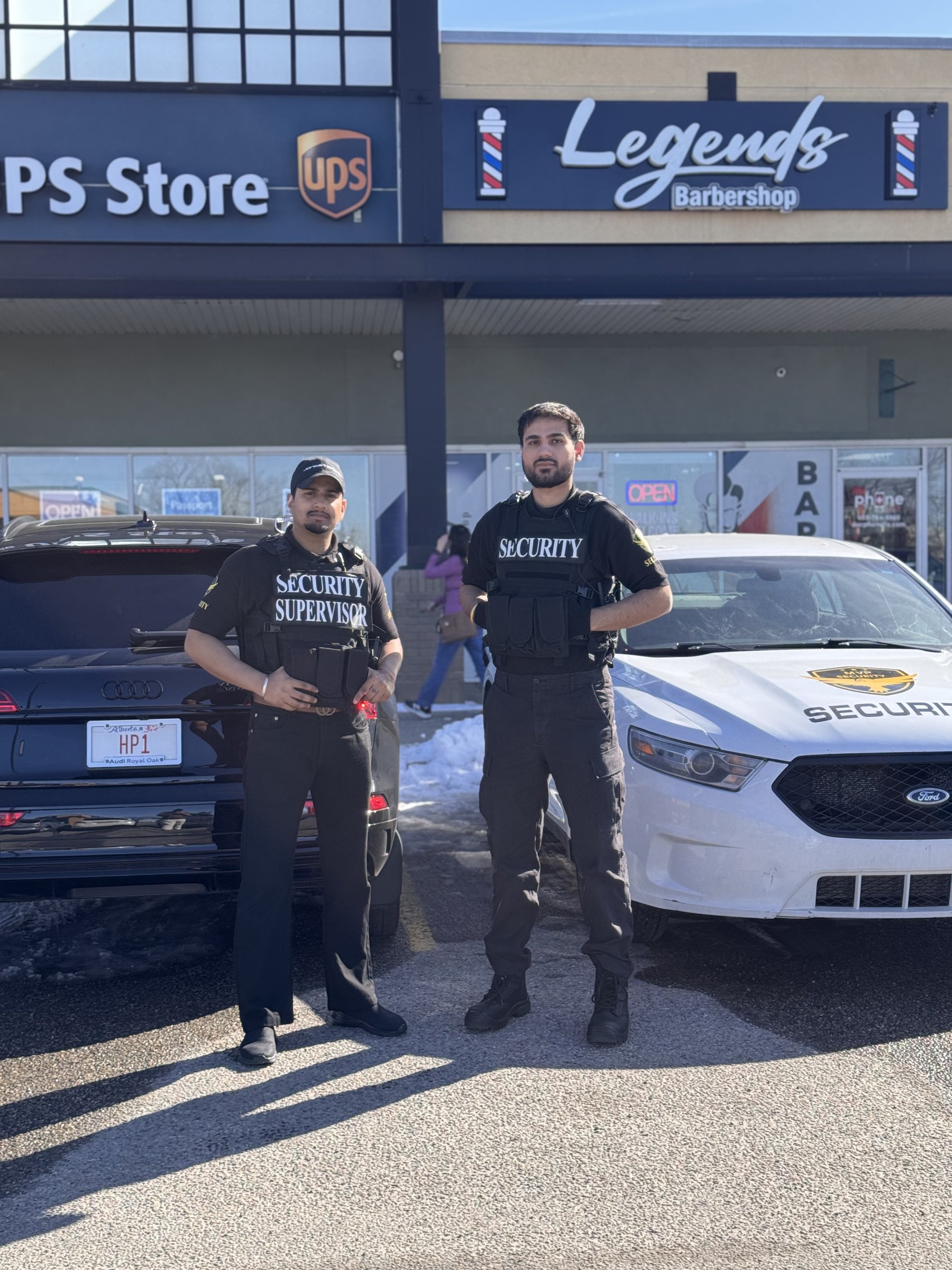



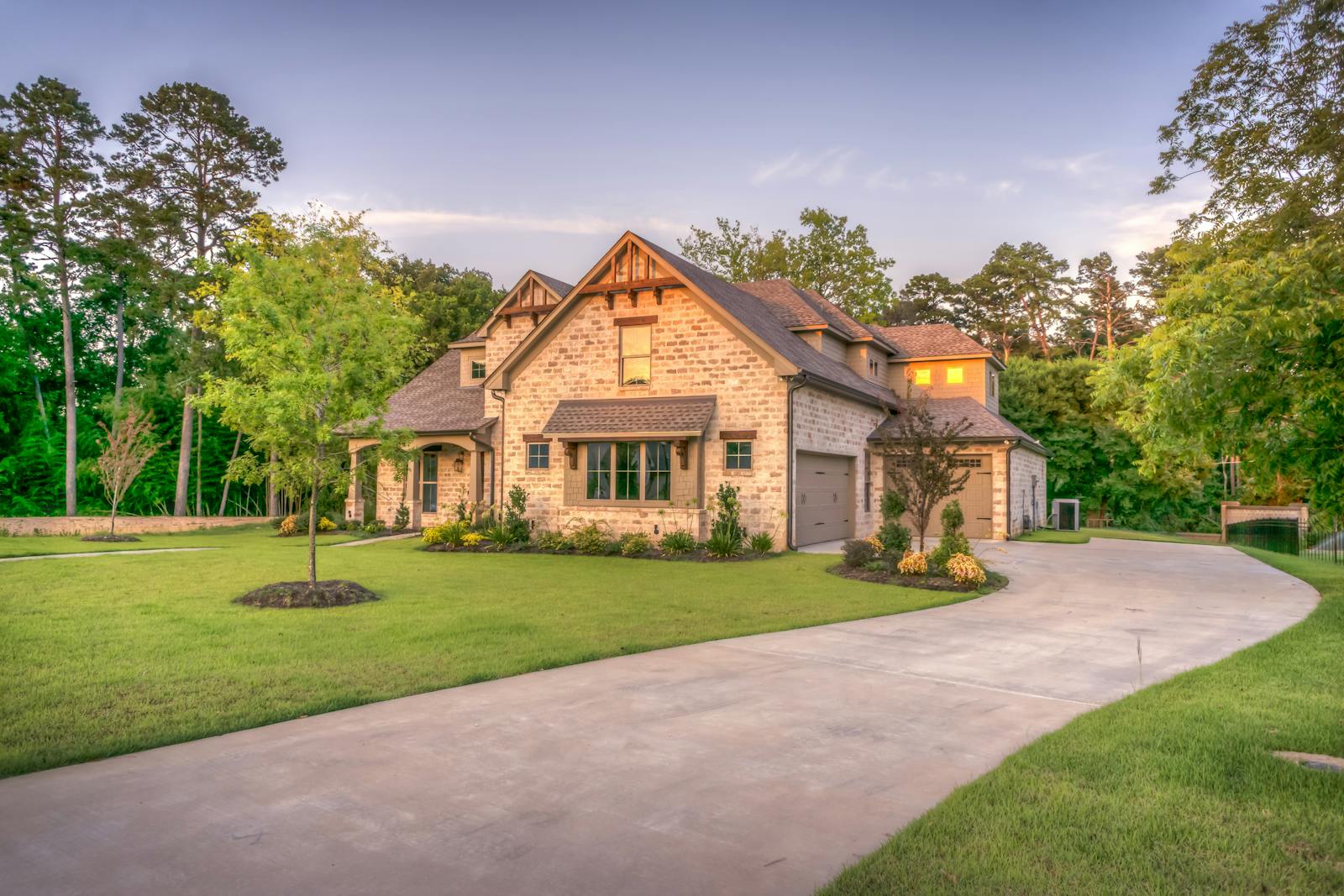

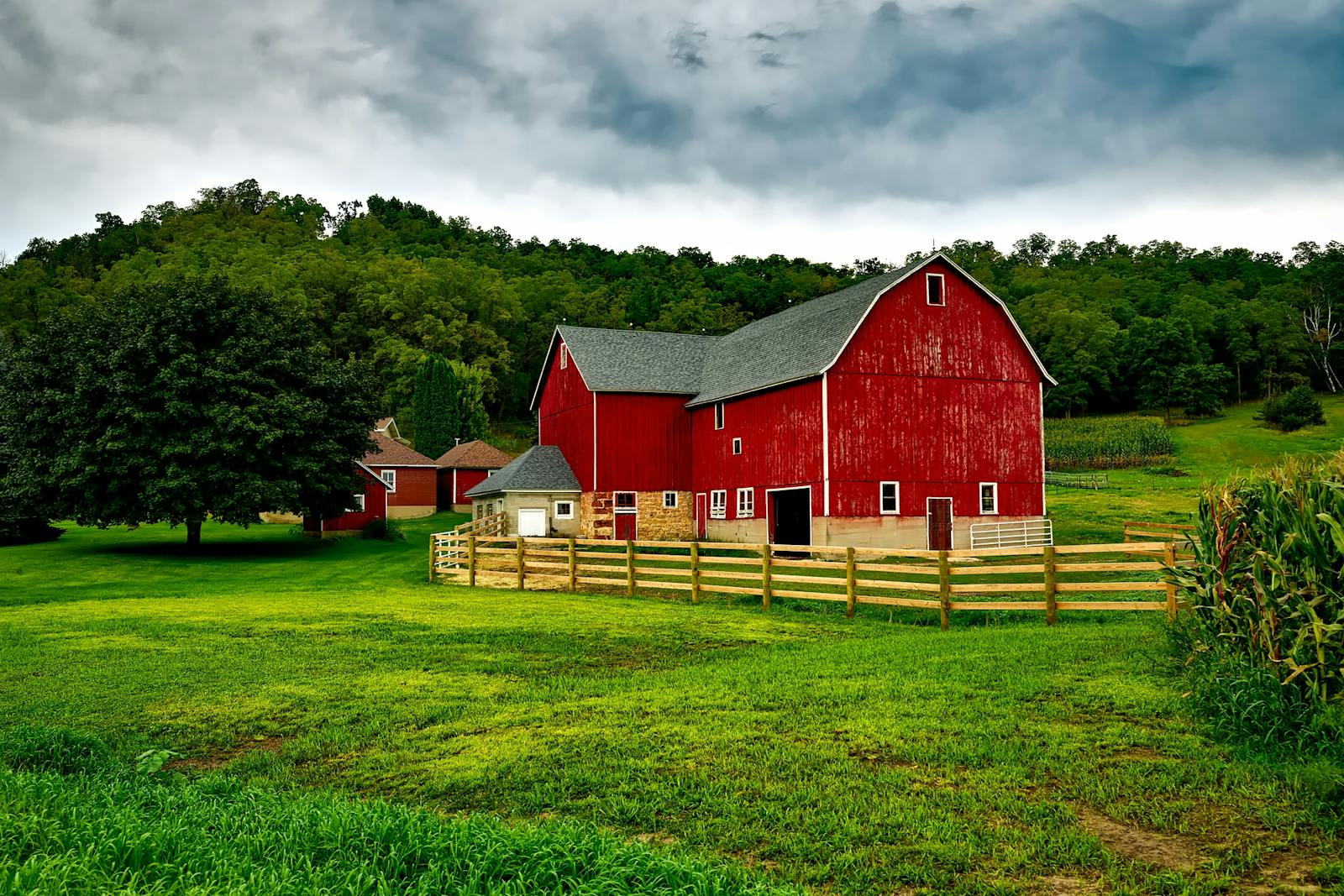



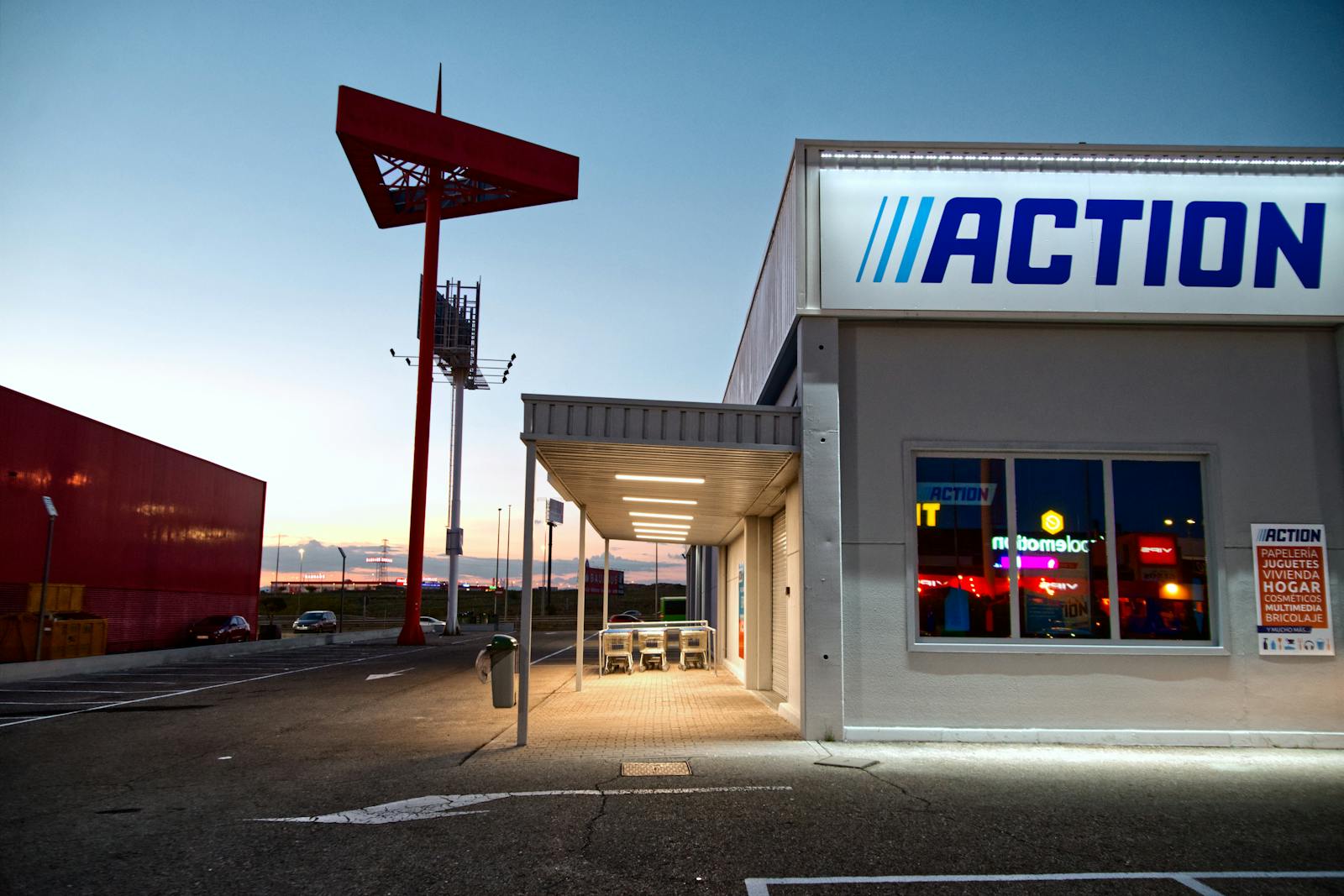
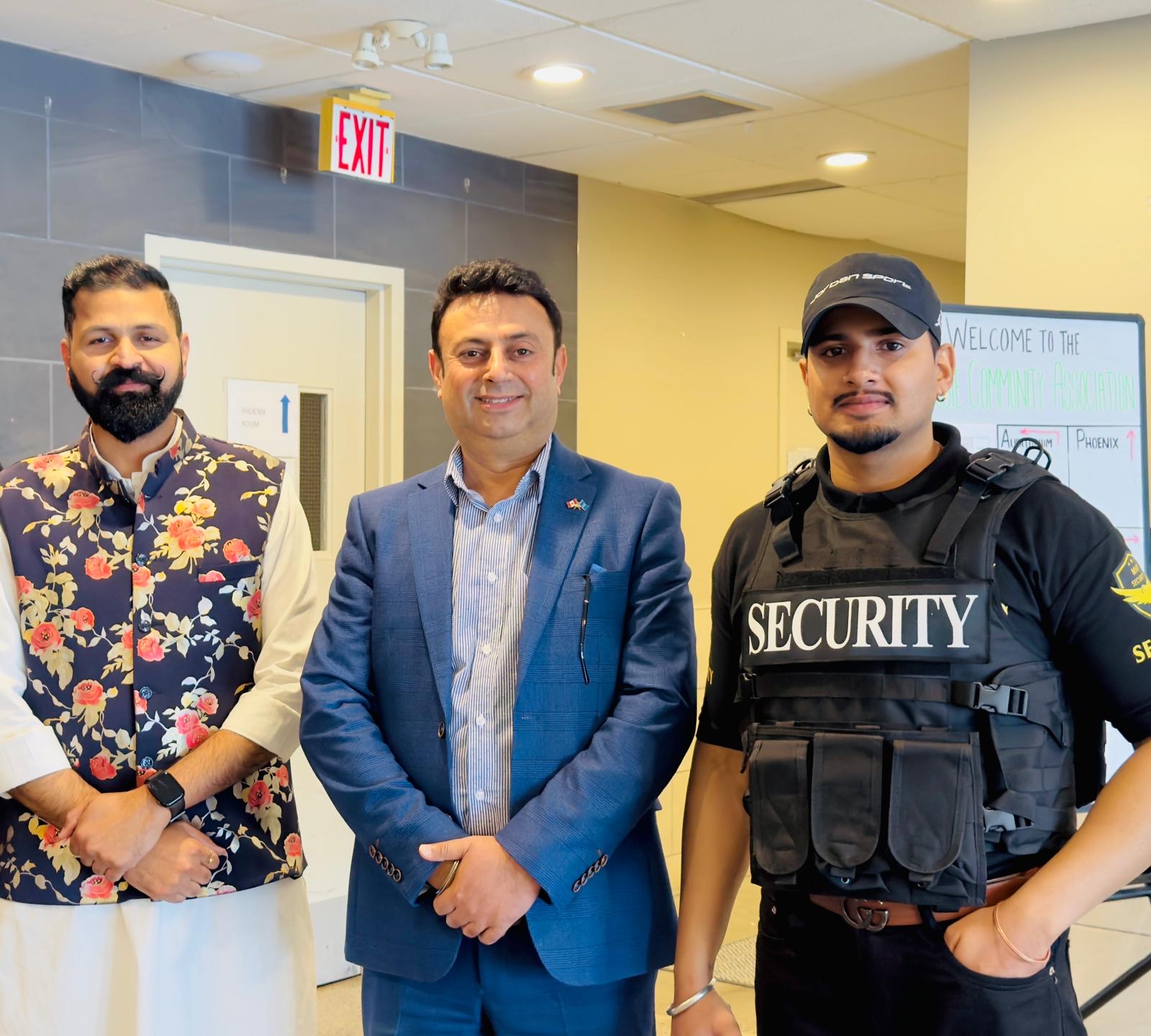
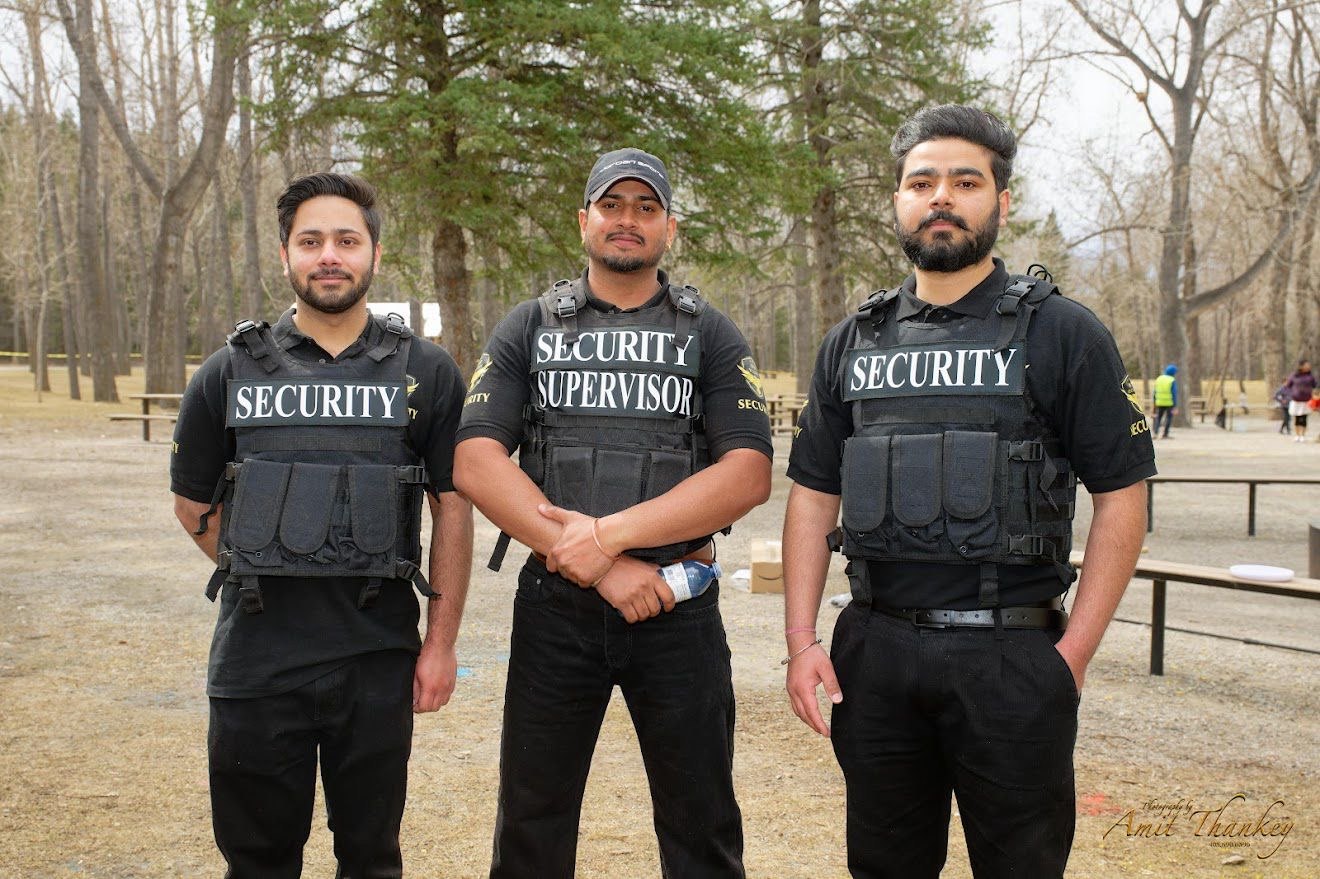
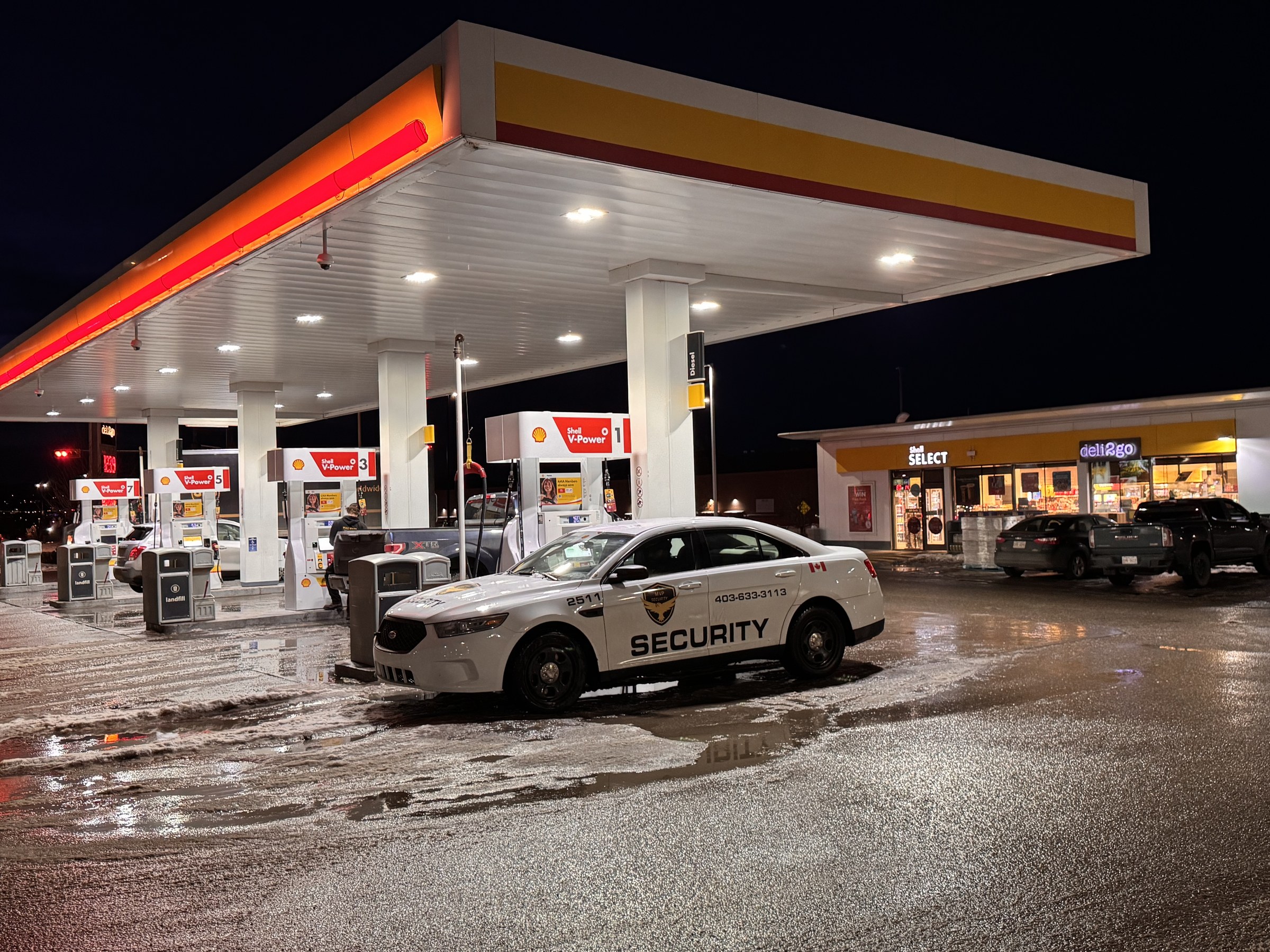
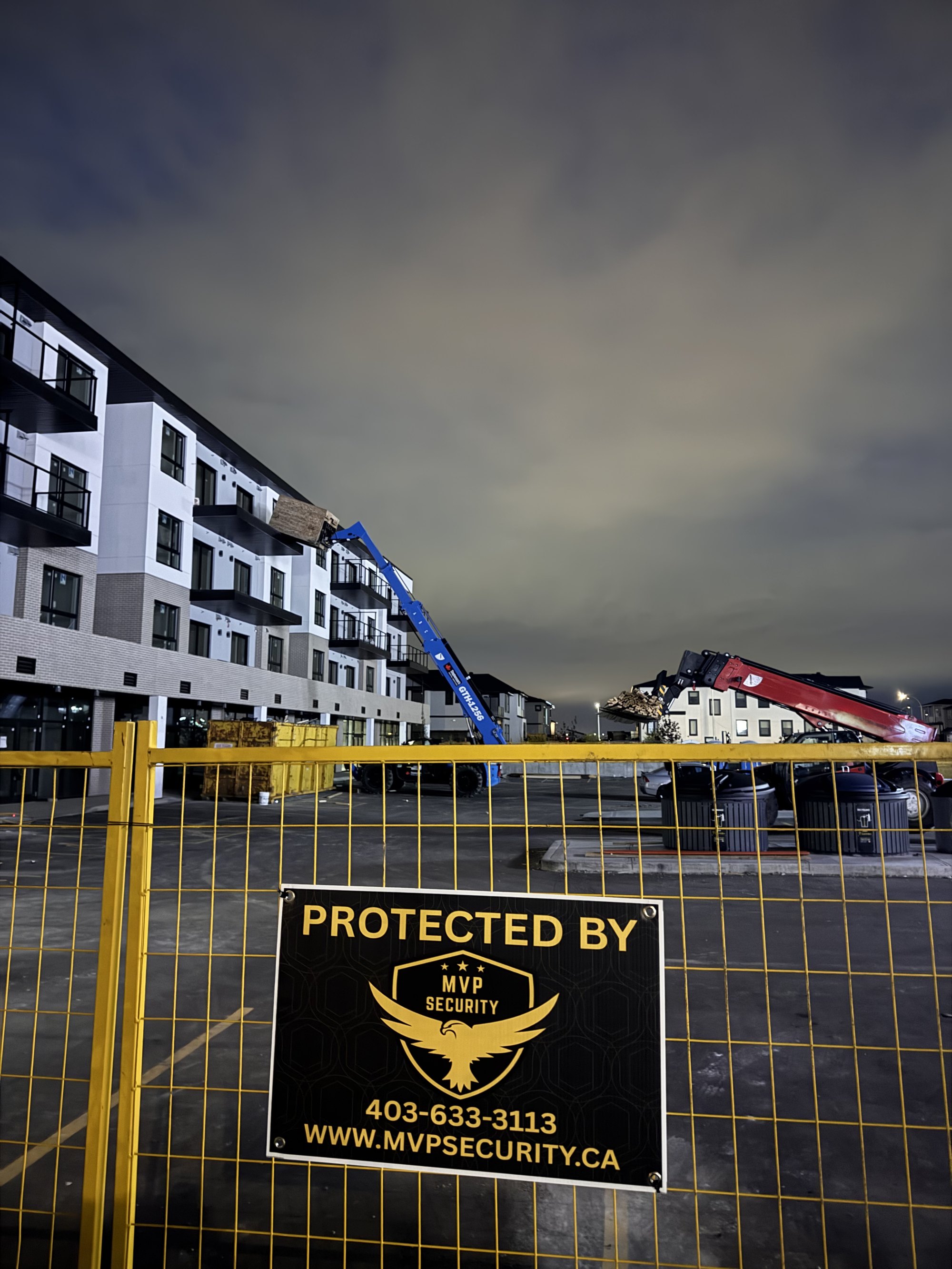
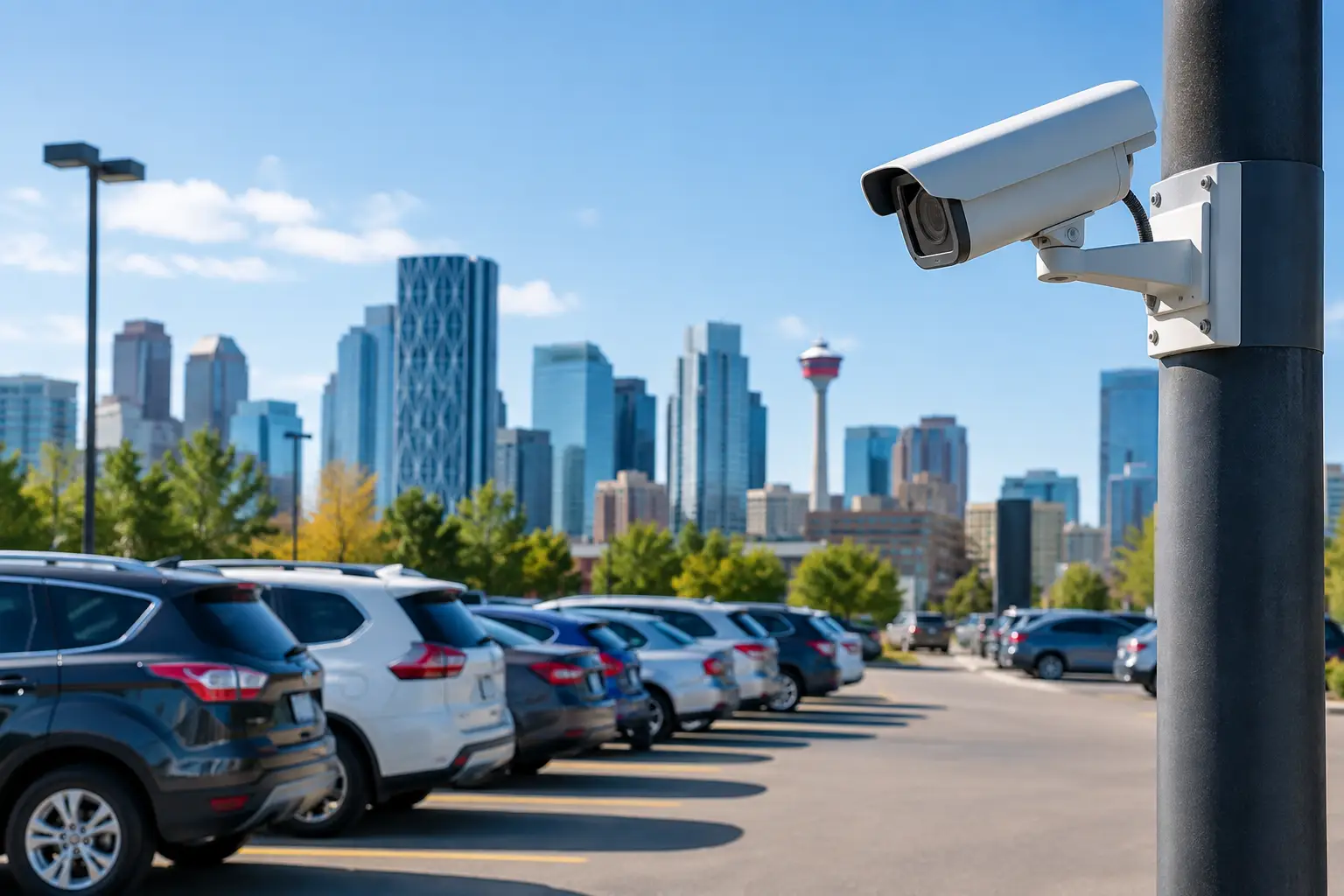
A parking lot can become the least controlled part of an otherwise well-managed property. Vehicles sit unattended, sightlines are often poor after dark, and people move between the building and their cars with limited help nearby. Effective parking lot security addresses those practical gaps with visible coverage, clear procedures, and a response plan that works when an incident occurs.
For Calgary property managers, retail operators, condominium boards, industrial supervisors, and construction teams, the right approach depends on what happens at the site after regular hours. A busy retail centre with frequent customer turnover has different risks than a fenced industrial yard, an underground condominium parkade, or a medical office with early-morning staff. The goal is not to place a guard at every entrance. It is to apply the right level of protection where it will deter problems, identify incidents, and support a timely response.
Start With the Risks at Your Actual Site
Generic security plans often miss the conditions that create repeat incidents. A site assessment should begin with the pattern: when theft, trespassing, vehicle damage, loitering, or unauthorized access is most likely to occur. Review past incident reports, alarm calls, tenant complaints, maintenance records, and CCTV footage where available.
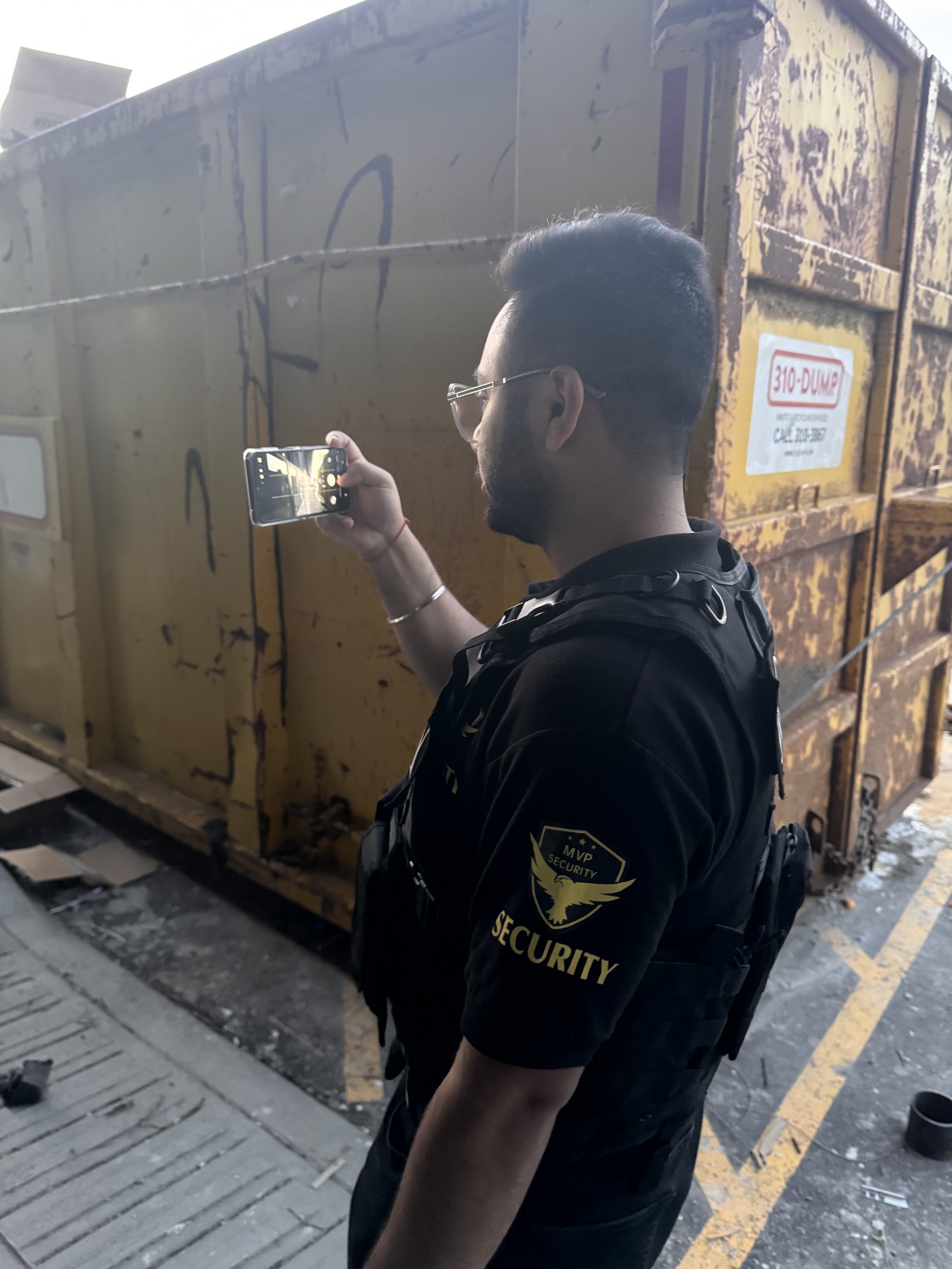
Then look at the physical layout. Are there blind corners between buildings? Are garbage enclosures, loading areas, stairwells, or parkade entrances easy to access without being seen? Does poor lighting leave employees walking through dark areas at shift change? A parking lot that appears open and visible during the day can have entirely different exposure at 2:00 a.m.
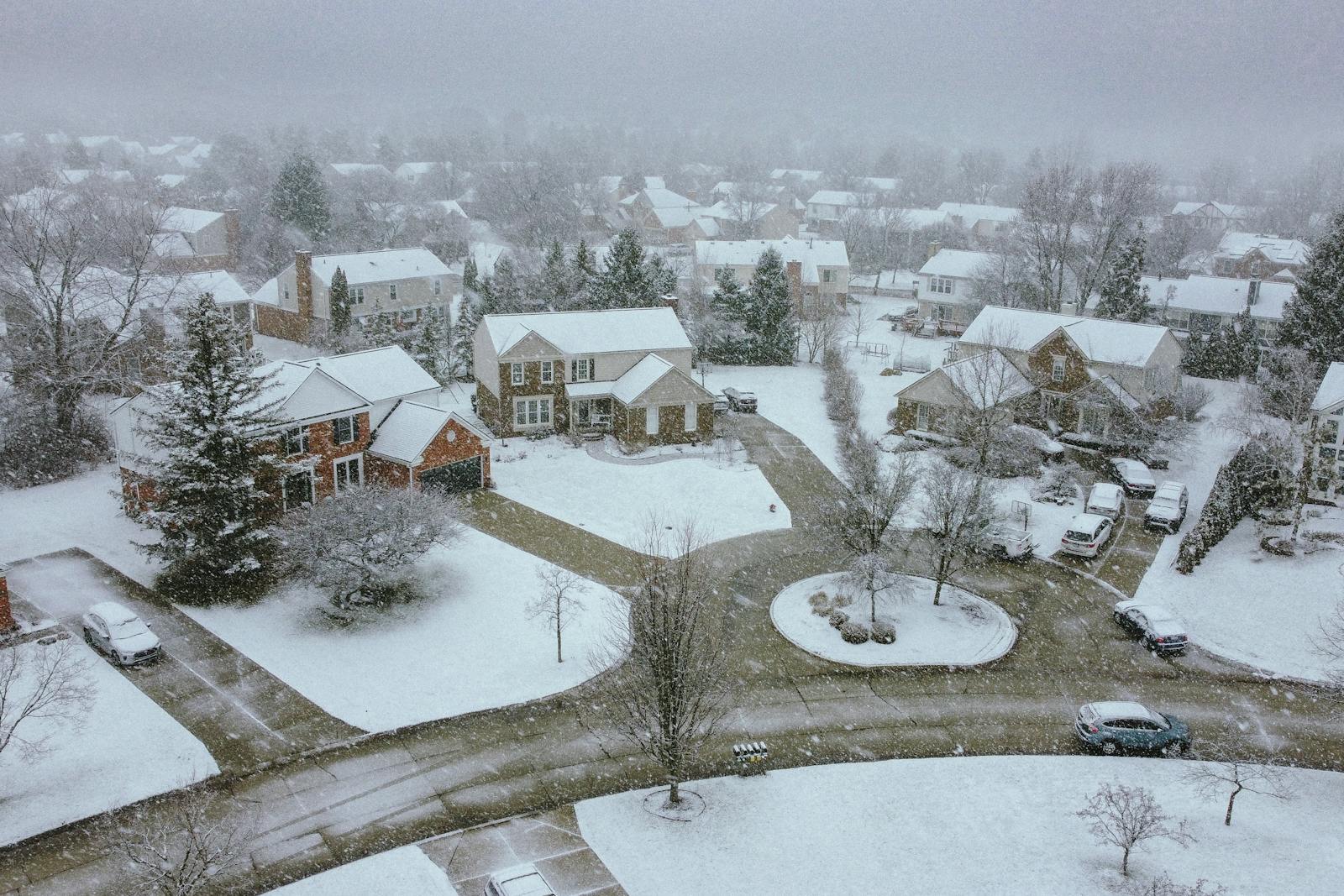
Local factors matter as well. Calgary weather can reduce visibility, obscure markings, and affect how people use entrances in winter. Snow piles may block camera views or create cover near fences. In surrounding communities such as Airdrie, Cochrane, Chestermere, Okotoks, and High River, a property may also be more isolated, making prompt patrol and alarm response especially valuable.
A useful assessment identifies three things: the assets that need protection, the people who may be exposed to risk, and the access points that require control. From there, coverage can be matched to the site rather than copied from another property.
Build Parking Lot Security in Layers
The strongest programs combine physical conditions, technology, and trained personnel. Each layer has limits on its own. Cameras can record an incident, but they do not always prevent it. Gates control vehicle entry, but they can be tailgated or bypassed. A visible mobile patrol creates deterrence, but it must follow a schedule and reporting process that verifies the work was completed.
Lighting and sightlines set the baseline
Good lighting supports every other security measure. It helps visitors see their surroundings, gives cameras usable images, and reduces secluded areas where suspicious activity can go unnoticed. Property teams should routinely check for burnt-out fixtures, damaged poles, overgrown landscaping, accumulated snow, and parked equipment that blocks lines of sight.
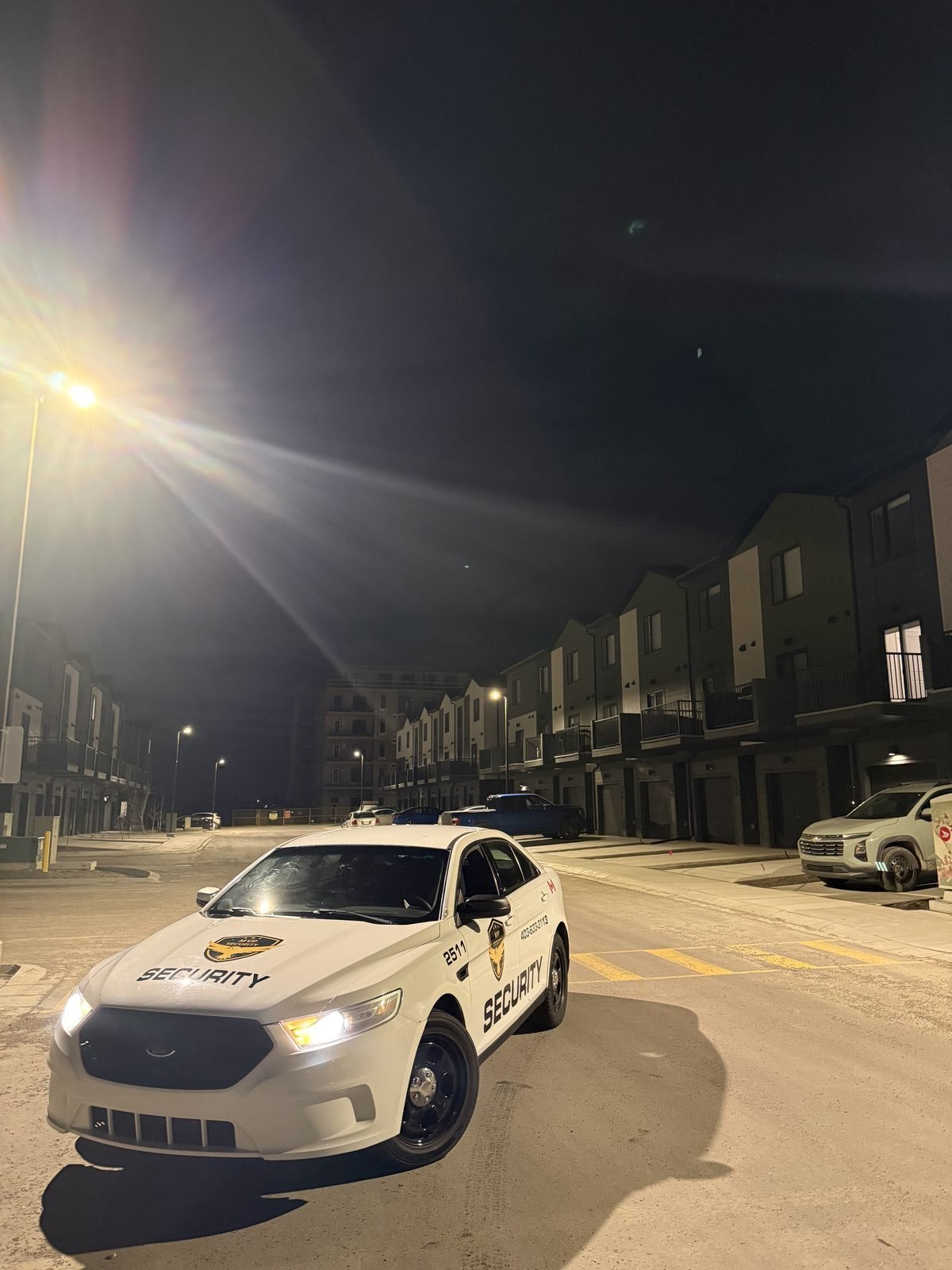
Lighting should be assessed at the time the lot is actually used. A daytime walk-through will not reveal whether an employee entrance, parkade stairwell, or rear row of stalls is poorly lit after sunset. It also helps to consider glare. Overly bright fixtures aimed poorly can make it harder for a driver, guard, or camera to see beyond the light source.
Access control must match how the property operates
Controlled gates, key fobs, intercoms, visitor procedures, and designated delivery areas can limit unauthorized access. Yet controls only work when users understand them and management maintains them. A gate left open for convenience, a broken overhead door, or shared credentials can quickly create a predictable vulnerability.
For commercial and residential properties, access rules should answer simple operational questions. Who can enter after hours? How are contractors and delivery drivers verified? What happens when a fob is lost? Who has authority to approve exceptions? Clear answers reduce confusion for staff and give security personnel a defensible process to follow.
CCTV is most useful when it supports action
Cameras should cover priority entrances, vehicle lanes, payment equipment, loading zones, parkade exits, and known problem areas. Image quality, camera angle, lighting, retention time, and remote access all affect whether footage will be useful after an event.
CCTV is not a substitute for response. If an alarm activates or suspicious activity is observed, someone needs a defined responsibility to investigate, document what they find, and escalate when required. Overnight camera monitoring paired with mobile patrol or alarm response can provide a stronger result than relying on recording alone.
Visible patrols change behaviour
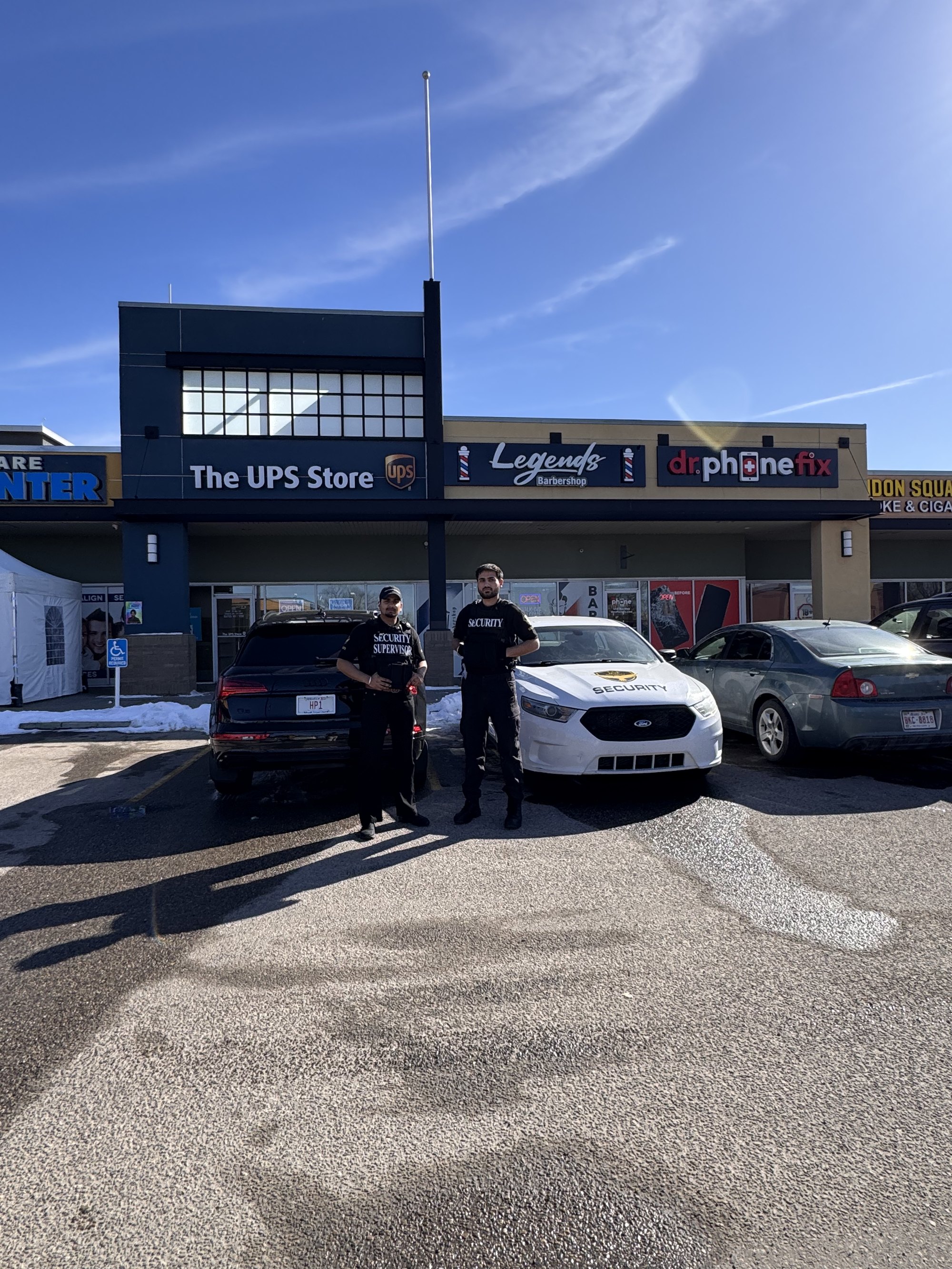
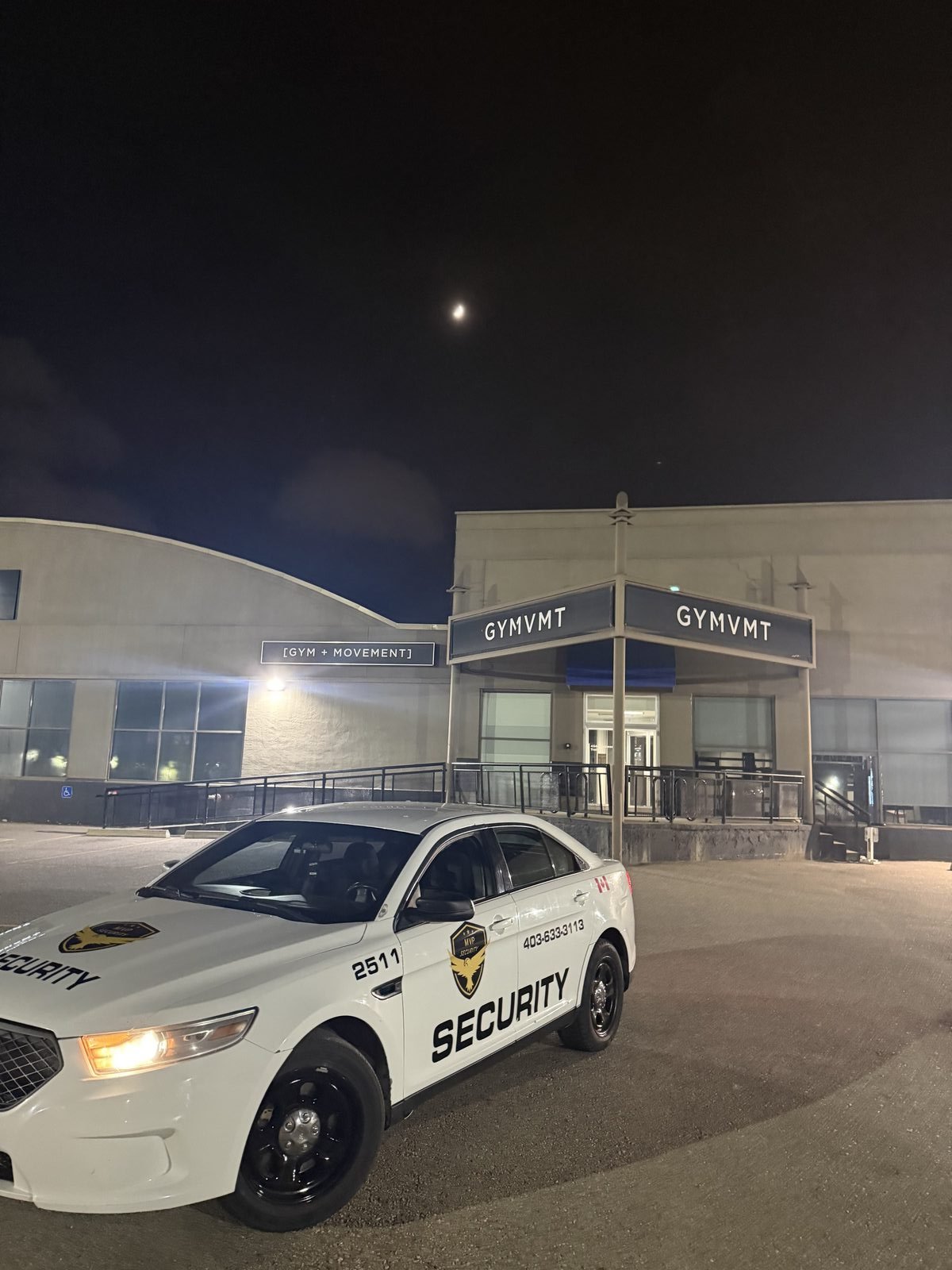
A marked security presence can discourage opportunistic theft, vandalism, and trespassing before damage occurs. The value comes from unpredictability and consistency. Patrol times should vary within agreed coverage windows, with particular attention to peak risk periods such as closing time, overnight hours, weekends, and shift changes.
GPS-tracked patrol activity and photo-documented reports give clients confirmation that checks occurred. They also create a useful record when an issue repeats, a tenant raises a concern, or a property owner needs to review conditions over time. Reports should be clear enough to show what was inspected, what was found, what action was taken, and whether follow-up is needed.
Define What Guards Are Expected to Do
Parking lot coverage can involve mobile patrol officers, static guards, concierge or access-control staff, or a combination of services. The right choice depends on the level of activity and the consequences of a delayed response.
A mobile patrol is often a practical fit for sites needing scheduled inspections, lock checks, perimeter walks, alarm response, and a visible presence without continuous staffing. Static guards are better suited to high-traffic locations, active construction sites, large events, or properties with recurring access-control concerns. They can monitor entrances, assist visitors, enforce parking and site rules where authorized, and respond immediately to developing issues.
The post orders matter as much as the deployment. Guards should know which areas to inspect, which doors and gates must be checked, how to handle unauthorized vehicles, when to contact the client representative, and when police, fire, or emergency medical services are required. Alberta-licensed security professionals should also understand the limits of their authority. A calm, observant approach and accurate reporting are essential, especially in situations involving conflict, impaired individuals, or vulnerable visitors.
Prepare for Incidents Before They Happen
A parking lot incident can move quickly from a minor concern to a safety issue. Staff and security personnel need a simple, site-specific escalation process. It should cover suspicious persons, vehicle break-ins, aggressive behaviour, collisions, damaged gates, alarm events, medical emergencies, and fire hazards.
The process should establish who receives notifications, how after-hours contacts are reached, and what information is documented. Useful reports include the time, location, descriptions, vehicle details where lawfully observed, actions taken, photos when appropriate, and any police file number. Consistent documentation helps management identify trends rather than treating each event as isolated.
Avoid promising that security can eliminate every incident. No security program can do that. What a well-run program can do is reduce opportunity, improve response, preserve evidence, and give occupants confidence that concerns will be handled professionally.
Review Coverage as the Property Changes
Security needs are not fixed. Construction phases change, new tenants move in, businesses adjust operating hours, and seasonal conditions alter traffic patterns. A plan that worked for a quiet office property may no longer fit when the site adds evening services, expands parking, or experiences repeated vehicle crime.
Review reports regularly with the security provider and property team. Look for recurring doors left unsecured, repeat trespassing locations, failed lighting, frequent alarm causes, and patrol findings that require maintenance or policy changes. Sometimes the answer is additional guard coverage. In other cases, a repaired fence, revised delivery procedure, better signage, or adjusted patrol timing will address the root issue at a lower cost.
MVP Security Inc. develops site-specific coverage around these operational realities, using licensed guards, mobile patrols, documented activity, and local dispatch across Calgary and nearby communities. The useful question is not simply whether a property needs security. It is where a visible, accountable presence will make the greatest difference.
A parking lot should not become a blind spot between the street and the building. When access, lighting, patrol activity, and incident procedures are working together, property teams can respond with confidence instead of reacting after the damage is done.