



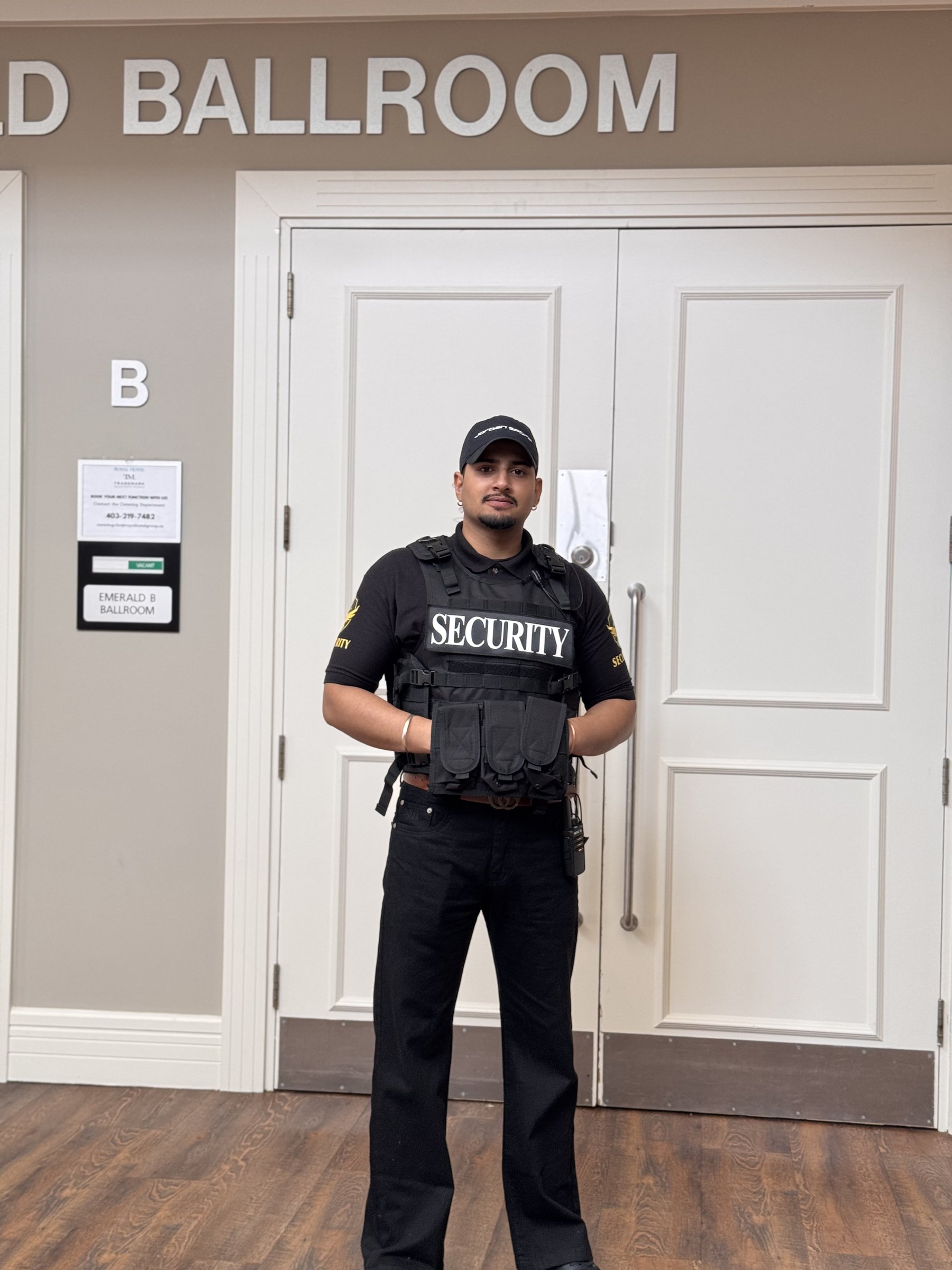
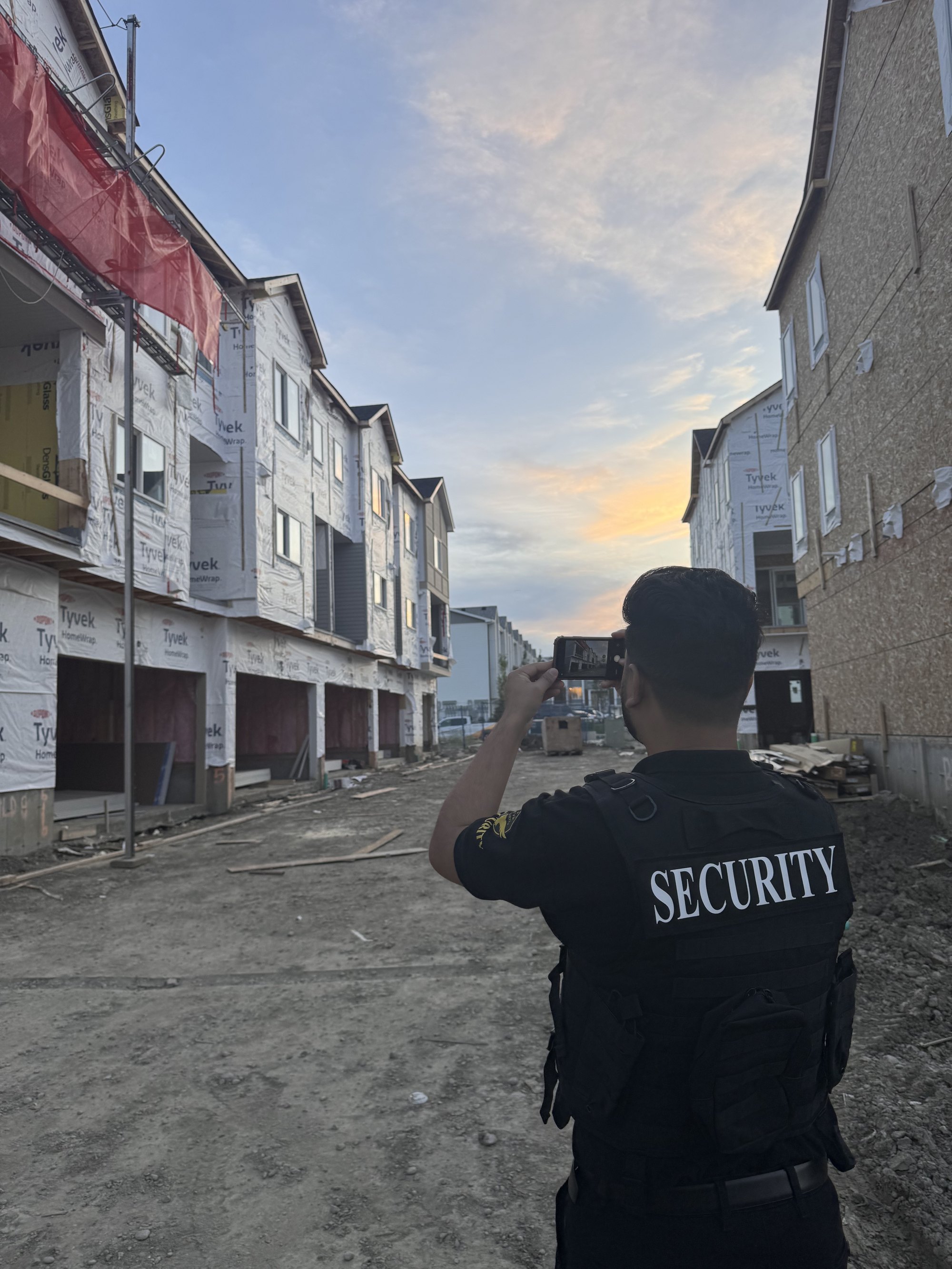
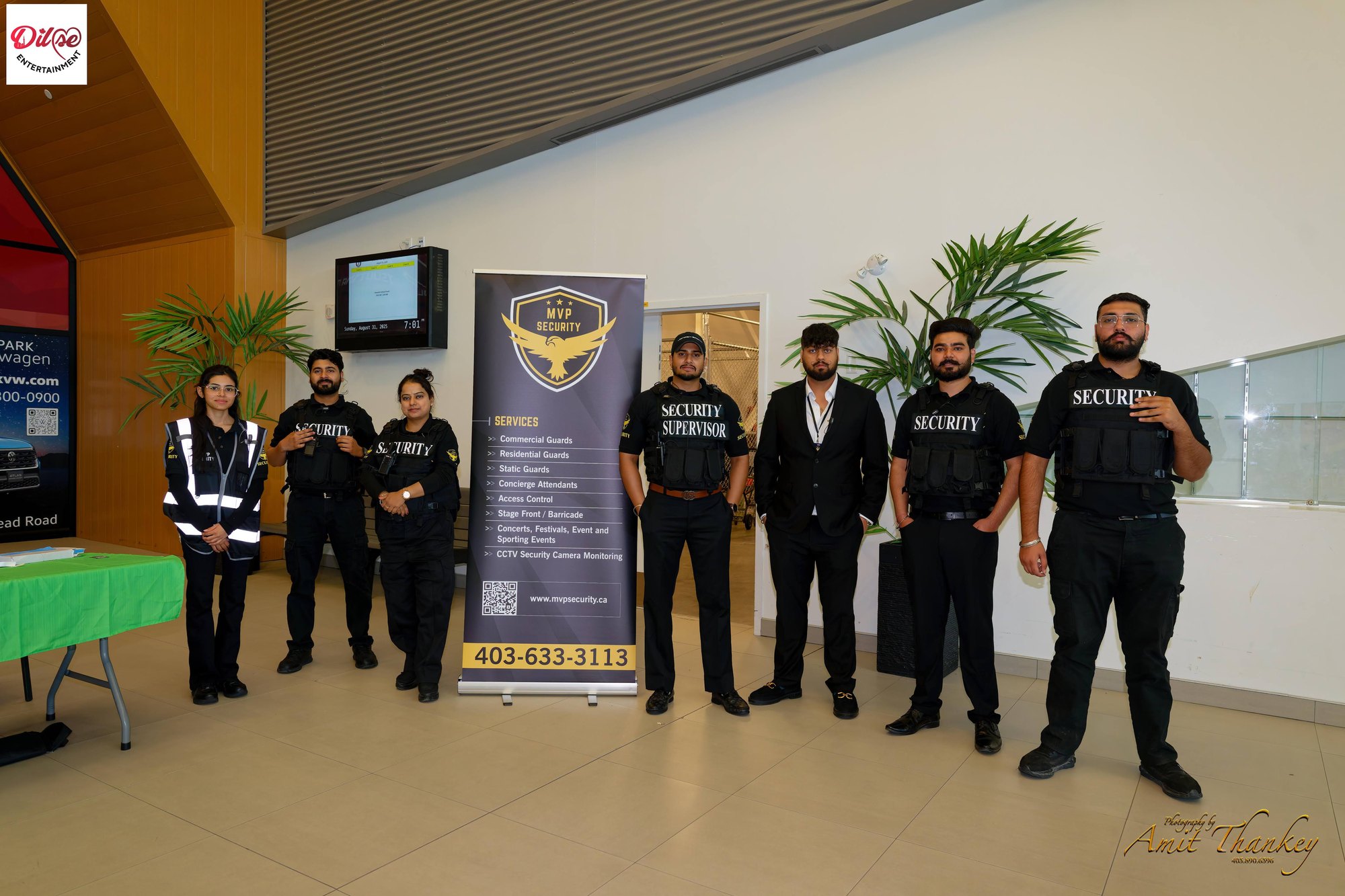
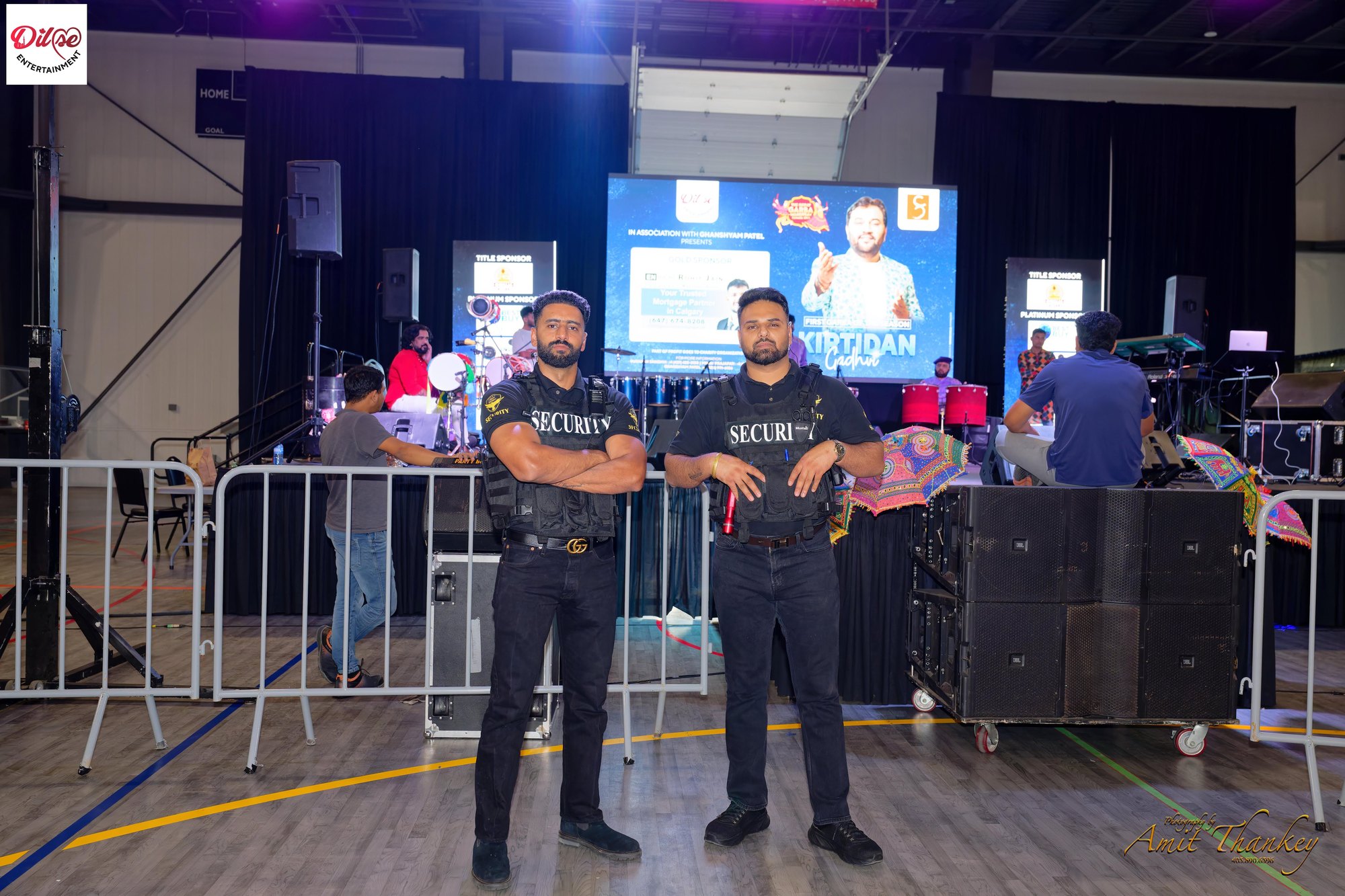
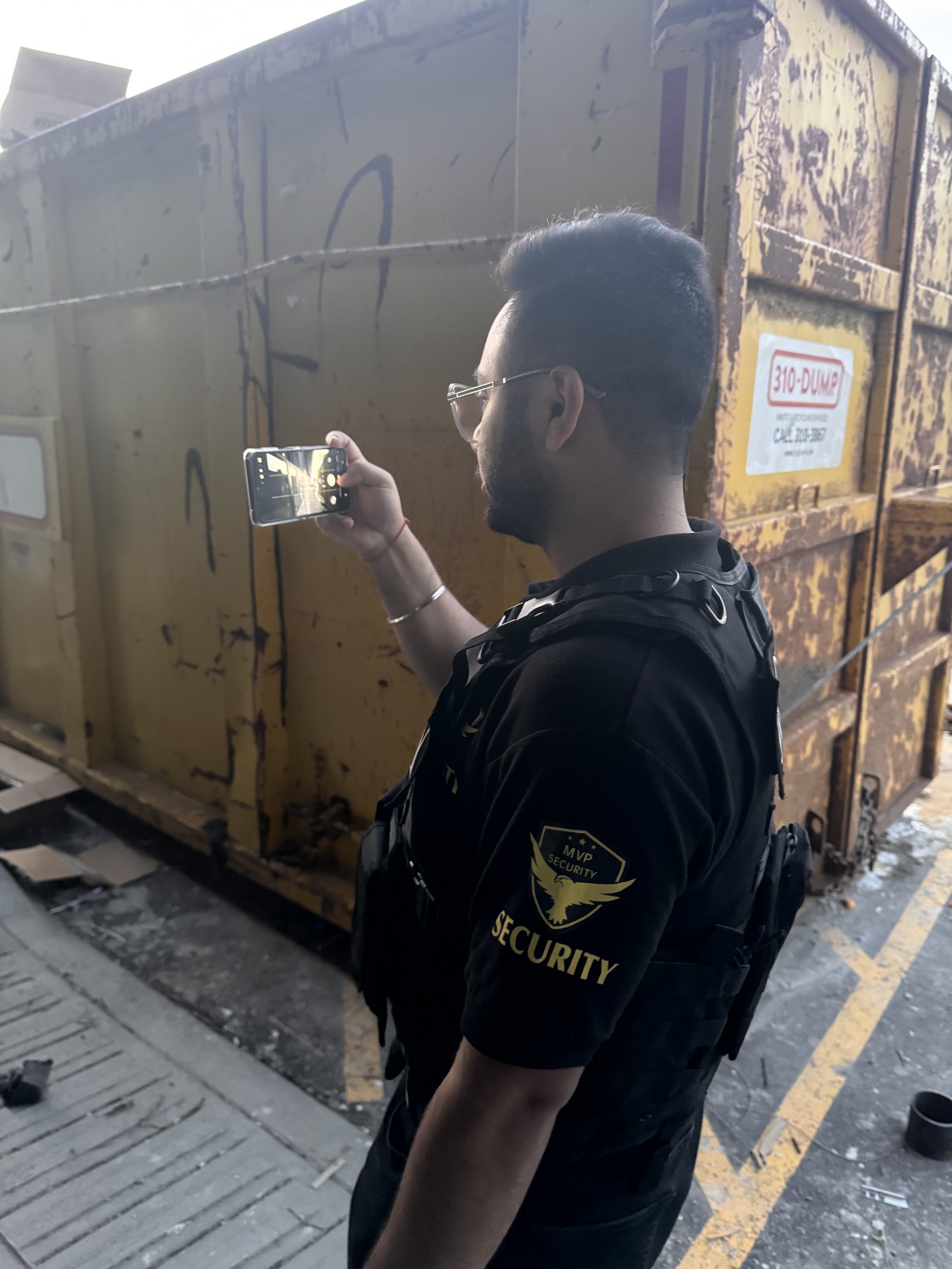
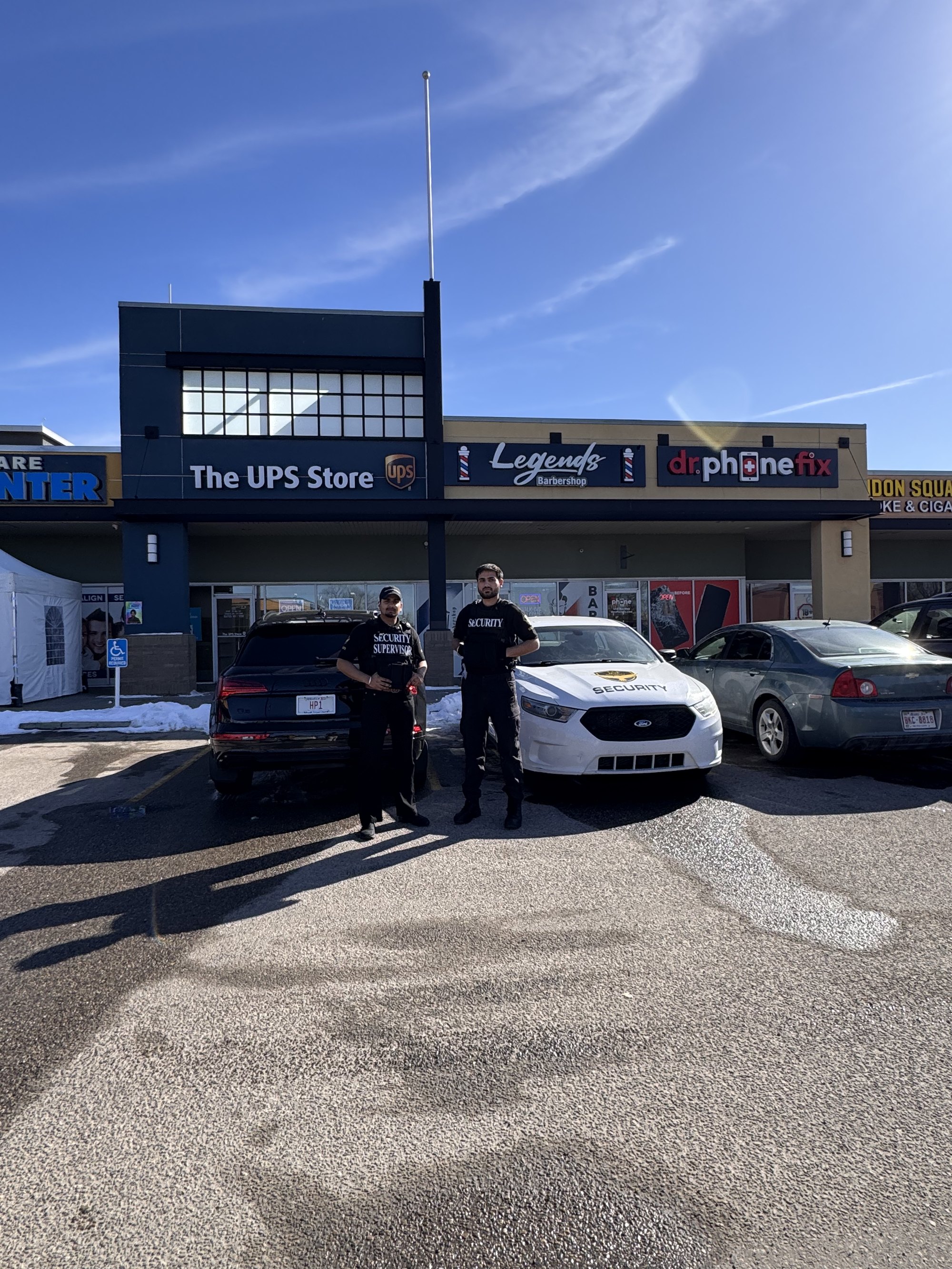
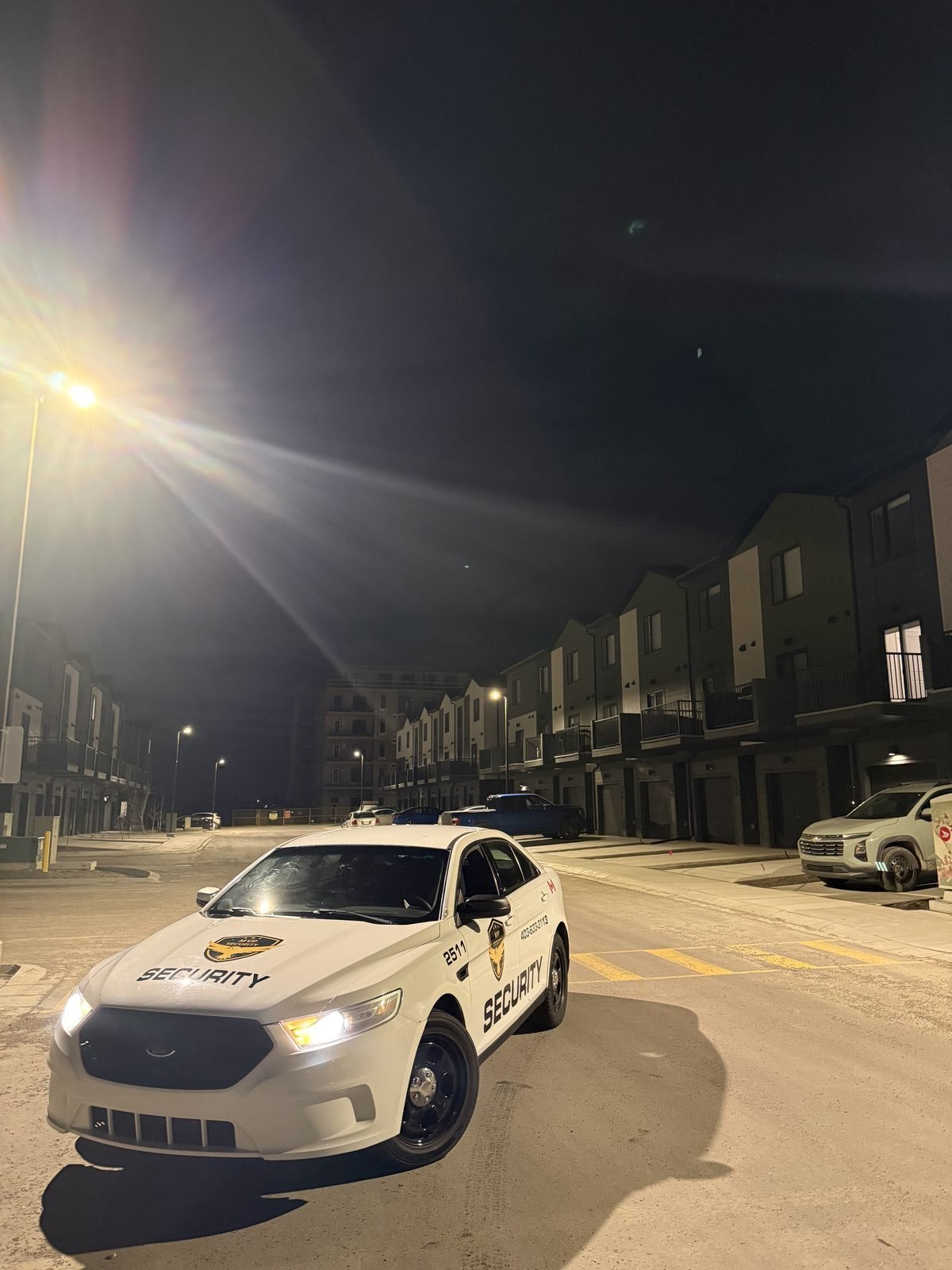
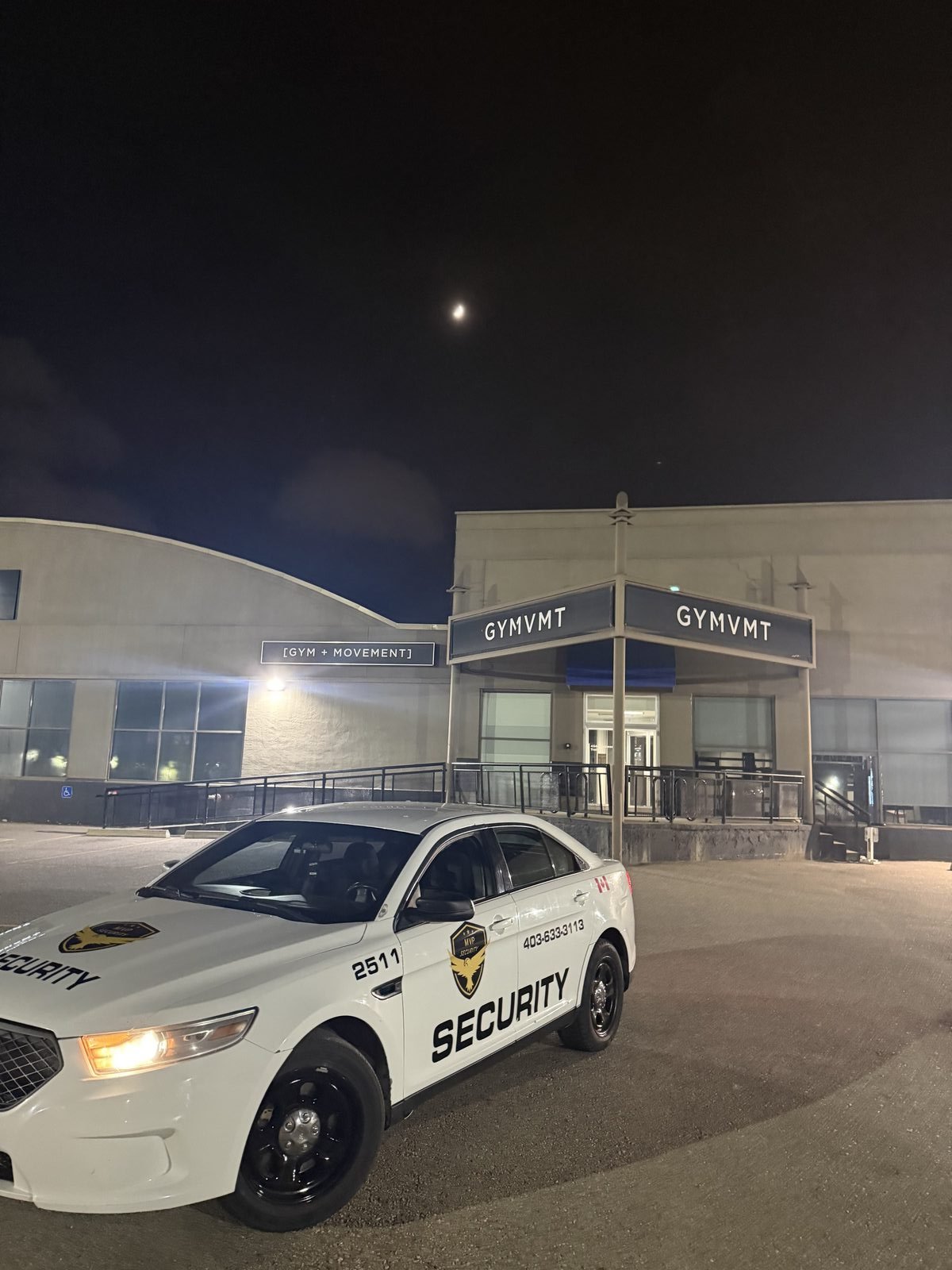
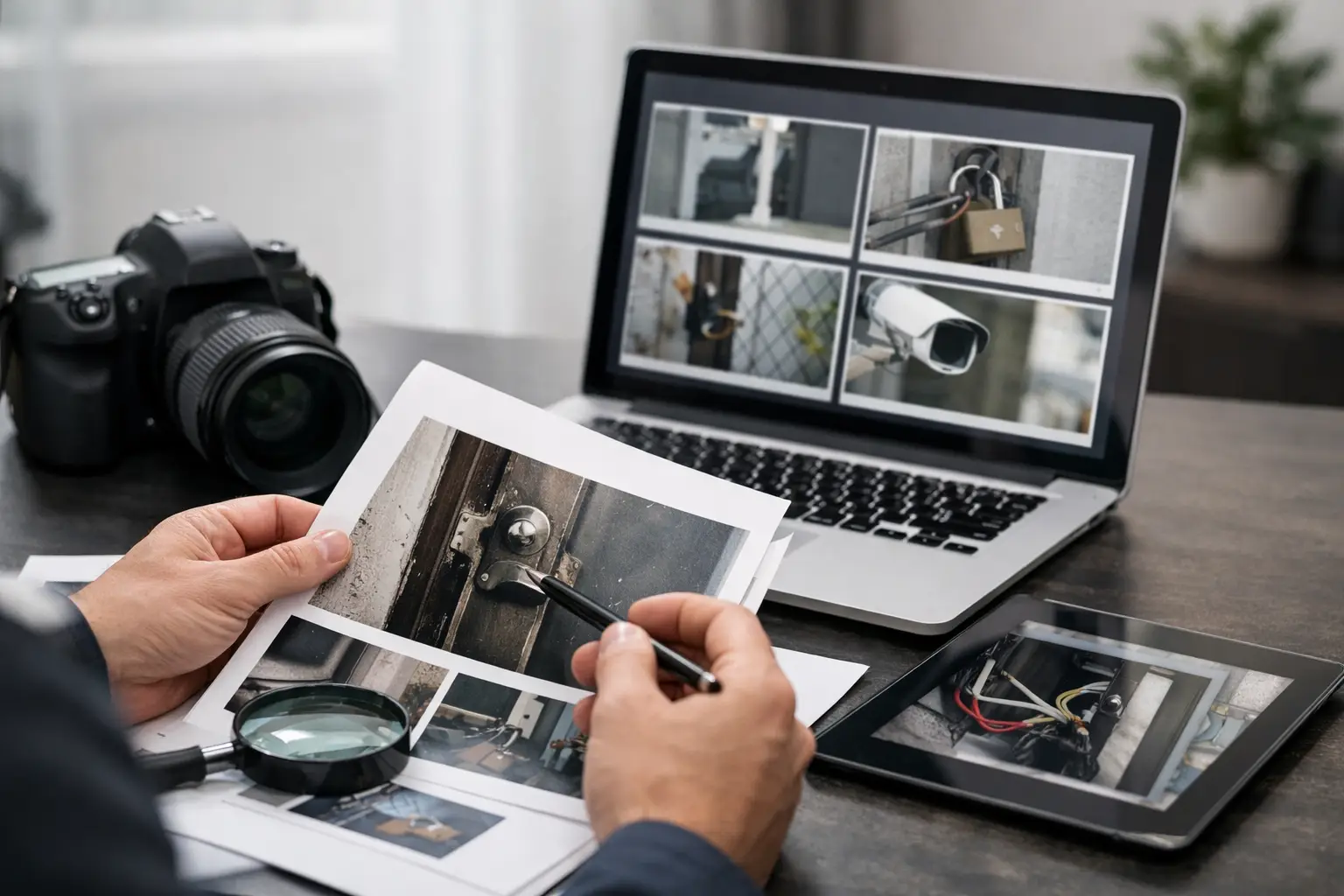
A patrol completed without a clear record can leave property managers with the same unanswered questions as no patrol at all. Was the gate secured? Was the damaged fence already there? Did the guard check the loading area after the alarm? Photo documented security reports provide practical evidence of what a guard observed, what action was taken, and when it happened.
For Calgary property, construction, retail, and industrial sites, that level of documentation is more than an administrative extra. It helps decision-makers confirm service delivery, respond to risks quickly, communicate with owners or tenants, and identify recurring issues before they become costly incidents.
What Photo Documented Security Reports Show
A useful security report should tell the client what happened without requiring a follow-up call to fill in the details. Written notes establish the basics, including patrol time, location, observations, and actions taken. Photos add context that words alone may not capture.
For example, a guard may report that a construction site gate was found unsecured at 2:15 a.m. A photograph can show whether the gate was open, whether a lock had been cut, and whether there were visible signs of entry. The report can then confirm that the guard secured the area, notified the designated contact, and increased attention to that access point during subsequent patrols.
The same principle applies across many sites. A photo may document a broken door closer at a condominium, an overflowing waste enclosure behind a retail unit, a vehicle parked in a restricted fire lane, damaged fencing at an industrial yard, or an unsecured storage container at a job site. The value is not simply the image. It is the image connected to a time, location, observation, and response.
Accountability You Can Verify
Security services are often delivered outside regular business hours, when a site supervisor or property manager is not present. That creates a natural need for accountability. Clients need to know that scheduled patrols occurred and that guards were attentive to the conditions on site.
GPS-tracked patrol activity and photo-supported reporting work well together. GPS data can confirm that a patrol unit attended the property and moved through designated checkpoints. Photos help verify meaningful observations at key areas, such as entrances, perimeter fencing, parkades, mechanical rooms, loading bays, and vacant suites.
That does not mean every patrol needs dozens of photos. Excessive reporting can bury important details and create unnecessary review time. The right reporting standard depends on the property and the assignment. A high-risk construction site may need regular perimeter and equipment photos, while a staffed commercial building may only require photographs when a condition, incident, or exception is identified.
The goal is a report that is credible, relevant, and easy to review. A client should be able to see what was checked, what was found, and whether any further action is required.
Clear Records After an Incident
When there is a theft, attempted break-in, vandalism event, alarm response, or safety concern, accurate documentation becomes especially important. Conditions can change quickly after police attend, maintenance begins repairs, or staff arrive for the morning shift. Photos captured at the time of discovery preserve an early record of the scene.
A strong incident report should distinguish between facts and assumptions. It can document that a window was broken, a door was open, or a fence panel was displaced. It should avoid claiming who caused the damage unless there is confirmed evidence. This approach helps clients use the report responsibly when communicating with insurers, landlords, contractors, police, or internal management.
It also helps establish a timeline. If a guard finds a damaged access point during a scheduled patrol, the report can show when it was discovered, what the area looked like, who was contacted, and what protective measures were put in place. That information matters when decisions need to be made before regular business hours.
Why Better Documentation Improves Security Decisions
The most valuable reports do not sit in an inbox. They reveal patterns that support better site planning.
A property manager may notice repeated photos of people attempting to access a rear entry after closing time. A construction manager may see that temporary fencing is regularly compromised near one corner of the site. A retail operator may find that delivery doors are often left unsecured during shift changes. These observations can lead to practical changes: adjusting patrol timing, improving lighting, changing lock procedures, relocating materials, adding signage, or assigning a static guard during higher-risk hours.
This is where documentation supports a site-specific security plan. Security coverage should not be based only on a standard patrol schedule. It should reflect the actual risks, operating hours, access points, recent incidents, and budget priorities of the property.
For a vacant commercial unit, the priority may be exterior checks and fast alarm response. For an active construction project, it may be perimeter integrity, equipment protection, and verification that gates are secured. For a condominium, the focus may be parkade access, common-area disturbances, and visitor management. Photo reporting gives the client and security provider a shared view of changing conditions.
Photo Documented Security Reports for Different Sites
Different properties need different levels of detail. A generic report format can miss the information that matters most to the people responsible for the site.
Construction and industrial properties
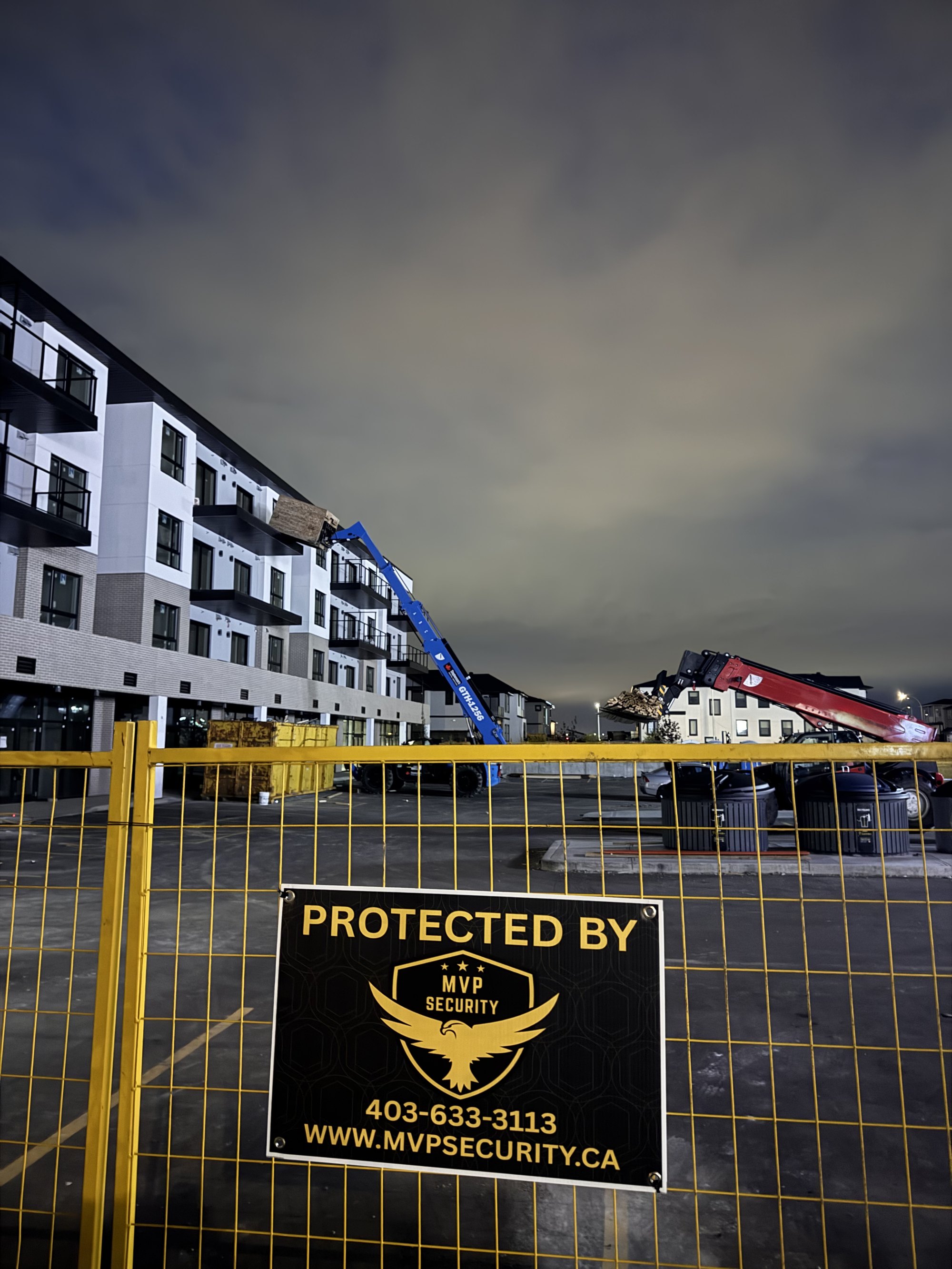
Construction sites are exposed to changing risks. Materials move, fencing is reconfigured, subcontractors come and go, and valuable equipment may remain onsite overnight. Reports should capture exceptions such as open gates, damaged fencing, unsecured trailers, suspicious vehicles, lighting failures, and signs of unauthorized entry.
Photos can also help distinguish a new issue from an existing condition. If a fence section has been repeatedly damaged, dated images can show whether repairs are holding and whether the problem is escalating.
Commercial, retail, and office buildings
For commercial properties, reporting often centres on doors, loading areas, exterior conditions, parkades, and after-hours activity. A photo record can help managers address issues with tenants, contractors, or maintenance teams without relying on vague descriptions.
Retail locations may benefit from documented checks of rear exits, delivery areas, cash-office access points, and loitering concerns. The reporting approach should respect privacy and focus on the security condition being observed, not create unnecessary images of employees or visitors.
Residential and condominium communities
Condo boards and building managers need timely information they can act on. Reports may document damaged doors, unsecured parkade gates, graffiti, abandoned property, unauthorized access concerns, or recurring disturbances in common areas.
In these settings, discretion matters. Guards should document the issue professionally while avoiding unnecessary collection of personal information. A clear image of a damaged access reader is useful. Photographs that do not serve a security purpose are not.
What to Expect From a Professional Report
A report should be prompt enough to support action, especially after an alarm or incident. It should identify the property, date, time, patrol or incident location, observations, actions taken, notifications made, and any recommended next steps. Relevant photos should be clear and connected to the written account.
Quality also depends on guard training. A licensed Alberta security professional needs to understand what to document, how to describe conditions objectively, when to escalate an issue, and how to protect confidential information. Poorly lit, unclear, or irrelevant photographs do not improve accountability. Neither do reports that state only “all secure” when a patrol involved multiple areas and potential risks.
Clients should also ask how reports are delivered and who receives them. For some sites, a daily activity report is appropriate. For others, immediate notification of exceptions combined with a complete end-of-shift report is more useful. The reporting process should match the client’s operational needs, not force every property into the same format.
Documentation Is Part of the Response
A photo report cannot replace a guard’s judgment, police involvement, repairs, or emergency services. It does, however, ensure that a condition is clearly recorded while it is current. That can make the next decision faster and more defensible.
For clients managing several properties or responding to repeated after-hours issues, consistent documentation also creates continuity. A new manager, superintendent, or operations lead can review prior reports and understand what has been happening at the site without starting from scratch.
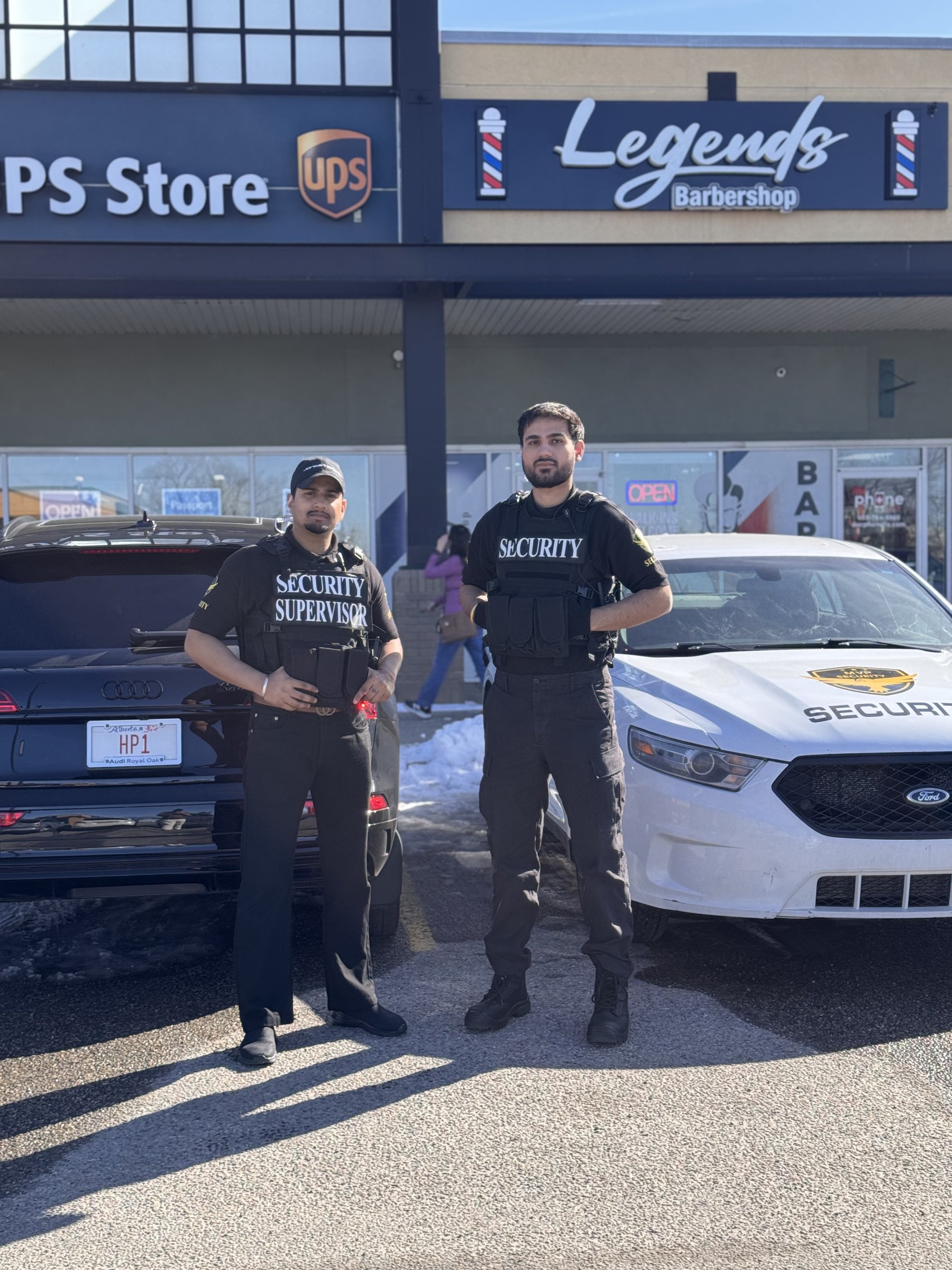
MVP Security uses documented patrol activity to give Calgary-area clients clear visibility into the protection of their properties. The practical question is not whether a report includes a photo. It is whether the report gives you enough reliable information to act before a small site issue turns into a larger loss.