






A broken gate at 2:15 a.m., a repeat trespass issue at a condo parkade, copper theft at a job site, an alarm that needs eyes on scene now - this is where a private security services guide becomes useful. Security buying decisions are rarely theoretical. They are operational, time-sensitive, and tied directly to property loss, tenant confidence, project timelines, and liability.
For property managers, builders, event organizers, and commercial operators in Calgary and surrounding communities, the right security program is not just about having a uniform on site. It is about matching the service to the risk, the hours, the site layout, and the budget. The wrong fit usually shows up fast through missed patrols, weak reporting, slow response, or guards who are present but not truly effective.
What a private security services guide should help you decide
A useful guide should answer three questions. First, what problem are you trying to solve? Second, what level of presence or response does the site actually need? Third, can the provider document performance in a way that gives you confidence and accountability?
That sounds simple, but many sites have overlapping risks. A commercial property may need after-hours patrols for deterrence, concierge coverage during business hours, and alarm response overnight. A construction site may need a static guard during a vulnerable project phase, then scale back to mobile patrol once materials are secured and fencing is improved. Good security planning starts with the site reality, not a one-size-fits-all package.
The main types of private security services
Static security guards
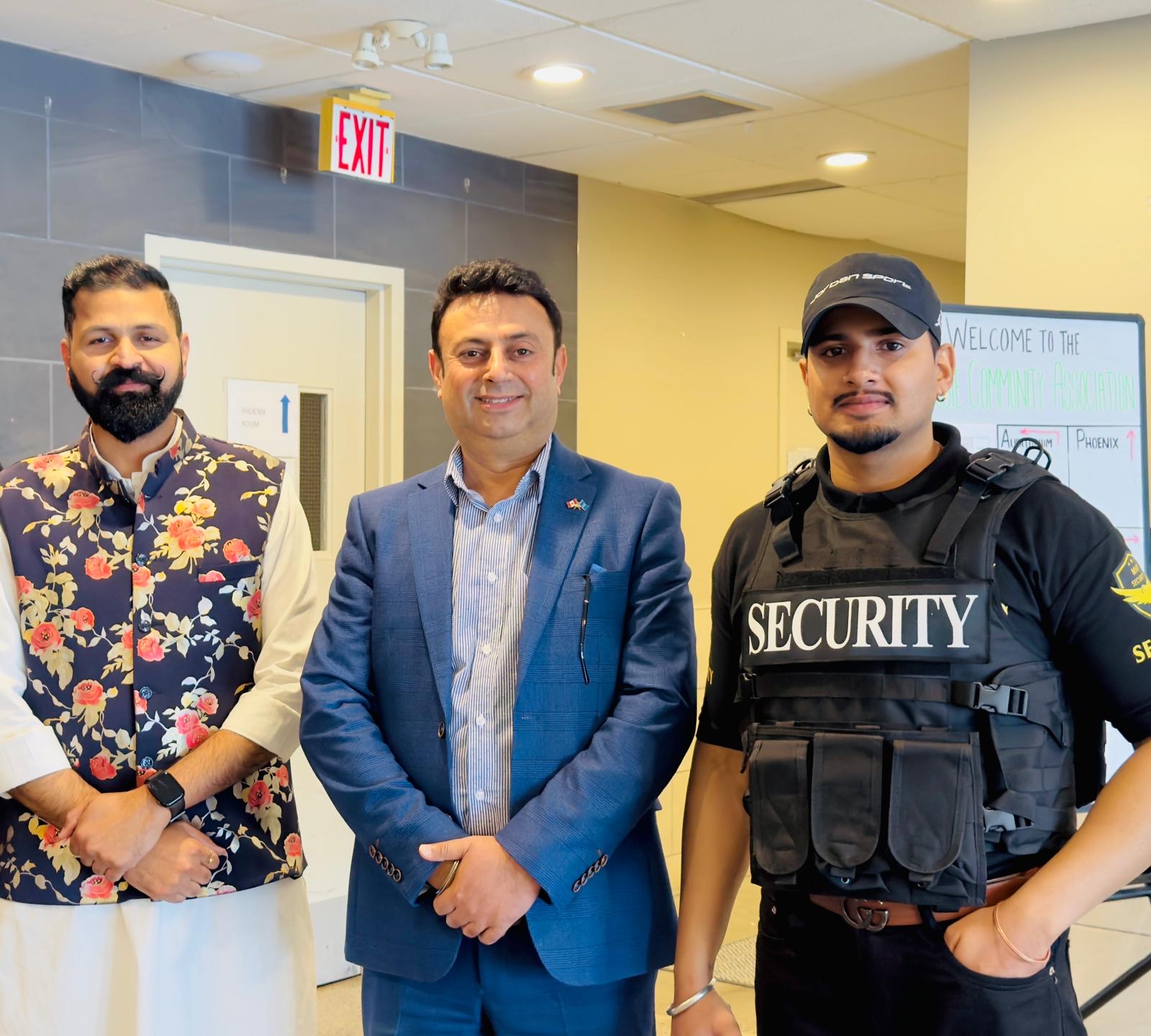
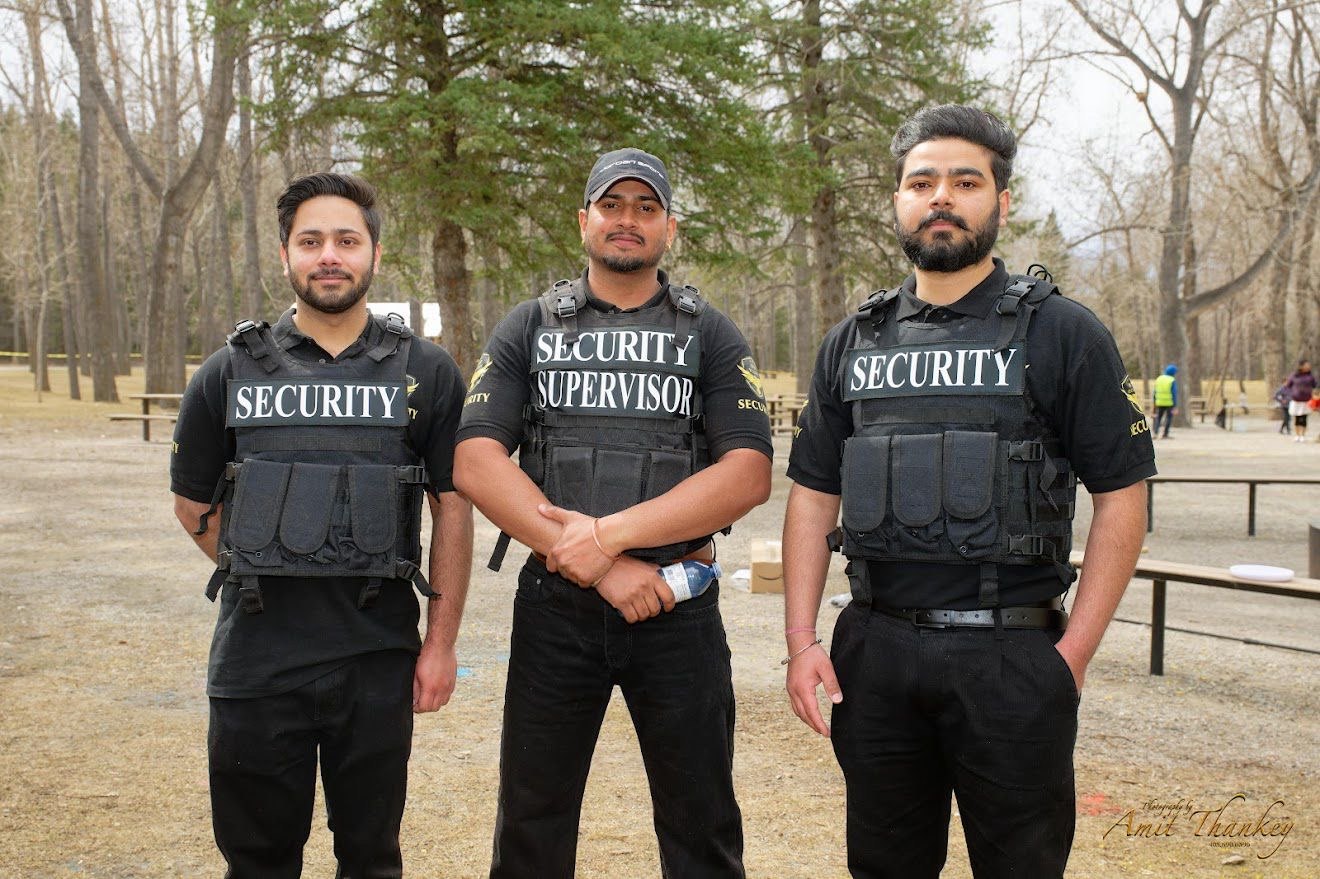
Static guards are best when you need a consistent on-site presence. This is common for front lobbies, access points, vacant buildings, high-traffic commercial properties, and construction projects with ongoing theft or trespassing concerns. Their value is visibility, access control, policy enforcement, and immediate incident response.
The trade-off is cost. A dedicated guard provides stronger coverage than intermittent patrols, but not every site needs that level of staffing. If the issue is occasional overnight activity rather than constant foot traffic, a mobile approach may be more practical.
Mobile patrol
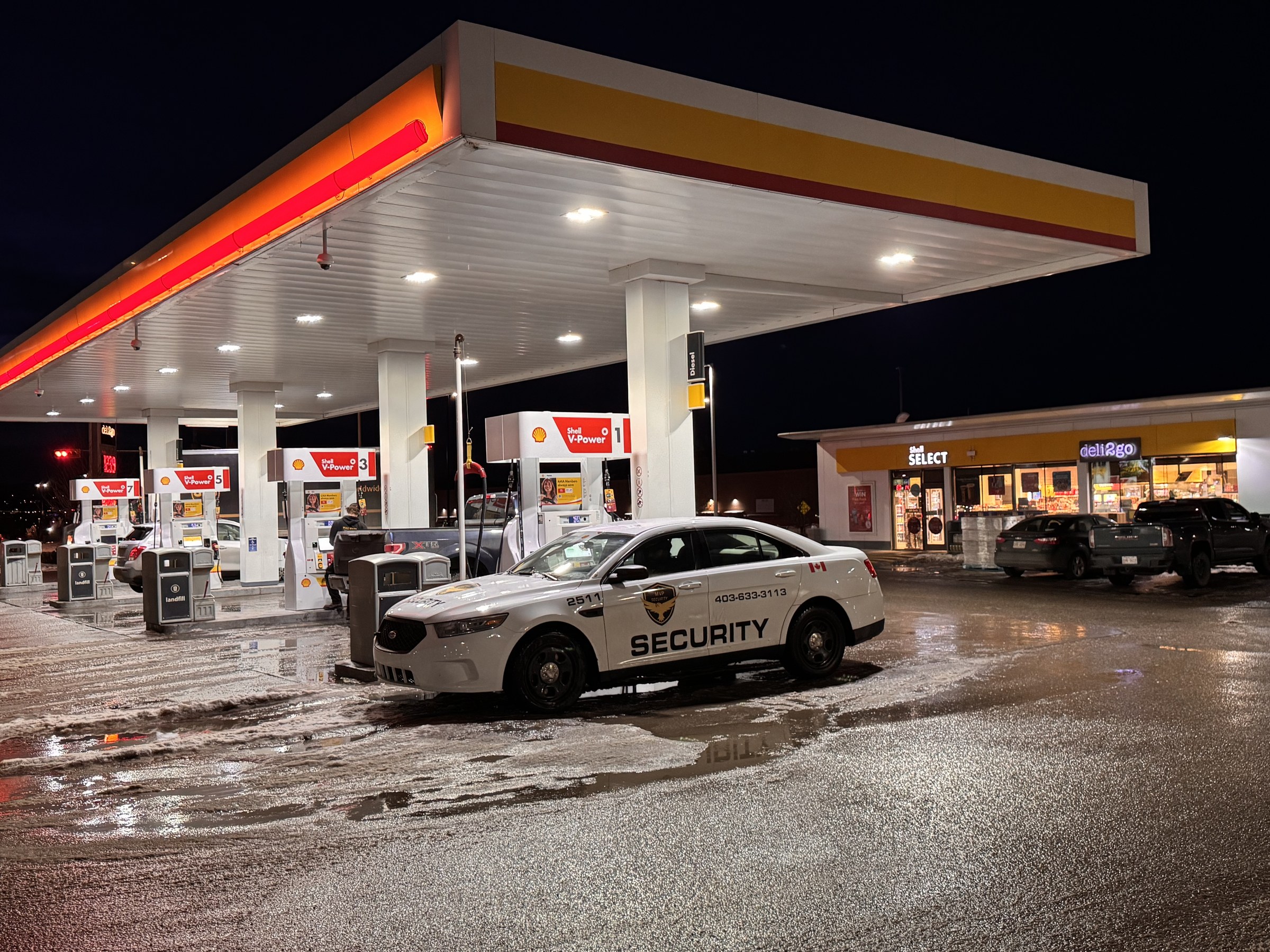
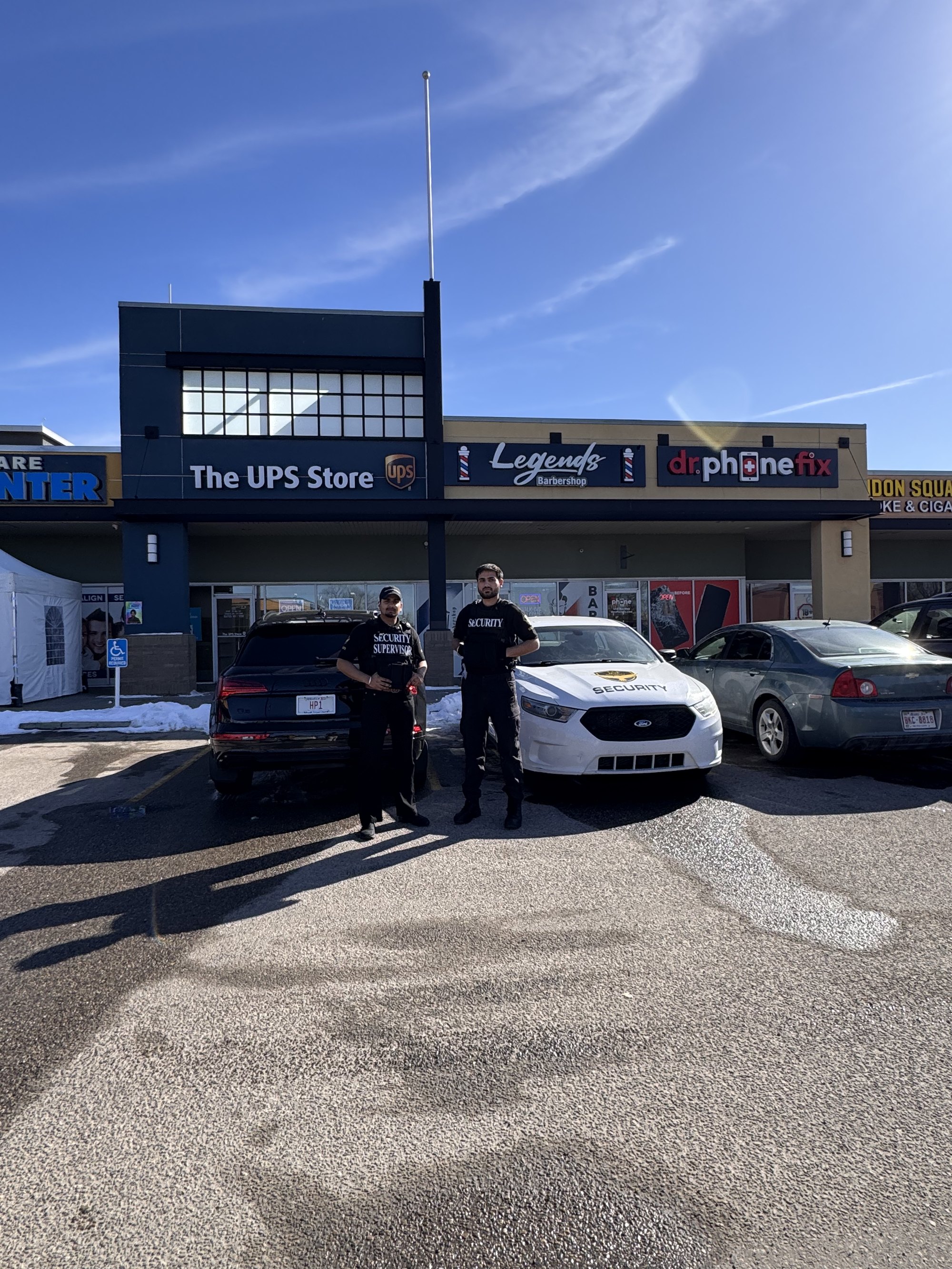
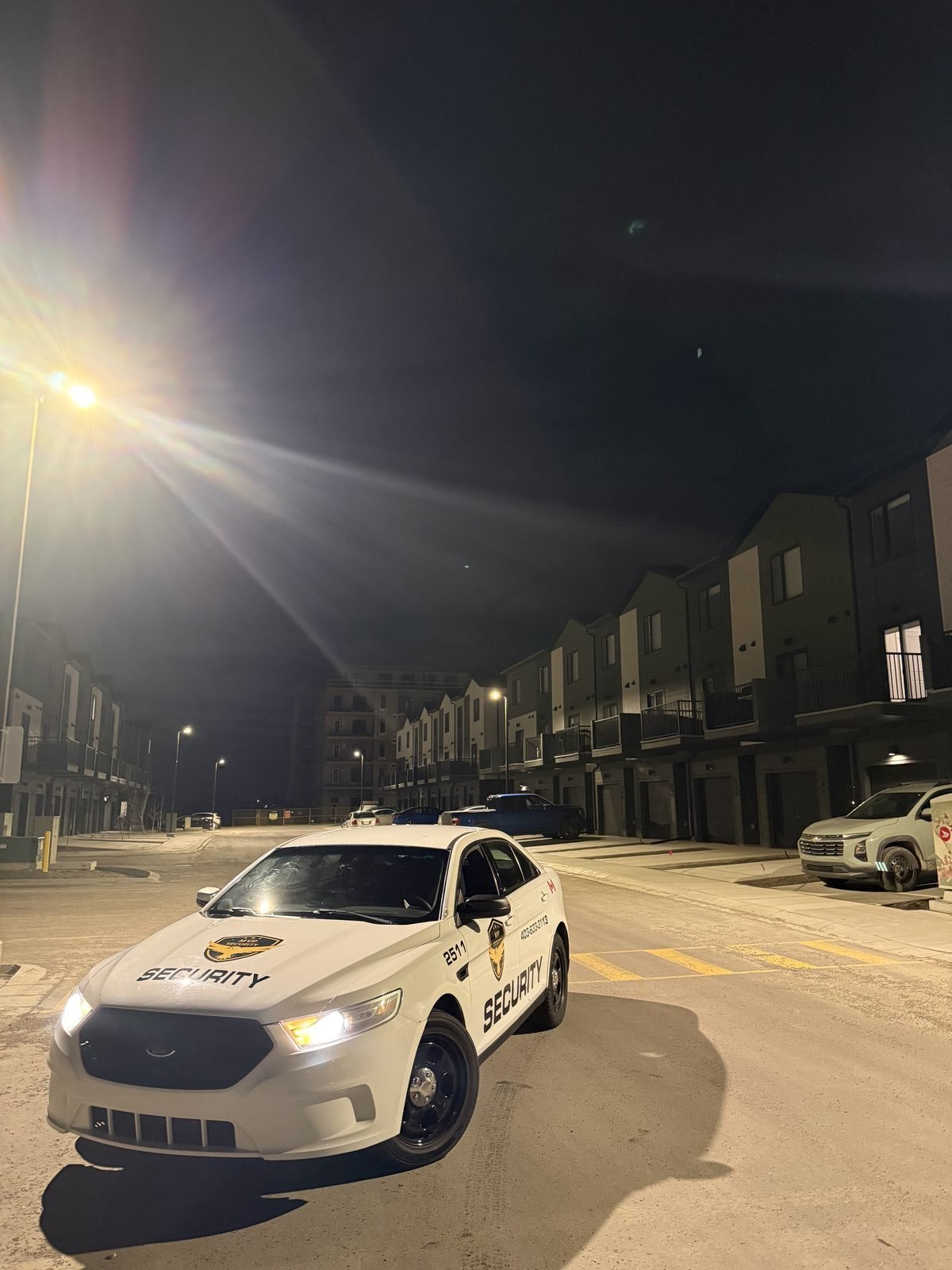
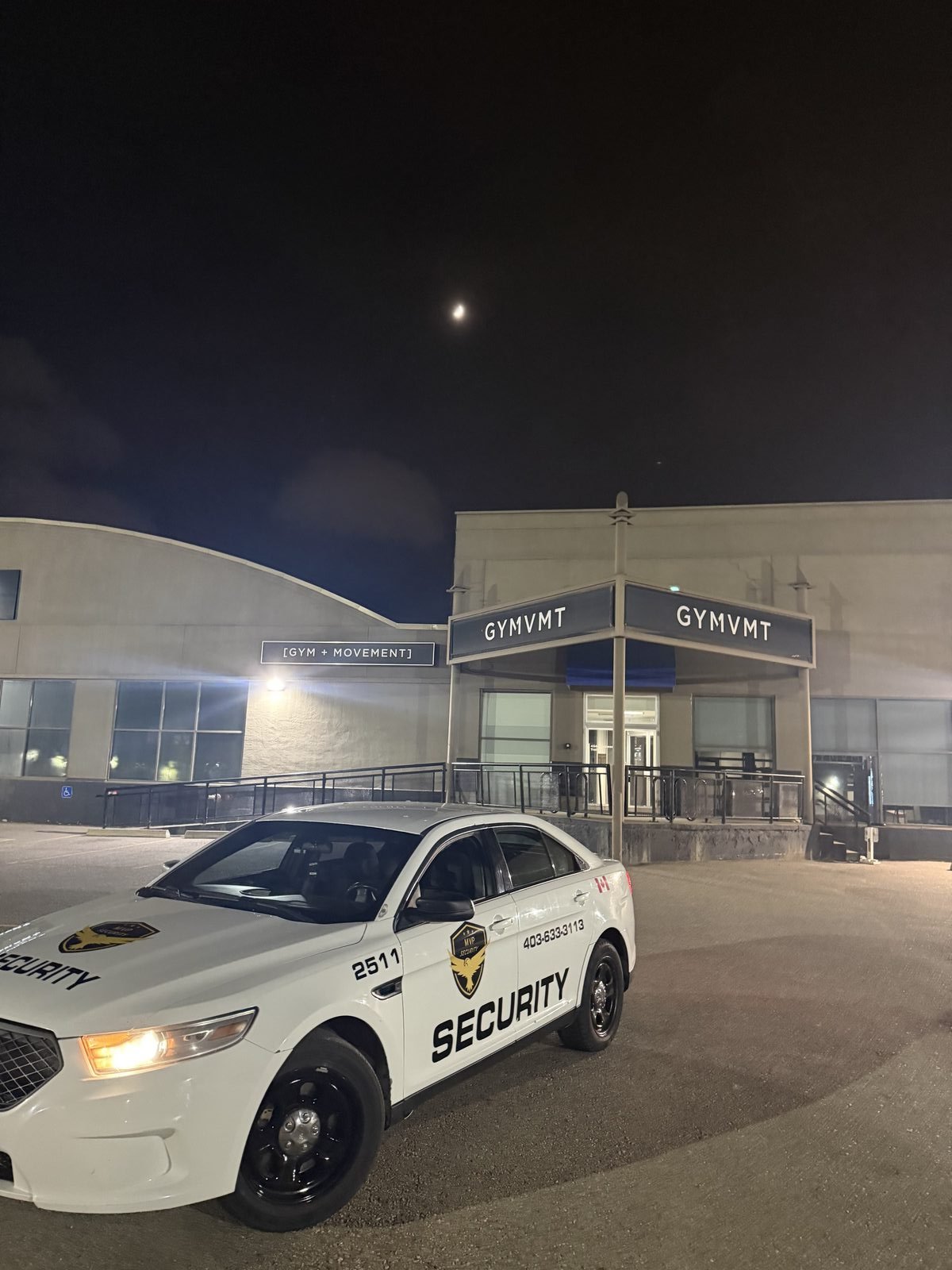
Mobile patrol works well for larger properties, multi-site portfolios, retail lots, industrial yards, and residential complexes that need regular after-hours checks without full-time guarding. Patrol units create visible deterrence, verify doors and gates, respond to suspicious activity, and document site conditions.
This option is often the most efficient when the risk is spread over time rather than concentrated in one location. It also gives buyers more flexibility. Patrol frequency, lock-up checks, and response instructions can be adjusted based on season, tenant activity, or known incident patterns.
Concierge and access control
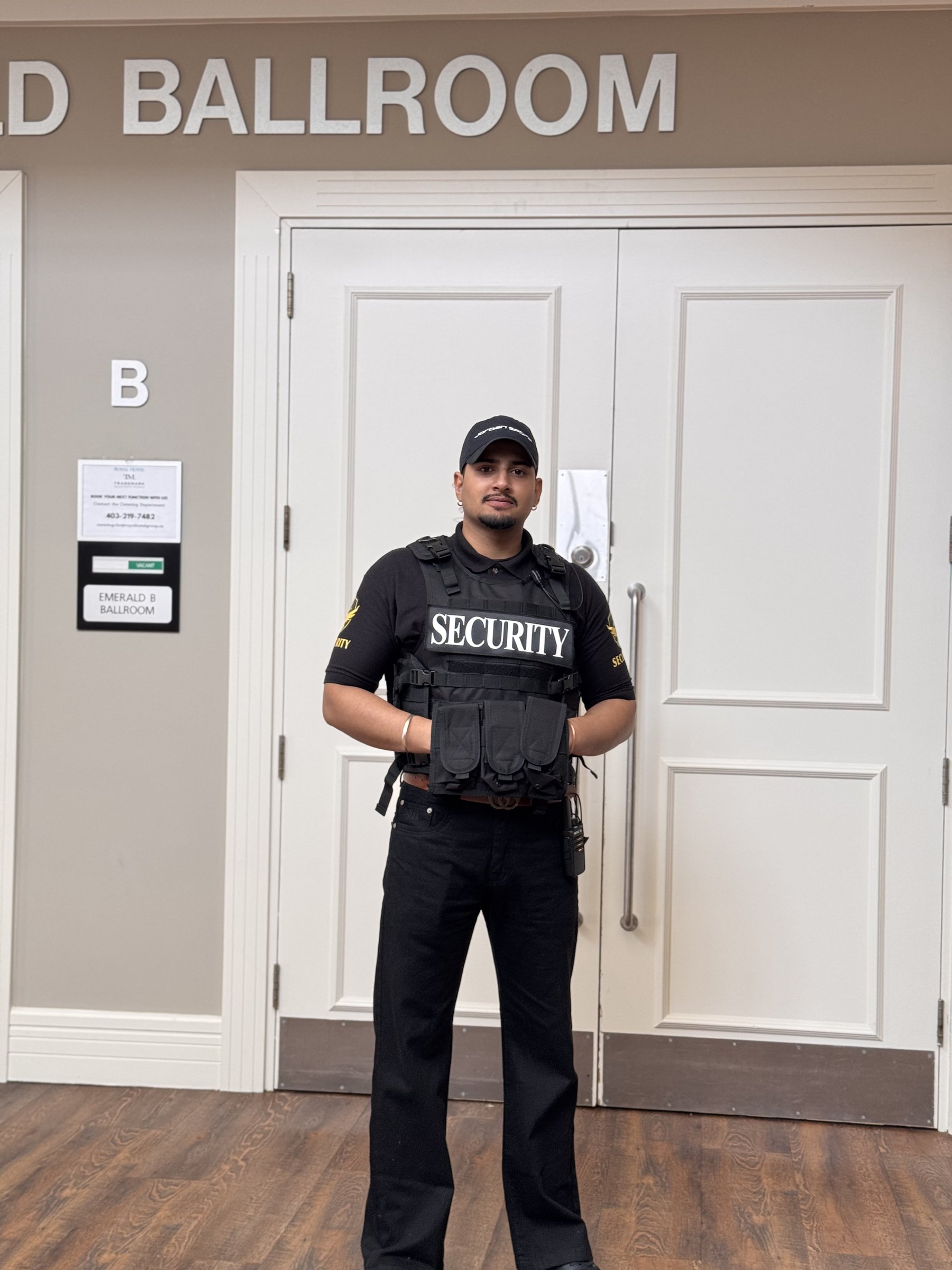
For condos, office buildings, and mixed-use properties, security is often as much about controlled access and resident or visitor management as it is about crime prevention. Concierge and access control personnel help manage entry points, verify visitors, monitor cameras, log incidents, and support building policies.
This role requires professionalism and strong communication, not just presence. In a residential setting especially, the quality of interaction matters. A guard who is too passive creates risk. One who is overly aggressive creates friction with residents and guests.
Construction site security
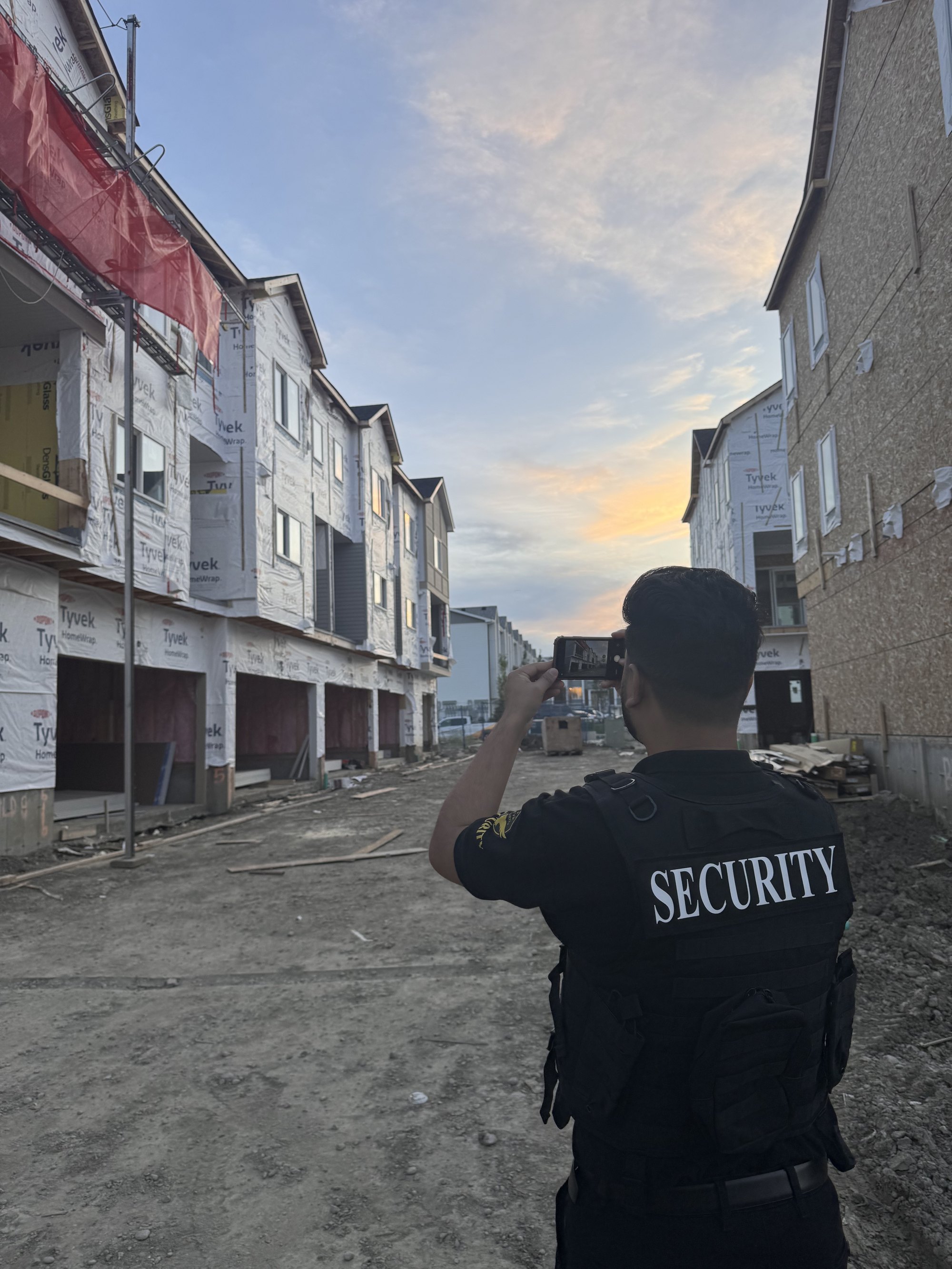
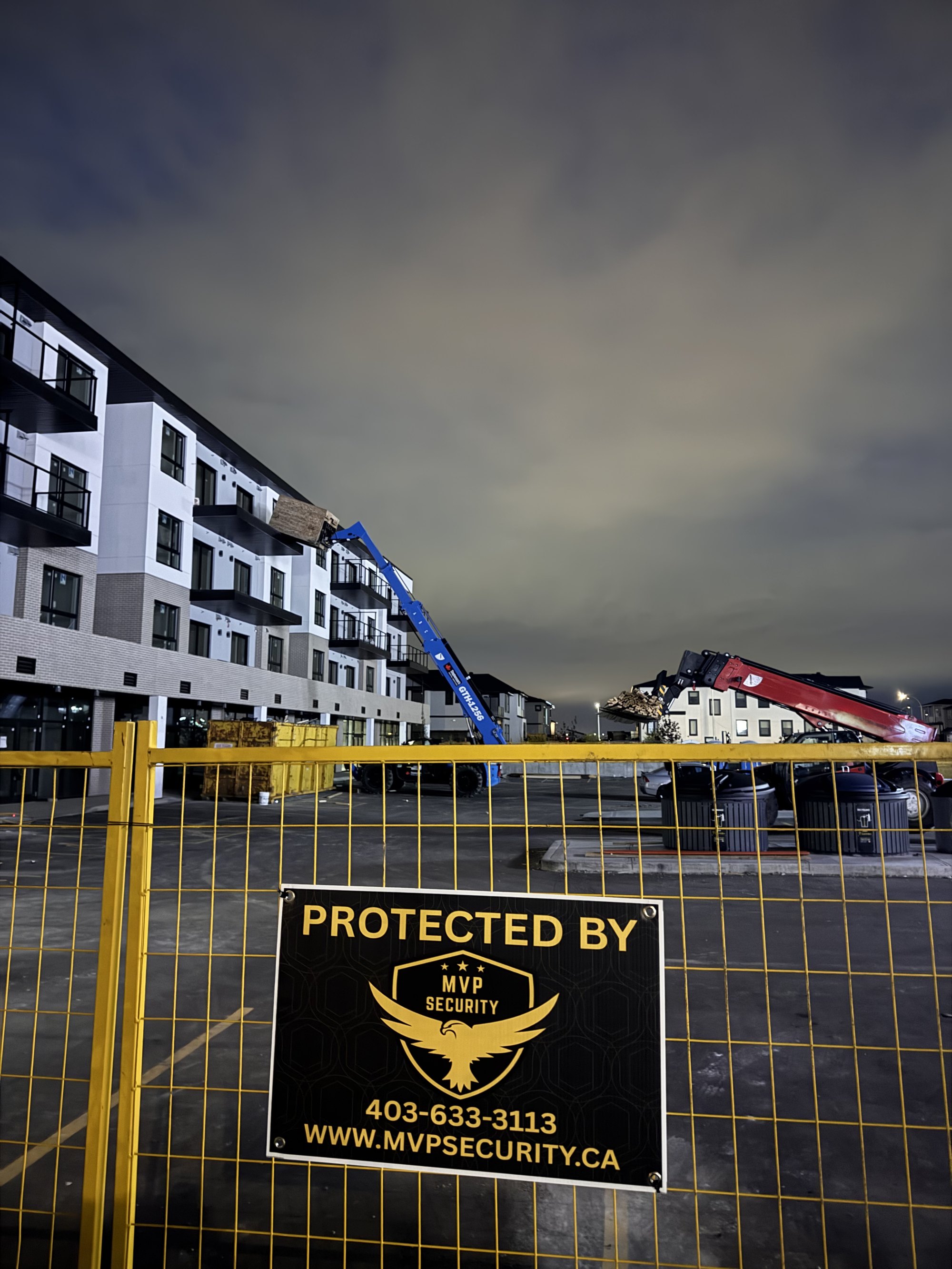
Construction sites face a specific mix of risks: material theft, equipment tampering, after-hours trespassing, fire hazards, and liability tied to unsecured access. Security on these sites often changes as the project progresses. Early phases may need perimeter checks and overnight patrols. Later phases may require controlled access, a visible guard presence, or fire watch support.
The key is adaptability. A provider should understand that site conditions shift weekly and sometimes daily.
Event security
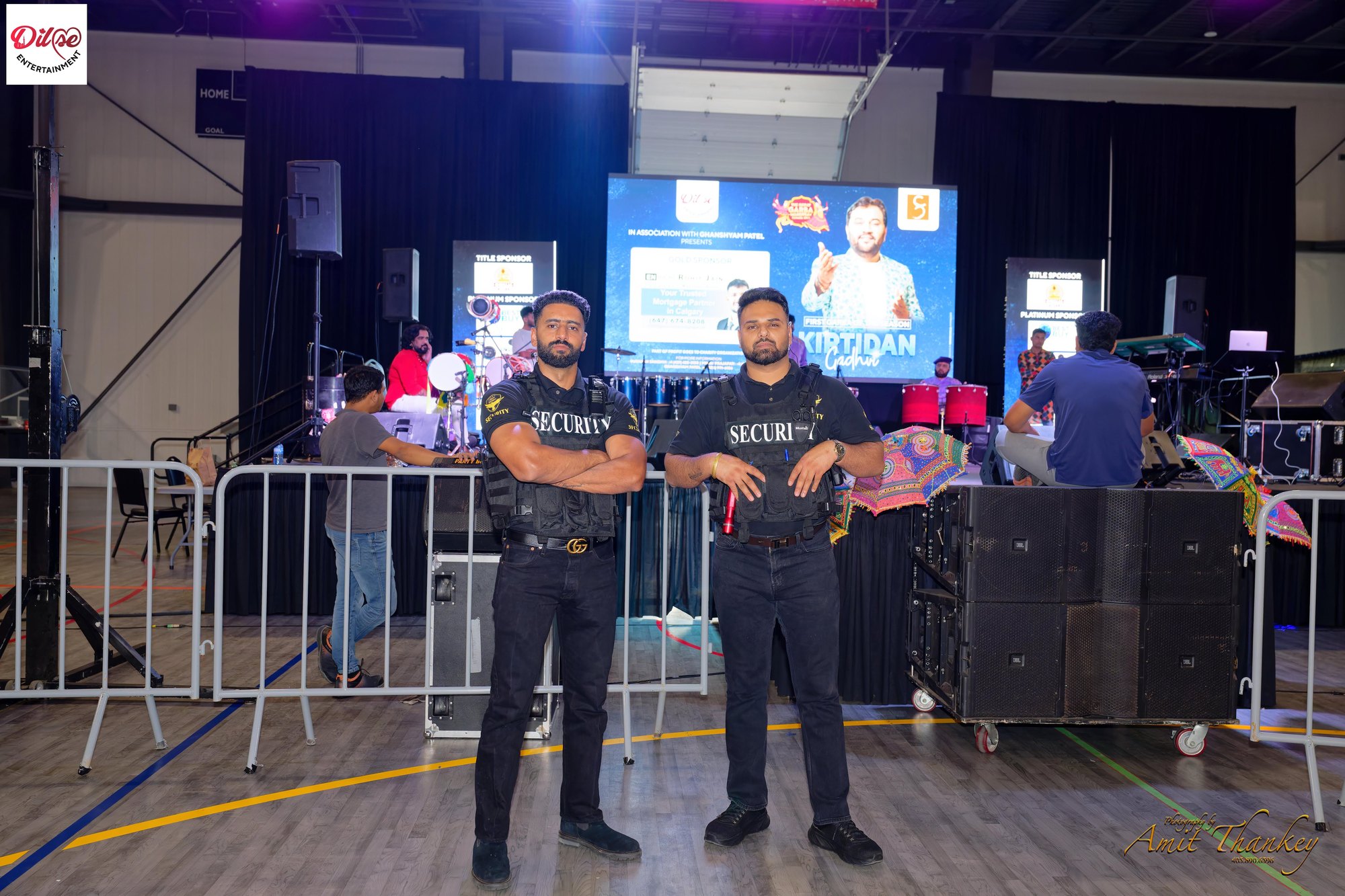
Event security is about crowd flow, entry control, incident de-escalation, and fast coordination if something goes wrong. The staffing plan for a small private function is very different from that of a public festival, corporate event, or community gathering.
The most common mistake here is understaffing entrances and overestimating how much can be handled reactively. Good event coverage starts with a realistic plan for arrivals, alcohol service, restricted areas, emergency access, and closing time.
Fire watch and alarm response
When fire systems are impaired or an alarm event needs physical verification, response time matters. Fire watch coverage requires disciplined patrol routines, clear logs, and attention to compliance requirements. Alarm response is equally practical. Someone has to attend, assess, document, and escalate appropriately.
For many sites, this is where service reliability becomes obvious. A provider either answers and deploys quickly, or it does not.
How to choose the right coverage level
The best security plan matches actual exposure, not assumptions. Start with incident history. If the property has repeated break-ins, vandalism, or unauthorized access after hours, look at when and where those incidents occur. Patterns matter. So do blind spots, fencing gaps, lighting issues, and tenant behaviour.
Next, consider the consequence of delay. If a delayed response means a stolen skid steer, a damaged storefront, a safety issue in a residential tower, or a failed event entry point, the site likely needs more than a basic check-in approach.
Budget matters too, but it should be weighed against probable loss. A cheaper contract that leaves obvious gaps usually becomes more expensive through theft, damage, complaints, and re-tendering. At the same time, not every property needs 24/7 static coverage. In many cases, a layered model works better, with mobile patrol, alarm response, camera support, and targeted guard hours around known vulnerabilities.
What to look for in a security provider
Licensing and insurance are the baseline, not the differentiator. In Alberta, guards should be properly licensed under SSIA requirements, and the company should be able to explain its training standards, reporting methods, and supervision process clearly.
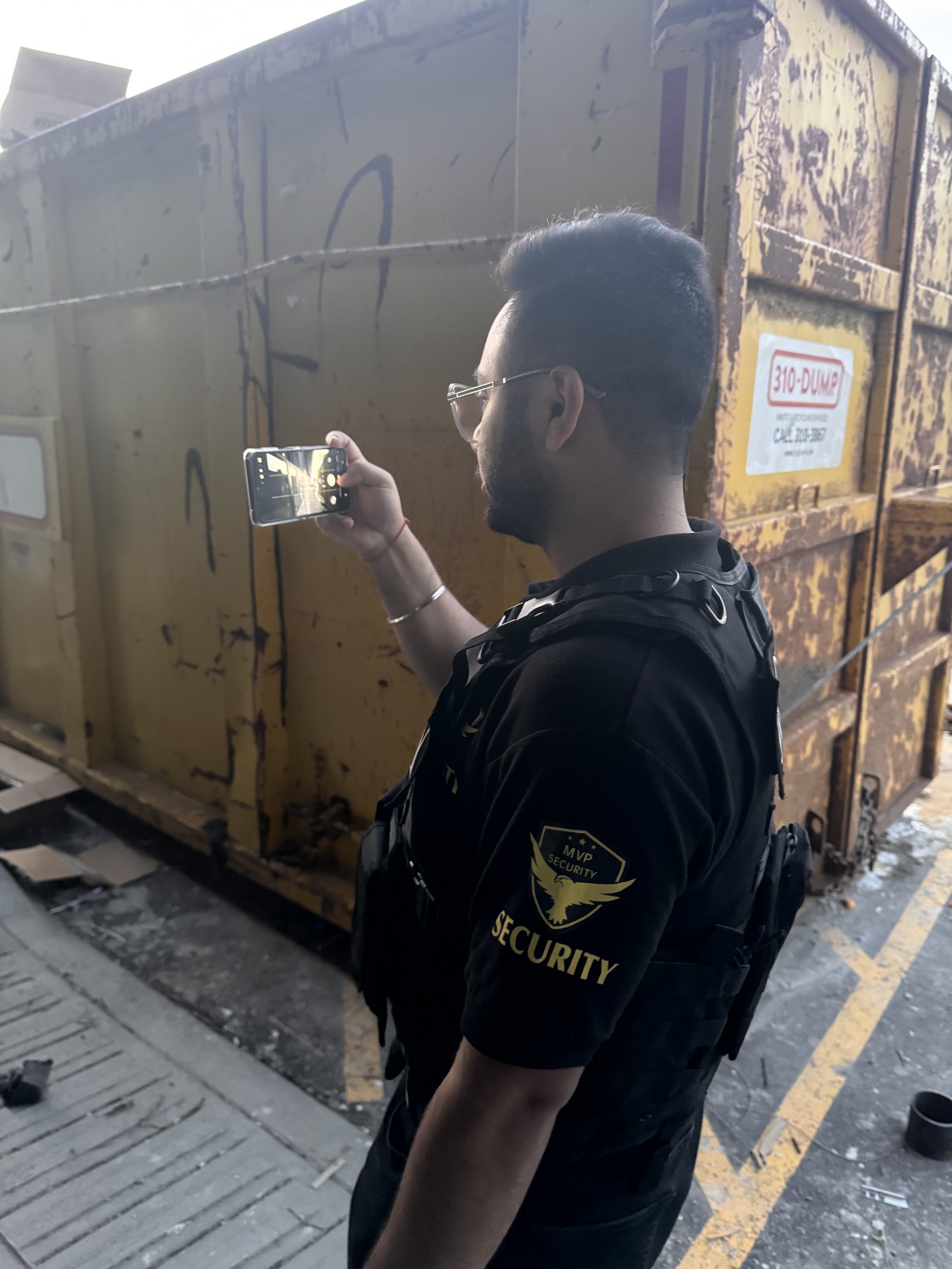
After that, look at operational accountability. Ask how patrols are tracked, how incidents are documented, how often reports are delivered, and who answers when you need schedule changes or emergency coverage. GPS-tracked activity and photo-documented reporting are not extras for many buyers now. They are how performance is verified.
Local deployment also matters more than many buyers expect. A company with active coverage across Calgary, Airdrie, Cochrane, Chestermere, Okotoks, and High River is usually better positioned for faster dispatch and more practical site familiarity than a distant operation trying to cover everything from a central office.
Responsiveness is another deciding factor. If your current provider takes hours to confirm coverage, misses call-backs, or struggles to handle short-notice requests, that is not a minor service issue. It is an operational risk.
Questions worth asking before you sign
Ask who builds the site plan and whether it is tailored to your property, hours, and known risks. Ask what happens after an incident - who gets notified, how quickly, and what documentation is included. Ask how the company handles guard no-shows, emergency call-outs, and after-hours supervisor support.
You should also ask what success looks like after 30 or 60 days. A serious provider should be able to define performance in practical terms, whether that means fewer trespass incidents, better access control, faster alarm attendance, clearer reporting, or improved tenant confidence.
If the answers stay vague, the service probably will too.
Why customization matters in this private security services guide
No two sites carry the same risk profile, even within the same sector. Two condo properties may both request overnight patrols, but one may struggle with parkade break-ins while the other needs stronger visitor control and lobby presence. Two construction projects may look similar on paper but have very different exposure based on fencing, material staging, neighbourhood activity, and phase of build.
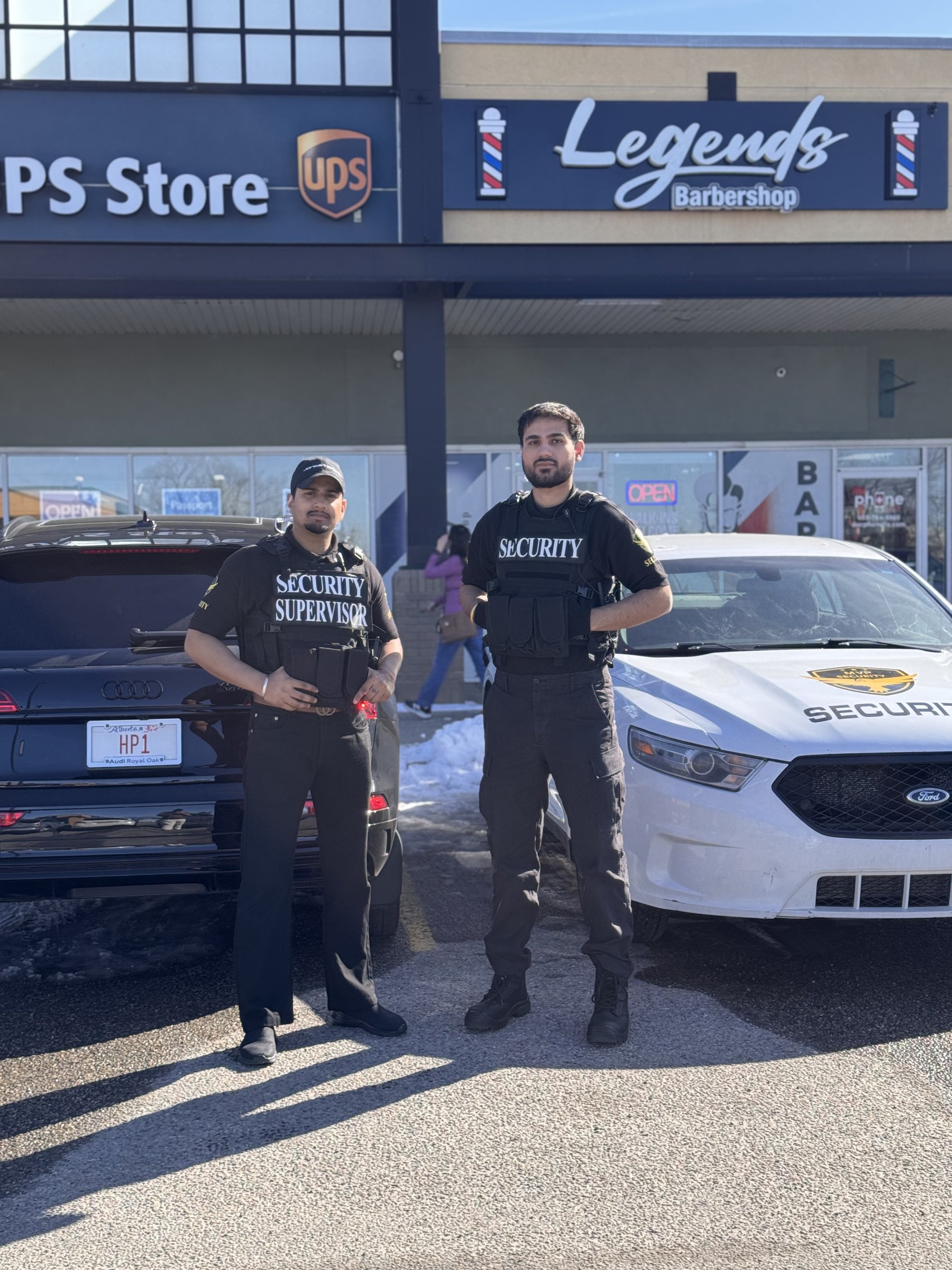
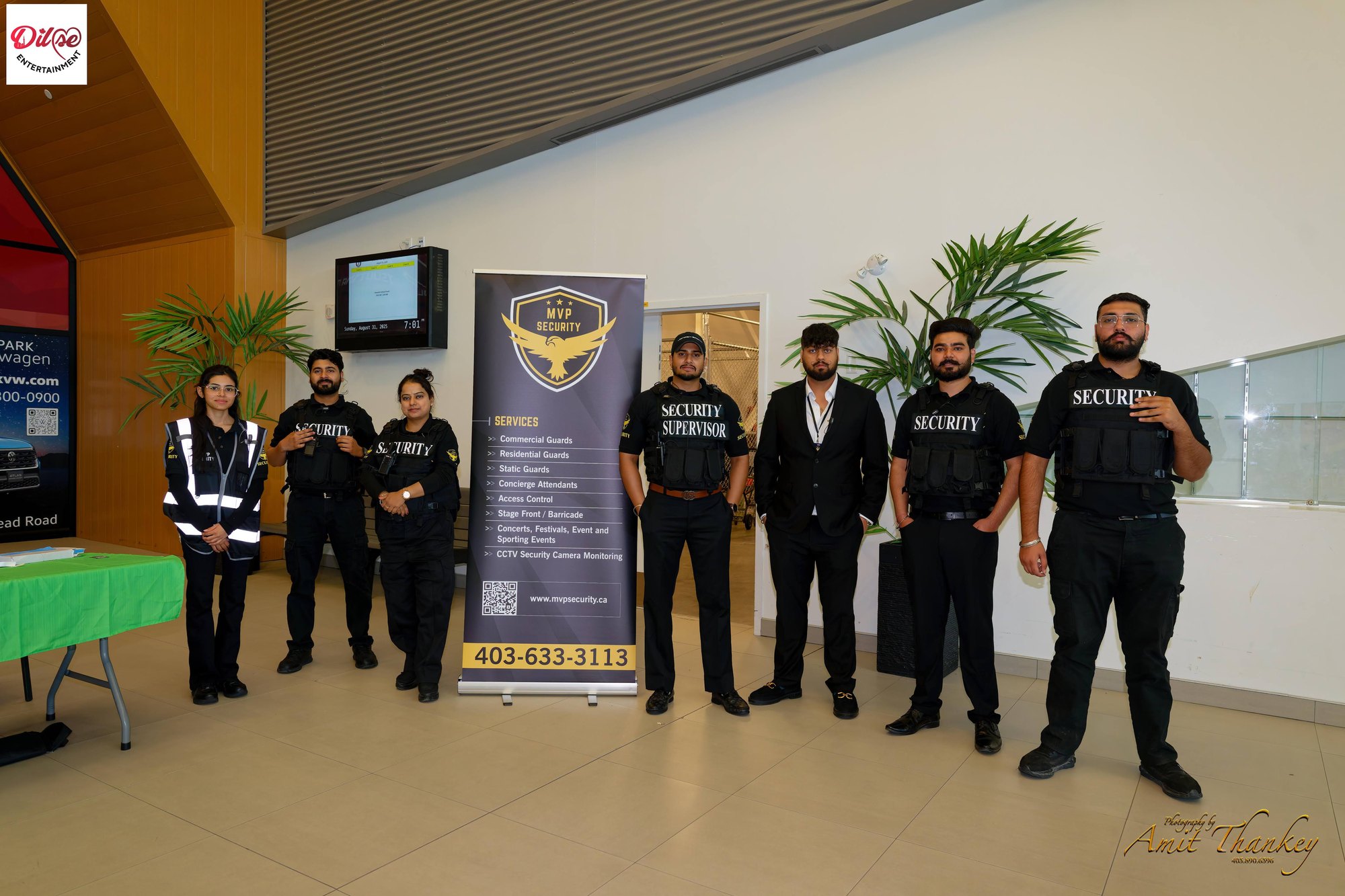
That is why tailored security planning matters. A provider that takes the time to assess the property, understand incident history, and recommend the right mix of guard coverage, patrol frequency, reporting, and escalation steps is generally more useful than one pushing a standard template. This is where a locally focused team such as MVP Security Inc. can stand out, especially for clients who need same-day adjustments, practical communication, and accountability they can verify.
Good security is not measured by promises. It is measured by whether the site is covered when it needs to be, whether incidents are handled properly, and whether you can see the work being done. If you are reviewing options, choose the provider that can explain the plan plainly, deploy reliably, and adapt as your site changes.