
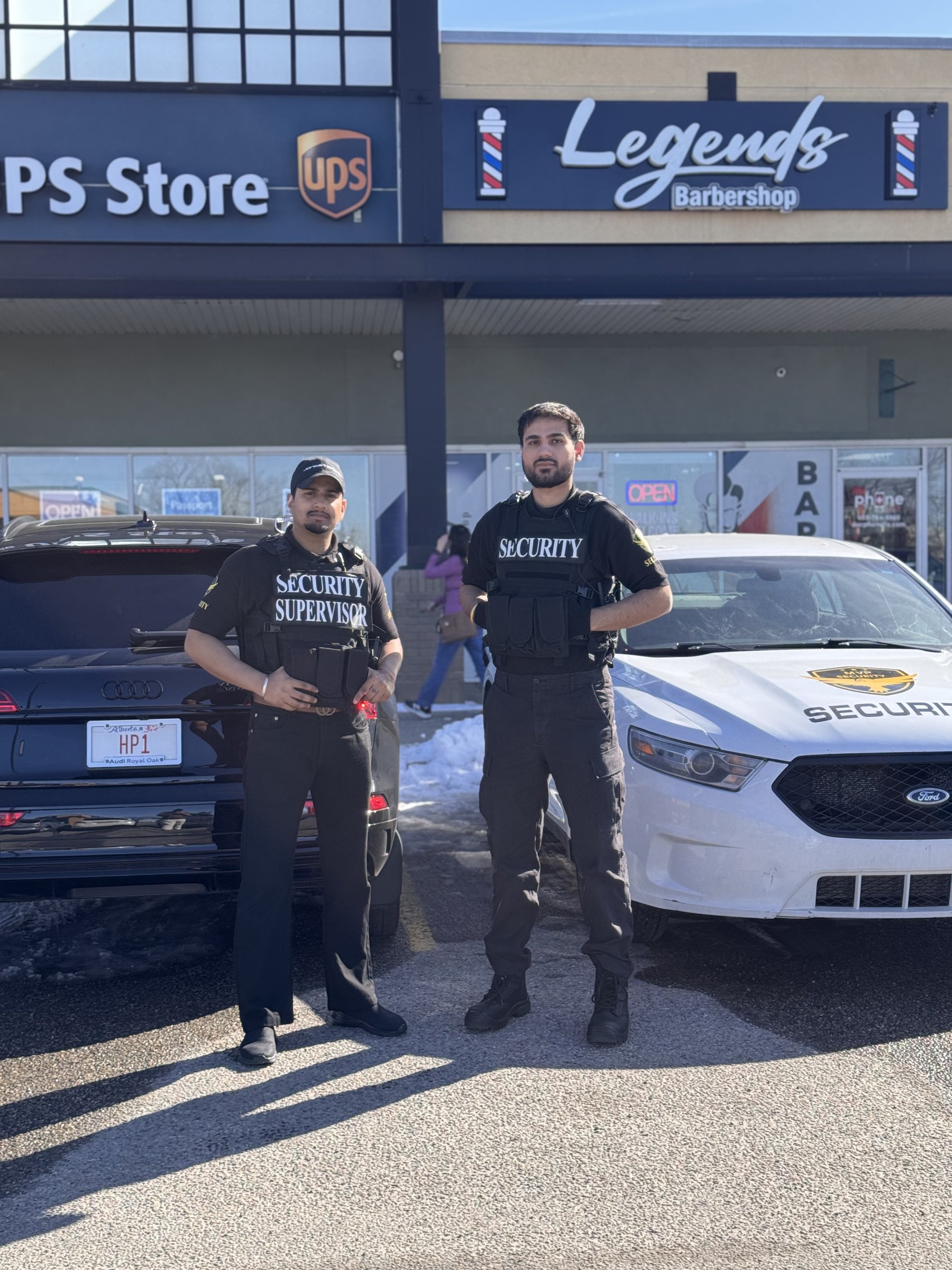
















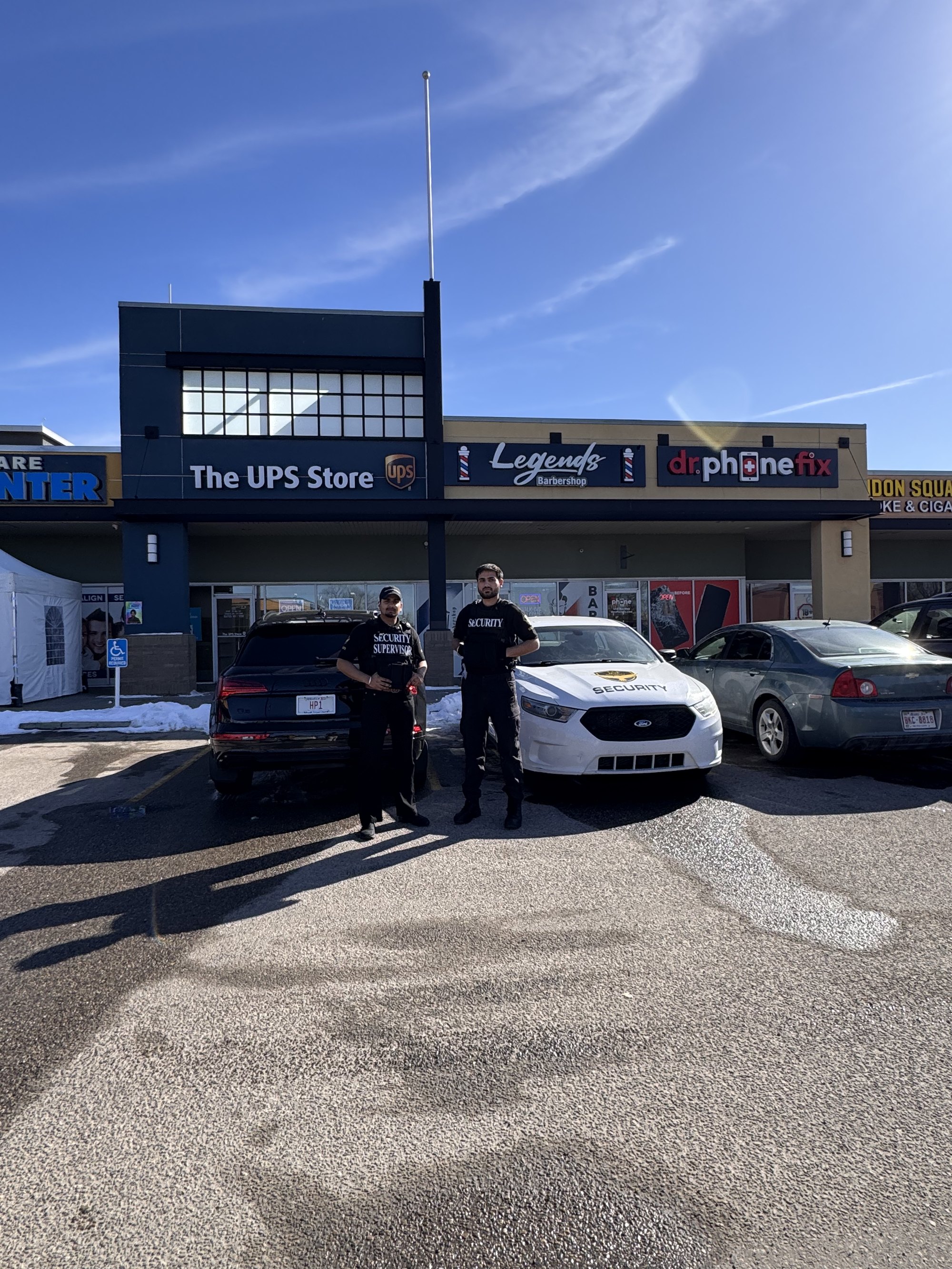
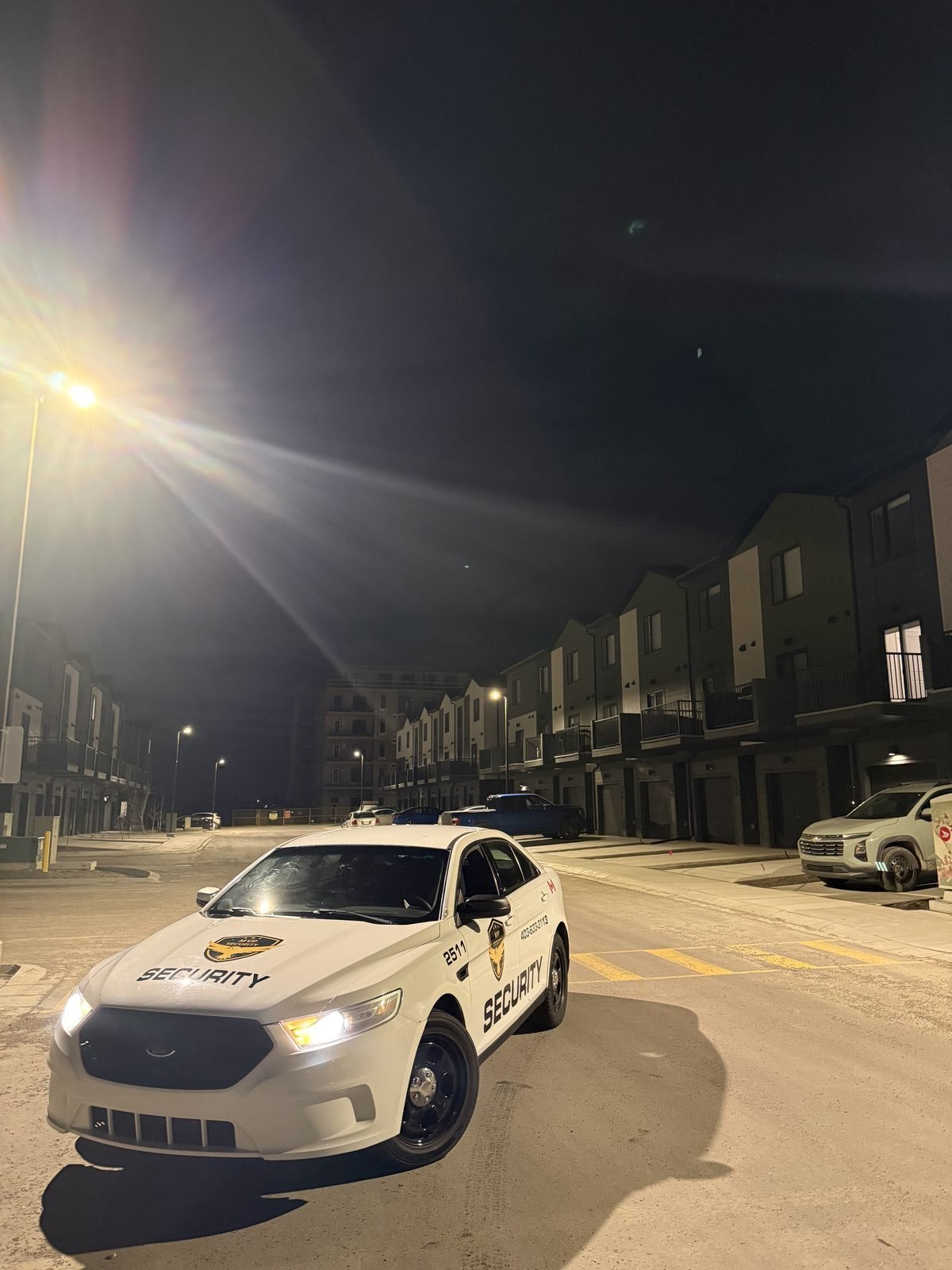
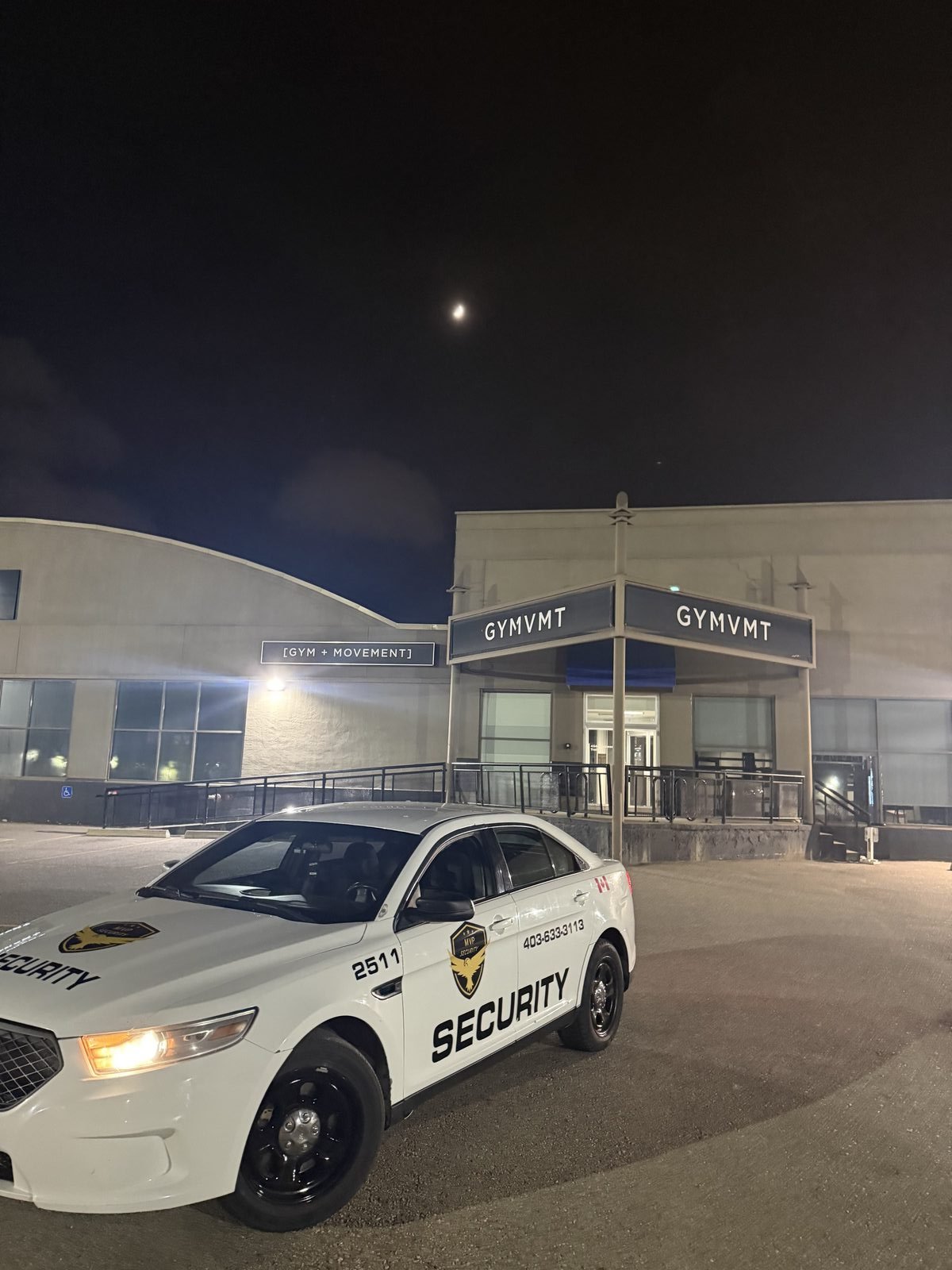
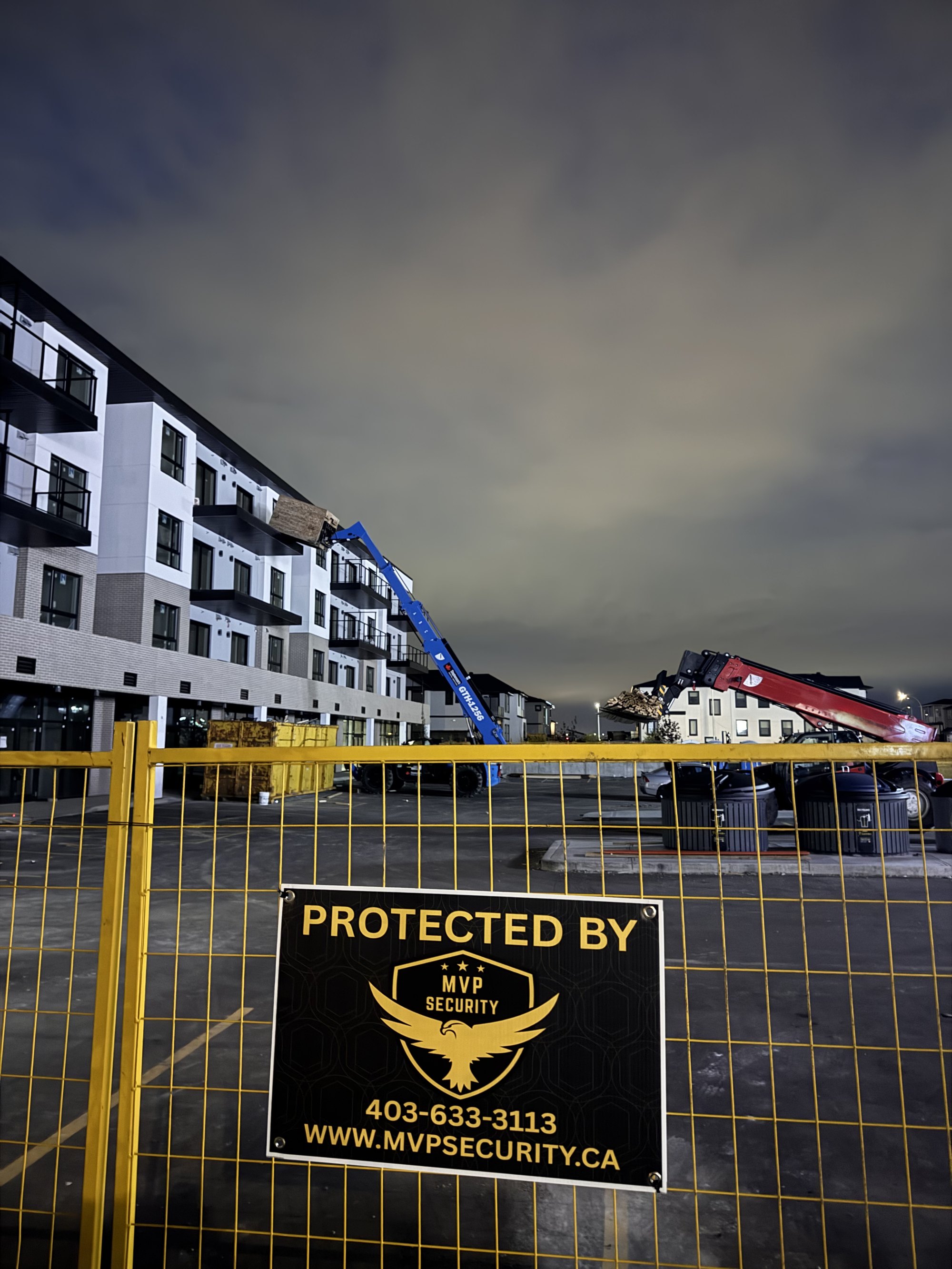
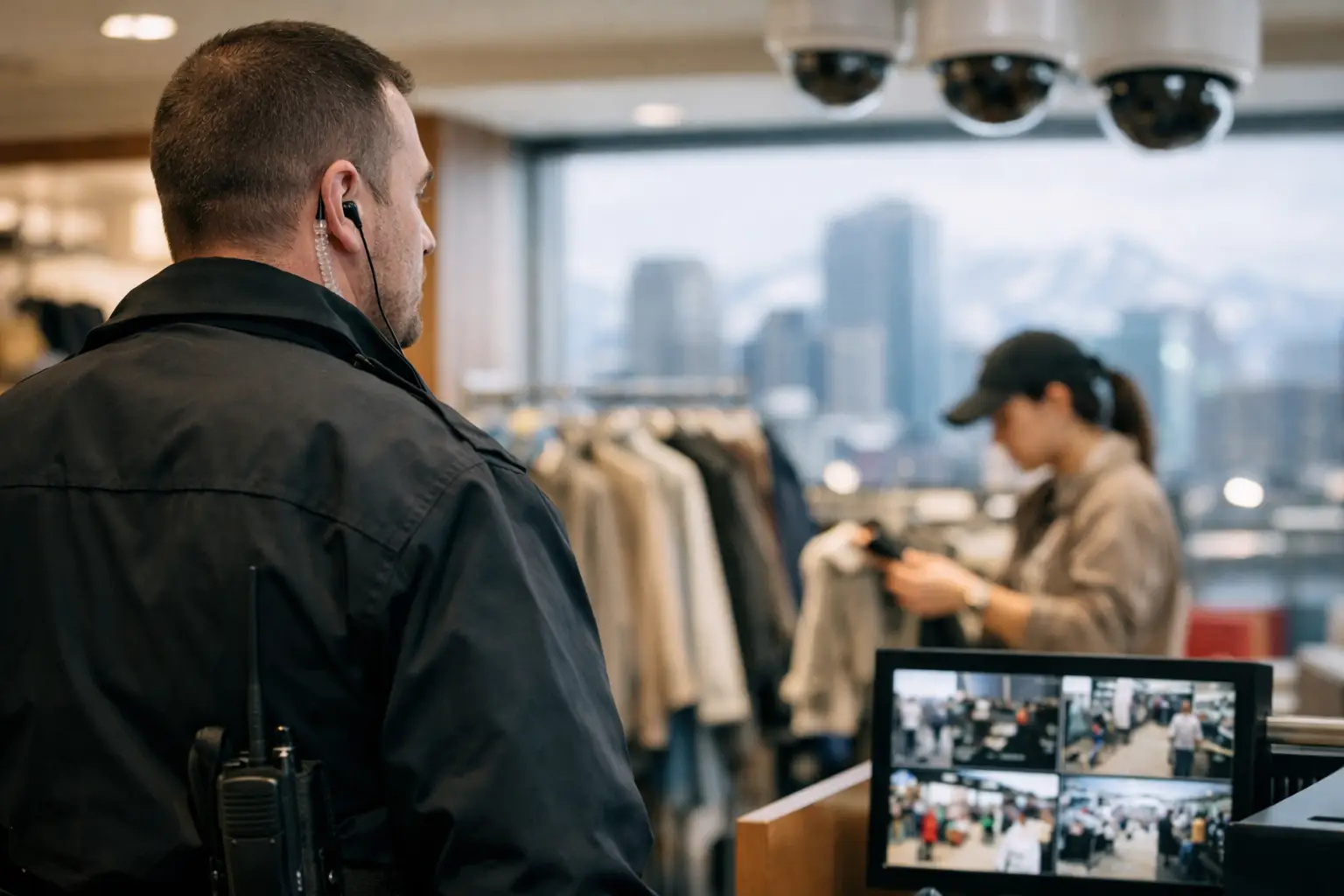
A retail shrink issue rarely starts as a single big incident. More often, it shows up in small patterns - repeat shoplifters testing staff, side-door access getting sloppy, refund abuse, or after-hours activity that does not look serious until inventory counts say otherwise. That is where retail loss prevention security Calgary businesses rely on becomes less about having a uniform at the front and more about building control into daily operations.
For retailers in Calgary, loss prevention has to work in the real conditions of the site. That means different staffing on a busy weekend than on a weekday morning, different coverage for a strip plaza than for a standalone store, and a different plan again for high-value merchandise, late-night hours, or recurring incidents. The right security program is not generic. It is built around what is actually happening in the store.
What retail loss prevention security in Calgary should actually do
A common mistake is treating retail security as a visual deterrent only. Visibility matters, but on its own it does not solve internal theft, organized retail crime, policy gaps, or weak incident follow-up. Effective retail loss prevention security in Calgary should reduce opportunities for theft, support staff when incidents happen, and create a documented record that management can use to improve procedures.
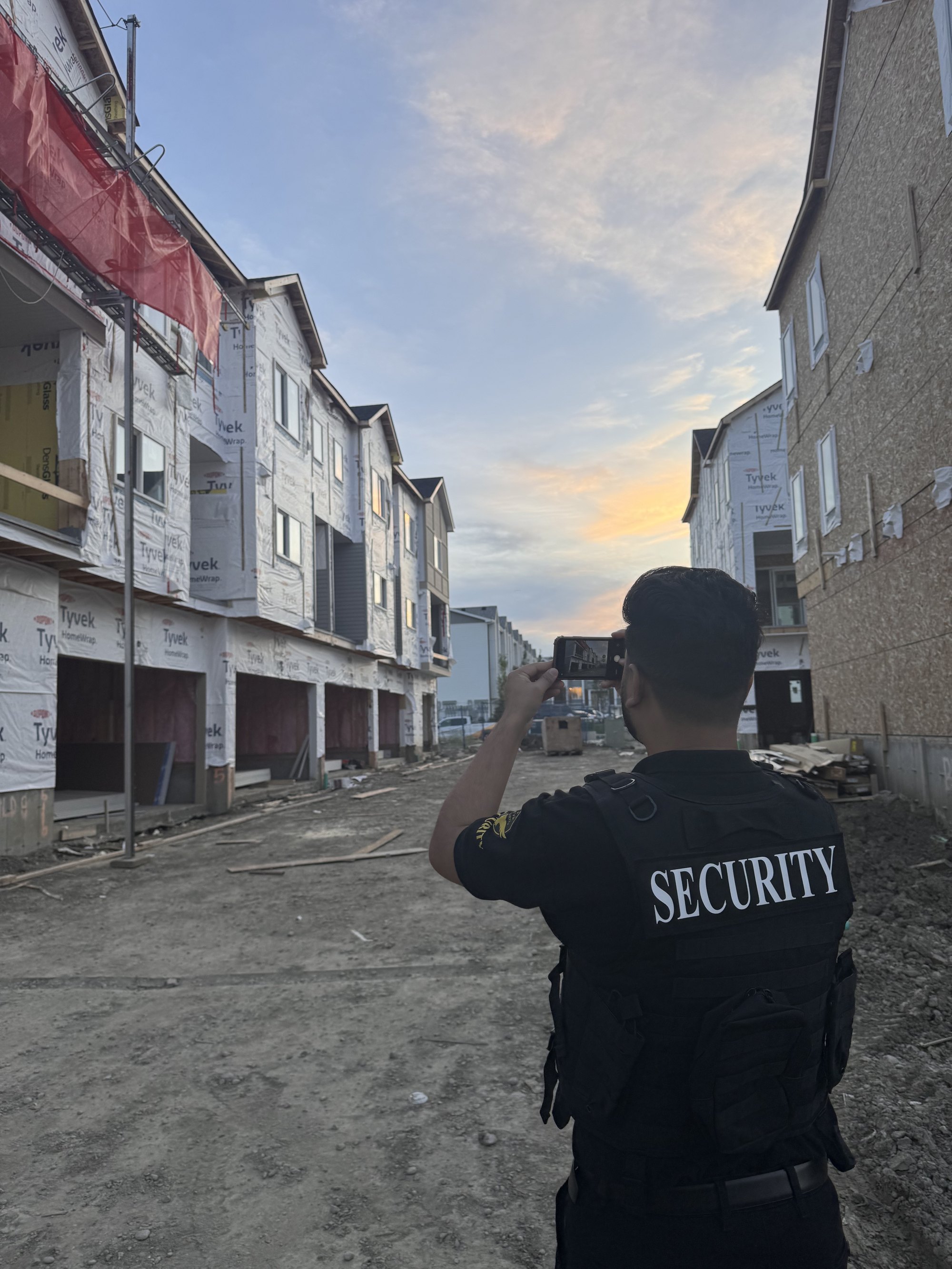
In practical terms, that can include maintaining a visible guard presence near entrances, monitoring customer flow during peak periods, watching for known behaviour patterns tied to theft, supporting access control around receiving areas, and responding quickly to disturbances or suspicious activity. It also means writing reports that are clear enough for management to review, compare, and act on.
There is a trade-off to get right here. If security is too passive, the store gets little beyond appearances. If it is too aggressive, it can create friction for customers and staff. Good retail loss prevention work stays professional, alert, and measured. The goal is a safer, more controlled retail environment, not unnecessary confrontation.
Calgary retail risks are not all the same
Retail operators across Calgary face similar categories of loss, but the actual risk level depends heavily on location, operating hours, store layout, product mix, and staffing levels. A convenience store open late near transit has a different exposure than a fashion retailer in a shopping centre. A liquor store, cannabis retailer, grocery location, pharmacy, or electronics outlet each presents its own challenges.
That is why site-specific planning matters. Stores with frequent foot traffic may need visible floor presence and rapid incident response. Stores with repeated after-hours concerns may need patrol checks, alarm response, and overnight exterior monitoring. Locations dealing with stockroom losses may need tighter control around back-of-house movement and receiving procedures.
For multi-location operators, consistency also becomes a major issue. One store manager may be excellent at incident reporting while another documents very little. One site may have strong closing procedures while another leaves gaps at shift change. Security coverage works best when expectations are consistent and the provider can adapt while still reporting to the same standard across sites.
Why trained guards matter more than extra bodies
Retail environments move quickly. Staff are serving customers, handling returns, restocking shelves, and managing cash procedures at the same time. When a security incident happens, the response has to be calm, lawful, and immediate. That is why licensed, site-briefed guards matter more than simply filling a shift.
A trained retail guard should understand how to maintain presence without escalating tension, how to observe and document behaviour accurately, and when to involve store management or police. In Alberta, compliance is not optional. Retail operators need guards who are properly licensed and who understand the boundaries of their role.
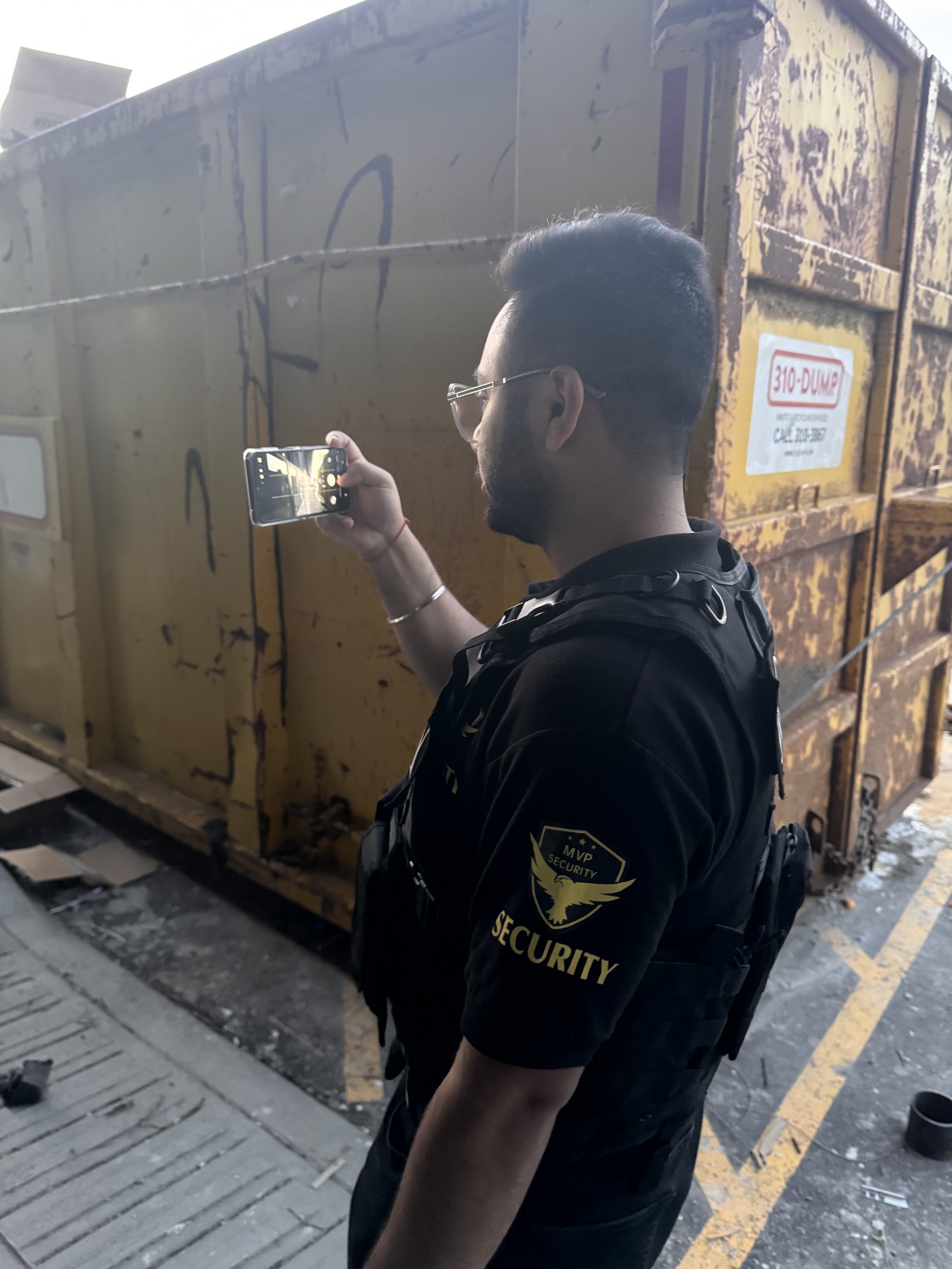
This is especially important when stores have already had problems with unreliable providers. Missed patrols, weak communication, poor report quality, or guards who are unfamiliar with the site can create more risk, not less. A dependable security team gives management something usable - clear logs, photo-documented activity where appropriate, and confidence that coverage is happening as assigned.
Where loss prevention and customer experience meet
Retail decision-makers often have a valid concern: security needs to protect the business without making the store feel hostile. That balance is one of the hardest parts of retail loss prevention.
A strong approach starts with placement and posture. In some stores, a front-door presence is the best deterrent. In others, a mobile floor presence works better because theft is happening deeper inside the premises. Sometimes the best result comes from combining static coverage during peak hours with mobile patrol or alarm response after closing.
Professional guards also support staff confidence. Employees tend to perform better when they know there is a clear escalation path for aggressive behaviour, suspicious activity, or emergency situations. That can improve not just theft prevention, but overall workplace safety and retention. For high-turnover retail environments, that benefit should not be overlooked.
When stores need more than front-end coverage
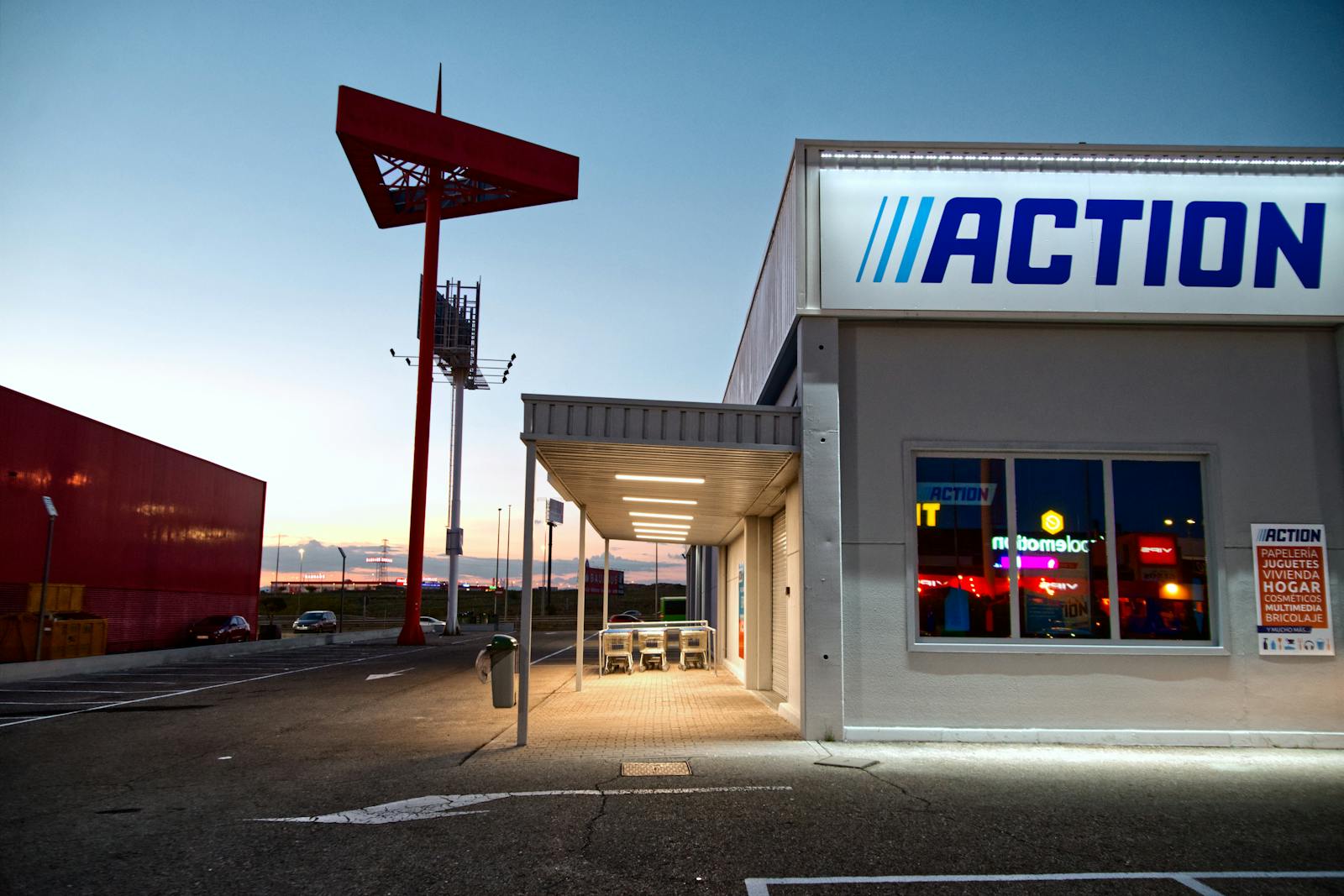
Many retail losses happen away from the sales floor. Receiving doors, storage rooms, service corridors, garbage enclosures, and rear parking areas often present opportunities for theft, trespassing, or unauthorized access. After-hours periods can be just as vulnerable, particularly for stores with exposed glass, exterior loading areas, or repeated alarm activity.
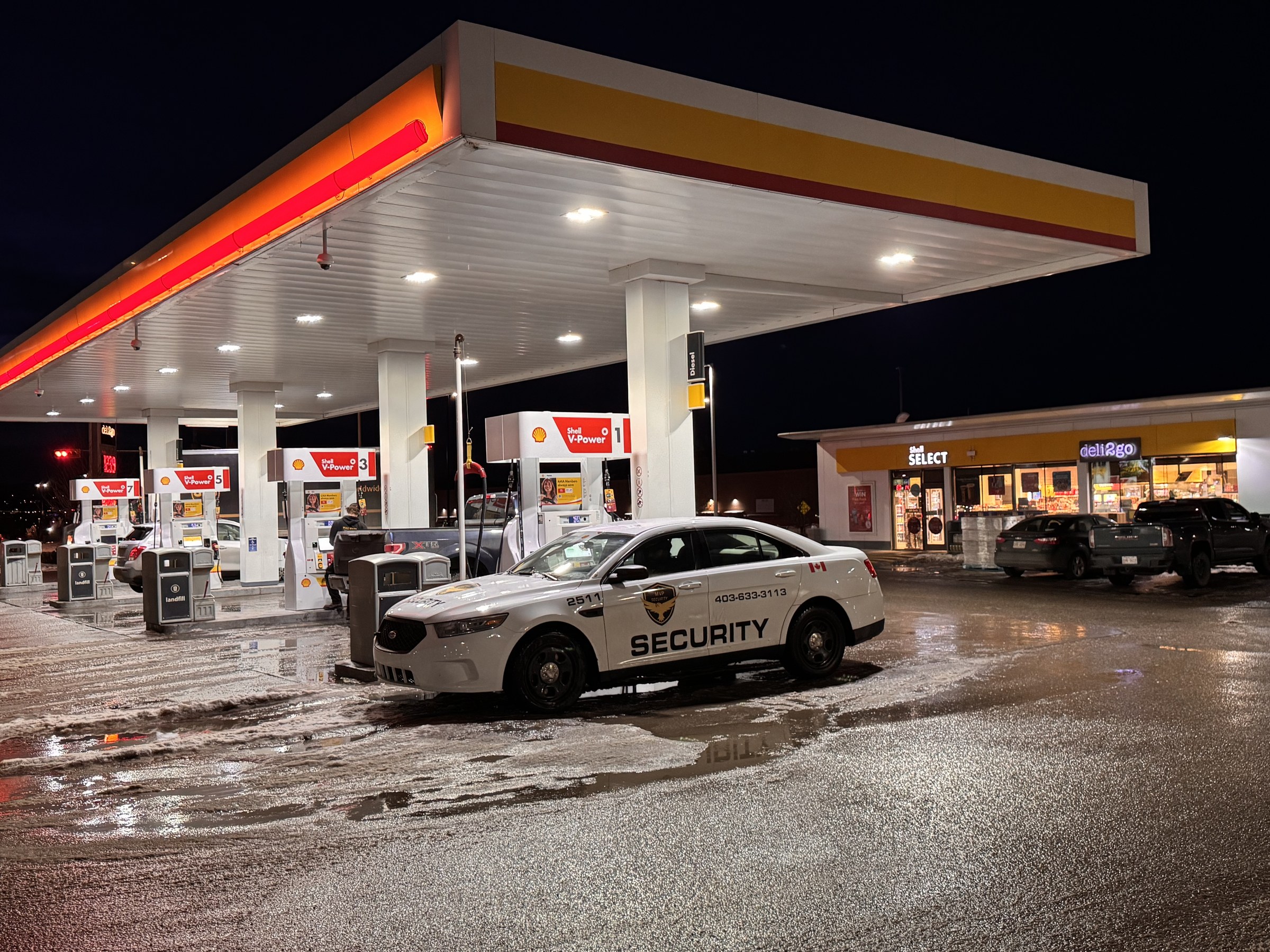
This is where a broader security plan makes sense. Depending on the site, that could include scheduled mobile patrols, lockup verification, alarm response, exterior checks, or overnight watch support tied to CCTV and monitored systems. For some operators, especially those with recurring incidents, that layered model is more cost-effective than trying to maintain the same level of on-site coverage at all times.
It depends on the pattern of risk. If losses are mainly happening during business hours, floor presence may be the priority. If damage and break-in attempts are happening overnight, patrol frequency and response capability matter more. The best program is the one that fits the actual exposure, not the one that sounds the most comprehensive on paper.
What Calgary retailers should expect from a security provider
Retail operators should expect more than attendance. A serious provider should be able to explain how coverage will be deployed, what tasks guards are responsible for, how incidents will be documented, and how the service can scale during busy periods, promotions, holidays, or emergency staffing gaps.
Reporting is a major part of that value. If a guard sees repeated suspicious behaviour at the same entrance every Friday evening, management should know. If a side door is repeatedly propped open during deliveries, that should be documented. If a trespass issue is building around a plaza or parking lot, the retailer needs records that show timing, frequency, and response.
Fast local deployment also matters in Calgary. Retail incidents do not always wait for a long onboarding cycle. Sometimes a store needs urgent short-notice coverage after an employee issue, a break-in, a pattern of theft, or a sudden staffing gap. A local team that can respond quickly is often more useful than a larger provider with slower coordination.
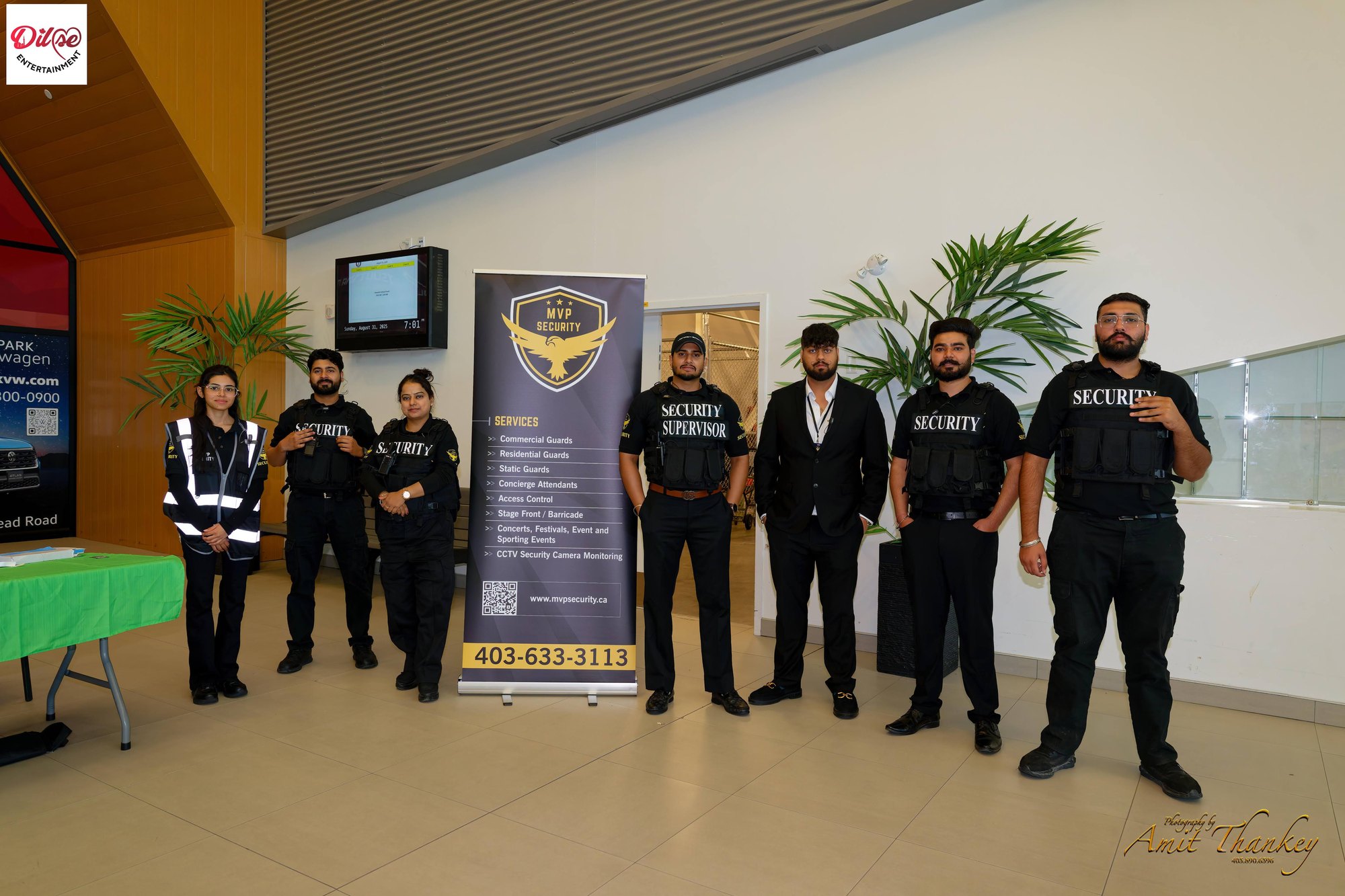
That is one reason many businesses choose a Calgary-based company such as MVP Security Inc. The advantage is not just proximity. It is the ability to build coverage around the site, respond quickly when conditions change, and maintain accountability through documented patrol activity and clear communication.
Building a loss prevention plan that fits the store
The best retail security programs are usually simple in design and disciplined in execution. Start with the real pressure points: when theft happens, where staff feel exposed, what entrances are vulnerable, how incidents are currently recorded, and whether management can actually verify that assigned security work is being completed.
From there, coverage can be adjusted to suit the budget and the risk. Some stores need full-time static guards. Others do better with peak-hour coverage, evening support, or a mix of guard services and mobile patrol. There is no single formula that suits every retailer in Calgary, and any provider claiming otherwise is probably skipping the site realities that make loss prevention work.
A useful security plan should help reduce shrink, support employees, protect customers, and give managers better visibility into what is happening on site. If it cannot do those things, it is not really loss prevention. It is just presence.
For retailers facing repeat theft, disorder, or after-hours concerns, the right next step is not more guesswork. It is a practical review of where loss is happening and what level of security coverage will actually change the outcome.