


A retail plaza can look quiet after closing while still carrying significant exposure. Delivery doors, garbage enclosures, rear parking areas, vacant units and isolated walkways create opportunities for theft, vandalism and unauthorized access. Effective security coverage for retail plazas is not simply a guard standing at the front entrance. It is a planned, visible and documented response to the way each property actually operates.
For Calgary-area property managers and retail operators, the right program must protect customers and tenants during business hours while addressing the higher-risk periods before opening, after closing and overnight. Coverage should also support fast decision-making when an alarm activates, a tenant reports suspicious activity or damage is discovered on site.
Why Retail Plazas Need Site-Specific Security Coverage
Retail plazas bring together different businesses, operating hours and risk profiles in one property. A pharmacy, liquor store, restaurant, medical clinic and vacant retail bay do not face the same concerns. Their customer traffic, cash handling, delivery schedules and closing routines may all differ.
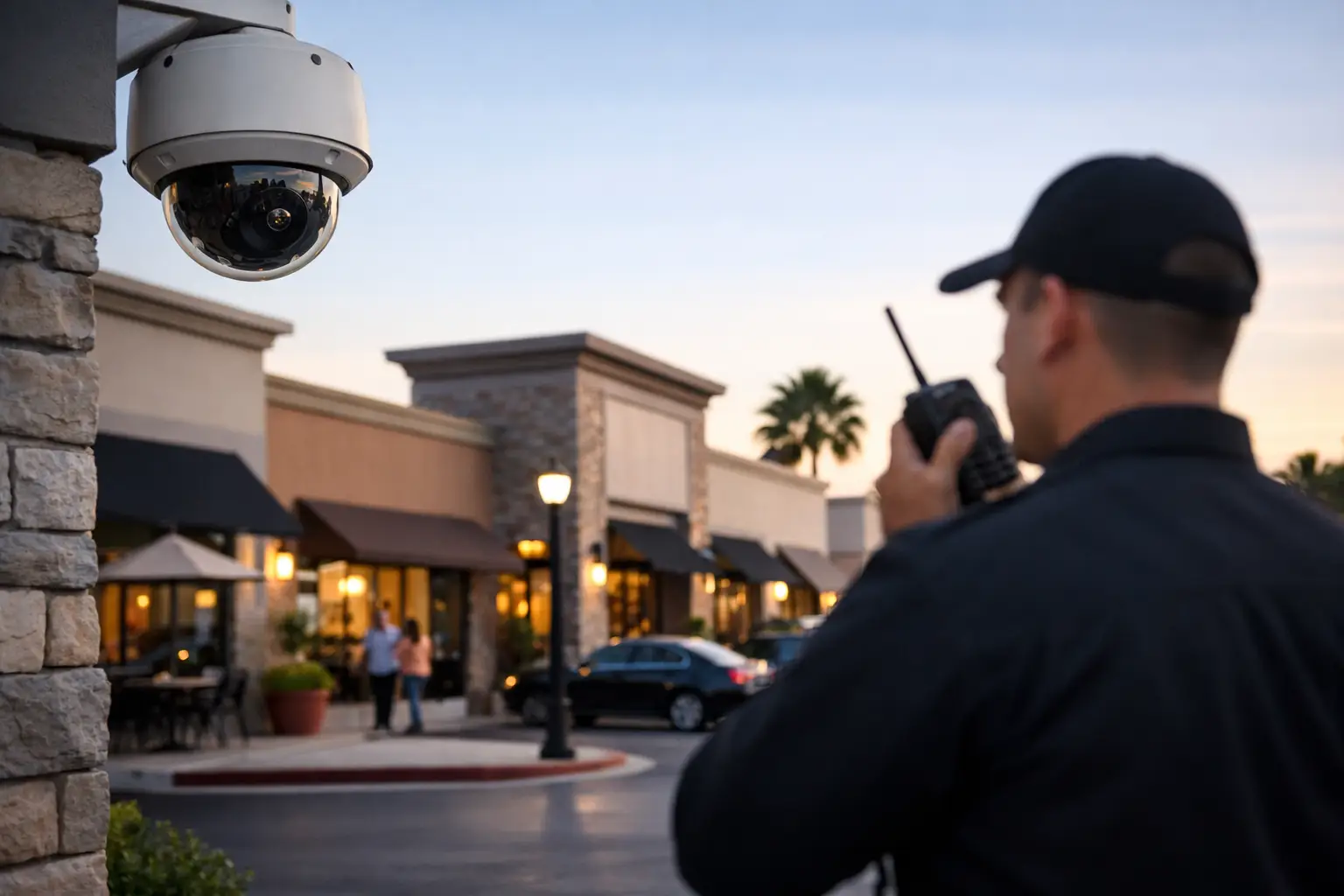
This is why a standard security schedule can leave costly gaps. A patrol that arrives at the same time every night may be easy to predict. A guard stationed only inside one tenant space cannot monitor the parking lot, rear access doors or common areas. Camera systems can record an incident, but they do not replace an on-site response when damage, trespassing or a safety issue is happening.
A useful security plan starts with the property layout and operating reality. It considers where incidents have occurred, which entrances are vulnerable, whether there are repeated loitering concerns, how lighting performs after dark and whether tenants have a clear process for reporting issues. The objective is practical: deter problems early, respond properly when they arise and leave a reliable record of what occurred.
Security Coverage for Retail Plazas Should Match the Risk
There is no single staffing model that suits every plaza. The right coverage depends on tenant mix, location, operating hours, recent incidents and budget. A busy centre with late-night restaurants may require a different approach than a small professional-services plaza that is largely vacant after 6 p.m.
Mobile Patrol for Broad, Visible Deterrence
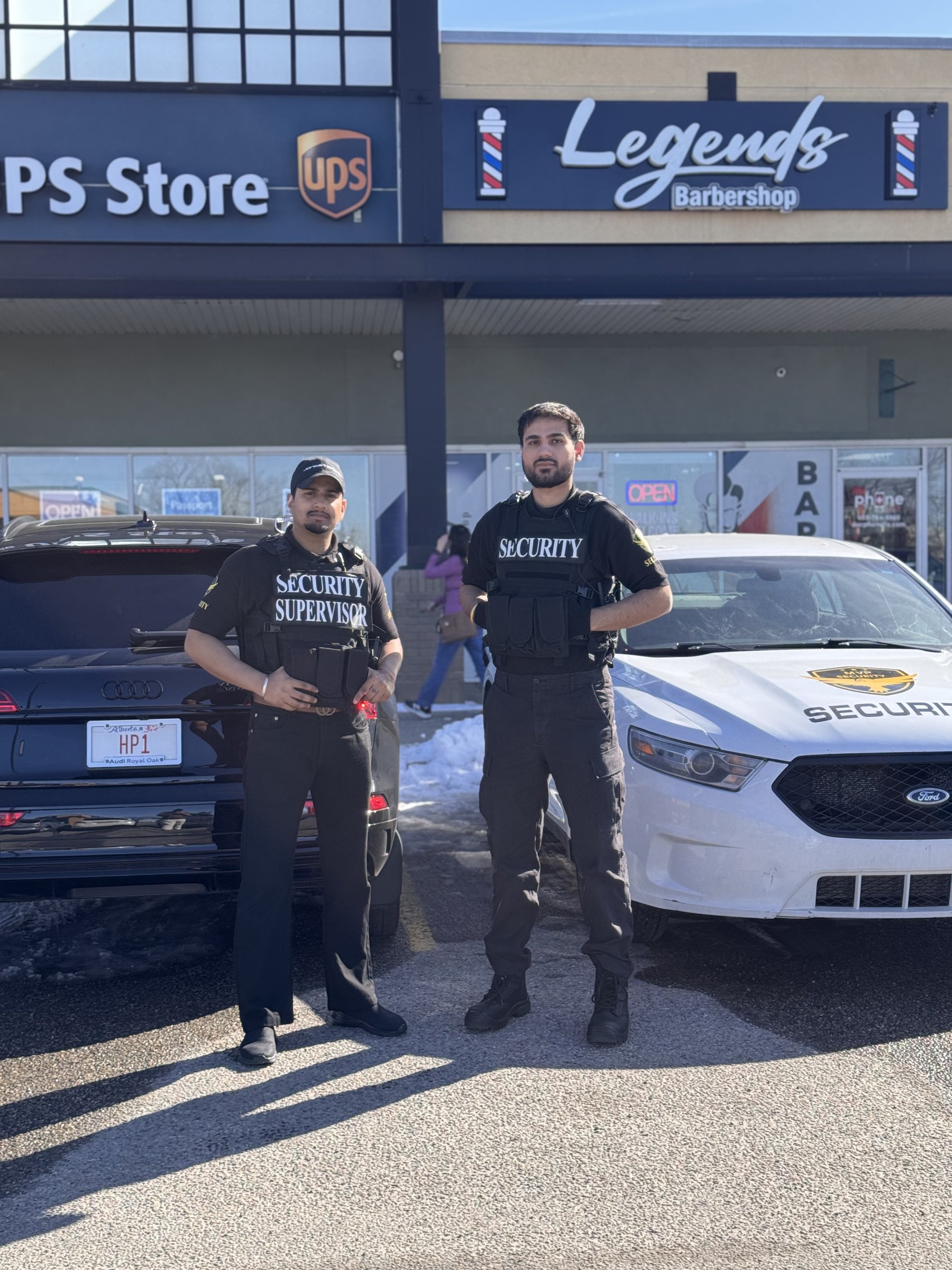
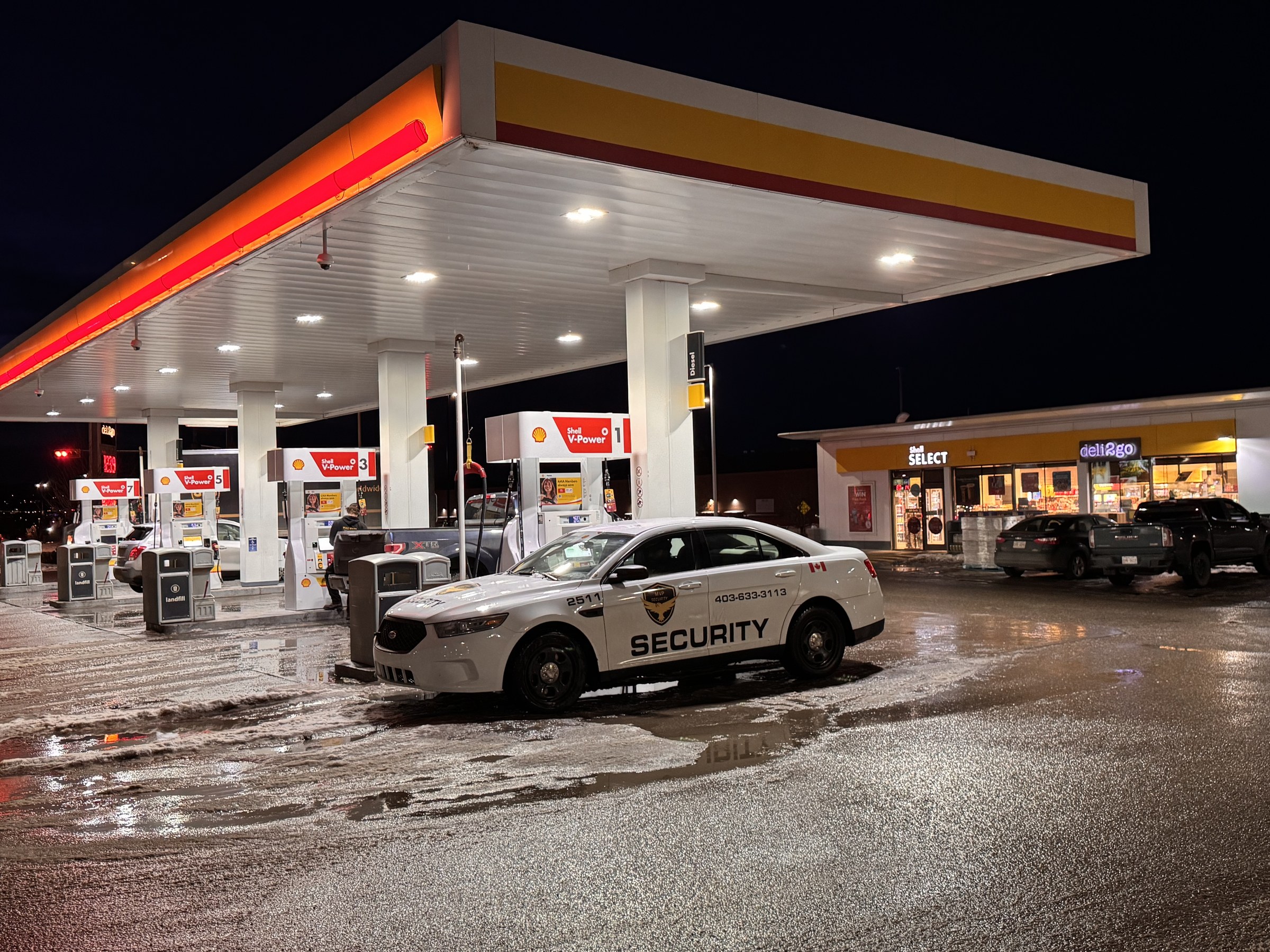
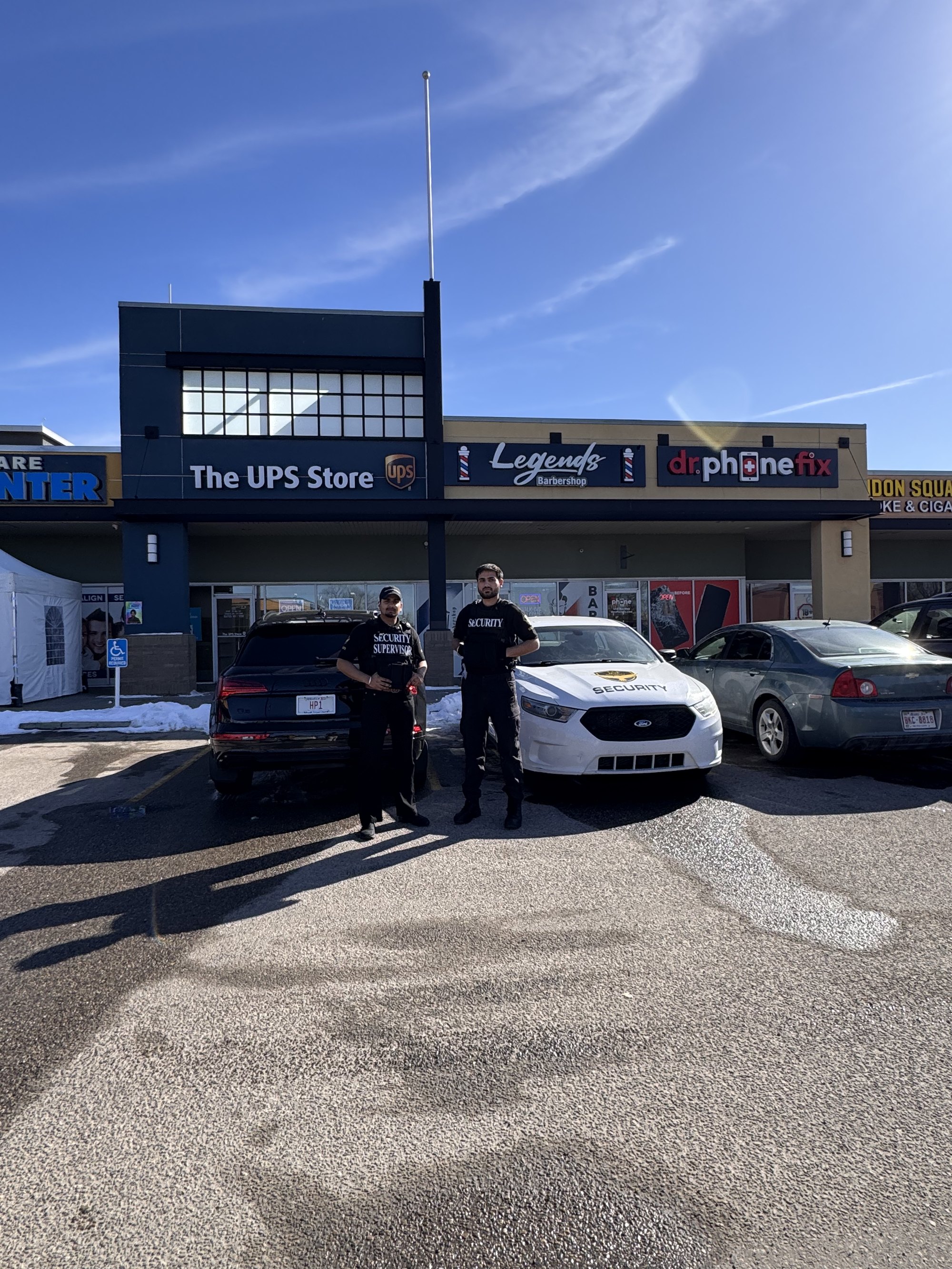
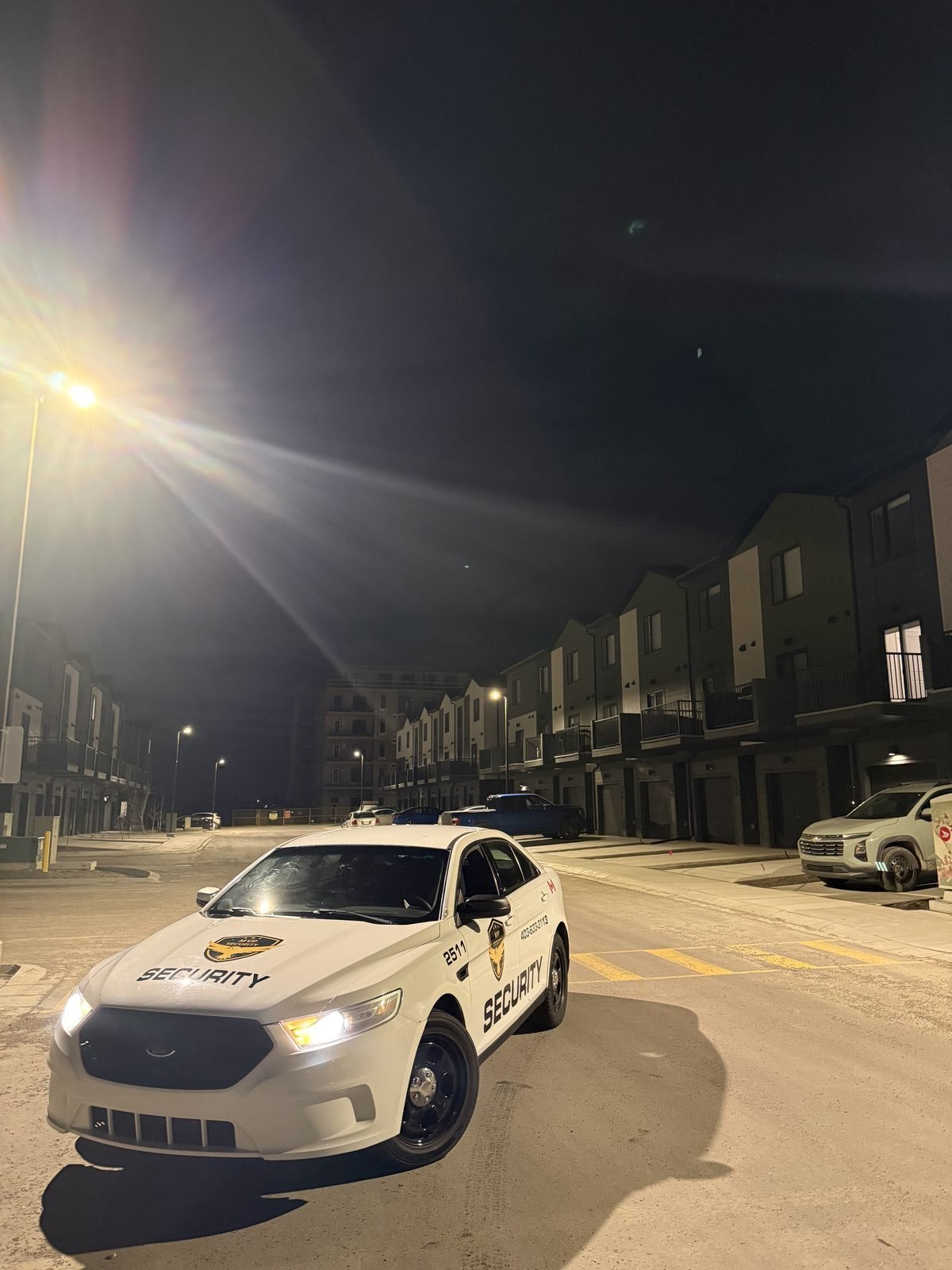
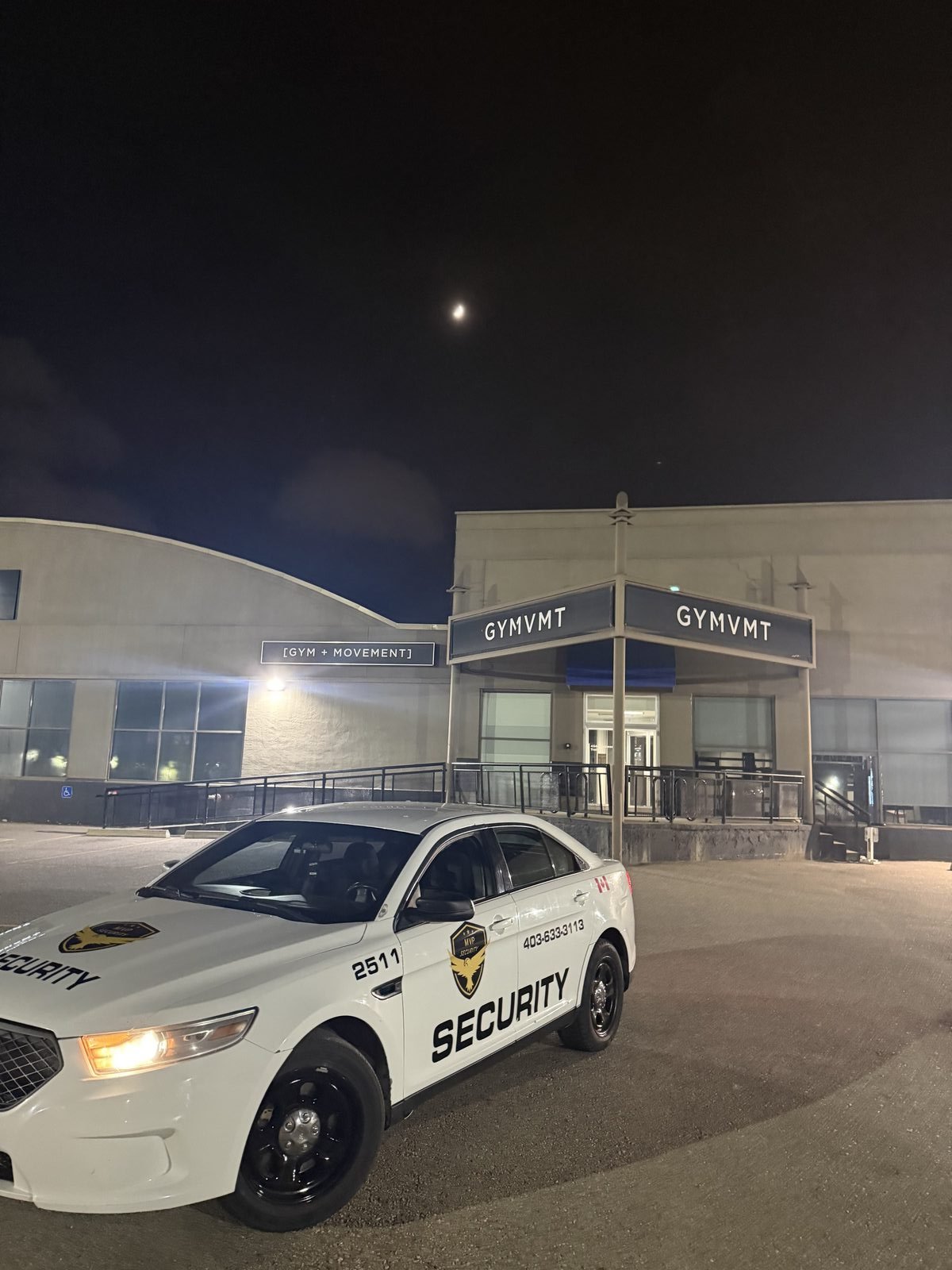
Mobile patrol is often a cost-effective option for properties that need regular exterior checks without a full-time on-site guard. A marked patrol vehicle and uniformed officer provide a visible presence in parking lots, around rear loading areas and near vacant units. Patrol officers can check doors, gates, perimeter conditions, lighting concerns and signs of attempted entry.
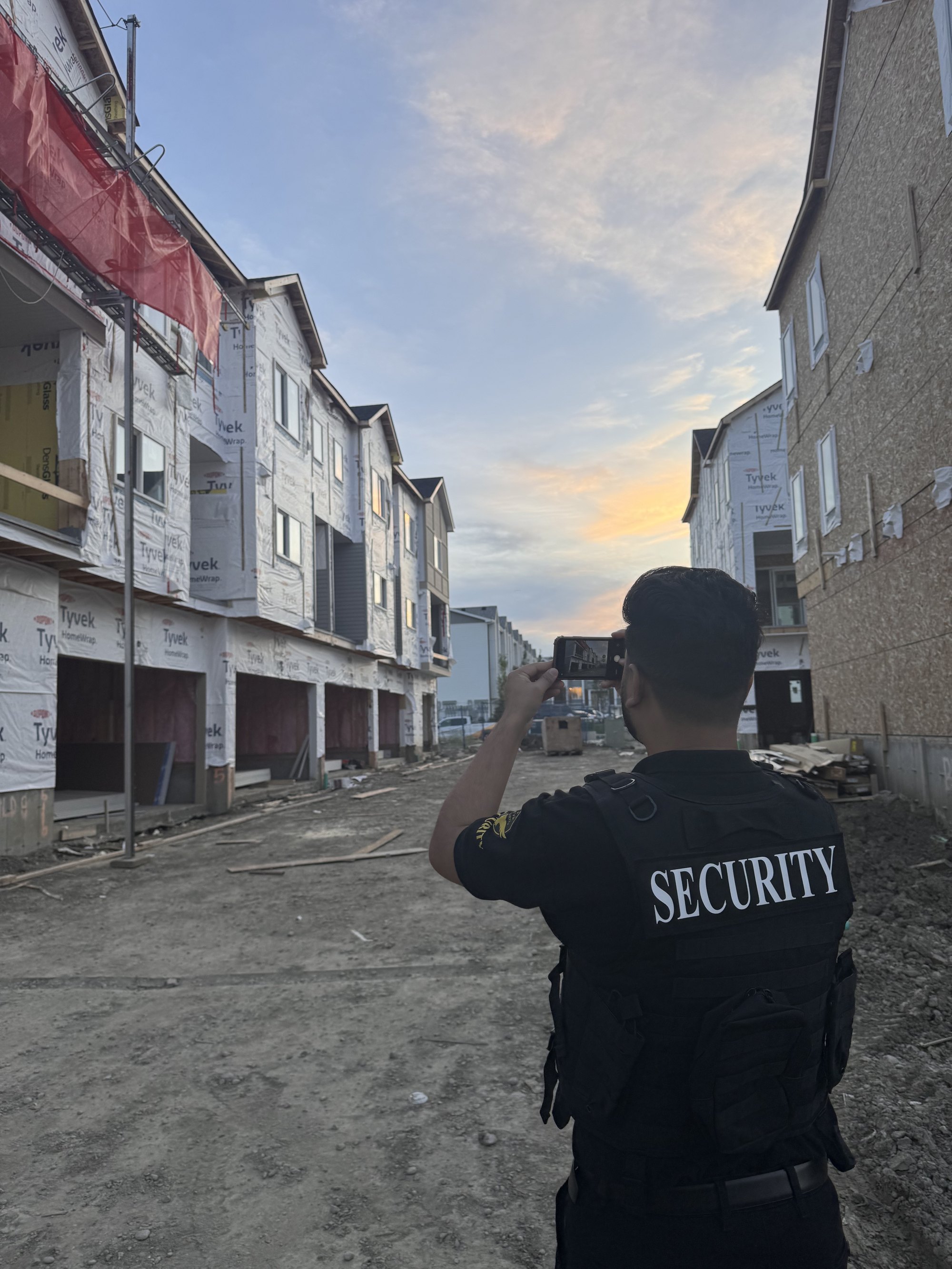
The value comes from unpredictability and accountability. Patrol timing should vary within the agreed service window, while GPS-tracked activity and photo-documented reporting give the property manager confirmation that checks were completed. If an issue is found, the officer can document it, notify the designated contact and follow the escalation procedure.
Mobile patrol is particularly effective for overnight coverage, closing checks and multi-property portfolios. It may not be enough on its own where there is persistent disorder, frequent customer conflict or a known high-theft tenant. In those cases, static guard coverage or a blended plan is often the better choice.
Static Guards for Active or High-Risk Periods
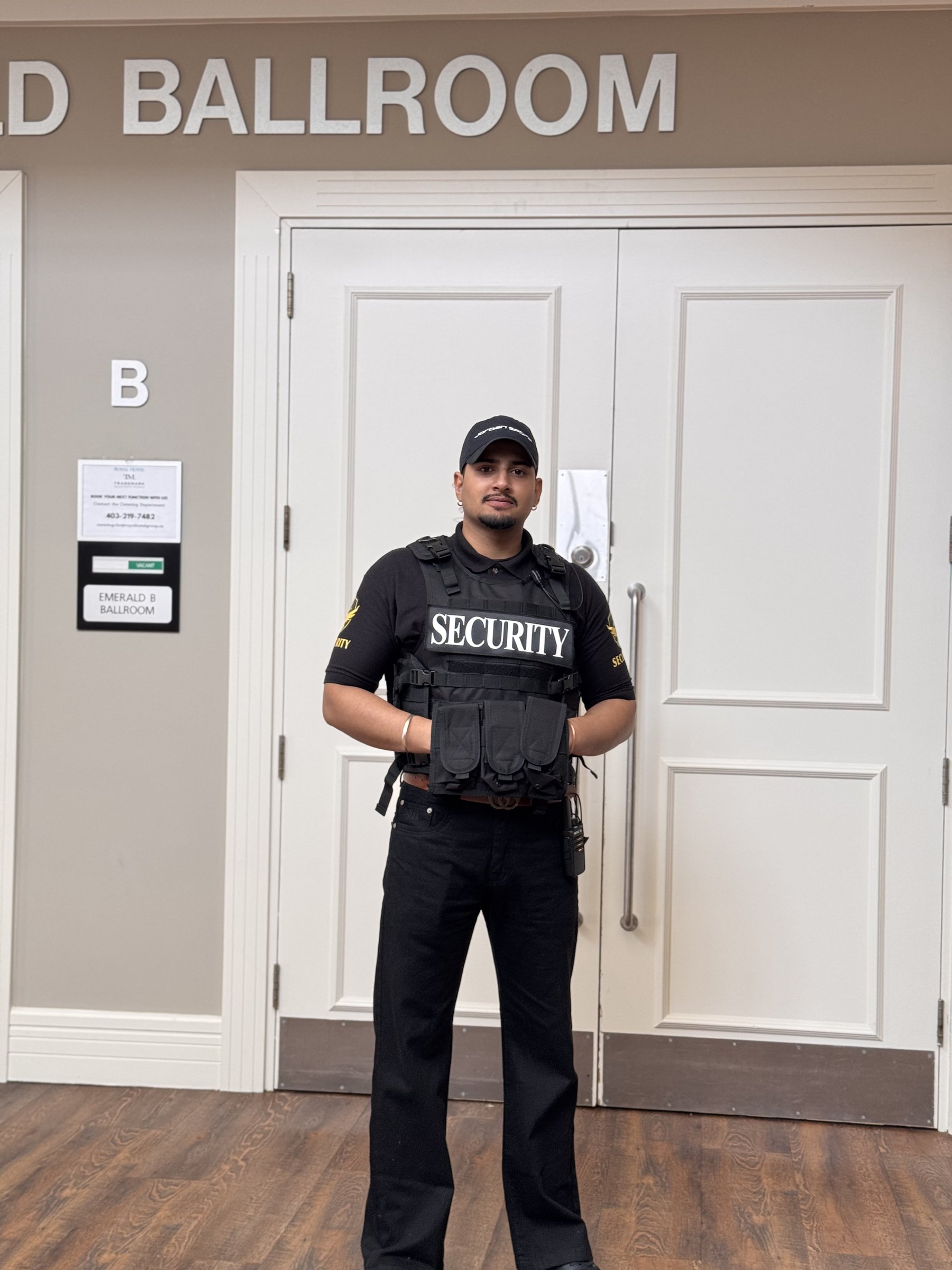
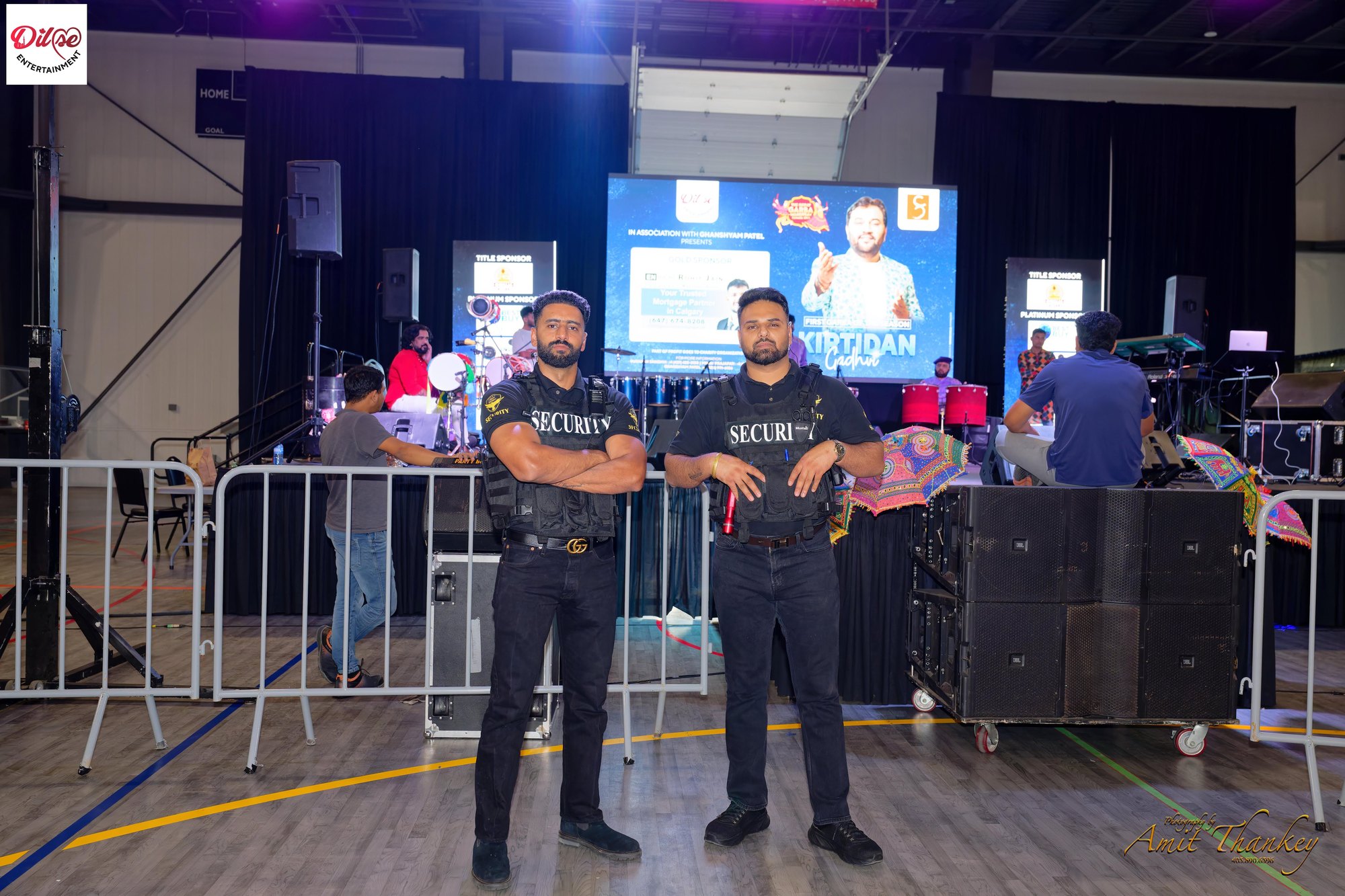
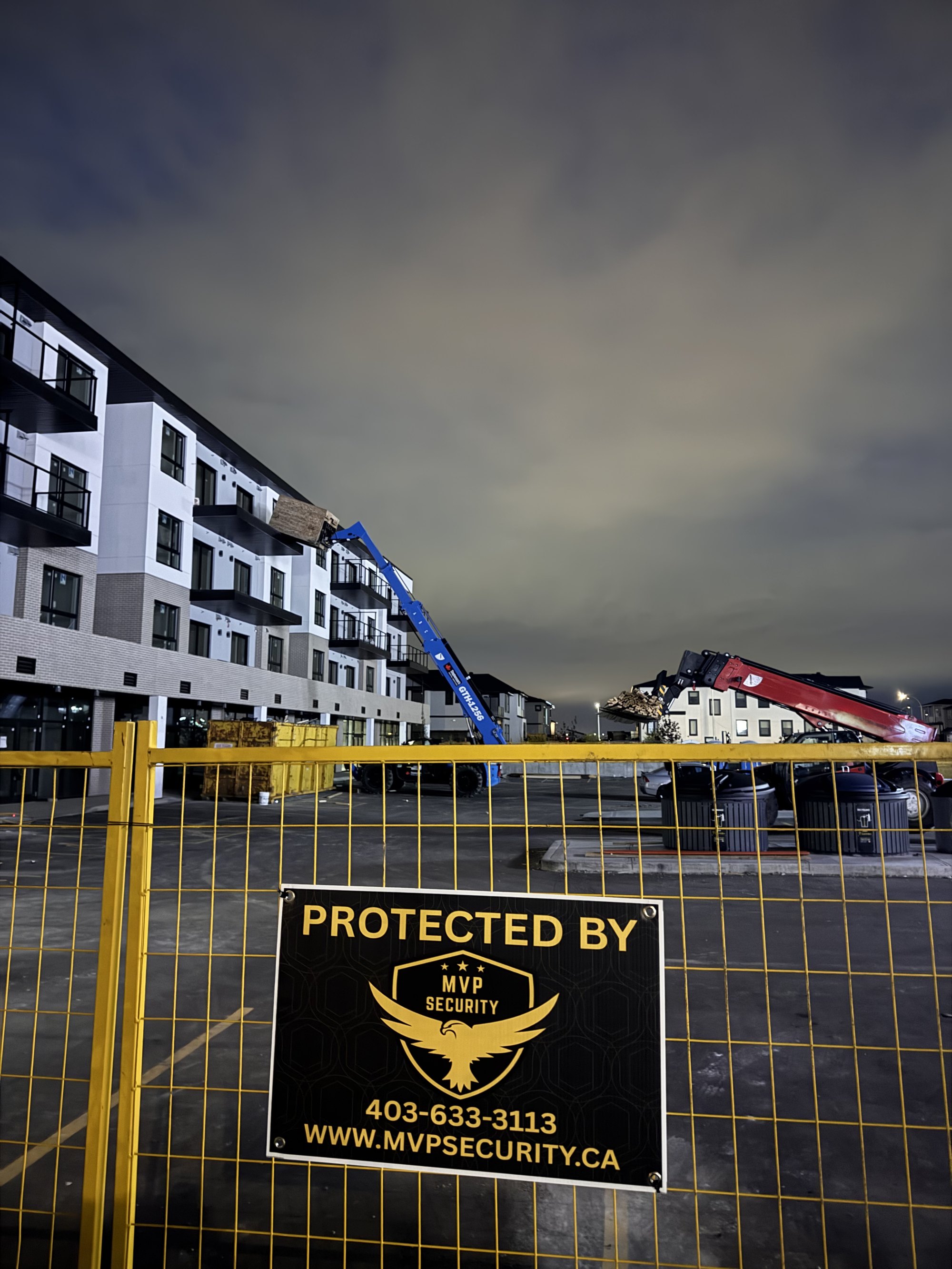
A uniformed static guard is appropriate when a plaza needs continuous observation, direct interaction with the public or immediate intervention within defined duties. This can include high-traffic weekends, holiday shopping periods, tenant openings, construction work in vacant units or periods following a series of incidents.
An experienced guard can monitor common areas, conduct foot patrols, manage access to service corridors and watch for suspicious behaviour before it becomes a loss or safety event. They can also assist tenants with incident reporting and provide a professional point of contact for customers who need help.
Static coverage costs more than periodic patrols because it requires a dedicated officer for the full shift. However, it can be the right investment when visibility, response time and consistent presence matter more than periodic checks. Coverage can also be scheduled around the hours that carry the greatest exposure rather than operating continuously.
Alarm Response and After-Hours Calls
An alarm activation can create pressure for property managers, especially late at night or during a weekend. A trained alarm response officer can attend the site, inspect the affected area, meet police or fire personnel when required, secure accessible points of entry and provide a detailed report.
This service reduces the need for a property representative or tenant to attend an uncertain situation alone. It also gives the monitoring provider a clear escalation path. For retail properties with recurring false alarms, the response plan should identify who has authority to approve repairs, contact a locksmith or arrange emergency boarding if damage is found.
What a Retail Plaza Security Plan Should Cover
A professional plan should define responsibilities before an incident occurs. It should identify emergency contacts, tenant communication procedures, access points, alarm protocols and reportable conditions. It also needs to account for the property’s busiest periods and its least visible areas.
For most retail plazas, the plan should address these operational questions:
- Which entrances, service doors, gates and utility areas require inspection?
- What should an officer do if a door is unsecured, a person is sleeping in an enclosure or a vehicle appears abandoned?
- When should the officer contact police, emergency services, the property manager or a tenant representative?
- How will incidents, damage, hazards and patrol activity be documented?
- What changes are needed during tenant turnover, renovations, holidays or special events?
The answers should be specific enough that an attending officer can act confidently without guessing. A vague instruction to monitor the property is not a workable post order. Clear instructions improve response quality and help ensure the service remains consistent across shifts.
Documentation Is Part of the Protection
Security activity that cannot be verified is difficult to manage. Property managers need more than a verbal assurance that a patrol attended. They need useful records that show the time of attendance, areas checked, observations made and actions taken.
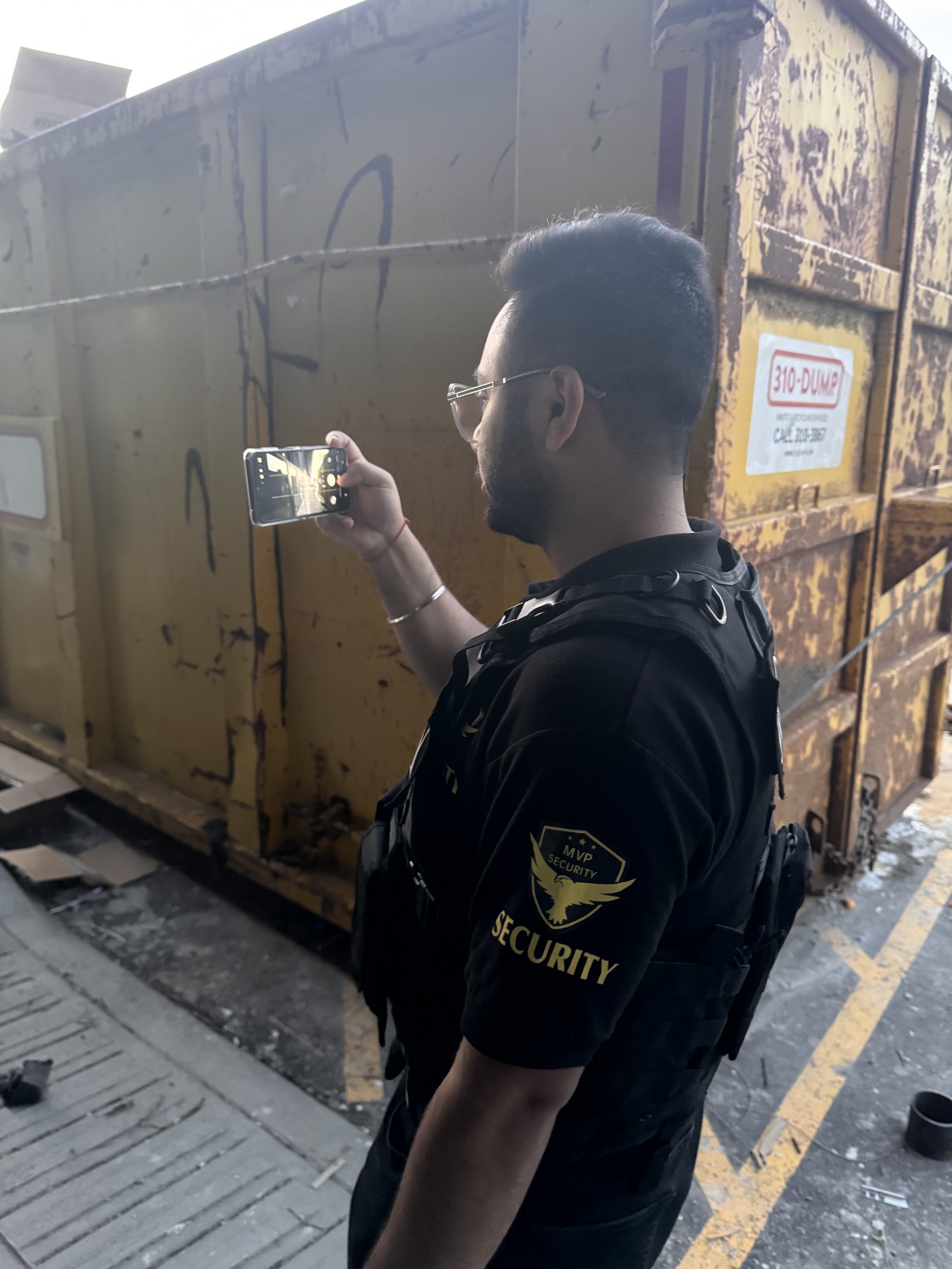
Photo-documented reports are especially valuable when addressing vandalism, illegal dumping, damaged doors, graffiti or recurring tenant concerns. They create a record for maintenance teams, insurers and ownership groups, while helping identify patterns over time. If the same rear entrance is repeatedly found unsecured, the issue may be a hardware problem, a tenant process failure or an access-control gap that needs correction.
Documentation should be prompt and clear, not padded with generic language. Good reporting identifies facts, location, time, actions and notifications. It helps a manager decide whether the next step is maintenance, tenant follow-up, police reporting or an adjustment to the security schedule.
Choosing a Security Provider in Calgary
Retail plaza security requires a provider that can deploy reliably and operate within Alberta requirements. Confirm that guards are properly licensed under the Alberta Security Services and Investigators Act, that the company is insured and that its reporting process is clear before service begins.
Local availability also matters. A provider serving Calgary, Airdrie, Cochrane, Chestermere, Okotoks and High River should be able to respond without routing every issue through a distant dispatch model. Ask how emergency coverage is handled, whether patrol activity is GPS tracked and how quickly incident reports are delivered.
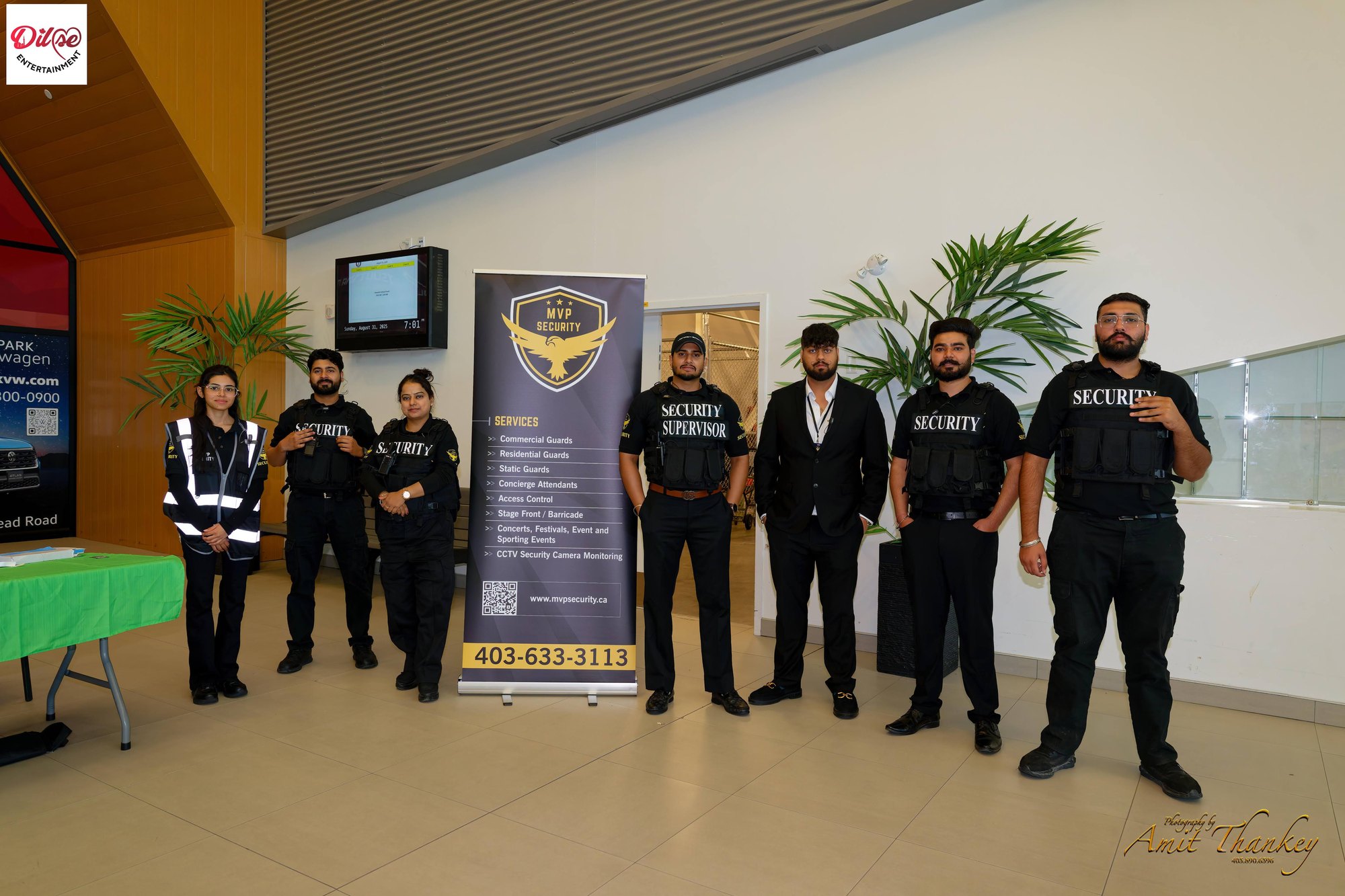
MVP Security Inc. builds retail coverage around the property’s hours, tenant mix and documented risk areas. That may mean mobile patrol for overnight deterrence, a static guard during high-traffic periods, alarm response for after-hours calls or a combination of services that can change as site conditions change.
Review Coverage After Incidents and Seasonal Changes
A security plan should not remain fixed simply because it was effective when it started. A new late-night tenant, a vacant unit, construction activity or a rise in vehicle break-ins can change the plaza’s exposure quickly. Winter also affects sightlines, parking patterns and the use of sheltered areas around the property.
Review incident reports regularly with the security provider. Look for repeated locations, times and behaviours rather than treating each call as isolated. Small adjustments, such as changing patrol timing, adding a closing check or increasing visibility near a rear corridor, can often address a pattern before it becomes a larger problem.
The best coverage is the coverage tenants notice, offenders reconsider and property managers can verify. Start with the areas where your plaza is most exposed, set clear response expectations and make sure every patrol leaves behind evidence that the work was done properly.