








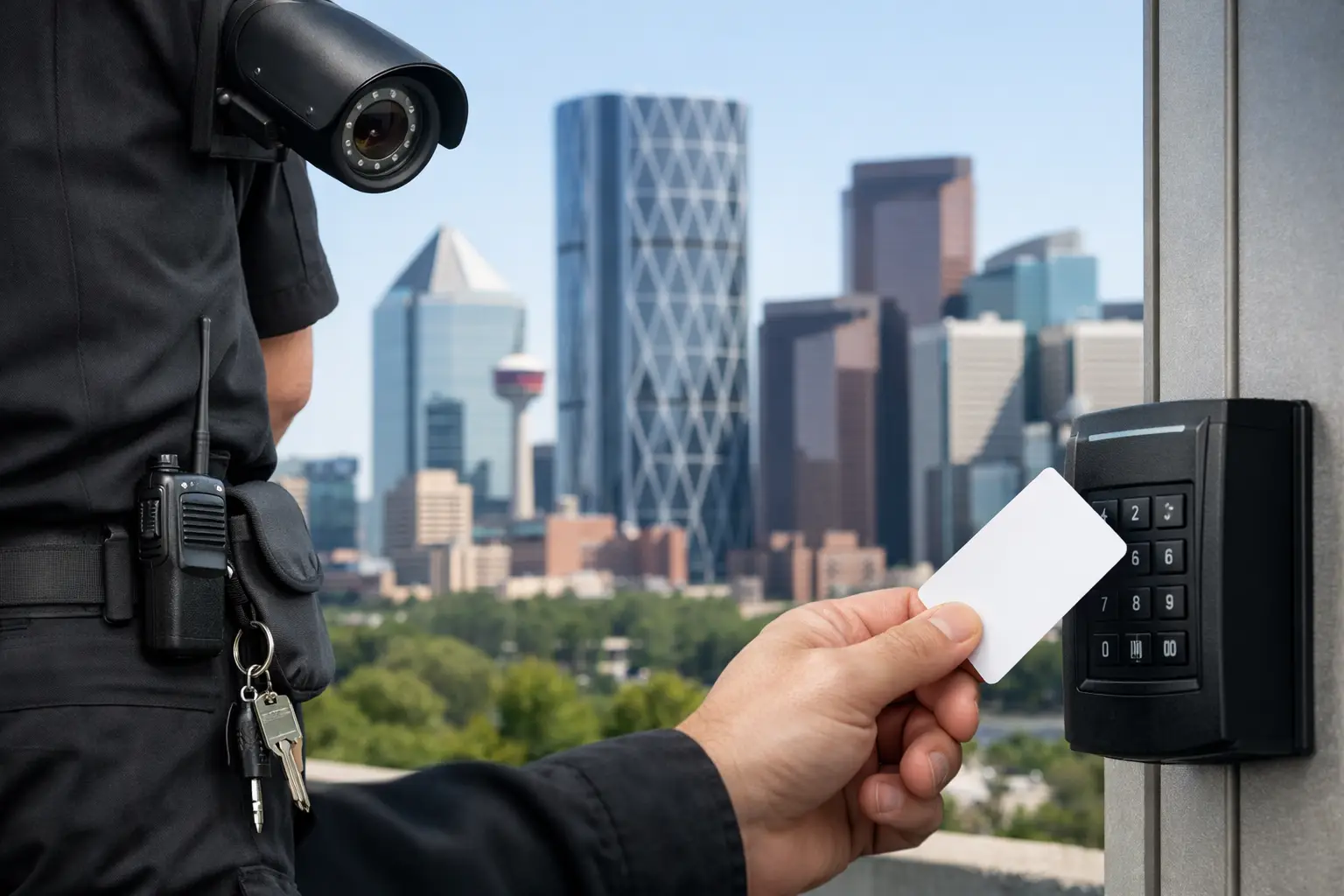
An office tower does not need the same security plan at 2:00 p.m. on a Tuesday as it does at 2:00 a.m. on a long weekend. That is where security for office buildings Calgary property managers rely on tends to succeed or fail - not in the brochure, but in how well the coverage matches the actual rhythm of the site.
For commercial properties in Calgary, security is rarely about one problem. It is usually a mix of after-hours trespassing, unauthorized access, nuisance activity in parkades, alarm events, tenant concerns, and the constant pressure to keep the building open, professional, and well managed. A good security program addresses those issues without overstaffing the site or leaving obvious gaps.
What security for office buildings in Calgary should actually cover
Office building security is often reduced to a front desk presence or a patrol car looping through the lot. Sometimes that is enough. Often it is not.
A practical plan starts with the building itself. A downtown office tower with multiple tenant floors, public elevators, underground parking, and evening cleaning crews has a different risk profile than a suburban professional building with limited public access and shorter operating hours. The point is not to buy the biggest package. The point is to match the service to the real exposure.
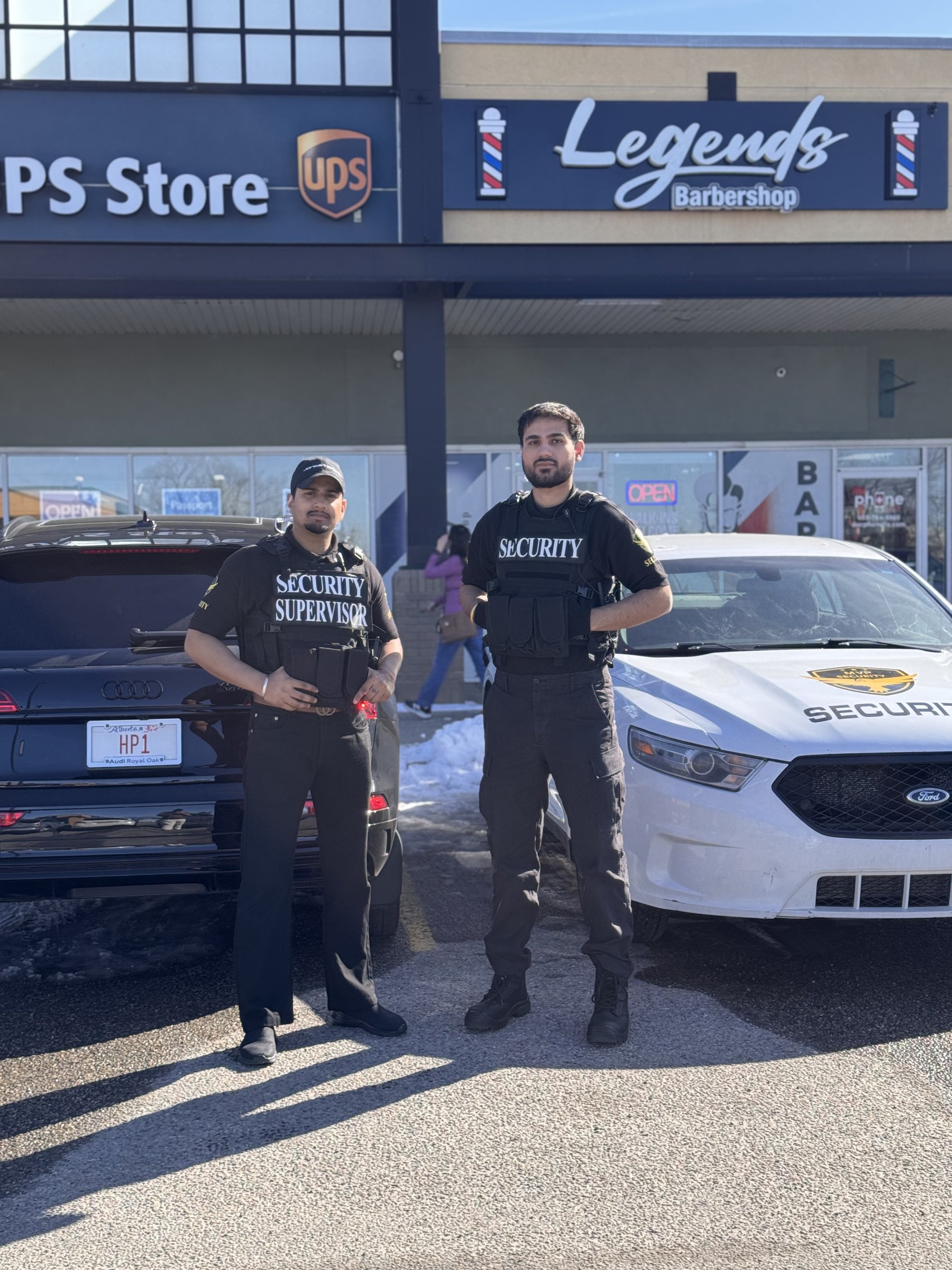
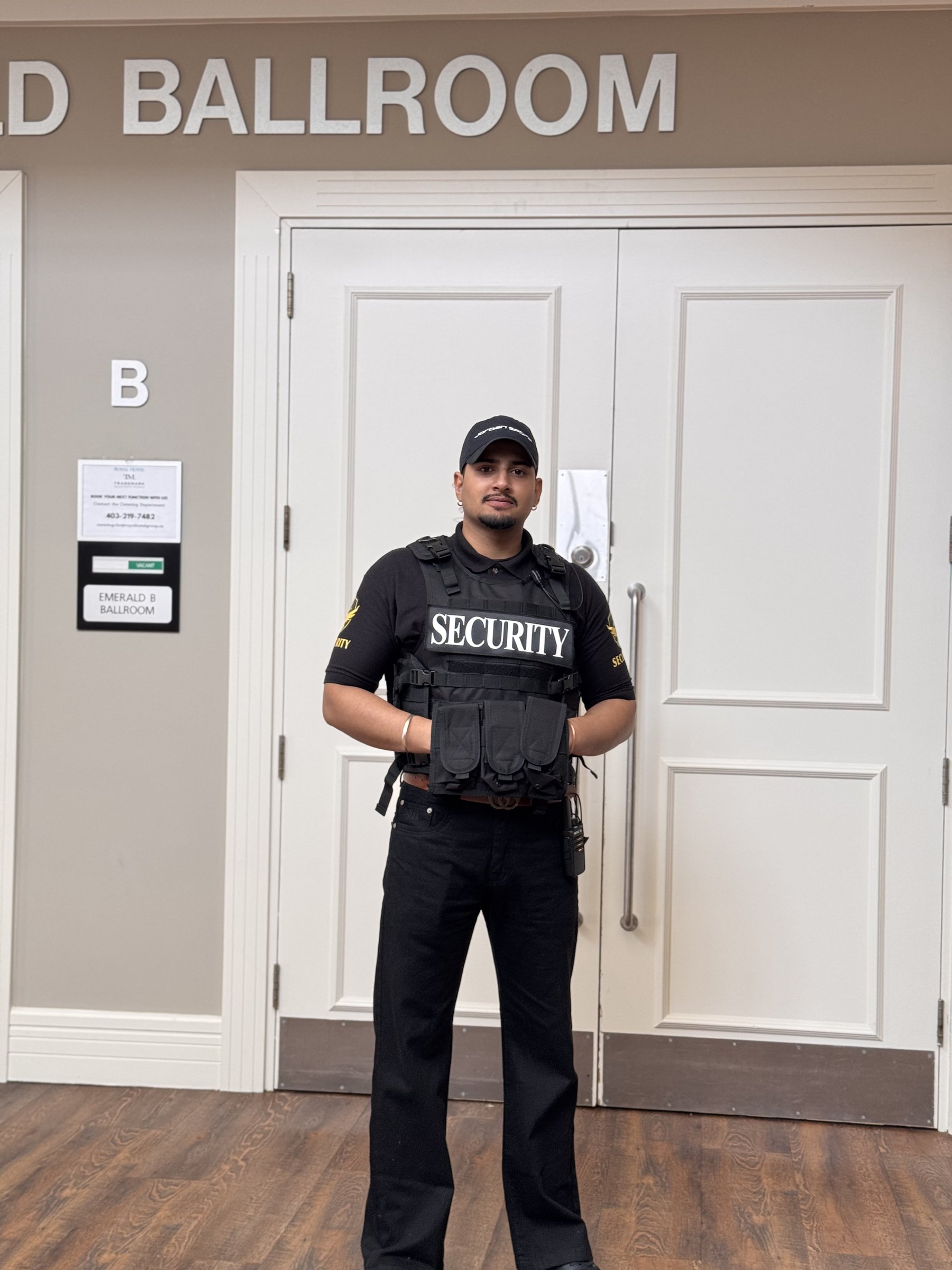
That usually includes access control at key entry points, visible uniformed presence, scheduled patrols, incident reporting, and clear alarm response procedures. In some buildings, concierge-style coverage during business hours makes sense because visitor management and tenant service matter as much as deterrence. In others, mobile patrols after hours are the better fit because the biggest losses happen overnight.
Why Calgary office properties face specific security pressure
Calgary office properties deal with a mix of urban and suburban challenges. Downtown and inner-city buildings may see more transient traffic, attempted unauthorized entry, and late-night activity around loading zones or parkades. Properties outside the core may deal more with isolated parking lots, break-in attempts, vandalism, and slower informal oversight after business hours.
Weather also changes the picture. During colder months, lobbies, vestibules, and underground access points can attract loitering or shelter-seeking behaviour. That creates operational and liability concerns for property managers, especially when tenants expect a professional environment and staff need to feel safe arriving early or leaving late.
Calgary buildings also tend to operate on mixed schedules. One tenant may close at 5:00 p.m., while another runs evening appointments or weekend staff. Security has to account for that. A rigid plan that treats the whole building the same at all hours can frustrate tenants or miss problem windows entirely.
The most effective office building security model is layered
Single-point security usually leaves blind spots. A building that relies only on cameras still needs someone to respond. A site that relies only on a static guard may still miss exterior activity, remote access points, or parkade issues if patrol routines are weak.
The stronger model is layered. That may mean a daytime concierge or access control guard, combined with mobile patrols in the evening and overnight alarm response after hours. It may also mean adding targeted checks of stairwells, vacant units, loading areas, and underground parking during known risk periods.
This is where site-specific planning matters. If package theft is happening through a service corridor, the answer is different than if the issue is aggressive behaviour in the lobby or recurring break-ins at the parkade entrance. Security should be built around patterns, not assumptions.
Static guards vs mobile patrol for office buildings
There is no universal answer here. Static guards are well suited to buildings that need constant presence, controlled entry, visitor screening, contractor oversight, or immediate in-person intervention. They also support tenant confidence because people can see that the property is actively managed.
Mobile patrol is often the more cost-efficient option for properties that do not need a full-time on-site guard but still require visible deterrence, lock-up checks, alarm response, and documented patrol activity. For multi-tenant office properties with predictable after-hours risk, mobile patrol can cover a lot of ground efficiently.
In many cases, the best result comes from combining both. A building may need staffed access control during business hours and patrol-based coverage overnight. That approach protects the property when traffic is high and keeps costs more controlled when the building is largely empty.
Access control is not just a technology issue
Access systems matter, but they do not solve poor site discipline. Fobs get shared. Doors get propped open. Visitors get waved through. Trades arrive outside scheduled windows.
That is why access control works best when it is supported by personnel and procedure. A trained guard or concierge can verify visitors, monitor irregular movement, challenge unauthorized entry attempts, and document issues before they become repeat problems. That accountability is hard to replace with hardware alone.
What property managers should look for in security for office buildings Calgary wide
The first thing to look for is compliance and professionalism. Guards should be Alberta licensed and the provider should be properly insured. That is basic, but it still matters because office building security often involves direct public interaction, incident handling, and reporting that may be relied on later.
The second is responsiveness. If an alarm goes off, a tenant reports suspicious activity, or a door is found unsecured, speed matters. A local company with active Calgary deployment can usually respond more effectively than a provider managing coverage from outside the market or stretching teams too thin across too many accounts.
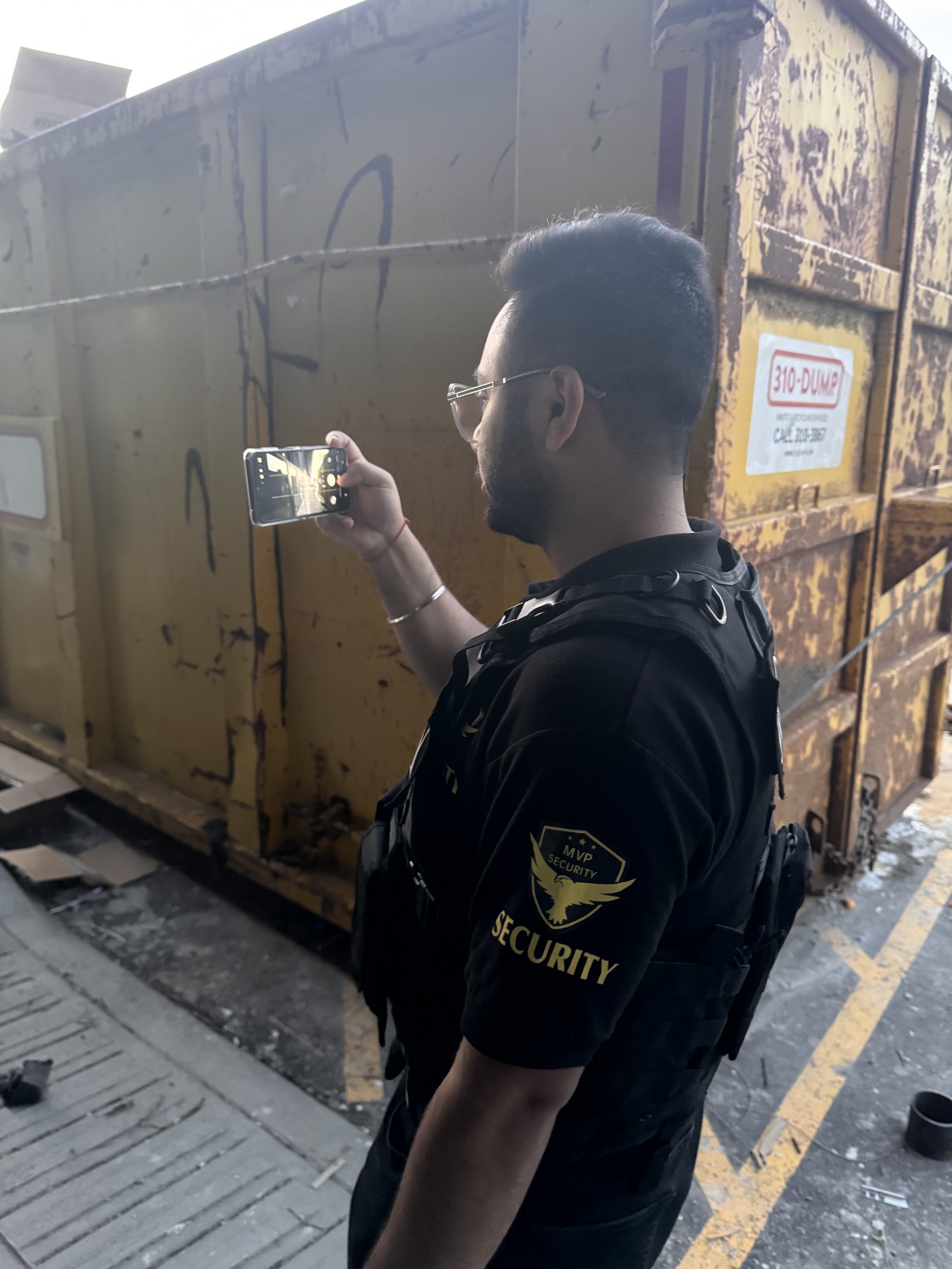
The third is documentation. Verbal updates are not enough for commercial properties. Property managers need clear incident reports, patrol verification, and photo-supported documentation when something happens on site. That helps with tenant communication, internal records, and insurance-related questions if an event leads to loss or damage.
The fourth is flexibility. A building may need routine coverage most of the year but require extra staffing during tenant moves, construction phases, vacancy periods, or after a security incident. Security providers should be able to adjust coverage without turning a simple operational need into a long delay.
Common gaps that lead to avoidable incidents
Many office buildings are not undersecured everywhere. They are undersecured in one or two predictable areas that never got proper attention.
Parkades are a common example. They are often out of sight, lightly trafficked, and vulnerable to unauthorized entry. Loading docks and service corridors are another. These spaces are operationally important but easy to overlook until theft, vandalism, or a safety complaint forces action.
Another gap is relying on cameras without a response plan. Footage can help after the fact, but if no one is dispatched when suspicious activity is observed, the practical value is limited. The same applies to alarm systems. An alarm that rings without a dependable response process is only part of the solution.
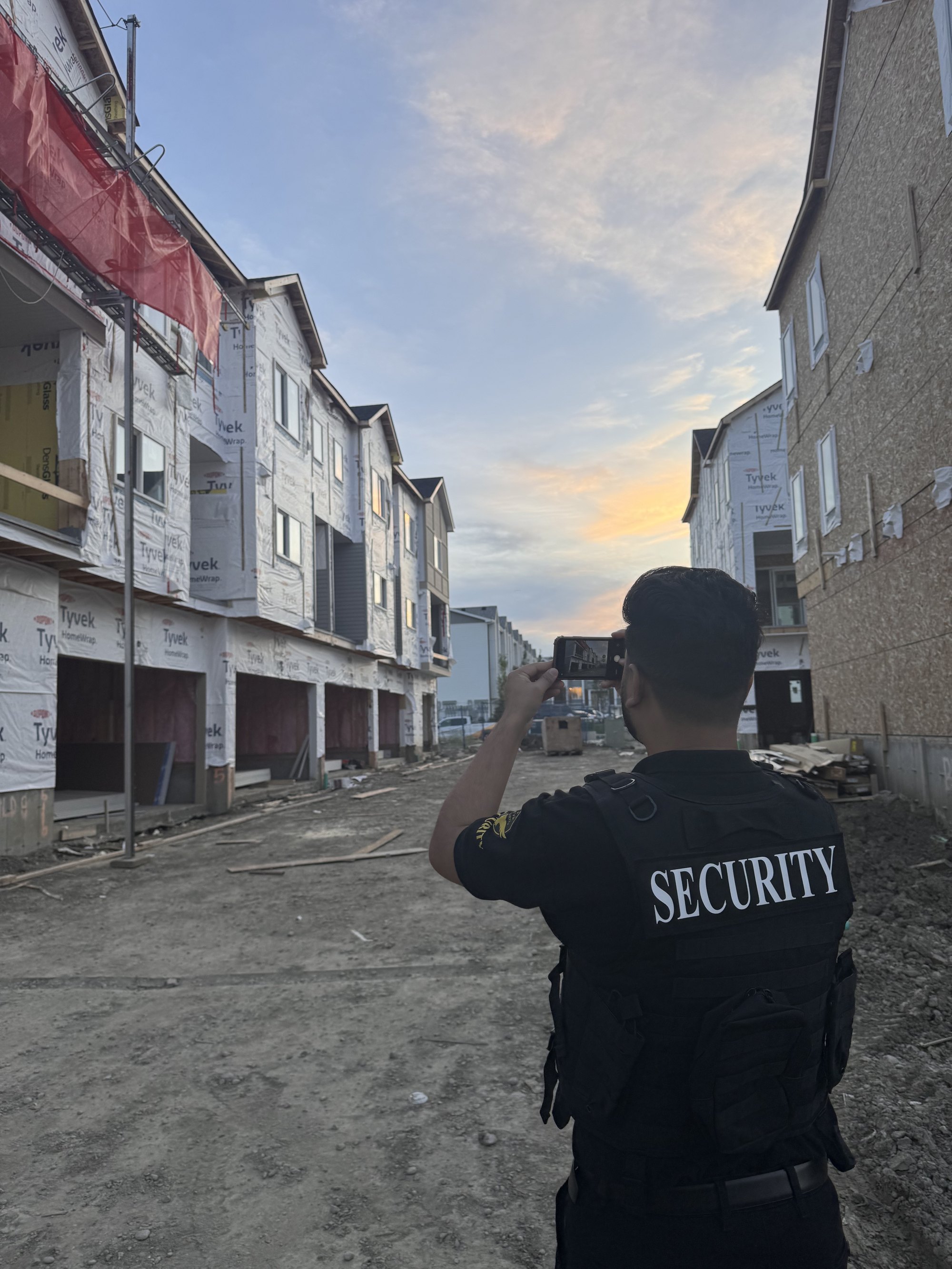
There is also the issue of inconsistent guard performance. Property managers often assume they have coverage because a contract exists, but poor supervision, weak reporting, or missed patrols can leave the site exposed. That is why GPS-tracked patrol activity and documented reporting matter. They create accountability and give the client visibility into what is actually happening on site.
Building a security plan that fits your hours, tenants, and budget
A good office building security plan should be realistic. Not every property needs 24/7 on-site staffing. Not every building can rely on occasional patrols either.
The right scope depends on occupancy, layout, tenant expectations, incident history, and operating hours. A class A office property may need a polished front-of-house presence during the day and controlled access after hours. A smaller office complex may be better served by lock-up patrols, overnight checks, and alarm response. If there is active construction or renovation in part of the building, temporary added coverage may be the right move until the work is complete.
This is where working with a local provider helps. A Calgary-based team can assess neighbourhood patterns, travel times, recurring site issues, and realistic response expectations. That leads to better staffing decisions and fewer generic recommendations. For property managers who need a dependable, tailored program, that local accountability is often the difference between coverage that looks adequate on paper and coverage that performs when something actually happens.
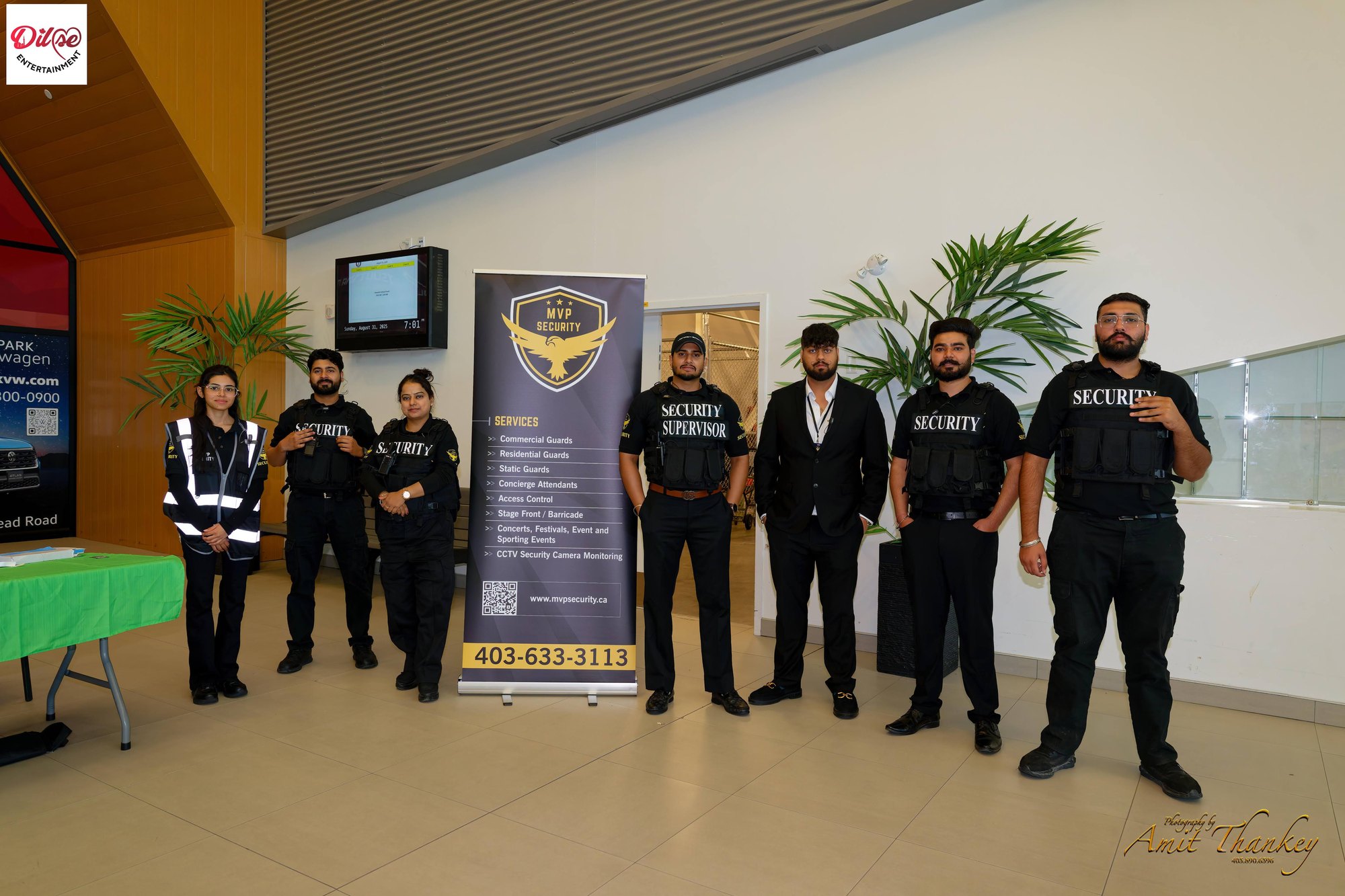
MVP Security Inc. is built around that kind of practical deployment - licensed guards, mobile patrol, access control, alarm response, and documented reporting designed around the site, not around a standard package.
The best time to review office building security is before the next incident, not after a tenant complaint, a break-in, or a preventable after-hours issue. When the coverage fits the building, security becomes part of smooth operations, and that is exactly how it should feel.