















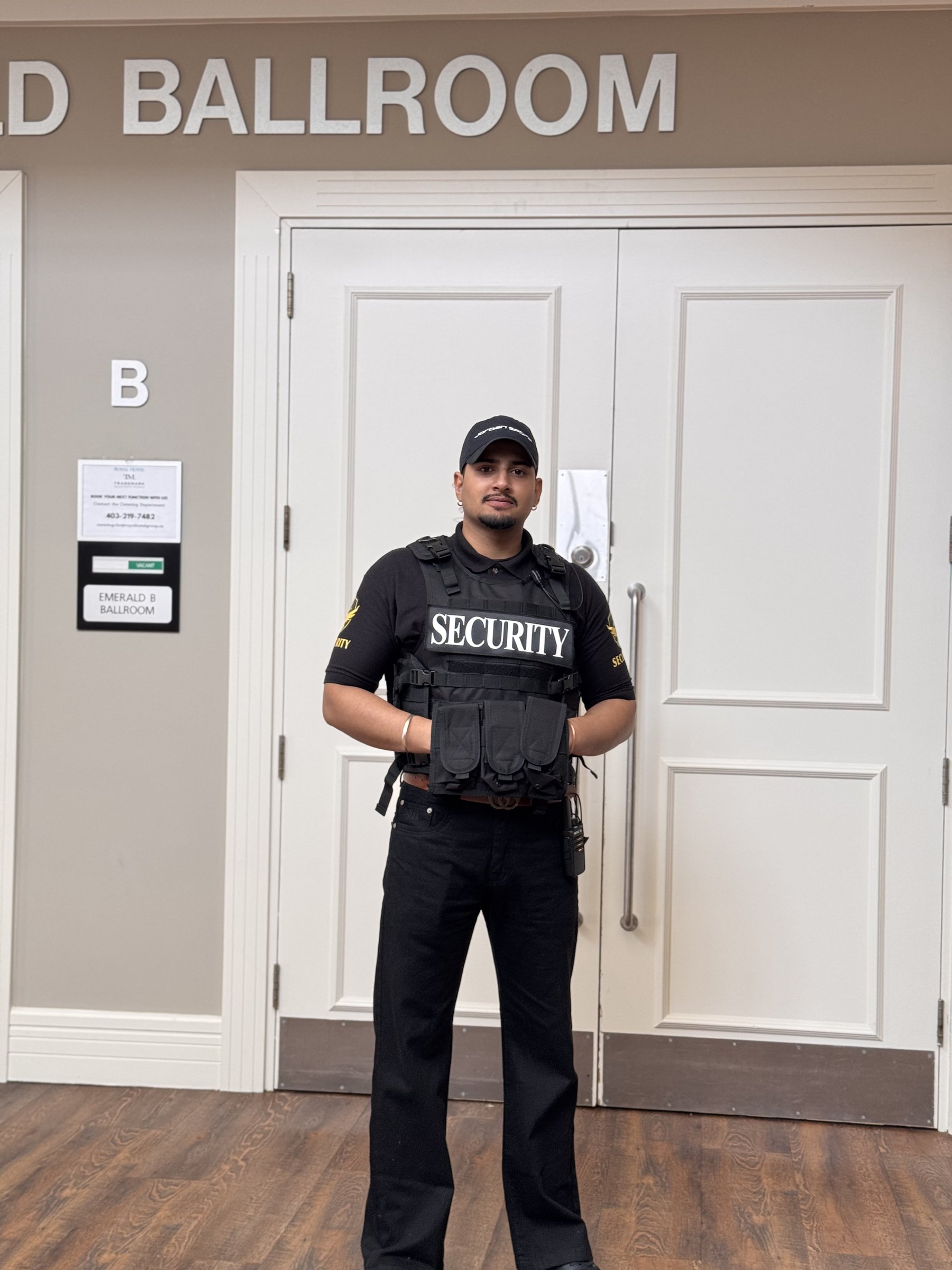
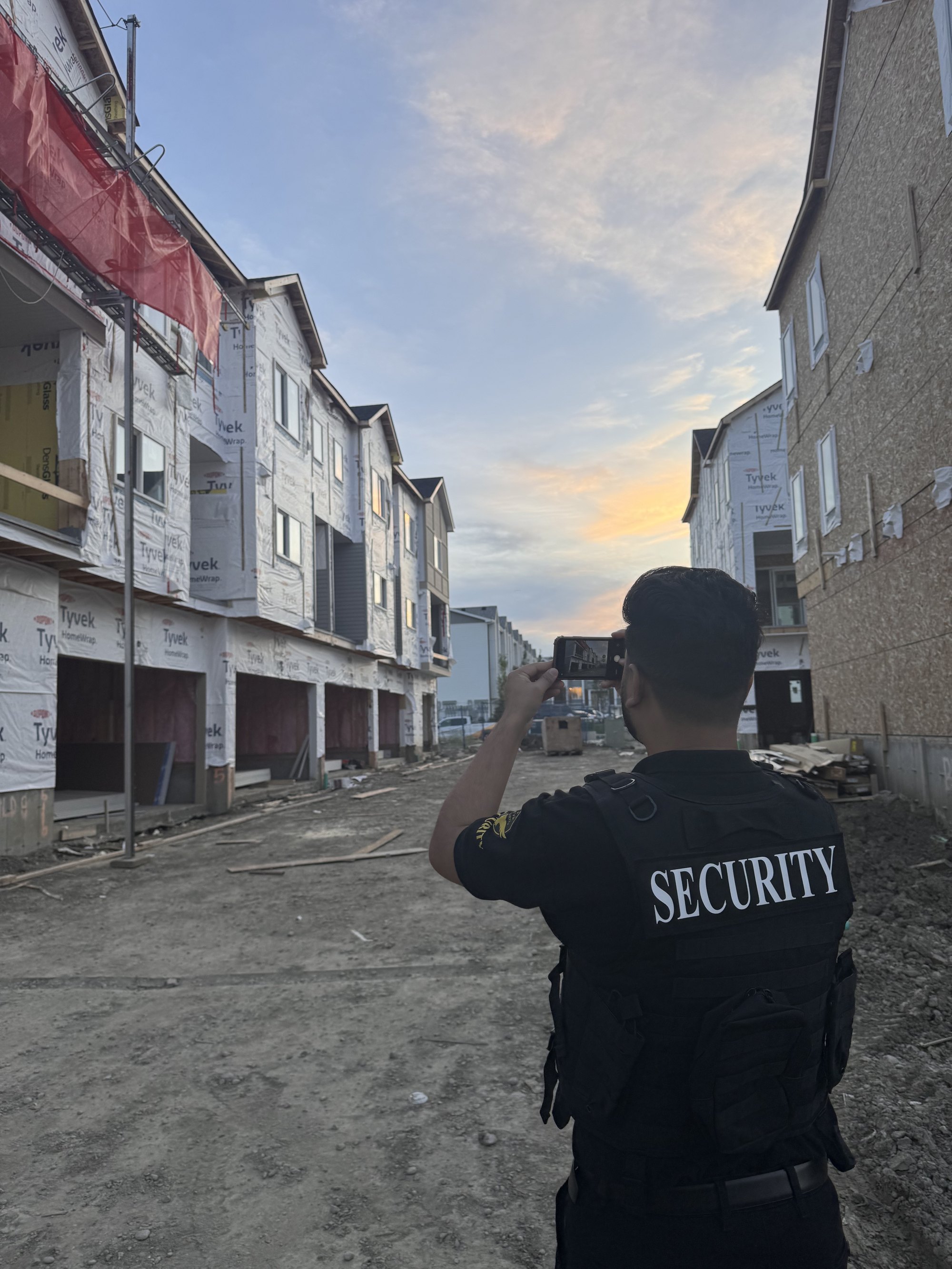


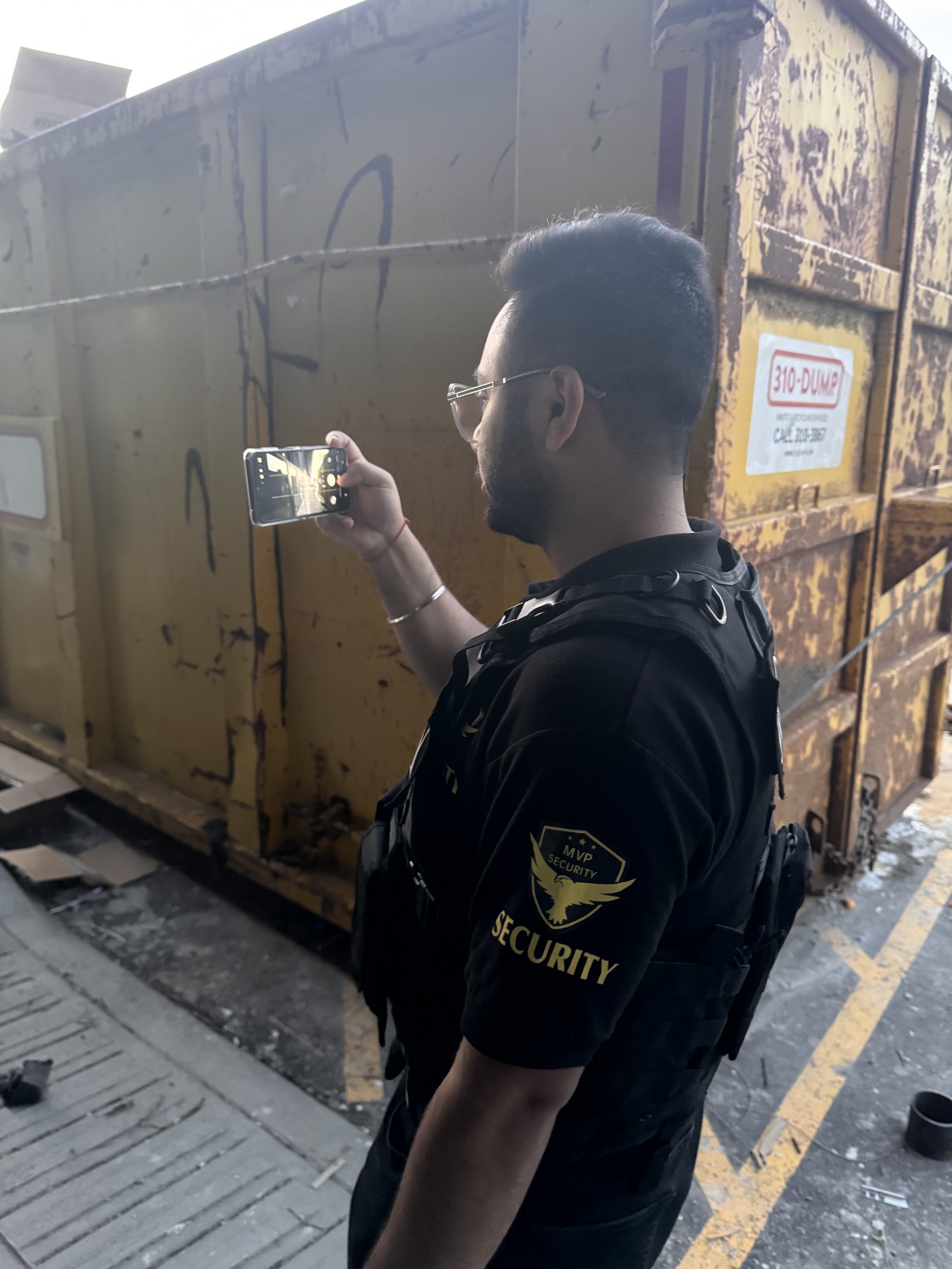
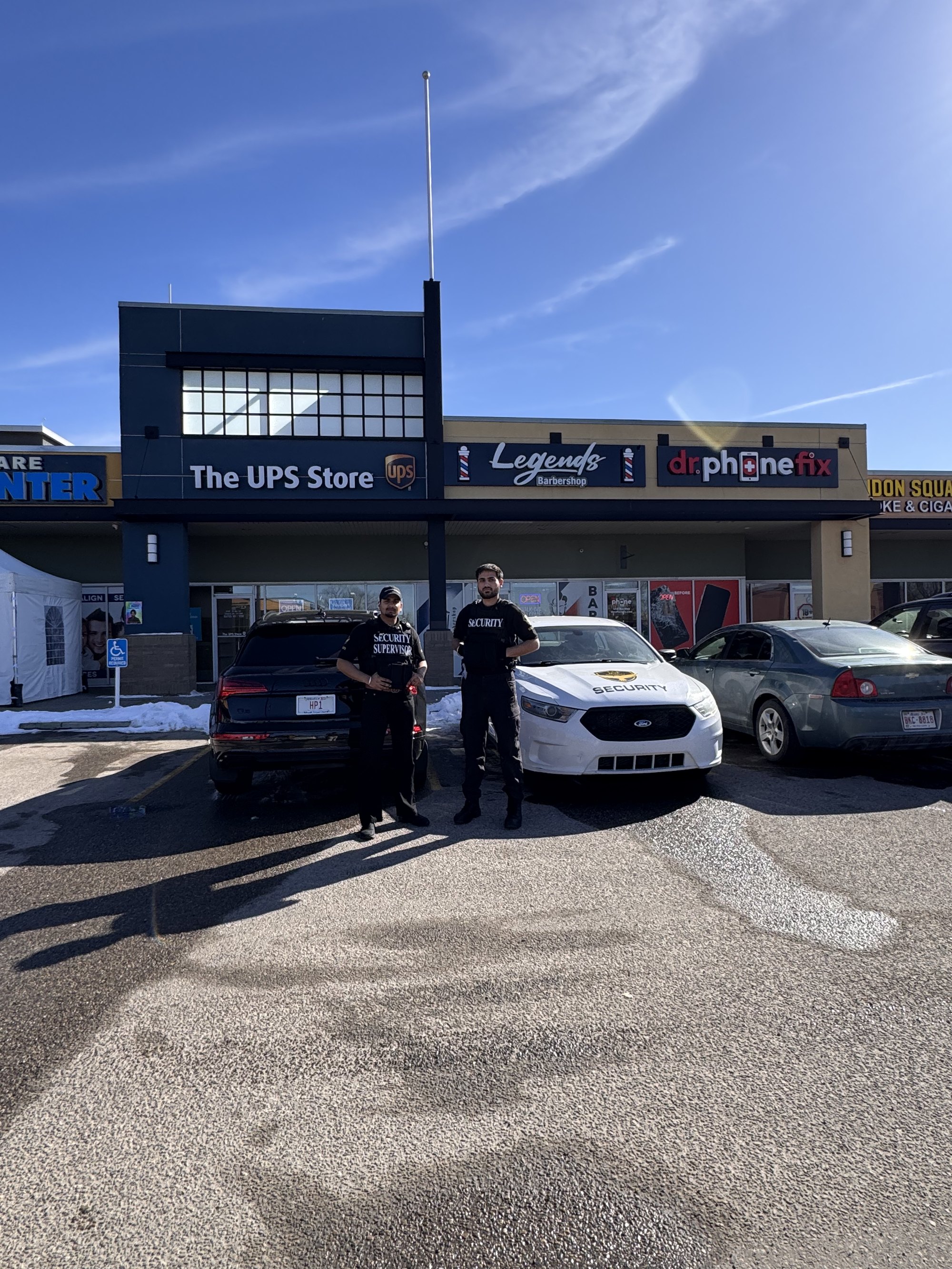

A security contract should answer a practical question before an incident answers it for you: who is responsible, what will they do, and what happens when the plan is tested at 2 a.m.? This security guard contract guide is built for Calgary property managers, builders, retail operators, event organizers, and site supervisors who need coverage that is clear on paper and reliable in the field.
The lowest hourly rate can look attractive until missed patrols, vague reports, untrained staff, or delayed dispatch create a larger operational problem. A useful contract does more than set a price. It turns your site risks, coverage hours, reporting requirements, and escalation procedures into measurable expectations.
Start With the Site Risk, Not the Guard Rate
Before comparing proposals, define what the security program is meant to prevent or manage. A downtown commercial building with after-hours access concerns needs a different approach than an active construction site facing copper theft, vandalism, or equipment damage. A condominium may need concierge support and visitor management, while an event may need crowd-control positions, entry screening, and a clear incident command structure.
Document the areas that need protection, the times when risk is highest, the number of entrances, key holders, alarm procedures, known problem areas, and any rules that apply to tenants, contractors, or visitors. If a guard will be expected to manage vehicle access, check fire panels, conduct perimeter patrols, or assist with evacuation procedures, those duties should be stated plainly.
This work also helps avoid overbuying. A static guard at one entrance may be the right choice for a busy residential tower. For a vacant building or a large industrial yard, scheduled and randomized mobile patrols may provide better value. The right model depends on the consequences of a gap in coverage, not on a one-size-fits-all package.
What a Security Guard Contract Should Include
A strong security guard contract guide starts with a detailed scope of work. General wording such as “provide security as required” leaves too much room for interpretation. The contract should identify the service type, whether static guard coverage, mobile patrol, alarm response, fire watch, concierge duties, event security, or a combination of services.
It should also specify the post orders. Post orders are the site-specific instructions guards follow during each shift. They should cover patrol routes, access-control rules, prohibited areas, visitor procedures, incident response, communication protocols, emergency contacts, and reporting requirements. A provider should review and update these instructions when site conditions change, such as a new construction phase, tenant move-in, altered access point, or recurring theft issue.
The agreement should confirm where coverage will occur and when. Include the service address, patrol zones, start and end dates, scheduled hours, holiday coverage, and the process for requesting extra shifts. If you expect same-day support for an alarm event or an unexpected vacancy, establish whether emergency deployment is available, the expected dispatch process, and how those hours are billed.
For ongoing sites, define the staffing plan. State how many guards are required, the position at each post, the necessary training or experience, uniform standards, and any site-specific requirements such as construction orientation, first aid certification, or customer-service expectations. Not every post requires the same skill set, and paying for the wrong fit can affect both cost and performance.
Confirm Licensing, Insurance, and Supervision
In Alberta, security personnel must be properly licensed under the Security Services and Investigators Act requirements applicable to their work. Your contract should require the security provider to maintain appropriate business licensing and ensure assigned guards hold valid Alberta security licences. This is a basic due-diligence item, not an optional detail.
Insurance should be addressed with the same care. Ask what commercial general liability coverage the provider carries, whether workers’ compensation coverage is in place, and whether proof of insurance can be supplied when requested. The contract should explain each party’s responsibilities if property is damaged, an injury occurs, or an allegation is made against a guard.
Supervision is often where providers differ. A guard working alone overnight still needs a management structure behind them. Clarify who conducts field checks, how missed check-ins are handled, who can replace an absent guard, and what happens if site conditions become unsafe. GPS-tracked patrol verification and photo-documented reporting can give managers a clearer record of whether contracted activity occurred, particularly on large or remote properties.
Set Clear Reporting and Escalation Standards
A security presence has limited value if the client only learns about an incident days later. Your contract should define what reports are required and when they will be delivered. Routine daily activity reports may be appropriate for a concierge desk or construction site, while mobile patrol clients may need timestamped patrol reports with photographs of identified issues.
Separate routine reporting from urgent escalation. The agreement should state which incidents require immediate phone contact, who should be called first, how long the provider has to notify you, and when police, fire, EMS, or an alarm-monitoring company should be contacted. Examples include forced entry, active trespass, fire-panel trouble, water leaks, safety hazards, threatening behaviour, and damage that could delay operations.
Be specific about decision-making authority. A guard should know whether they may contact a restoration company after a flood, authorize a tow for an unauthorized vehicle, or allow an emergency contractor into a restricted building. Where authority is not clear, guards may be forced to wait for direction while a manageable problem becomes more costly.
Understand Pricing Before You Sign
Security pricing is more than an hourly guard rate. Review the rate schedule for regular coverage, overnight shifts, statutory holidays, short-notice requests, emergency dispatches, patrol visits, mileage, report administration, and any minimum billing periods. A lower posted rate may not be the lower total cost if the contract adds frequent call-out fees or requires long minimum shifts for minor alarm events.
Ask whether rates are fixed for the contract term and how increases are handled. Labour costs, statutory requirements, and operating expenses can change, but the notice period and adjustment process should be transparent. For construction projects and seasonal events, confirm whether coverage can scale up or down as the schedule changes.
The contract should also explain invoicing frequency, payment terms, disputed invoice procedures, and whether unused scheduled hours carry any credit. Clear financial terms reduce friction between the site team and the provider when urgent coverage is needed.
Review Cancellation, Replacement, and Transition Terms
A contract is most useful when operations are changing. Check the minimum term, renewal language, notice required to reduce coverage, and cancellation provisions. A long commitment may secure stable staffing for a high-risk site, but it can be less suitable for a short construction phase or a trial period with a new provider.
Pay close attention to replacement procedures. If a guard is not meeting expectations, who receives the concern, how quickly will the provider investigate, and when can a replacement be assigned? There should be a practical path to resolve a performance issue without leaving your property uncovered.
At the end of the agreement, transition matters. Request that the provider maintain orderly records, return keys, cards, access devices, and site documents, and provide outstanding incident reports. For properties changing ownership or management, this prevents access-control details from being lost in the handover.
Questions to Ask Before Approving the Agreement
Before signing, ensure you can get direct answers to these operational questions:
- Who is on call locally when a guard does not arrive or an urgent incident occurs?
- How are patrols, check-ins, and incidents documented and shared with the client?
- What training and licensing are required for the guards assigned to this site?
- How quickly can coverage be added for an alarm event, tenant issue, or unexpected vacancy?
- What costs apply outside normal scheduled hours?
- Who has authority to make decisions during a site emergency?
The answers should match the written agreement. If a proposal promises fast response, trained personnel, or detailed reporting, those expectations should appear in the scope of work or service standards rather than remaining a verbal assurance.
For Calgary-area sites, local deployment can make a meaningful difference when weather, road conditions, alarm calls, or a last-minute staffing gap put pressure on the plan. MVP Security designs coverage around the site, the operating hours, and the reporting expectations so clients can see what service has been delivered and act quickly when an issue is identified.
A well-written contract will not eliminate theft, trespass, or emergencies. It gives your team a defined response structure when they occur. Treat the agreement as an operating document, review it whenever your site changes, and make sure the people responsible for property, tenants, staff, and after-hours calls know exactly how to use it.