





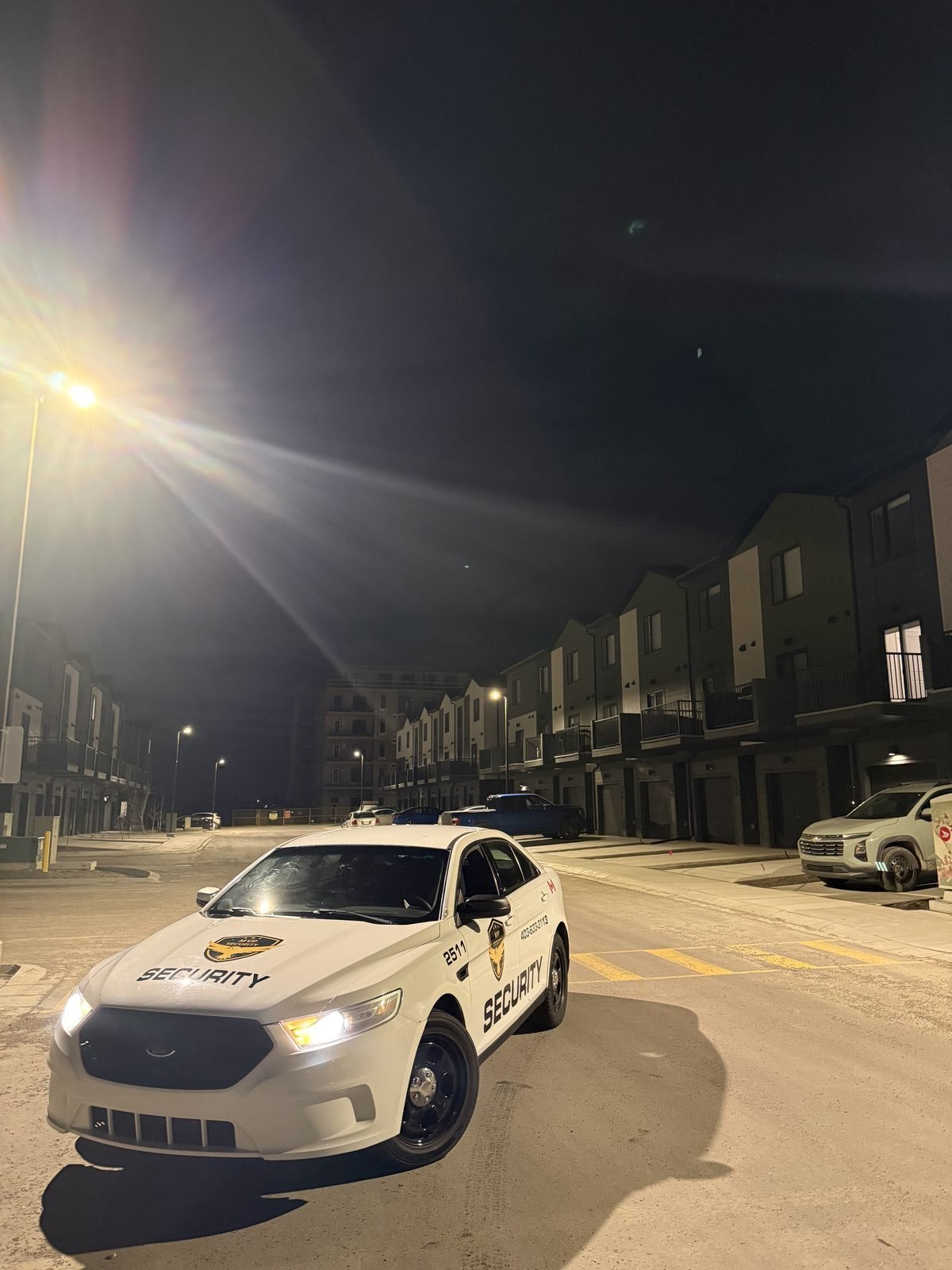
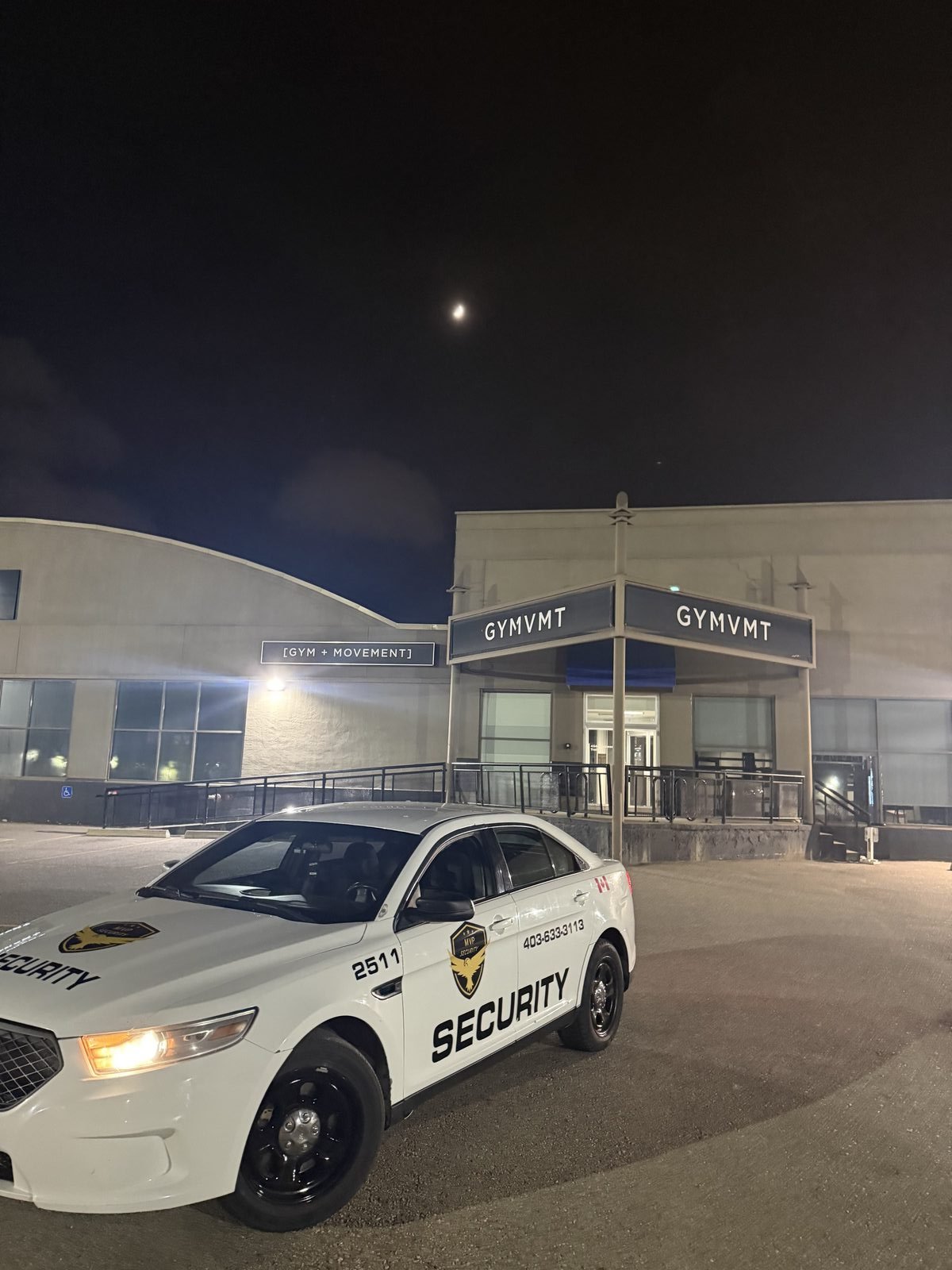
A vacant construction site at 2:30 a.m. needs a different security response than a busy condo lobby at 2:30 p.m. That is where many buyers get stuck. They start looking for security guard services as if every site needs the same coverage, when the real answer depends on access points, activity levels, liability exposure, and how quickly a provider can respond when something actually happens.
For property managers, builders, retail operators, and event organizers in Calgary, the question is rarely whether security is needed. The question is what kind of coverage will reduce risk without paying for the wrong model. Good security planning is not about adding guards for appearance. It is about putting the right people, patrol schedule, reporting process, and response standards in place for the realities of the site.
What security guard services should actually cover
At a practical level, security guard services are there to deter problems, control access, observe and report, respond to incidents, and support site operations. That sounds straightforward, but the mix changes depending on the property.
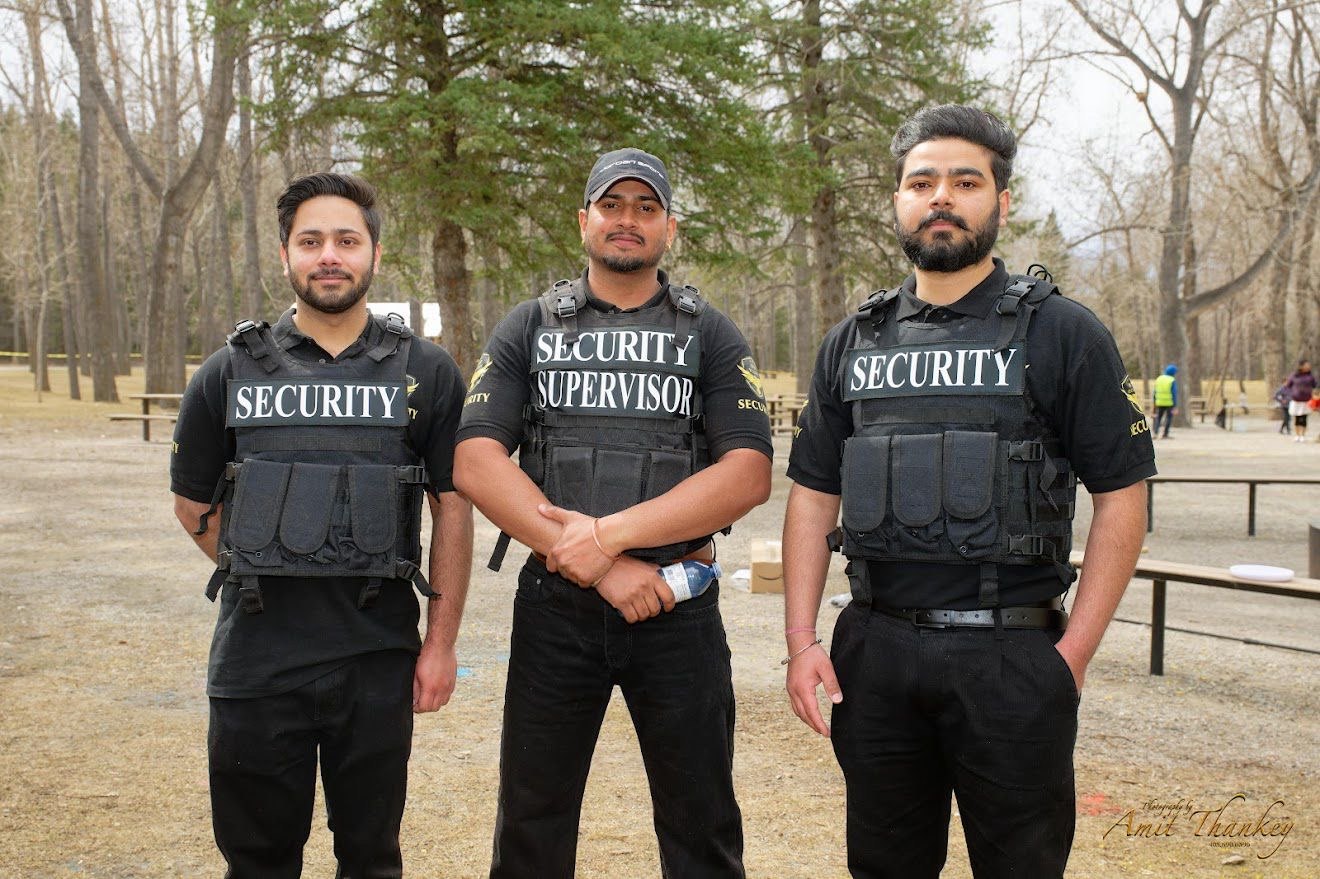
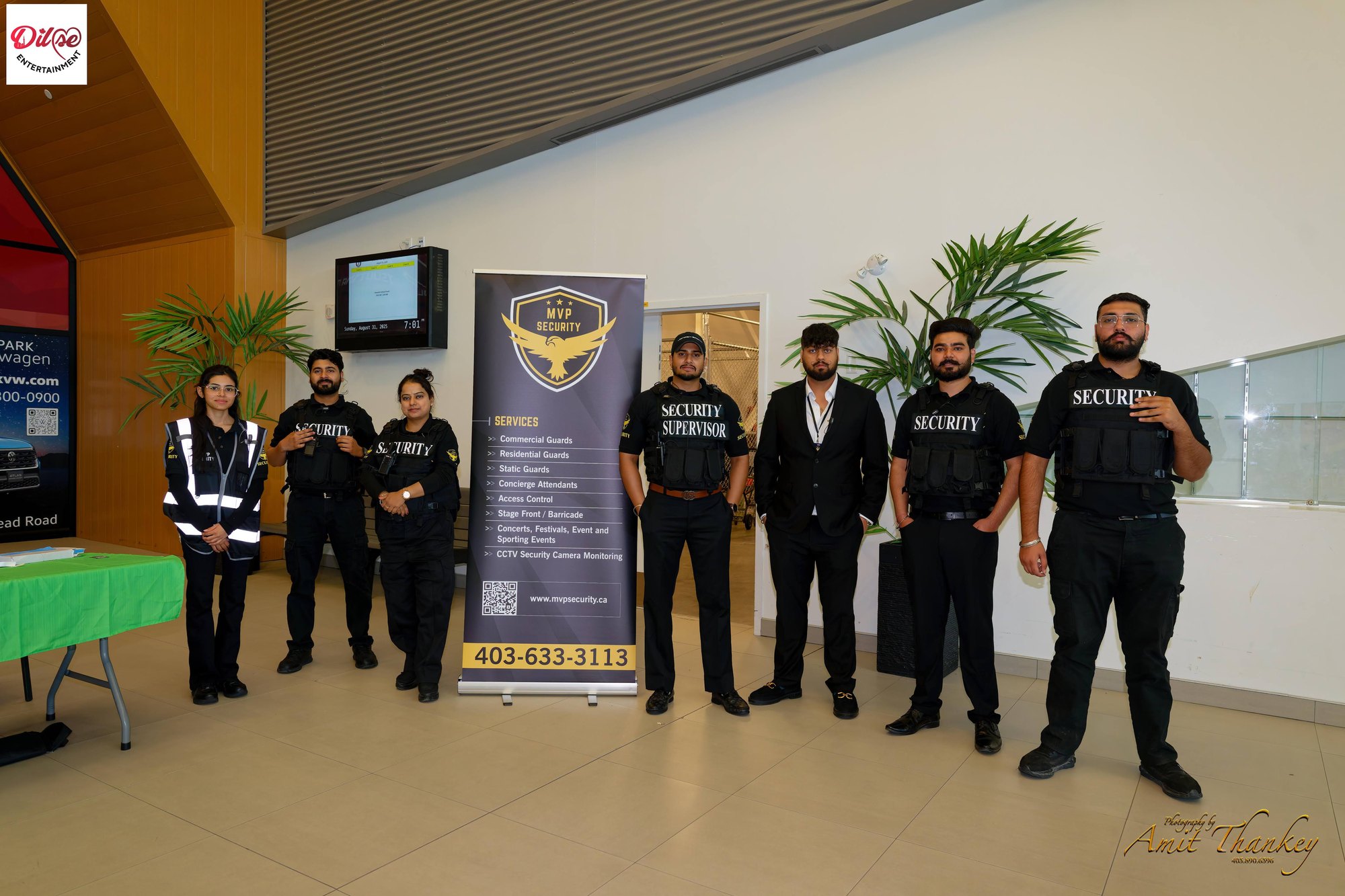
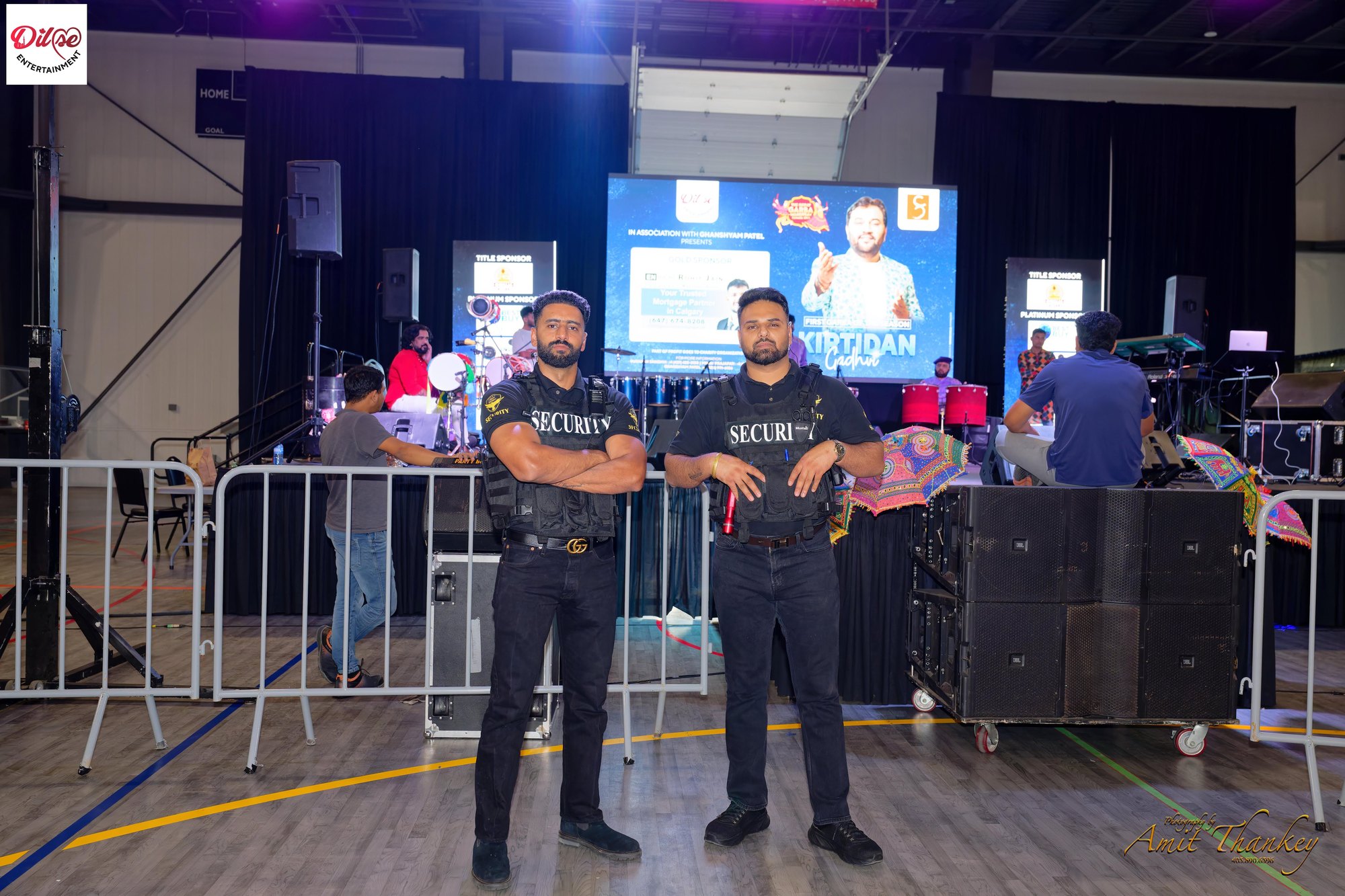
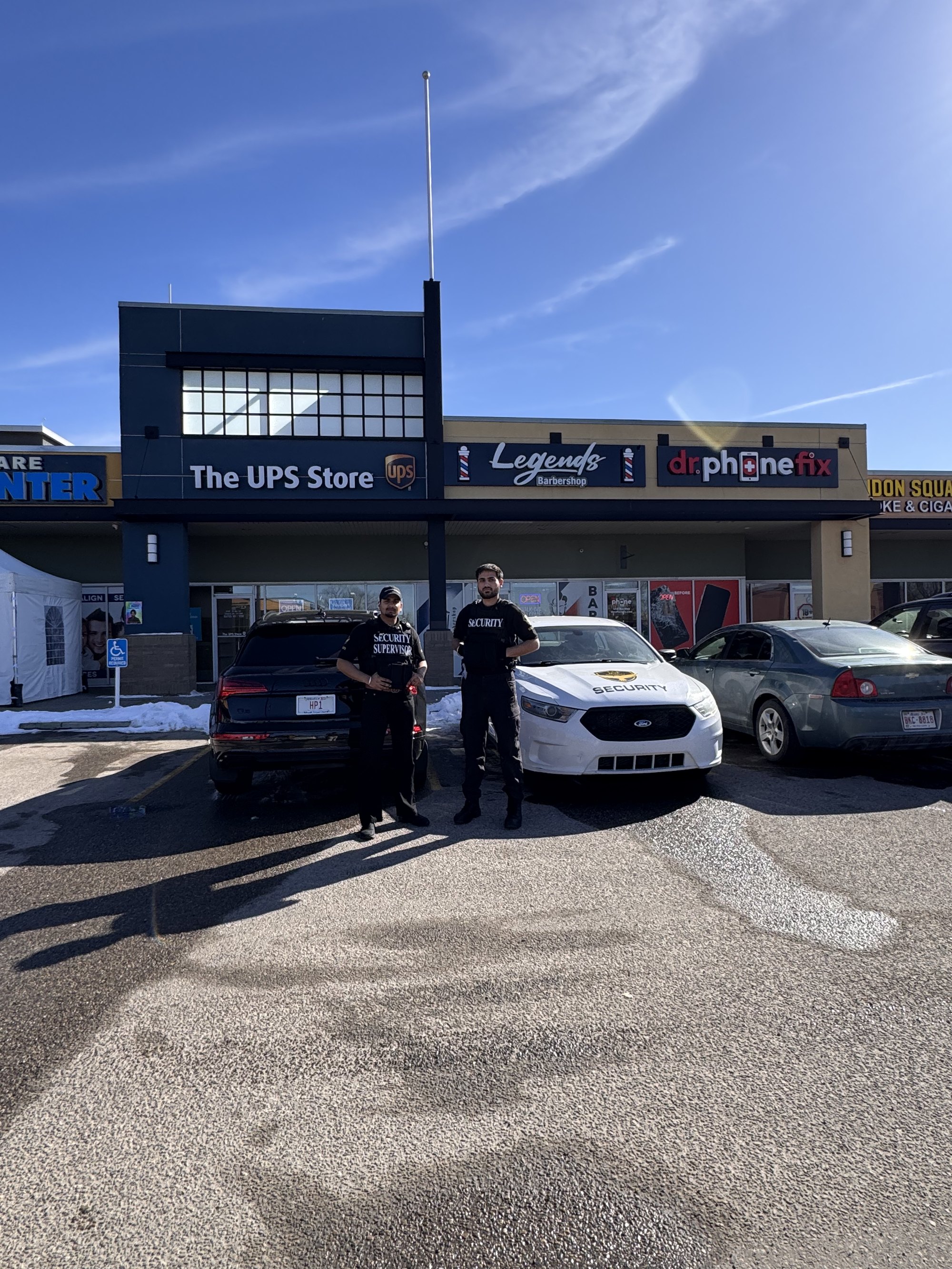
A commercial building may need concierge-style access control during the day and lock-up patrols after hours. A construction site may need overnight static guards in one phase of the project and mobile patrol checks in another. A retail plaza may care most about visible presence, loitering reduction, and alarm response. An event site may need crowd management, bag checks, perimeter control, and a clear escalation path if conditions change quickly.
This is why a one-size-fits-all quote is usually a warning sign. If a provider cannot explain why they recommend patrols instead of static coverage, or vice versa, they are not really assessing risk. They are staffing a shift.
Choosing security guard services by site type
Commercial and office properties
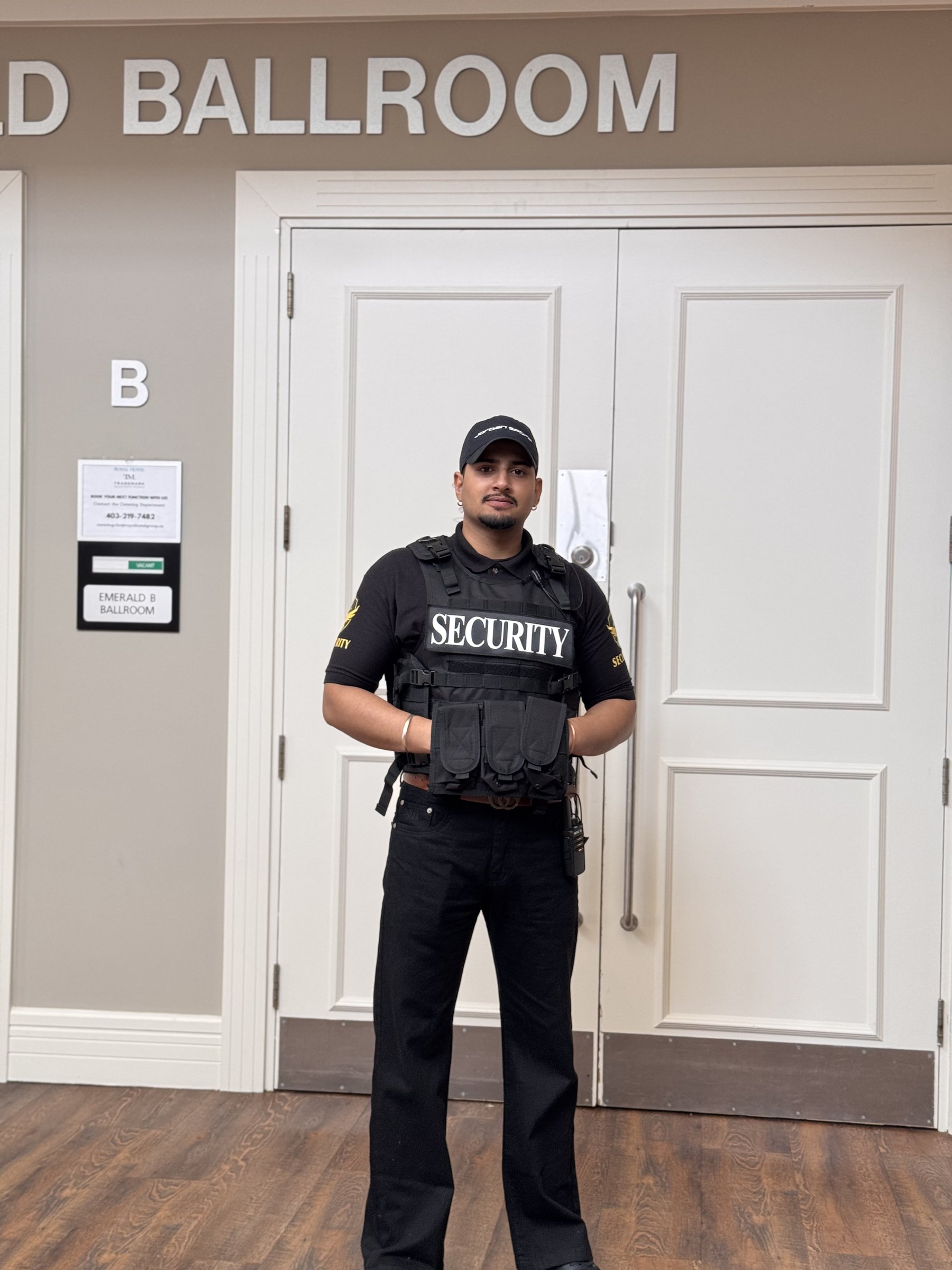
Office and mixed-use properties usually need a balance of customer-facing professionalism and firm access control. During business hours, security often supports visitor management, contractor sign-in, common area monitoring, and incident handling. After hours, the focus shifts to patrols, alarm response, lock-up checks, and unauthorized entry prevention.
For these sites, documentation matters as much as presence. Property managers need clear records of incidents, patrol completion, after-hours activity, and any building issues noticed during rounds. A guard who sees a damaged door, water leak, or unsecured loading area can prevent a security problem from becoming a maintenance problem or insurance claim.
Residential and condo buildings
Residential properties need a different approach because the environment is more personal. Tenants and owners expect security to be visible but not disruptive. Guards in these settings often handle access control, amenity checks, parking enforcement support, visitor screening, and response to disturbances.
The trade-off here is service style. A highly enforcement-focused presence can create friction with residents, while a passive presence may not deter unauthorized access or recurring nuisance issues. The right team knows how to be approachable in the lobby and decisive when the situation requires it.
Construction sites
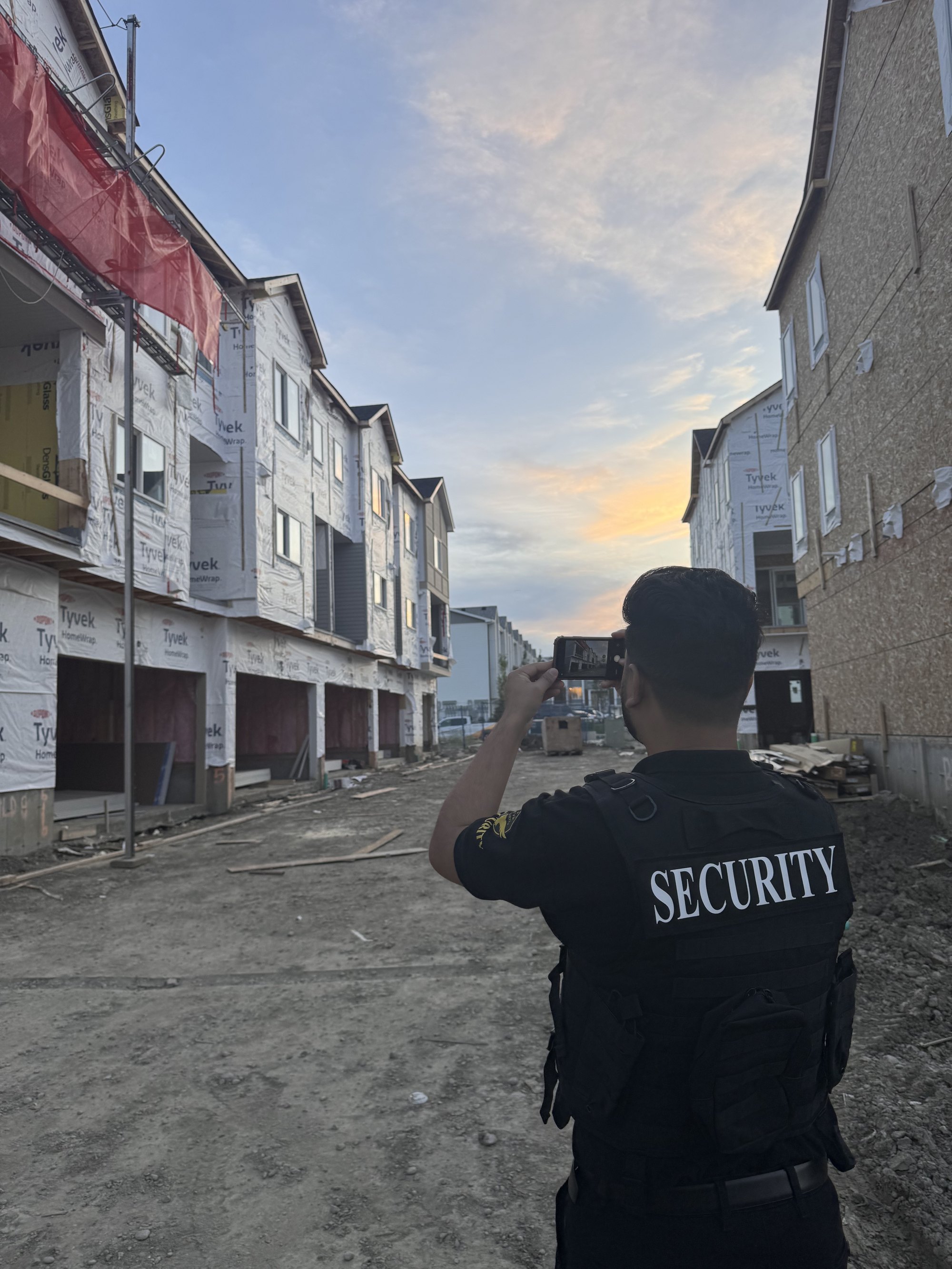
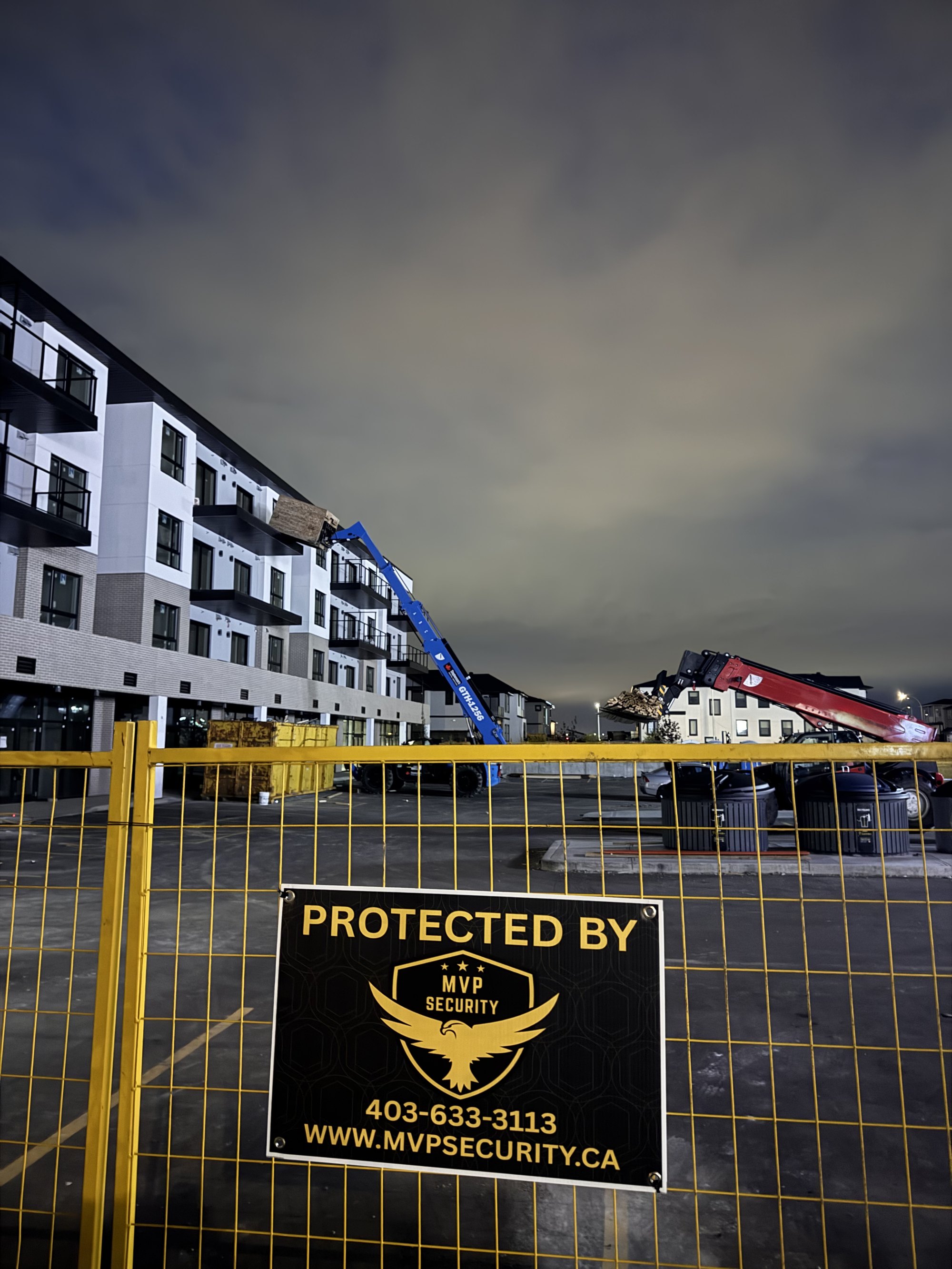
Construction theft and trespassing can erase schedule gains quickly. Copper, tools, fuel, equipment, and temporary materials remain easy targets, especially on sites with inconsistent perimeter control or limited lighting. Security for construction has to account for changing conditions. A gate location that worked last month may be irrelevant after the next phase begins.
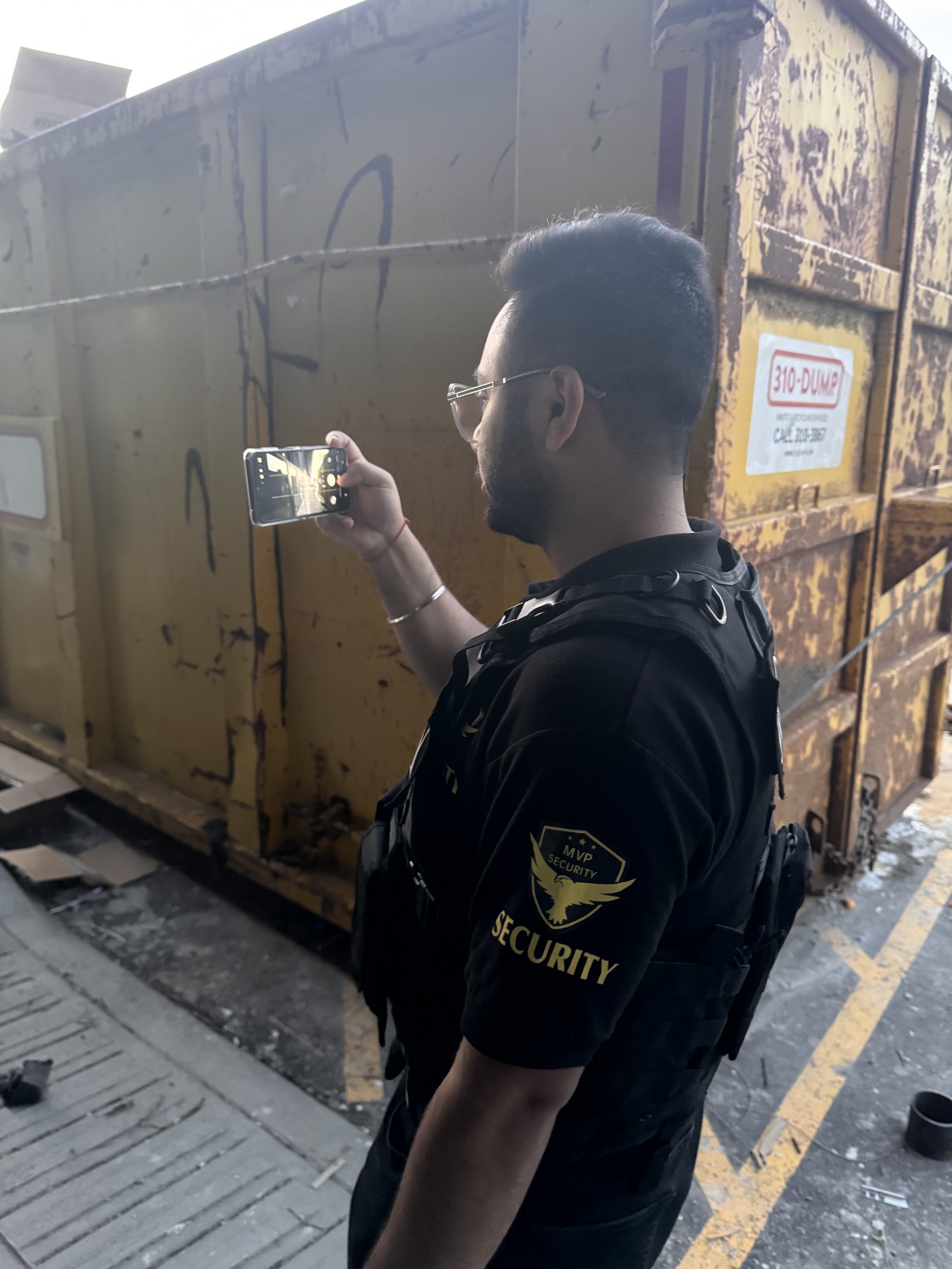
This is where site-specific planning matters. Some projects need a stationary guard at the access point overnight. Others benefit more from GPS-tracked mobile patrols, perimeter checks, photo-documented reporting, and rapid dispatch if an alarm or camera alert comes in. Builders are usually not looking for generic presence. They want fewer losses, fewer delays, and proof that checks were completed.
Retail and public-facing environments
Retail operators often deal with recurring theft, disruptive behaviour, loitering, and employee safety concerns. The best security presence in these settings is visible enough to deter, but trained enough to avoid escalating routine interactions.
Response speed is a bigger factor here than many buyers realize. If guards are not locally deployed or cannot get support quickly, the value of the service drops during the moments that matter most. A provider serving Calgary and surrounding communities needs to understand local call patterns, property types, and how to scale coverage for peak periods or problem locations.
Events and temporary coverage
Event security is rarely just about standing at an entrance. Crowd flow, credential checks, emergency access routes, restricted areas, alcohol-related behaviour, and end-of-night exit management all need planning before the first attendee arrives.
Temporary coverage also tests a provider's operational discipline. Can they deploy on short notice, brief guards properly, communicate with organizers, and adjust staffing if turnout or risk changes? Short-term security still needs the same basics as a long-term contract: licensed personnel, clear post orders, incident reporting, and reliable supervision.
Static guards, mobile patrol, or a combined plan?
This is one of the most common buying decisions, and the answer depends on your risk profile.
Static guards are best when a constant presence is necessary. That includes front desks, gatehouses, fire watch, overnight monitoring of sensitive sites, and locations with repeated trespassing or access control issues. They offer immediate on-site response and visible deterrence, but they also come at a higher staffing cost.
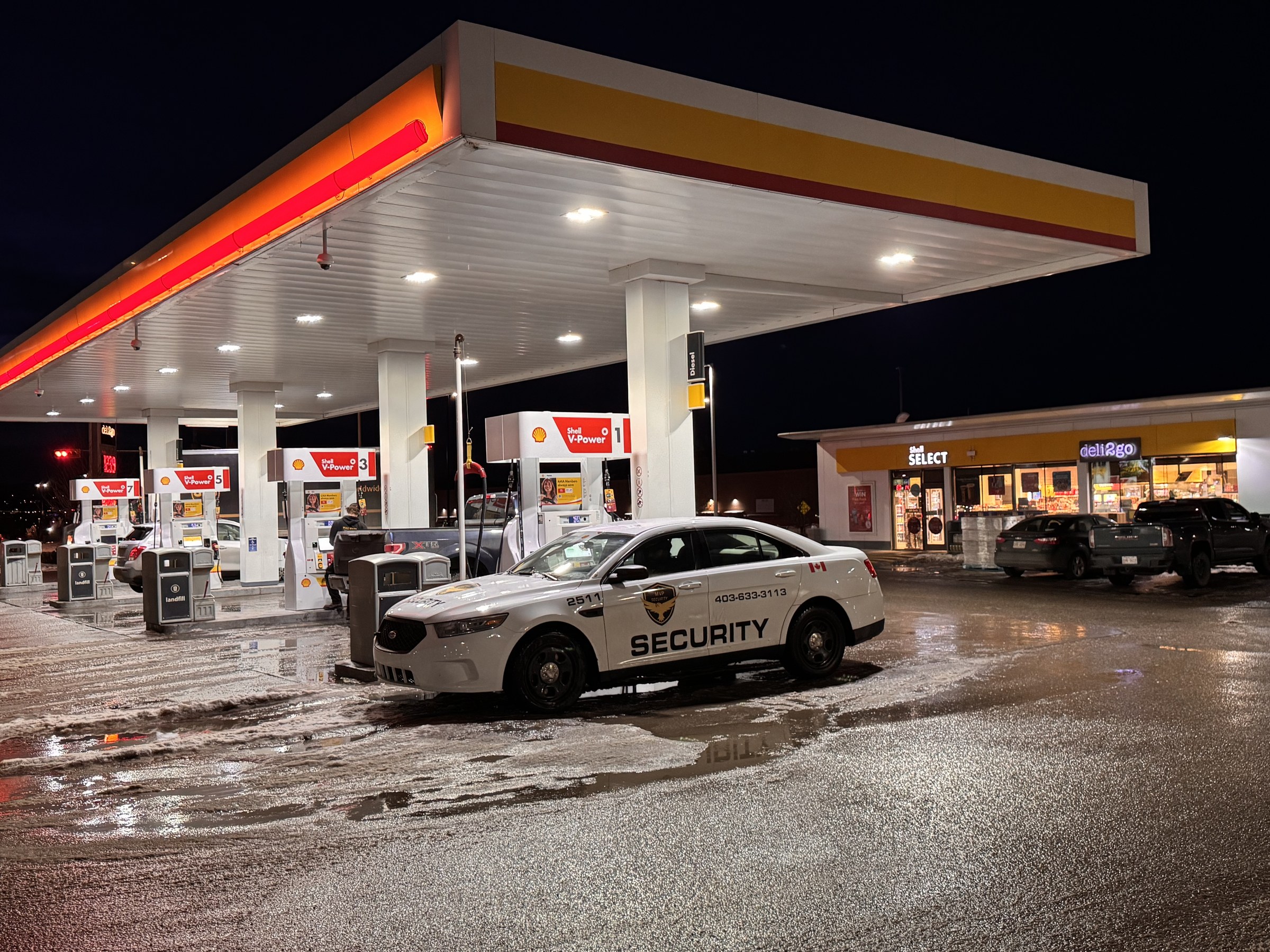
Mobile patrol is often the better fit for larger properties, multiple sites, or lower-frequency risk periods. Patrol units can conduct scheduled or randomized checks, lock and unlock premises, respond to alarms, and document issues with time-stamped activity. For many clients, this creates enough deterrence and accountability without paying for full-time on-site coverage.
A combined plan often works best. A building may use concierge security during the day and mobile patrol overnight. A construction project may require static guards during high-loss phases and patrol support once the site is more secure. Good security design is usually layered rather than absolute.
What separates dependable security guard services from basic staffing
The market has no shortage of guard companies. The gap is in execution.
Licensed and insured coverage is the baseline, not the selling feature. Buyers should also look for Alberta SSIA compliance, documented training, site-specific post orders, supervisory structure, and reporting standards that give clients a clear record of activity. If incidents happen, there should be no guesswork about who responded, when they responded, or what they observed.
Technology supports accountability when it is used properly. GPS-tracked patrol activity, photo-documented reporting, and integration with alarm or camera monitoring can give clients a much clearer picture of what is happening on site. That does not replace guards. It confirms the work was done and gives managers documentation they can actually use.
Responsiveness is another major dividing line. Large national providers may have scale, but not always local agility. For sites in Calgary, Airdrie, Cochrane, Chestermere, Okotoks, and High River, local deployment matters. Fast dispatch, local supervision, and familiarity with the region can make a real difference when coverage is needed the same day or after an unexpected incident.
What buyers should ask before signing a contract
A useful security proposal should answer a few practical questions clearly. What risks is the plan designed to address? What hours need coverage, and why those hours? What does the guard actually do during each shift? How is patrol activity verified? How are incidents reported? Who supervises the site, and how quickly can backup be dispatched if the situation changes?
Budget matters, but cheapest rarely means best value. Understaffed contracts, poor communication, and weak reporting often cost more later through property damage, tenant complaints, missed incidents, or constant provider turnover. The stronger option is usually the company that can explain the plan, document the work, and adapt the coverage as site conditions change.
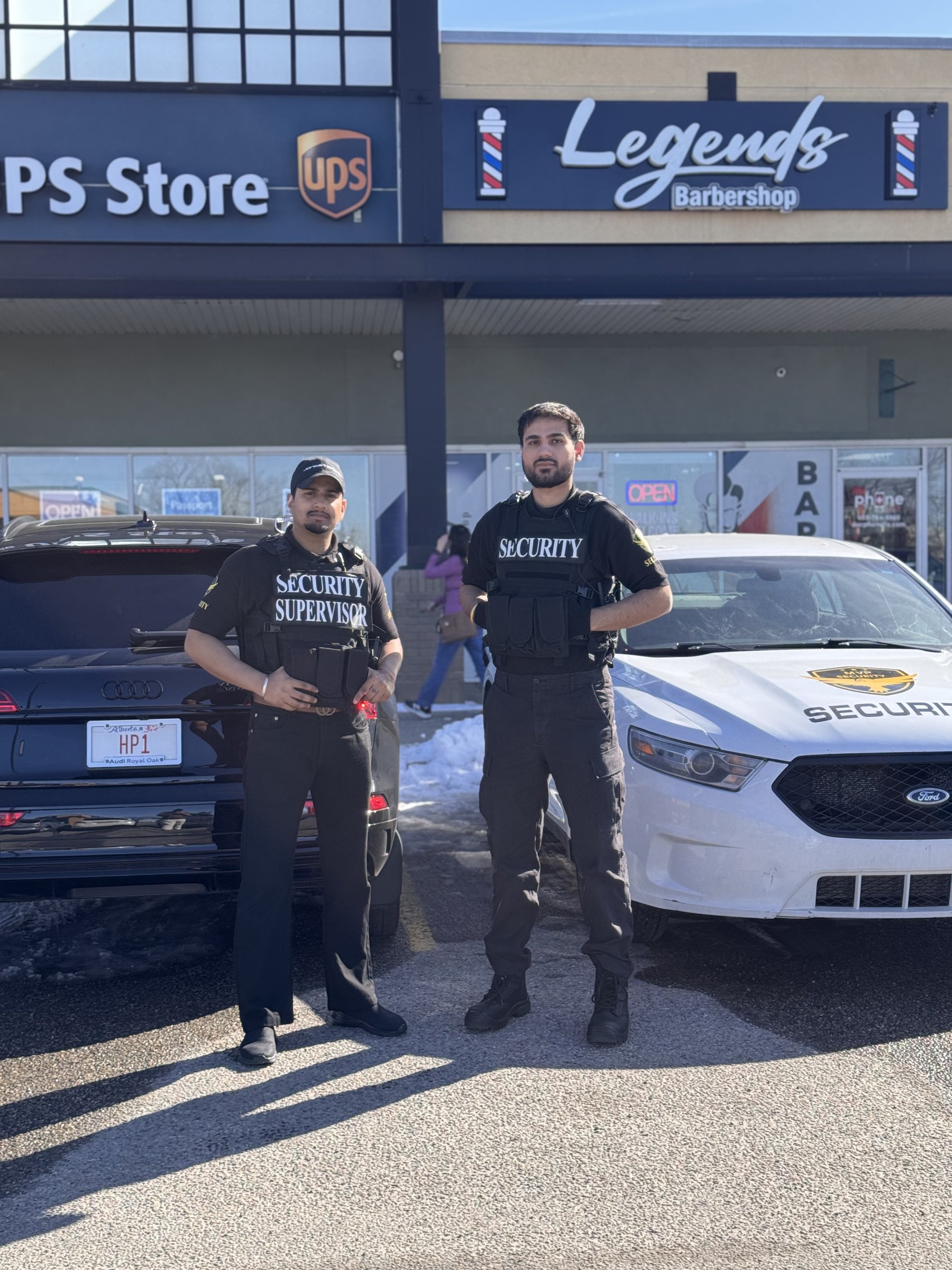
That is the operating standard clients should expect from a provider like MVP Security Inc. The goal is not to sell hours. It is to put a workable security program in place that matches the property, the risk, and the client's expectations.
Security guard services work best when the plan is specific
If two sites have the same square footage but different access points, occupancy patterns, and loss history, they should not get the same security plan. That is the key point many buyers miss. Effective coverage starts with the actual conditions on the ground, then builds outward from there.
When security is tailored properly, it does more than put a uniform on site. It reduces avoidable incidents, improves control over who enters the property, creates a record of what happened, and gives decision-makers confidence that someone is accountable after hours. That is what professional coverage should look like.
If you are reviewing options, start with the realities of your site rather than a generic service package. The right security program is usually the one that feels practical on day one and still holds up when the unexpected happens.