








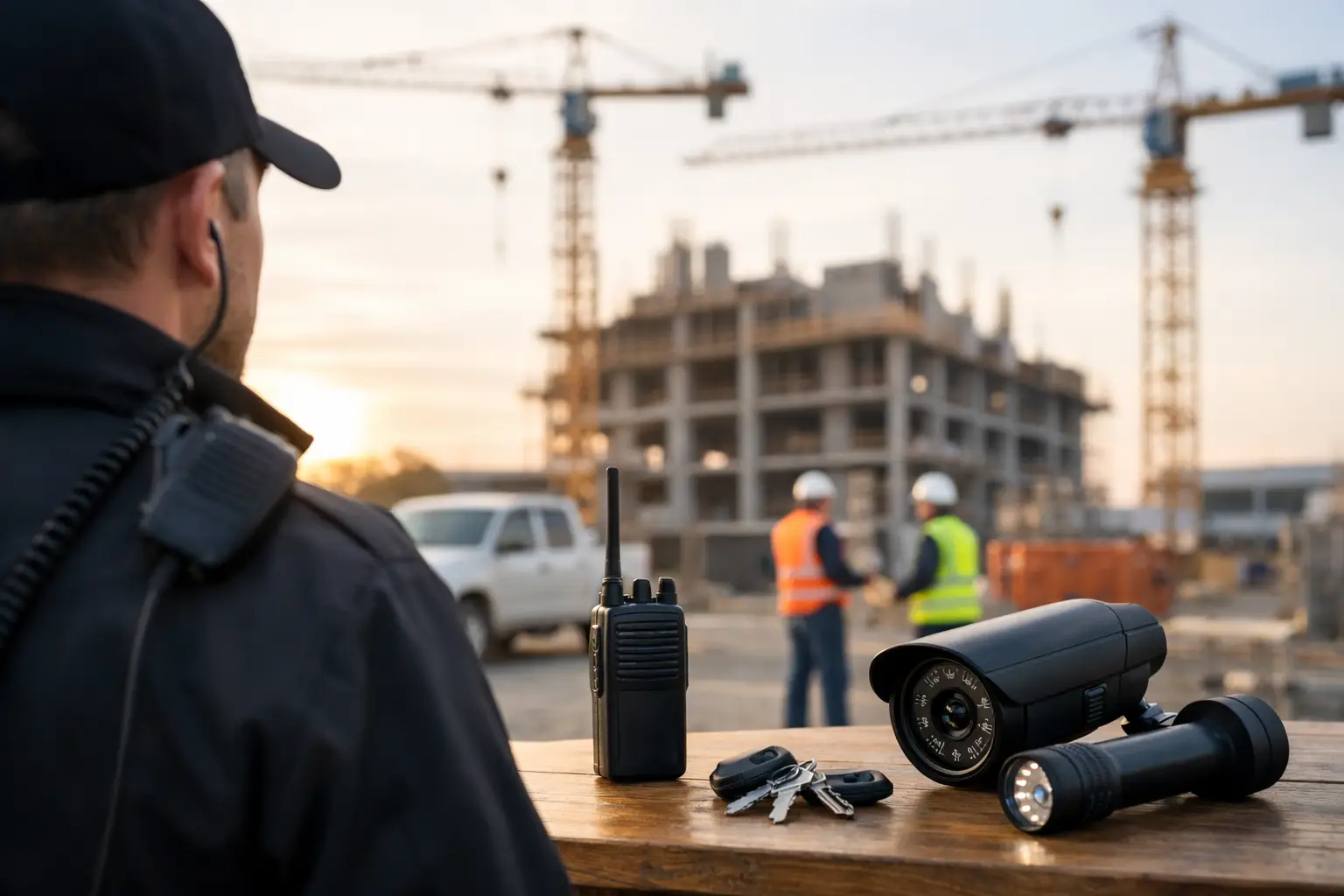
A stolen skid steer, cut copper wire, or forced-open trailer can disrupt far more than a single shift. It can delay trades, create insurance claims, and leave a project exposed again the following night. A security plan for construction sites gives project managers a clear, practical way to control those risks instead of reacting after a loss.
For Calgary builders and site supervisors, the right approach depends on the project stage, location, stored materials, operating hours, and nearby activity. A partially enclosed commercial build has different vulnerabilities than a residential development, a remote industrial site, or an active infill project surrounded by foot traffic. The plan should reflect those conditions and change as the site changes.
Start with a site-specific risk assessment
Security planning begins with a walk-through, not a generic guard schedule. Identify where an intruder can enter, what they are likely to target, and how quickly a problem could be detected. Look beyond the main gate. Temporary fencing gaps, unlit rear lanes, unsecured upper floors, open service doors, material laydown areas, and equipment parked near an exit can all become easy opportunities.
The most common construction-site risks are theft of tools, fuel, copper, lumber, and equipment; vandalism; trespassing; illegal dumping; fire hazards; and unauthorized use of machinery. In some cases, a site also needs to manage public safety concerns, especially when fencing borders sidewalks, schools, residential properties, or busy commercial areas.
A useful assessment considers the timing of risk. Theft may be most likely overnight or on weekends, while unauthorized entry can happen during shift changes, lunch breaks, or after subcontractors have left access points open. Record these patterns. They help determine whether the site needs a static guard, scheduled mobile patrols, alarm response, remote monitoring, or a combination of services.
Define what the security plan must protect
Security is more effective when responsibilities are clear. The plan should identify the people, assets, and operations that need protection, then assign controls to each one.
For example, tools may require locked storage and a sign-out process. Heavy equipment may need immobilizers, key control, GPS tracking, and patrol checks. High-value materials can be moved away from perimeter fencing or stored in secured containers. If the project has a construction trailer, the plan should address visitor access, keys, records, and alarm procedures.
It also helps to establish a practical priority order. Protecting people and preventing dangerous access comes first. From there, focus on items that are expensive, easy to remove, difficult to replace quickly, or likely to affect the construction schedule. This prevents spending the full security budget on low-risk areas while critical assets remain exposed.
Control access without slowing down the job
Construction sites need to be accessible to trades, deliveries, inspectors, and project staff. The goal is not to make entry difficult for authorized workers. It is to ensure that everyone on site has a reason to be there and that entry points are controlled.
Use one primary entrance whenever site conditions allow. Keep secondary gates locked when not in use, and limit keys, fobs, and gate codes to authorized personnel. Change codes when staff or subcontractors leave the project. Delivery drivers should be directed to a designated receiving point rather than allowed to move through the site unsupervised.
For larger or higher-risk projects, an access-control guard can verify workers, direct visitors, record contractor arrivals, and maintain a visible professional presence at the gate. This can be particularly valuable during early construction, when the site is open and materials begin arriving, and during finishing stages, when installed fixtures and equipment become attractive targets.
A sign-in system is useful, but it is not enough on its own. The process only works when someone is accountable for reviewing it and challenging unexplained access. A trained, Alberta-licensed security guard can perform that role professionally while keeping site operations moving.
Use visible deterrence and layered protection
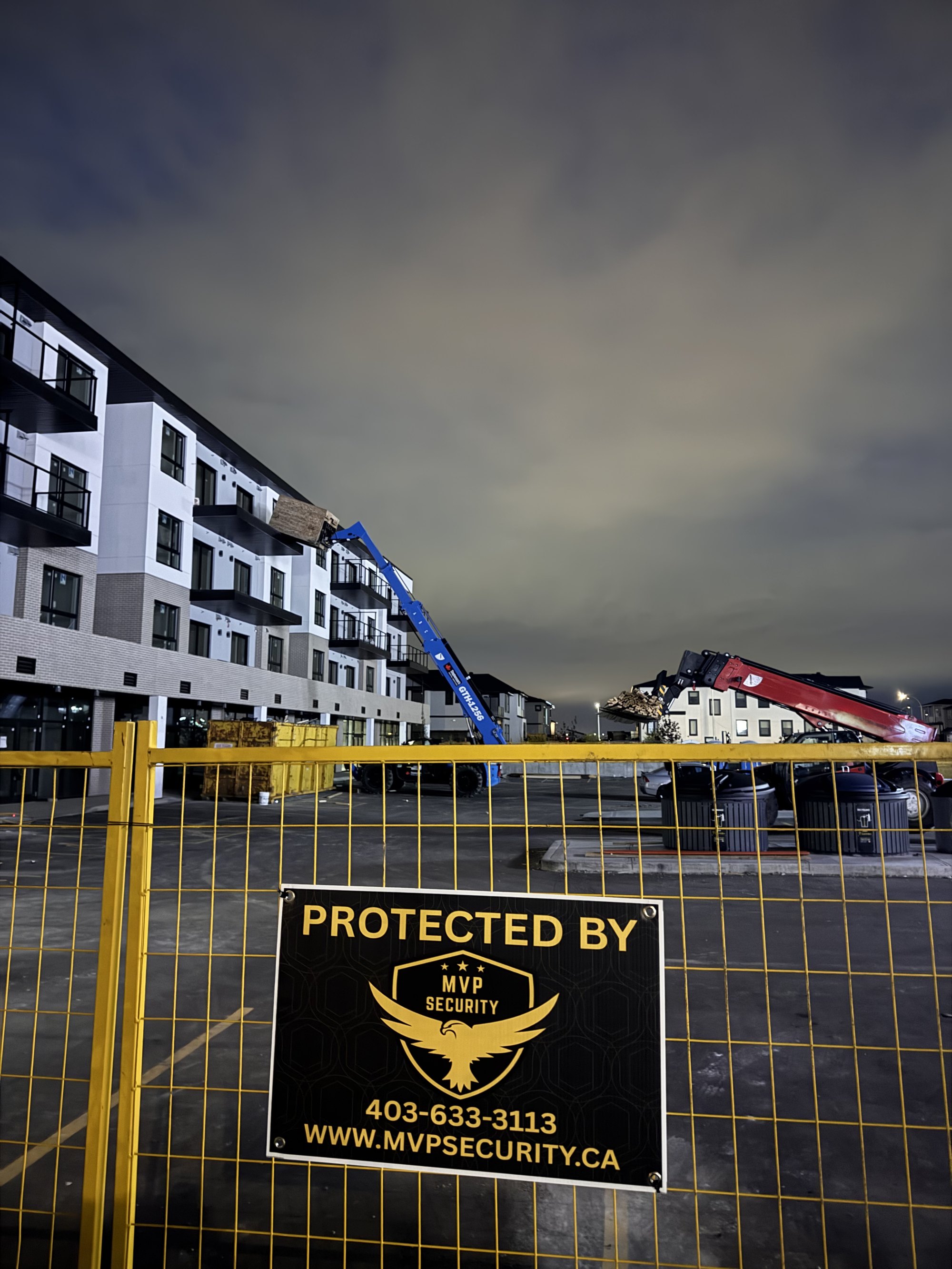
A fence alone is rarely a complete solution. It establishes a boundary, but it does not detect a breach or respond to one. Effective construction security uses layers that make entry more difficult, increase the chance of detection, and create a timely response.
Lighting is one of the most practical deterrents. Illuminate gates, storage containers, fuel areas, equipment yards, and blind corners. Position lights carefully so they support cameras and patrol visibility without creating glare or shining into neighbouring homes.
CCTV, alarms, and monitored systems can add valuable coverage, particularly overnight. However, technology has limitations. Cameras need a clear view, reliable power, and active monitoring or regular review to be useful after an incident. An alarm without a response procedure can simply notify people that a problem occurred.
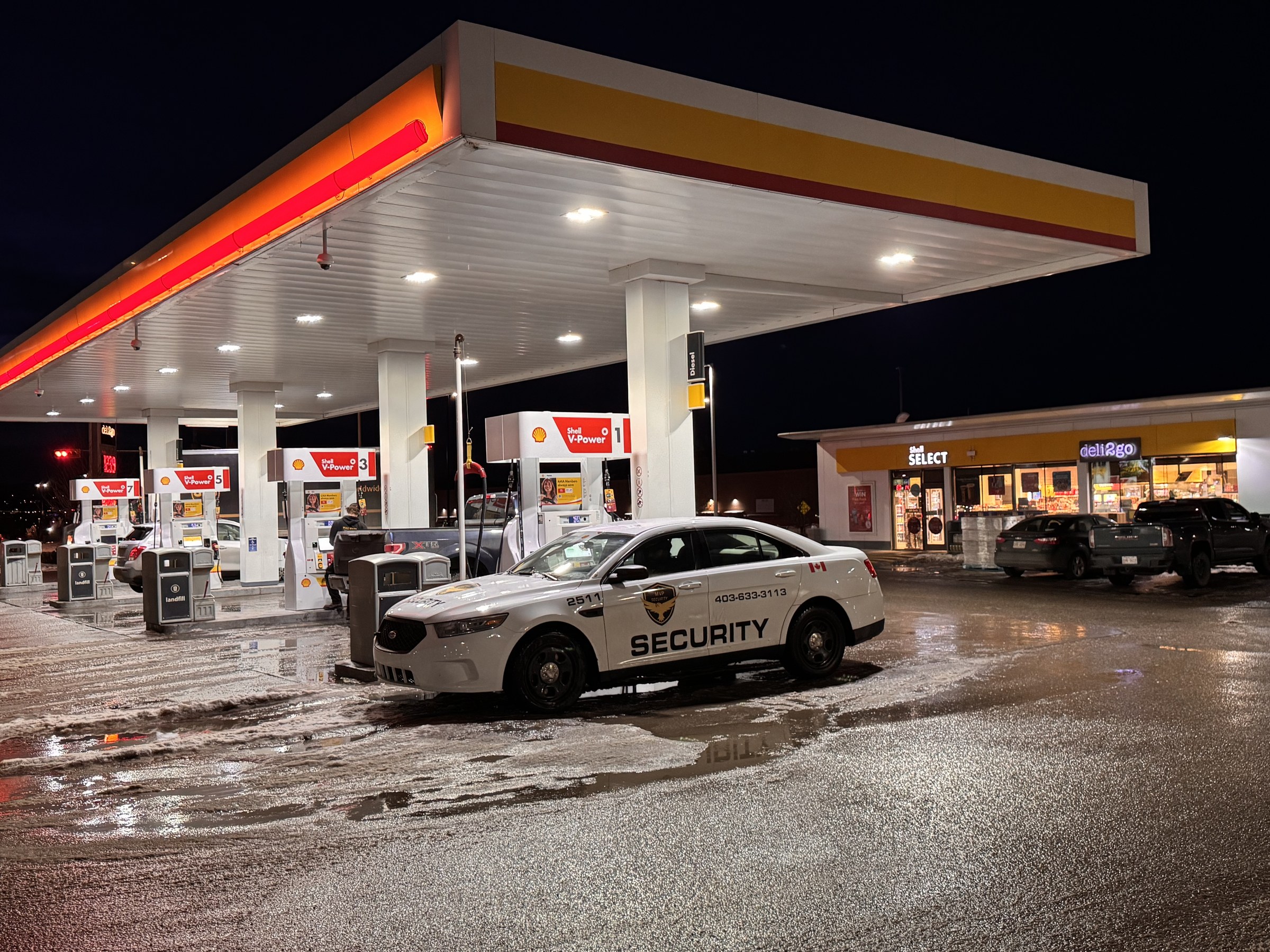
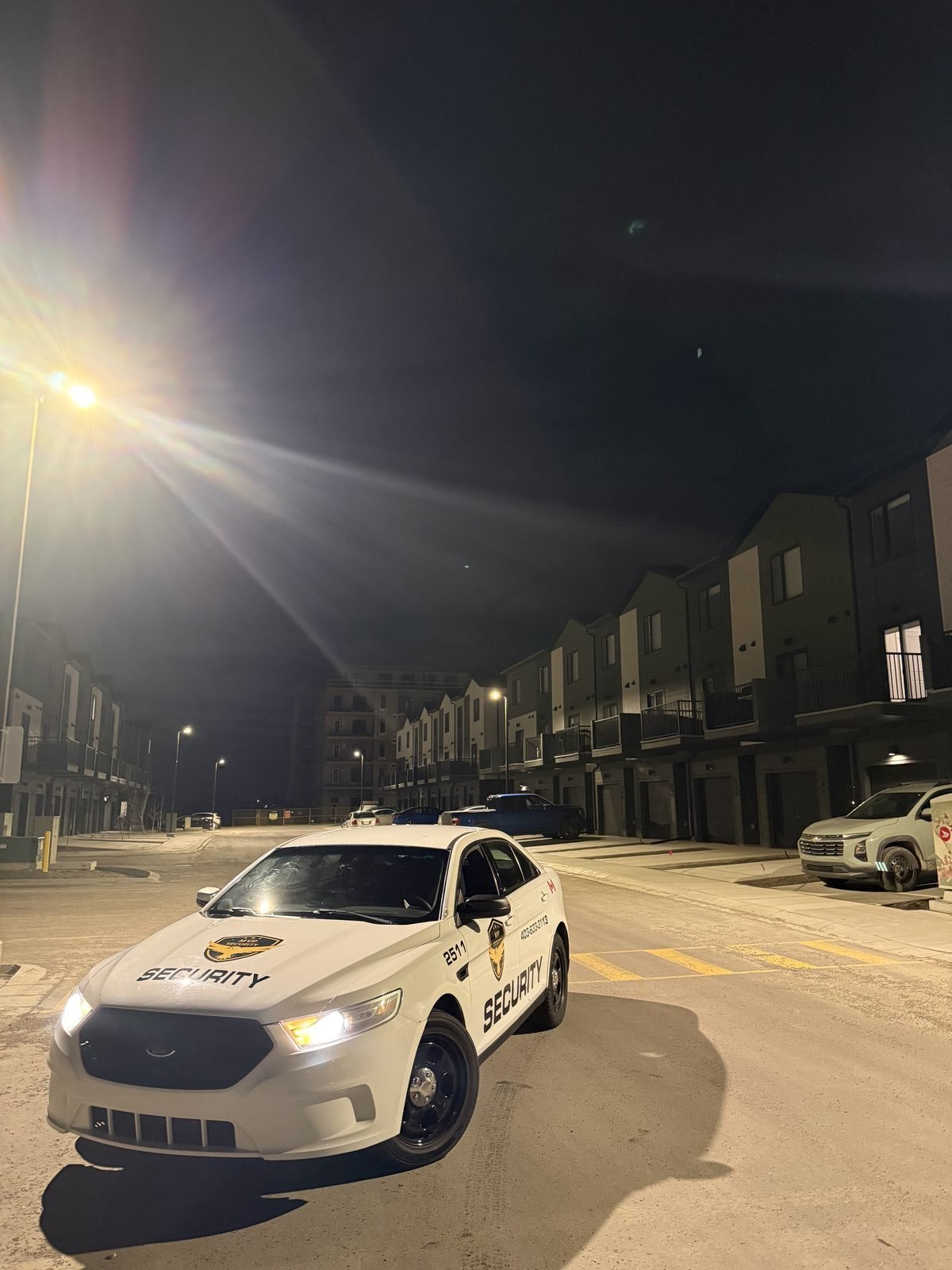
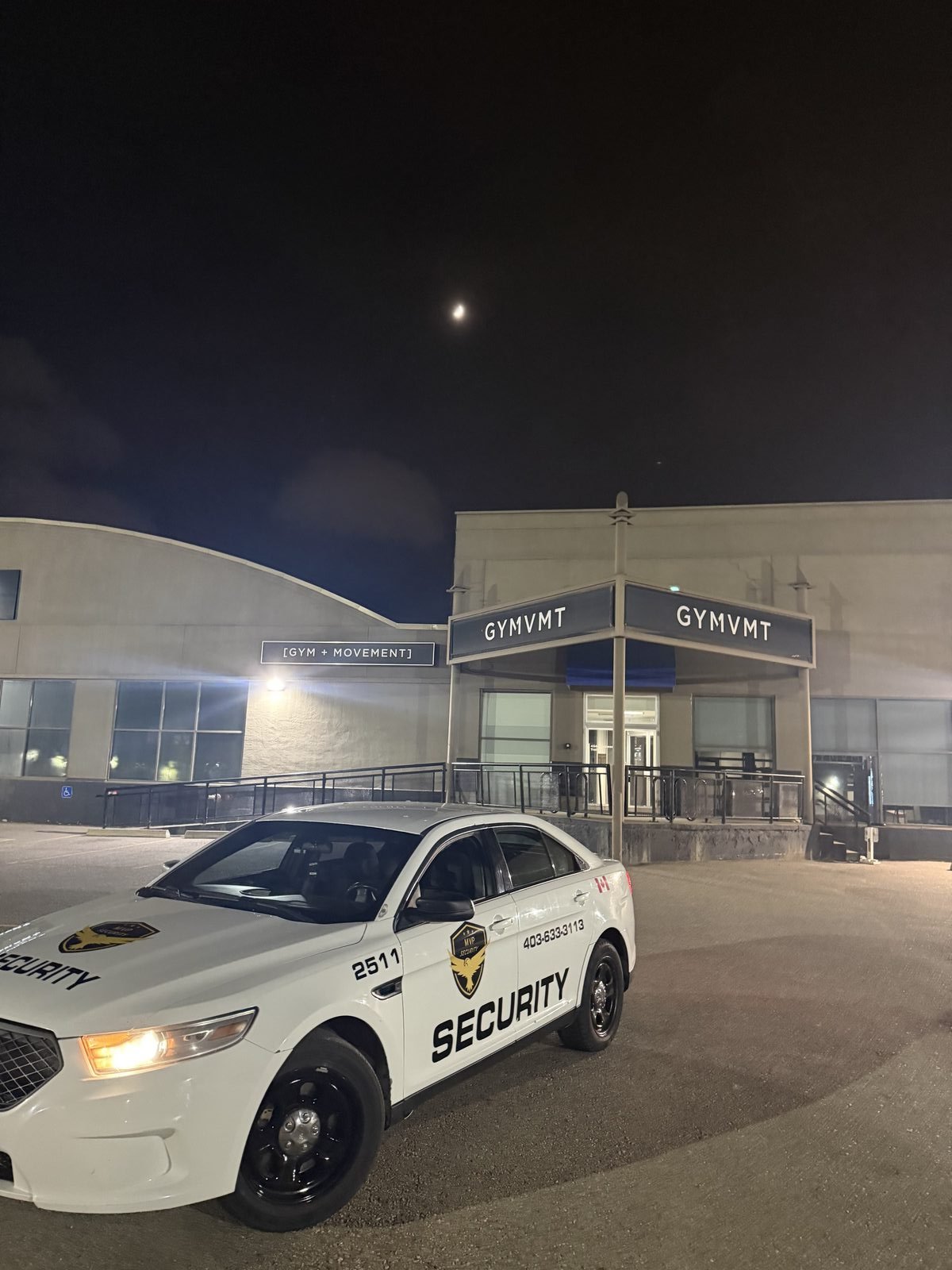
This is where mobile patrol or dedicated guard coverage becomes valuable. A marked patrol presence creates uncertainty for would-be offenders, while physical checks can identify fence damage, open doors, suspicious vehicles, water leaks, fire concerns, and other problems cameras may not show clearly. The right frequency depends on the risk profile. A site storing heavy equipment may need checks at varying times through the night, while a lower-risk project may need targeted weekend and holiday patrols.
Build clear patrol and incident procedures
A guard should never arrive at a construction site without instructions specific to that property. The security plan should state where patrols begin, which areas require inspection, what must be locked, and who to contact if an issue is found.
Patrol instructions should cover gates and fencing, trailers and containers, equipment, material storage, upper floors or unsecured openings, fire hazards, and any restricted zones. They should also identify safe observation points and require guards to avoid entering hazardous areas without proper authorization or site orientation. Security personnel are there to protect the site, not replace the project’s safety program.
Incident procedures need the same level of detail. If a guard finds a broken fence or unauthorized person, they need to know when to contact site management, when to call police or emergency services, how to preserve the scene, and how to document what happened. A concise escalation list with current after-hours contacts avoids delays when minutes matter.
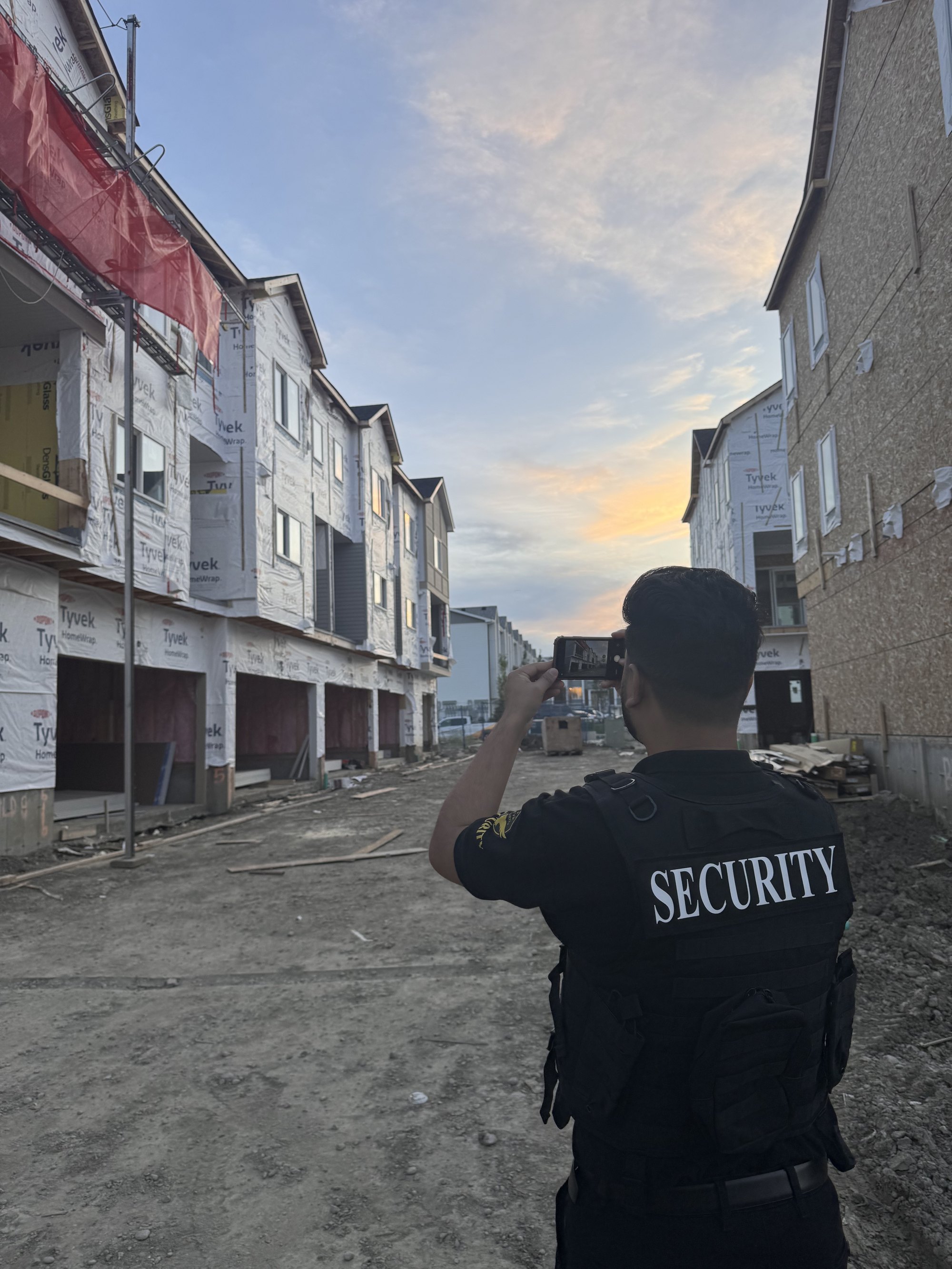
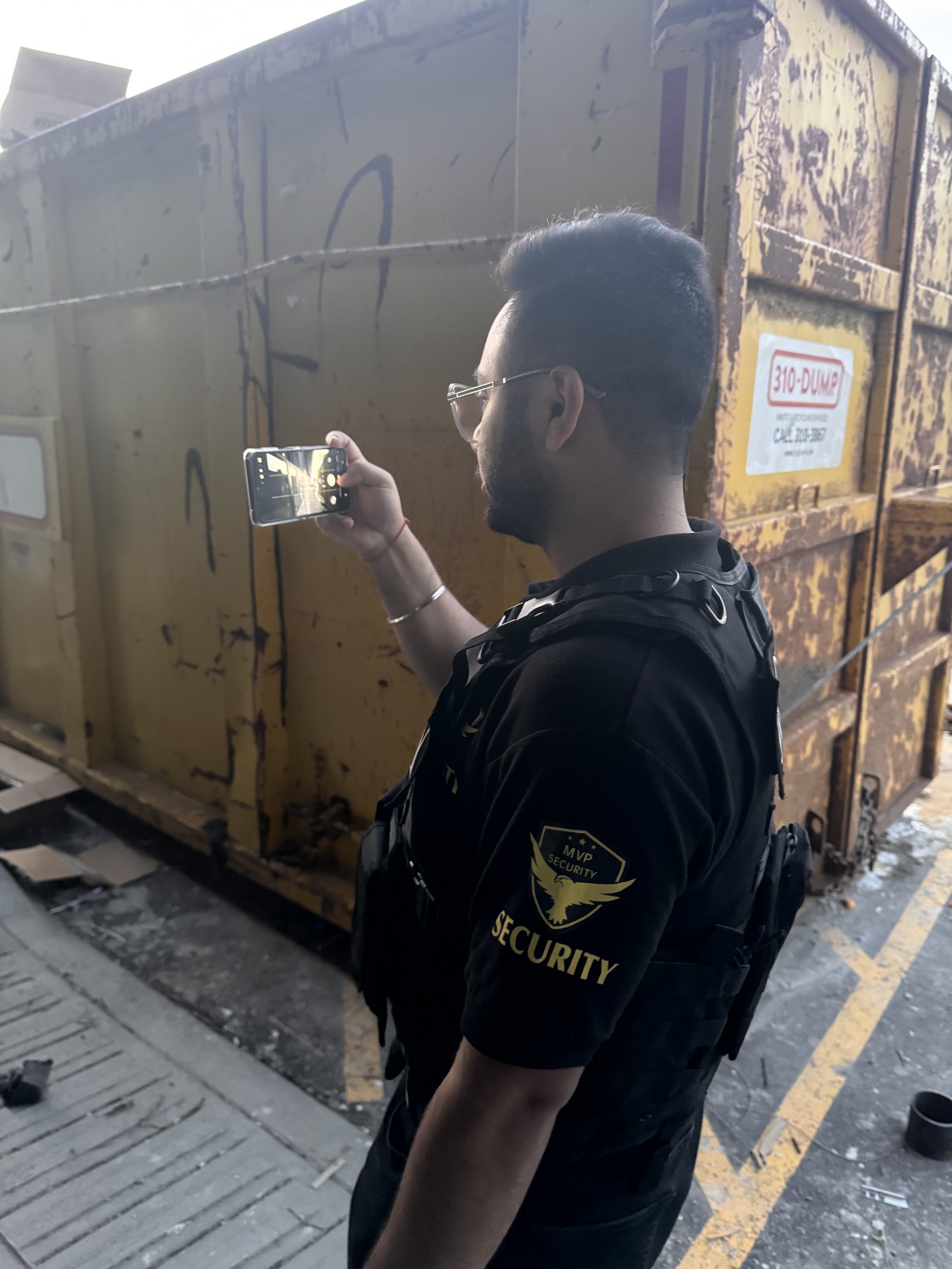
Photo-documented reports and GPS-tracked patrol activity provide accountability. They show that scheduled checks took place, identify recurring concerns, and give project managers evidence for follow-up with contractors, insurers, or law enforcement. Reporting should be useful, not just a box-checking exercise. A good report explains what was observed, what action was taken, and whether the issue requires client attention.
Adjust security as the project changes
The best security plan for construction sites is reviewed throughout the build. Risks change quickly. Early-stage sites may have open access and exposed equipment. Mid-project sites can accumulate high volumes of materials and tools. Near completion, installed appliances, copper, fixtures, and finishing materials may become the priority.
Security requirements also increase around long weekends, holiday shutdowns, labour disruptions, and severe weather. Before a planned closure, inspect fencing, remove keys from equipment, secure valuable materials, confirm alarm contacts, test lighting where possible, and advise the security provider of any changes to access or site conditions.
Budget matters, but cutting all after-hours coverage can create a false economy on an exposed project. A tailored program may use focused patrols during the highest-risk periods rather than full-time guarding every night. Conversely, a site with repeated incidents or major asset exposure may justify a static guard until conditions improve. The appropriate level of protection should be based on loss exposure and operational impact, not a one-size-fits-all package.
Choose a provider that can respond locally
Construction security is only as dependable as the response behind it. Ask whether guards are licensed and insured, how patrol activity is verified, who receives incident reports, and whether emergency coverage can be deployed quickly. Local familiarity matters when sites are spread across Calgary, Airdrie, Cochrane, Chestermere, Okotoks, or High River and conditions change after regular business hours.
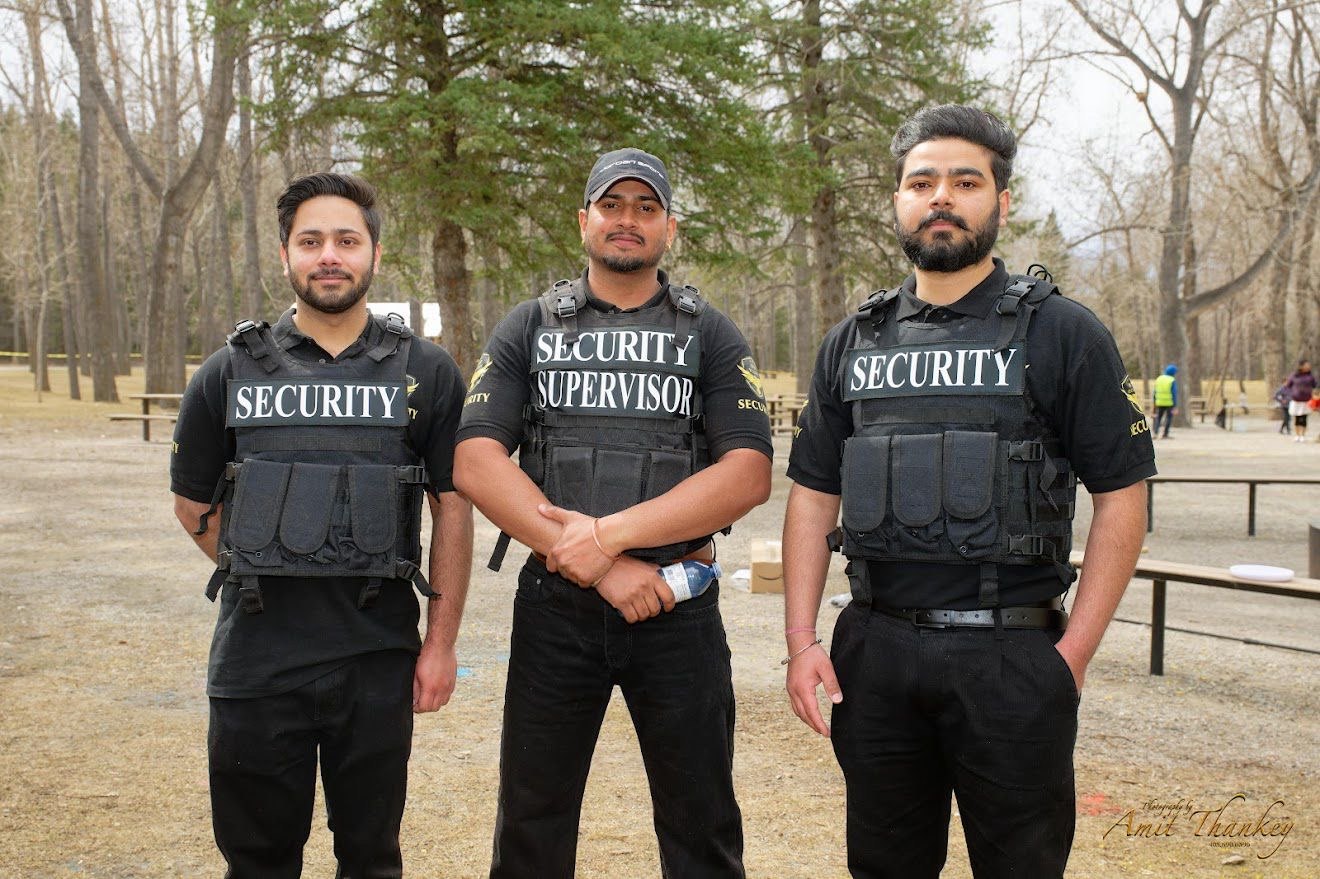
MVP Security develops site-specific coverage using trained Alberta-licensed guards, documented patrol activity, and local dispatch support. The aim is straightforward: create visible deterrence, identify issues early, and give the project team clear information when something requires attention.
A construction site will never be risk-free, but it should never be easy to exploit. Review the site before the next high-risk period, confirm who is responsible for each security task, and make sure there is a documented response when the unexpected happens.