








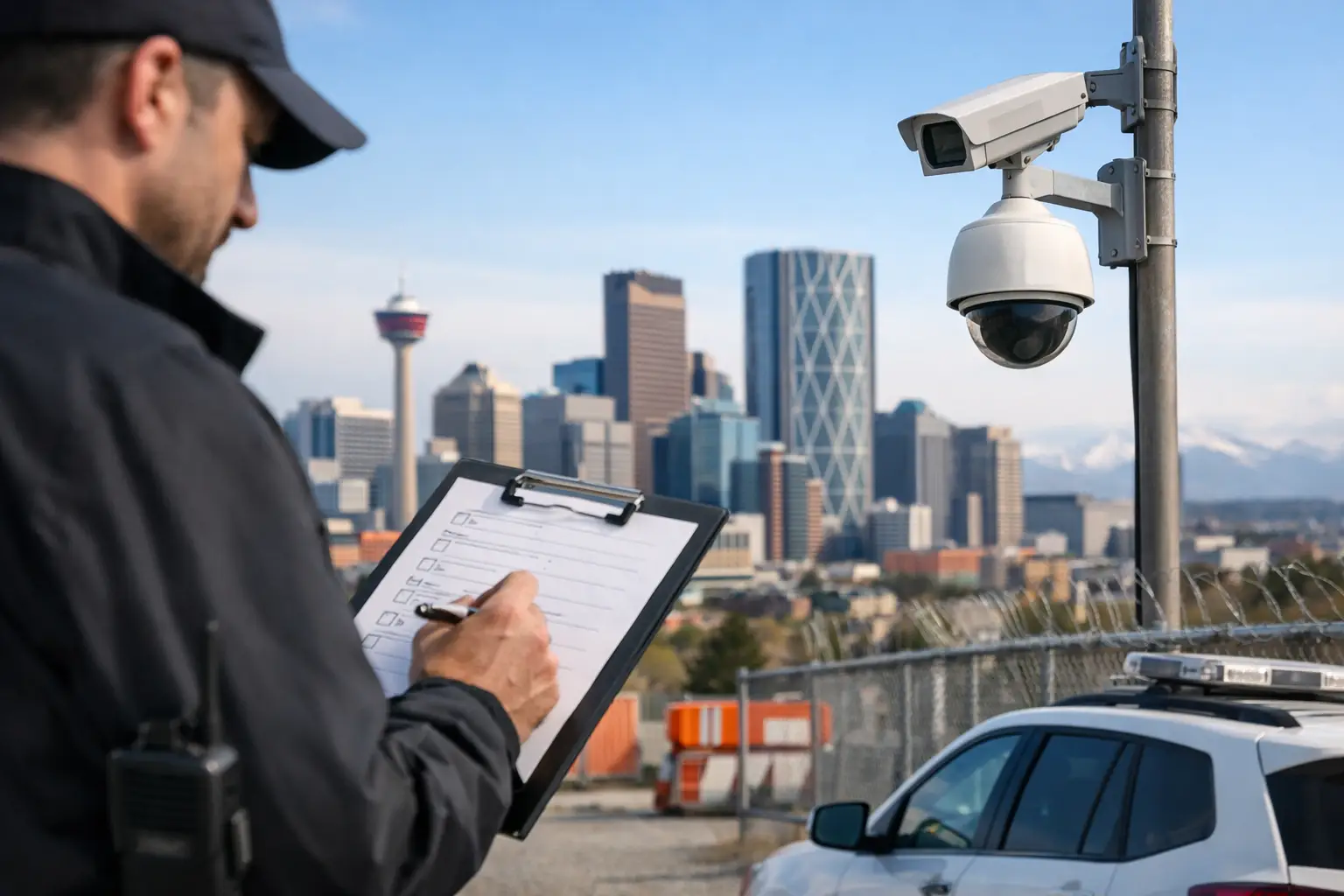
A locked door is not a security plan if the key is shared, the loading bay is unmonitored, and no one knows who responds after an alarm. A practical security risk assessment checklist helps Calgary property and project decision-makers identify those gaps before they become theft, vandalism, liability, or operational disruption.
The goal is not to add guards or technology everywhere. It is to match coverage to the actual risk at your site: what needs protection, when it is most vulnerable, who needs access, and how quickly an incident must be handled. A downtown commercial tower, an active construction project in Airdrie, and a temporary event in Okotoks will each require a different approach.
Why site-specific assessment matters
Security failures often happen in the space between responsibility and routine. A property manager may assume a tenant is monitoring a rear entrance. A construction superintendent may assume the gate crew is checking credentials. A retail operator may have cameras, but no after-hours alarm response plan. These assumptions create exposure.
A proper assessment turns broad concerns into clear operational decisions. It identifies where unauthorized access can occur, which assets are attractive to thieves, how staff and visitors move through the property, and whether the current response process works outside regular business hours.
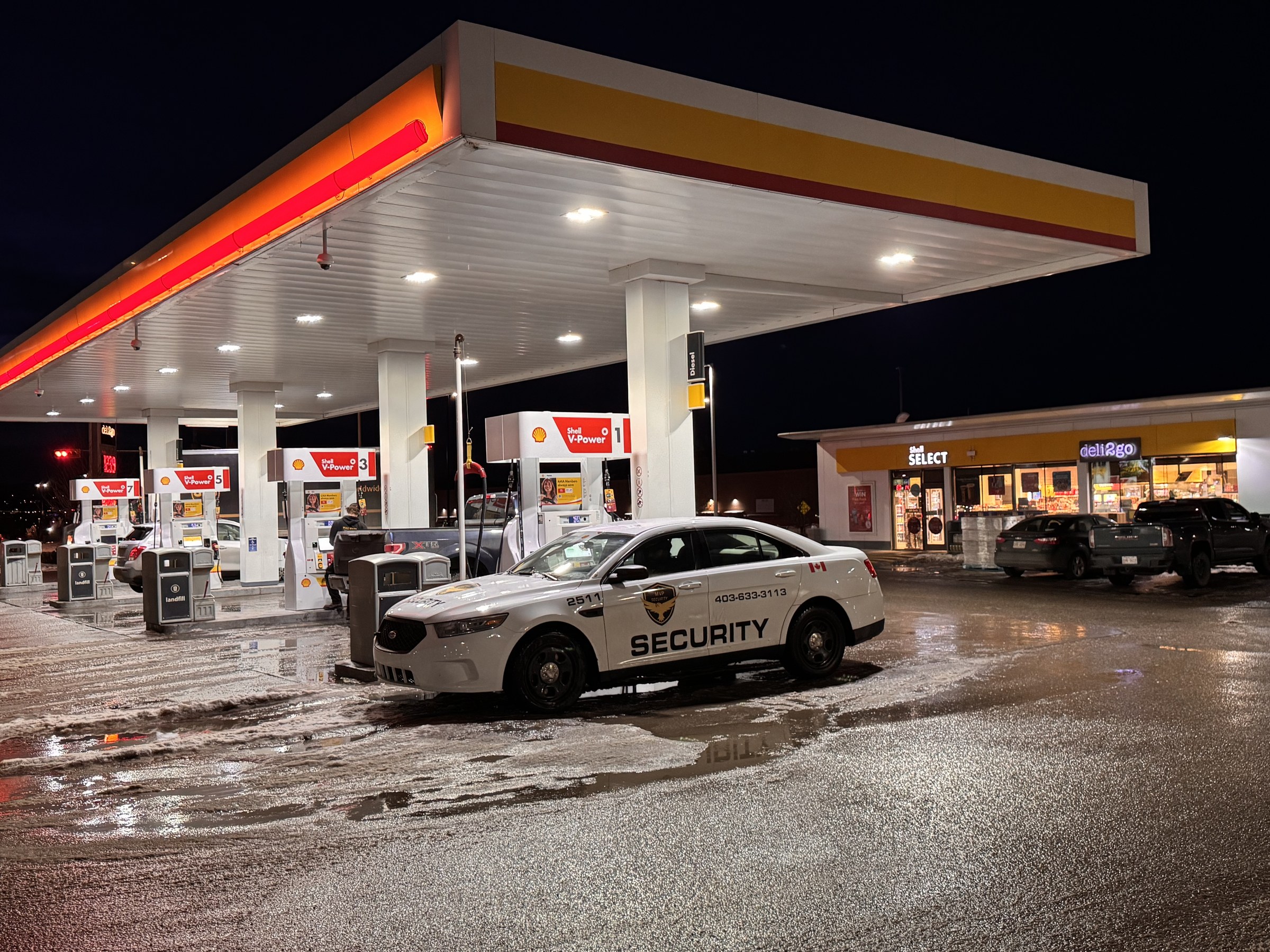
It also prevents overspending. Some sites need a visible static guard at a high-traffic entrance. Others are better served by scheduled and randomized mobile patrols, supported by GPS-tracked activity and photo-documented reports. The right answer depends on risk, site layout, operating hours, and budget.
Security risk assessment checklist
Use the checklist below during a site walk-through. Include the people who understand daily operations, such as the building manager, site supervisor, maintenance lead, or event coordinator. Walk the property during the hours when risk is highest, not only at 10 a.m. on a weekday.
1. Define what must be protected
Start with the assets, people, and activities that would create the greatest impact if disrupted. This may include tools and copper wire at a construction site, tenant safety in a residential building, inventory in a retail unit, confidential records in an office, or generators and fuel at an industrial facility.
Consider both replacement cost and operational impact. A stolen tool may be inexpensive compared with the cost of a delayed trade, missed deadline, insurance claim, or frustrated tenant. Record where each critical asset is located and whether it is secured after hours.
2. Map access points and site boundaries
Review every way a person or vehicle can enter, exit, or move between controlled areas. This includes main doors, rear doors, parkade entrances, loading bays, stairwells, gates, roof access, temporary fencing, windows, and neighbouring properties that create an easy route onto the site.
Check whether each entry point has a clear owner and control method. A door that should remain locked cannot be propped open for deliveries. A gate that relies on a shared code offers little accountability. For construction sites, inspect fencing for gaps, loose panels, poor lighting, and locations where materials can be passed over or under the perimeter.
3. Review access control and visitor procedures
Determine who is authorized to be on site and how that authorization is verified. Employees, contractors, delivery drivers, tenants, visitors, vendors, and event attendees should not all move through the property under the same process.
Ask practical questions. Are visitor logs completed consistently? Are contractor credentials checked? Are access cards recovered when staff leave? Does the concierge or guard have a current tenant, vendor, and emergency contact list? If access control is electronic, confirm that permissions are reviewed and removed promptly.
4. Check lighting, cameras, and physical deterrence
Walk exterior areas after dark where possible. Look for blind corners, poorly lit pathways, concealed doorways, parkade stairwells, loading areas, storage compounds, and spaces behind dumpsters or equipment. Lighting should support safe movement and make suspicious activity easier to observe, not simply illuminate a few main entrances.
CCTV can be valuable, but only if cameras cover the right locations, images are usable, recordings are retained appropriately, and someone can retrieve footage when needed. Cameras do not physically stop an intruder. For high-risk periods, combine them with a response plan, mobile patrols, or on-site guard coverage.
5. Identify predictable risk periods
Many incidents follow a pattern. Theft may increase after trades leave a construction site. Unauthorized access may occur during tenant move-ins, shift changes, weekend events, holidays, or when a building is partially vacant. Alarm calls may be more common during severe weather or when a site is undergoing renovation.
Document the hours when the property has the least supervision and the most exposure. This is where a targeted patrol schedule can often provide better value than continuous coverage. However, sites with repeated trespassing, active conflicts, high-value inventory, or public-facing access may need a consistent physical presence.
6. Test alarm and incident response procedures
An alarm system is only as effective as the response after it activates. Confirm who receives alarm notifications, who has authority to make decisions, how keyholders are contacted, and how quickly a trained responder can attend the site. Avoid relying on one person who may be unavailable, out of town, or unable to safely investigate alone.
Review the process for break-ins, medical incidents, aggressive behaviour, fire watch requirements, and suspicious persons. Guards should know when to observe and report, when to contact police or emergency services, and how to preserve information for a client report or investigation. Clear escalation procedures reduce confusion when time matters.
7. Assess guard coverage and patrol accountability
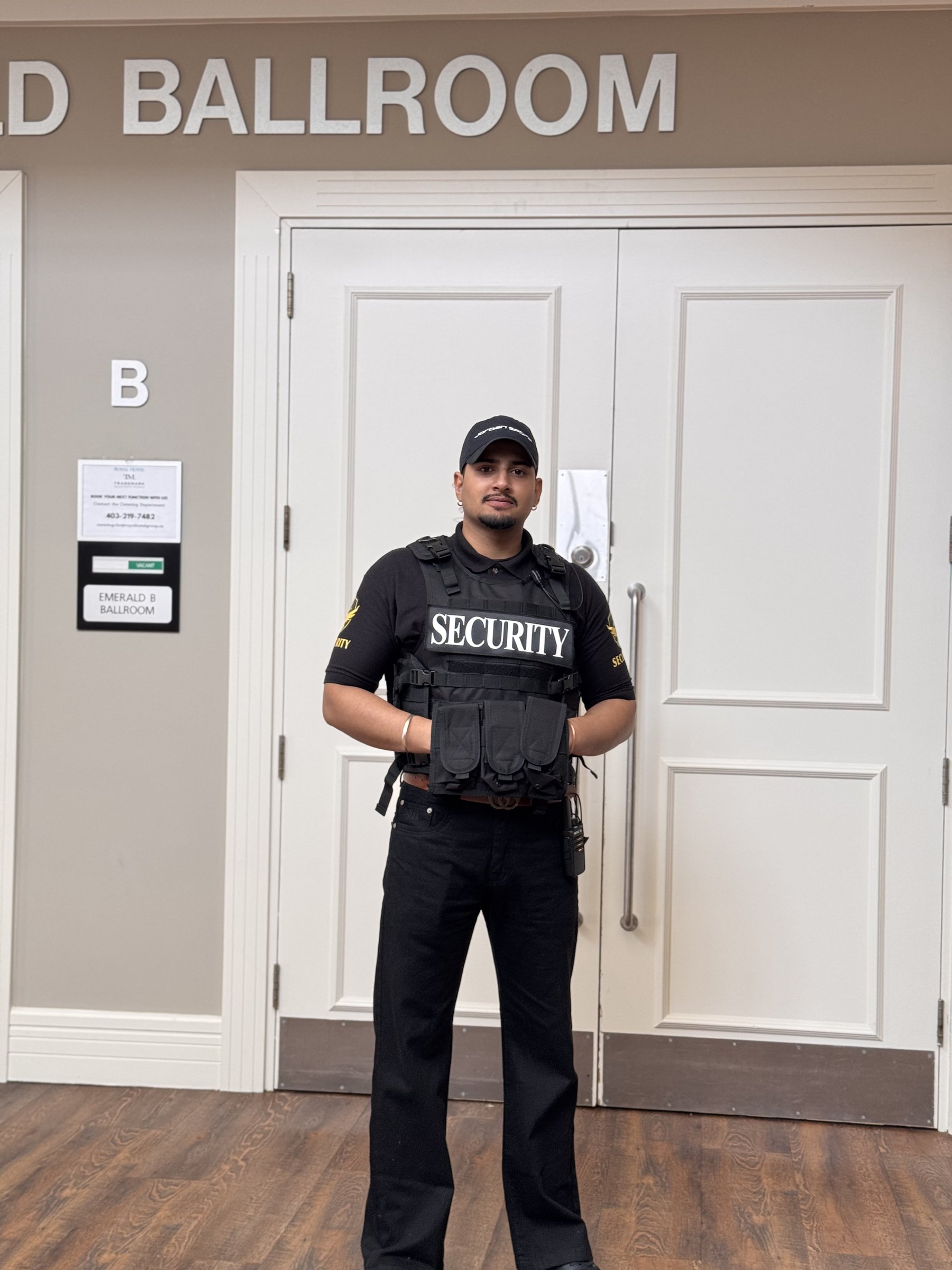
If security personnel are already assigned to the property, assess whether their duties reflect the real risks. A guard sitting at a desk may be appropriate for visitor management, but it will not replace perimeter checks, parkade rounds, loading bay inspections, or vacant-unit patrols.
Define post orders that are specific to the site. They should identify patrol areas, required check times, access procedures, emergency contacts, reporting expectations, and issues that require immediate escalation. GPS-tracked patrol activity and photo documentation give managers a way to confirm that required checks were completed and identify recurring site problems.
8. Review documentation and follow-up
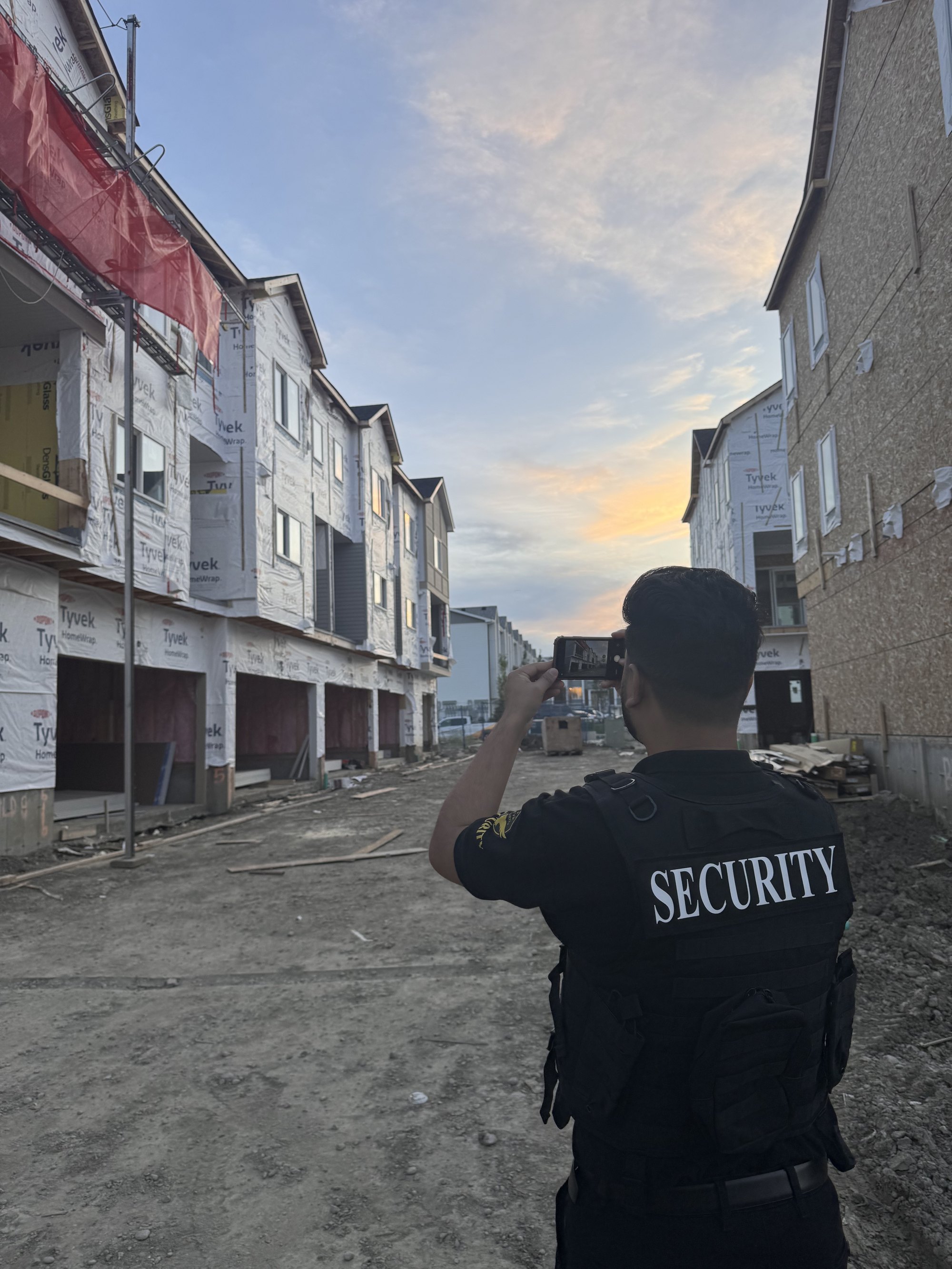
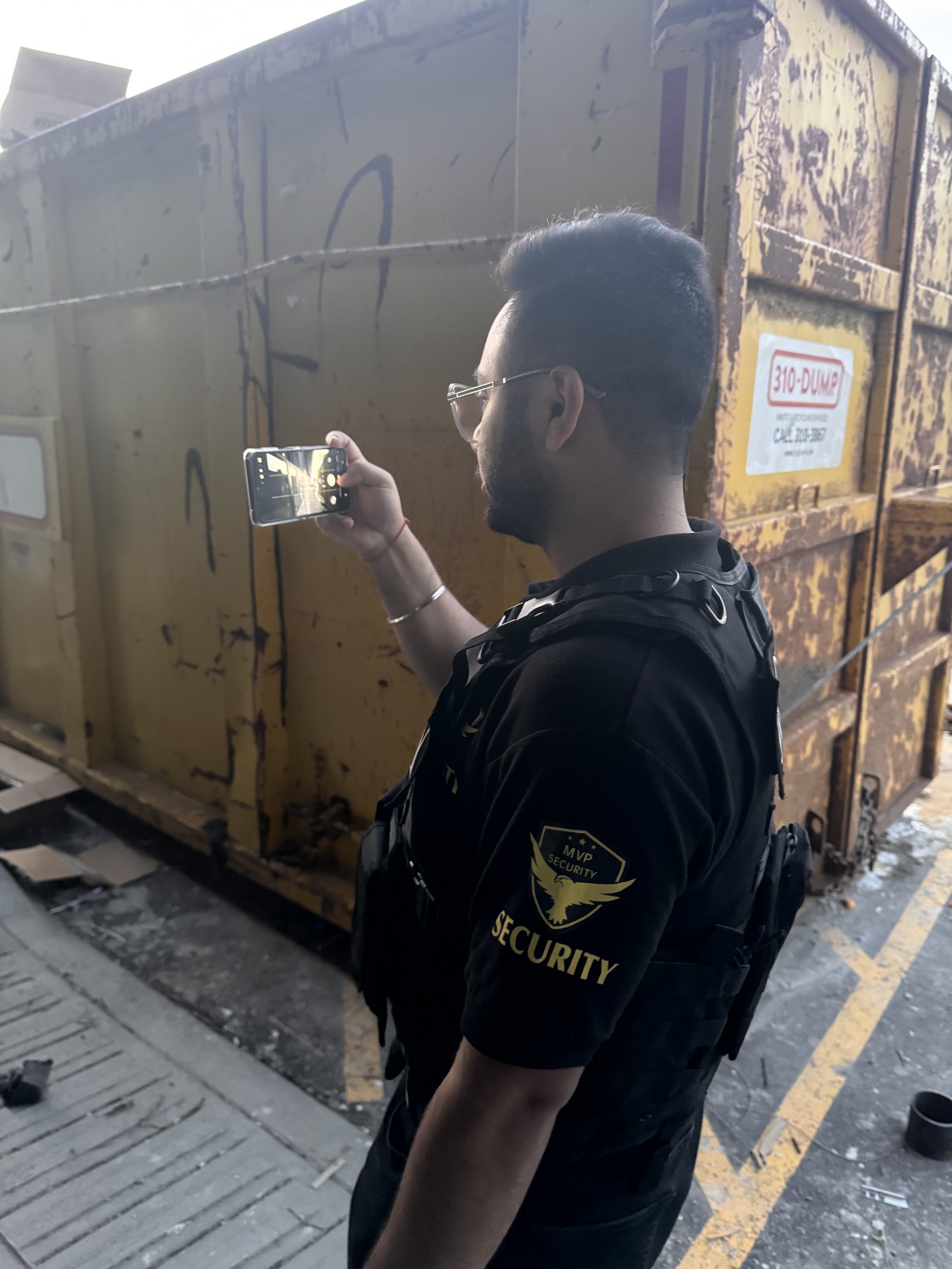
Security reporting should do more than record that a patrol occurred. It should show what was found, what action was taken, whether access issues were corrected, and which concerns need the client’s attention. Photos are particularly useful for damaged fencing, unsecured doors, graffiti, debris, lighting failures, and repeated loitering locations.
Set a process for reviewing incidents and trends. One damaged lock may be an isolated maintenance problem. Three reports involving the same rear entrance in a month indicate a pattern that needs a stronger control. Make sure recommendations have an assigned owner and a realistic completion date.
Turn findings into a workable coverage plan
After the walk-through, rank each issue by likelihood and impact. A low-likelihood event with severe consequences may still require action, particularly where life safety, public access, or significant liability is involved. Conversely, minor concerns can often be handled through maintenance, signage, revised procedures, or better key control.
For each priority issue, select a control that fits the site. A broken gate needs repair, but may also need temporary patrol checks until it is secured. A recurring after-hours alarm may call for an alarm response program rather than repeated staff callouts. A busy residential lobby may benefit from concierge and access control coverage during peak hours, while overnight mobile patrols address quieter periods.
The strongest plans use layered protection: physical controls, clear procedures, trained people, documented patrols, and a reliable response path. No single measure removes all risk, and adding more personnel without fixing basic access failures is rarely efficient.
When to repeat the assessment
Complete a formal review at least annually, then reassess whenever site conditions change. Construction phases, new tenants, staff turnover, a rise in theft, a major event, renovations, reduced occupancy, or a recent incident can all change the risk profile quickly.
For temporary events and construction sites, the review may need to happen weekly or at each project phase. Fencing, access routes, stored materials, public traffic, and operating hours can change faster than permanent property controls. Keep the assessment current rather than treating it as a document completed once and filed away.
A useful assessment ends with clear next steps: which vulnerabilities must be corrected now, what coverage is needed during high-risk hours, and who will be accountable for follow-up. If your Calgary-area site needs an objective review or short-notice coverage, MVP Security can help build a practical plan around your property, hours, and response requirements.