




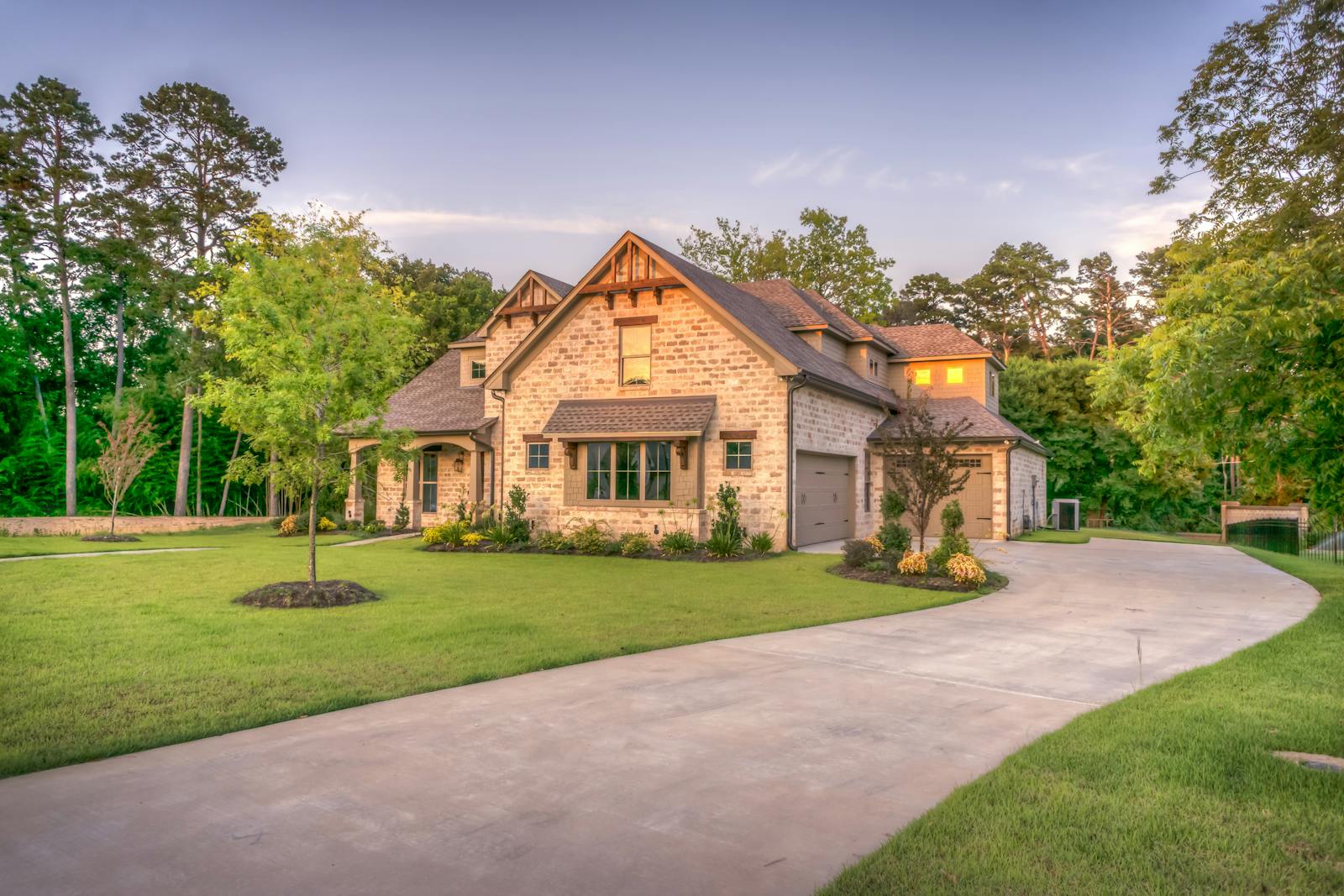







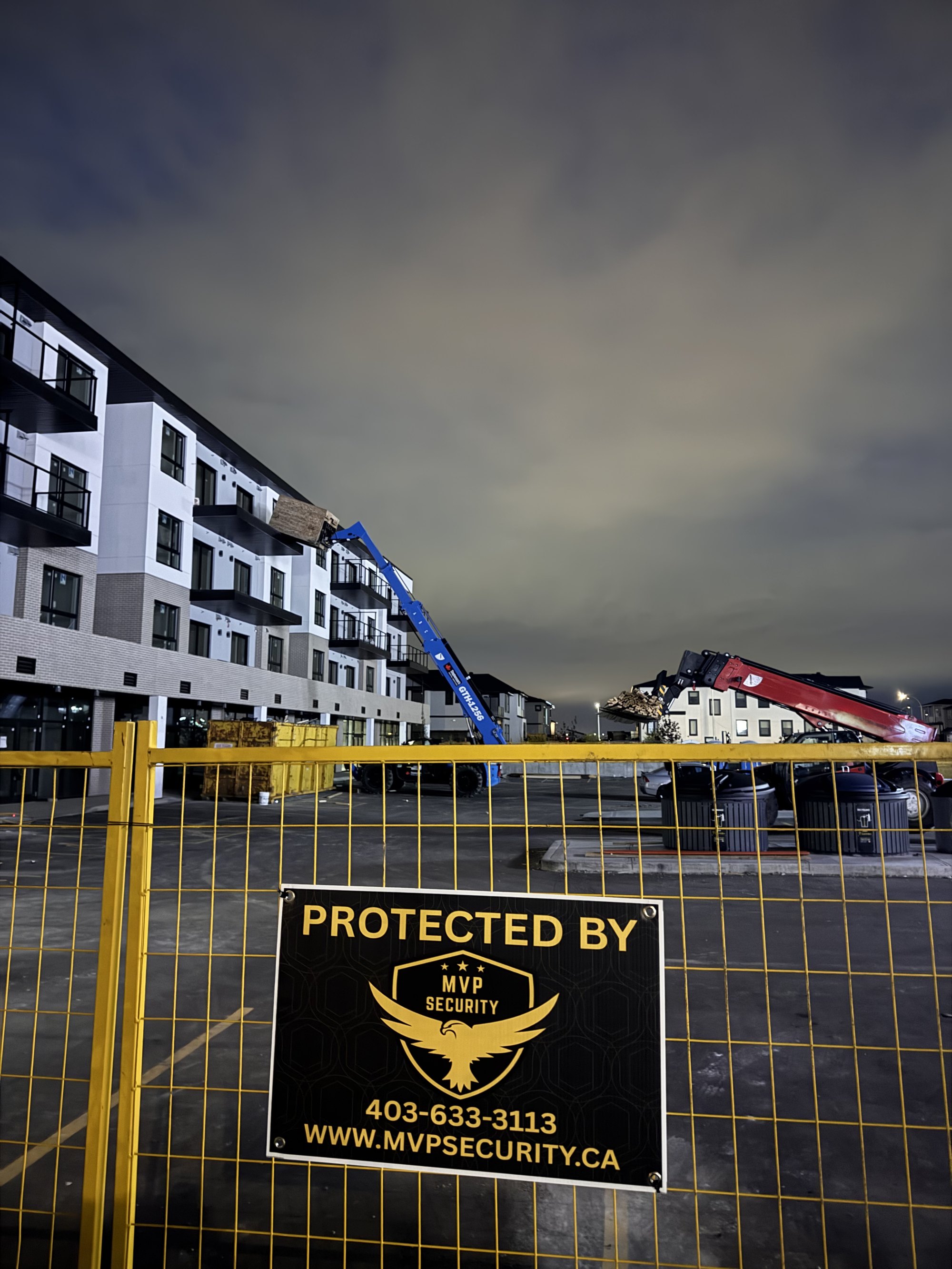

A vacant construction gate left unattended for 20 minutes can be enough time for material theft. A condo lobby, on the other hand, may need a professional presence for every resident, courier, and contractor who enters. That is the practical difference behind static guards vs patrol: one provides continuous on-site coverage, while the other creates scheduled or randomized checks across a property.
For Calgary property managers, builders, retailers, and site supervisors, the right choice is rarely about choosing the most visible service or the lowest hourly cost. It is about matching coverage to the site’s risk, operating hours, access points, and response requirements. In many cases, a combined plan delivers the best protection.
Static Guards vs Patrol: The Core Difference
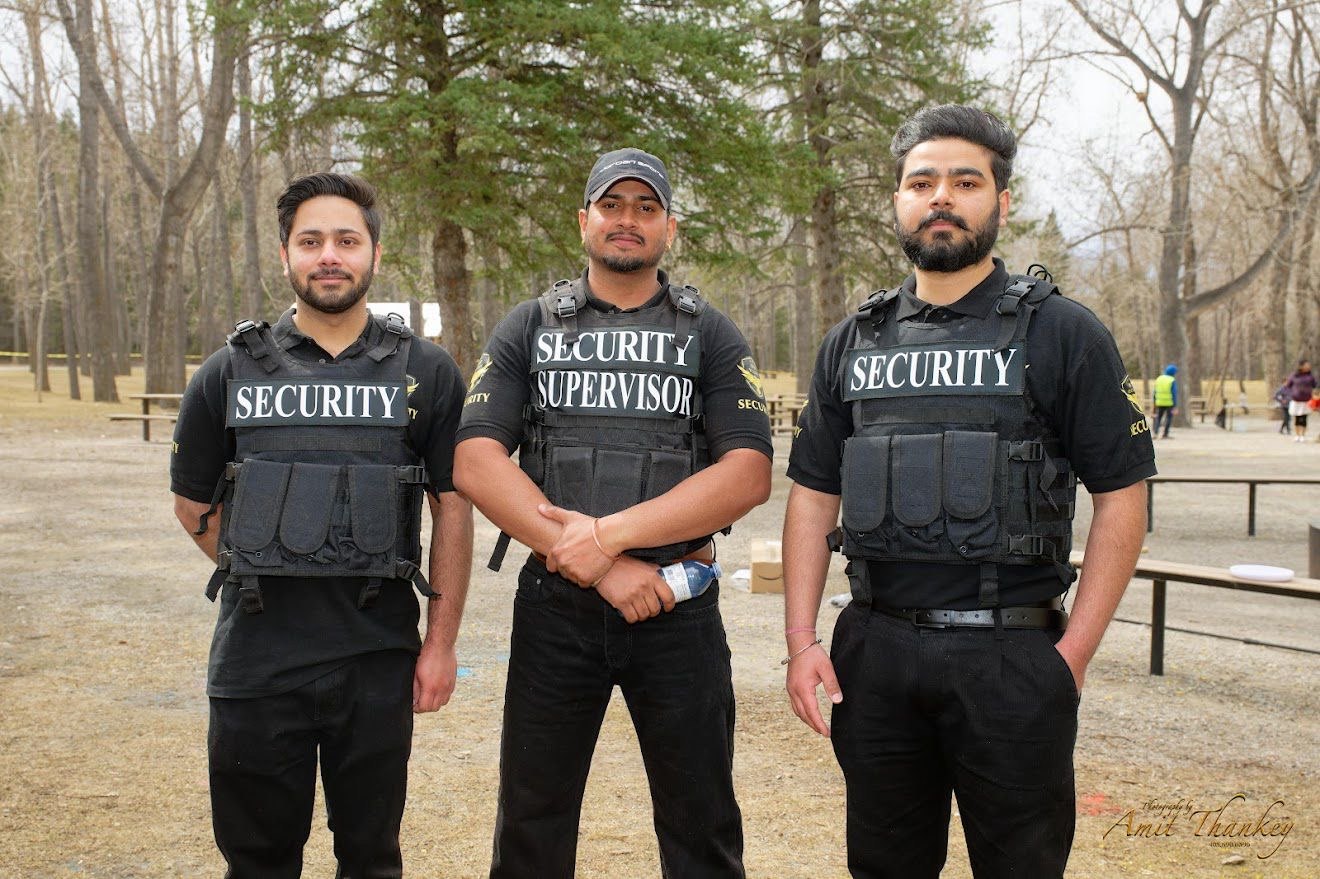
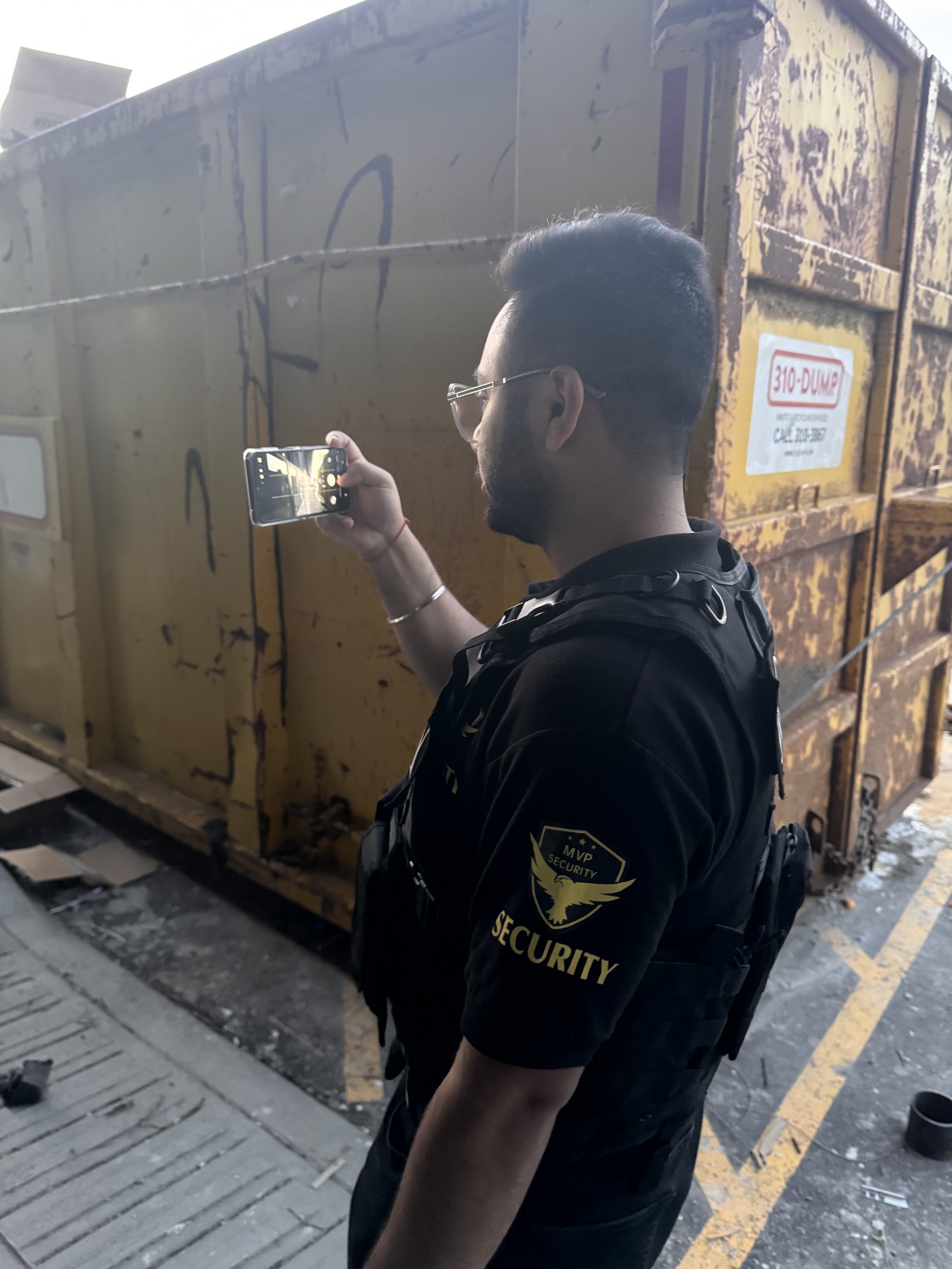
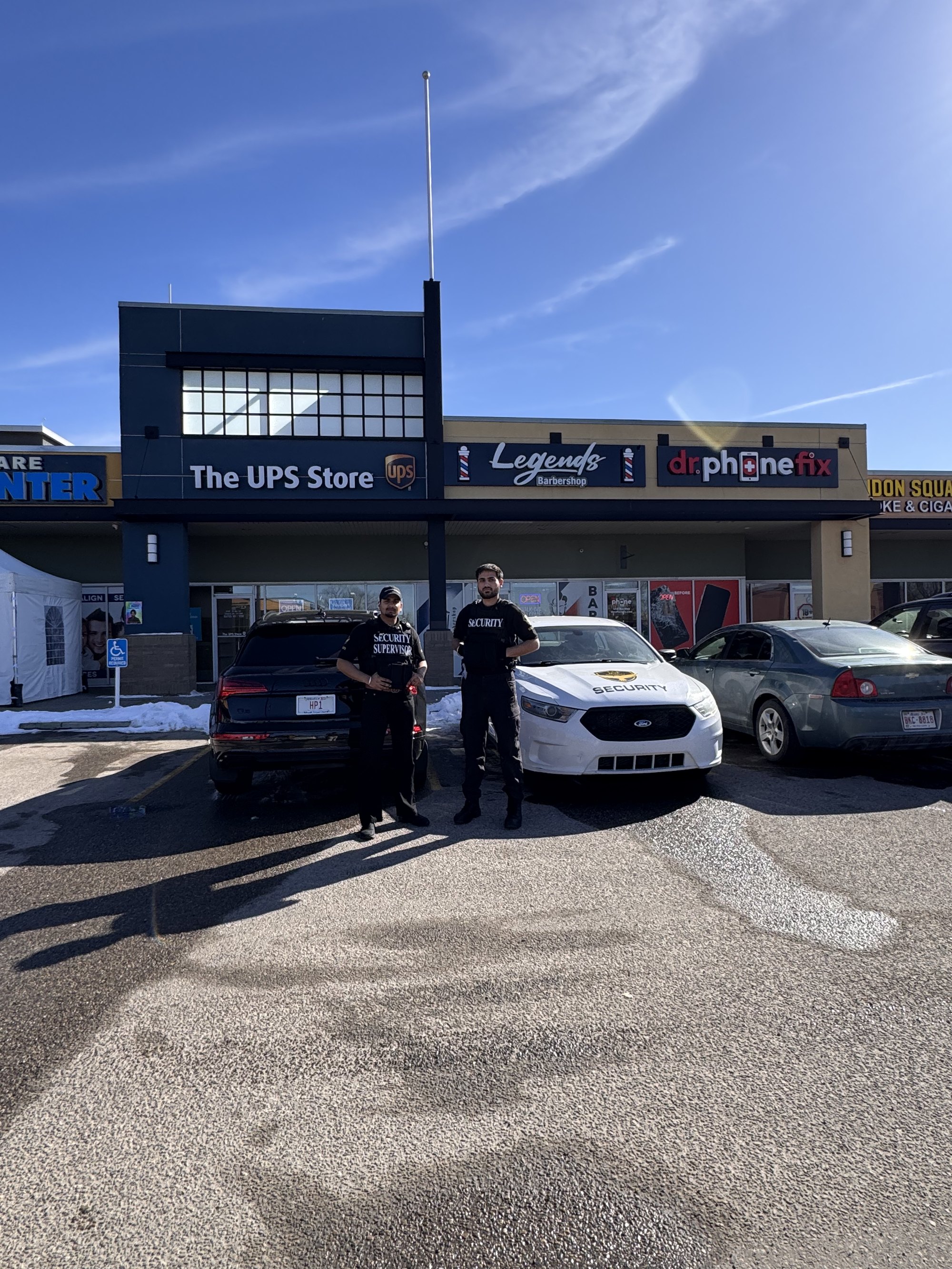
A static security guard is assigned to remain at a specific location for the duration of a shift. That may be a front desk, construction entrance, loading bay, retail floor, parkade, fire-watch post, or event access point. The guard can control entry, observe activity in real time, assist visitors, enforce site procedures, and respond immediately when an issue develops.
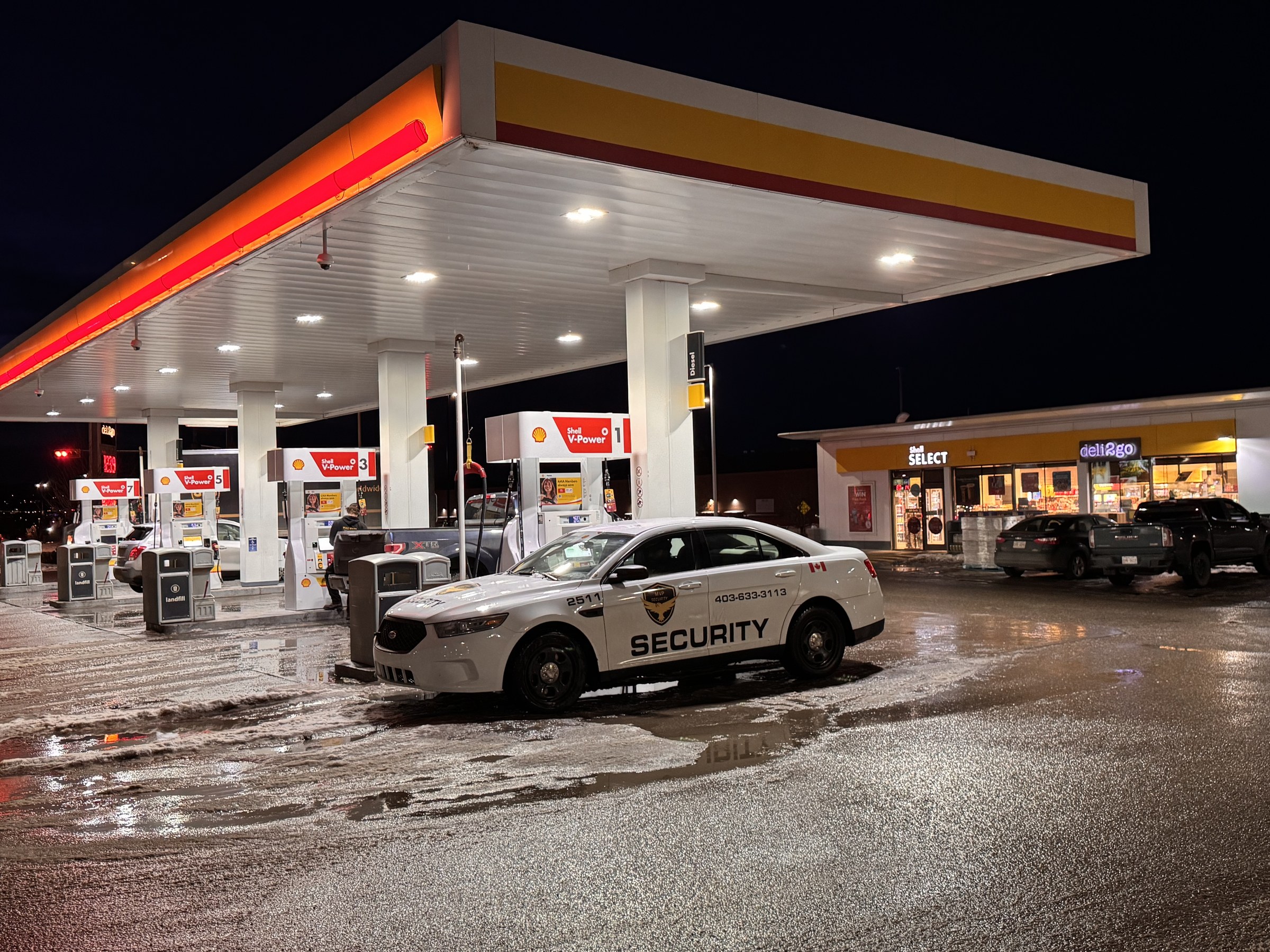
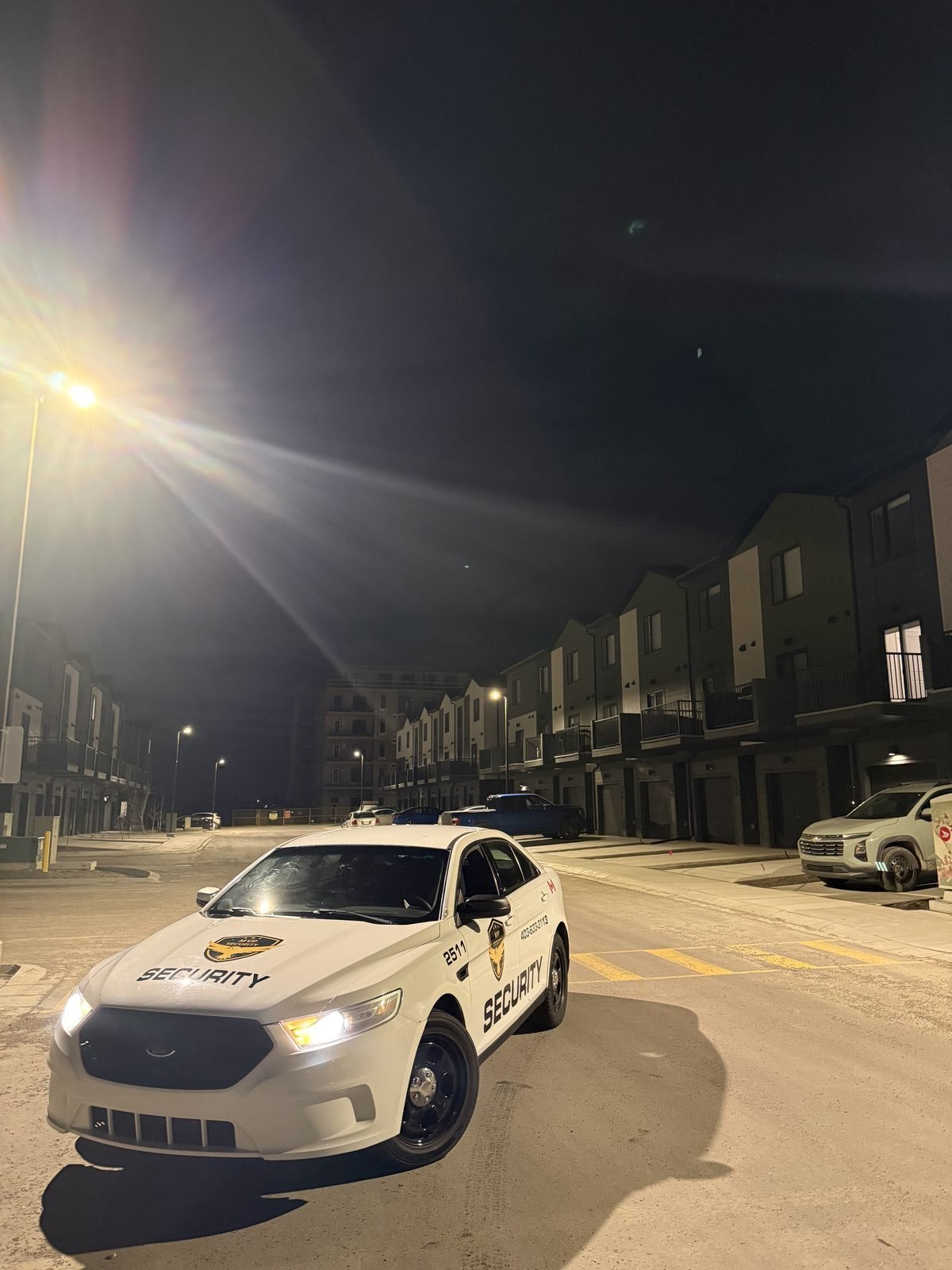
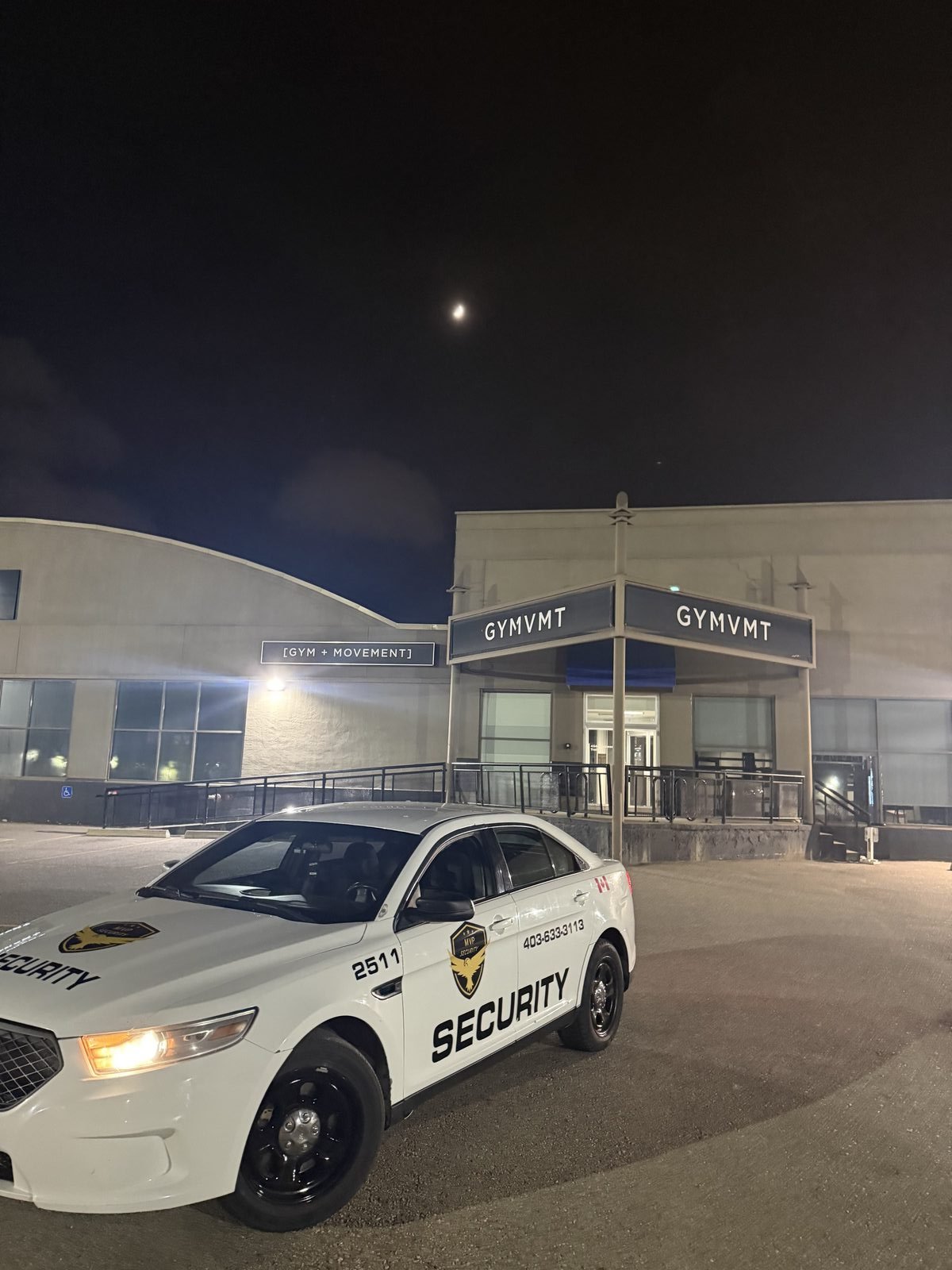
Mobile patrol involves trained, licensed guards visiting one or more properties at scheduled intervals or on a randomized route. Patrol officers check doors, gates, fencing, lighting, vacant units, alarm conditions, and other identified risk areas. GPS-tracked patrol activity and photo-documented reports give the client confirmation that inspections occurred and identify conditions requiring follow-up.
Neither model is automatically better. Static coverage is built for continuity. Patrol is built for deterrence, verification, and cost-effective oversight when a constant guard is not necessary.
When Static Guard Coverage Is the Better Fit
Static guards are most effective when a location needs someone present to make decisions, manage people, or act without waiting for a patrol unit to arrive. This is especially relevant where the public, tenants, workers, or contractors interact with the site throughout the day or night.
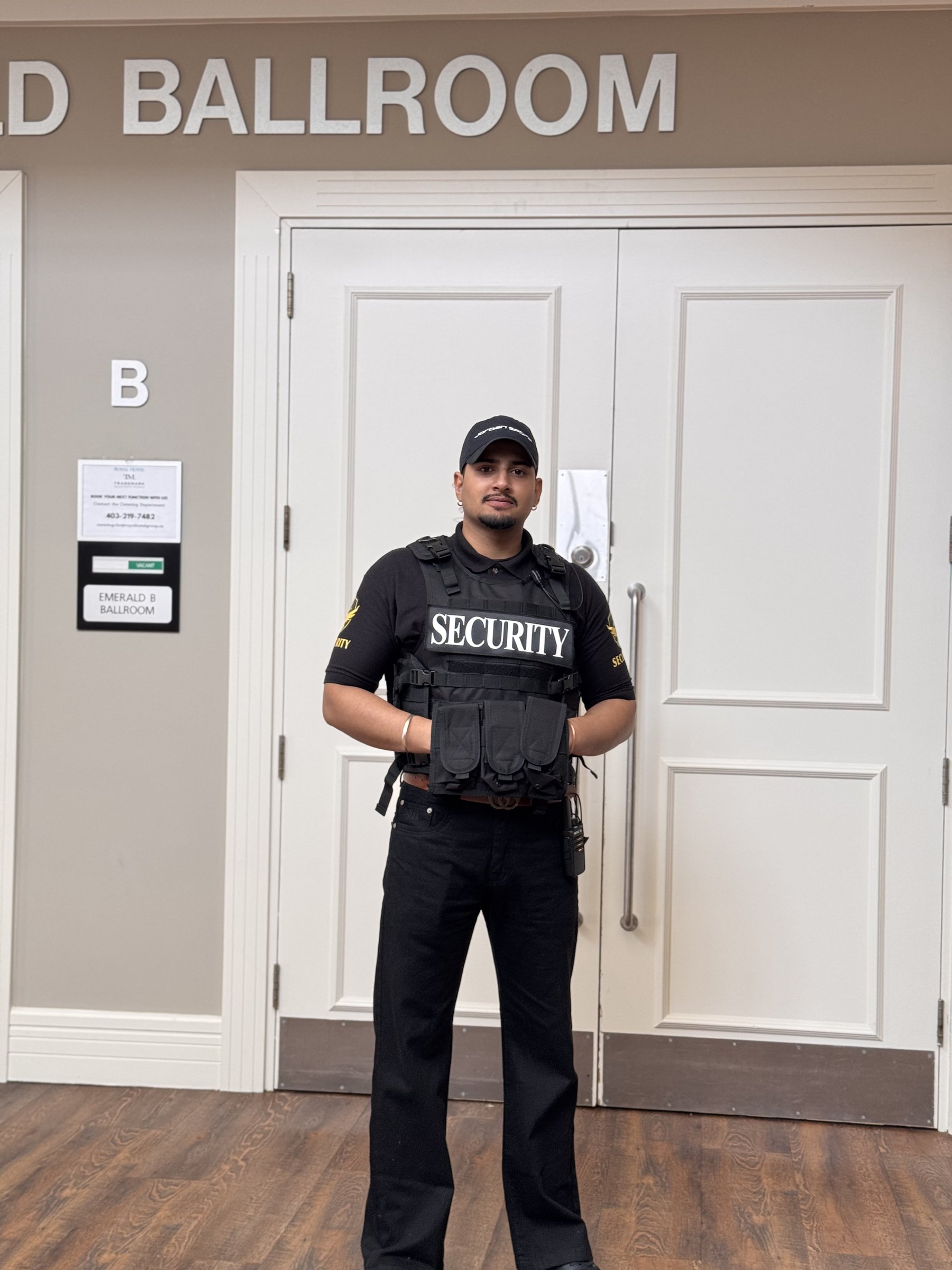
A commercial building lobby is a clear example. A static concierge or access-control guard can confirm visitors, issue passes, monitor cameras, receive deliveries, and address unauthorized entry at the moment it occurs. The same applies to a busy construction site where crews, suppliers, and subcontractors need controlled access through a single gate.
Static coverage also makes sense when the risk is concentrated in one place. A retail operator experiencing repeat shoplifting, trespassing, or disruptive behaviour may benefit from a visible guard near the entrance or sales floor. An industrial facility with a high-value equipment yard may need a guard at the gate overnight to screen vehicles and monitor movement.
The advantage is immediate awareness. A guard who remains on site learns normal routines, recognizes repeat visitors, notices changes in behaviour, and can escalate concerns before they become losses or safety incidents. That consistency is valuable in residential buildings, healthcare-adjacent properties, large events, and sites with sensitive access requirements.
The trade-off is cost. Continuous coverage requires dedicated staffing for every hour required. If a property is quiet overnight and only needs its perimeter checked, placing a guard on site for a full shift may not be the most efficient use of the security budget.
What a Static Guard Can Do Beyond Watch a Door
The best static assignments are clearly defined. Depending on the site, the guard’s post orders may include access control, visitor logs, contractor verification, key control, parking enforcement, CCTV observation, incident reporting, emergency coordination, and regular interior or exterior rounds.
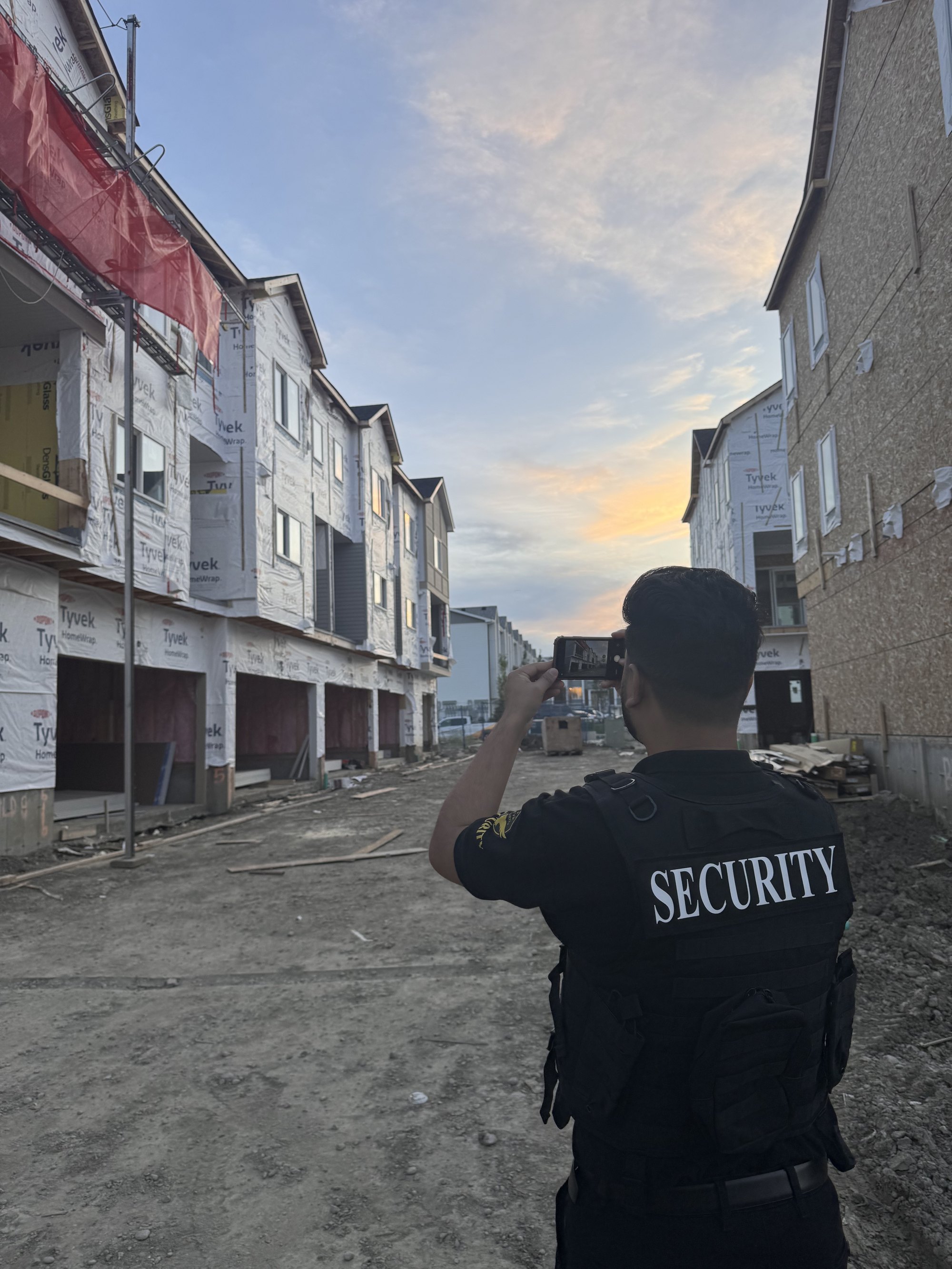
For a construction project, the role may include checking that gates are secured, documenting equipment condition, identifying fire hazards, and preserving a clear record of unauthorized access attempts. For a condo or commercial property, it may involve helping residents, responding to nuisance complaints, and coordinating with emergency services when required.
A static guard should not be treated as a replacement for building maintenance, law enforcement, or site management. Clear responsibilities, escalation procedures, and a reliable point of contact keep the role effective and professional.
When Mobile Patrol Is the Better Fit
Mobile patrol works well for sites that need a credible security presence but do not require someone standing at one post all night. Vacant commercial units, equipment compounds, small warehouses, exterior yards, parkades, and multi-property portfolios are common examples.
A patrol officer can inspect vulnerable points during the hours when theft, vandalism, trespassing, or unsafe activity is most likely. Randomized timing is particularly useful because it makes a property less predictable to opportunistic offenders. Visible vehicle checks, marked patrol activity, and documented inspections can also reassure tenants, owners, and insurers that the site is actively monitored.
Patrol is often a practical answer for a property manager responsible for several locations across Calgary, Airdrie, Cochrane, Chestermere, Okotoks, or High River. Rather than staffing each building with a dedicated overnight guard, the manager can set inspection frequency according to each site’s risk profile.
The limitation is equally straightforward: a patrol officer is not continuously present. If someone forces entry between patrol visits, the response depends on the next scheduled check, an alarm signal, camera monitoring, or a call for service. Properties with frequent incidents, public-facing access, or a need for immediate intervention may require more than patrol alone.
Patrol Is More Than a Drive-By
Effective patrol service is structured around specific site instructions. A meaningful check may include testing or inspecting entry points, walking fence lines, looking for signs of damage, checking for people sheltering on site, confirming exterior lighting, and documenting anything unusual with time-stamped photos.
For alarm response, the patrol officer attends after a monitored activation, assesses the condition of the premises, contacts the client or emergency services where necessary, and records what was found. This can reduce the burden on owners and managers who would otherwise need to attend an after-hours callout themselves.
The quality of reporting matters. A report that simply says “site checked” offers little value. Detailed notes, GPS verification, photos, and clear incident escalation create accountability and help identify recurring vulnerabilities, such as a damaged fence panel or a door that repeatedly fails to latch.
How to Choose the Right Coverage Model
Start with the question that matters most: what happens if no guard is present for 15, 30, or 60 minutes? If the answer involves uncontrolled public access, a safety issue, substantial loss exposure, or a required fire-watch function, static coverage may be necessary.
Next, look at when the risk occurs. A retail plaza may need a static guard during peak evening hours, but patrol checks after closing. A construction site may need patrol through most of the project, then temporary static coverage when high-value materials arrive or when a security breach has occurred.
Consider the layout as well. One controlled entrance can be managed effectively by a static guard. A large industrial property with several gates, long fence lines, and isolated storage areas may benefit from patrol rounds, supported by cameras and monitored alarms. A building with multiple tenant spaces may need a combination of lobby coverage and exterior patrol.
Budget should guide the design, not eliminate the risk assessment. Reducing guard hours can be reasonable when patrols, alarm response, lighting, fencing, and cameras provide meaningful support. It is less reasonable when the remaining gap leaves a high-risk access point unmanaged.
Combined Coverage Often Solves the Real Problem
Many sites do not fit neatly into one category. A static guard at a busy entrance can manage people and deliveries while mobile patrol checks the perimeter, parkade, loading dock, and exterior doors. This avoids asking one guard to leave a critical post unattended to investigate a distant area.
For construction, a mobile patrol program can provide regular overnight inspections, while static guards are added during concrete pours, equipment deliveries, labour disruptions, or periods of elevated theft. For events, static guards can manage guest screening and access points while mobile personnel monitor parking areas, queues, and emergency exits.
This approach allows coverage to change as the property changes. Security requirements during a building handover, a vacancy, a tenant move-out, or an active incident are not the same as normal day-to-day operations.
Build Coverage Around Evidence, Not Assumptions
Review incident history, alarm activity, access patterns, previous loss, tenant concerns, and the physical condition of the site. A security plan should identify what the guard is protecting, where the vulnerable points are, how incidents are escalated, and what documentation the client receives after each shift or patrol.
Licensed Alberta security professionals should be working from site-specific instructions, not generic expectations. That is how service remains consistent when schedules change, an incident occurs, or short-notice coverage is required.
For decision-makers weighing static guards against patrol, the useful question is not which service sounds stronger. It is which coverage closes the most significant gap at your property. A local assessment from MVP Security can turn that answer into a practical schedule that protects the site without paying for coverage it does not need.