







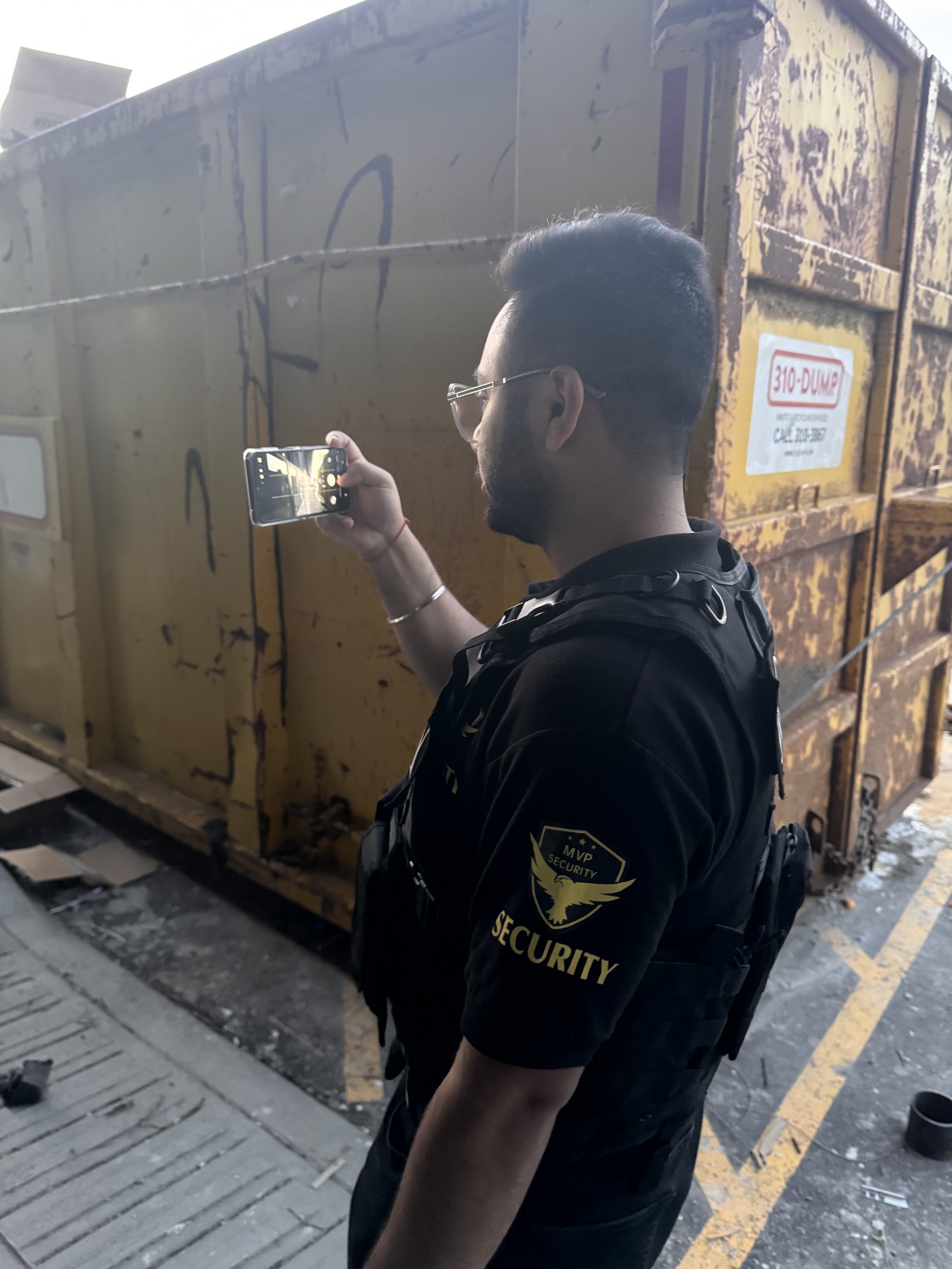
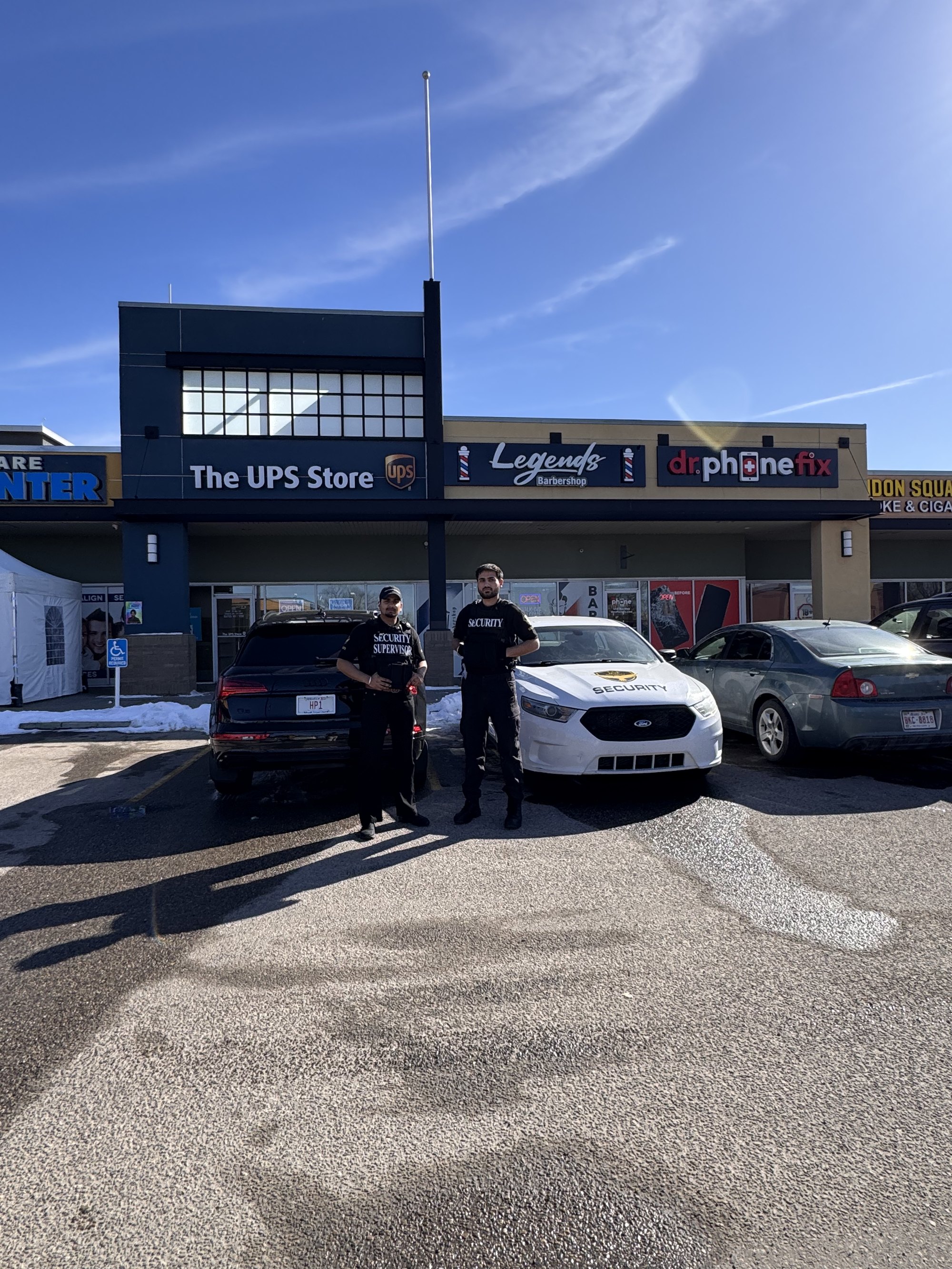
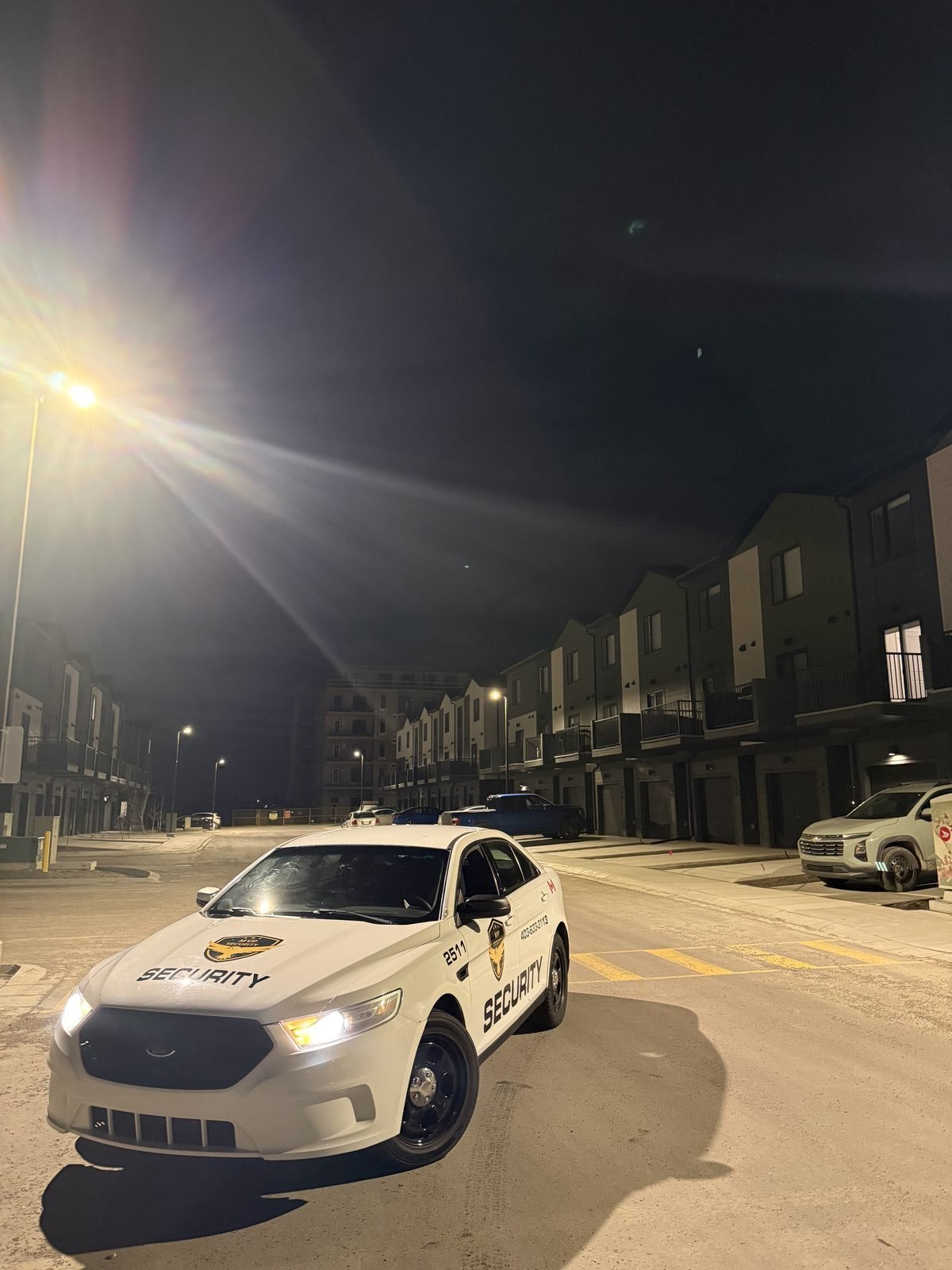
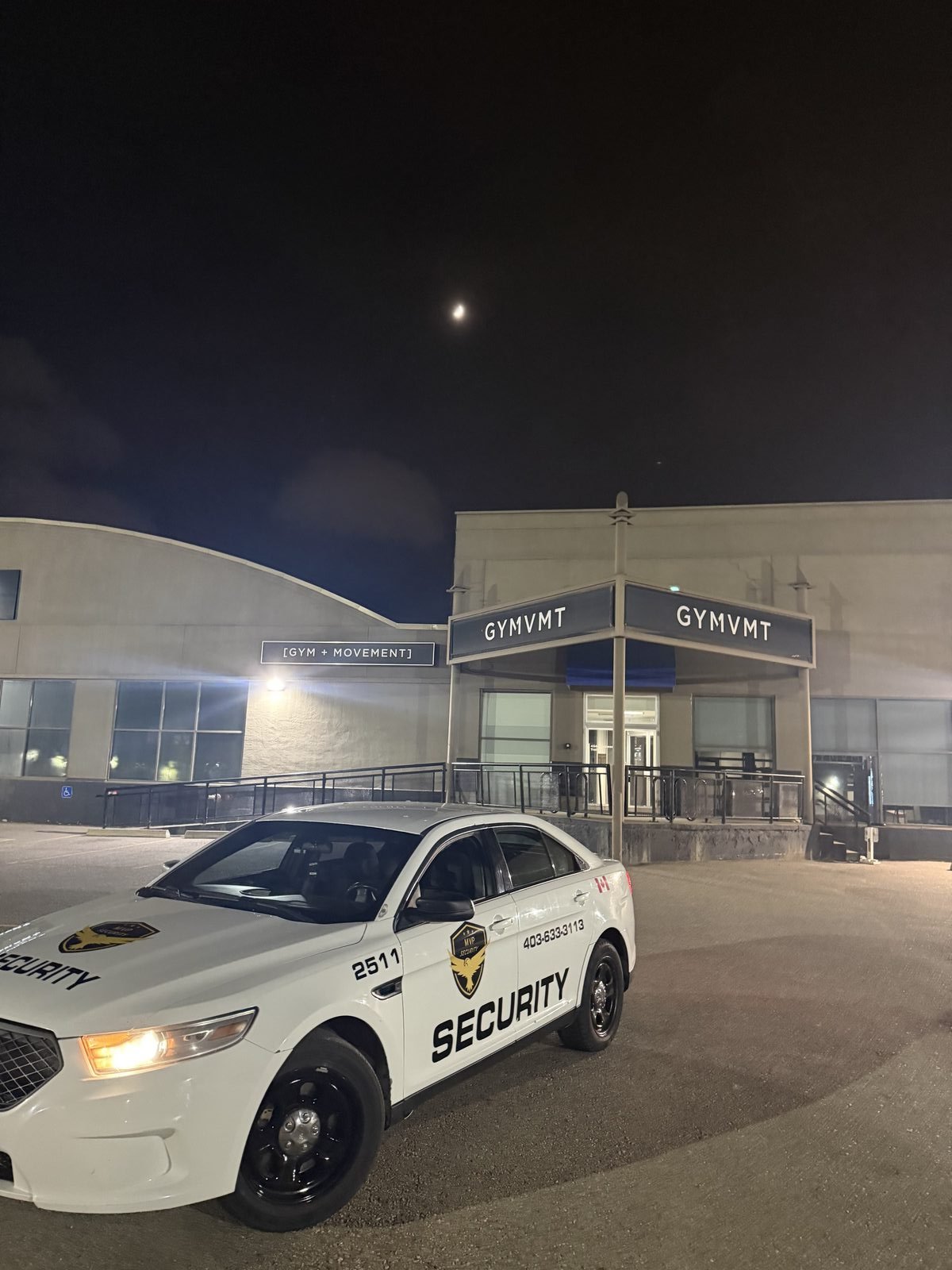
A vacant overnight shift, a damaged entry point, an alarm that will not reset, or a sudden staffing absence can change a normal operating day quickly. This temporary security coverage guide is designed for Calgary-area property and site decision-makers who need to close a security gap without creating new operational problems.
Temporary coverage is not simply a matter of placing a guard at a door. The right response depends on what is exposed, who needs access, how long the risk will last, and what evidence or reporting you may need afterward. A construction site after a break-in requires a different plan than a condo lobby with a concierge absence or a retail location dealing with repeated alarm activations.
When Temporary Security Coverage Is the Right Response
Temporary security is appropriate when a site has a short-term but meaningful vulnerability that cannot be managed by existing staff, cameras, or locks alone. It may be planned well in advance, such as coverage for an event or holiday closure. More often, it is reactive: a contractor leaves an opening unsecured, a fire system requires a watch, a guard provider fails to show up, or an incident raises immediate concerns about theft or unauthorized access.
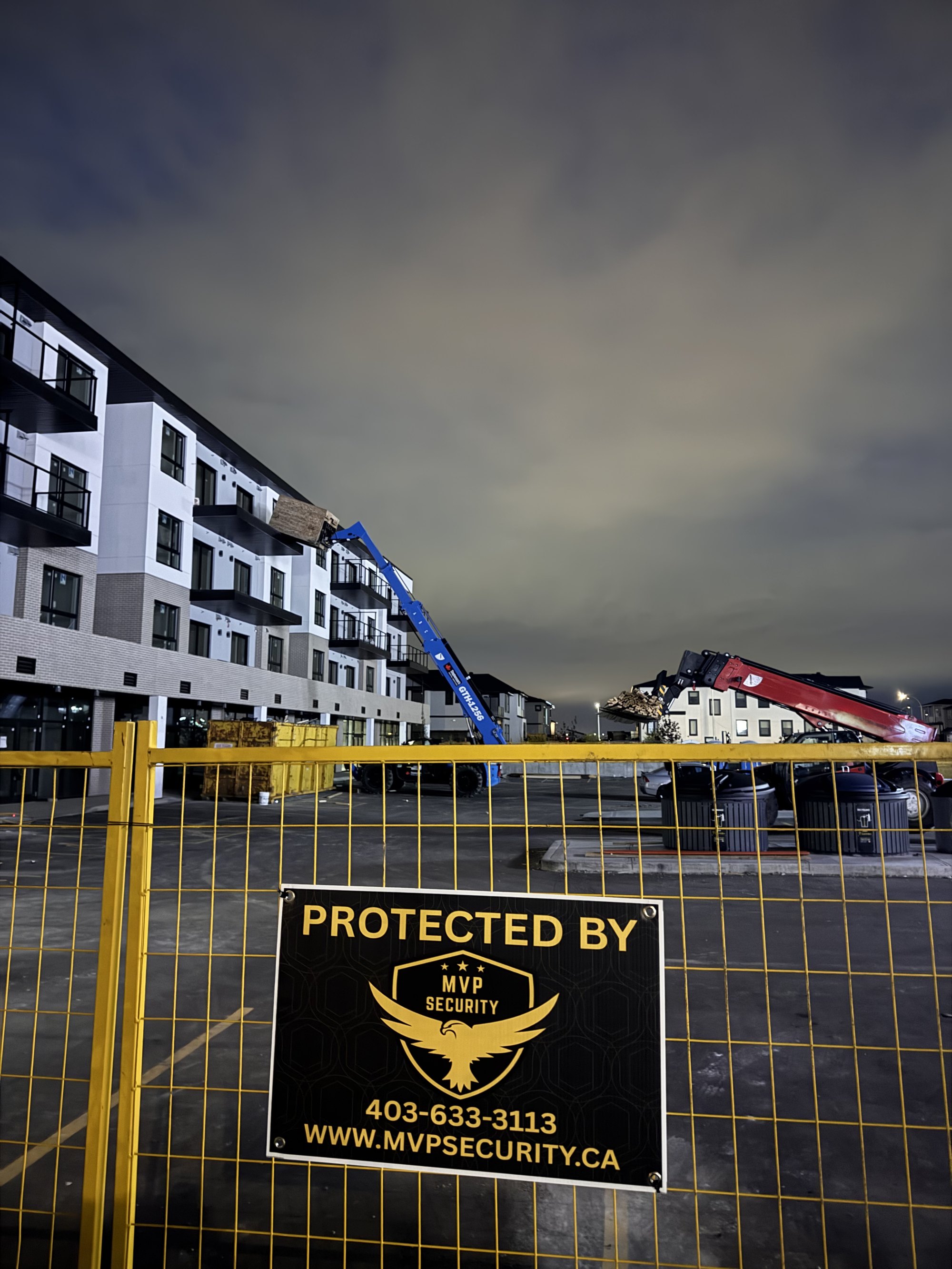
For property managers, the issue may be a lobby, parkade, vacant suite, or damaged access point. Construction managers may need visible overnight protection for tools, equipment, fuel, copper, or materials. Retail operators may require a professional presence during a high-risk delivery, inventory period, or after an employee safety concern. Industrial supervisors may need controlled access while a gate, alarm, or monitoring system is being repaired.
The purpose is not to overstaff a site. It is to establish enough professional presence, observation, access control, and response capability to manage the actual risk until normal conditions return.
Temporary Security Coverage Guide: Start With the Risk and Timeline
Before requesting coverage, identify what changed and how long the exposure is likely to remain. A clear description helps a provider deploy the right personnel and instructions instead of sending a generic guard service that does not fit the site.
Start with the practical facts. Is there a specific breach, such as a broken fence, failed lock, open gate, alarm trouble signal, or vandalized entrance? Is the concern primarily theft, trespassing, employee safety, fire watch, visitor management, or liability? Determine whether the site must remain open to staff, residents, deliveries, contractors, or the public.
The timeline matters just as much. Coverage for a two-hour alarm response is scoped differently than overnight guarding for several weeks. If repair work is underway, ask when the contractor expects the issue to be resolved, but build in contingency time. Repairs can be delayed by weather, parts availability, access restrictions, or further damage discovered on site.
A useful request includes the site address, required start time, expected end time, known hazards, access instructions, contact names, and any recent incidents. If there are cameras, alarm panels, visitor logs, keys, fobs, or lockboxes, explain how they are used. This gives the guard a workable post order from the first shift.
Separate Urgent Needs From Ongoing Concerns
An urgent deployment should address the immediate gap first. For example, a guard may secure a damaged entrance, control access, document conditions, and report suspicious activity while repairs are arranged. Once the site is stable, the plan can be adjusted to include scheduled patrols, additional hours, or a more permanent security program.
This distinction prevents a common problem: continuing expensive static coverage when a lower-frequency mobile patrol would manage the remaining risk. It also prevents the opposite mistake - reducing coverage too early because the visible damage has been repaired while theft activity or unauthorized access remains a concern.
Match the Service to the Site Condition
The most effective temporary coverage is based on function, not labels. A visible guard at one entrance may be appropriate for a busy building, but it will not necessarily protect an isolated construction perimeter or multiple access points.
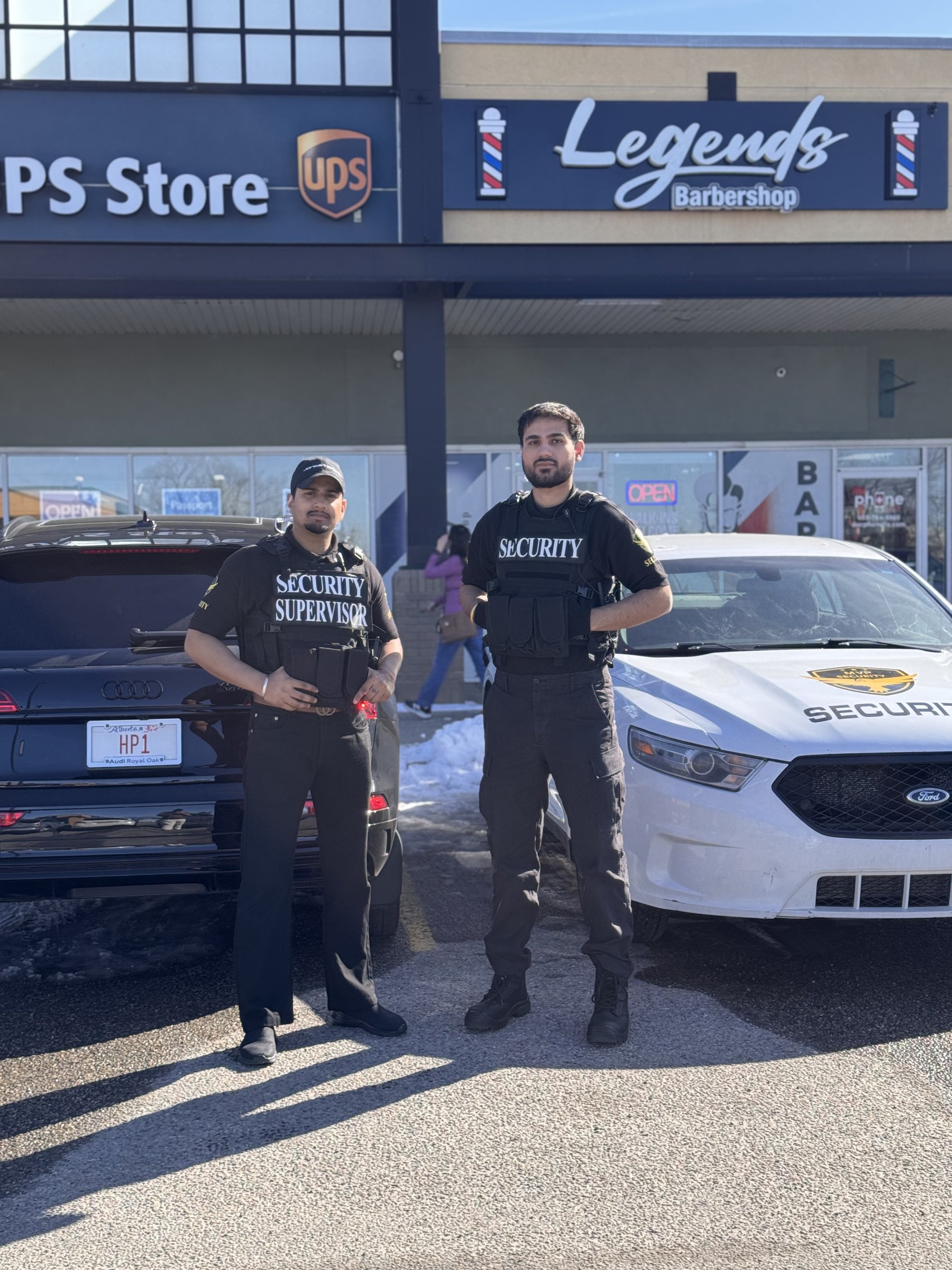
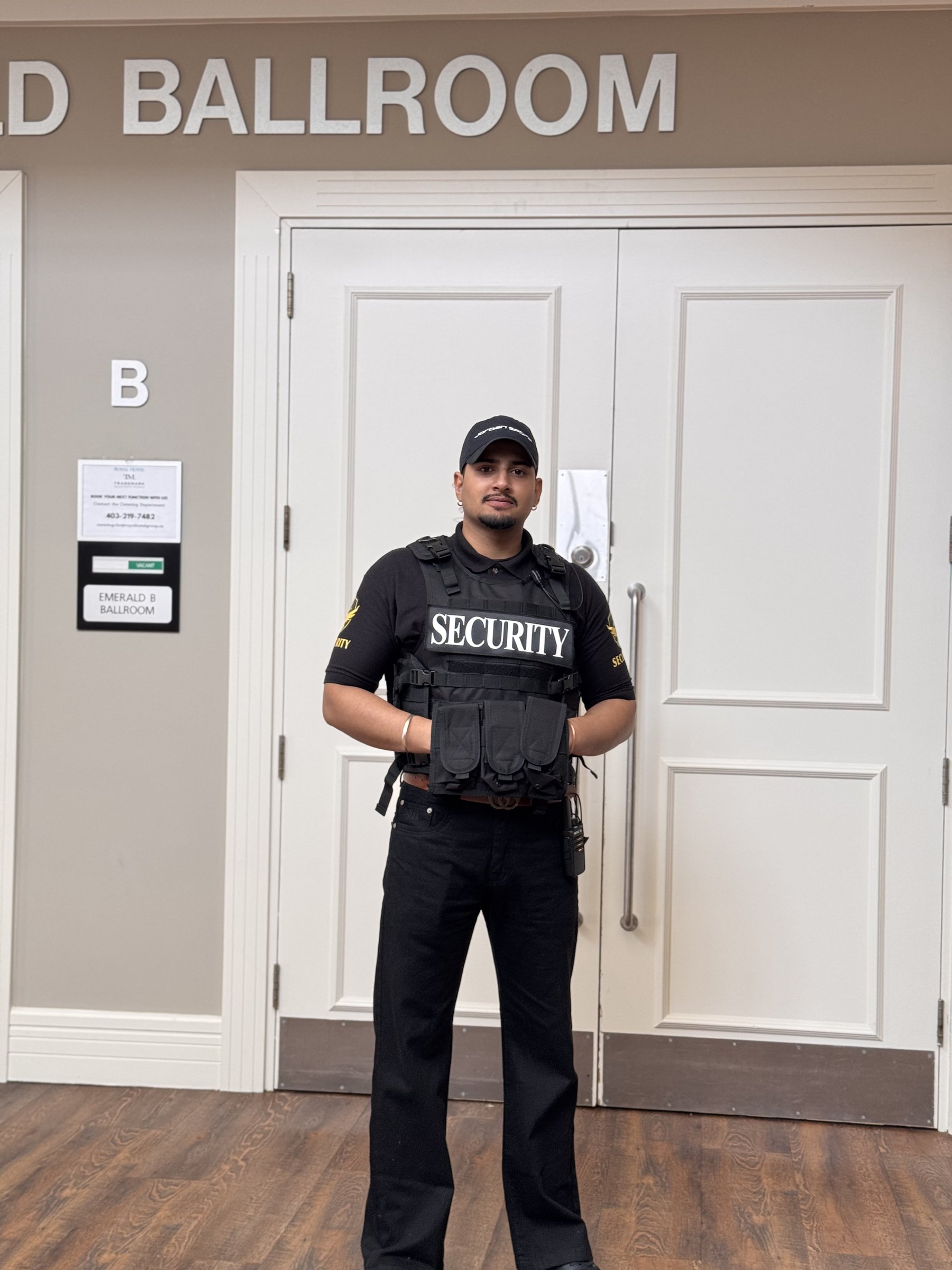
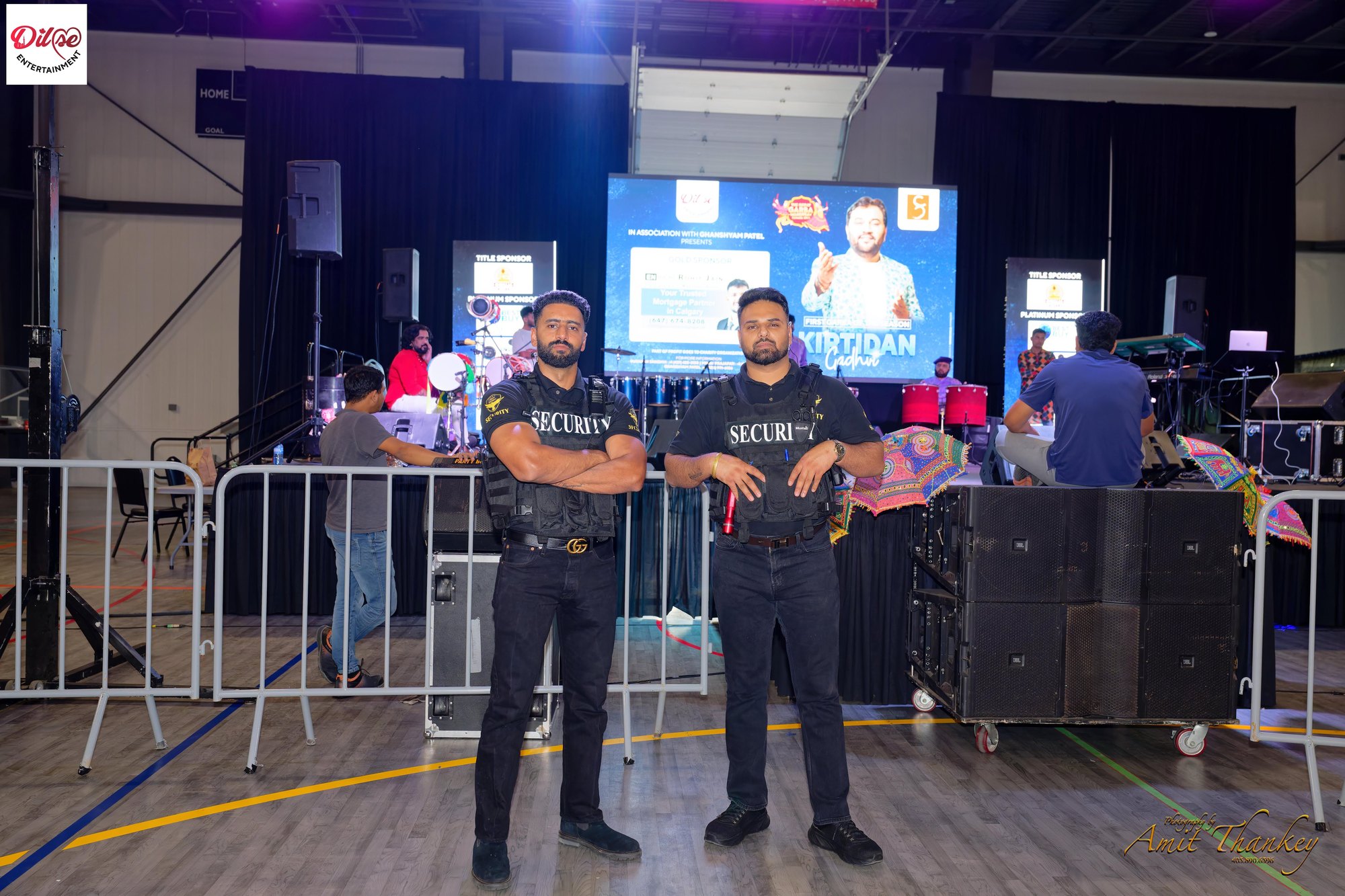
Static security guards are often the best fit where there is a fixed post and regular interaction with people. This can include a damaged building entrance, a condo lobby, a retail storefront, a receiving area, an event gate, or a controlled industrial access point. The guard can monitor entry, verify authorized visitors, maintain a presence, complete logs, and escalate incidents according to site instructions.
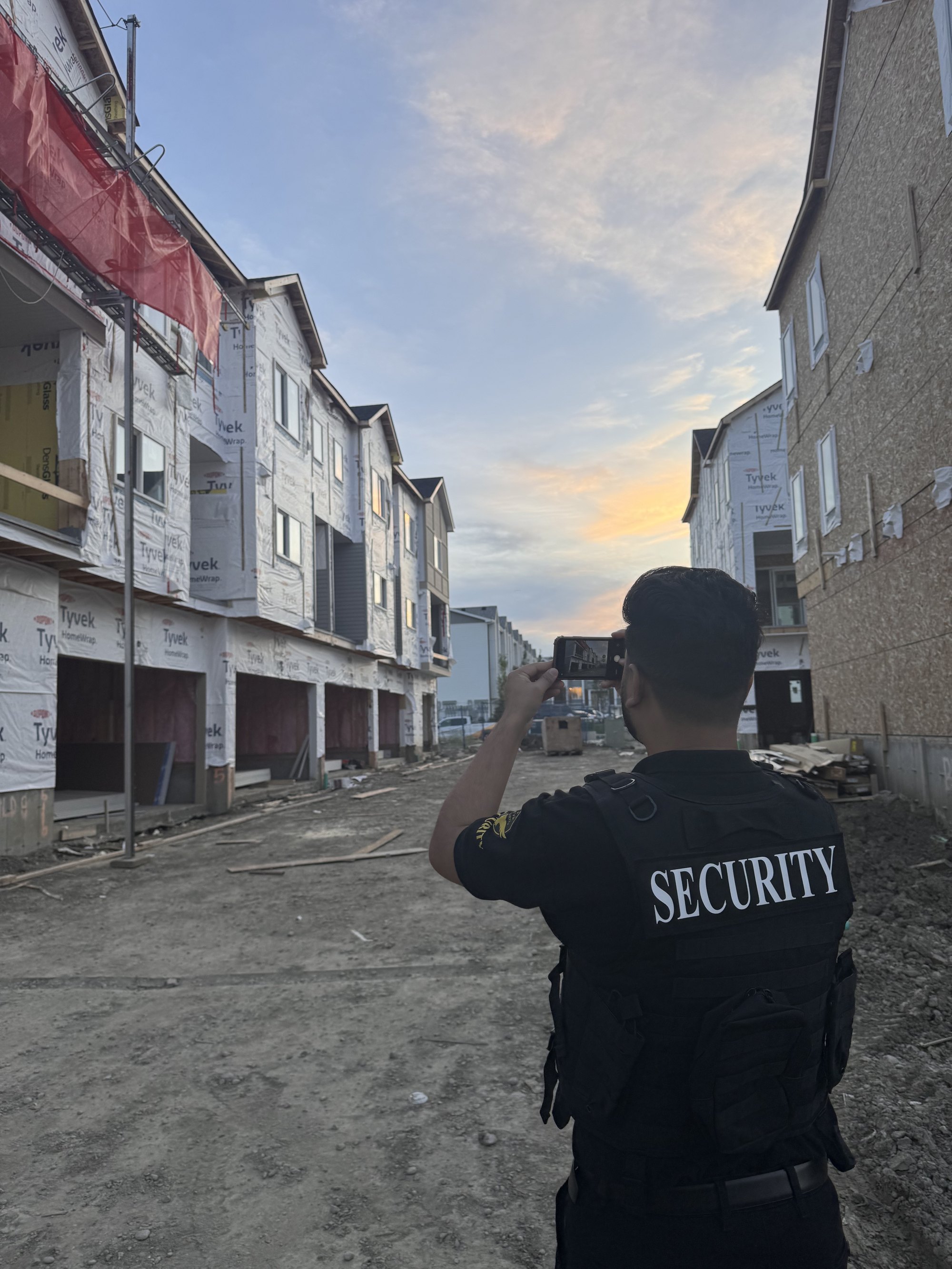
Mobile patrol is often more cost-effective for larger properties, vacant buildings, exterior perimeters, and locations requiring periodic but documented checks. GPS-tracked patrol activity and photo-documented reporting can provide accountability when there is no need for a guard to remain at one post continuously. Patrol frequency should reflect the risk. A site with recent theft attempts may need more frequent checks than a stable vacant property with working cameras and secure fencing.
Fire watch is a specialized temporary need when a fire protection system is impaired or when required by the authority having jurisdiction, insurer, or building procedures. The assignment must be clearly defined. A fire watch guard needs the relevant patrol areas, check intervals, escalation instructions, and accurate documentation requirements. Do not assume a standard security shift automatically meets fire watch obligations.
Alarm response can be the right option for monitored systems that require a trained person to attend, assess visible conditions, coordinate with contacts, and document the event. If repeated alarms are occurring, temporary on-site coverage may be warranted until the cause is fixed.
Build a Deployment Plan That Works on the First Shift
A fast dispatch is valuable only when the assigned guard can operate safely and effectively on arrival. The site should provide a concise post order covering the work that must be done, not just a broad instruction to “watch the property.”
A strong temporary plan sets out four essentials:
- The coverage hours, post location, patrol areas, and required check frequency.
- Access procedures for employees, residents, contractors, deliveries, and emergency services.
- Known safety hazards, restricted zones, incident escalation contacts, and police or emergency protocols.
- Reporting expectations, including daily activity reports, incident reports, photographs, and end-of-shift handover notes.
The reporting requirement deserves attention. Decision-makers often need records for ownership groups, insurers, general contractors, tenants, or internal leadership. A report should clearly state when the guard arrived, what areas were checked, what issues were observed, what actions were taken, and who was notified. Vague notes do little to support operational decisions after an incident.
For a multi-day assignment, conduct a brief review after the first shift. Confirm that access instructions are correct, the patrol route covers the real risks, and the guard has the tools needed to complete the post. Conditions at construction and commercial sites can change rapidly, especially when trades, deliveries, or restoration work are active.
Verify Licensing, Supervision, and Accountability
When coverage is needed urgently, it can be tempting to focus only on speed. Speed matters, but so do licensing, insurance, professionalism, and oversight. A security provider should be able to deploy personnel who meet Alberta licensing requirements and operate within Alberta’s Security Services and Investigators Act requirements.
Ask how attendance is verified, how supervisors are involved, and how incidents are escalated after regular business hours. A provider with 24/7 operational support, dispatch visibility, GPS-backed patrol verification, and clear reporting processes gives the client more control than an arrangement based only on verbal check-ins.
It is also reasonable to ask what the guard will do if a situation exceeds the scope of observation and reporting. Security guards are not a replacement for police, fire, emergency medical services, or skilled trades. Their value is in deterrence, controlled access, situational awareness, prompt notification, and professional documentation while the appropriate response is activated.
Control Cost Without Leaving a Gap
Temporary security pricing depends on several factors: the number of guards, hours of coverage, post complexity, timing, travel, required equipment, and how quickly deployment is needed. Short-notice service may cost more than scheduled coverage, particularly during overnight, weekend, or holiday periods.
The practical question is not simply whether static guarding is cheaper than mobile patrol. It is whether the chosen service reduces the likelihood and impact of the risk you are facing. A single overnight theft, fire-related loss, injury claim, or unauthorized entry can exceed the cost of properly scoped short-term coverage.
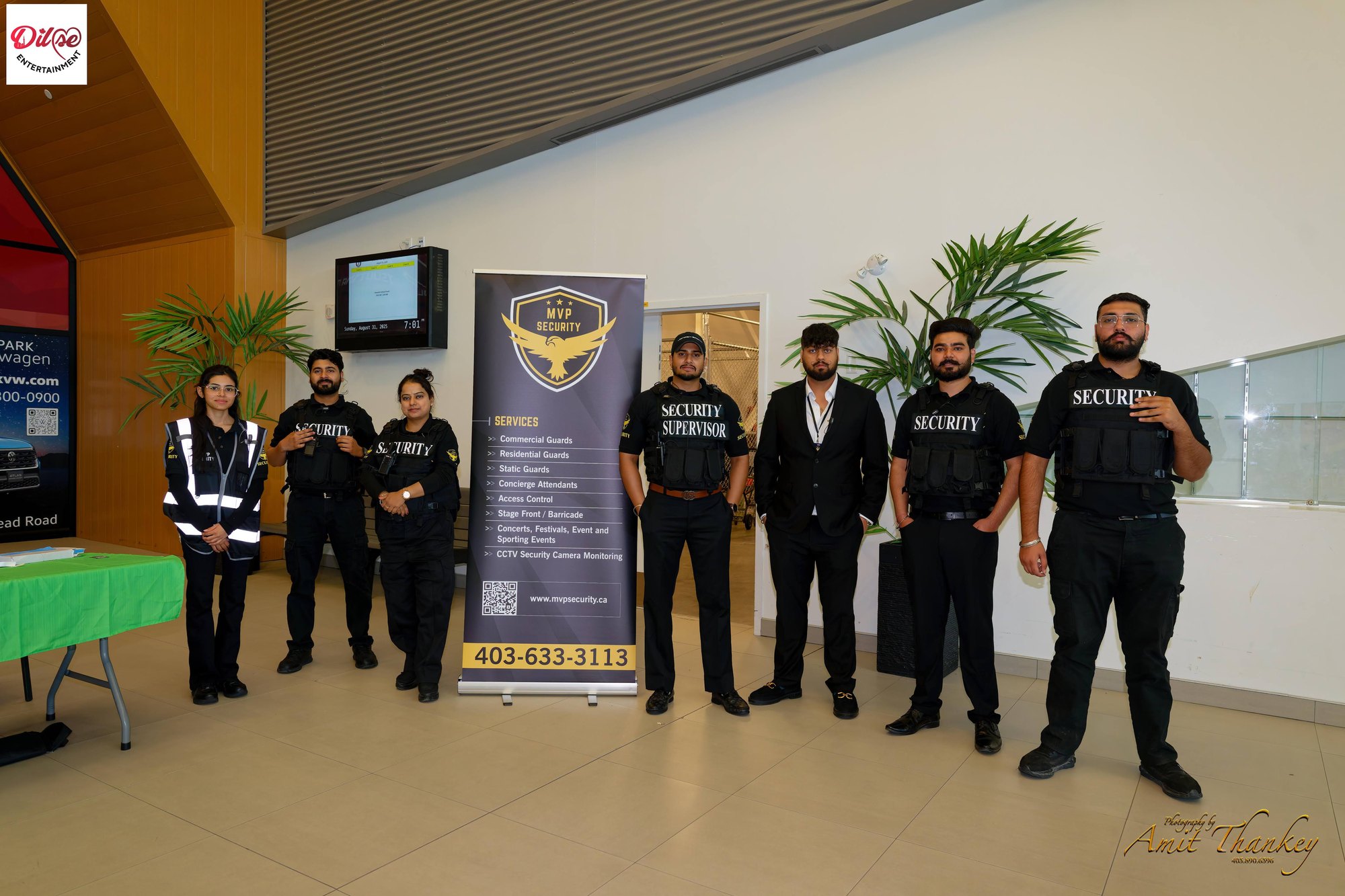
At the same time, avoid paying for a level of service that the site no longer needs. As repairs are completed or risks decrease, revise the schedule. A local provider such as MVP Security Inc. can assess the conditions, recommend a site-specific approach, and adjust deployment as the situation changes across Calgary and surrounding communities.
Give the Guard the Information to Protect the Site
Temporary security coverage works best when the guard is treated as part of the site operation, not as an isolated presence. Make sure the assigned professional knows who is expected, what must remain secured, which concerns require an immediate call, and where to find site contacts after hours.
When the unexpected creates a security gap, a clear plan and accountable coverage can keep a short-term problem from becoming a longer, more costly one.