





















A side door propped open for deliveries can undo a six-figure security system in one afternoon. That is how many of the top access control mistakes start - not with a major failure, but with a routine shortcut that becomes normal. For property managers, builders, retail operators, and event organizers in Calgary, access control is not just about who gets in. It affects theft risk, tenant safety, contractor accountability, after-hours response, and how quickly incidents can be contained.
The most costly mistakes usually come from treating access control as a device problem instead of an operations problem. Readers, fobs, intercoms, cameras, and guards all matter, but they only work when the site rules are clear, enforced, and matched to the way the property actually runs.
Why top access control mistakes keep happening
Most sites do not fail because they have no system. They fail because the system on paper is different from the system people use every day. A condo may have controlled entry at the lobby but weak access at parkades, loading zones, or stairwells. A construction site may secure the main gate but leave materials, tools, and temporary fencing exposed after hours. An event may check tickets carefully at the front while vendor entrances remain loosely managed.
There is also a staffing issue. Access control often gets assigned to whoever is available instead of whoever is trained. When that happens, visitor verification becomes inconsistent, tailgating gets ignored, and incident logs become incomplete. Those gaps matter later when you need to confirm who entered, when they entered, and what happened next.
1. Using the same access rules for every entrance
Not every door carries the same risk. The front lobby, service entrance, loading dock, underground parkade, and rooftop access point should not all operate under identical rules. Yet many properties apply a flat standard because it is easier to manage.
That approach creates blind spots. A commercial office may need strict visitor screening at reception but faster credential-based movement for staff in monitored internal zones. A residential building may require tighter delivery controls than a daytime office tower because of package theft and unauthorized guest traffic. On a construction site, the tool storage area may need more control than the admin trailer.
Good access control starts with separating doors and zones by function, hours, and consequence. If an entry point creates direct access to people, valuables, equipment, or restricted infrastructure, it needs stronger procedures than a low-risk internal corridor.
2. Leaving too many active credentials in circulation
One of the top access control mistakes is failing to remove access when roles change. Former staff, subcontractors who finished weeks ago, vendors with expired service windows, and event workers from a past date should not still have valid entry.
This problem is common because deactivation is often treated as an admin task instead of a security control. In practice, it should be tied to offboarding, contract completion, unit turnover, and schedule changes. If nobody owns that process, old credentials accumulate quietly.
The risk is not only intentional misuse. Lost fobs, shared cards, copied codes, and unreturned keys create uncertainty. Once a site loses confidence in who still has access, every incident becomes harder to investigate. A tighter access inventory, regular audits, and a simple rule for immediate deactivation reduce that exposure quickly.
3. Ignoring tailgating and courtesy entry
People hold doors open. Tenants let in delivery drivers. Staff wave through familiar faces. Volunteers admit vendors because they seem expected. This is where policy often breaks down.
Tailgating is difficult to stop with hardware alone because it is a behaviour issue. Sites that rely on residents, employees, or temporary event staff to challenge unknown persons without clear support usually get uneven results. People do not want confrontation, especially if expectations are vague.
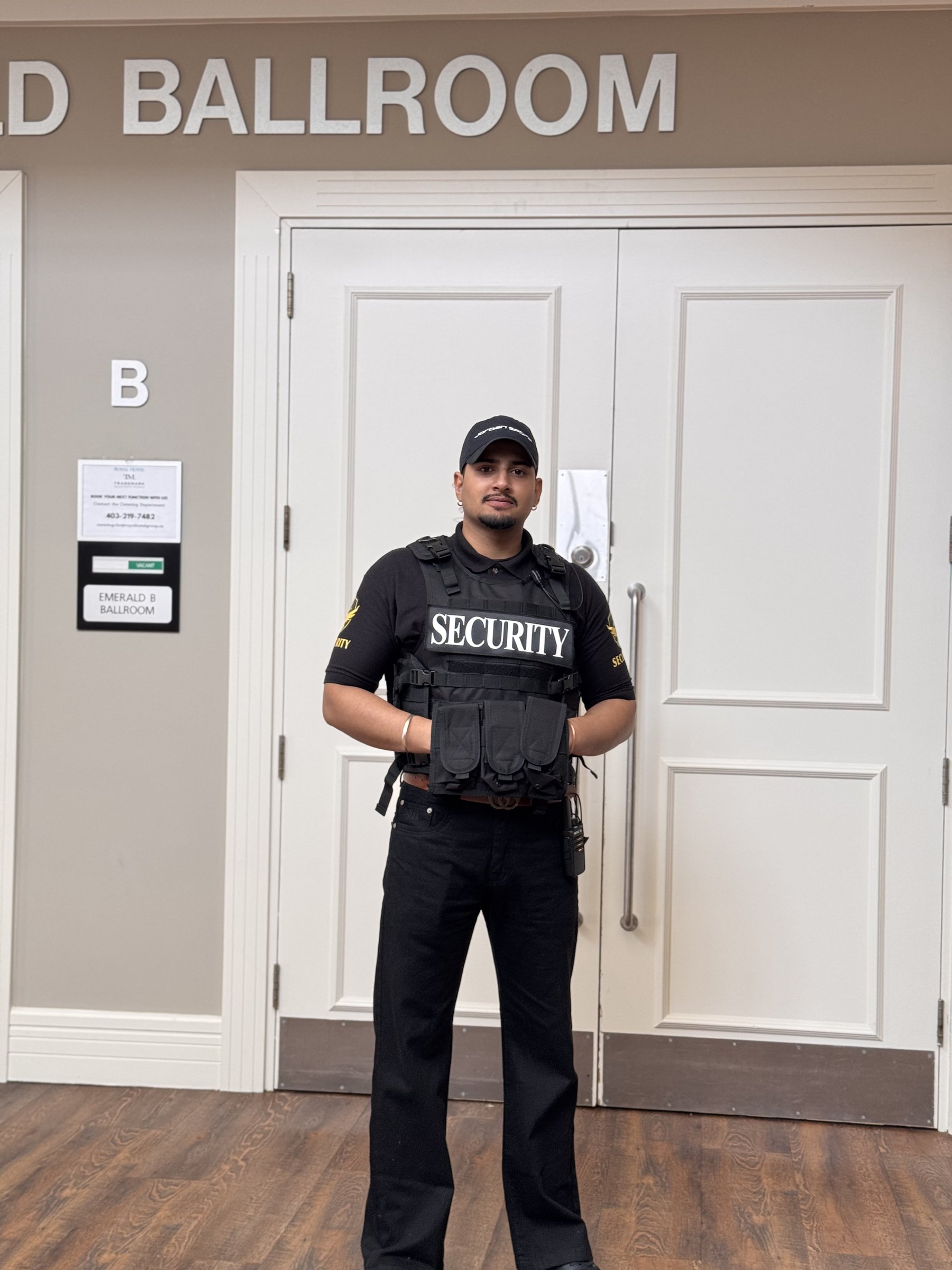
The fix is practical, not theatrical. Signage helps, but it is not enough on its own. Staff and guards need clear instructions on when to verify credentials, how to approach politely, and when to escalate. In higher-traffic environments, visible guard presence at key hours does more than monitor entry. It changes behaviour before a breach develops.
4. Treating visitor management as an afterthought
Visitors are often the least controlled category on site, even though they create some of the highest uncertainty. Contractors, couriers, guests, inspectors, short-term vendors, and after-hours maintenance teams may all require access for legitimate reasons, but that does not mean they should move freely.
Weak visitor management usually shows up in small ways. No one confirms who invited the visitor. The person is signed in but not signed out. Identification is not matched. The visitor badge means little because nobody checks it. On construction and industrial sites, the issue may be less about a badge and more about whether arrivals are expected, oriented, and restricted to designated work areas.
A reliable visitor process should answer four questions every time: who is entering, why they are there, where they are allowed to go, and when they are expected to leave. If your current process cannot answer those questions quickly, it is too loose.
5. Relying on technology without an enforcement plan
Access control hardware can be effective, but it is not self-managing. A door contact may show forced entry. A camera may capture a timestamp. An intercom may log a call. None of that helps much if no one responds in real time or follows up properly.
This is a major gap on properties that have invested in systems but underinvested in staffing or after-hours procedures. Alarm events get acknowledged late. Intercom calls are missed. CCTV is reviewed only after damage is discovered. A lock failure becomes a maintenance ticket instead of an urgent security issue.
Technology works best when there is a clear response chain behind it. That may mean on-site concierge during peak traffic, mobile patrol verification after hours, static guard coverage at vulnerable access points, or documented escalation for repeated unauthorized entry attempts. For many Calgary sites, the best result comes from combining monitored systems with licensed personnel who can attend, verify, and document what happened.
6. Failing to adapt access control to the site schedule
A property does not face the same risk at 10:00 a.m. as it does at 2:30 a.m. Yet many access plans stay static across all hours. That is a mistake.
Office buildings may need high visitor throughput during business hours and much tighter entry after close. Residential towers may see increased unauthorized access attempts through parkades and side doors overnight. Construction sites face a different pattern entirely, with theft risk spiking when workers and supervisors are gone. Event venues may require layered screening before doors open, then controlled re-entry and crowd separation later in the evening.
An effective plan matches controls to the operating rhythm of the property. That includes staffing levels, unlocked periods, escort requirements, loading access, alarm response, and patrol frequency. If your schedule changes by season, tenant mix, project phase, or event calendar, your access plan should change with it.
7. Not documenting exceptions, incidents, and repeated weak points
When access control fails more than once at the same point, that is no longer a one-off issue. It is a pattern. Too many sites miss this because records are incomplete or spread across emails, handwritten logs, and verbal shift handovers.
Documentation matters for two reasons. First, it improves prevention. If one stairwell door is repeatedly found ajar, one loading door keeps getting bypassed, or one contractor group regularly arrives outside approved times, that trend should shape your next adjustment. Second, it supports accountability. Property managers and owners need documented reporting to see whether the problem is staffing, hardware, tenant behaviour, or site design.
This is where disciplined reporting makes a real difference. GPS-tracked patrol activity, time-stamped observations, photos, and incident notes give decision-makers something useful to act on. Without that, access control becomes a series of opinions instead of a managed process.
How to correct access control mistakes without overbuilding
The answer is not always more hardware or more guards. Sometimes it is a matter of reassigning hours, tightening credential reviews, changing entry routing, or adding visible coverage only at pressure points. It depends on the property type, traffic volume, budget, and consequence of failure.
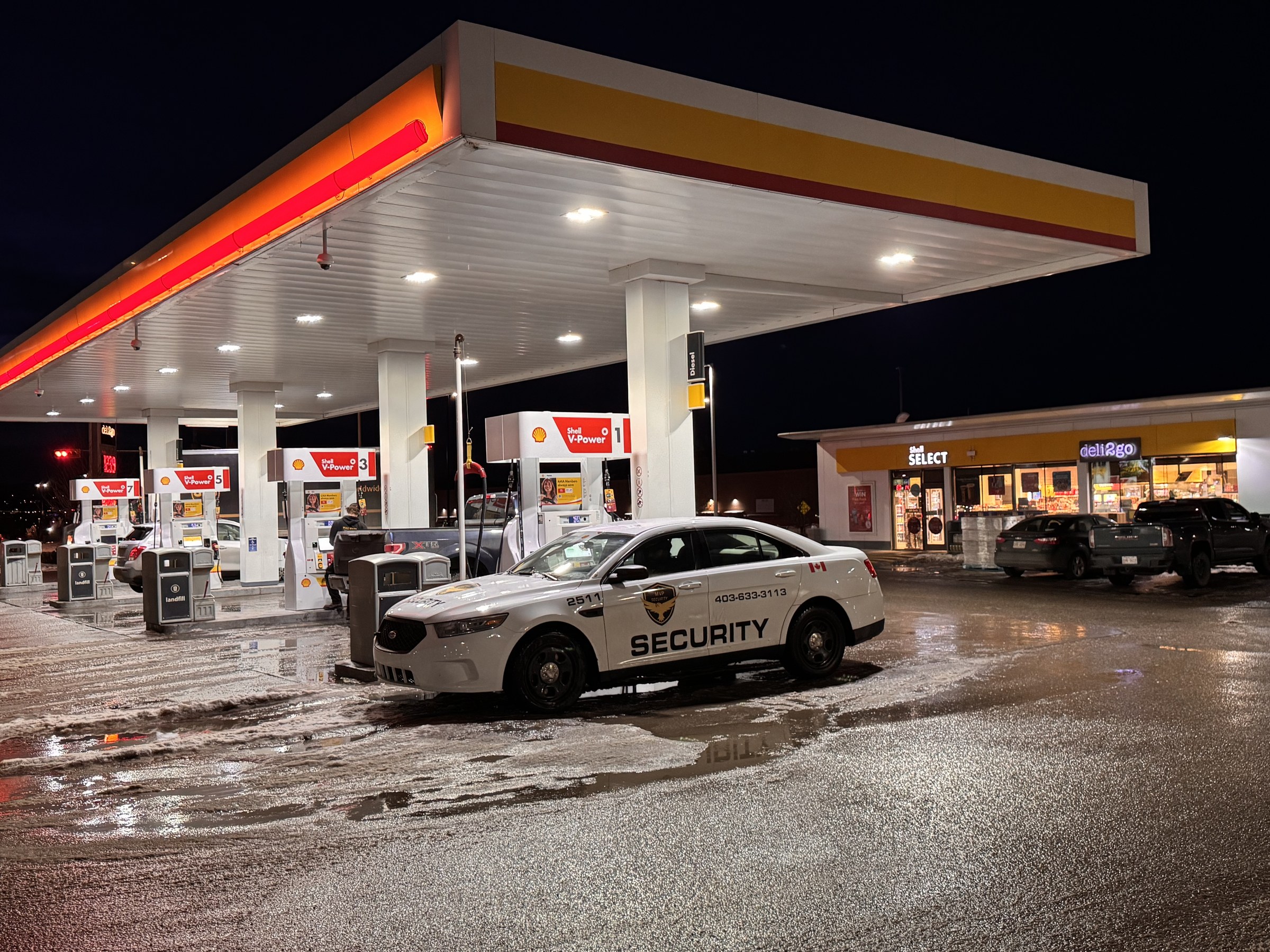
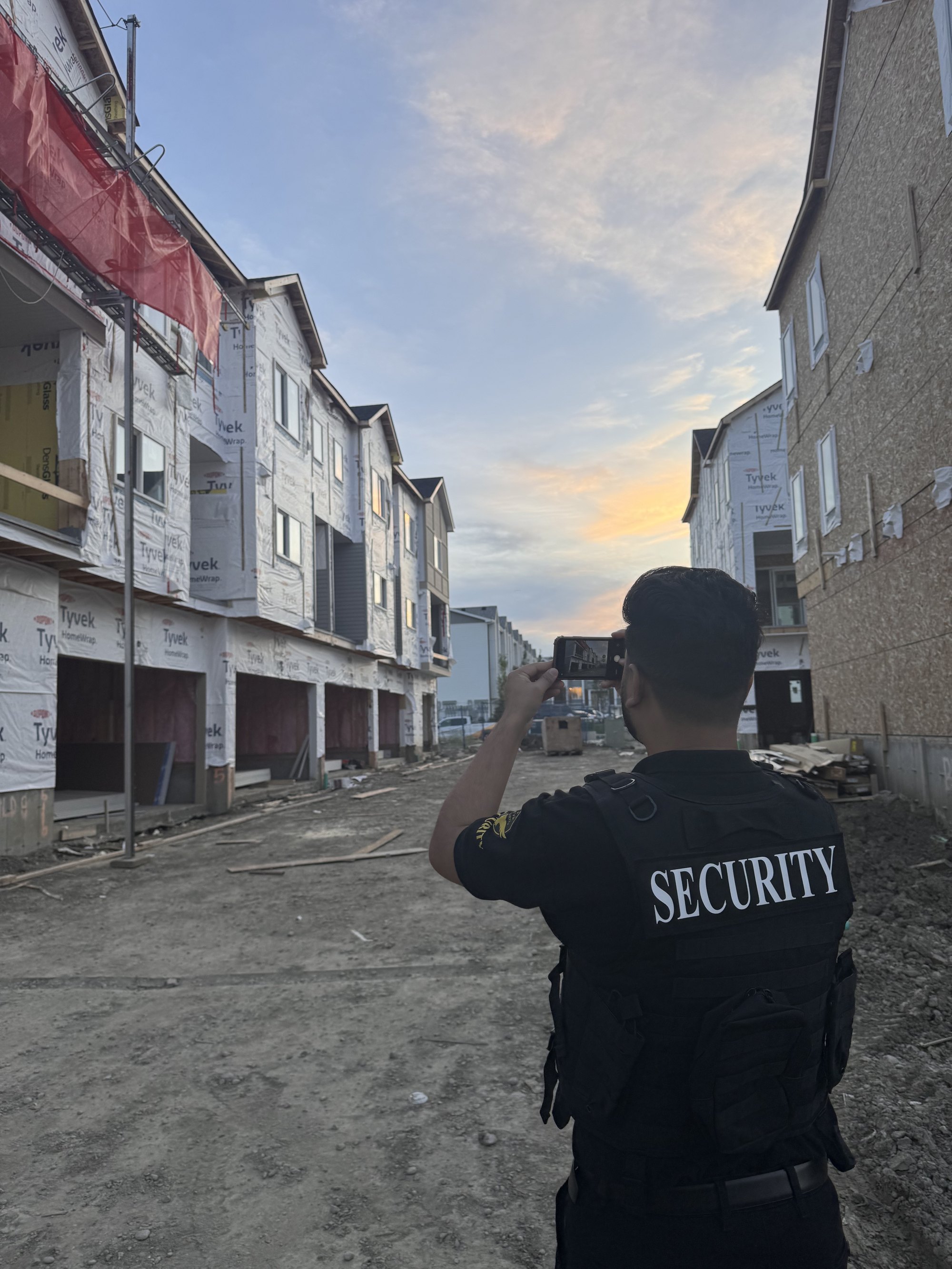
A condo building with recurring parkade issues may need evening patrol concentration and better credential control more than another camera. A construction project with material theft may need stronger gate discipline, sign-in enforcement, and overnight guard presence during specific phases. A retail or commercial site may benefit most from clearer after-hours entry rules paired with alarm response and patrol verification.
At MVP Security Inc., that site-by-site approach is what tends to work best. Access control is strongest when it reflects the reality of how the property operates, not just how the equipment was configured on installation day.
If you are reviewing your current setup, start with the doors and user groups that create the highest consequence when something goes wrong. Fix the habits around those points first. A controlled entrance is only as reliable as the people, schedule, and response behind it - and that is where the biggest improvements usually happen.