













A vacant building can become a target within days, particularly when lights are off, deliveries have stopped, and neighbouring businesses notice no one is coming and going. Effective vacant property protection methods do more than react to a break-in after the fact. They make entry difficult, make activity visible, and ensure a trained person can respond when an alarm, weather event, or suspicious presence puts the site at risk.
For property managers, builders, commercial owners, and industrial supervisors in Calgary, the right approach depends on the property's condition, location, value of remaining assets, and expected vacancy period. A small retail bay awaiting a new tenant needs a different level of coverage than a vacant warehouse, a construction project between phases, or an unoccupied condominium building.
Start With the Risks at the Specific Site
Vacancy creates more than a theft exposure. Unsecured properties can attract trespassers, vandalism, illegal dumping, copper theft, arson, water damage, and unauthorized use. In winter, a heating failure or broken door can quickly create a larger building-maintenance issue. In warmer months, overgrown landscaping and open access points can signal that no one is monitoring the property.
A site assessment should identify every practical route in: doors, overhead bays, roof access, windows, loading areas, fencing gaps, parkades, stairwells, and adjacent properties. It should also consider what can be removed or damaged. Mechanical rooms, electrical panels, tools, appliances, building materials, and vacant units all require different controls.
The goal is not to add every possible measure. It is to close the most likely gaps with a level of protection that matches the potential loss. A short vacancy with minimal assets may only need secured access and regular checks. A high-value commercial site may need monitored alarms, mobile patrols, camera verification, and immediate guard response.
Physical Vacant Property Protection Methods
Physical security remains the first line of defence. If an intruder can enter quietly and leave unnoticed, cameras alone will not prevent a loss. Start by making the perimeter clear, controlled, and difficult to defeat.
Secure doors, windows, and service access
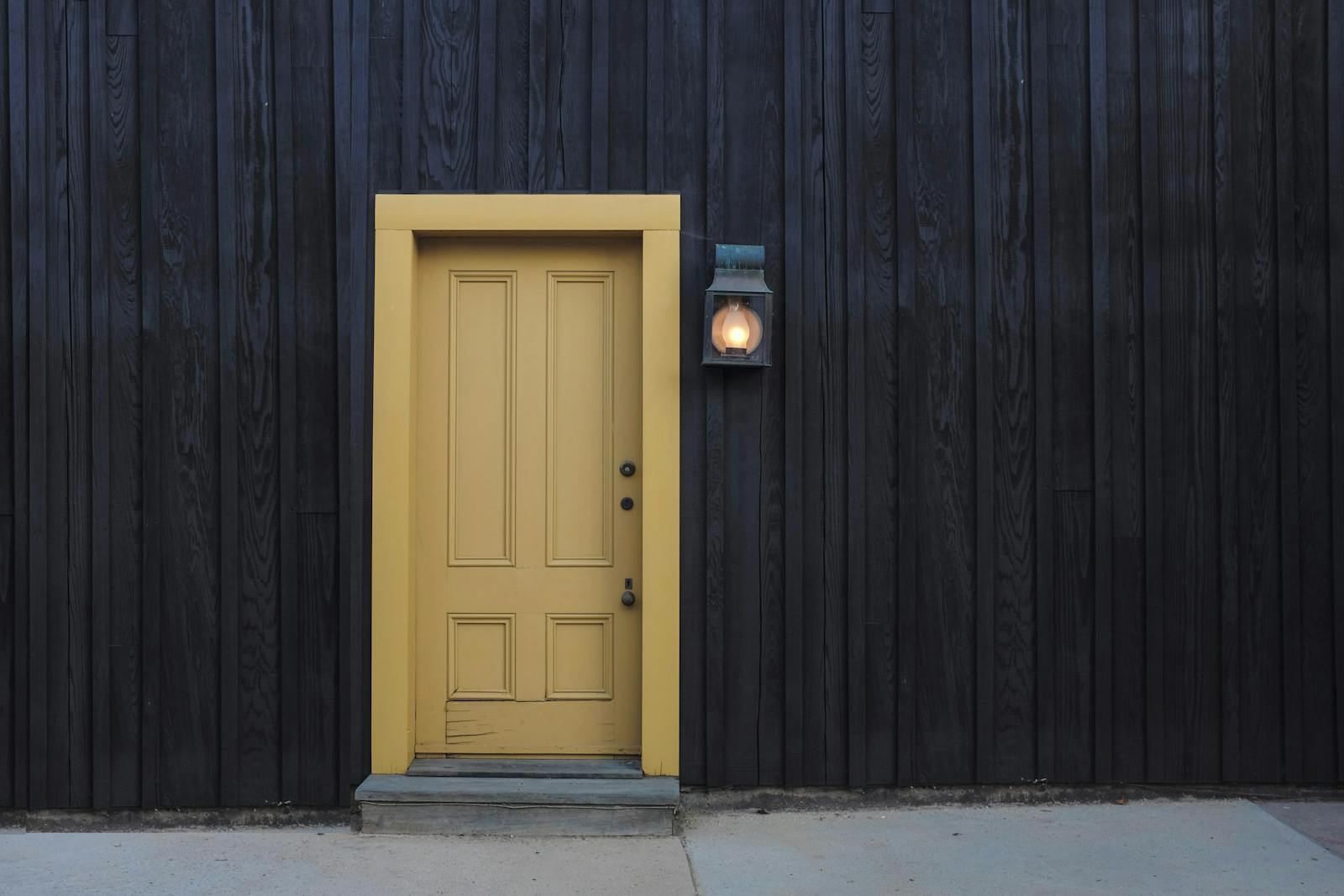
All exterior doors should be checked for frame damage, weak hardware, loose hinges, and compromised locks. Rekey locks when tenants, contractors, or previous occupants may still hold keys. Restrict keys to designated contacts and maintain a current key-control record.
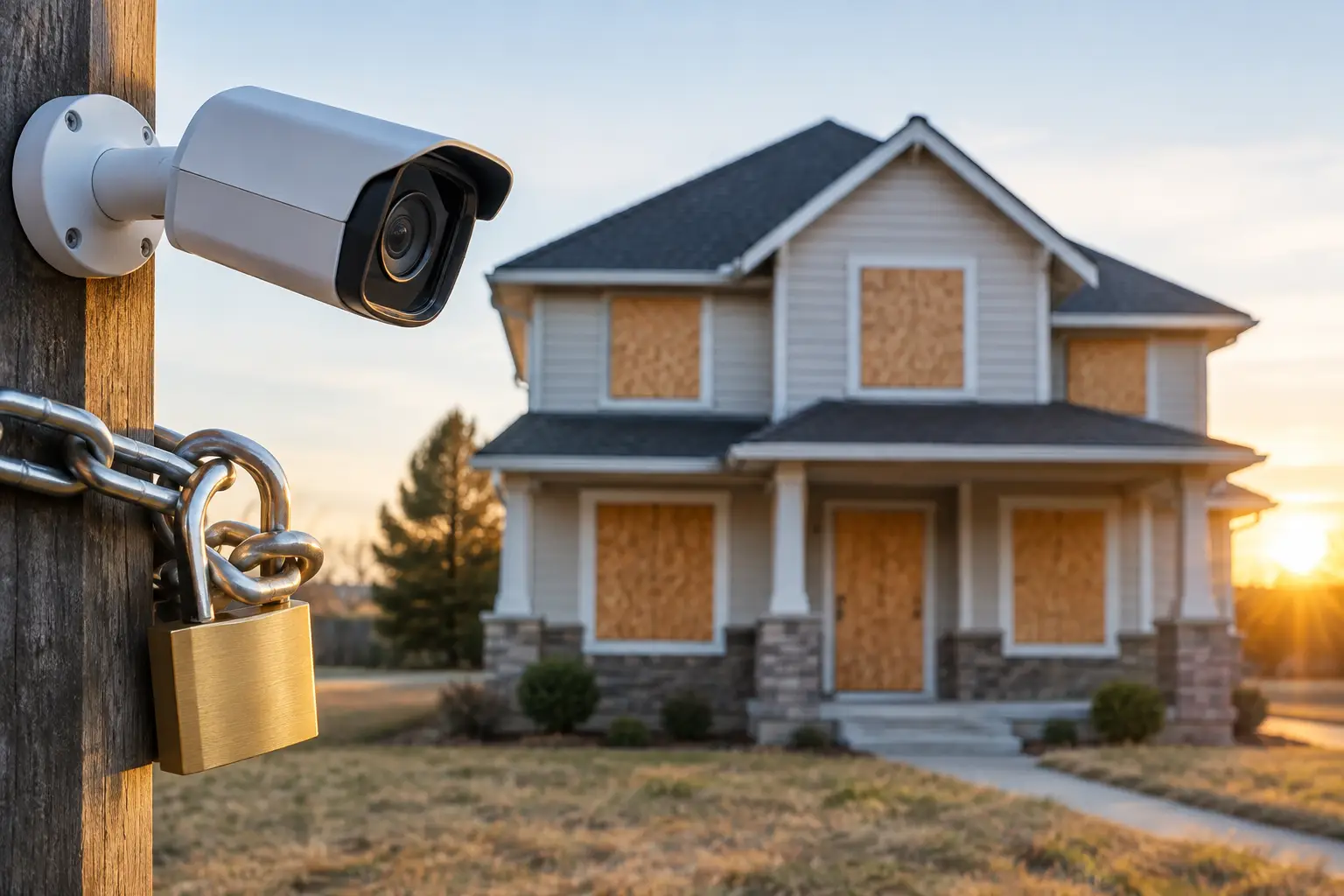
Windows, patio doors, overhead doors, roof hatches, and utility access points deserve the same attention. Boarding can be appropriate after damage or where a building is awaiting demolition, but it can also advertise vacancy and may not be suitable for every property. For longer vacancies, professionally installed security screens, reinforced hardware, or temporary barriers can be a better fit.
Do not overlook secondary entrances. Loading bays, garbage enclosures, parkade doors, and stairwell exits are common weak points because they receive less routine attention than the main entrance.
Maintain lighting and a visible perimeter
Exterior lighting should cover approaches, entrances, parking areas, and vulnerable sides of the building without creating dark pockets. Timers and photocells should be tested regularly. A light that remains off for weeks tells people the property may not be actively managed.
Keep fencing, gates, and landscaping in order. Remove climbable debris near fences, clear snow around access points, and address graffiti or broken glass promptly. Visible deterioration can invite further damage because it suggests there will be no consequence.
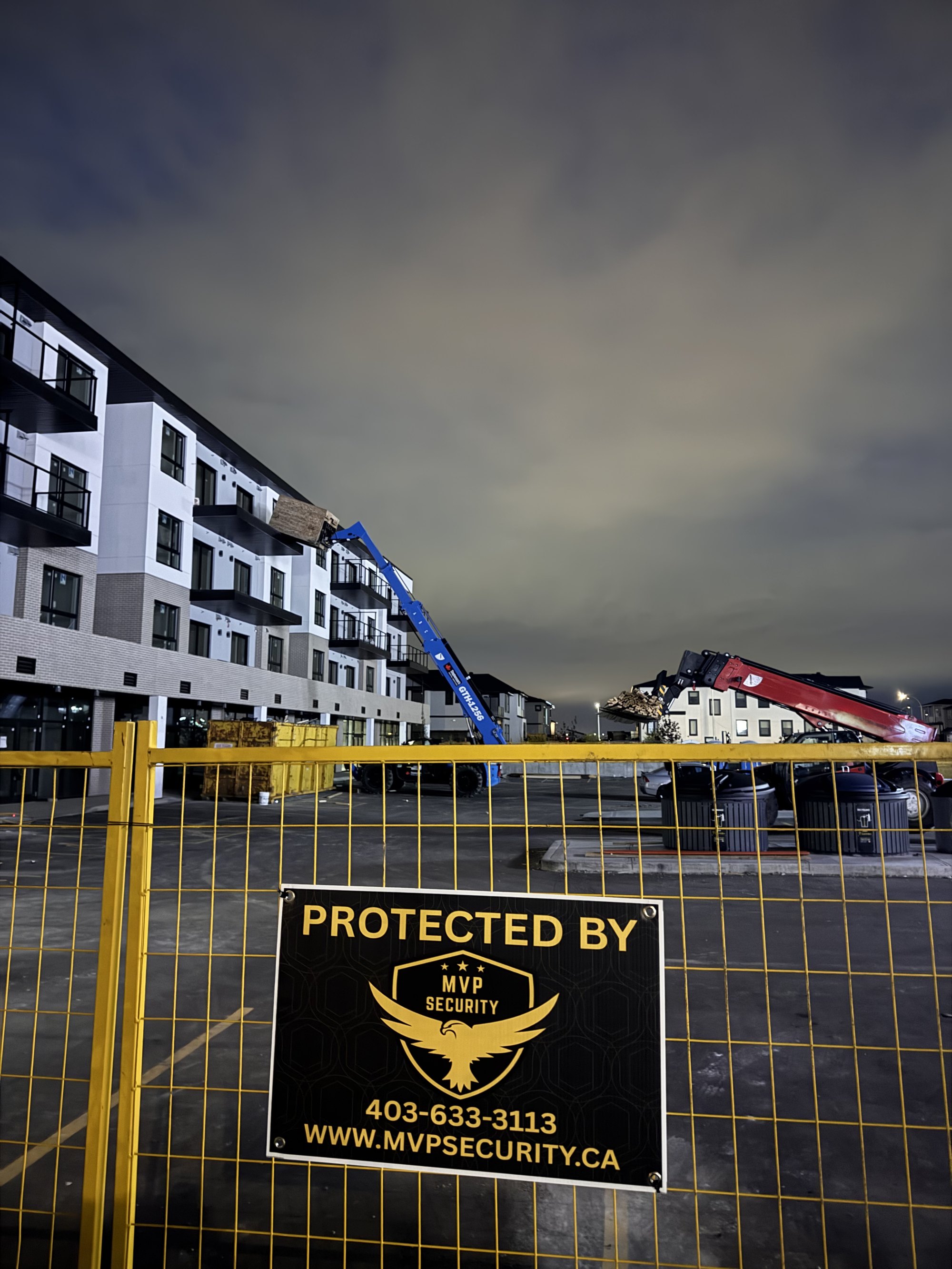
Signage can support a security program, especially when it clearly states that the property is monitored or patrolled. It is a deterrent, not a replacement for actual coverage. Only display signs that accurately reflect the protection in place.
Use Technology That Leads to Action
Alarms, cameras, and remote monitoring can be highly effective, but their value depends on what happens after an alert. A monitored alarm that produces repeated false dispatches without a site response plan can become background noise. The same is true of cameras that record incidents but are never actively reviewed.
A practical setup usually includes intrusion detection at key doors and interior zones, monitored fire or environmental systems where required, and cameras covering entry points and high-value areas. Remote access allows an authorized manager to check the property, but it should not be the only response measure. A manager may be unavailable, far from the site, or unable to safely attend an active intrusion.
Create a written alarm-response protocol that identifies who receives notifications, who can authorize access, where keys or codes are held, and when police, emergency services, or a guard must be dispatched. Update the protocol whenever contacts, tenants, construction schedules, or access codes change.
Technology also has limits. Cameras need power, clear sightlines, suitable lighting, reliable connectivity, and protection from tampering. During a risk assessment, confirm that camera placement supports verification rather than simply collecting unusable footage after an incident.
Mobile Patrols Add Visible, Documented Coverage
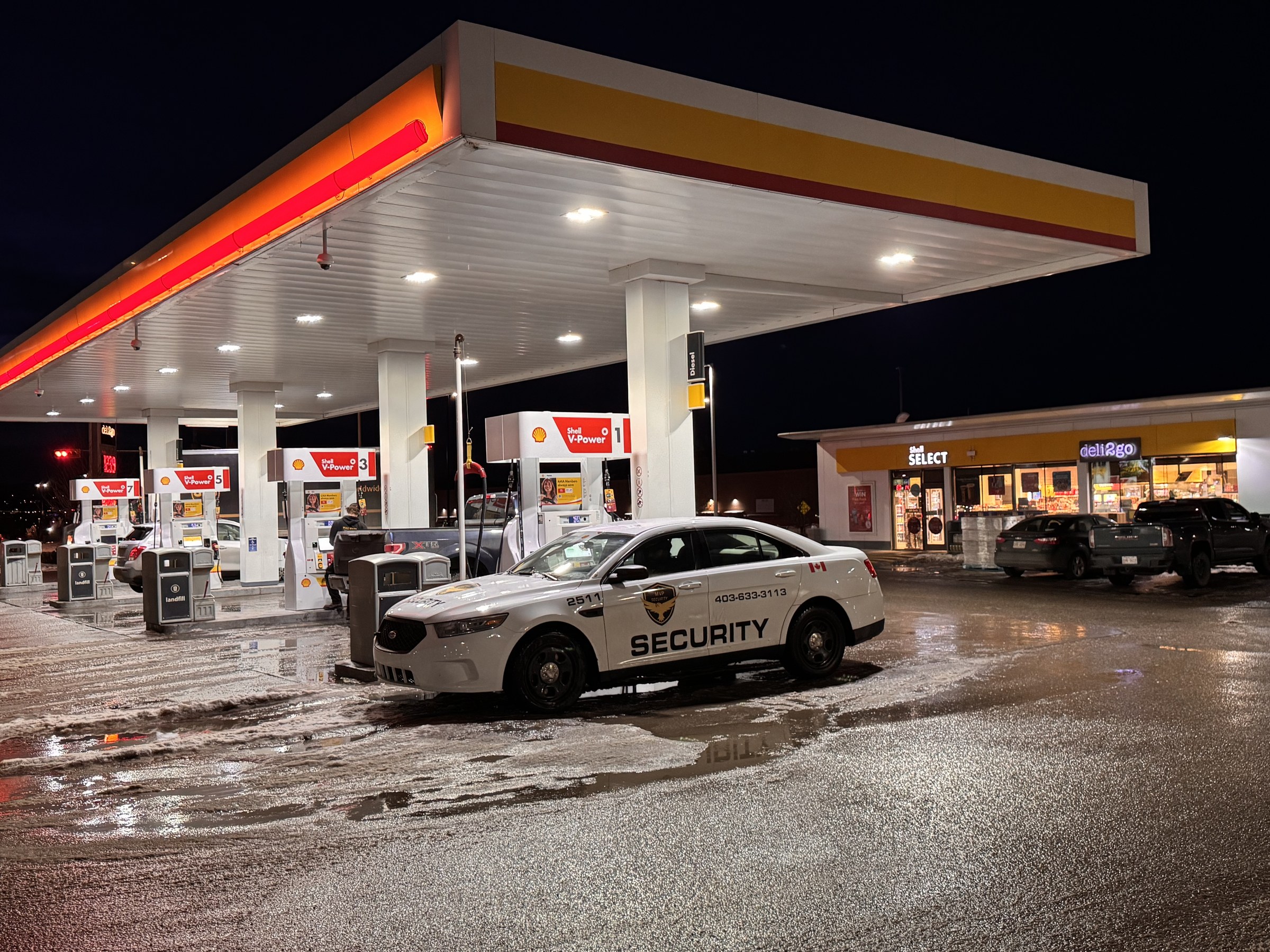
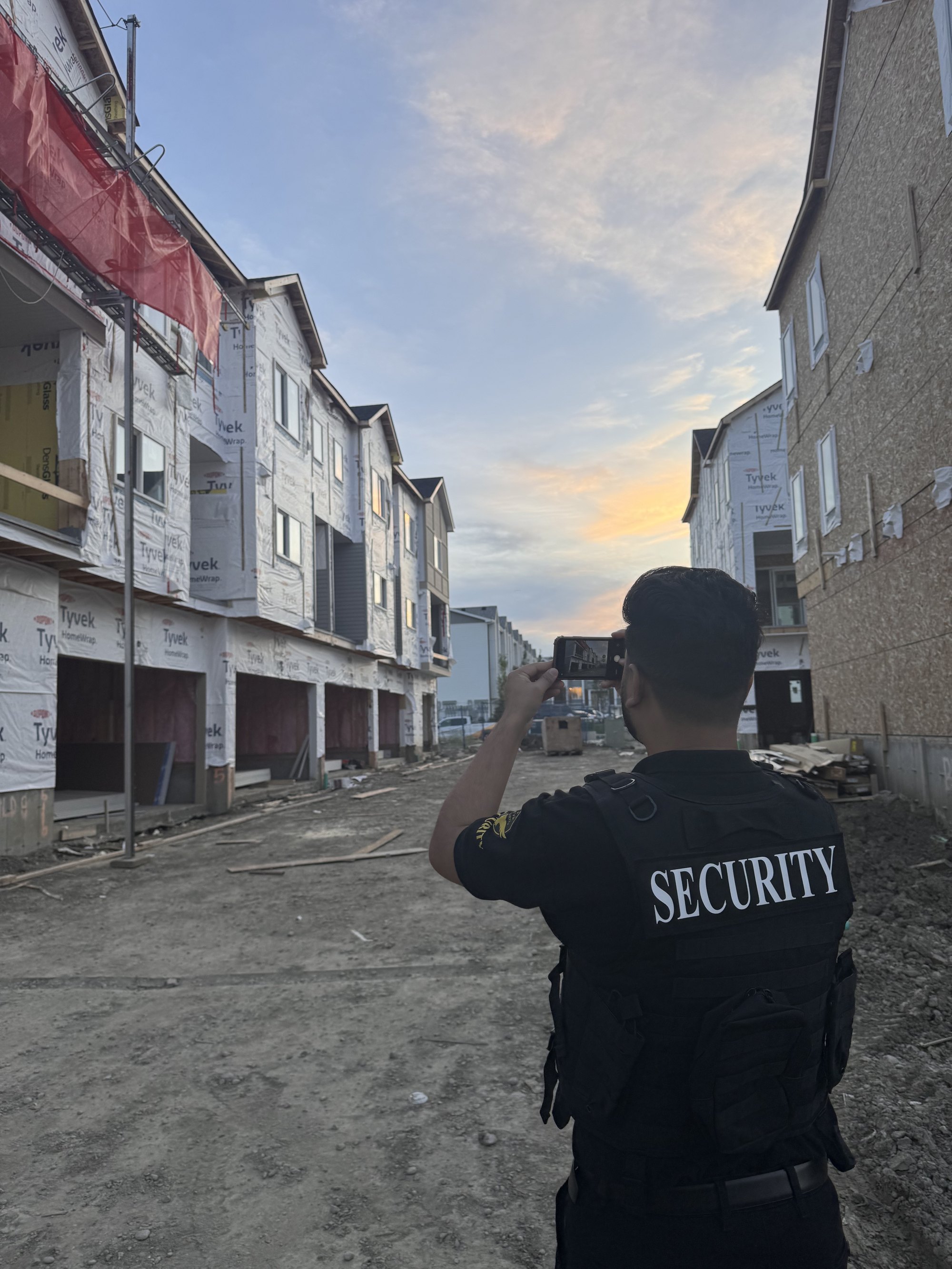
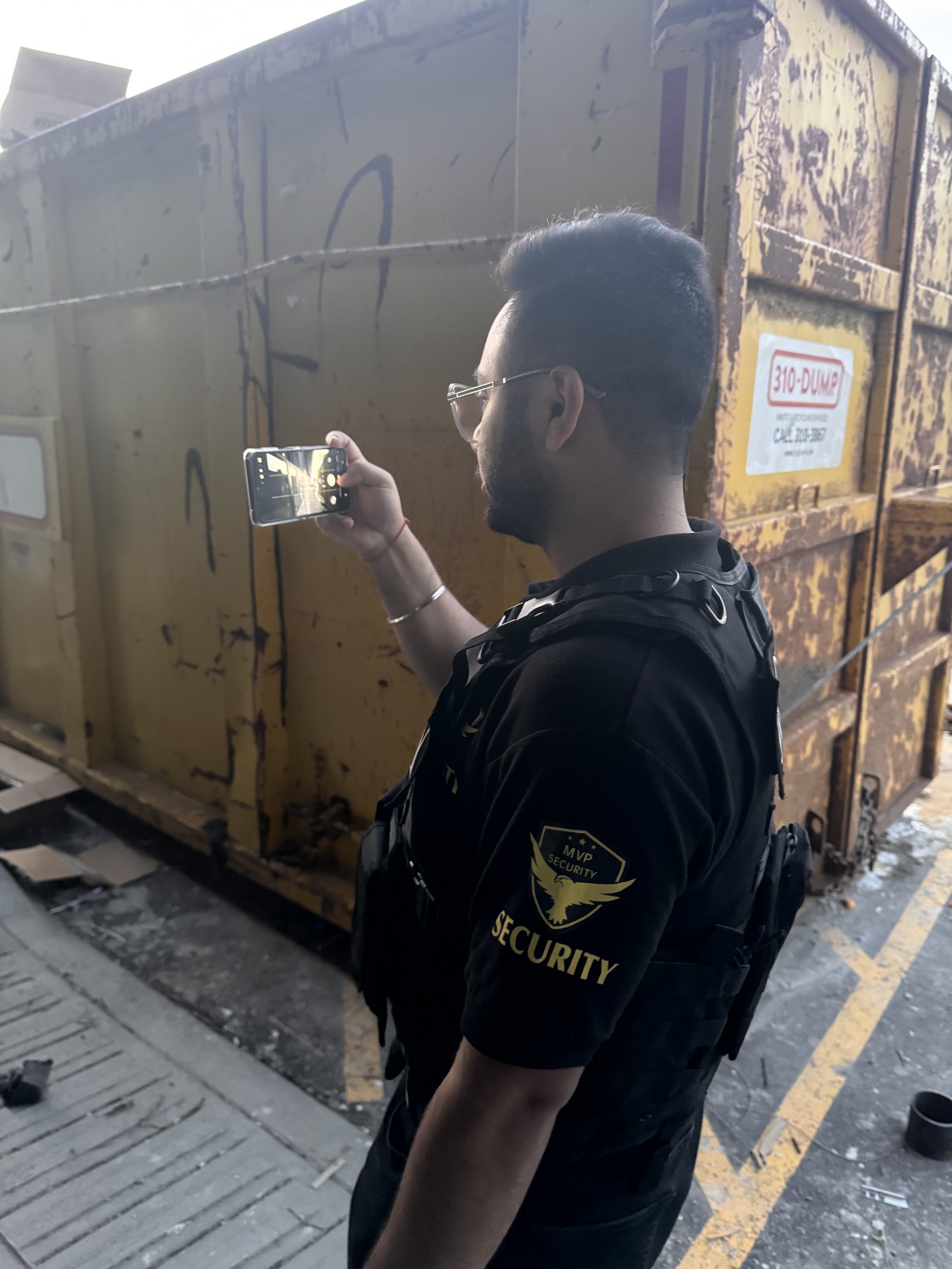
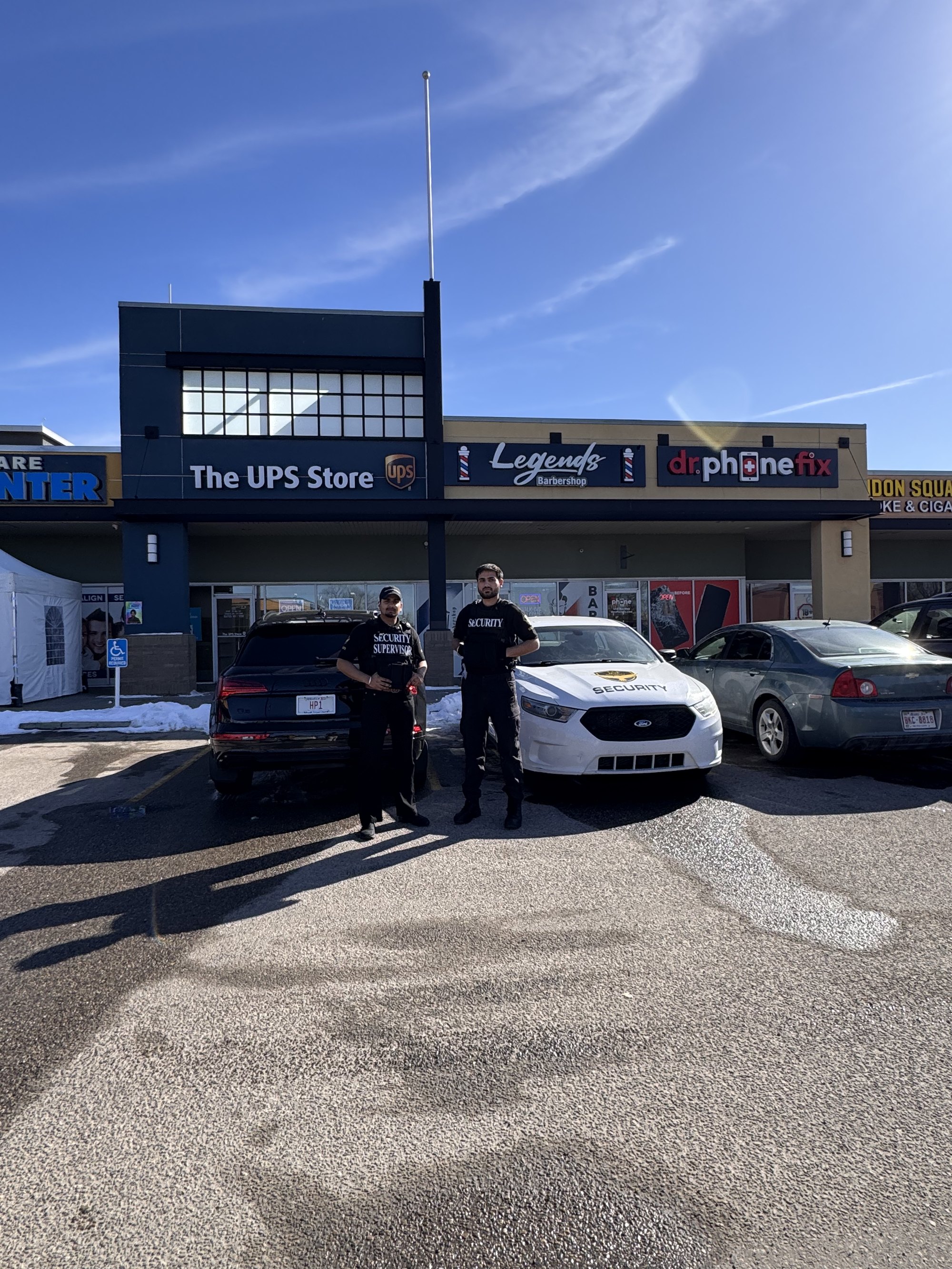
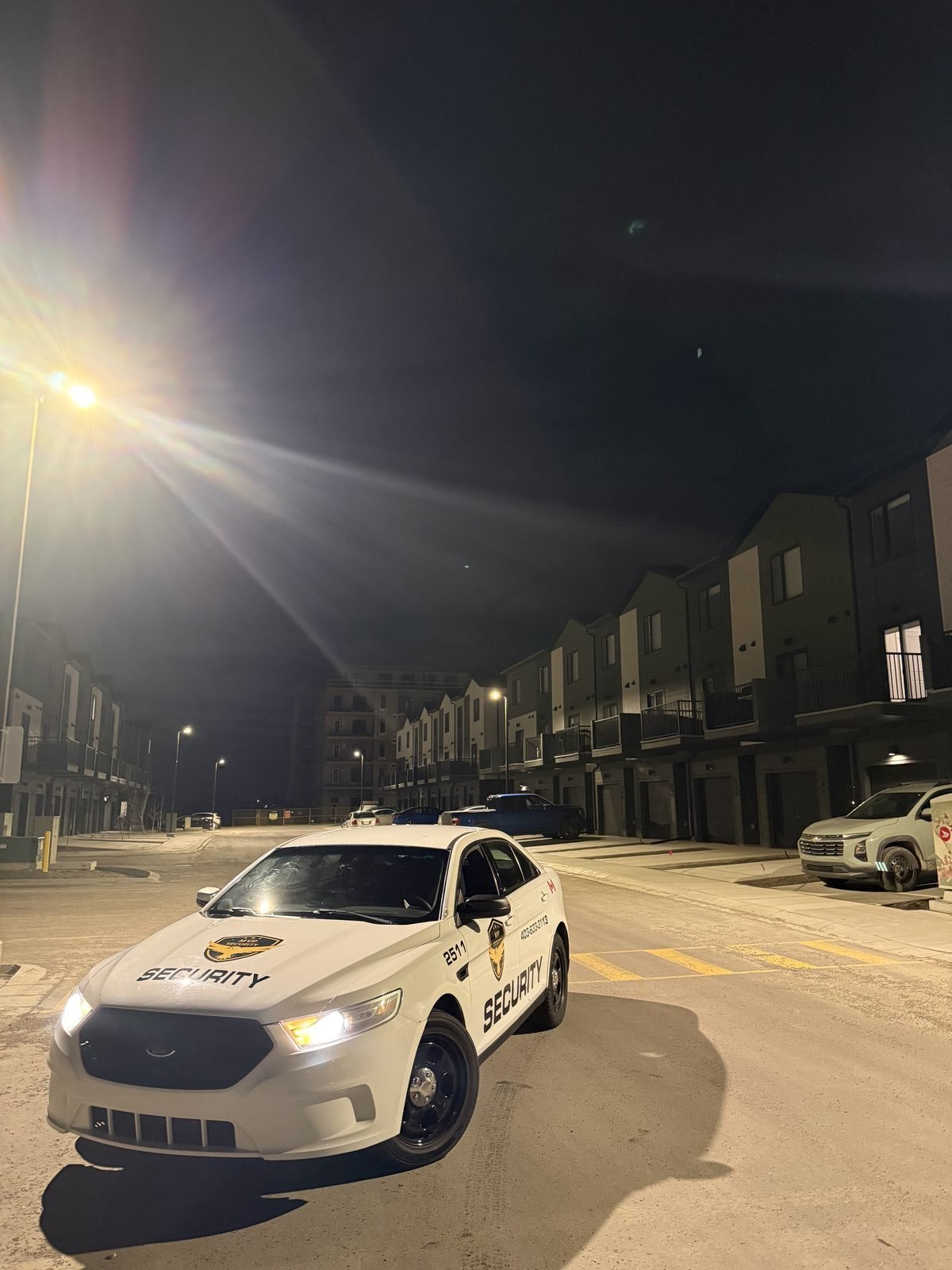
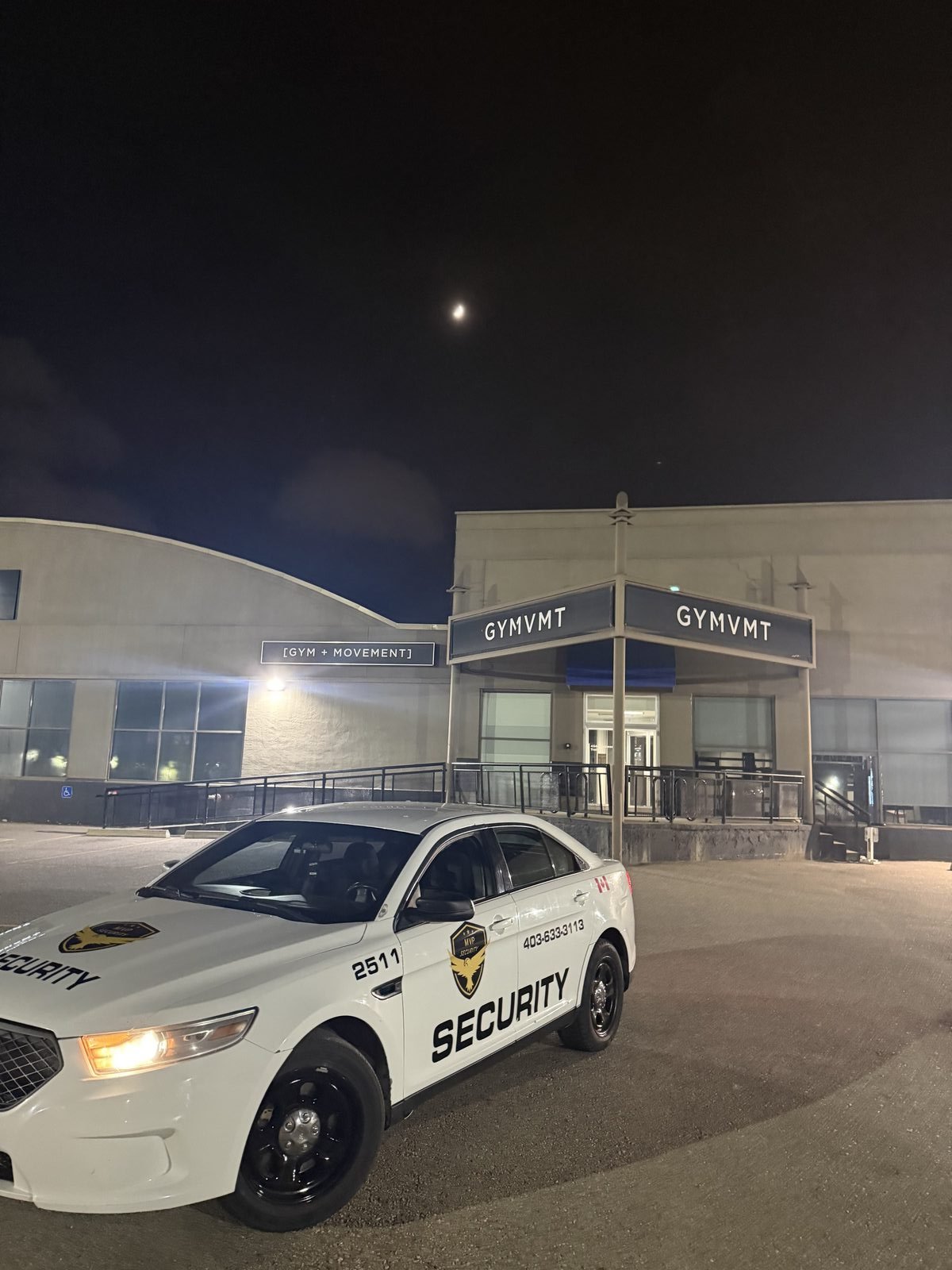
Mobile patrol is often the most cost-effective option for vacant properties that do not require a guard on site continuously. Patrol officers can conduct scheduled and randomized checks, inspect perimeter conditions, verify doors and gates, look for signs of entry, respond to alarm events, and document concerns before they become losses.
Randomized patrol timing matters. A predictable drive-by at the same hour every night can be observed and avoided. Coverage should focus on the hours when the property is most exposed, whether that is overnight, weekends, between construction shifts, or during a tenant transition.
A professional patrol program should produce more than a verbal assurance that someone attended. GPS-tracked activity, time-stamped reports, and photos of damaged doors, open gates, discarded materials, or weather-related issues give property decision-makers a usable record. That documentation can support maintenance follow-up, insurance reporting, and discussions with owners or tenants.
For Calgary-area properties, local deployment also affects the usefulness of patrol coverage. A provider that understands access routes, industrial areas, weather conditions, and nearby communities can plan practical checks and respond without relying on a distant dispatch model.
When Static Guards Are the Better Choice
Some vacant properties need a continuous physical presence. Static security guards are appropriate when theft attempts are frequent, valuable equipment remains on site, demolition creates public-safety concerns, or a property has repeated trespassing and unauthorized access issues.
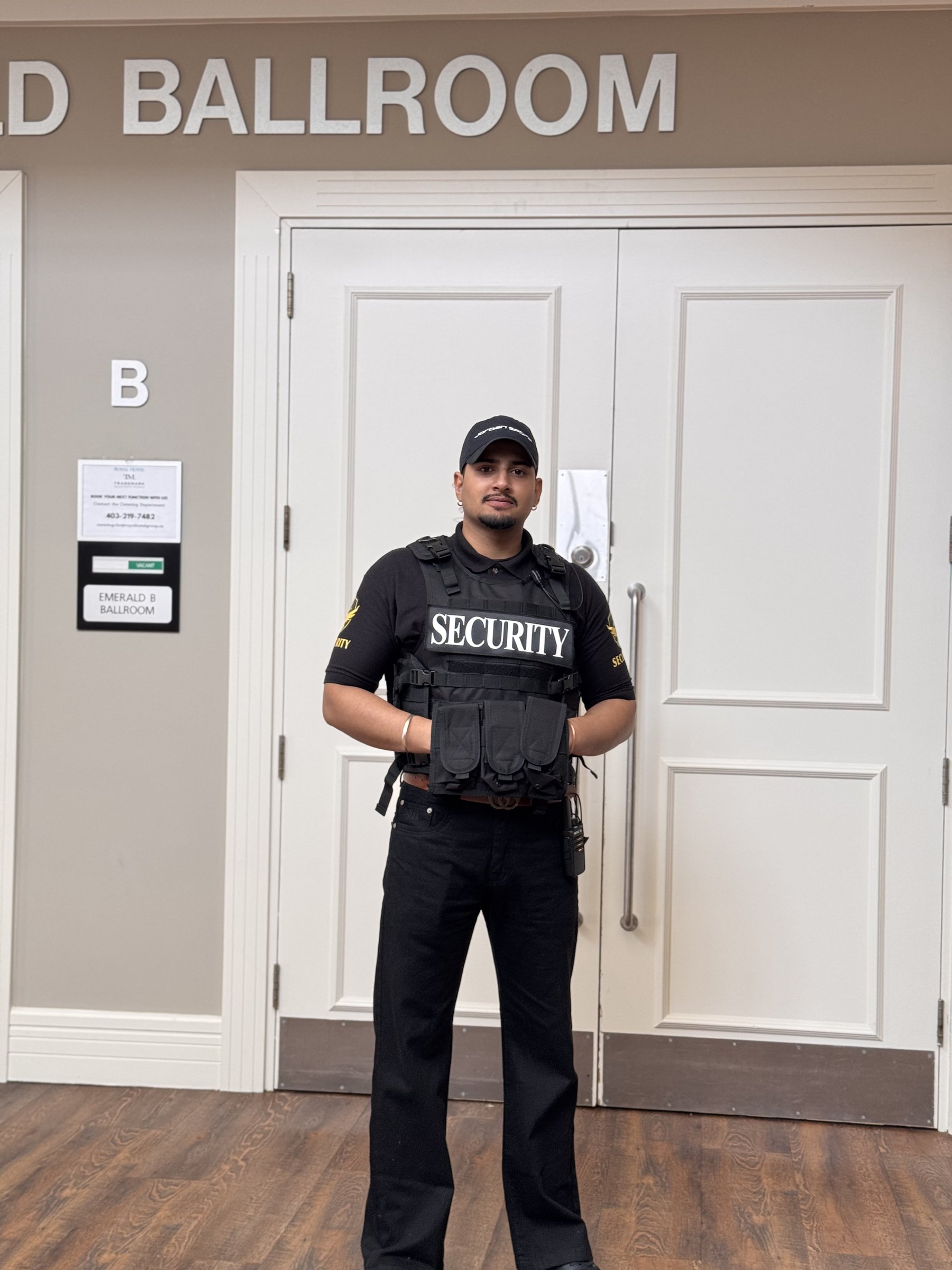
A uniformed guard provides immediate deterrence and can control access for contractors, inspectors, restoration crews, or prospective tenants. They can also maintain an incident log, complete regular perimeter checks, watch for fire and water hazards, and contact emergency services when required.
This option costs more than periodic patrols, so it should be used where the risk justifies it. In some cases, a hybrid approach works best: static coverage overnight or during high-risk periods, supported by mobile patrols at other times. The right schedule should be reviewed as the vacancy changes. A building awaiting sale may become lower risk once equipment is removed, while a site nearing turnover may need tighter control as trades and deliveries increase.
Build a Clear Response and Escalation Plan
Security measures fail when responsibilities are unclear. Every vacant property should have current emergency contacts, approved contractors, utility information, alarm instructions, and access details available to the people responsible for responding.
Define what requires immediate escalation. Forced entry, fire alarm activity, water leaks, squatters, visible smoke, broken glazing, and unsecured overhead doors should not wait for the next business day. Other matters, such as minor graffiti or a failed exterior light, may be documented for scheduled repair. The distinction prevents both underreaction and unnecessary costs.
It is also wise to establish authority in advance. If a guard finds a damaged door at 2 a.m., can they call a board-up contractor? Can they authorize emergency locksmith work to secure the premises? A pre-approved spending limit and contact sequence can reduce delay when the property is exposed.
Review Coverage After Every Change
Vacant sites are not static. A construction site may gain or lose materials overnight. A retail unit may be cleared, renovated, or shown to prospective tenants. A property that was quiet can become vulnerable after a nearby break-in, a change in weather, or a new access point created by contractors.
Review the protection plan after incidents, tenant departures, construction milestones, alarm activations, and significant changes to the building. Check reports for recurring issues such as the same gate being left open or repeated loitering near a service entrance. Patterns are useful because they show where a small adjustment can prevent a more serious event.
MVP Security Inc. builds vacant-property coverage around the actual site conditions, combining Alberta-licensed guards, patrol documentation, alarm response, and access control measures where they provide the most value. The focus should always be practical: reduce opportunities for loss, identify problems quickly, and keep a reliable record of what was found and what was done.
A vacant property should never be treated as an unattended property. Put the response plan in place before the first broken window, confirm that every access point is accounted for, and ensure someone is ready to act when the site needs attention.