








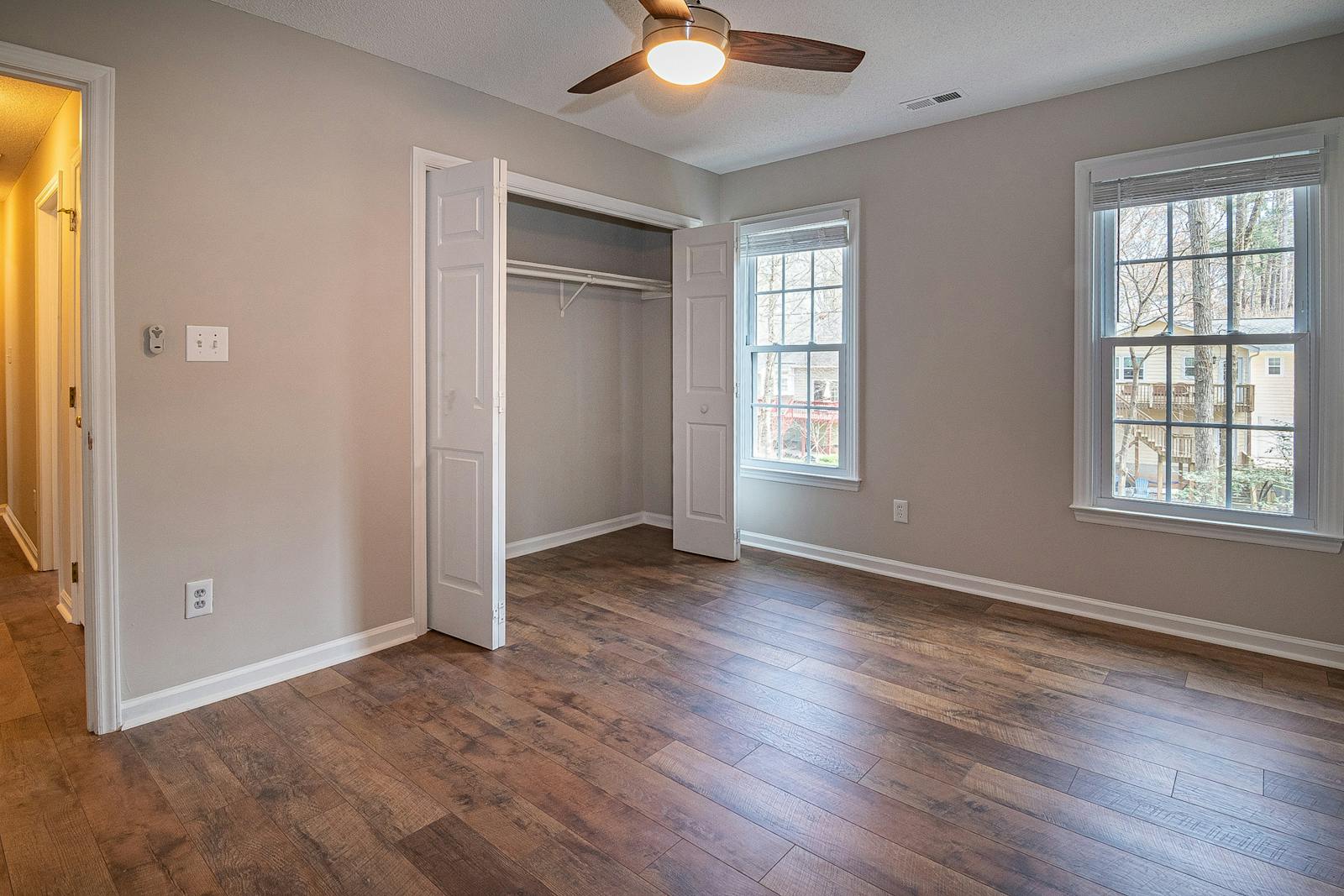










A vacant building in Calgary can go from quiet to costly fast. One broken side door, one copper theft, or one overnight fire risk can turn a manageable holding cost into a major insurance and repair issue. That is why vacant property security Calgary owners and managers put in place needs to be practical, visible, and fast to adapt.
Vacant properties attract problems for a simple reason: they look easier to access and less likely to be challenged. A retail unit between tenants, an office floor waiting on renovation, a detached home in probate, or an industrial yard with reduced activity all create the same basic security issue. There is less natural oversight, fewer staff around, and more opportunity for trespassing, vandalism, theft, squatting, or unsafe entry.
In Calgary, that risk changes with the property type and the season. A vacant residential property may face break-ins during cold weather from people looking for shelter. A commercial space may be targeted for copper, tools, HVAC components, or graffiti. A building with a known alarm history may see repeat attempts if earlier incidents were not met with a visible response. The right security plan accounts for those patterns instead of treating every empty site the same way.
Why vacant properties need active protection
The biggest mistake owners make is assuming a locked door and monitored alarm are enough. Alarms matter, but by themselves they are reactive. They tell you something has happened. They do not physically deter a trespasser, check a perimeter weakness before an incident, or provide a documented on-site response when a sensor is triggered at 2:00 a.m.
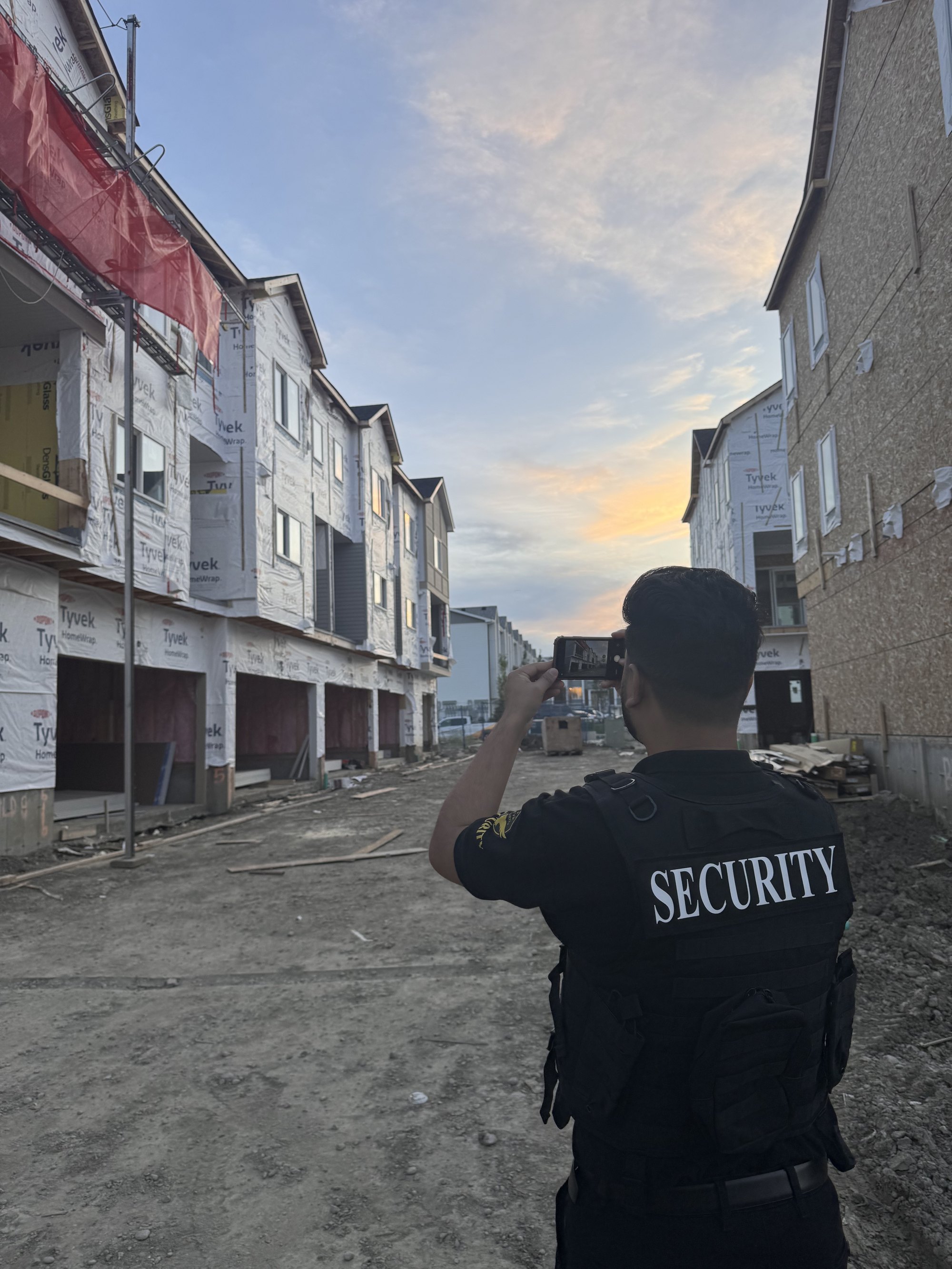
Vacant property security works best when it combines deterrence and verification. Visible patrol presence reduces the chance that a site will be seen as easy access. Physical checks help catch issues like unsecured windows, damaged fencing, forced man doors, or lights that have failed. When an incident does happen, a trained guard can attend, assess, document, and escalate appropriately instead of leaving decisions to guesswork.
There is also a liability side that often gets overlooked. Vacant does not mean risk-free. If someone enters the property and gets injured, starts a fire, or causes damage that spreads to nearby units, the cost can extend well beyond petty theft. Property managers and owners need a plan that shows reasonable care, documented patrol activity, and a clear response process.
What vacant property security Calgary sites usually require
Most vacant sites do not need the same level of coverage every hour of every day. The better approach is to match the security program to the building, the neighbourhood, the access points, and the current stage of vacancy.
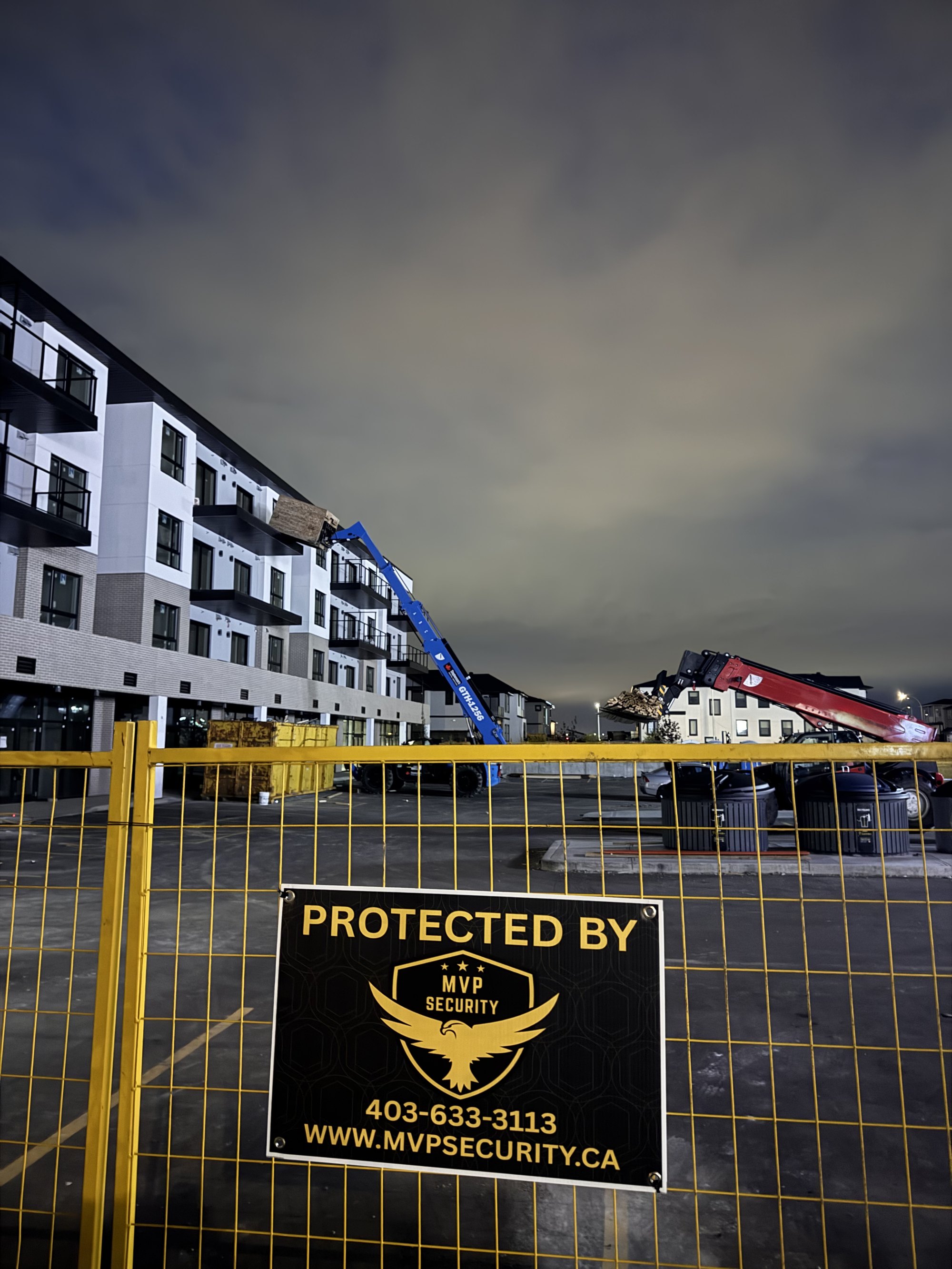
A short-term vacancy between tenants may only require after-hours mobile patrols, lock and perimeter checks, and alarm response. A higher-risk site with repeated incidents may need a static guard overnight, at least for a period of time, to re-establish control and deter further attempts. A partially vacant building with contractors, maintenance staff, or leasing activity may also need daytime access control so only approved visitors and vendors enter.
This is where site-specific planning matters. An empty industrial property with multiple gates and exterior storage has different vulnerabilities than a condo tower common area under restoration. One property may need vehicle patrol coverage and detailed exterior checks. Another may need interior stairwell sweeps, utility room inspections, and close monitoring of temporary entrances created by renovation work.
Mobile patrols vs. static guards
For many owners, the first question is whether mobile patrol is enough. The answer depends on risk, frequency of incidents, and how predictable the property has become to trespassers.
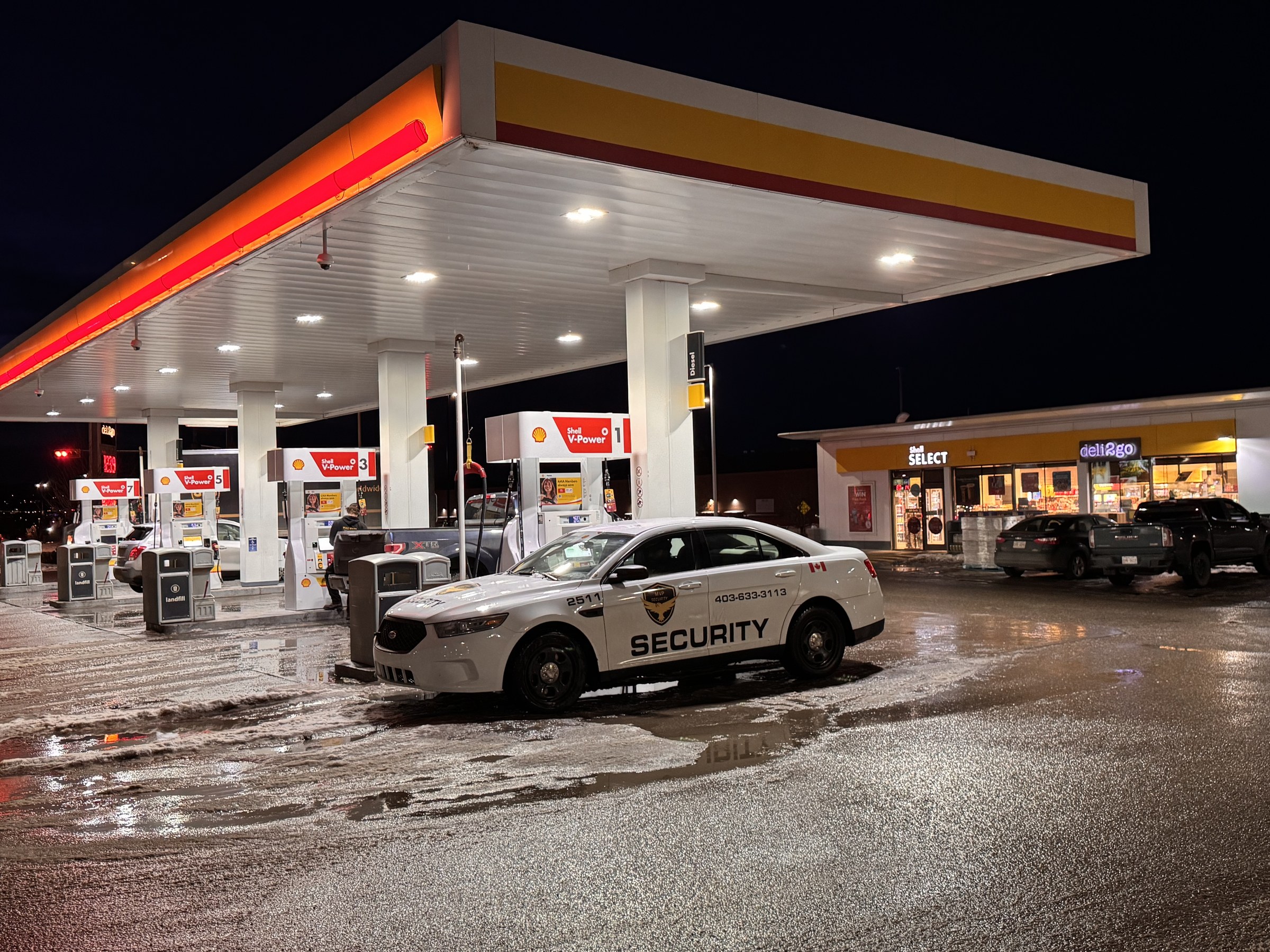
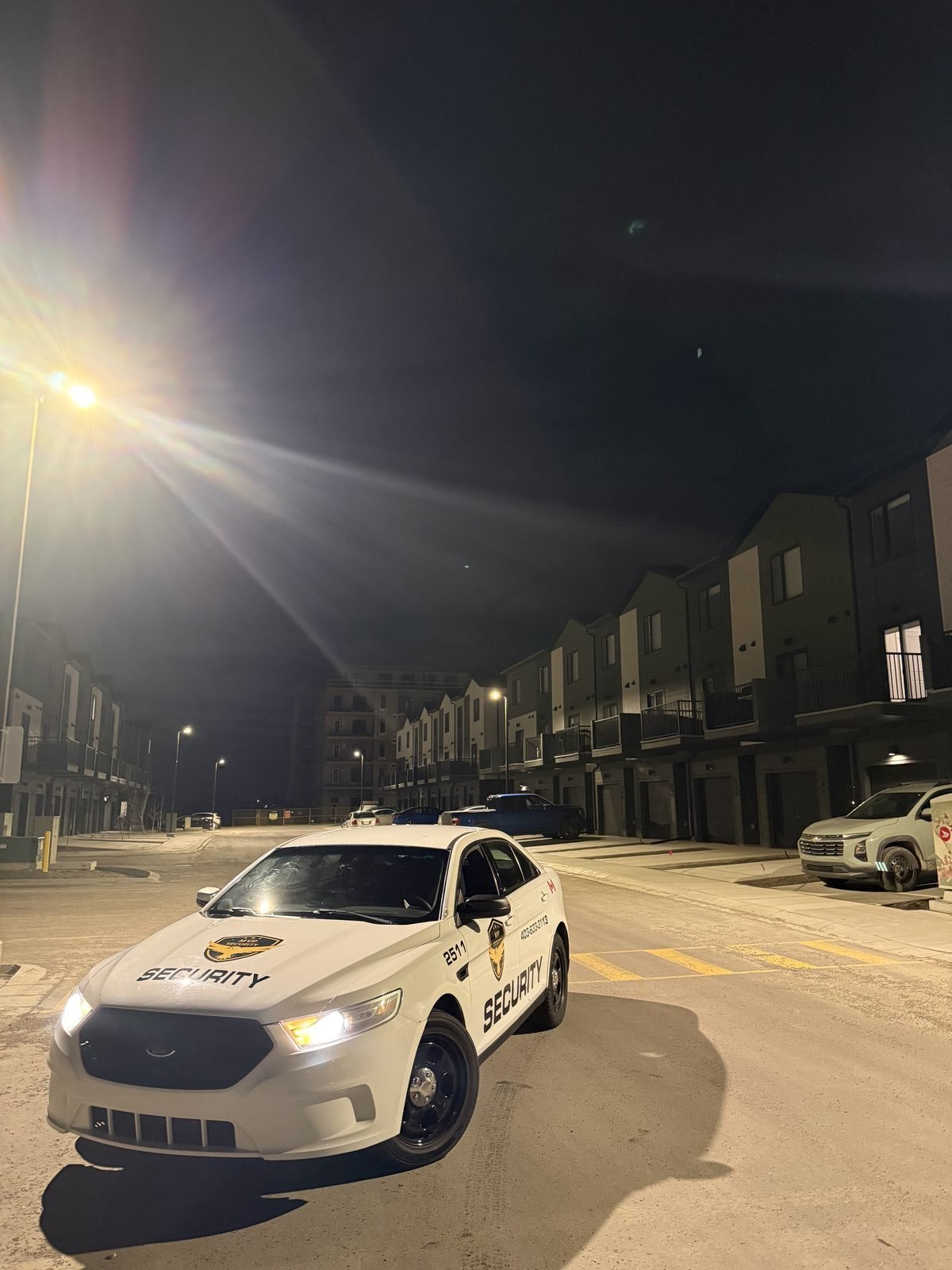
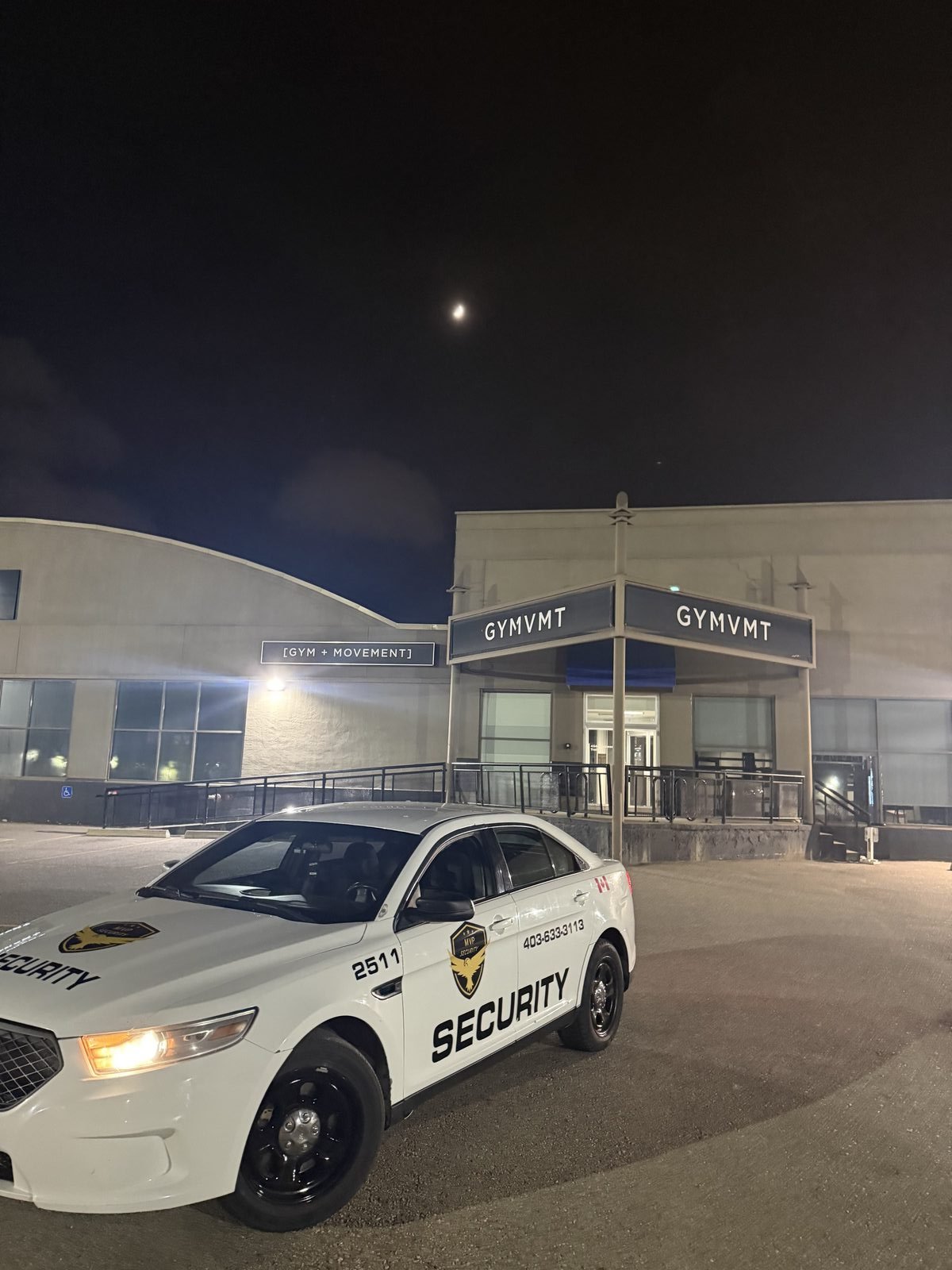
Mobile patrols are often the most cost-effective option for low to moderate risk vacant properties. They provide a visible presence at irregular intervals, conduct perimeter and access-point inspections, and create a record of each patrol through GPS-tracked activity and reporting. This works well when the main goal is deterrence, early detection, and a fast response if something looks wrong.
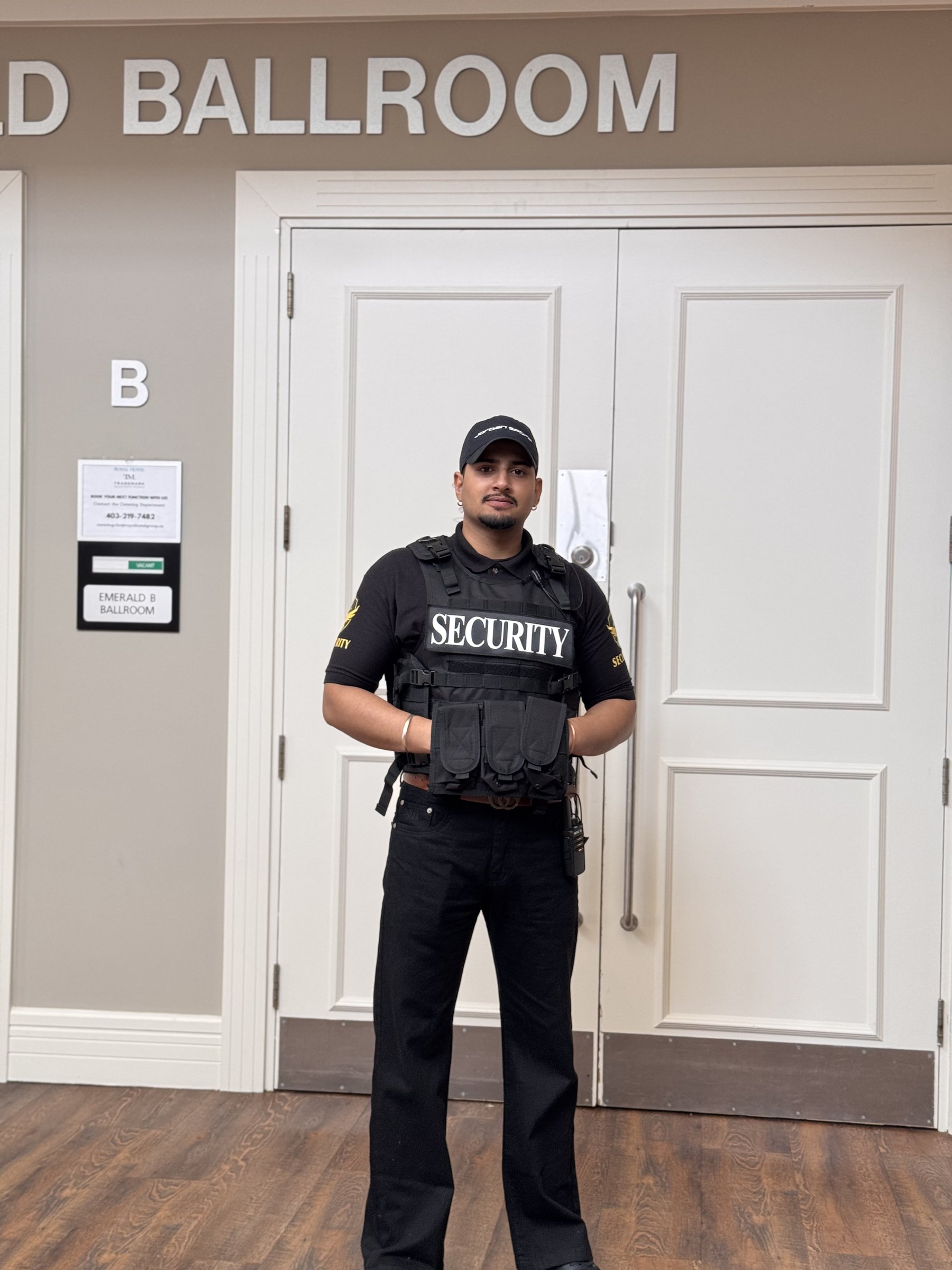
Static guards are better suited to high-risk sites, active loss situations, or buildings with known repeat trespassing. If a property has had vandalism, copper theft, attempted arson, or frequent unauthorized entry, a dedicated on-site guard can make a direct difference. Static coverage also helps where a site has multiple vulnerable points or where there is a need to control access continuously.
There is a trade-off, of course. Static coverage costs more than patrol-based coverage, but it may reduce losses enough to justify the expense. In some cases, the right answer is temporary static coverage followed by a shift to scheduled patrols once the site is stabilized.
What a strong vacant property security plan includes
A reliable vacant property plan starts with a site assessment, not a generic quote. The security provider should want to know when the property became vacant, what incidents have already occurred, which entrances are active, whether utilities are still on, what alarm and camera systems are in place, and how quickly police or fire may need to be supported if there is an event.
From there, the plan should set clear patrol times or guard hours, response instructions, reporting requirements, and escalation contacts. This matters because vacant-site calls are rarely identical. One alarm event may turn out to be wind pressure on a weak door. Another may involve forced entry, water leak risk, or signs that someone has been staying inside. Guards need clear post orders and a client-approved response path.
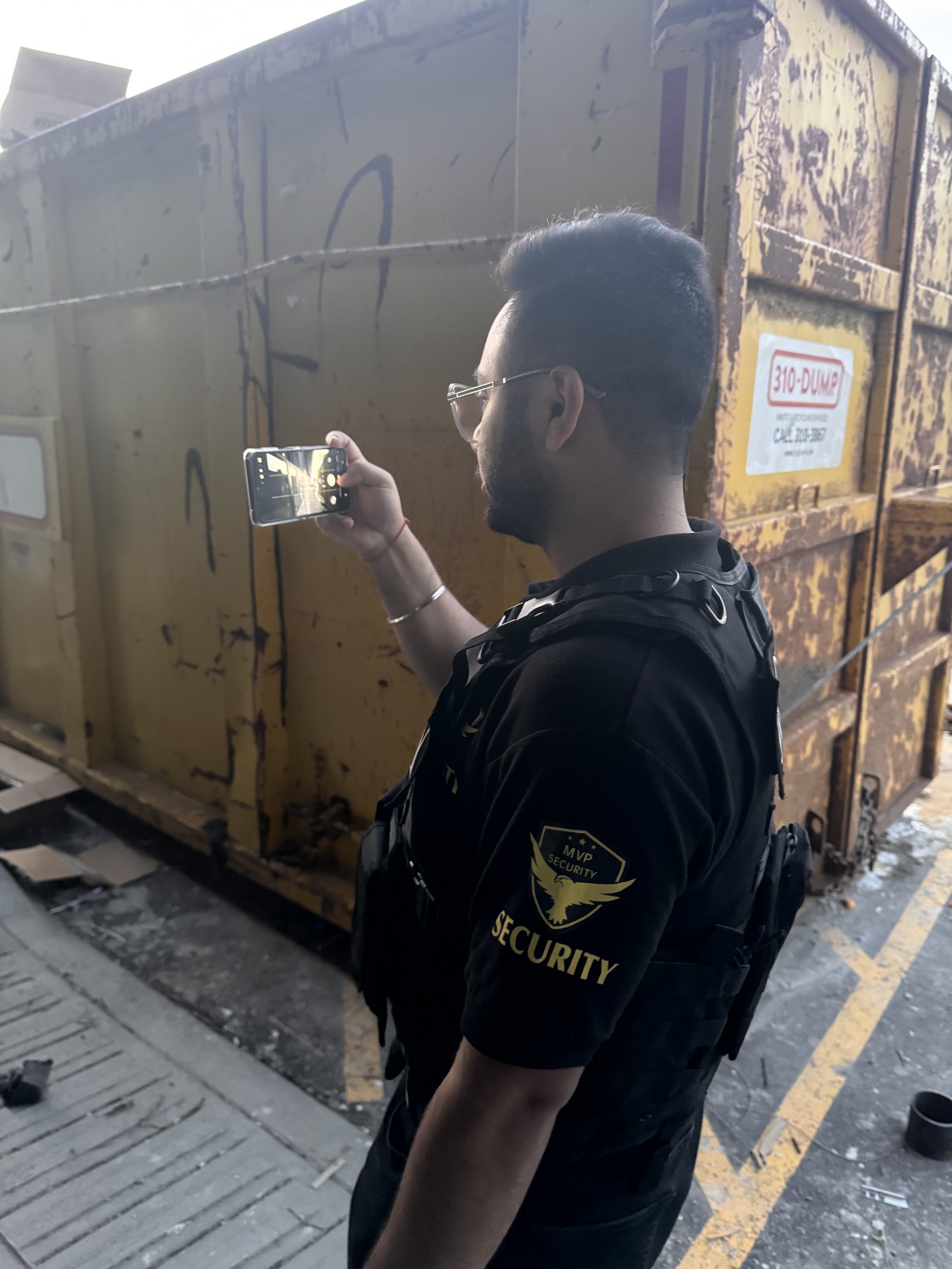
Documentation is not a minor detail here. Photo-documented reporting, time-stamped patrol logs, and incident reports help owners understand what is happening on site and show a record of due diligence. If an insurance question comes up or a tenant dispute follows damage in a multi-unit property, that record becomes valuable quickly.
Vacant property security Calgary owners should ask about
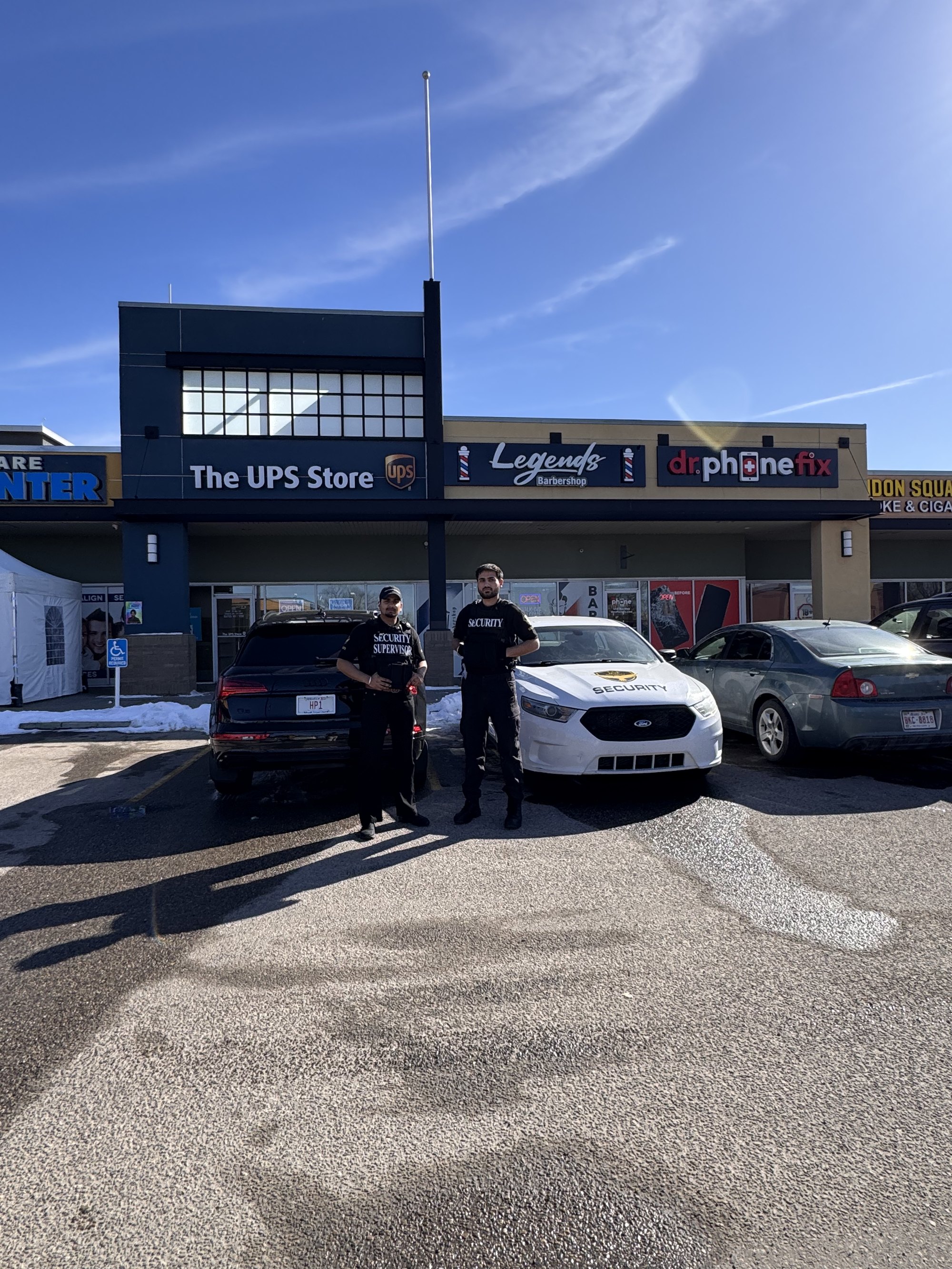
When evaluating providers, local responsiveness matters as much as guard presence. A provider serving Calgary and surrounding communities should understand how neighbourhood conditions vary from core commercial zones to industrial areas and suburban residential developments. The distance between dispatch, the property, and after-hours supervisors affects real response time.
It is also worth asking how patrols are verified, whether guards are Alberta licensed, and how incident communication is handled. If you are managing several sites, you need consistent reporting and straightforward updates, not vague check-ins. If there is a break-in, you need to know who attended, what they found, whether entry was secured, and what action was taken next.
This is where a locally deployed team has an advantage. Faster attendance, better familiarity with the area, and the ability to adjust coverage on short notice can make a noticeable difference when a vacant property moves from stable to active risk. For owners facing an urgent vacancy, same-day deployment can be the difference between getting ahead of a problem and reacting after the loss.
Common mistakes that increase risk
One common mistake is reducing all visible presence to save money, especially after the first quiet month. Trespassers notice patterns. If a building looks untouched for weeks, the chance of unauthorized access goes up. Another mistake is failing to update the plan when conditions change. If contractors begin work, if a unit becomes partially occupied again, or if one entrance is temporarily unsecured, the security approach needs to shift with it.
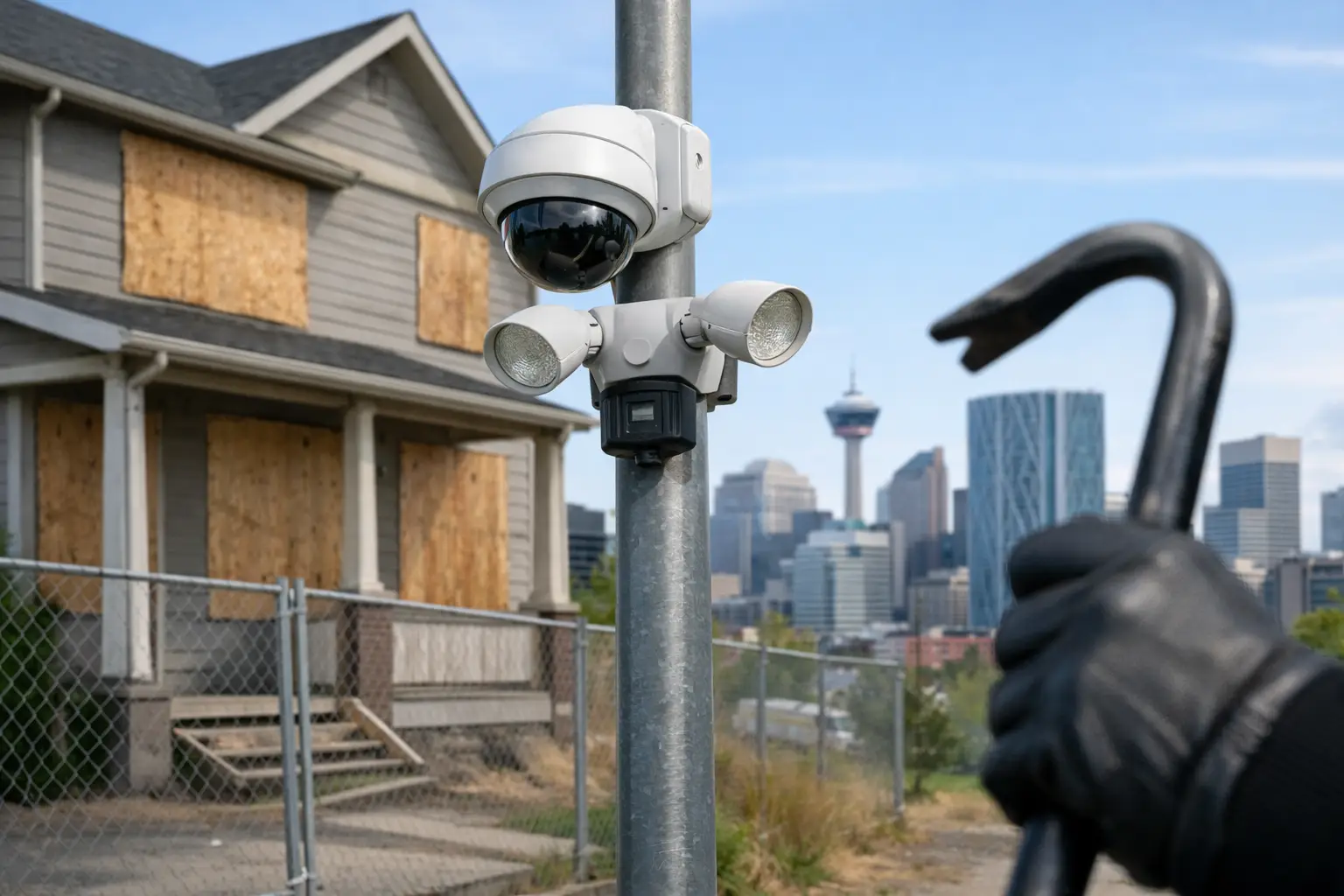
There is also a tendency to rely too heavily on cameras alone. Cameras are useful, especially for verification and evidence, but they do not challenge intruders, lock a compromised gate, or walk a dark rear lane to inspect a cut fence. Technology is strongest when it supports active guard services, not when it replaces them entirely.
A final issue is using a provider that treats vacant properties like standard after-hours lockups. Empty sites need more attention to access control, repeat offender patterns, environmental hazards, and documentation. A generic patrol approach can leave important gaps.
Choosing a provider for vacant property security Calgary
The best provider for vacant property security Calgary clients can hire is one that can scale coverage to the site instead of forcing the site into a preset package. You want licensed guards, reliable patrol verification, clear reporting, and fast response backed by actual local operations. You also want a provider that can move from patrol to static coverage, or add alarm response and overnight presence, without creating delays.
For many property managers, builders, and commercial owners, the practical value is straightforward. You need fewer surprises, better documentation, and a visible deterrent that protects the building while you work through leasing, sale, renovation, insurance, or redevelopment timelines. A local company such as MVP Security Inc. is built around that kind of operational flexibility, which matters when vacancies are temporary in theory but unpredictable in practice.
Vacant properties rarely stay low-risk just because they are locked. The sites that stay under control are the ones with a clear plan, visible coverage, and a response team that treats every incident as something to verify, document, and resolve before it grows.