







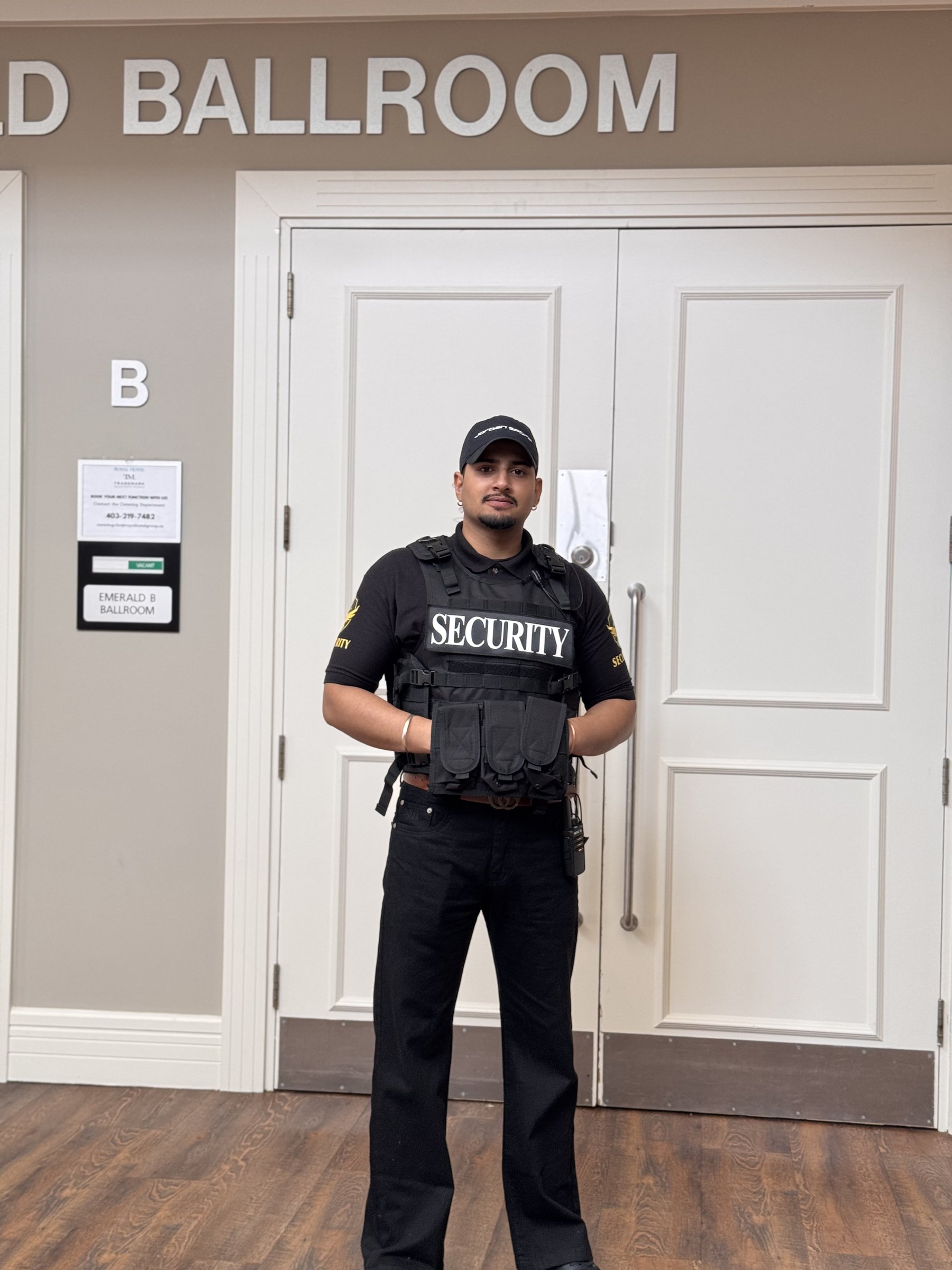
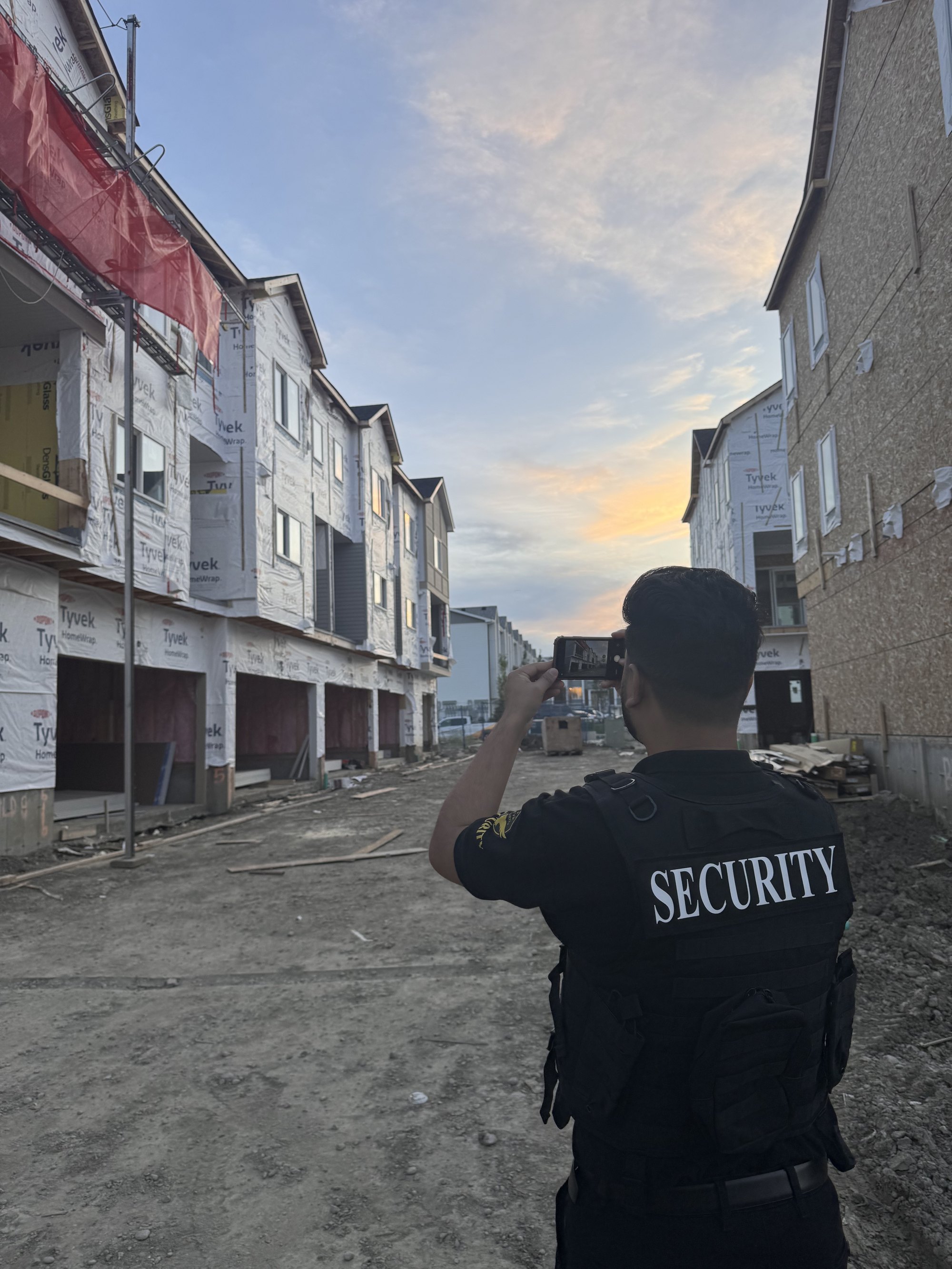
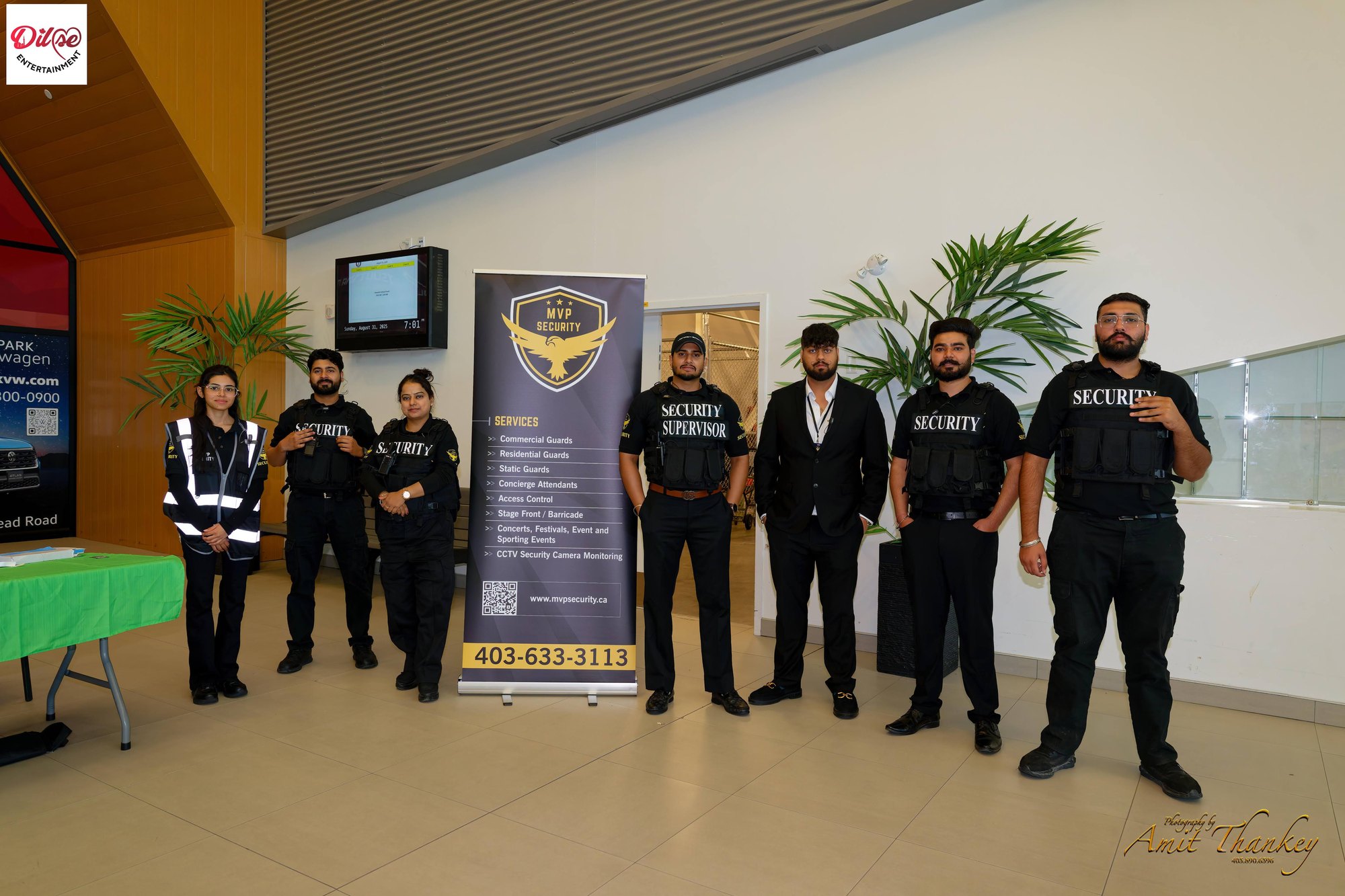
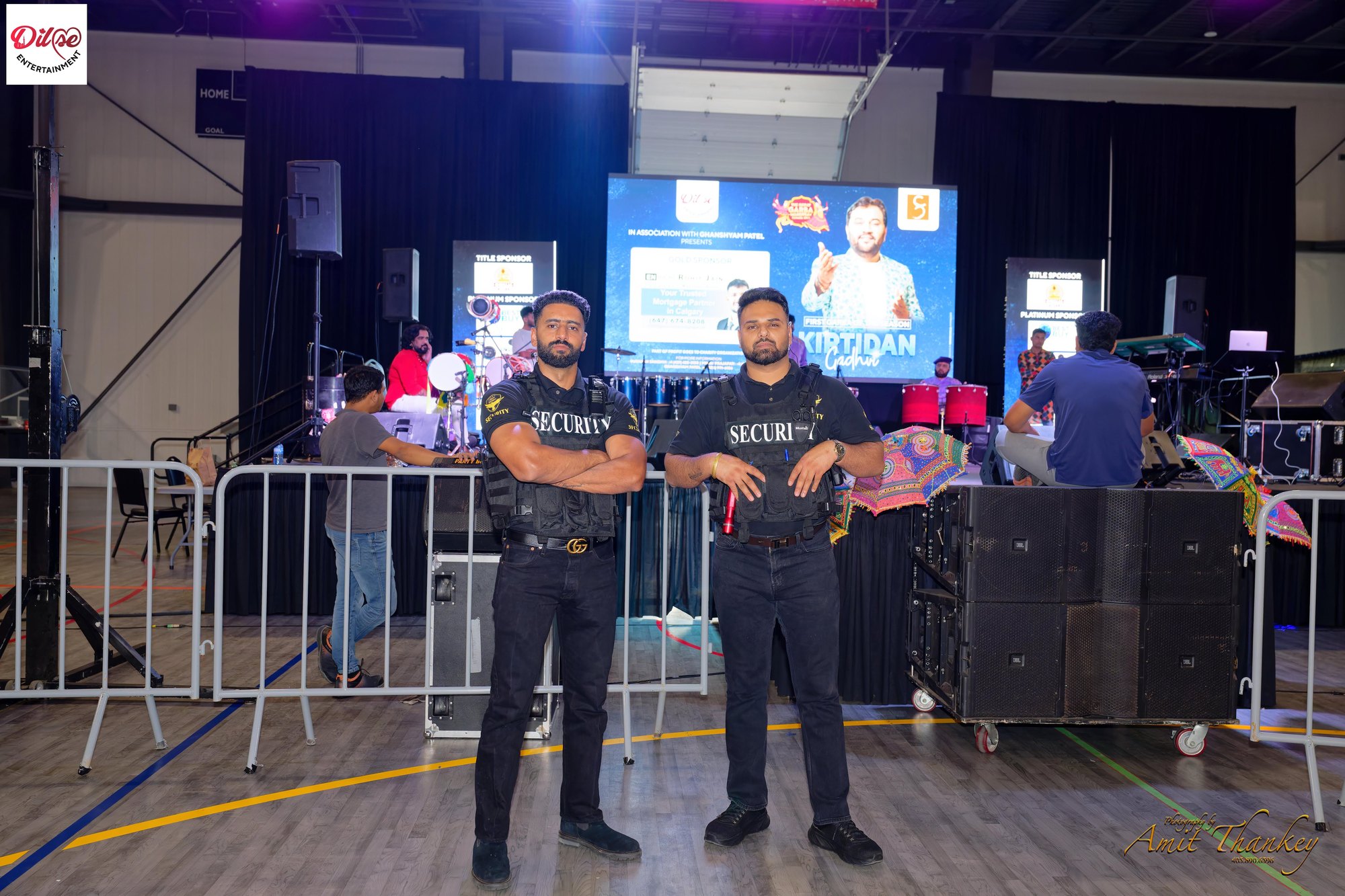
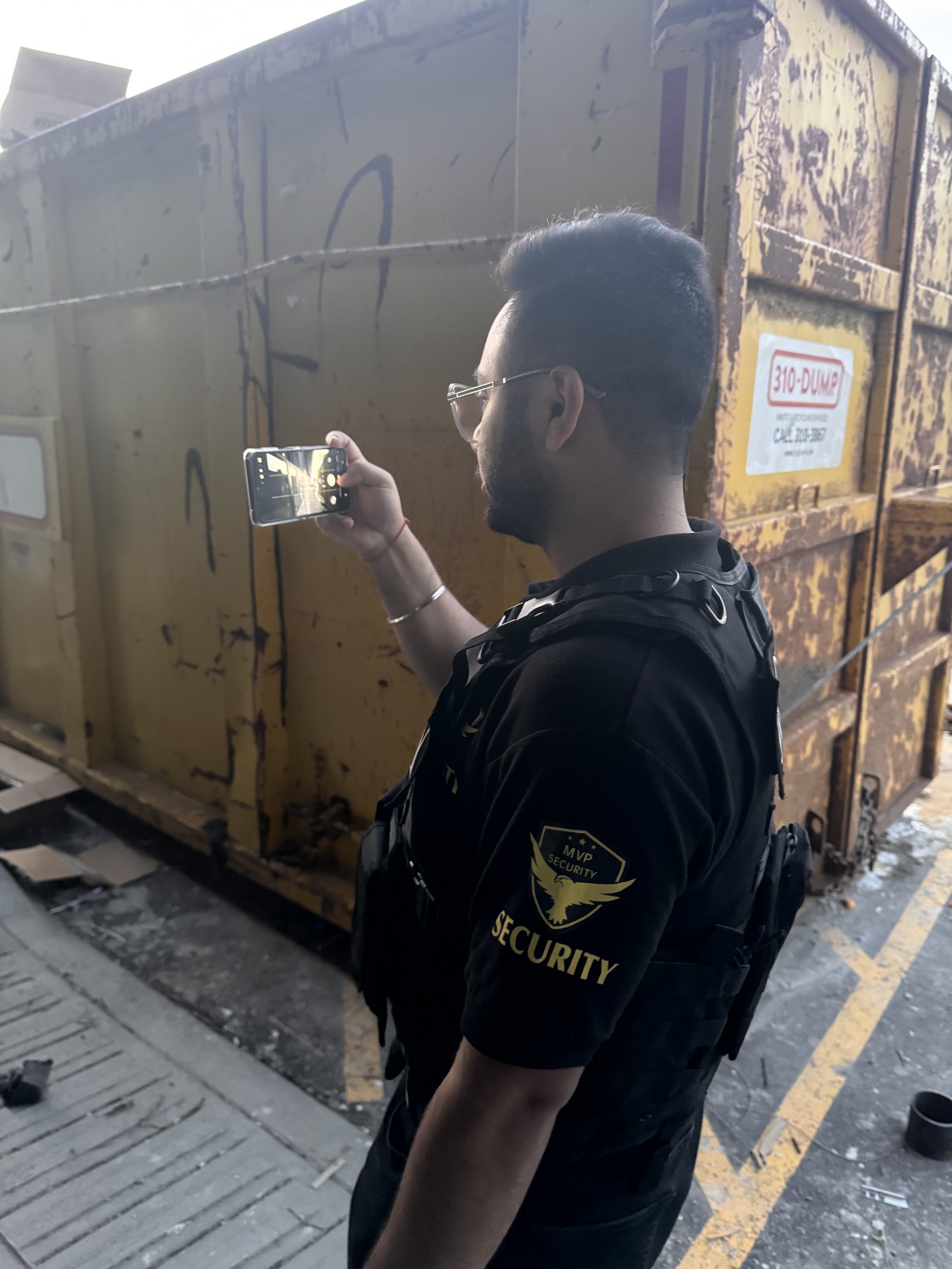
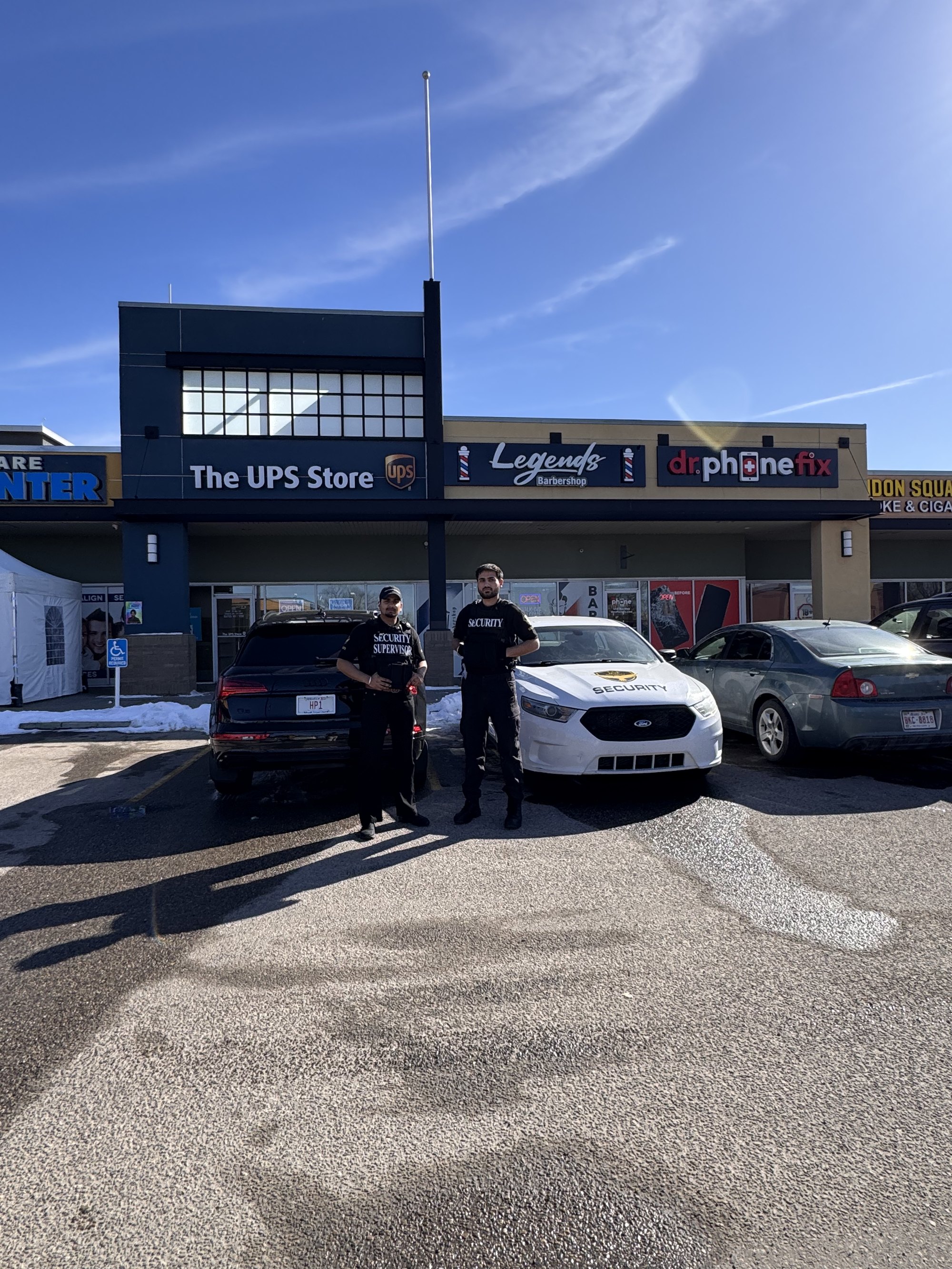
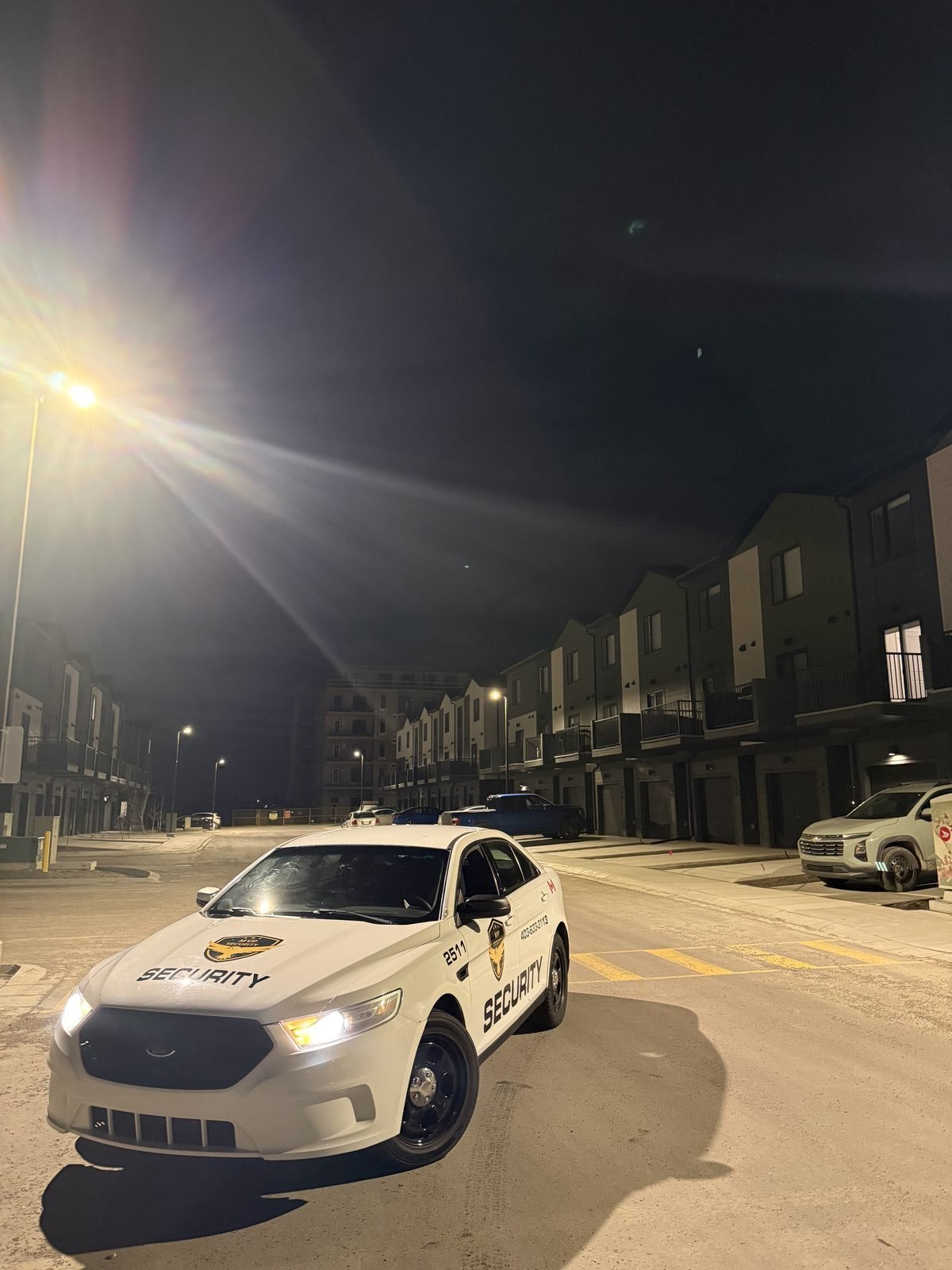
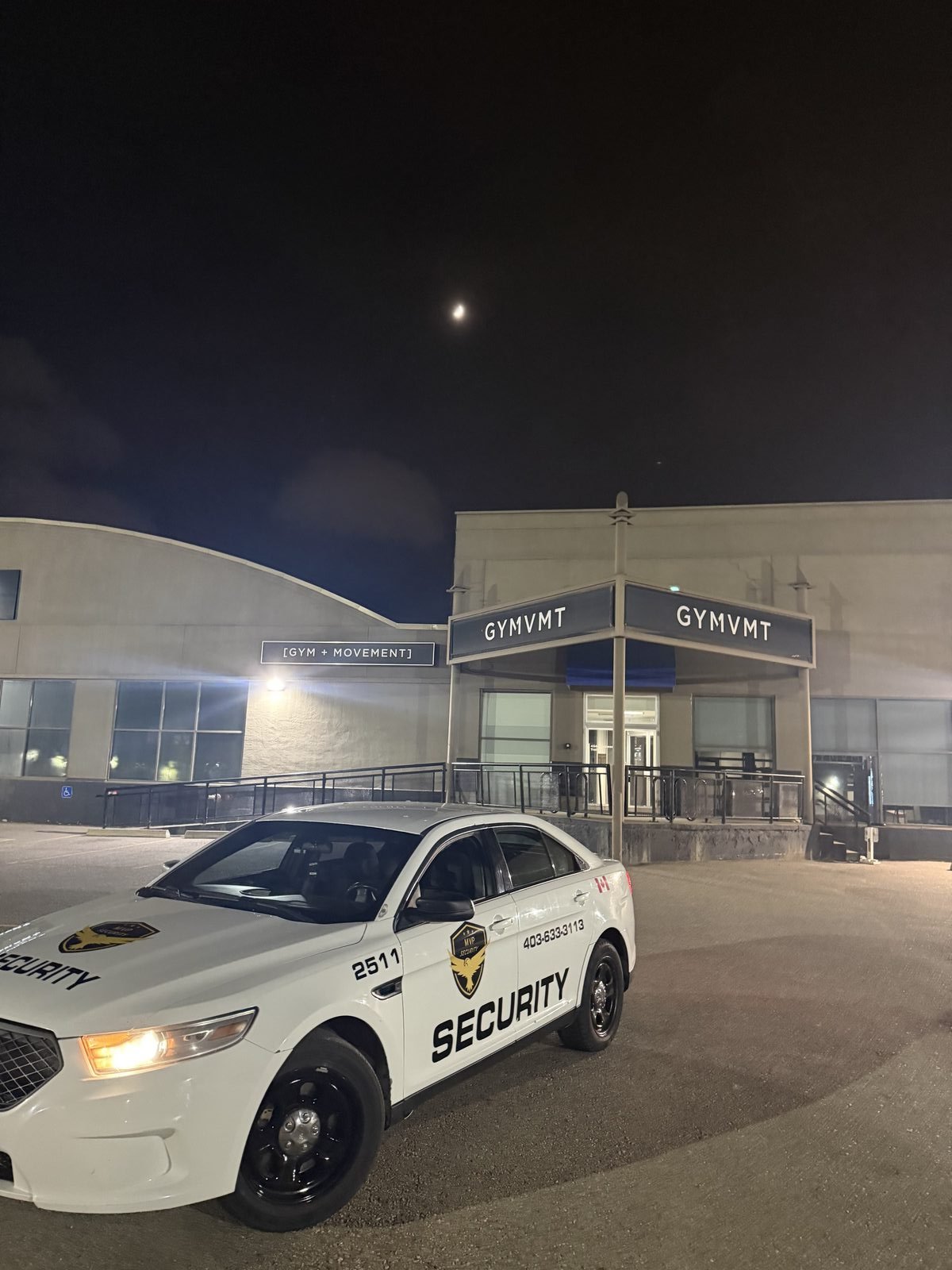
A warehouse rarely has one obvious weak point. The risk is usually spread across loading bays, side doors, parked trailers, contractor access, after-hours pickups, alarm events, and long stretches of quiet time when nobody is watching. That is why hiring a warehouse security guard Calgary operators can rely on is less about filling a post and more about protecting inventory flow, site access, and day-to-day operations.
For warehouse managers, industrial tenants, and property owners in Calgary, security decisions tend to get urgent after a break-in, copper theft, repeated trespassing, or a pattern of overnight damage. The better approach is to build coverage around the way the site actually runs. A warehouse with 24-hour shipping needs a different guard plan than a smaller distribution building that sits empty all weekend. Good security starts with that distinction.
What a warehouse security guard should actually do
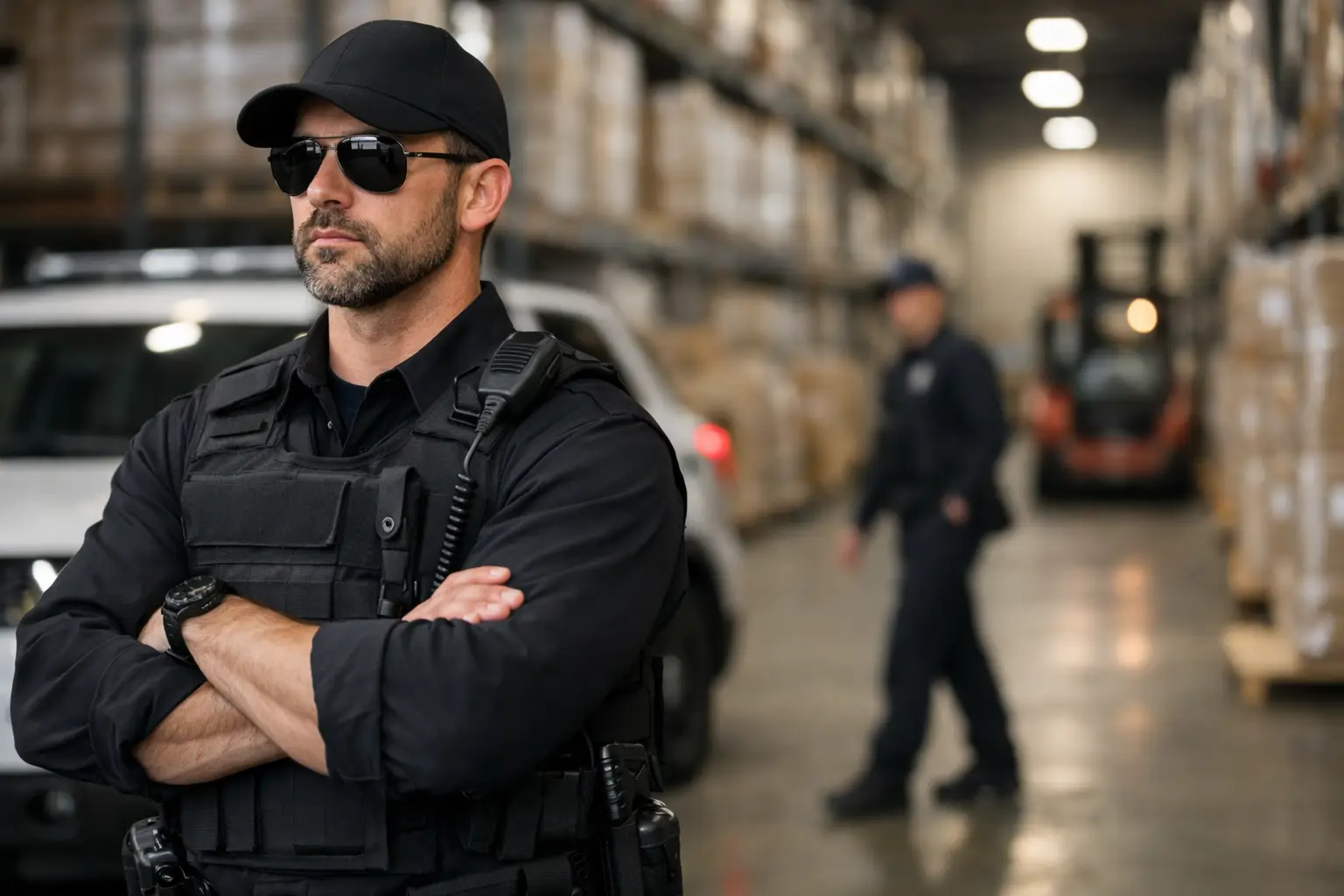
A visible guard presence matters, but visibility on its own is not the whole job. In a warehouse setting, the guard should be part deterrent, part access control point, and part reporting function. If someone is entering through the wrong gate, lingering near parked trailers, or trying a side entrance after hours, the guard needs to respond quickly and document what happened.
That means the role often includes monitoring entry points, verifying staff and visitor access, checking shipping and receiving activity, conducting perimeter patrols, watching for fire and safety concerns, and responding to alarms or suspicious behaviour. On some sites, the guard remains at a fixed post. On others, mobile movement is more effective because the risk is spread across a larger yard or multiple building faces.
The right assignment depends on the warehouse layout, hours of operation, and what is stored on site. Consumer goods, tools, electronics, pharmaceuticals, bonded materials, and high-value freight all create different exposure. If a provider treats every warehouse the same, the coverage is probably too generic.
Why warehouse sites in Calgary need a different security approach
Warehouse risk in Calgary is shaped by geography, traffic patterns, weather, and site design. Industrial areas can be quiet overnight, which gives intruders more time to test doors, fences, and parked equipment without drawing attention. In winter, snowbanks and reduced visibility can create blind spots. In busy shipping seasons, more third-party drivers and temporary staff can make access control harder to manage.
A warehouse security guard Calgary businesses hire should understand those practical conditions. Local familiarity helps with route planning, response times, and knowing how different industrial districts behave after hours. It also matters when a guard is dealing with recurring issues like loitering, vacant adjacent units, or vulnerable fence lines behind the building.
There is also a difference between protecting a warehouse and protecting a storefront or office tower. A warehouse often has fewer witnesses, larger exterior areas, and inventory that can be removed quickly if someone gains access. One unlocked bay door or one unchecked delivery vehicle can create a serious loss event.
Static guards or mobile patrol - what fits your warehouse?
This is where many decision-makers have to balance risk against budget. A full-time static guard gives you constant presence, immediate intervention, and tighter control over access. That can be the right call for warehouses with active loading docks, valuable product, frequent overnight movement, or a recent history of incidents.
Mobile patrol can be a better fit when the site is lower traffic, partially occupied after hours, or needs targeted checks rather than continuous staffing. Patrol officers can inspect gates, doors, trailers, fencing, and dark areas that an intruder may test first. GPS-tracked patrol activity and photo-documented reporting add accountability, which matters if you have been disappointed by vague incident logs in the past.
In some cases, the strongest program is a mix of both. A static guard may manage front access during operating hours, while overnight mobile checks handle the quieter risk window. It depends on whether your main concern is controlled entry, visible deterrence, alarm response, or perimeter protection.
What to look for in a warehouse security guard Calgary provider
The first requirement is straightforward - guards must be licensed in Alberta and deployed by an insured company that understands SSIA compliance. That is the baseline. Beyond that, operational reliability is what separates a capable security partner from a vendor that simply fills shifts.
You want to know how quickly coverage can be arranged, especially if your current provider has failed to show up or you need emergency deployment after an incident. You also want to know how activity is documented. If a guard checks a loading area at 2:15 a.m., there should be a record of it. If they respond to trespassing, suspicious vehicles, or a forced entry attempt, you should receive clear reporting with enough detail to support internal follow-up, insurance documentation, or police reporting if needed.
Warehouse environments also require guards who can stay alert in long, repetitive conditions. This is not a concierge post with occasional visitor traffic. It is an operational site where one missed gate check can matter. Providers should be able to explain how they supervise guards, verify patrol completion, and maintain communication throughout the shift.
The problems a guard can prevent before they become losses
A good warehouse guard does more than react. The right presence changes behaviour on site. Opportunistic thieves are less likely to target a building with active patrols, marked attendance, and controlled access. Employees and contractors are also more likely to follow process when they know entry and movement are being monitored.
That preventive value often shows up in smaller incidents that never escalate. A guard notices a damaged fence panel before someone uses it. A side door that does not latch properly gets reported before a break-in. An unauthorized person in a yard is challenged early instead of being found near equipment an hour later. A water leak, smoke condition, or fire panel issue is identified before it turns into a major property event.
This is why reporting quality matters so much. Security is not only about stopping a crime in progress. It is also about giving site managers enough visibility to fix vulnerabilities quickly.
Warehouse access control is often where security succeeds or fails
Many warehouse incidents begin with poor access discipline rather than forced entry. Tailgating through gates, unverified visitors, borrowed credentials, unlocked man doors, and informal after-hours pickups all create openings. A trained guard helps close those gaps by making access procedures real instead of optional.
For some sites, that means checking IDs, logging visitors, confirming scheduled contractors, and managing truck arrivals. For others, it means watching for internal policy drift, like doors propped open for convenience or staff allowing familiar but unauthorized individuals onto the property. These are common issues, especially on busy sites where operations move quickly and security can slip behind production demands.
A practical security plan respects workflow. If procedures slow the site down too much, people work around them. The better solution is to build controls that fit the operation and enforce them consistently.
When fast response matters most
Not every warehouse needs 24/7 on-site guarding, but every warehouse needs a credible response plan. Alarm events, attempted break-ins, suspicious vehicles, and after-hours disturbances do not wait for the next business day. If your provider cannot respond quickly, the value of the service drops fast.
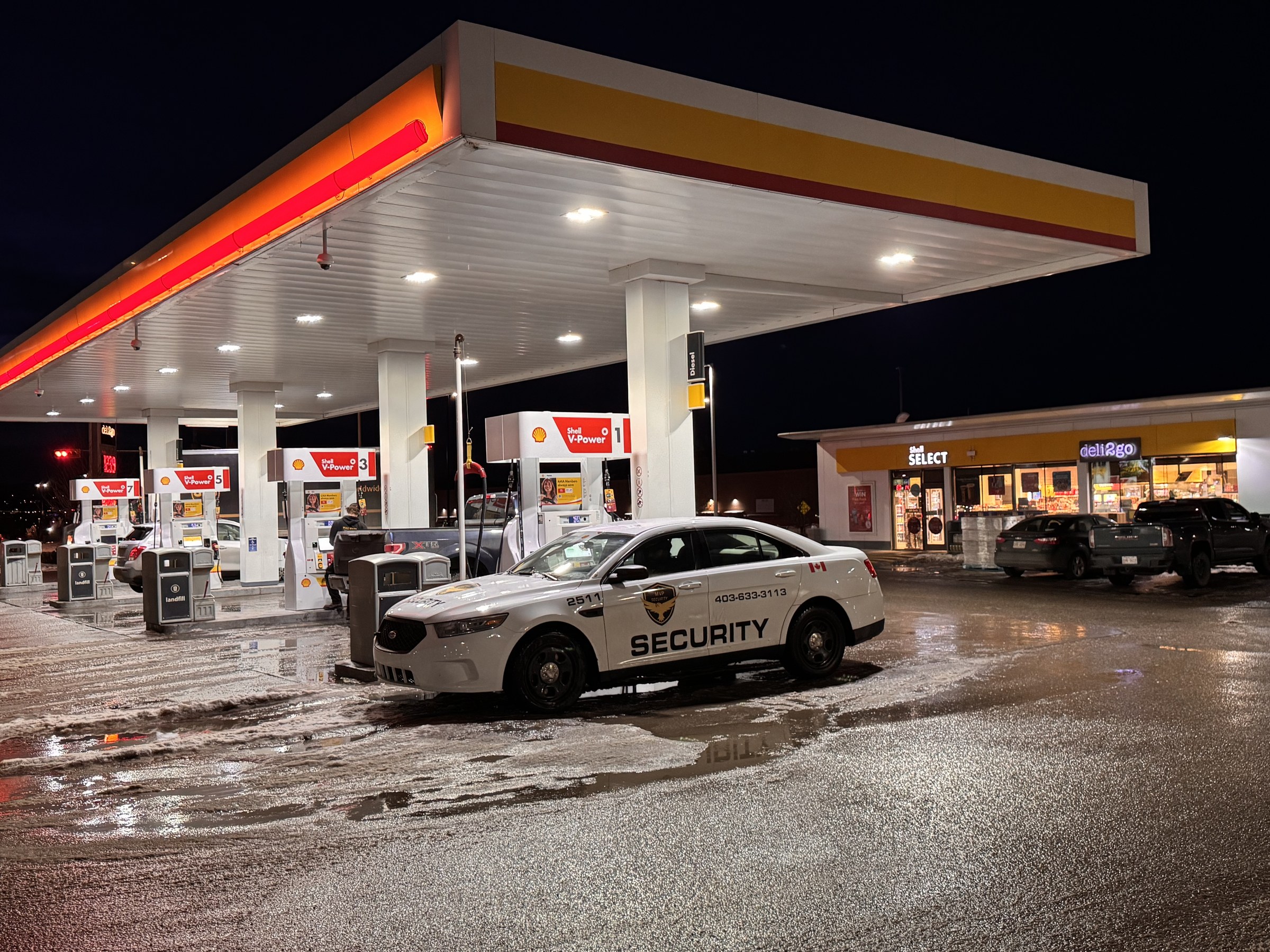
That is where local deployment makes a difference. A Calgary-based team with the ability to dispatch on short notice is often better positioned than a larger provider working through distant scheduling layers. For businesses that need flexible coverage, that responsiveness can matter as much as the guard presence itself.
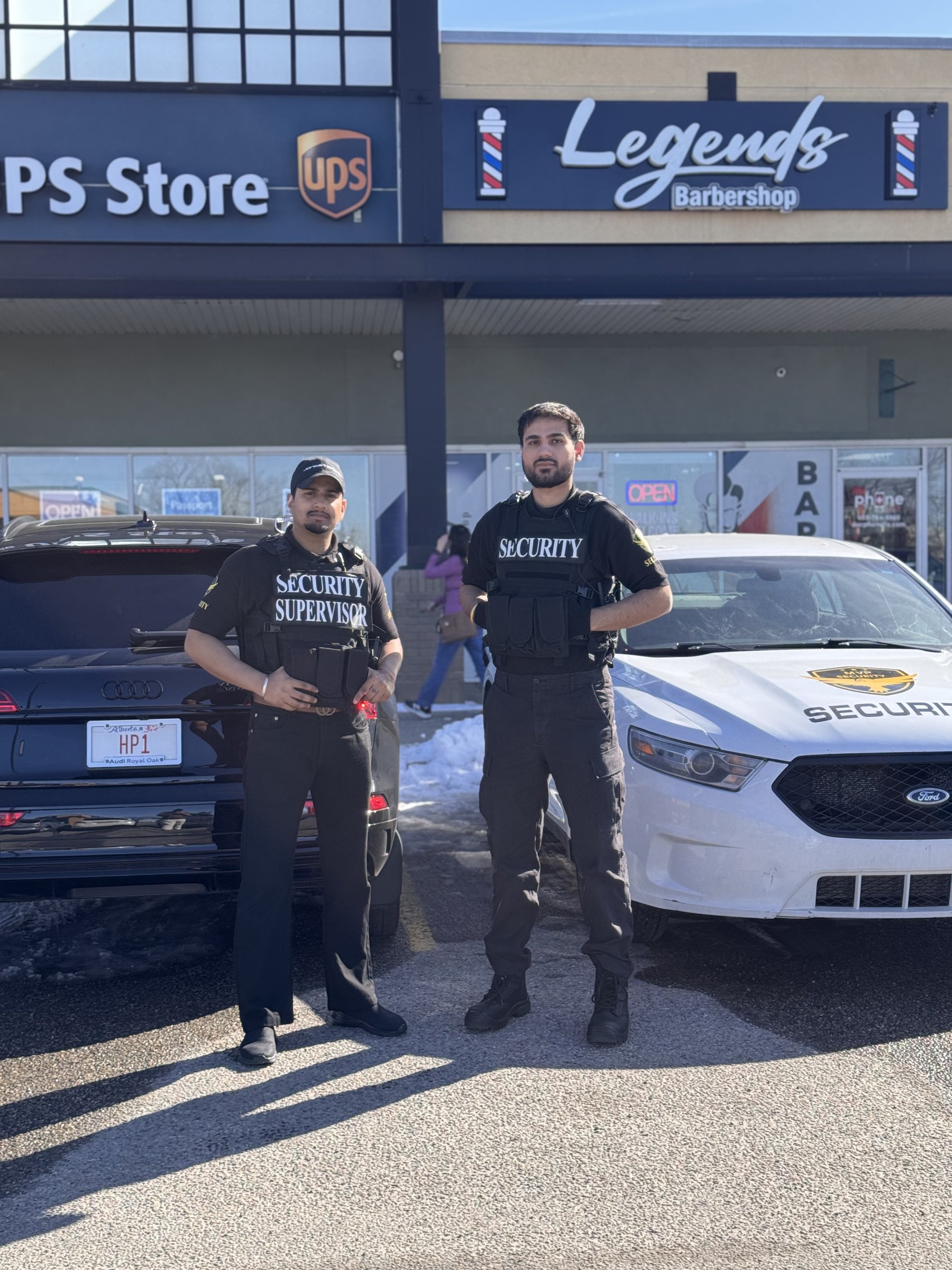
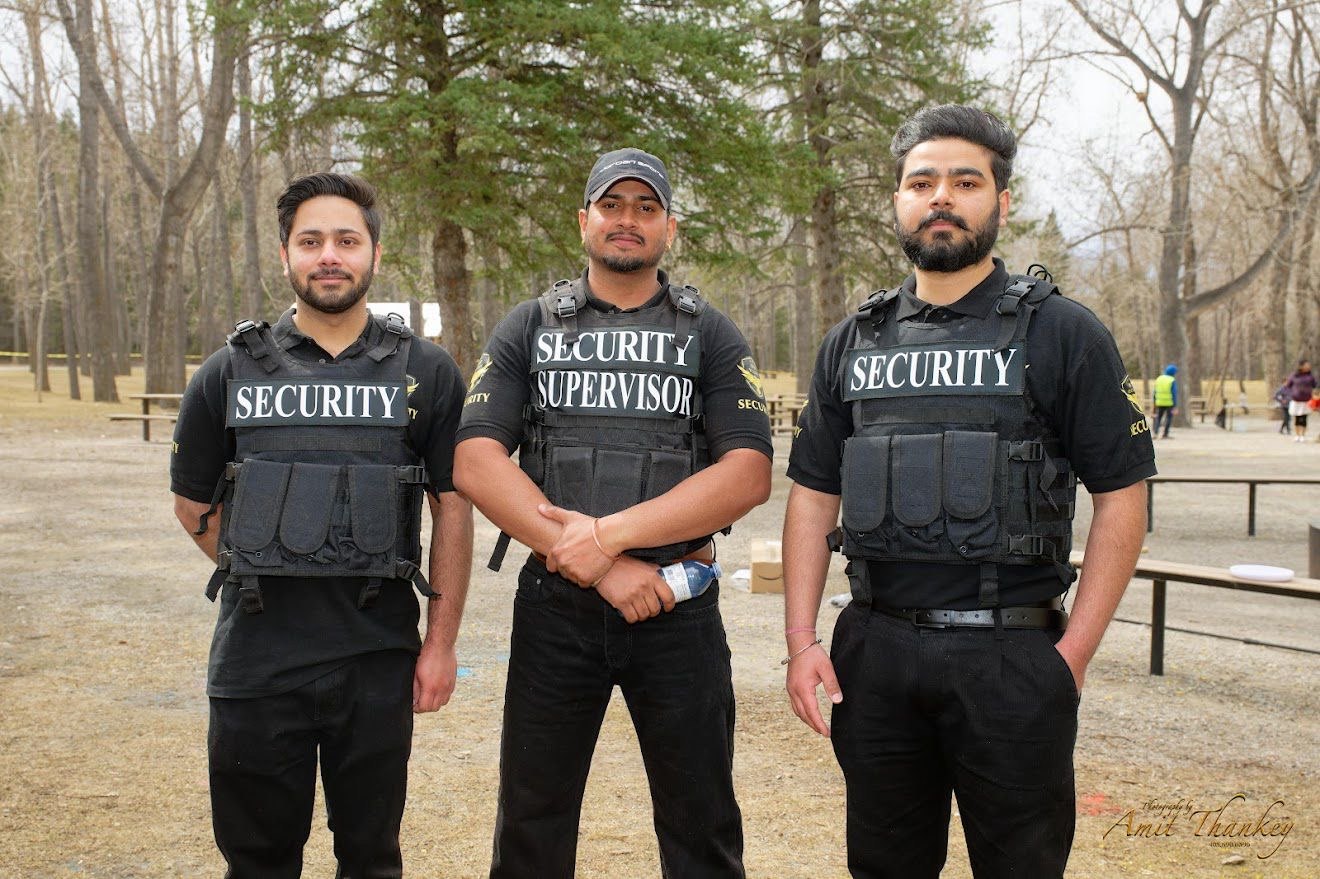
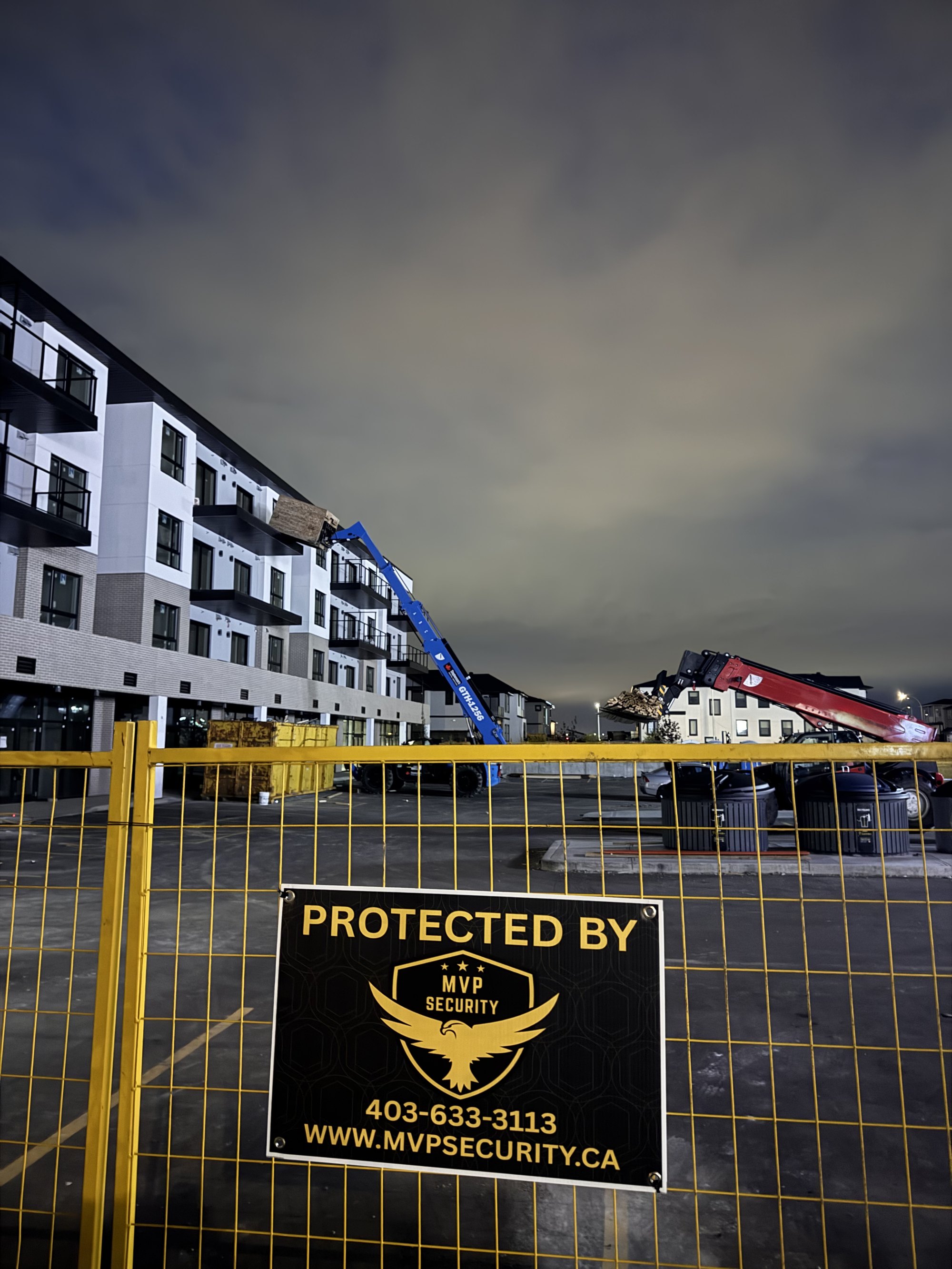
MVP Security Inc. is built around that local model, with licensed guards, 24/7 availability, GPS-tracked patrols, and site-specific coverage designed around actual risk rather than a standard template. For warehouse clients, that usually means faster decisions, clearer reporting, and fewer surprises.
Choosing the right level of coverage for your site
The best warehouse security plan is not always the biggest one. Some sites need overnight patrols and alarm response. Others need a full-time guard managing people, vehicles, and access throughout the day. The right level of service comes from looking closely at operating hours, inventory value, exterior exposure, incident history, and how easily someone can move through the site unnoticed.
If you are evaluating providers, ask practical questions. How is patrol activity verified? What does reporting include? Can coverage start quickly? Are guards assigned based on industrial experience? How are after-hours issues escalated? Clear answers usually indicate a provider that is used to working in high-responsibility environments.
Warehouse security is most effective when it feels routine to your team and inconvenient to anyone who should not be there. That is a good standard to aim for, especially in a city where industrial properties stay active, valuable, and exposed after dark.
If your warehouse has blind spots, recurring trespass issues, uneven access control, or a provider that leaves you guessing, that is usually the signal to tighten the plan before the next incident forces the issue.