

















A warehouse can lose thousands of dollars in a single quiet shift. One unsecured loading door, an unverified after-hours visitor, or a gap between alarm activation and response can expose inventory, equipment, fuel, and staff. Effective warehouse security planning turns those weak points into clear operating controls that your team and security provider can follow every day.
For Calgary-area warehouse operators, the right plan is not simply a guard at the gate. It is a site-specific program built around your building layout, inventory profile, shipping schedule, staffing levels, and history of incidents. The objective is practical: deter unauthorized activity, identify issues early, respond quickly, and leave a documented record when something occurs.
Warehouse security planning starts with the real risks
A generic security schedule often leaves the most vulnerable periods uncovered. Before assigning guards or patrols, review what is actually at risk and when that risk is highest. A warehouse that handles consumer electronics has different exposure than one storing construction materials, automotive parts, pharmaceuticals, or high-value tools.
Start by walking the site after normal business hours as well as during receiving and shipping activity. Look at the property from the perspective of someone trying to enter unnoticed, remove goods, or test whether anyone will respond. Pay close attention to loading bays, fenced compounds, employee entrances, roof access, side doors, vehicle gates, and areas where trailers or pallets sit overnight.
A useful assessment should account for at least four areas:
- Inventory and asset value: Identify high-value, easily resold, or easily moved stock, along with vehicles, tools, fuel, copper, and equipment.
- Access points: Review who can enter each door, gate, office, yard, and storage area, and whether access is recorded.
- Operating patterns: Map shift changes, delivery windows, contractor visits, cleaning crews, and periods when the site is empty.
- Past incidents: Use theft, vandalism, trespass, alarm, safety, and employee conduct reports to identify recurring patterns.
This review should not be a one-time exercise. Seasonal demand, new tenants, construction work, staffing changes, and inventory fluctuations can change your exposure quickly. A facility that was low risk six months ago may need additional controls once it begins holding larger volumes of goods overnight.
Build access control around how the warehouse operates
Most warehouse incidents begin with access. That does not always mean forced entry. It can be a propped-open door, a former employee whose credential was never removed, an unescorted contractor, or a driver allowed beyond the area required for a delivery.
Your access control process should separate public, staff, visitor, and restricted zones. Reception or a controlled entrance should verify visitors and direct them to the appropriate area. Drivers should know where to report, where they may wait, and which parts of the site are off limits. Contractors should be signed in, issued temporary access where needed, and escorted when work takes them near inventory or sensitive operations.
For employee access, use credentials that can be removed immediately when a worker changes roles or leaves. Physical keys require a disciplined sign-out process, especially for gate keys, master keys, and keys to cages or equipment rooms. Electronic access systems provide better tracking, but only if the permissions are reviewed regularly.
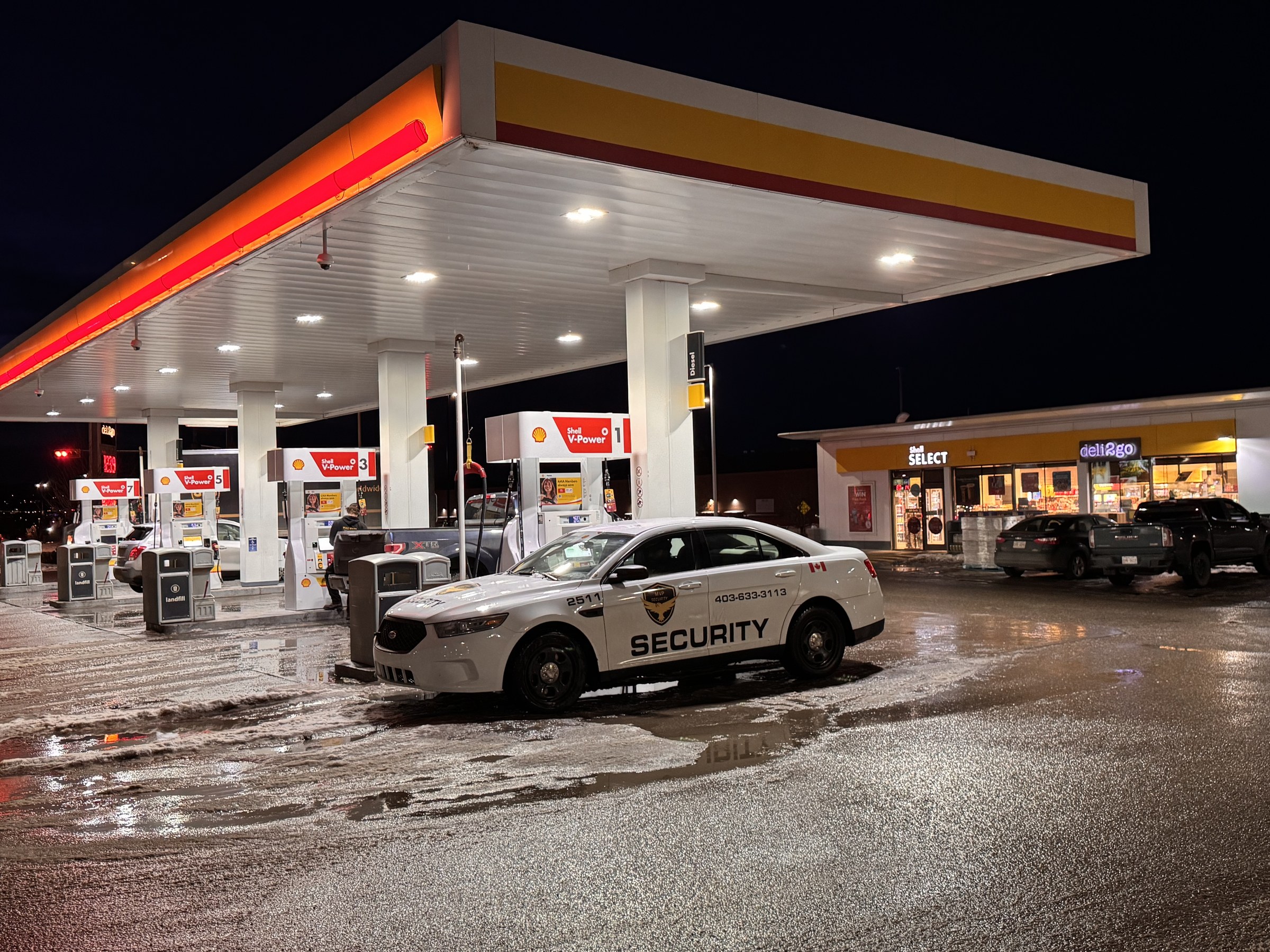
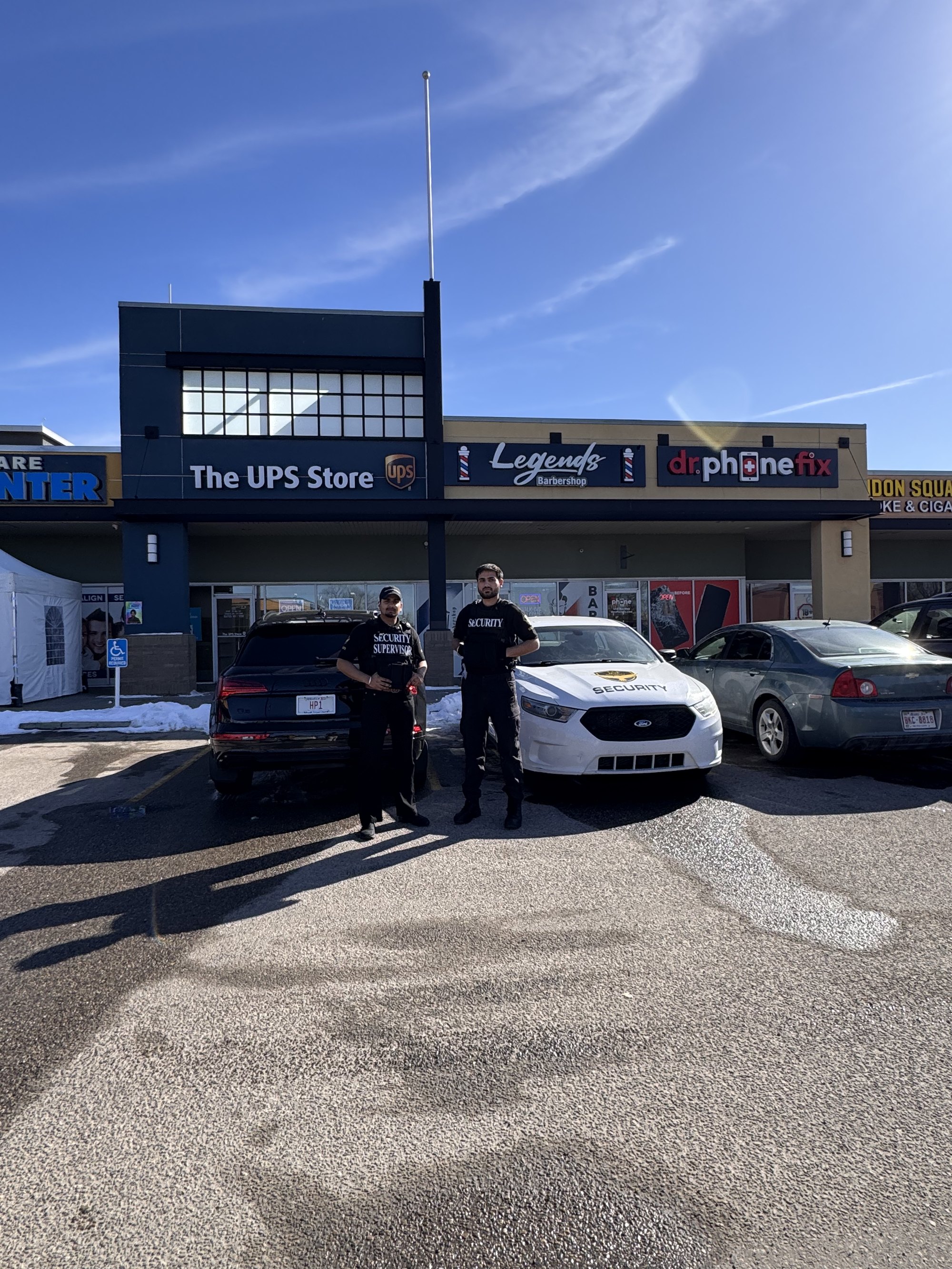
A visible, professional security presence can reinforce these controls without slowing operations. Static guards are often appropriate at busy distribution facilities, sites with frequent visitors, or warehouses carrying high-value inventory. At smaller or lower-traffic sites, scheduled mobile patrols may provide an effective visible deterrent while controlling costs. The right choice depends on the consequence of a missed event, not just the size of the building.
Protect the perimeter, loading areas, and blind spots
Perimeter security is where prevention begins. Fencing, gates, lighting, signage, cameras, and patrol activity work best as a combined system. A fence alone may delay entry, but it will not confirm who approached the site or ensure a response after a breach.
Loading docks deserve special attention because they are designed for movement. Doors may be open for extended periods, trailers may be parked outside the main fence line, and staff may be focused on shipment deadlines. Establish clear rules for when dock doors can remain open, who verifies trailer seals, and how unclaimed or unexpected vehicles are handled.
Lighting should support observation rather than merely brighten the property. Check coverage at gates, dumpster enclosures, rear lots, rail access, exterior storage, and along building sides. Cameras should be positioned to capture usable identification at entry and exit points, not only broad views of a yard. If camera footage is monitored after hours, the escalation process must be clear: who receives an alert, who attends site, and who contacts police or management when necessary.
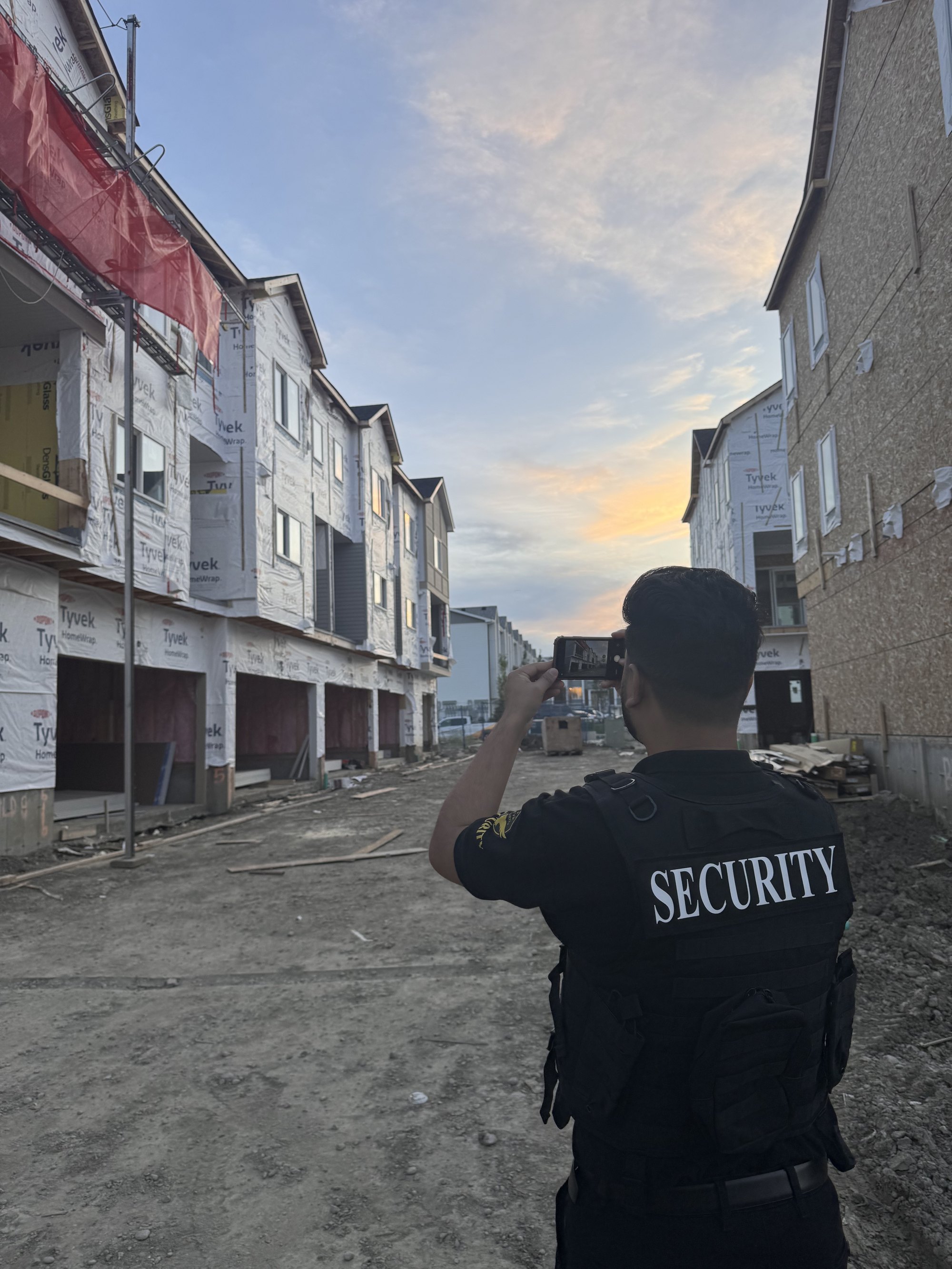
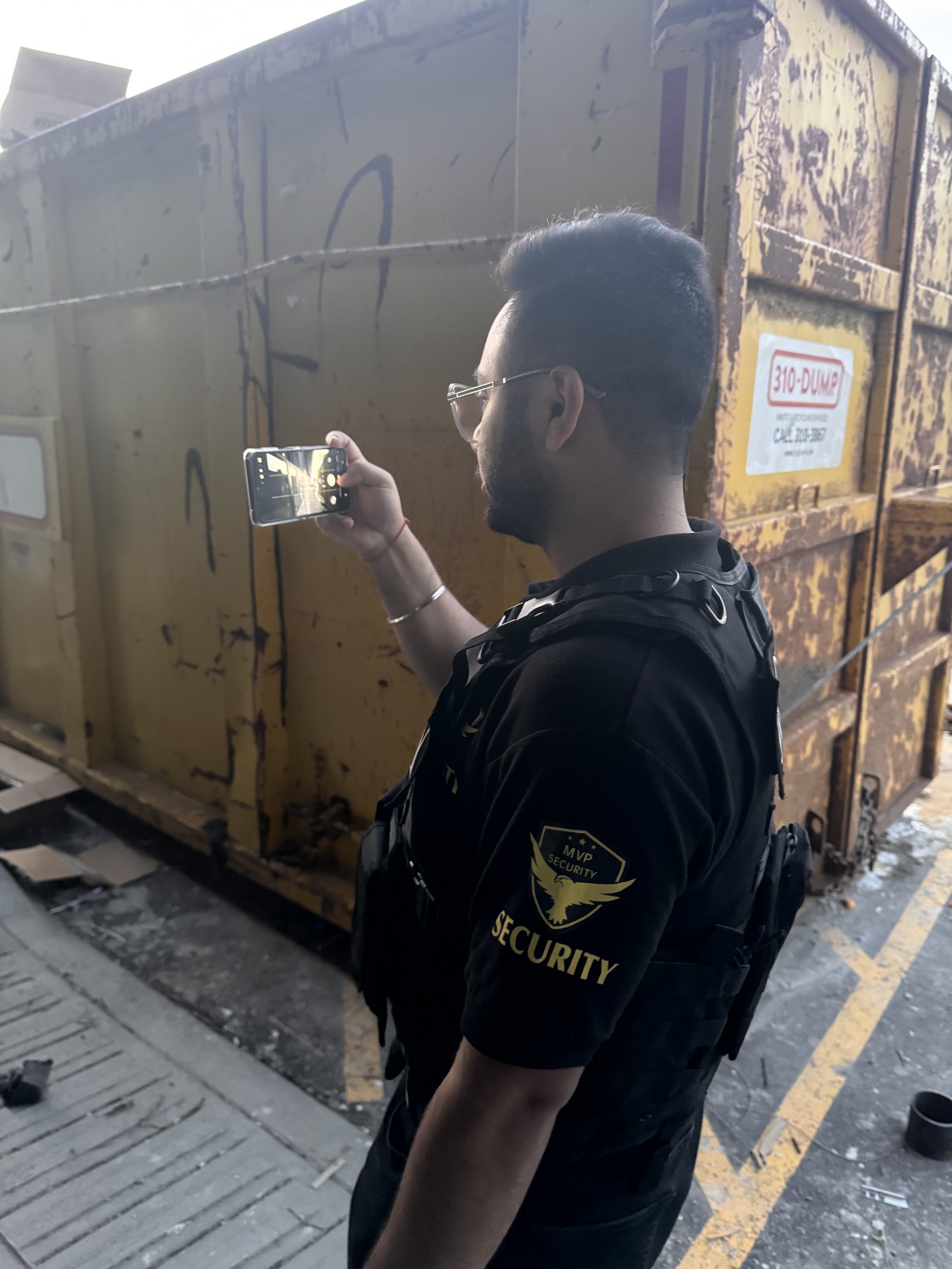
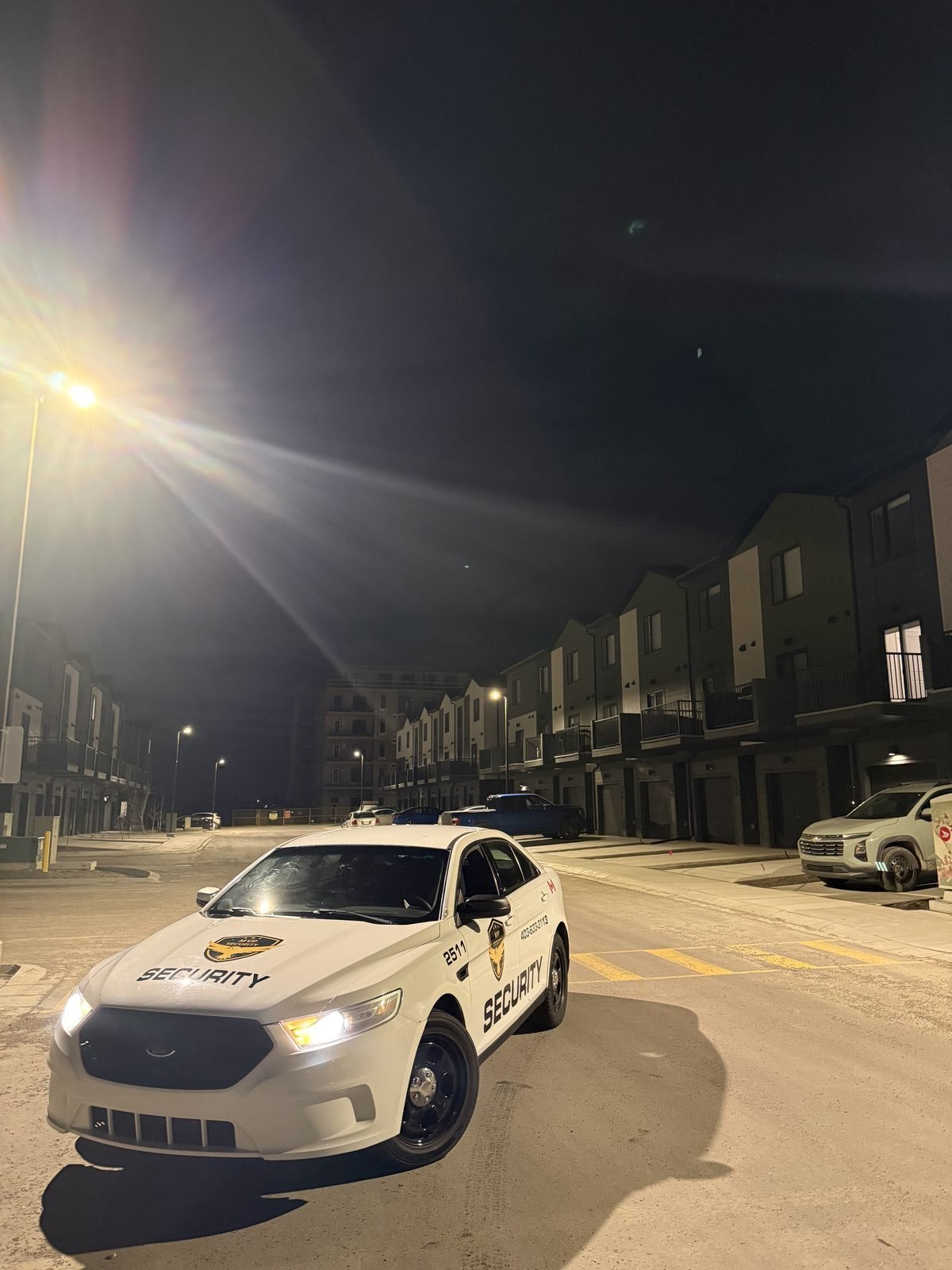
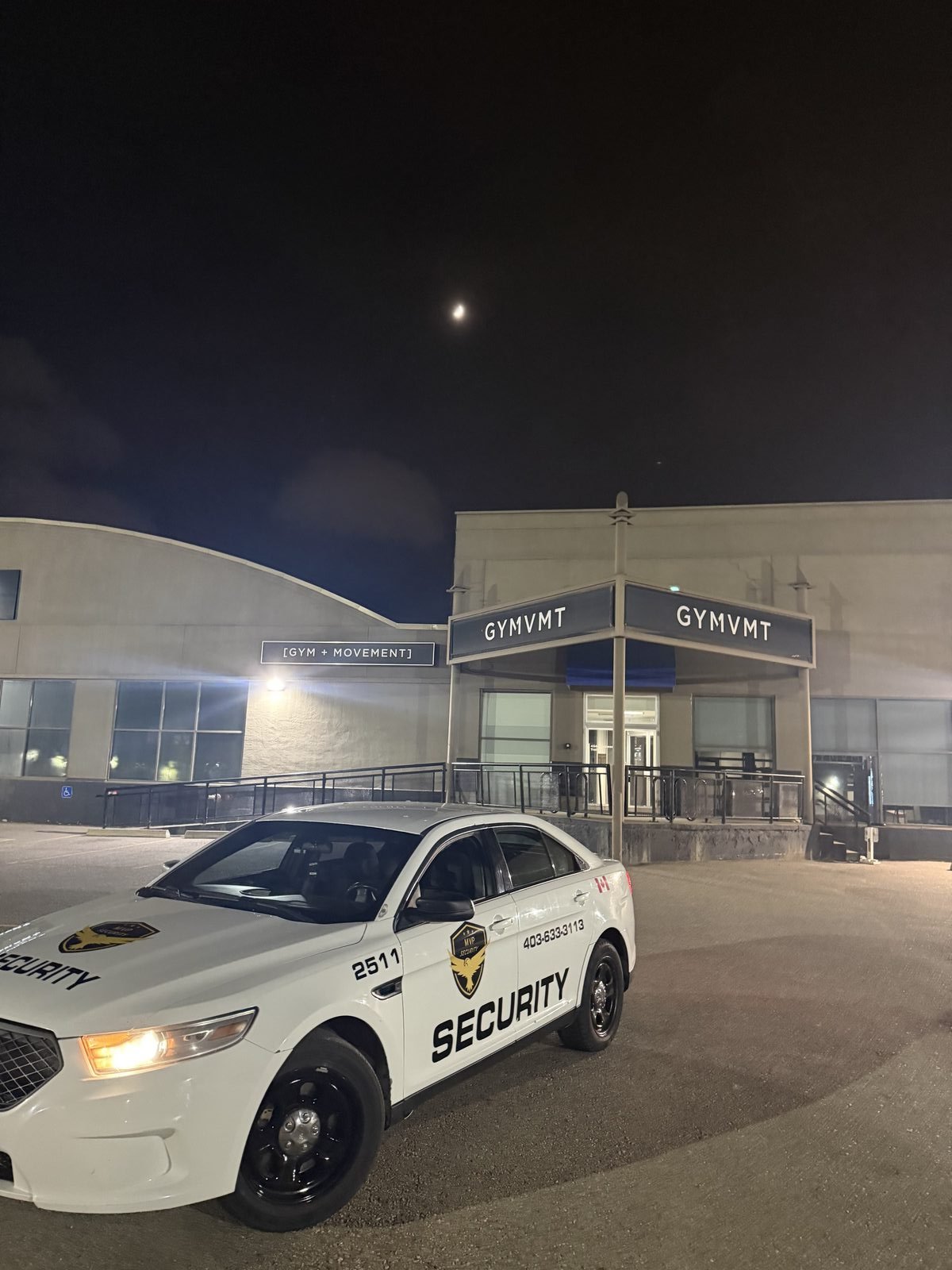
Security patrols are particularly valuable for areas cameras may not fully cover. A trained patrol officer can test doors and gates, inspect for damage, observe suspicious vehicles, confirm alarms, and identify conditions such as broken lighting or unsafe access points. GPS-tracked patrol activity and photo-documented reporting give managers evidence that these checks occurred and a record of any issue found.
Set clear post orders for guards and patrol officers
Security coverage is only as reliable as the instructions behind it. A guard assigned to “watch the warehouse” has too much room for interpretation. Site post orders should explain the specific tasks, locations, timing, contacts, and escalation thresholds required at your facility.
For a static guard, this may include visitor screening, truck and driver verification, key control, gate operation, interior and exterior rounds, incident reporting, and support during shift changes. For mobile patrol, instructions may define the number of visits, patrol windows, checkpoints, alarm response procedures, and conditions that require an immediate call to management.
Post orders should also address difficult situations. What should the officer do if a former employee arrives after hours? Who can authorize emergency access? What happens if a driver refuses to follow site rules? When should police be called? Clear answers protect staff, reduce delays, and help security personnel act confidently within their authority.
In Alberta, use licensed security professionals and ensure the provider can meet the requirements of the Alberta Security Services and Investigators Act. Licensing is a basic requirement, but training, supervision, communication, and reporting standards are what make coverage dependable during an actual incident.
Plan for alarms, emergencies, and short-notice changes
Alarm response needs more than a phone number. An alarm event may involve a false activation, a damaged door, a power issue, an attempted break-in, or an active threat. Your plan should identify the monitored system, the response sequence, authorized contacts, keyholder availability, and the circumstances that require police, fire, or emergency medical services.
For sites without an on-site night shift, alarm response coverage can reduce the pressure on managers to attend alone in the middle of the night. A responding officer can assess exterior conditions, meet emergency services where appropriate, document damage, secure accessible areas, and provide immediate updates to the designated client contact.
Contingency coverage also matters. A storm can damage fencing. A terminated employee may create an immediate access concern. A camera system may go offline. A labour disruption or major shipment can change the site’s risk level with little notice. Good warehouse security planning includes a process for adding patrols, static guards, or temporary access control quickly when conditions change.
Measure whether the plan is working
Security is not a set-and-forget expense. Review incident reports, patrol findings, access exceptions, alarm calls, and recurring maintenance issues at regular intervals. The goal is not to create paperwork for its own sake. It is to identify patterns before they become losses.
If patrol reports repeatedly identify an unsecured pedestrian gate, the issue may be a damaged latch, unclear staff responsibility, or a delivery practice that needs to change. If alarms occur at the same time each week, review cleaning schedules, equipment use, and access records. If theft concerns rise around a particular shipping window, adjust supervision and verification at that point in the process.
MVP Security Inc. develops site-specific coverage for warehouses across Calgary and surrounding communities, combining licensed guards, mobile patrols, alarm response, and documented reporting based on each facility’s actual exposure. The most effective program is one your operations team can maintain, your staff understand, and your security provider can verify shift after shift.
A warehouse security plan should make the next decision easier when a door is found open, an unfamiliar vehicle arrives, or an alarm activates at 2 a.m. When responsibilities, response steps, and documentation are already in place, your team can protect the site without losing control of the operation.