





A construction site can lose thousands of dollars in one night from stolen tools, copper, fuel, or equipment damage. That is usually the moment project teams start asking, what do construction security guards do, and do we need them now or should we have hired them earlier?
The short answer is that construction security guards protect the site, control who comes and goes, respond to issues before they escalate, and create a documented record of what is happening after hours. The better answer is more practical. On an active build, security is not just about standing at a gate. It is about reducing loss, keeping unauthorized people out, supporting site safety, and making sure someone is accountable when the project is most exposed.
What do construction security guards do on a live site?
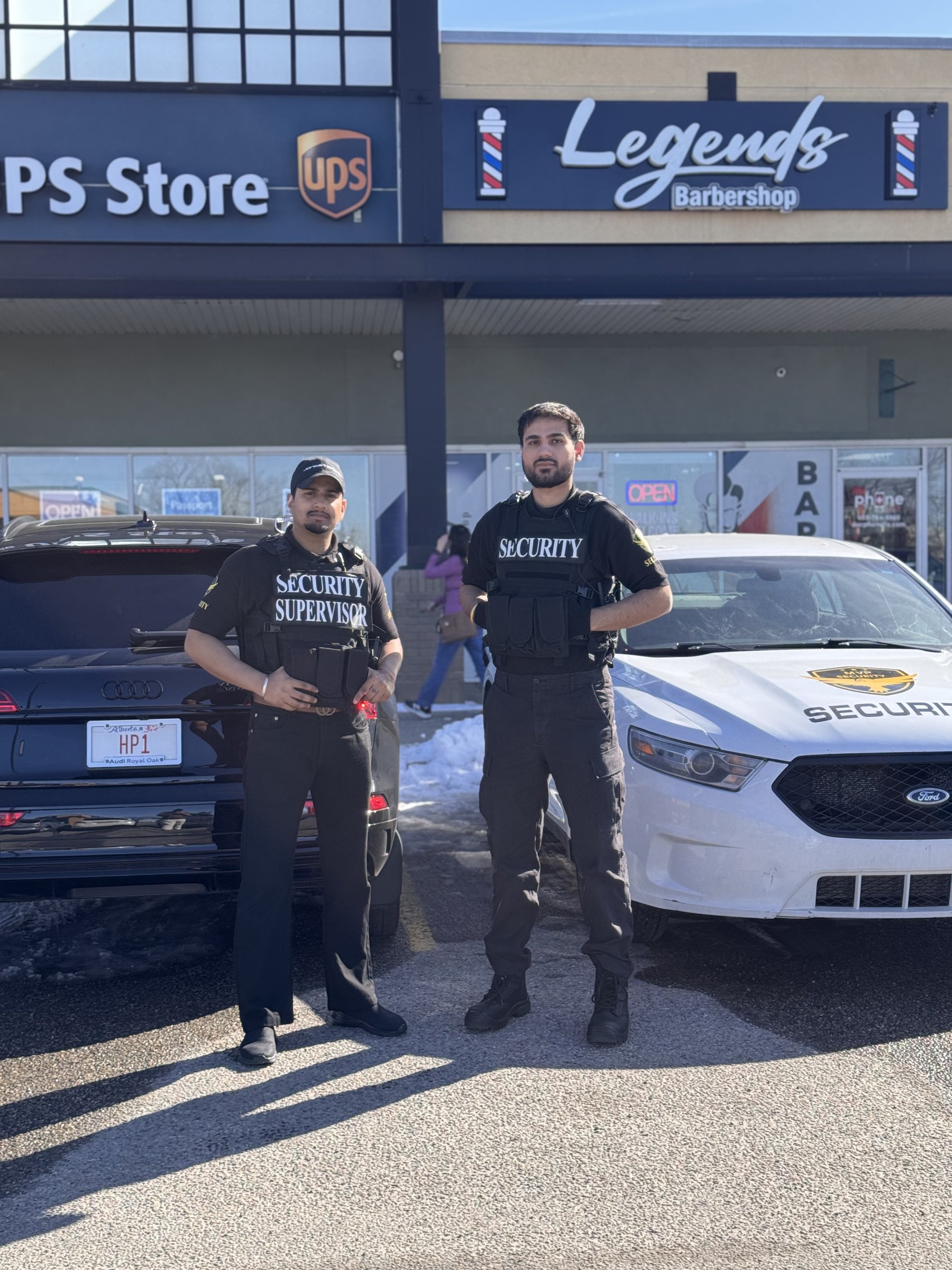
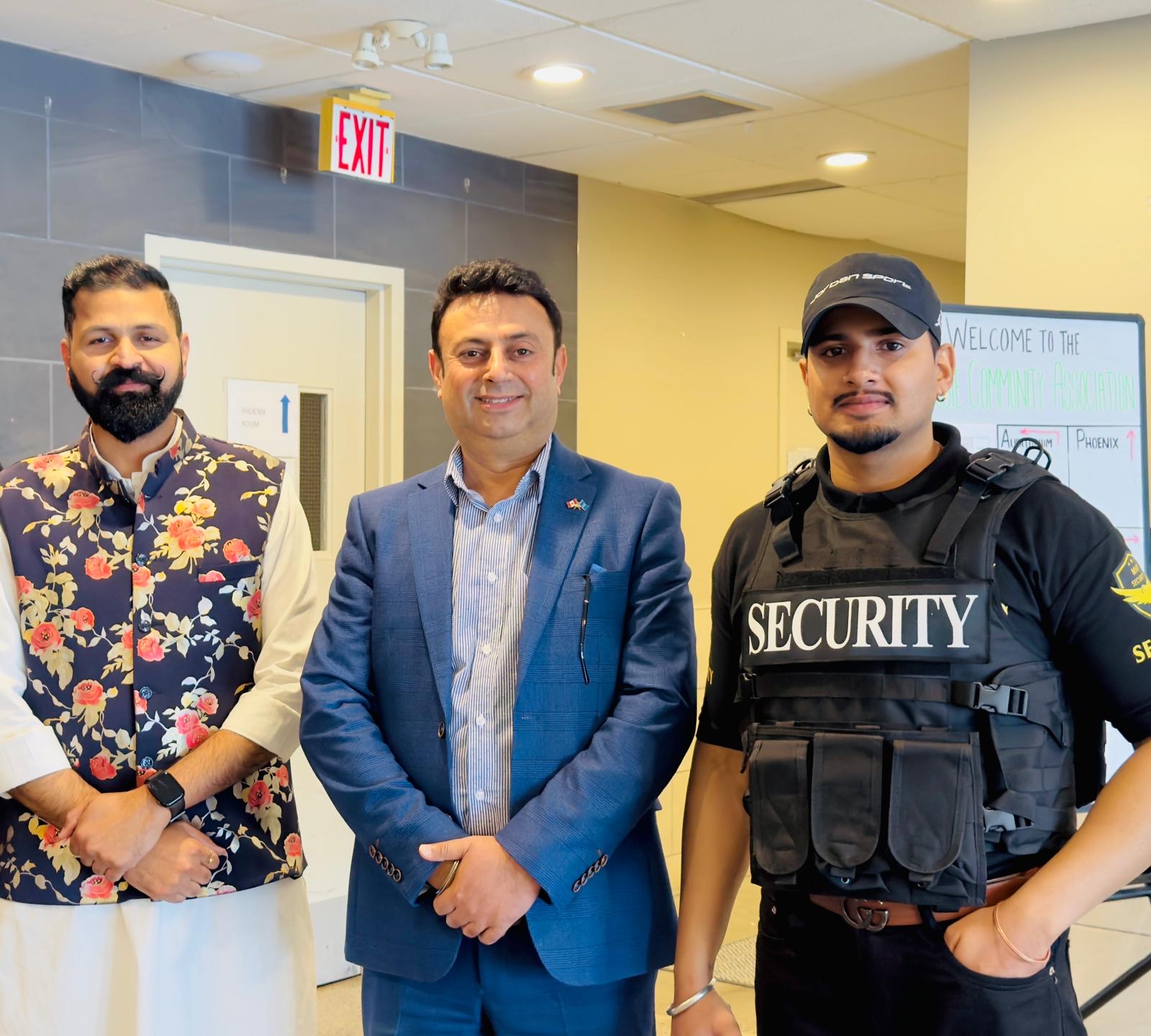
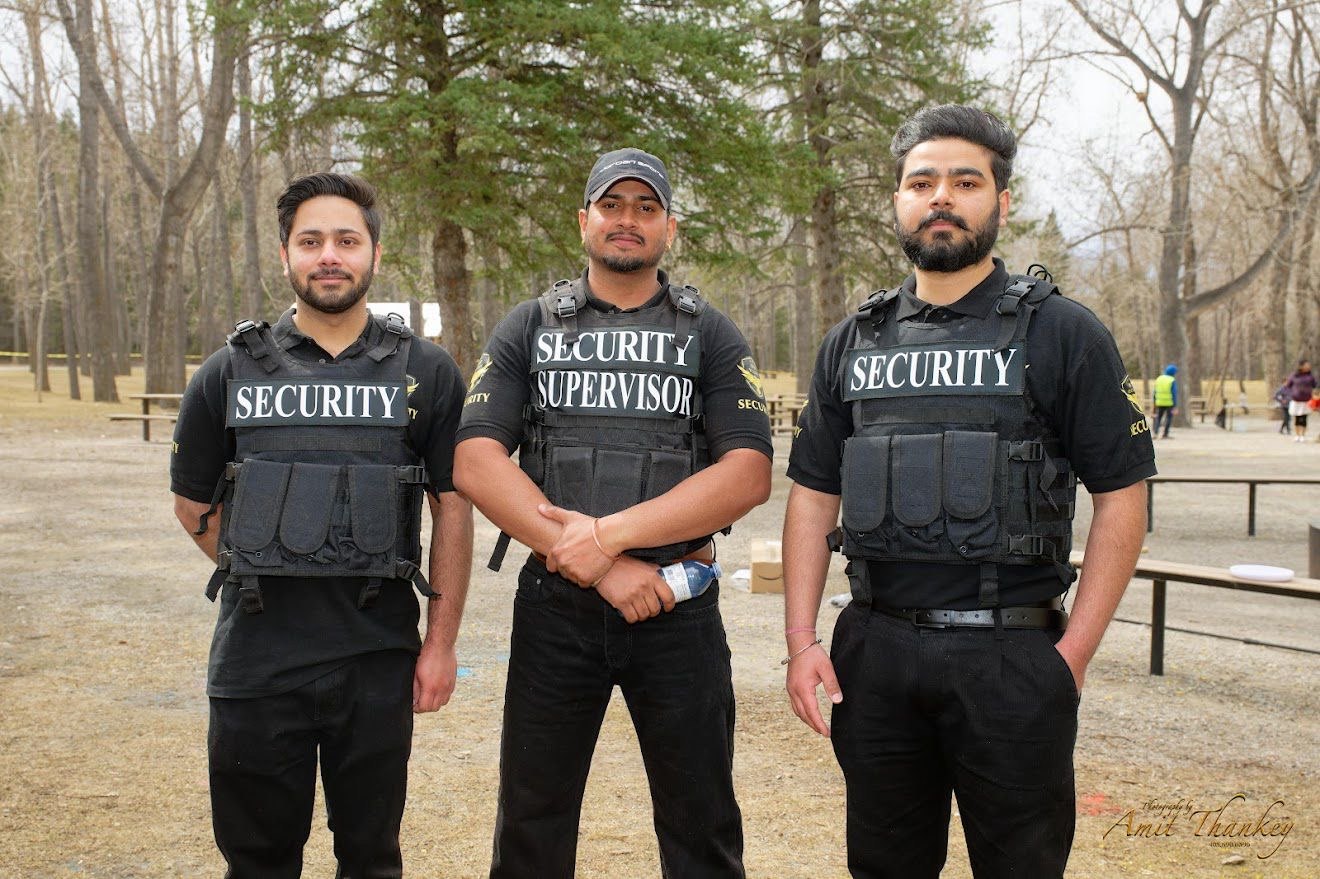
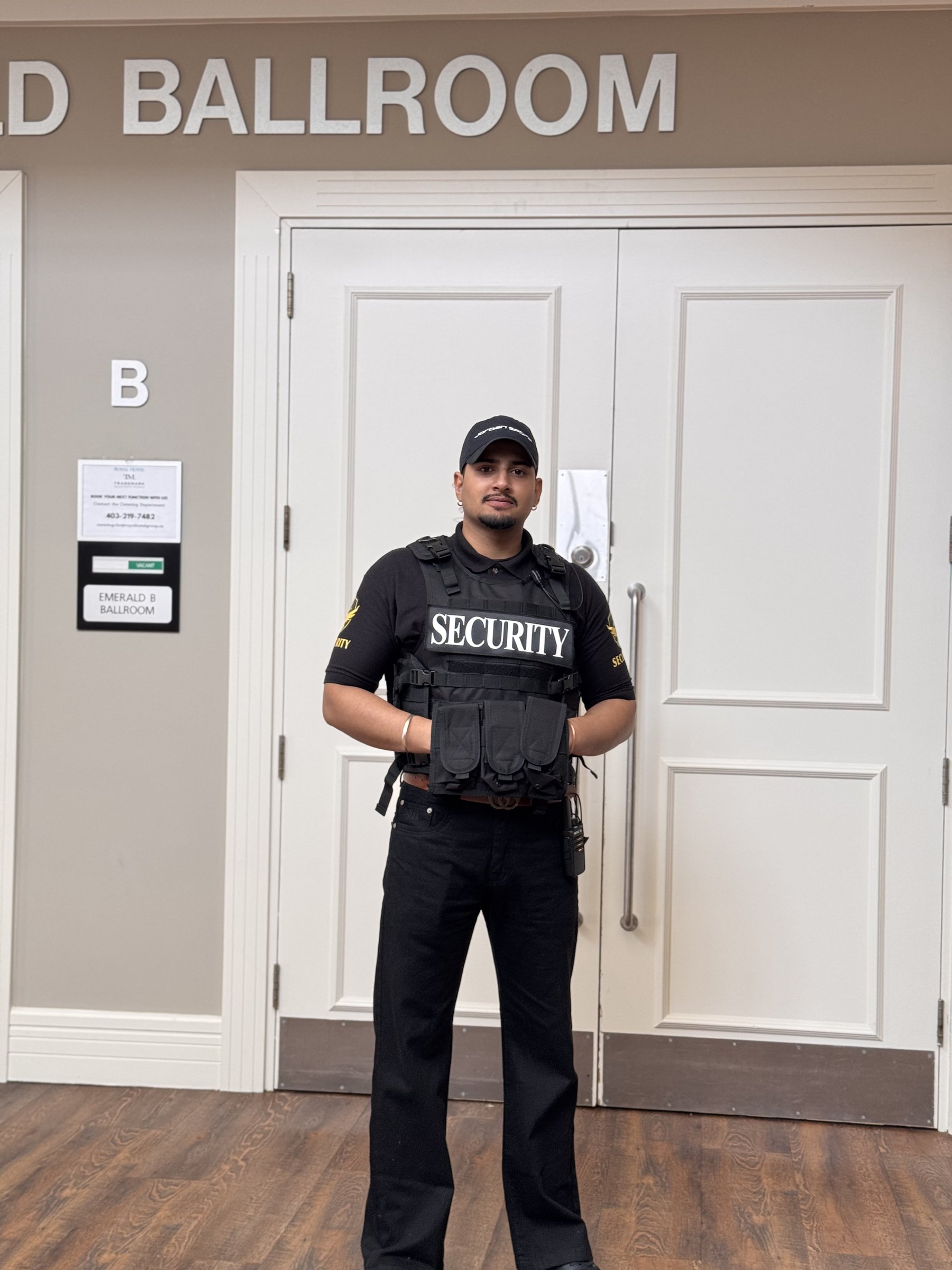
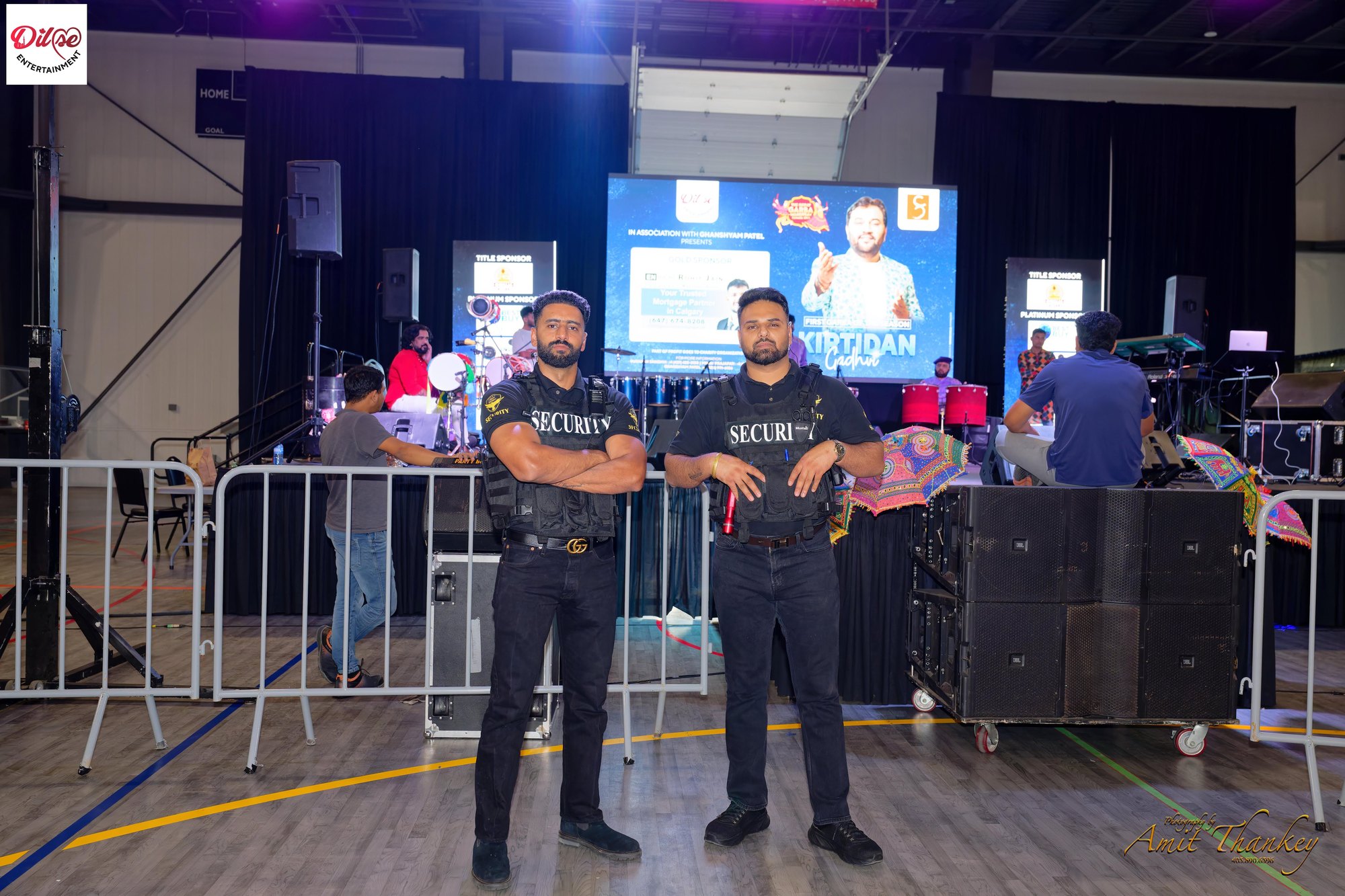
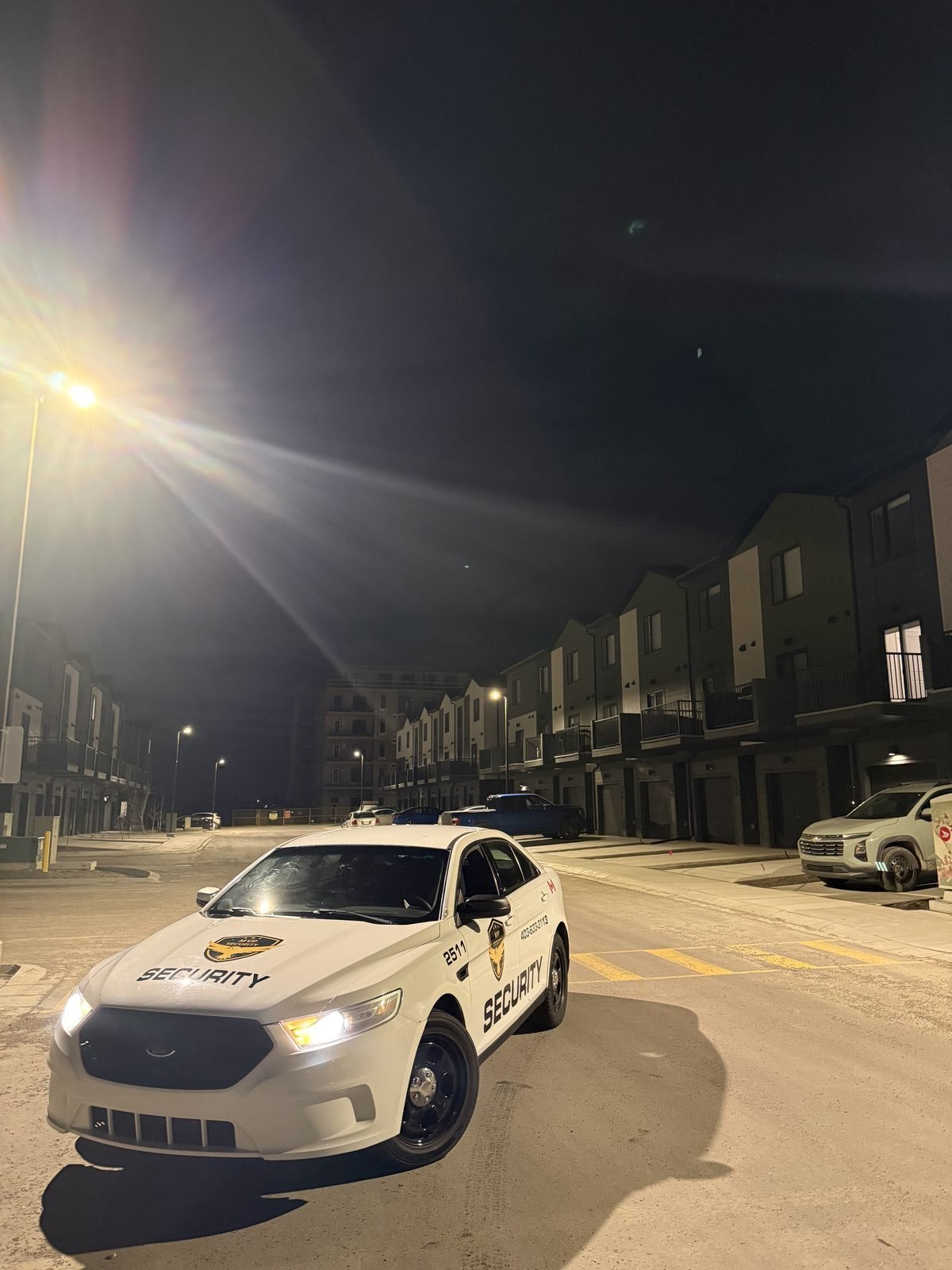
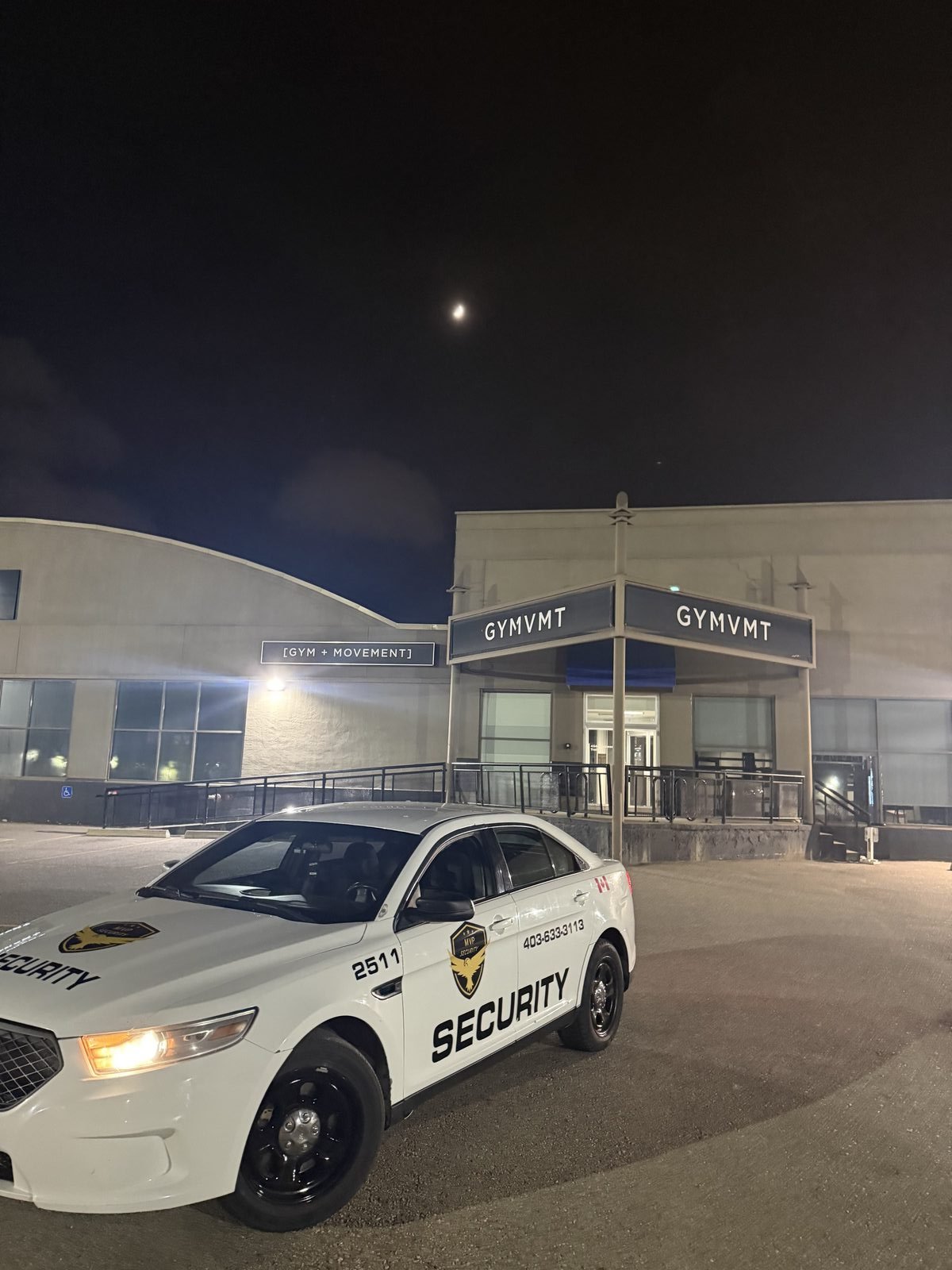
Their job starts with visible deterrence. A marked security presence changes behaviour fast. Opportunistic thieves, trespassers, and vandals are far less likely to test a site when they know a licensed guard is actively patrolling, checking access points, and documenting activity.
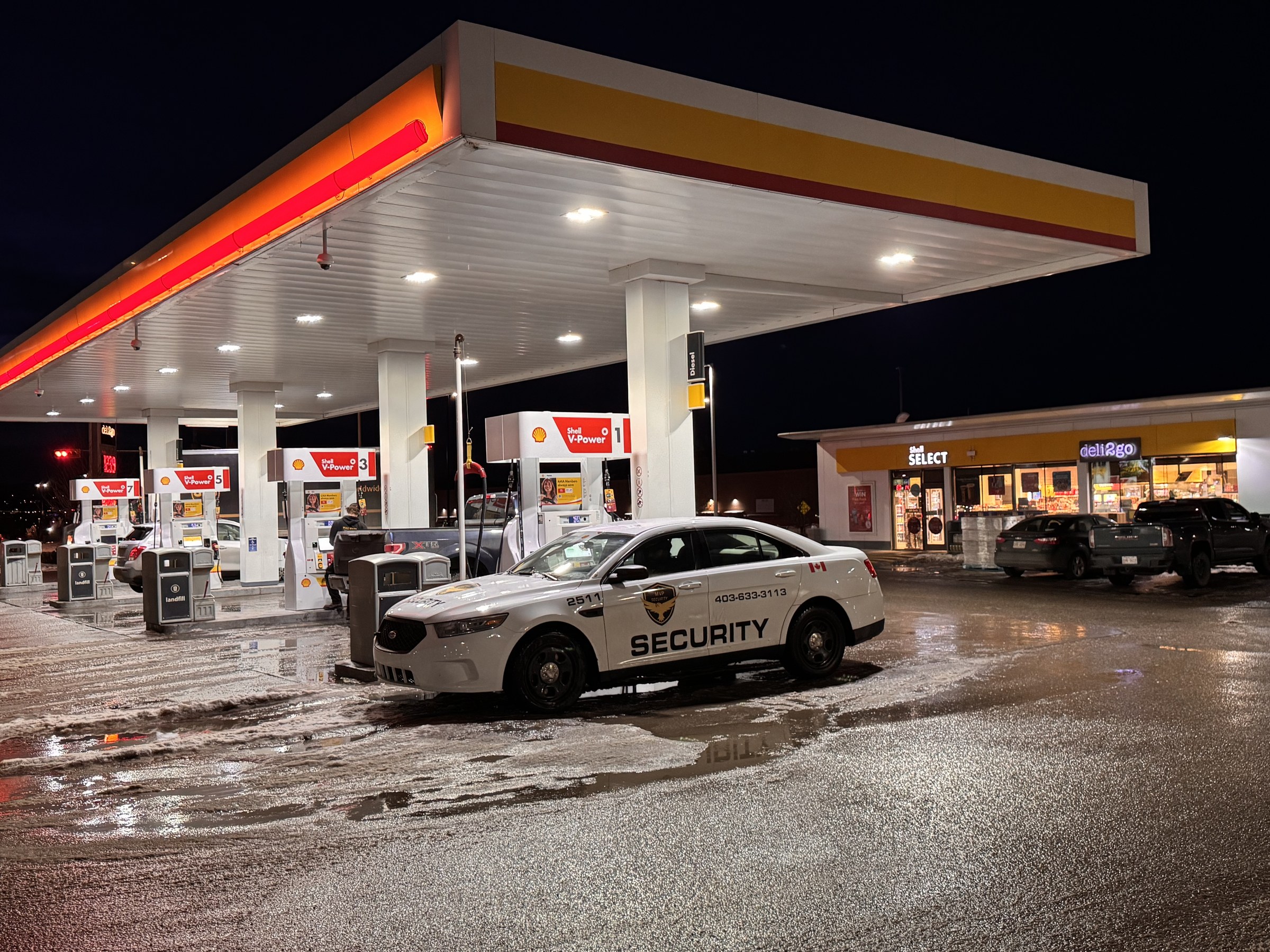
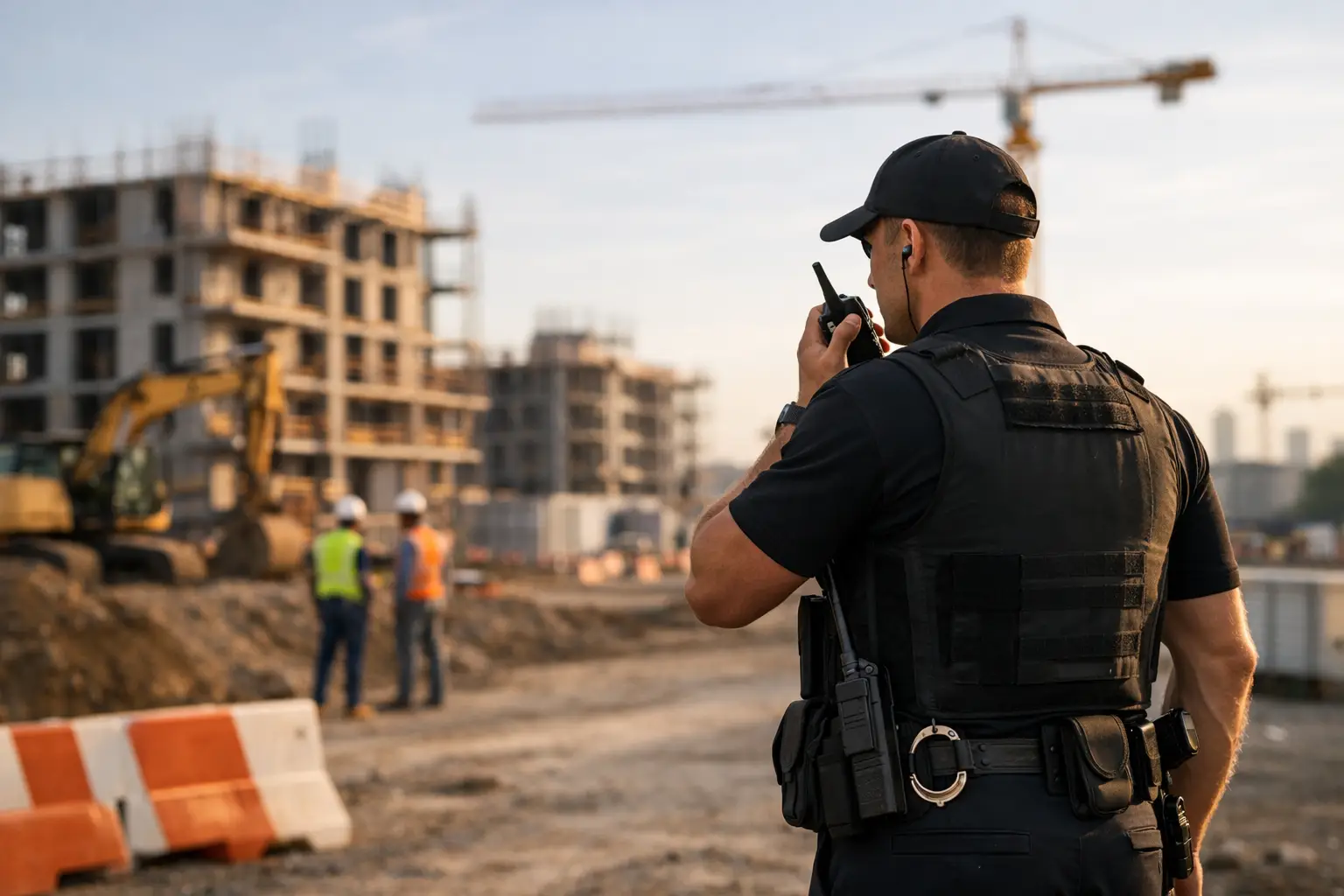
From there, the role becomes more operational. Construction security guards monitor entrances, verify who is authorized to be onsite, and watch for unusual activity around fencing, storage areas, trailers, laydown yards, and equipment parking zones. On some projects, that means static guard coverage at a front gate. On others, it means mobile patrols through the night with lock checks, perimeter inspections, and alarm response.
They also act as the first set of eyes on issues that are easy to miss when crews have gone home. A cut fence, an open trailer, broken lighting, a forced lock, or people loitering nearby can all be early signs of a larger problem. A trained guard is there to spot those signs, respond according to post orders, and report them properly.
The day-to-day responsibilities that matter most
The exact assignment depends on the site, the build stage, and the budget, but most construction security coverage includes a few core functions.
Access control and visitor management
One of the most important tasks is controlling access. Construction sites often have multiple trades, deliveries, subcontractors, inspectors, and short-term visitors moving through the property. Without a clear checkpoint, it becomes easy for unauthorized people to blend in.
A construction guard verifies entry permissions, checks in contractors or visitors where required, and helps ensure only approved personnel are onsite. This is especially useful on projects with valuable materials arriving in phases or on sites near public pathways, commercial zones, or occupied buildings.
Patrols and perimeter checks
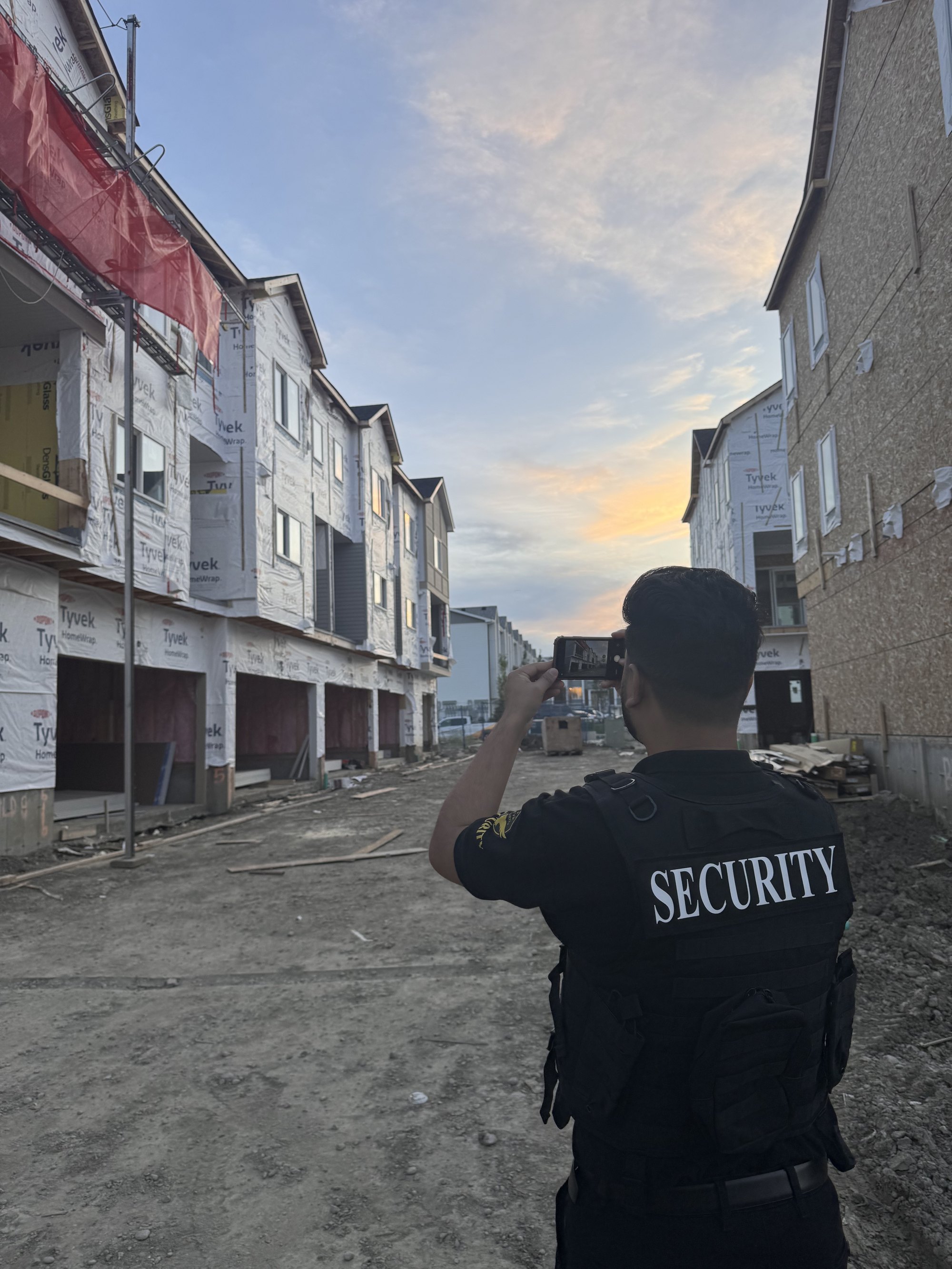
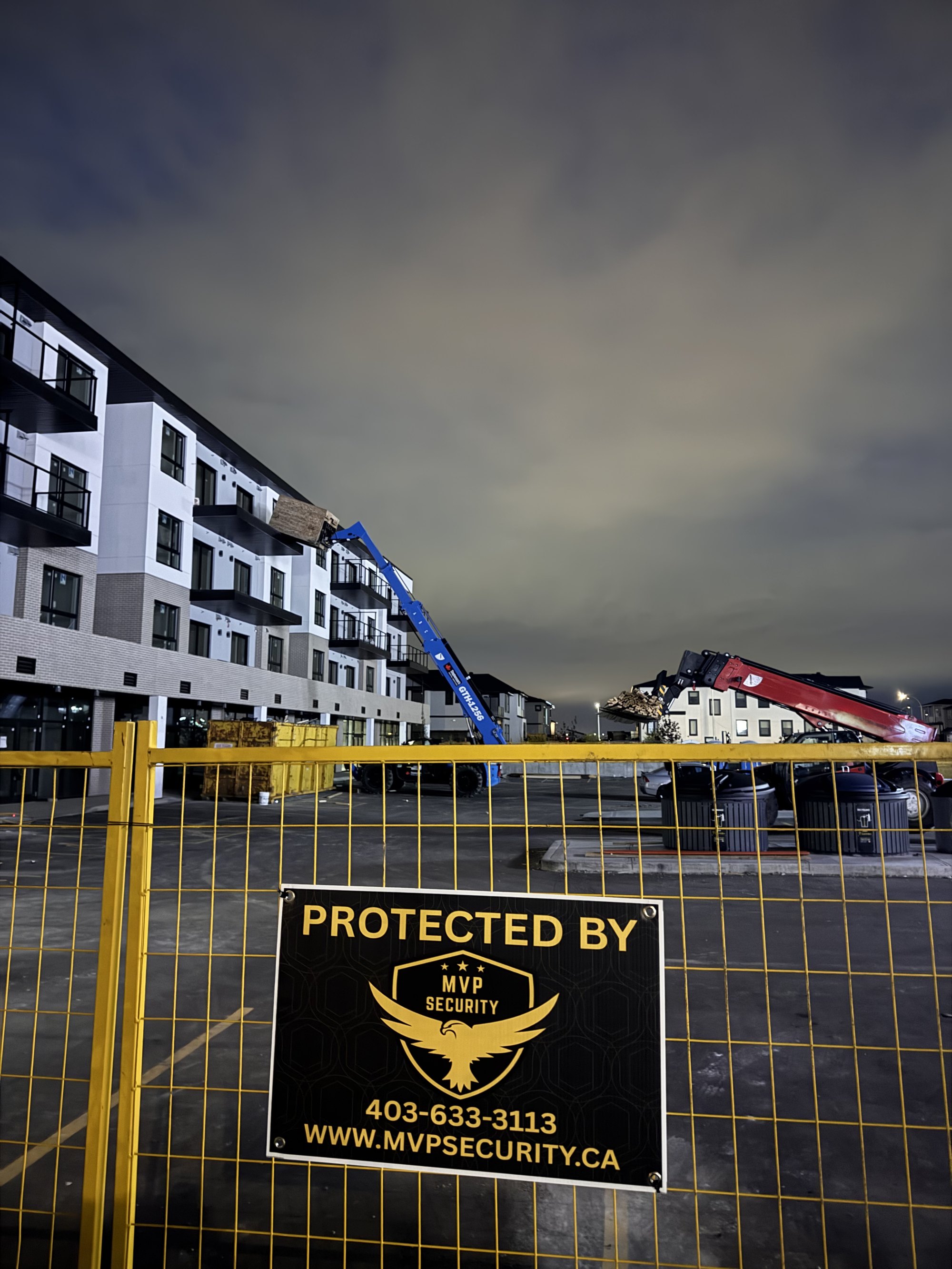
Patrols are where a lot of loss prevention happens. Guards walk or drive the site, inspect vulnerable points, check gates and fencing, and look for signs of tampering or attempted entry. Good patrol work is not random. It follows the real risk points of the property, including blind spots, equipment storage, fuel tanks, and temporary structures.
When patrols are GPS-tracked and backed by photo-documented reporting, project managers have a record that checks were actually completed. That level of accountability matters, especially if theft has already happened or insurance documentation becomes necessary.
Theft and vandalism prevention
Construction sites are a frequent target because materials are easy to resell and many sites sit quiet overnight, on weekends, and during holiday periods. Copper wire, catalytic converters, diesel, batteries, generators, and compact equipment are common targets. So are windows, doors, and unfinished interiors damaged by vandalism or unauthorized entry.
A guard reduces that risk by being present, checking vulnerable areas, and responding immediately when something looks wrong. Sometimes prevention is simply about making the site harder to test. Sometimes it is about catching a developing issue early enough to stop a major loss.
Incident response and documentation
If a break-in attempt, alarm event, suspicious vehicle, trespassing issue, or safety concern occurs, the security guard is there to respond in real time. That may involve approaching individuals, securing the affected area, notifying site contacts, preserving the scene, or contacting emergency services when needed.
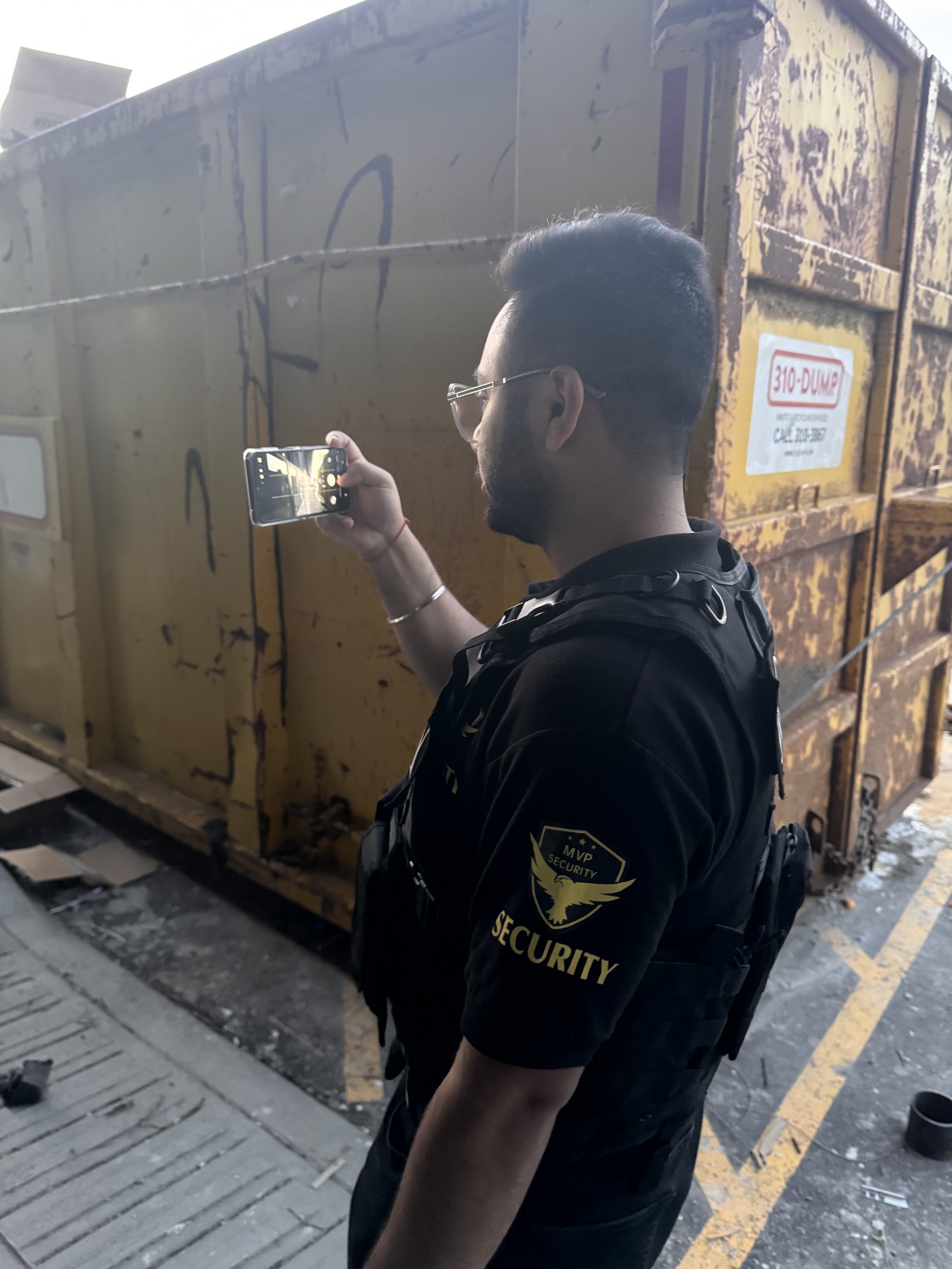
Just as important, the incident gets documented. Clear reports with times, observations, photos, and actions taken help project managers understand what happened and what needs to change. That is one of the practical differences between professional site security and a basic watch presence.
Construction security is not one-size-fits-all
A small infill project in Calgary does not need the same coverage as a multi-phase commercial development in an industrial area. The role of the guard should match the actual exposure.
Early-stage sites often need perimeter monitoring because fencing is temporary and public curiosity is high. Mid-stage projects may need tighter access control as more trades and materials arrive. Near completion, sites can become even more attractive to thieves because finished fixtures, appliances, copper, and tools are already in place.
Weather, lighting, neighbourhood traffic, and proximity to major roads also affect the plan. A site that backs onto a green space or has poor visibility after dark may need more frequent patrols than one in a busy, well-lit corridor. This is where site-specific planning matters more than buying the cheapest guard coverage available.
What construction security guards do not replace
Security guards are a strong layer of protection, but they are not a replacement for good site management. If gates are left open, materials are stored carelessly, lighting is poor, and key control is loose, security ends up solving problems that should have been addressed earlier.
The best results come when guards are paired with practical site controls such as proper fencing, working locks, after-hours lighting, monitored alarms, and clear reporting lines. It is not either-or. It is a combined strategy where each layer supports the others.
That also applies to safety. Guards can observe hazards, report issues, and help control access to restricted areas, but they are not there to act as trade supervisors or replace your health and safety program. Their role is security first, with situational awareness that supports the broader operation.
Why licensed guards matter on construction projects
Not every provider delivers the same standard onsite. On a construction project, professionalism shows up in the details. Are the guards Alberta licensed? Are they trained for access control, incident response, and site reporting? Is the activity documented? Can the provider dispatch quickly if coverage is needed on short notice?
These questions matter because construction security often starts when there is already a problem. Maybe theft has occurred. Maybe a previous vendor has been unreliable. Maybe the site is entering a vulnerable phase and coverage cannot wait a week.
A dependable security company should be able to assign guards based on the site conditions, define patrol frequency, provide clear post orders, and supply reports that project managers can actually use. For many builders and property stakeholders, responsiveness is not a bonus. It is part of the service.
When it makes sense to hire construction security guards
Some projects need full-time guard presence. Others need overnight patrols, weekend checks, or short-term coverage during critical delivery periods. It depends on the site and the risk profile.
You should seriously consider security when high-value materials are being stored onsite, when the property has had repeated trespassing or theft, when there are gaps in fencing or lighting, or when the site is located in an area with frequent after-hours activity. The same applies if insurance requirements, lender expectations, or owner concerns call for a more controlled environment.
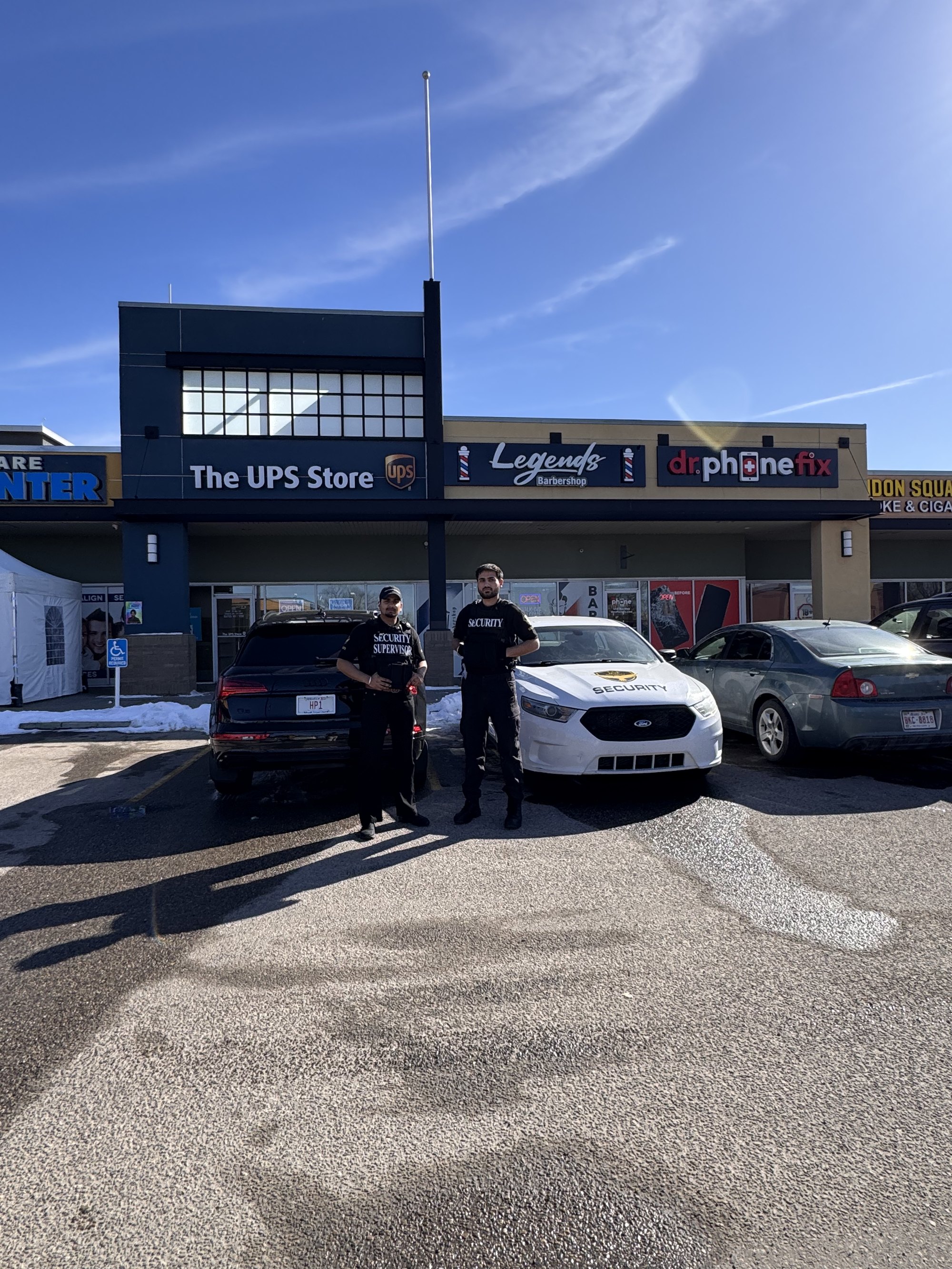
For Calgary-area builders and site managers, local response can make a real difference. A provider that understands the area, can deploy quickly, and maintains documented patrol activity is usually better positioned to support changing project conditions. That is why many clients look for practical coverage rather than a generic package. Companies such as MVP Security Inc. focus on that local, site-specific approach because construction risk rarely stays the same from one phase to the next.
What good construction security looks like in practice
Good construction security is visible, consistent, and accountable. Guards show up on time, know the site instructions, understand who should and should not be there, and document what they see. They do not just wait for problems. They actively look for them.
That kind of presence helps in more ways than one. It deters theft, yes, but it also reassures project stakeholders, supports after-hours control, and creates a record that can protect the project team when questions come up later.
If you are weighing the cost of security against the risk of doing without it, the more useful question is often this: what would one serious overnight incident cost your schedule, your budget, and your client confidence? For many sites, that is where the decision becomes clear.