







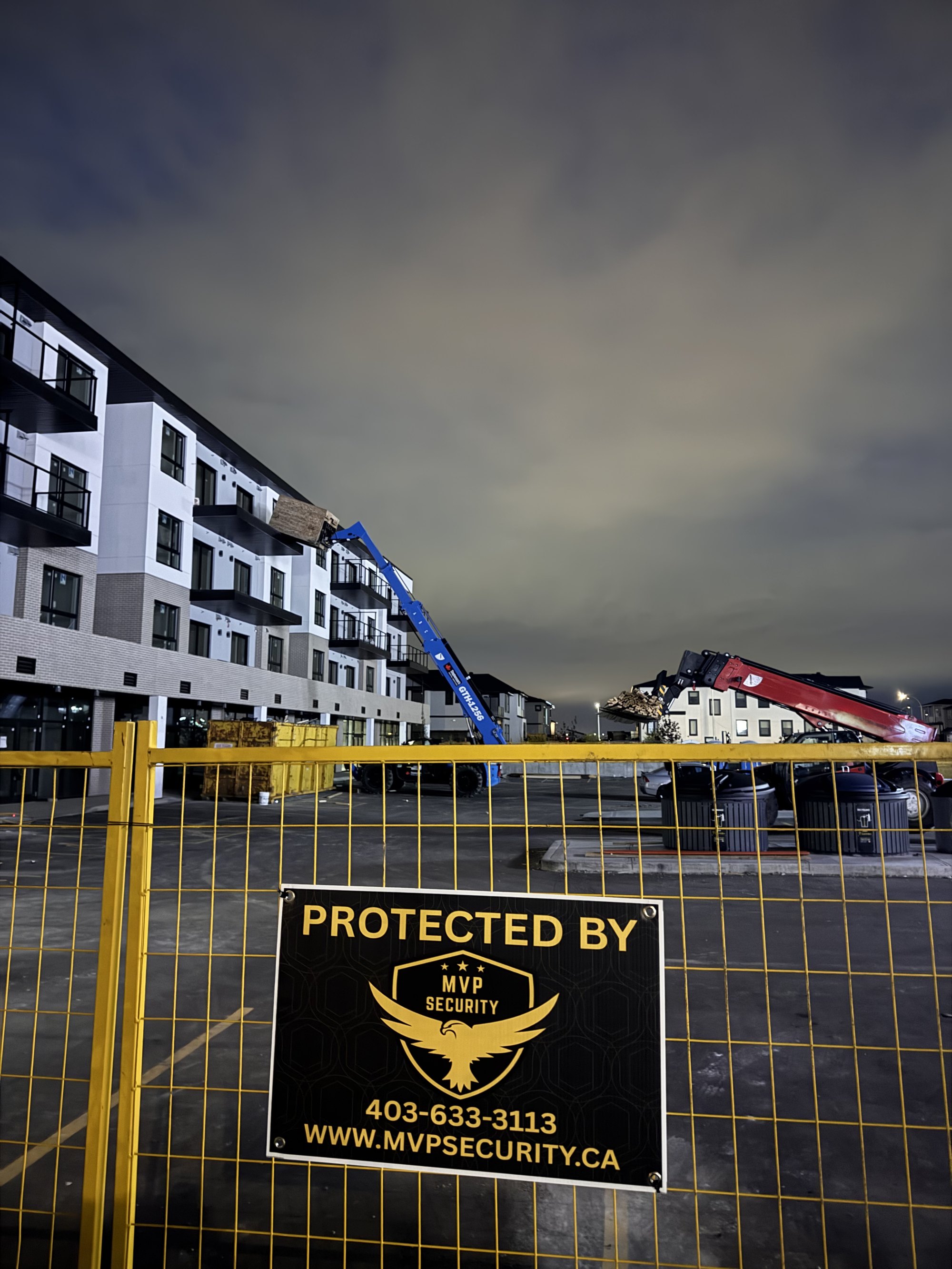
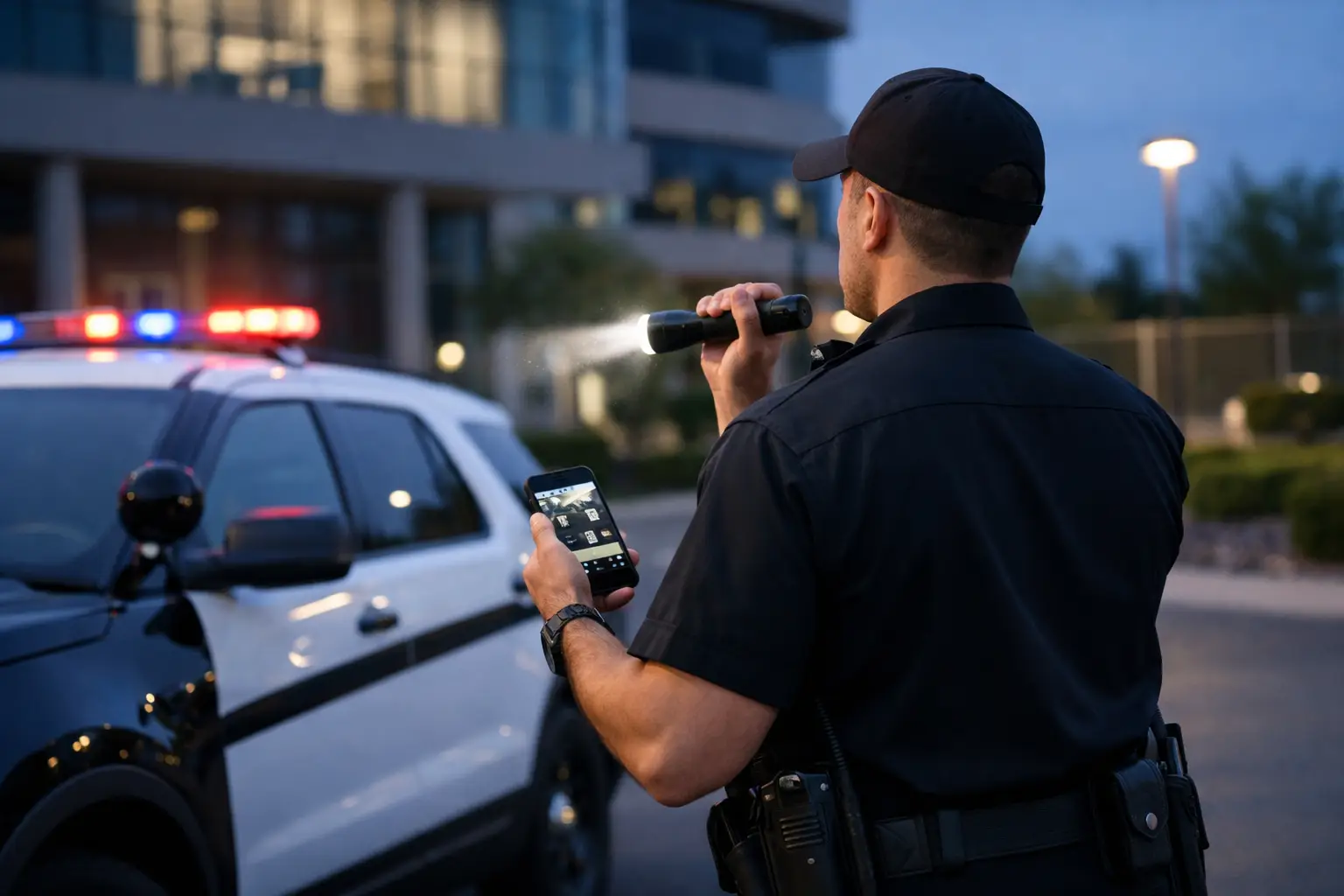
A broken gate at 2:10 a.m., an alarm signal with no staff on site, vehicles parked where they should not be, or a half-finished construction project sitting exposed over a long weekend - these are the moments when clients ask what does mobile patrol do, and whether it is enough to protect a property. The short answer is that mobile patrol provides visible, scheduled or random security presence across a site or portfolio, with trained guards who inspect conditions, respond to issues, document activity, and act quickly when something is wrong.
For many properties, that approach makes more operational sense than placing a guard on one site around the clock. Mobile patrol is designed for locations that need professional oversight, deterrence, and response, but not necessarily a dedicated static officer at all hours. It gives decision-makers a practical middle ground between having no on-site security and committing to full-time guard coverage.
What does mobile patrol do day to day?
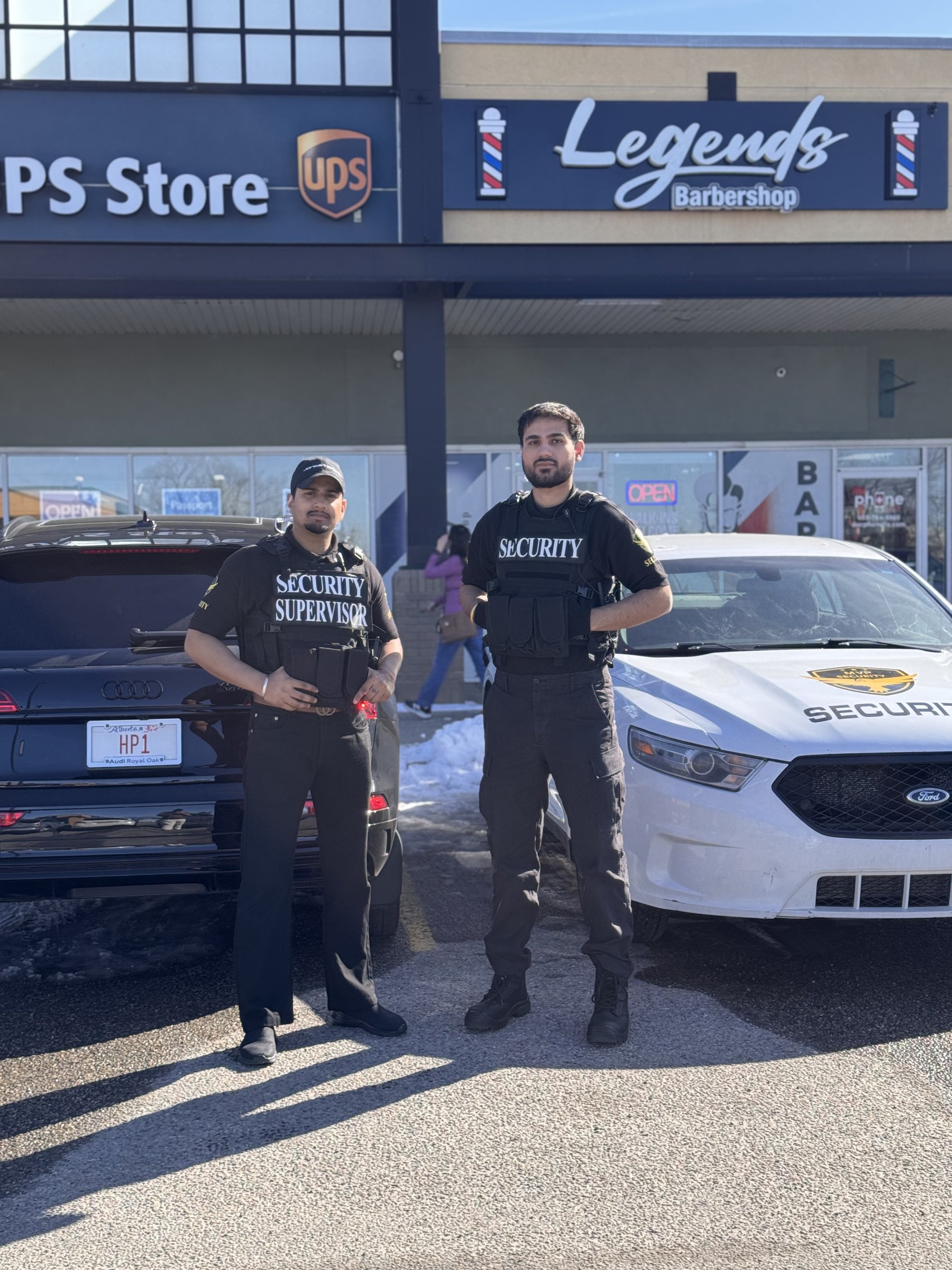
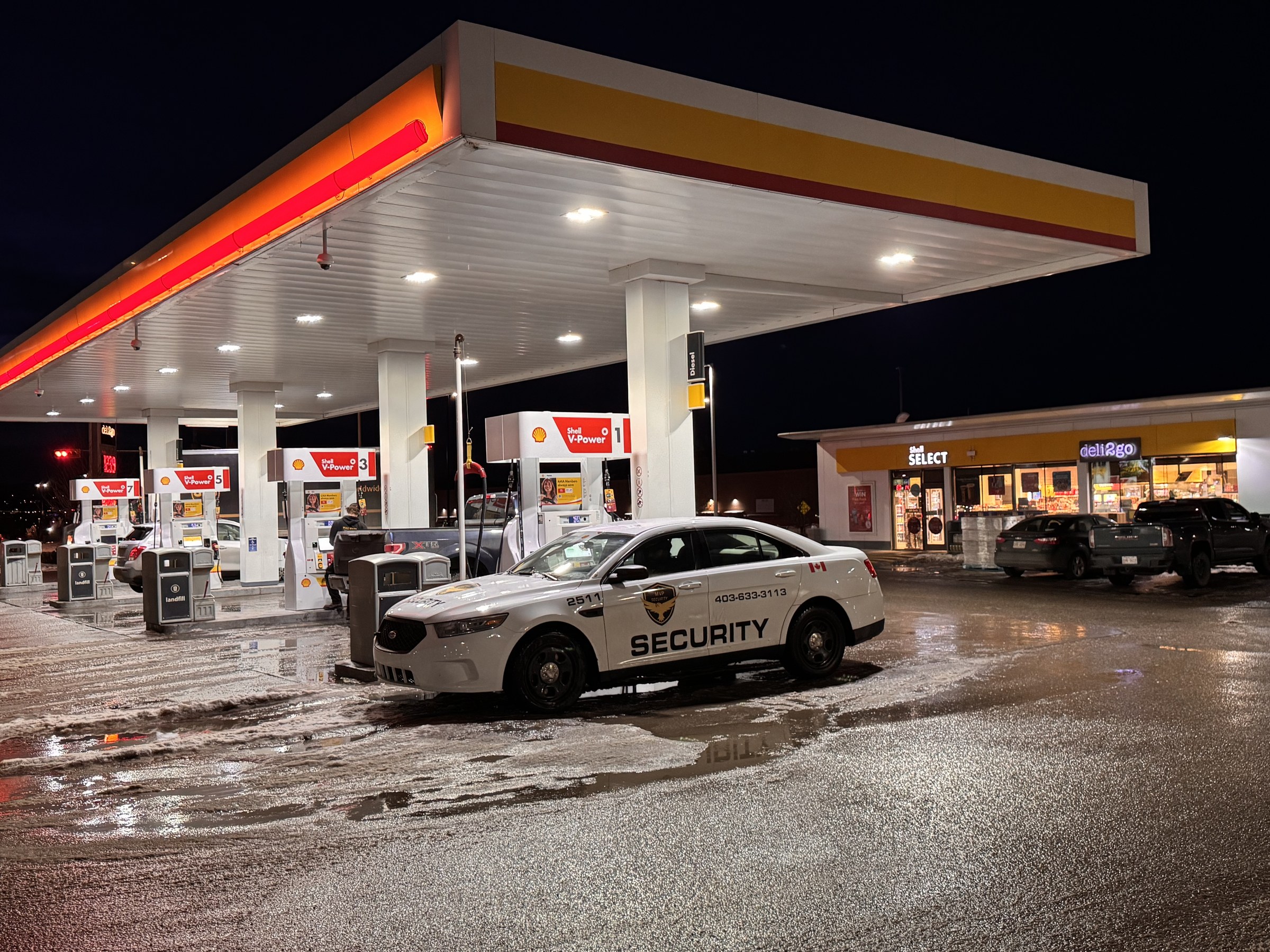
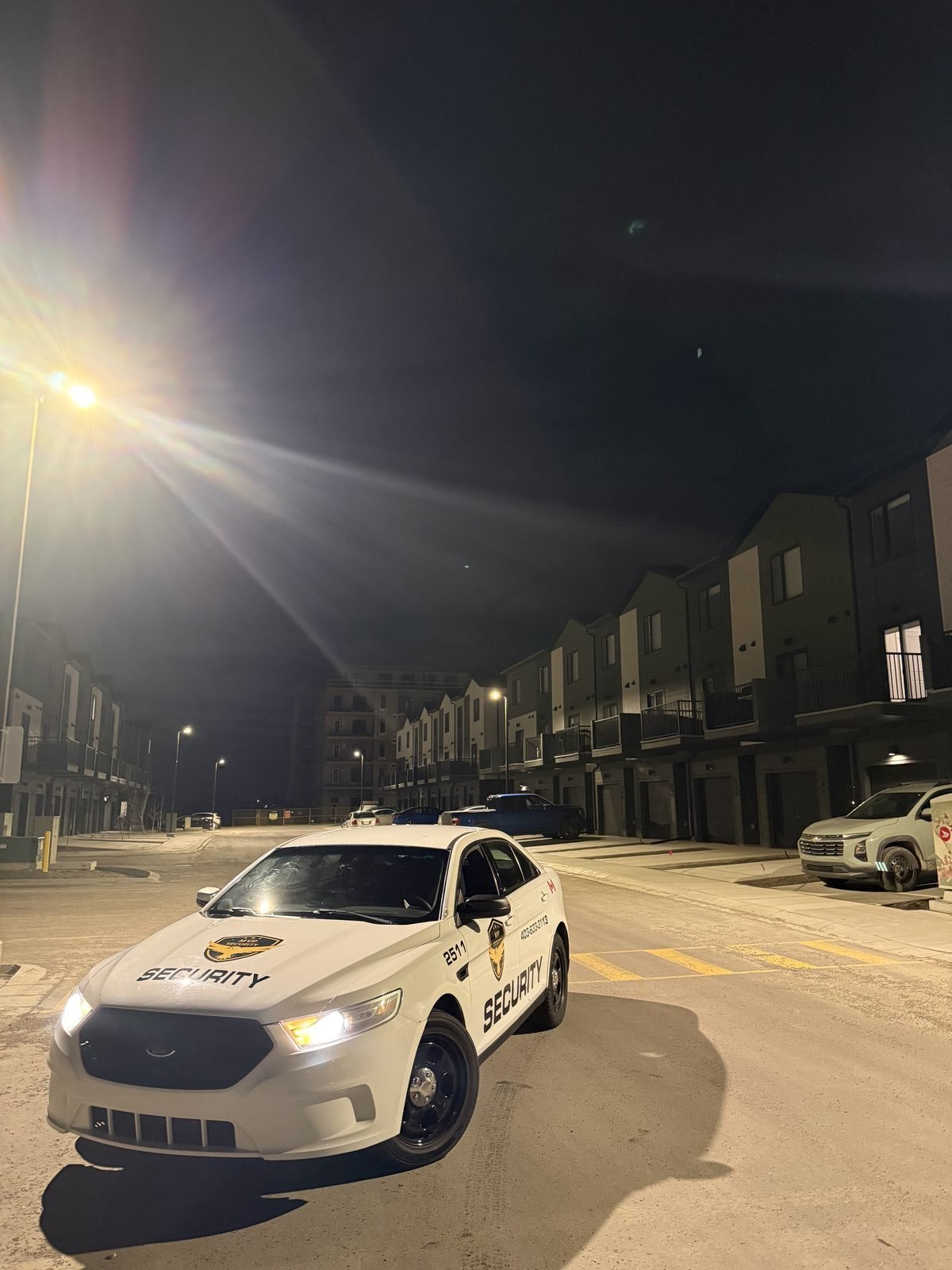
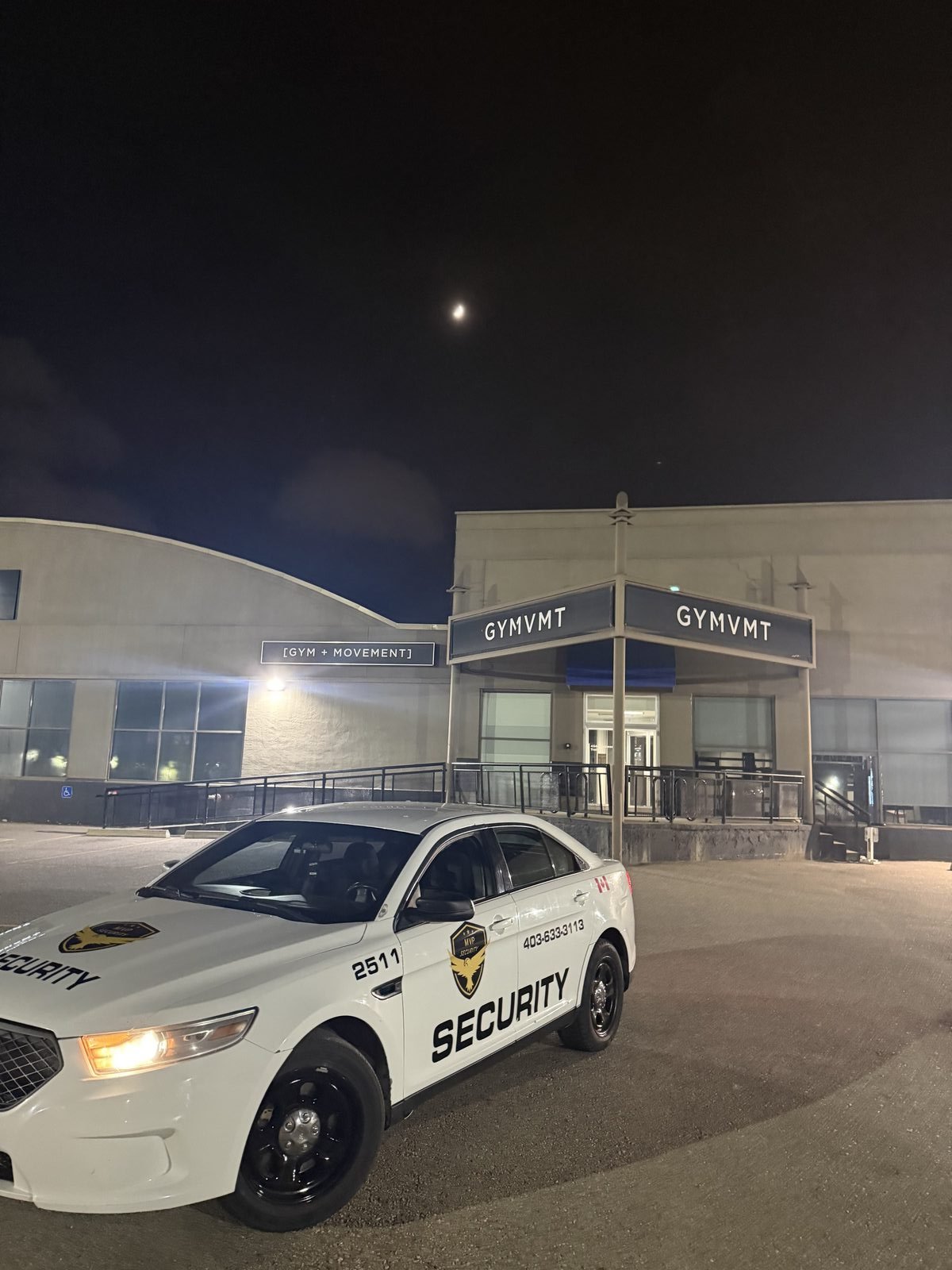
Mobile patrol officers travel between assigned sites in marked or highly visible vehicles, following a patrol schedule that can be fixed, randomized, or built around known risk periods. At each stop, they complete checks based on the property type, client instructions, and current conditions on site.
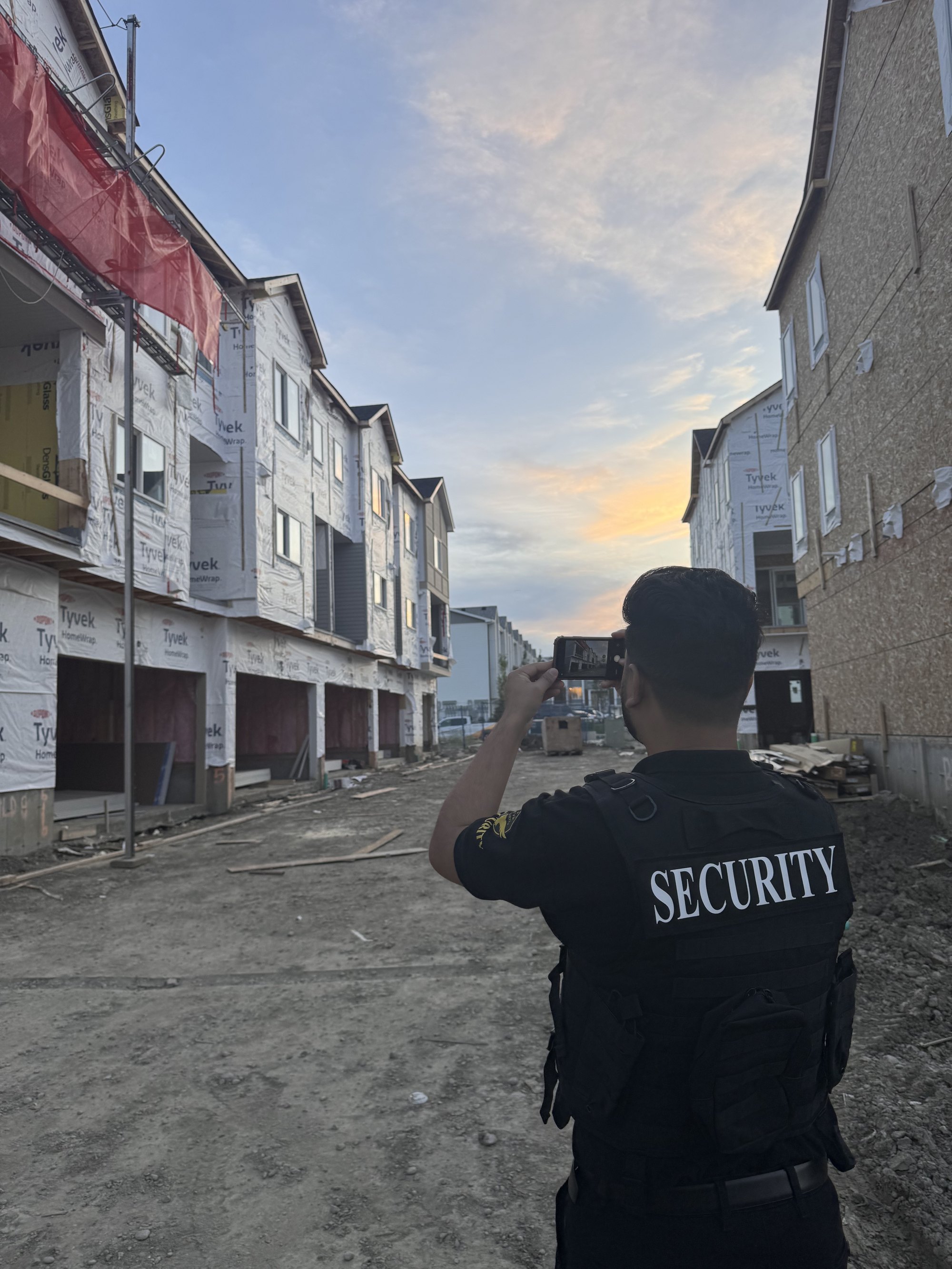
That usually includes inspecting doors, windows, gates, fencing, loading areas, parkades, stairwells, common areas, exterior perimeters, and other vulnerable access points. On a construction site, it may also include checking equipment laydown areas, trailers, material storage, temporary fencing, and signs of trespassing or tampering. At a condo or commercial property, it may focus more on access control concerns, suspicious activity, after-hours occupancy, and property damage.
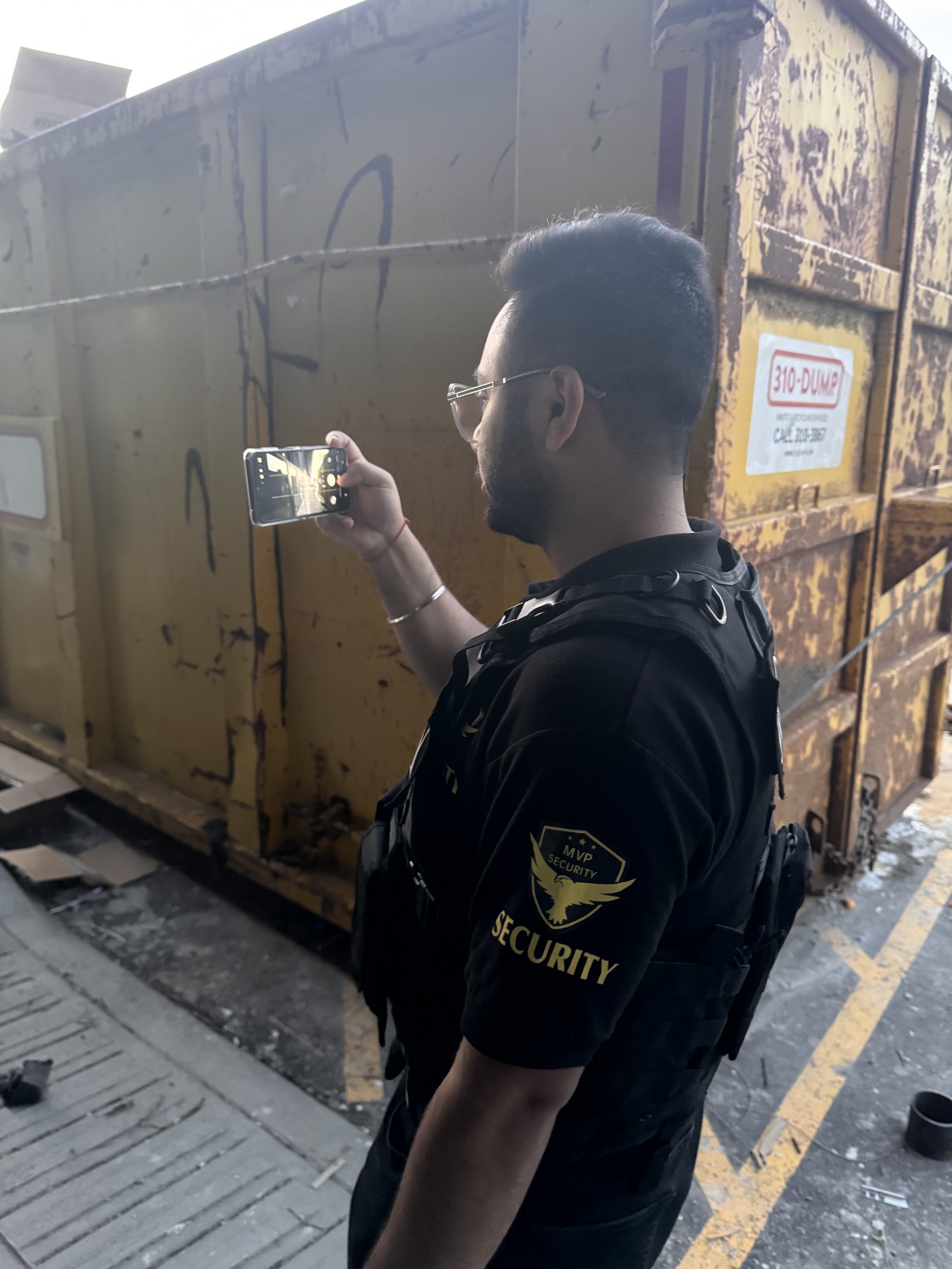
A strong mobile patrol program is not just a drive-by. The officer is expected to leave the vehicle, walk key areas, verify conditions, and record what was observed. That reporting matters. If a gate was unsecured, if lights were out, if a lock was damaged, or if an unauthorized person was removed from site, the client needs that documented clearly and promptly.
Visible deterrence is one of the main functions
A lot of property crime is opportunistic. Thieves, vandals, and trespassers tend to target sites that appear unmonitored, poorly lit, or slow to respond. A marked patrol vehicle arriving at irregular times changes that calculation. It tells people the site is being checked, activity is being noticed, and someone may return at any point.
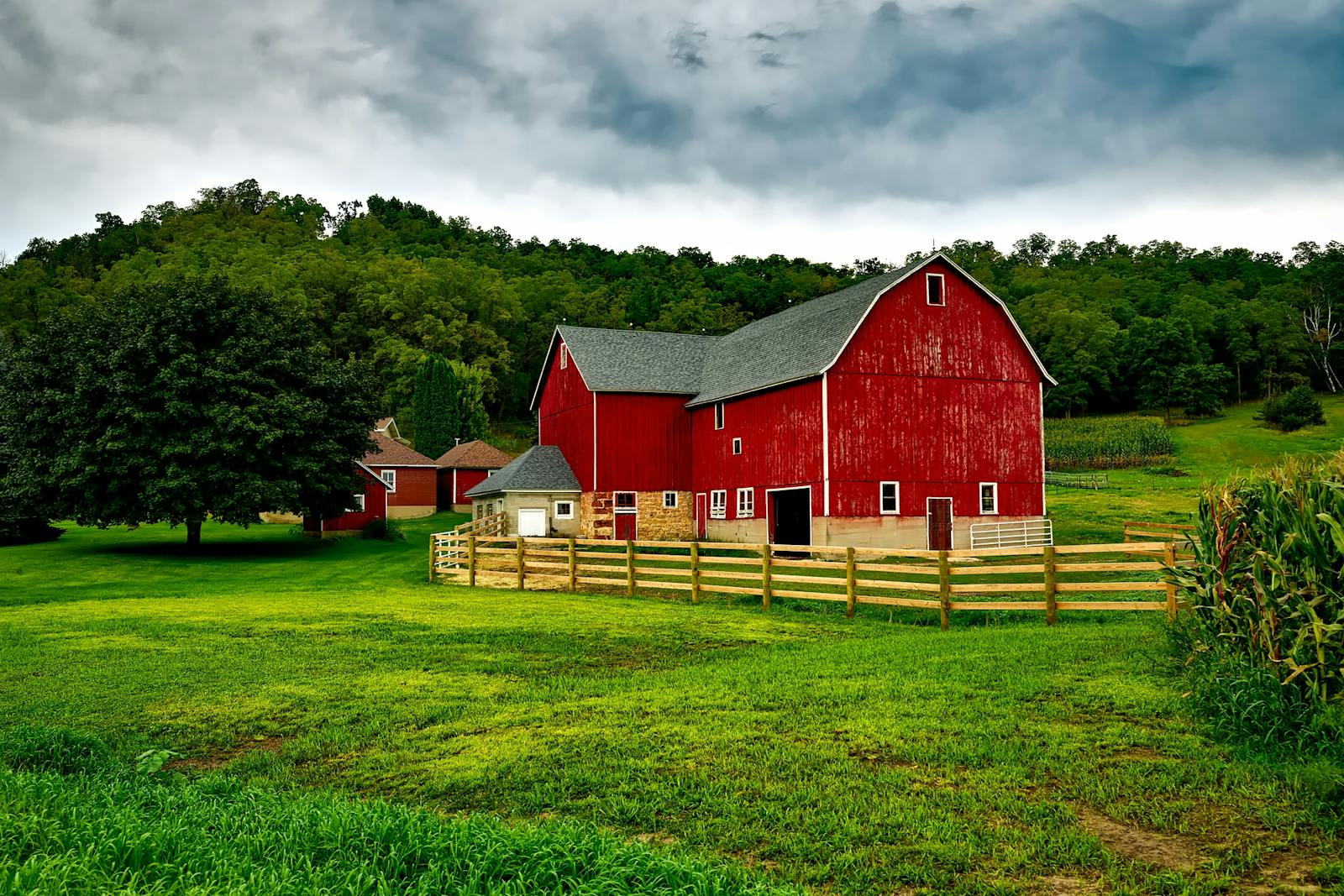
This is especially useful for construction projects, retail plazas after closing, industrial yards, and residential buildings with recurring nuisance issues. A mobile patrol presence does not eliminate every incident, but it often reduces the window of opportunity. In many cases, that is enough to push bad actors elsewhere or interrupt a problem before it escalates.
There is a trade-off here. A mobile patrol officer is not continuously present the way a static guard is. If a site has constant foot traffic, repeated overnight incidents, or a high-value operation running around the clock, a stationed guard may be the better fit. Mobile patrol works best when the main need is active oversight, visible checks, and rapid response rather than permanent on-site presence.
Alarm response is a key part of the service
One of the most practical answers to what does mobile patrol do is this: it responds when your site triggers an alarm and you do not want staff attending the property alone in the middle of the night.
When an intrusion or trouble signal comes in, a patrol officer can be dispatched to investigate. The officer attends the property, checks for signs of forced entry, verifies whether the alarm appears legitimate or false, and follows escalation procedures if police, fire, or client contacts need to be notified.
That matters for safety as much as convenience. Property managers, business owners, and site supervisors often should not be the first person walking into a dark building or open lot after hours. A licensed security professional can assess the situation first, reduce exposure for staff, and provide an incident record of what happened.
Alarm response also helps limit wasted time. If the issue is minor, such as a door not latched properly or environmental conditions affecting a sensor, the matter can often be handled quickly and documented without disrupting operations more than necessary.
Mobile patrol checks for problems beyond crime
Security issues are not limited to trespassing and theft. Patrol officers are often the first to spot hazards that could lead to loss, downtime, or liability. That can include water leaks, open overhead doors, disabled lighting, broken locks, fire hazards, unsafe access points, or equipment left unsecured.
At commercial and residential properties, patrol can also help identify loitering, unauthorized move-ins or move-outs, improper use of amenities, and parking violations that create friction for tenants and visitors. On industrial and construction sites, the focus may shift toward perimeter integrity, fuel theft risk, after-hours contractor access, and safety-related observations.
This is where site-specific instructions make a major difference. The best patrol program is not generic. It is built around what actually goes wrong at that location, when it happens, and what the client wants checked every time.
Reporting is part of the value
A patrol that is not documented properly leaves clients guessing. Professional mobile patrol should include time-stamped activity records, clear notes, and photo documentation when appropriate. GPS-tracked patrol activity also adds accountability by showing that patrols were completed as assigned.
For decision-makers, this is not just paperwork. It is operational visibility. If there is an incident trend at a building, recurring access issue at a gate, or repeated damage in one corner of a property, reporting helps identify patterns and adjust coverage. It also gives property managers and owners something concrete to review, share internally, or use when speaking with tenants, contractors, or insurers.
Good reporting should be concise, factual, and fast. You should know what was checked, what was found, what action was taken, and whether follow-up is needed.
Where mobile patrol works best
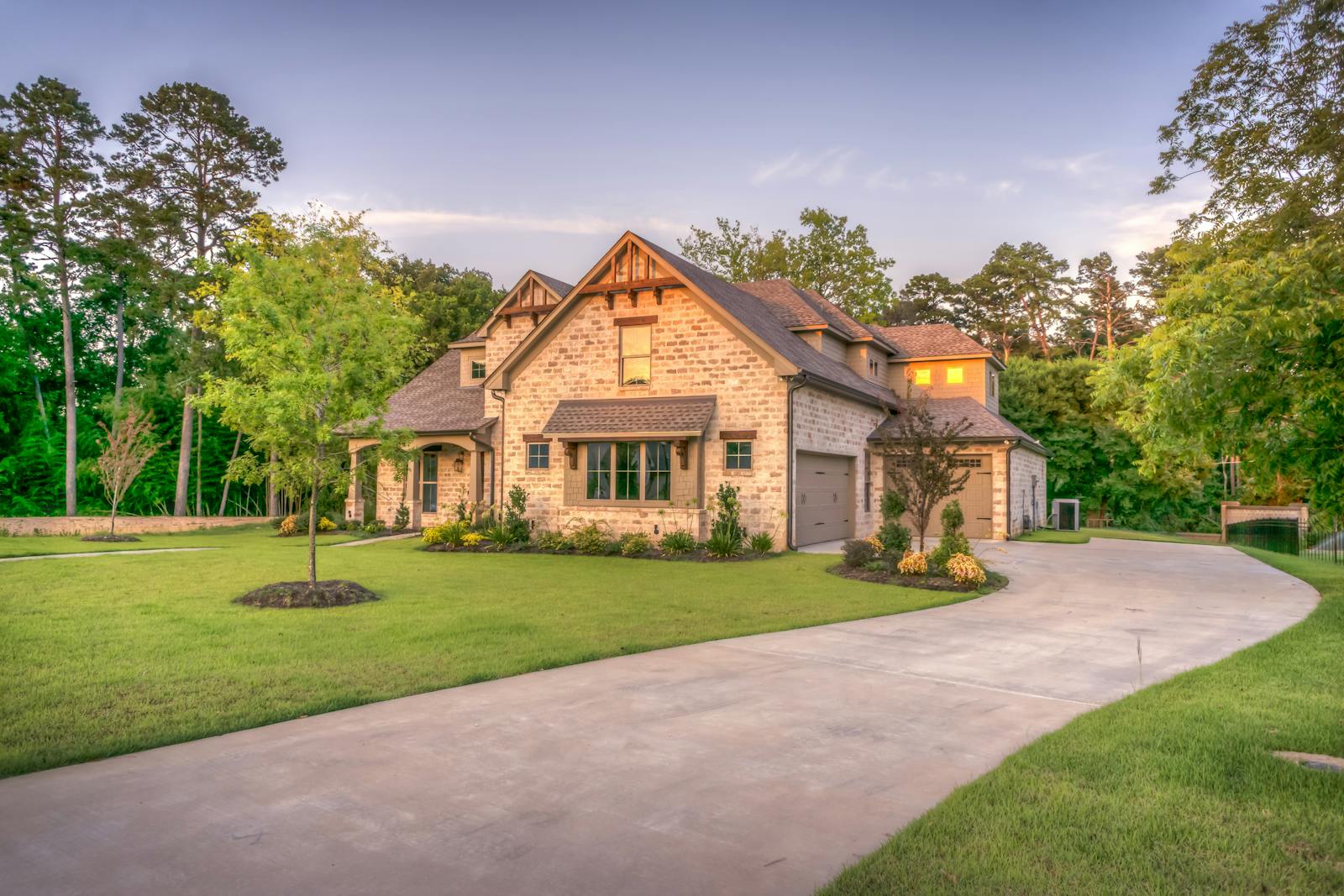
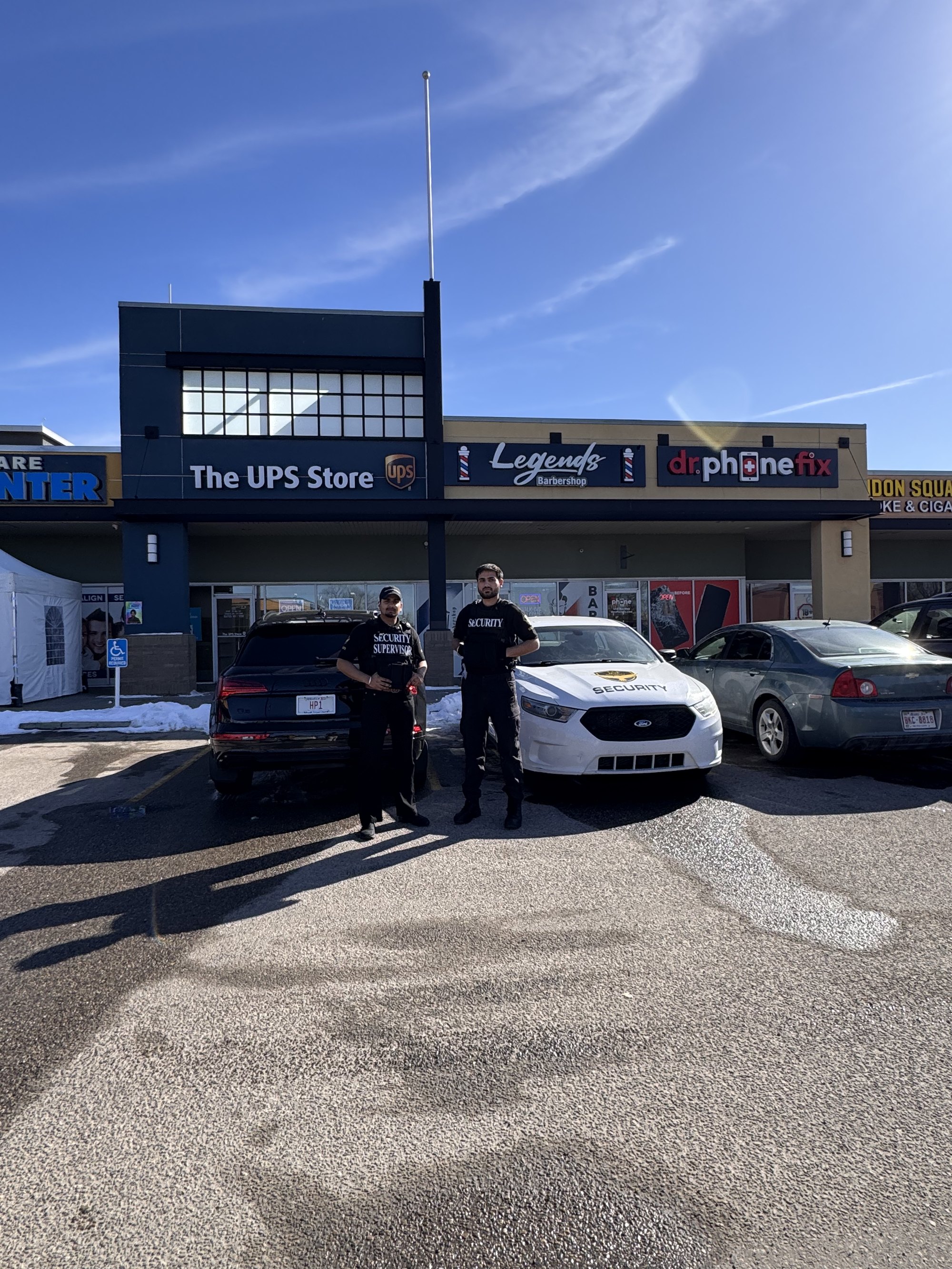
Mobile patrol is a strong fit for properties that need consistent security attention without paying for a full-time on-site guard at all hours. That often includes condo buildings, apartment complexes, office properties, retail centres, industrial yards, vacant buildings, and construction sites.
It is also useful across multiple locations. If you manage several sites across Calgary or nearby communities, mobile patrol can provide coverage across the portfolio with a schedule matched to each property's risk level. One location may need nightly lock checks and alarm response, while another may need weekend perimeter patrols and random overnight visits.
That flexibility is one reason many clients choose patrol services first. It allows them to address a real exposure quickly, then scale coverage up or down based on incidents, occupancy, project phase, and budget.
What mobile patrol does not replace
Mobile patrol is effective, but it is not the answer to every security problem. If your site needs constant visitor screening, front desk management, active access control, or immediate intervention every few minutes, you are likely looking at a static guard, concierge security, or a combined program.
The right approach depends on the site. A small commercial building with after-hours alarm concerns may need only scheduled patrols and response coverage. A busy residential tower may need concierge staff in the lobby plus patrol support for exterior checks and overnight incidents. A construction site with repeated theft may start with mobile patrol, then shift to overnight guard coverage during a high-risk phase.
That is why a proper security assessment matters. The goal is not to oversell hours. It is to match the service level to the actual exposure.
What to expect from a professional mobile patrol provider
If you are evaluating providers, look beyond the basic promise of vehicle checks. You want licensed, insured guards, clear dispatch procedures, fast response capability, and reporting that is easy to verify. You also want a company that understands local conditions, including common risk patterns in Calgary and surrounding communities, seasonal site changes, and the realities of after-hours property management.
A dependable provider should be able to explain how patrol routes are structured, how incidents are escalated, how activity is documented, and how the plan can be adjusted if your needs change. At MVP Security Inc., that means locally deployed patrol support, GPS-tracked activity, photo-documented reporting, and coverage built around the client rather than a generic route sheet.
For property managers, builders, retail operators, and site supervisors, the real question is usually not just what does mobile patrol do. It is whether the patrol program will actually reduce risk at your specific site, respond when needed, and give you proof the work is being done. When the answer is yes, mobile patrol becomes more than a security visit - it becomes a practical layer of control over properties that cannot afford to be left unchecked.