
















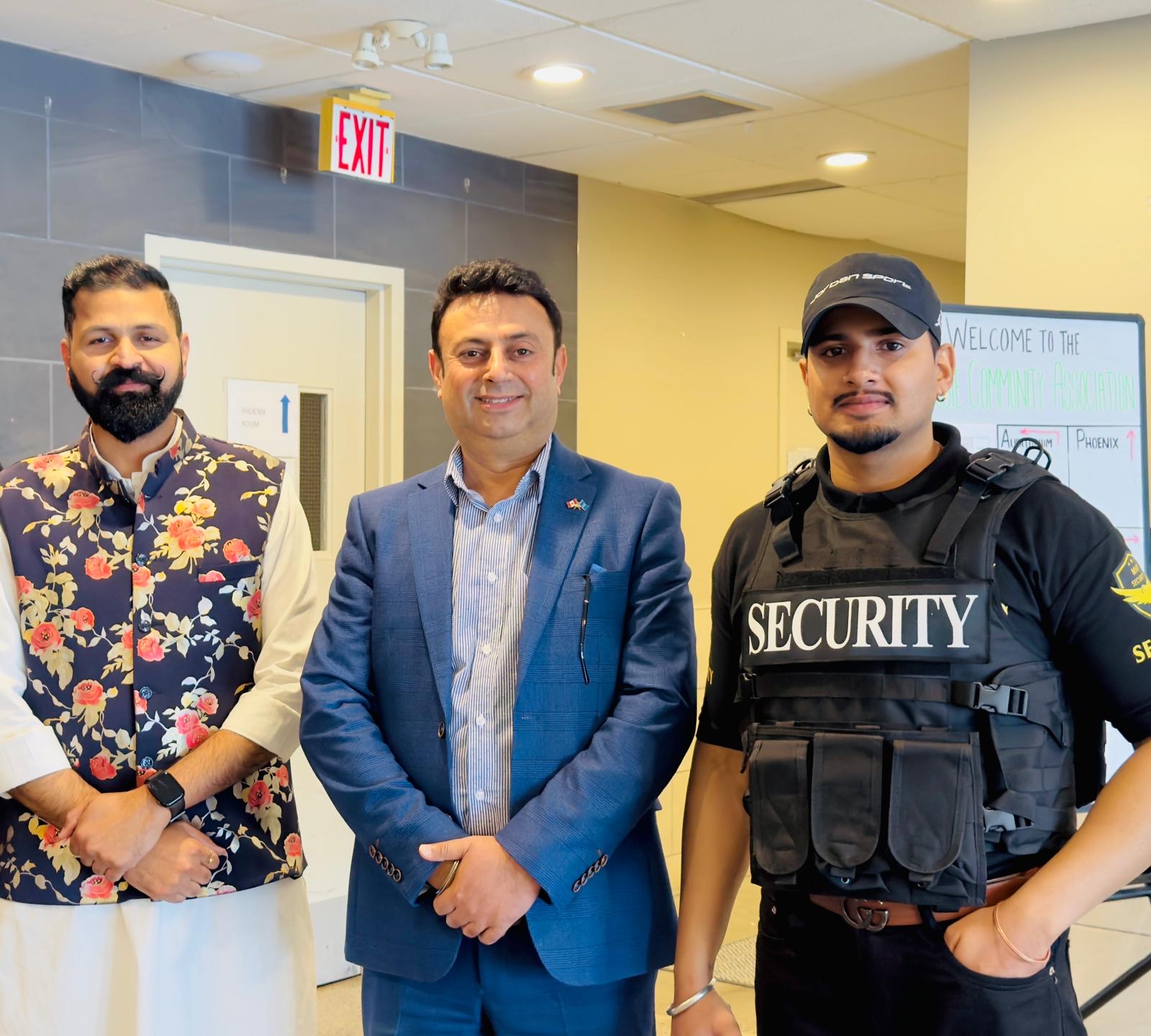

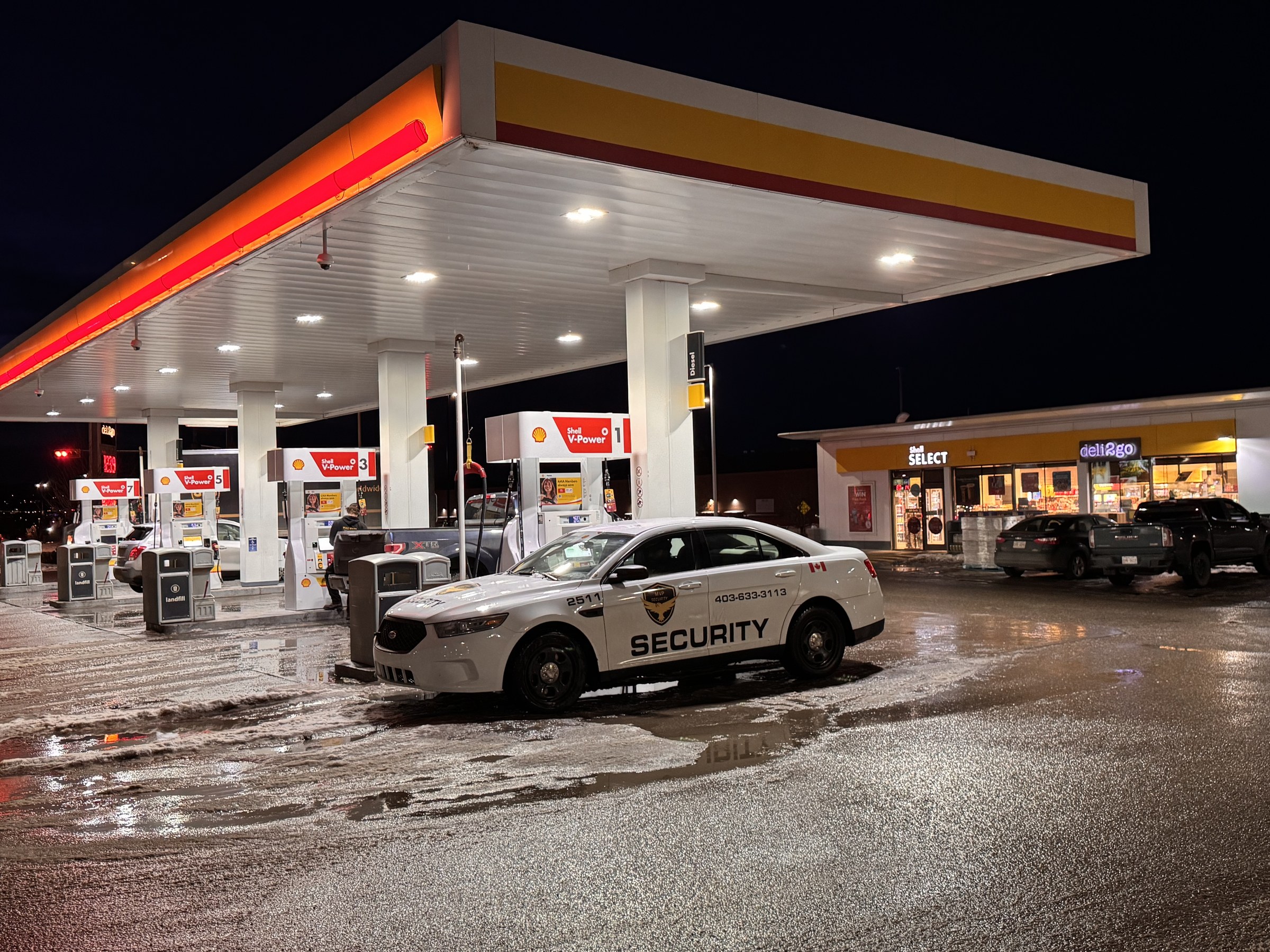
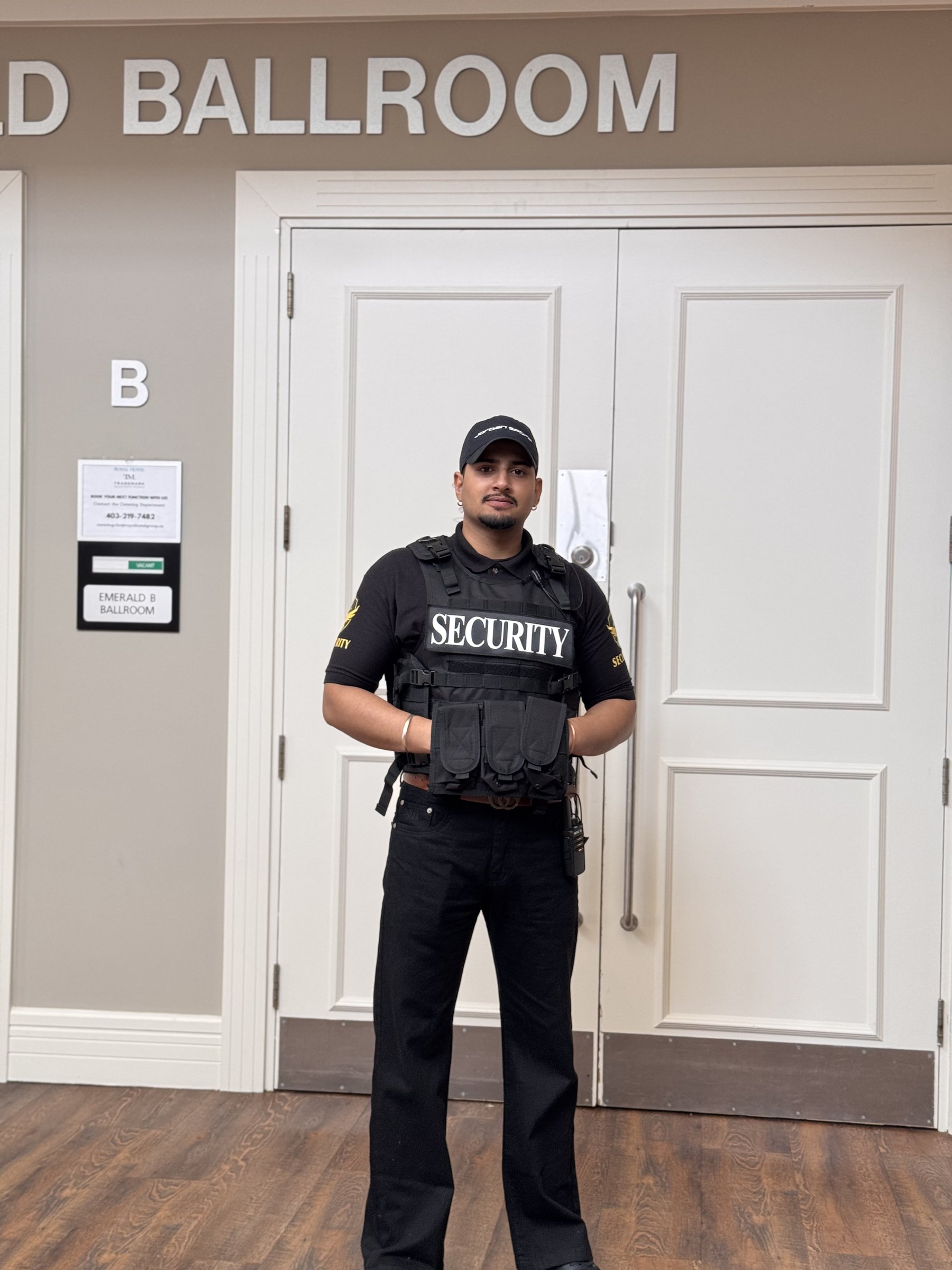
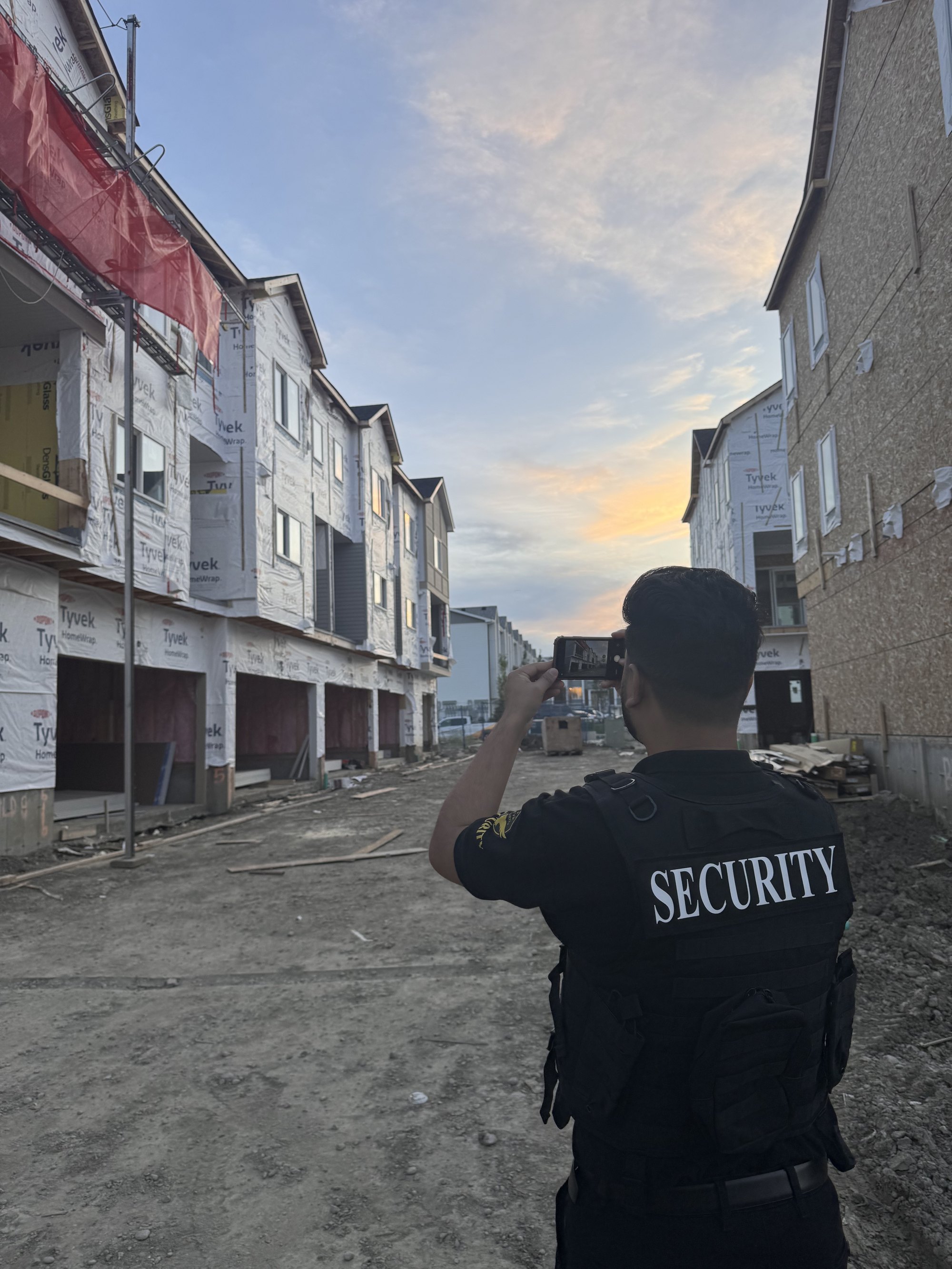


A resident arrives after a late flight. A delivery driver needs access to a restricted loading area. A contractor shows up without being listed for the day. These are not just front-desk moments - they are security decisions. So, what is concierge security? It is a professional security service that combines a visible, customer-facing presence with access control, patrol awareness, incident response, and detailed reporting.
For Calgary property managers and building operators, concierge security is often the first line of protection at a condominium, office tower, mixed-use property, or private residential community. The guard is positioned where people enter, ask questions, receive deliveries, and expect help. That makes the role highly visible, but its value goes well beyond greeting visitors.
What Is Concierge Security?
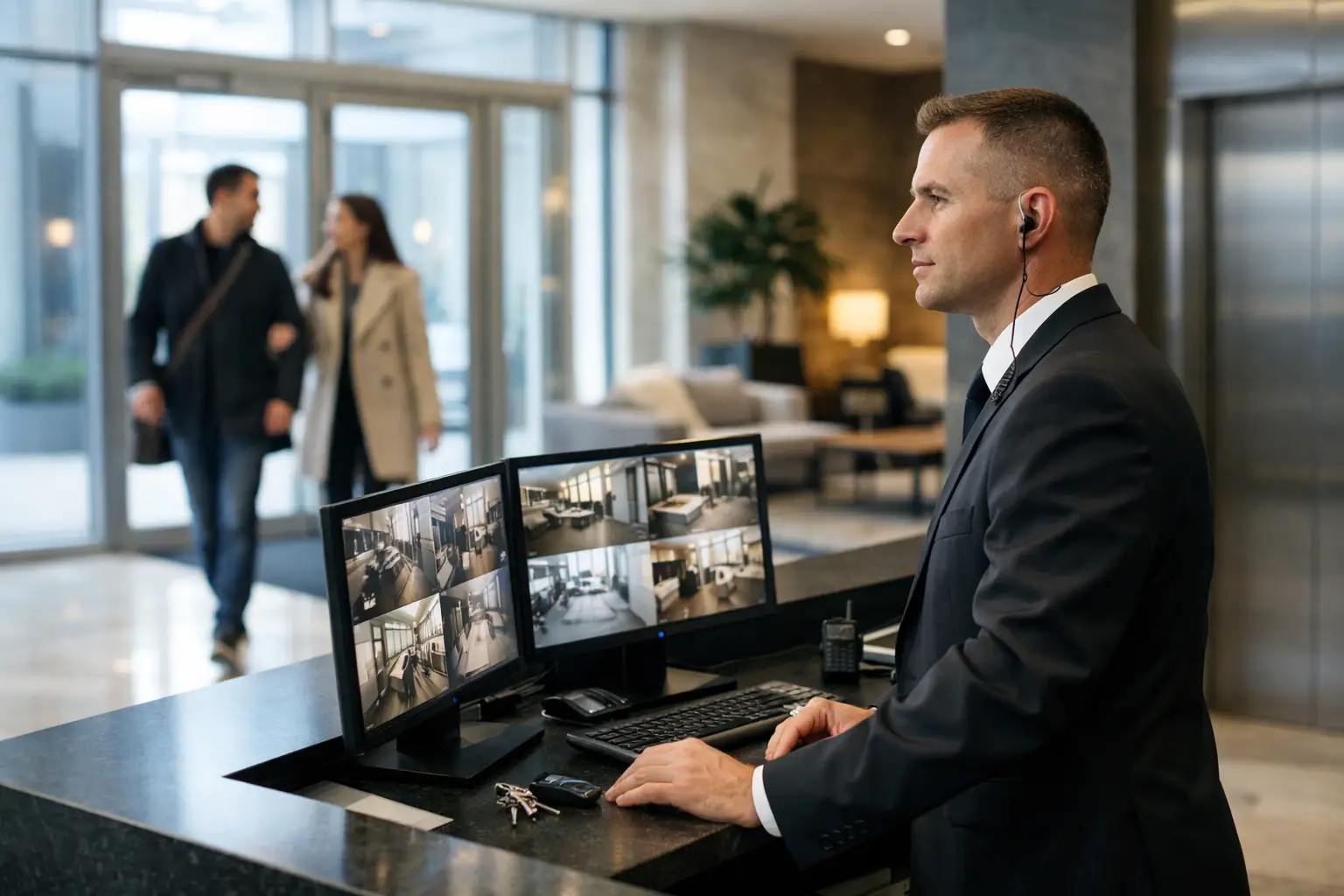
Concierge security places trained, Alberta-licensed security guards at a building’s primary point of contact, usually a lobby, reception desk, entrance, gatehouse, or concierge station. The guard manages who enters the property, observes activity, follows site procedures, supports residents and tenants, and responds appropriately when something is wrong.
Unlike a traditional receptionist, a concierge security guard is trained to identify unauthorized access, suspicious behaviour, safety hazards, and policy violations. Unlike a patrol-only guard, they remain connected to the daily operation of the building. They know the normal flow of visitors, contractors, residents, deliveries, and tenant activity, which makes unusual activity easier to spot early.
The exact duties depend on the property. A downtown commercial building may need strict visitor registration and after-hours access control. A condominium may need package handling procedures, resident assistance, parking enforcement support, and common-area monitoring. An industrial office or yard entrance may need credential checks, vehicle logging, and contractor verification.
The common purpose is consistent: protect people, property, and operations without creating an unfriendly or difficult experience for legitimate visitors.
What a Concierge Security Guard Does Each Shift
A well-run concierge post is built around clear site instructions rather than vague expectations. The guard should know who has access, where visitors may go, how deliveries are handled, which doors must remain secured, and who to contact during an emergency.
At the desk, a concierge guard may verify visitors against approved lists, contact tenants before granting access, issue temporary passes, monitor security cameras, and record contractor arrival and departure times. They may also receive alarm notifications, manage key or fob procedures, conduct interior checks, and ensure unsecured doors or parkade gates are addressed promptly.
Customer service is part of the role, but it must not override security procedure. A professional guard can be polite while still refusing access to someone without authorization. That balance matters in residential and commercial properties, where an overly casual front desk can quickly become an access-control gap.
Concierge guards also create a reliable written record of what occurred on site. Shift reports, incident reports, visitor logs, and photo-documented observations give property managers a clearer picture of recurring concerns. For example, repeated attempts to access a parkade, damaged entry hardware, or recurring loitering near a side entrance can be identified and addressed before the issue grows.
Concierge Security vs. a Receptionist
The two roles can look similar from a distance because both may work from a front desk. The difference is authority, training, and primary responsibility.
A receptionist is typically focused on administration, calls, appointments, and visitor service. They may follow basic sign-in procedures, but they are not normally assigned to assess threats, monitor cameras, respond to security incidents, or maintain incident documentation.
A concierge security guard is focused first on the safety and control of the property. They can still provide a professional welcome, direct visitors, assist residents, and communicate with vendors. However, their training and site orders are designed around preventing unauthorized access, escalating incidents, preserving observations, and maintaining a secure environment.
For a low-risk office with daytime staff and limited public access, a receptionist may be enough. For a building with after-hours traffic, high-value assets, resident concerns, recurring trespassing, or multiple access points, concierge security is usually the more appropriate choice.
Where Concierge Security Works Best
Concierge security is most effective where a consistent, visible presence can influence behaviour and control entry. It is especially useful in occupied properties where people need assistance as well as protection.
Condominium and Residential Buildings
Condo boards and property managers often use concierge guards to improve access control, support residents, monitor common areas, and manage visitor and contractor activity. A guard can help enforce move-in procedures, confirm delivery access, monitor parkade concerns, and respond when residents report suspicious activity.
The service is particularly valuable during evenings, overnight hours, and weekends, when building management staff are not on site. It also provides residents with a clear point of contact during an alarm, water leak, fire watch situation, or access-related issue.
Commercial and Mixed-Use Properties
Office buildings, retail-commercial sites, and mixed-use developments have more complex traffic patterns. Employees, clients, couriers, tradespeople, and cleaning crews may all require access at different times. A concierge guard helps maintain order without slowing down legitimate operations.
For commercial tenants, a controlled lobby also sends a clear message: the property is actively managed. That visible deterrent can reduce opportunistic theft, unauthorized solicitation, and wandering access to tenant floors.
Industrial Offices and Controlled Entrances
Industrial sites may use concierge-style security at a gatehouse, site office, or primary entrance. The role can include checking IDs, logging vehicles, confirming deliveries, directing drivers, and ensuring contractors meet site access requirements.
In these environments, security and safety often overlap. A guard may be the first person to notice a vehicle entering a restricted area, a visitor without required personal protective equipment, or an unsecured gate after regular hours.
The Operational Value of a Dedicated Security Presence
Cameras, fobs, and intercom systems are useful tools, but they do not replace a trained person who can assess context. A camera can record someone testing a door. A concierge guard can challenge the person, secure the area, notify the right contact, and document the incident while it is happening.
The strongest concierge programs pair people with practical systems. This may include CCTV monitoring, controlled key management, visitor procedures, monitored alarm response, scheduled patrol checks, and clear escalation contacts. The guard’s work should be supported by site-specific instructions, not left to personal judgement alone.
Accountability is also a major benefit. When reports are completed consistently, managers can review what happened during a shift rather than relying on verbal updates. GPS-tracked patrol activity and photo documentation can add further confirmation when the concierge role includes checks of parkades, mechanical areas, exterior doors, or amenity spaces.
Choosing the Right Level of Concierge Coverage
Not every property needs a guard at the desk 24 hours a day. Coverage should match the building’s risk, traffic, operating hours, and budget.
A residential tower with frequent evening deliveries and resident concerns may benefit from evening and overnight coverage. A commercial building may only need a concierge guard during peak visitor hours, followed by mobile patrol after the lobby closes. A site with a temporary security issue, such as damaged access hardware or repeated trespassing, may need short-term coverage while permanent repairs are completed.
Before arranging service, consider the property’s busiest entry times, the number of entrances, the reliability of existing access systems, and the types of incidents already occurring. It is also worth identifying what the guard is expected to do when a concern arises. Calling a property contact, dispatching mobile backup, contacting emergency services, and writing an incident report are different actions that should be set out clearly in the site plan.
Price matters, but the lowest hourly rate does not always produce the best result. An unprepared guard without clear instructions, supervision, or reporting standards can create a false sense of security. Reliable concierge security depends on licensed staff, proper post orders, local supervision, and a provider that can respond if coverage changes unexpectedly.
A Front Desk That Supports Real Protection
A concierge station should make a building feel organized, not intimidating. The right guard is observant, calm, professional, and comfortable speaking with residents, tenants, visitors, and emergency responders. They understand that small details matter: a propped-open door, an unfamiliar person following someone inside, a delivery left in an unsecured area, or an access card that should have been deactivated.
For Calgary-area properties, MVP Security can tailor concierge coverage around the building’s hours, visitor flow, access concerns, and reporting needs. The goal is not to place a uniform at a desk. It is to put a trained, accountable security presence where it can prevent problems, support the people on site, and give managers useful information when decisions need to be made.
If your building’s front desk is regularly dealing with access questions, unauthorized visitors, after-hours activity, or resident concerns, that is often the right place to begin the conversation about concierge security.