









A fire alarm panel goes down at 11:40 p.m., the monitoring company calls, and suddenly the question becomes urgent: when is fire watch required, and what do you need to do right now? For property managers, builders, and site supervisors in Calgary, this is not a theoretical issue. A lapse in fire protection can stop work, expose occupants to risk, and create compliance problems fast.
Fire watch is usually required when a building or site has a temporary gap in its normal fire protection measures. That can mean a fire alarm system is offline, sprinklers are impaired, hot work is taking place, or the fire authority, insurer, or site safety plan calls for continuous monitoring. The exact trigger depends on the building type, occupancy, the length of the impairment, and what hazards are present at the time.
When is fire watch required?
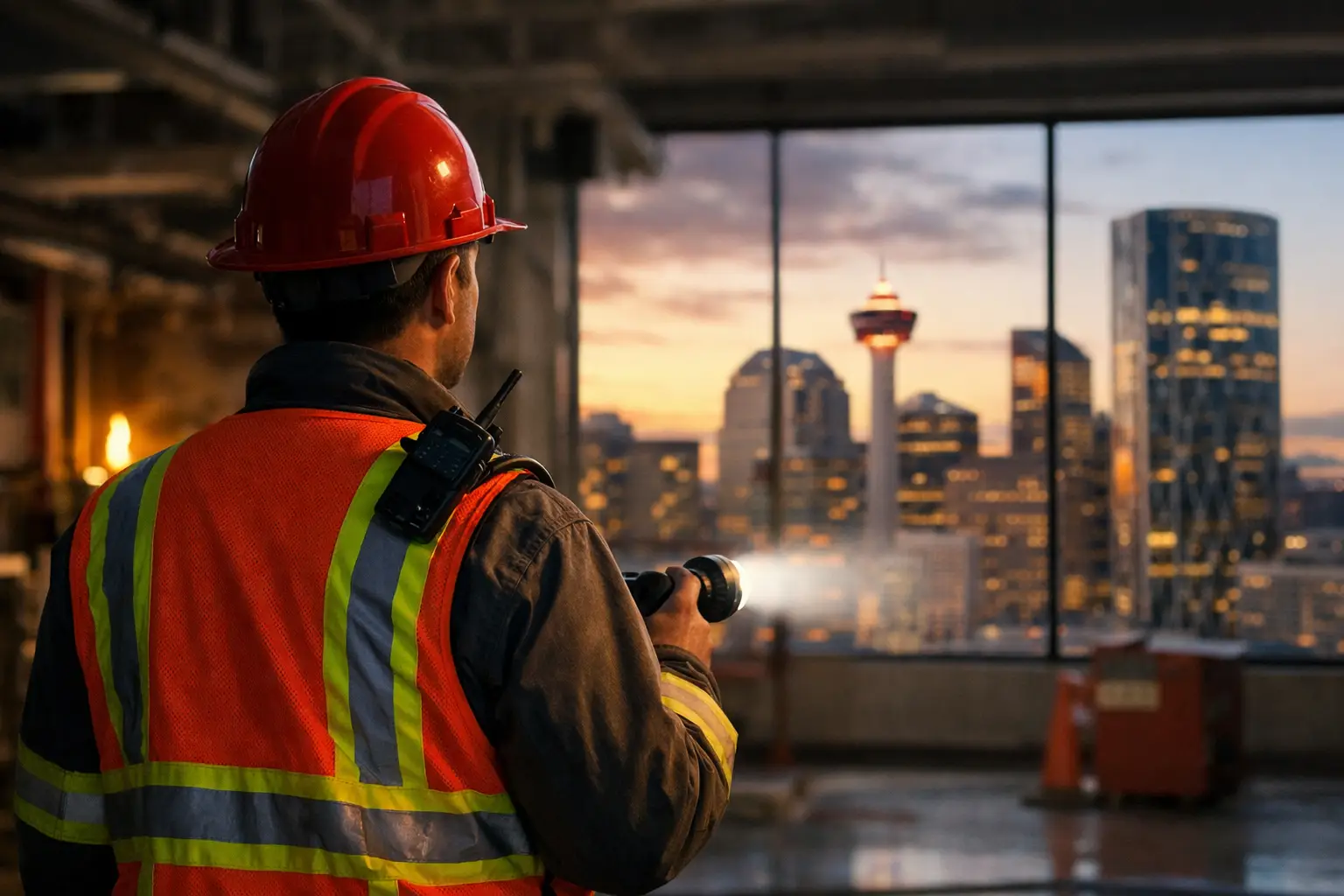
In practical terms, fire watch is required when the usual systems or conditions that help detect, control, or respond to fire are not fully available, and a human presence is needed to reduce the risk. That human presence is not passive. A fire watch guard or fire watch personnel are there to patrol, identify hazards, look for smoke or flame, keep egress routes clear, and escalate immediately if there is an emergency.
The most common trigger is a fire alarm or sprinkler impairment. If your fire alarm panel fails, your sprinkler valve is shut off, part of the system is under repair, or an inspection reveals a significant issue, you may need trained personnel on site until the system is restored. In many cases, that requirement comes from the fire code, the local fire department, your insurer, or the building’s own emergency procedures.
Another common trigger is hot work. Welding, cutting, soldering, torching, and similar activities create a higher chance of ignition, especially on construction sites, in industrial settings, and during building maintenance. A fire watch may be required during the work and for a period afterward, because sparks and heat can smoulder before becoming visible.
Construction and renovation projects also create fire watch situations more often than many managers expect. A building may be partially occupied while systems are being upgraded. Temporary heating equipment may be in use. Exit routes may shift. Dust, exposed materials, and active trades can all change the risk profile. In those conditions, a fire watch is often part of a practical site protection plan, even when the requirement is temporary.
Situations that commonly trigger fire watch
For most commercial, residential, industrial, and construction clients, the issue comes down to a short list of operational scenarios.
If a fire alarm system is not working properly, fire watch may be required until repairs are completed. The same applies when a sprinkler system is shut down or impaired, whether planned or unplanned. If a building has repeated trouble signals, a major system fault, or a monitoring interruption that affects detection and response, you should assume the need for immediate review rather than wait and see.
Hot work is another clear example. A contractor using torches on a roof, a maintenance team welding inside a mechanical room, or trades cutting steel in an unfinished structure can all trigger fire watch requirements. The point is not just to watch the worker. It is to monitor the surrounding area, nearby combustibles, and conditions after the work stops.
Vacant or partially occupied properties can be more complicated. Fire watch is not automatically required just because a building is empty, but if that vacancy comes with impaired life safety systems, unauthorized access concerns, or a heightened fire risk, it becomes much more likely. This is especially relevant for boarded retail spaces, multi-unit buildings under repair, and sites waiting on system reinstatement.
Special events can create a temporary need as well. If a venue uses open flame, pyrotechnics, temporary cooking equipment, or unusual occupancy layouts, event organizers may be required to put dedicated fire watch personnel in place. The same is true when occupancy or staging conditions affect normal emergency access or detection coverage.
Who usually requires it?
The requirement can come from several directions. In some cases, the local fire authority makes the call directly. In others, it is driven by code obligations, the building owner’s responsibilities, the insurer’s conditions, or the internal safety policies of a company or general contractor.
That is why there is rarely a one-size-fits-all answer. A fully occupied condo tower with a fire alarm outage is different from a detached industrial building during a planned sprinkler repair. A downtown office fit-out involving hot work is different from an overnight shutdown at a warehouse in an industrial park. The use of the building, the number of occupants, the available exits, and the duration of the issue all matter.
If you are unsure, the safest approach is to escalate early. Waiting for a written direction while a system is down can create unnecessary exposure. Property managers and site supervisors are usually better served by arranging interim coverage immediately and then confirming the precise scope required.
What a proper fire watch actually involves
A fire watch is more than having someone stay on site. The role is active, documented, and site-specific.
Guards or designated personnel typically conduct regular patrols through the affected areas, check for visible smoke, flame, unusual heat, blocked exits, or unsafe behaviour, and remain ready to contact emergency services without delay. They also keep records of patrol times, observations, incidents, and any changes in conditions. If the impairment affects part of a building but not all of it, the patrol pattern needs to reflect that layout rather than follow a generic route.
Communication matters just as much as visibility. The people performing fire watch should know who to contact, how to report a developing issue, where the shutoffs and exits are, and what parts of the fire protection system are unavailable. In a mixed-use property or active construction site, that level of clarity can make the difference between early intervention and a delayed response.
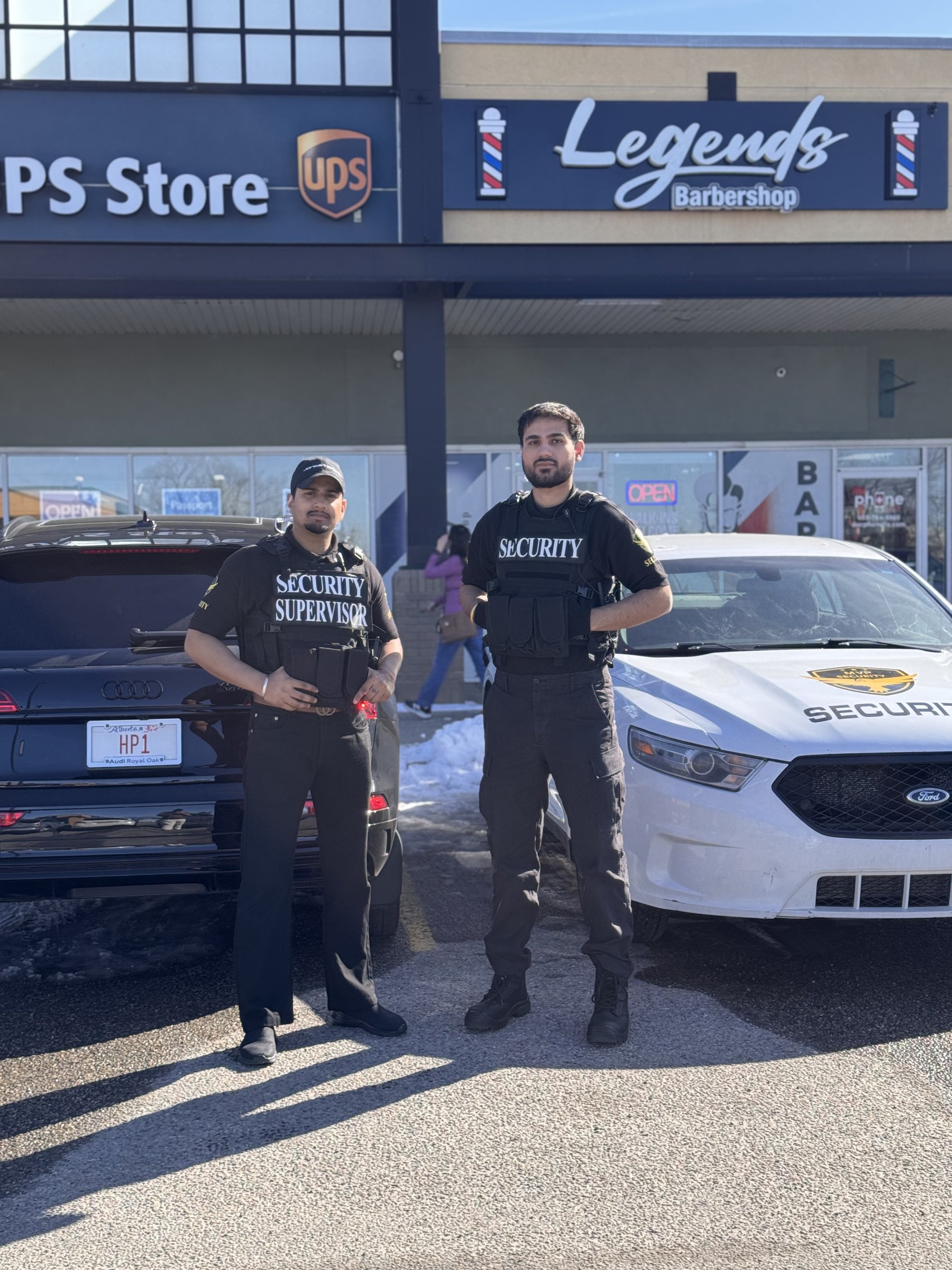
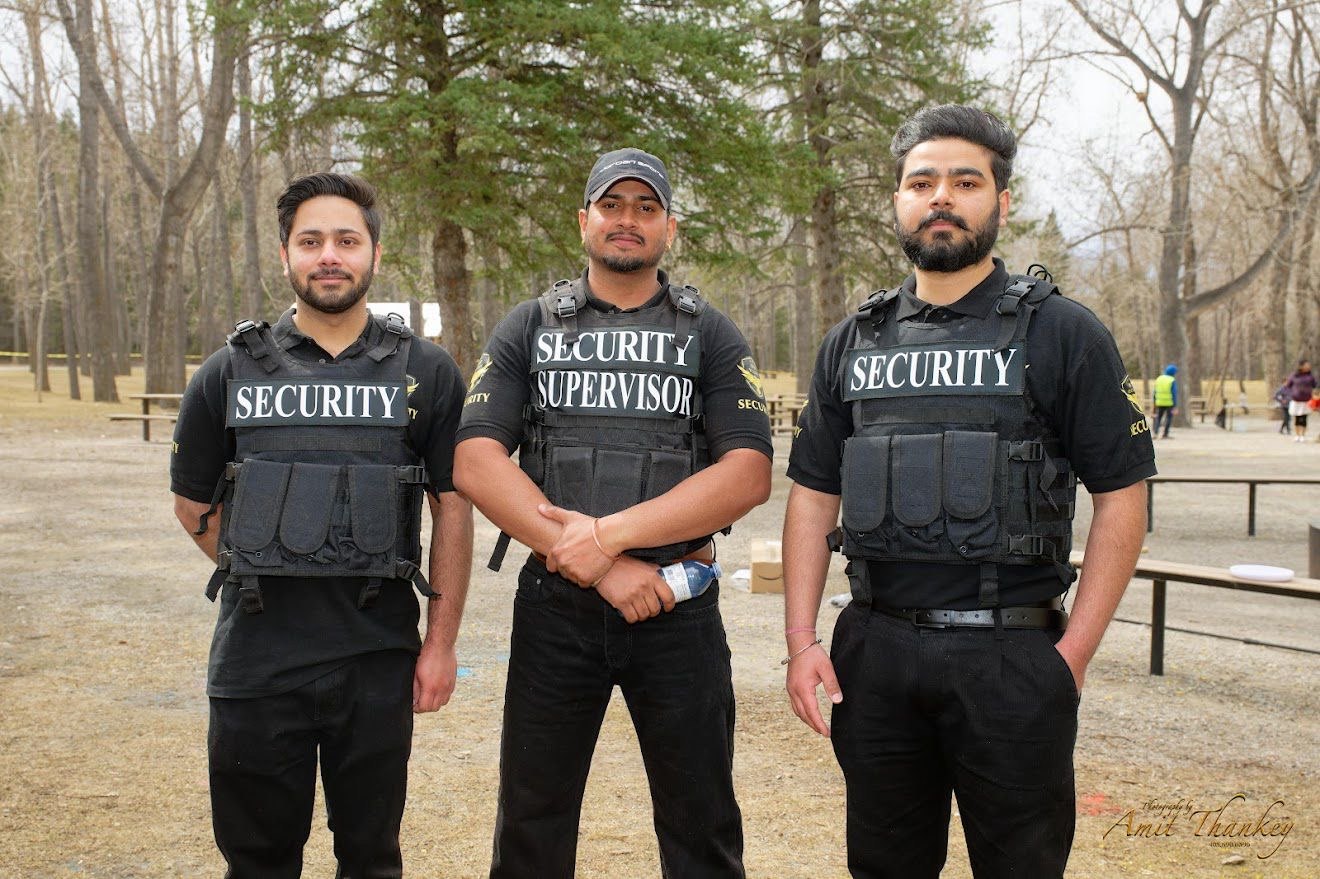
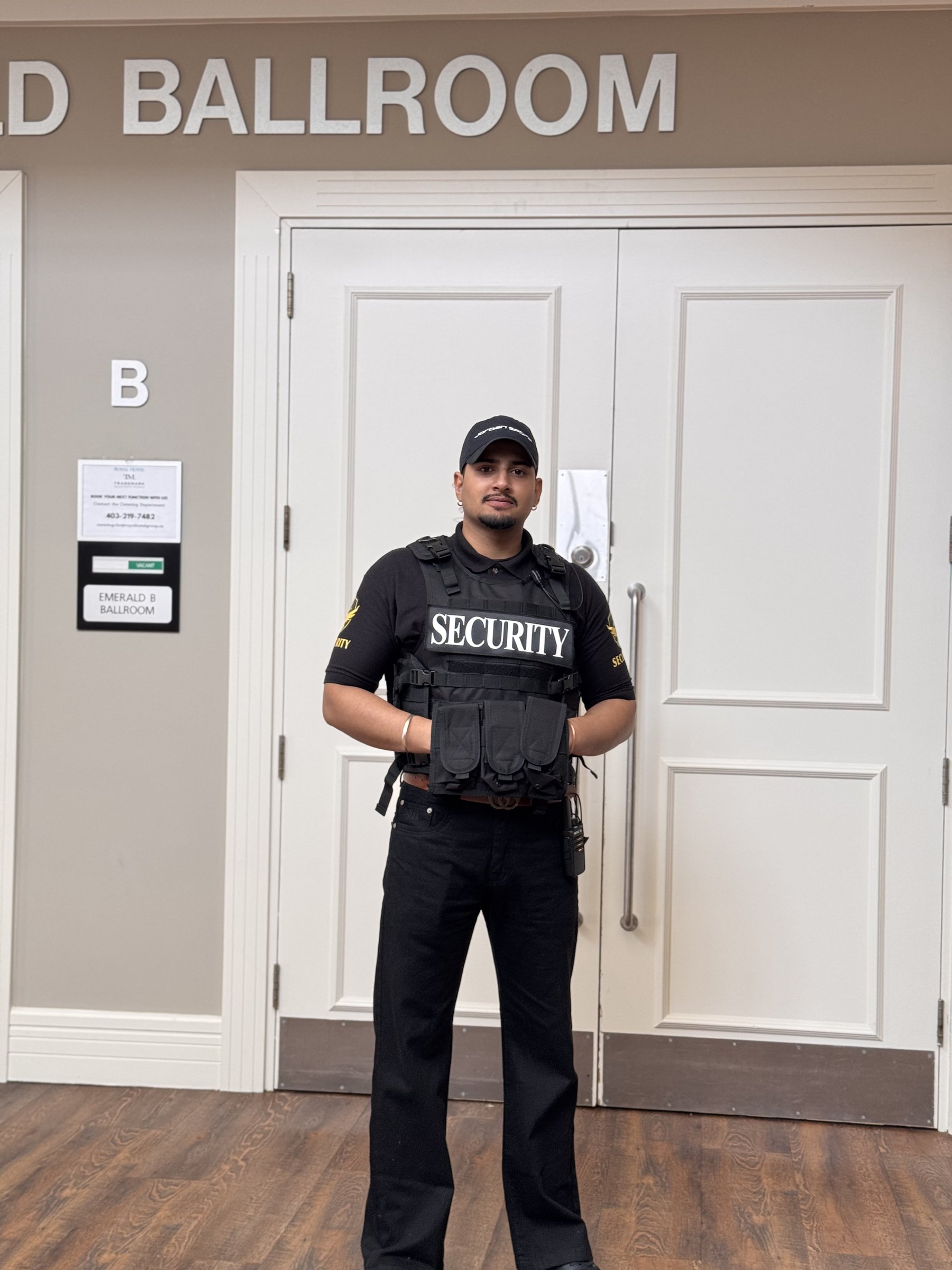
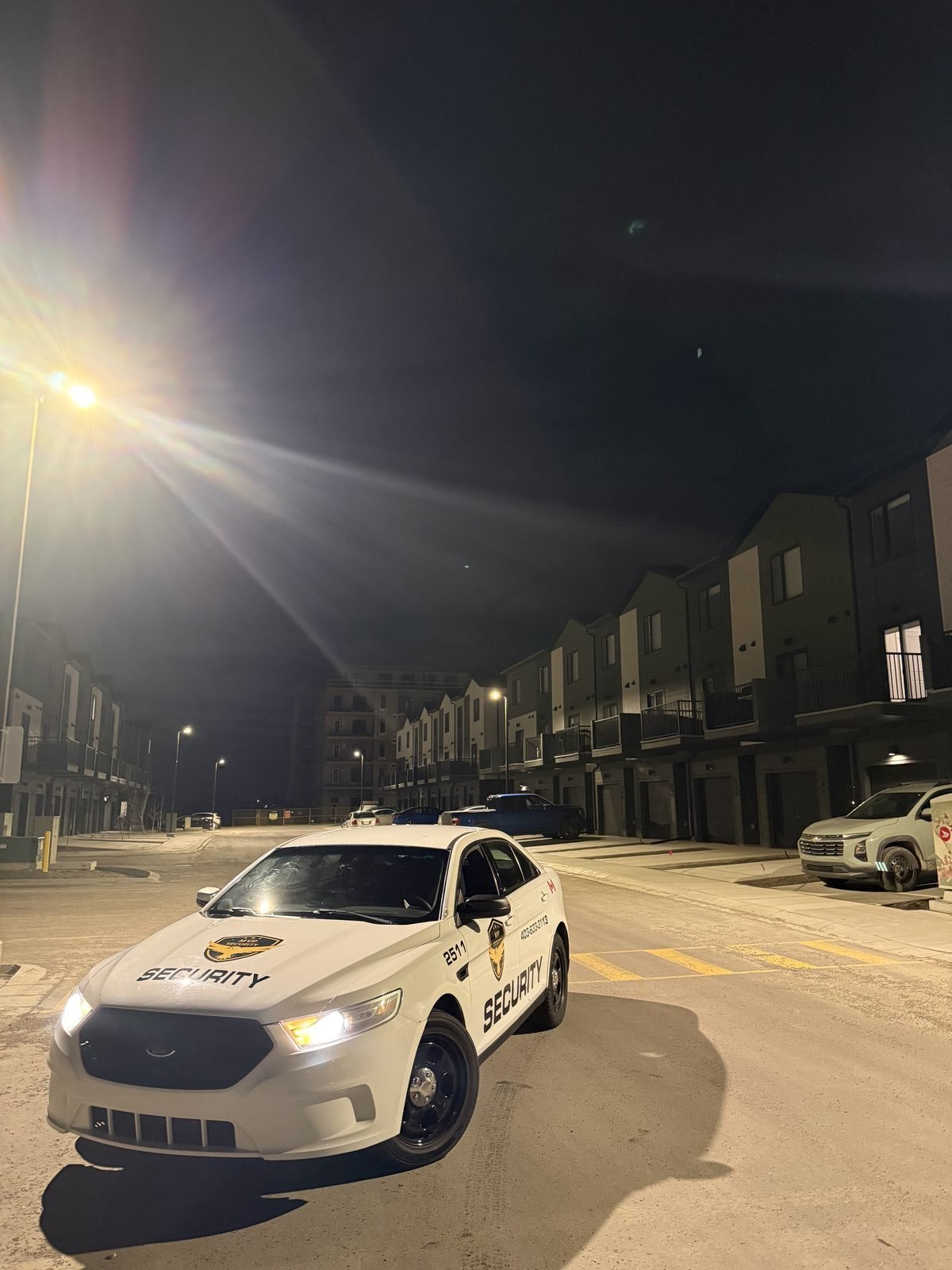
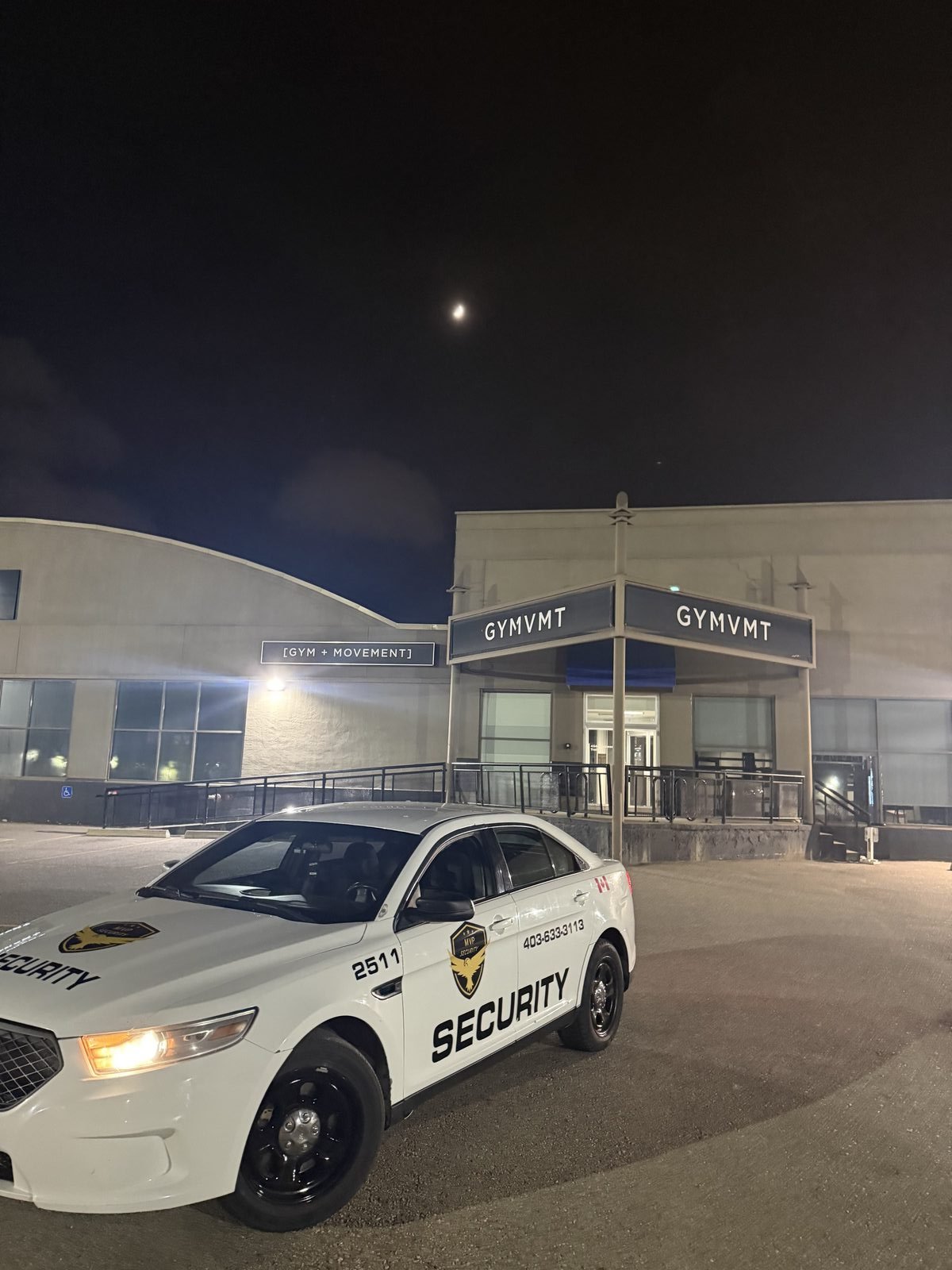
This is also where trained security personnel are often the practical choice. Alberta-licensed guards who are used to patrol documentation, incident escalation, access control, and overnight coverage can usually step into fire watch duties quickly when a site needs same-day protection.
Fire watch on construction sites
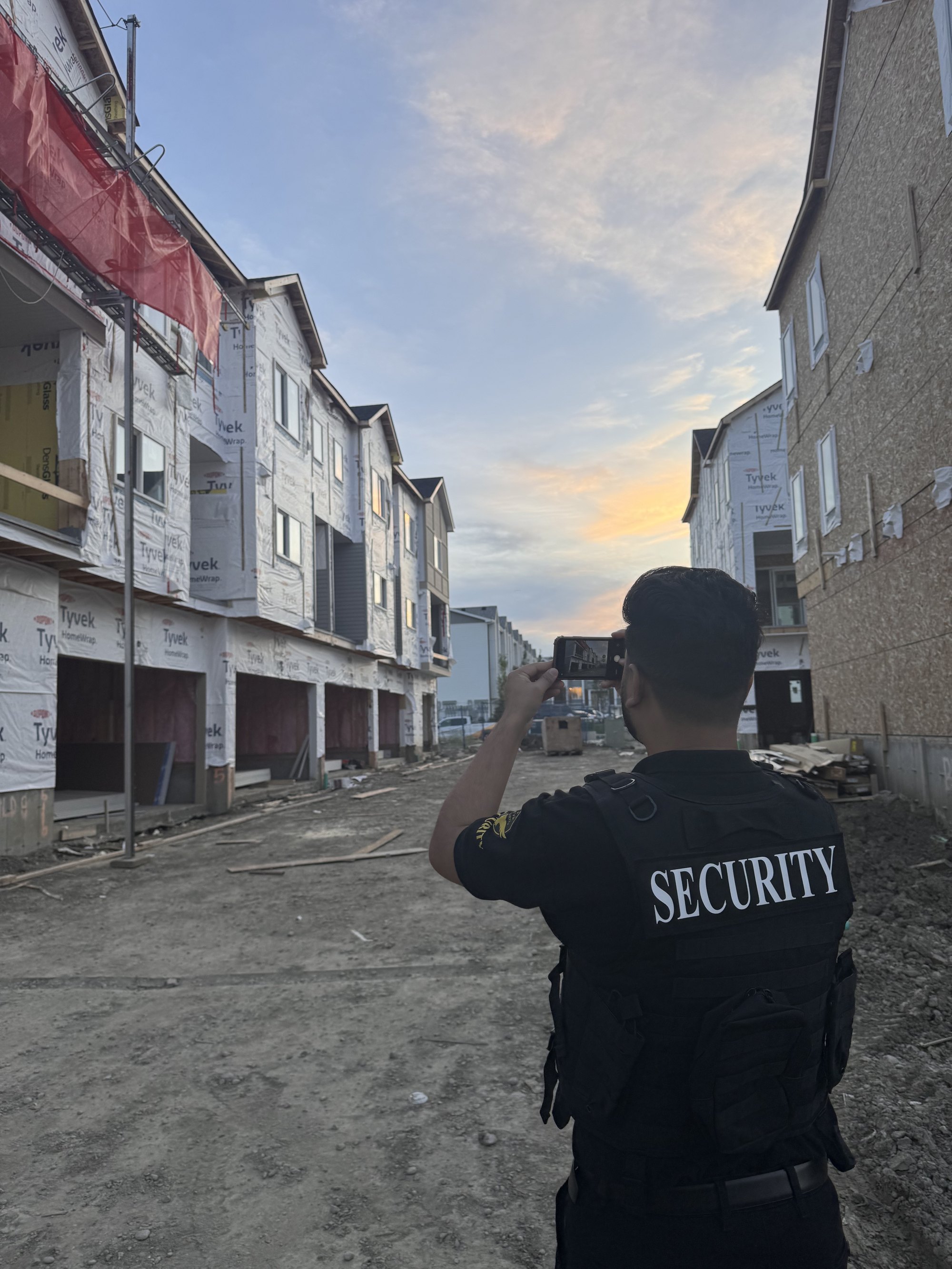
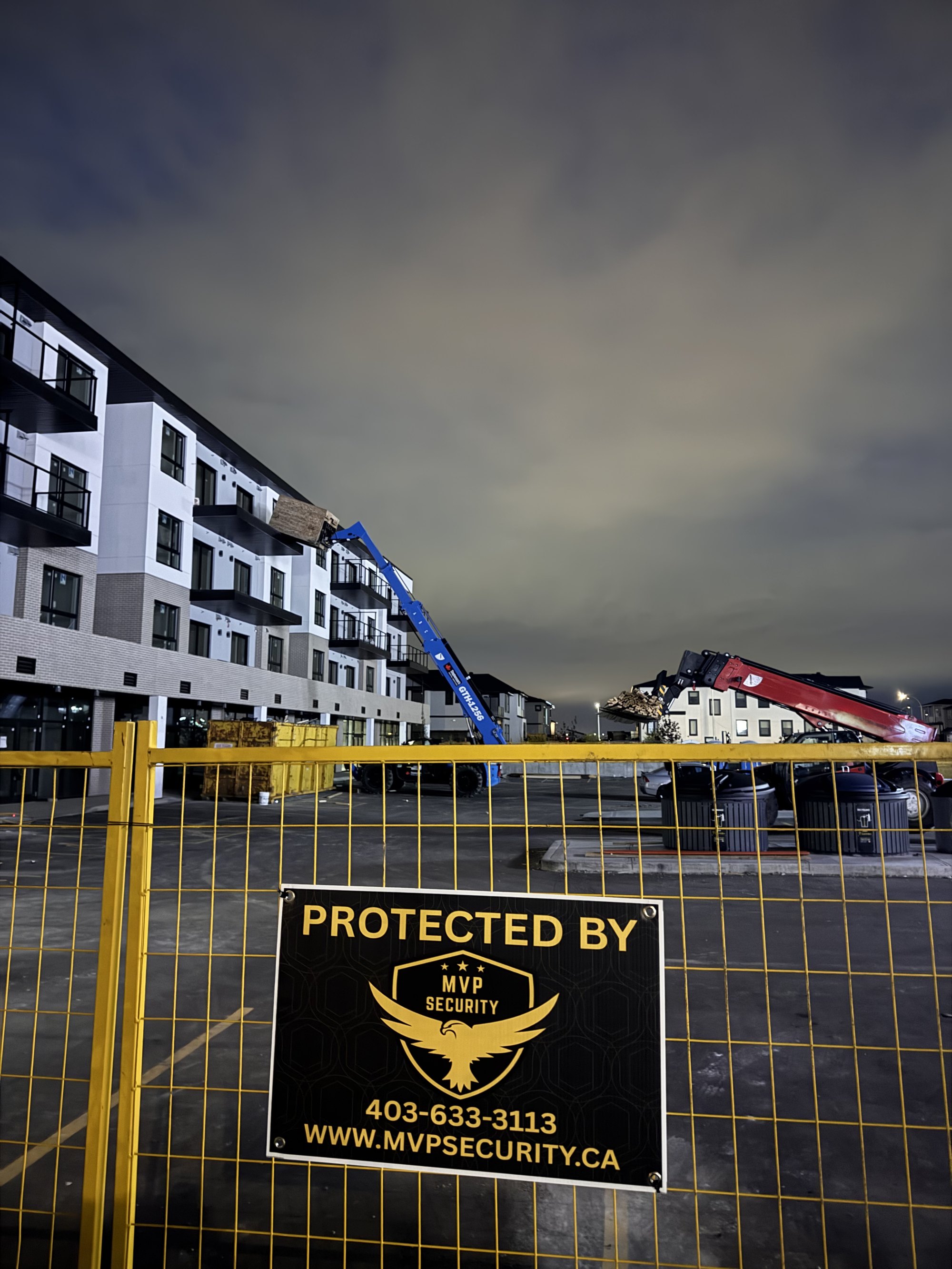
Construction sites deserve separate attention because the fire risks change by the hour. One day the issue is hot work. The next day it is temporary heating, exposed wood framing, or a partially commissioned alarm system. Add in after-hours trespassing and theft, and a simple safety concern can become an operational problem fast.
On these sites, fire watch often overlaps with broader security responsibilities. A guard may be tasked with checking active work zones, confirming no residual heat sources remain after trades leave, monitoring for unauthorized access, and documenting hazards for the site superintendent. That is especially useful when the project is moving quickly and different contractors are cycling in and out.
For builders in Calgary and surrounding communities, response time matters. A delayed deployment after a system issue can leave a site exposed overnight, which is exactly when many incidents occur.
How long does fire watch last?
Usually, it lasts until the impairment or hazardous activity has been resolved and normal protection is restored, but the exact timeline depends on the reason it was put in place. If the issue is a panel fault, fire watch may continue until the technician confirms repairs and the system is back online. If the trigger is hot work, coverage may be needed during the work and for a defined monitoring period afterward.
This is one of those areas where shortcuts create risk. Ending fire watch too early because the immediate task appears finished can leave a gap at the worst possible time. Any decision to stop coverage should match the actual site conditions and the direction you have been given.
Choosing a provider when coverage is urgent
When fire watch is needed, most clients are not shopping casually. They need licensed personnel, clear reporting, and immediate deployment. The provider should be able to explain how patrols will be handled, what documentation will be produced, how incidents will be escalated, and how quickly coverage can begin.
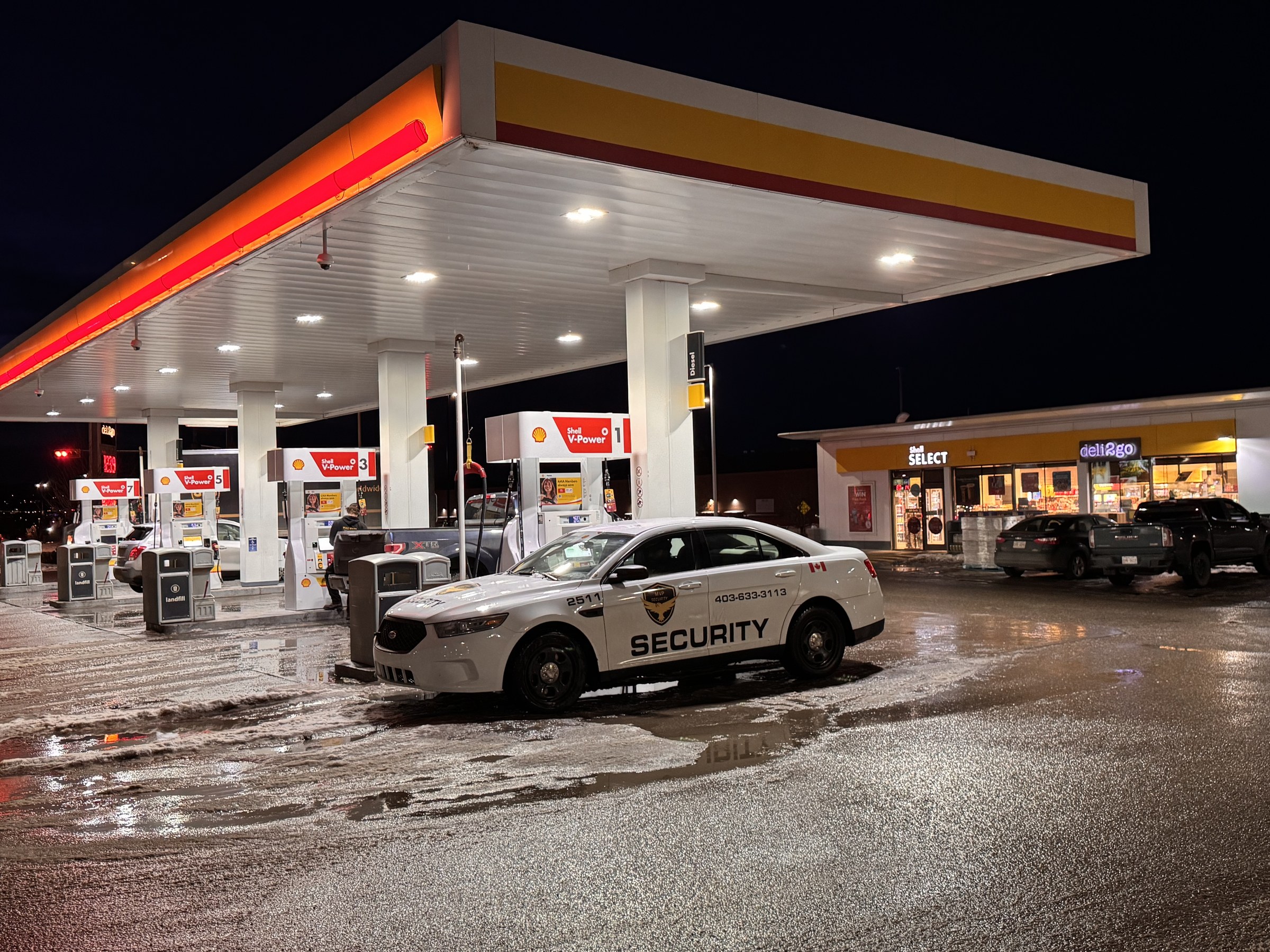
For Calgary-area clients, local deployment is a real advantage. A team that already works across commercial buildings, construction projects, residential properties, and industrial sites can usually adapt faster than a provider trying to fit a standard national template onto a site-specific problem. That is part of why companies such as MVP Security are often called when a building needs fast, documented guard coverage on short notice.
If you are responsible for a property or project and a fire system goes down, treat the situation as operationally urgent, not administratively inconvenient. The right fire watch coverage protects people first, but it also protects your timeline, your documentation, and your ability to show that the site was managed properly while the issue was being resolved.