




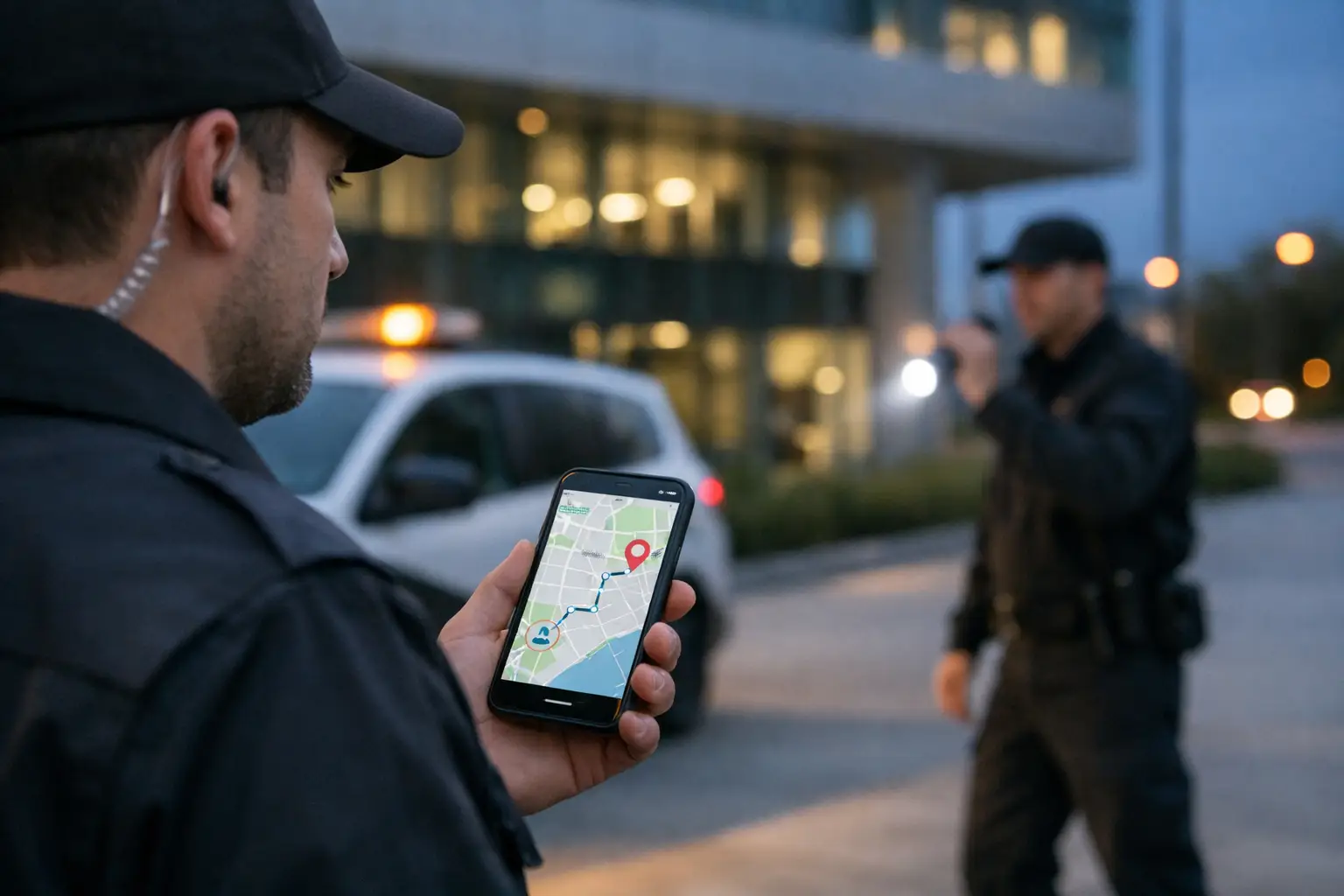
A patrol that cannot be verified leaves too much to assumption. If you are responsible for a condo complex, retail site, construction project, or industrial property, assumptions are expensive. GPS tracked security patrols give you a clear record of where patrol officers went, when they attended, how long they stayed, and what they documented while on site.
For property managers and site supervisors, that matters for a simple reason - security is not just about having a guard assigned. It is about proving coverage happened as scheduled and making sure patrol activity aligns with the risks on your property. When theft, vandalism, trespassing, or after-hours incidents are a concern, visibility and documentation become part of the service, not an extra.
What GPS tracked security patrols actually do
At the practical level, GPS tracking adds location verification to mobile patrol and site inspection work. When a patrol unit is dispatched to a commercial building, apartment complex, parking area, construction site, or alarm event, the patrol route and attendance can be logged through the officer's device or patrol system.
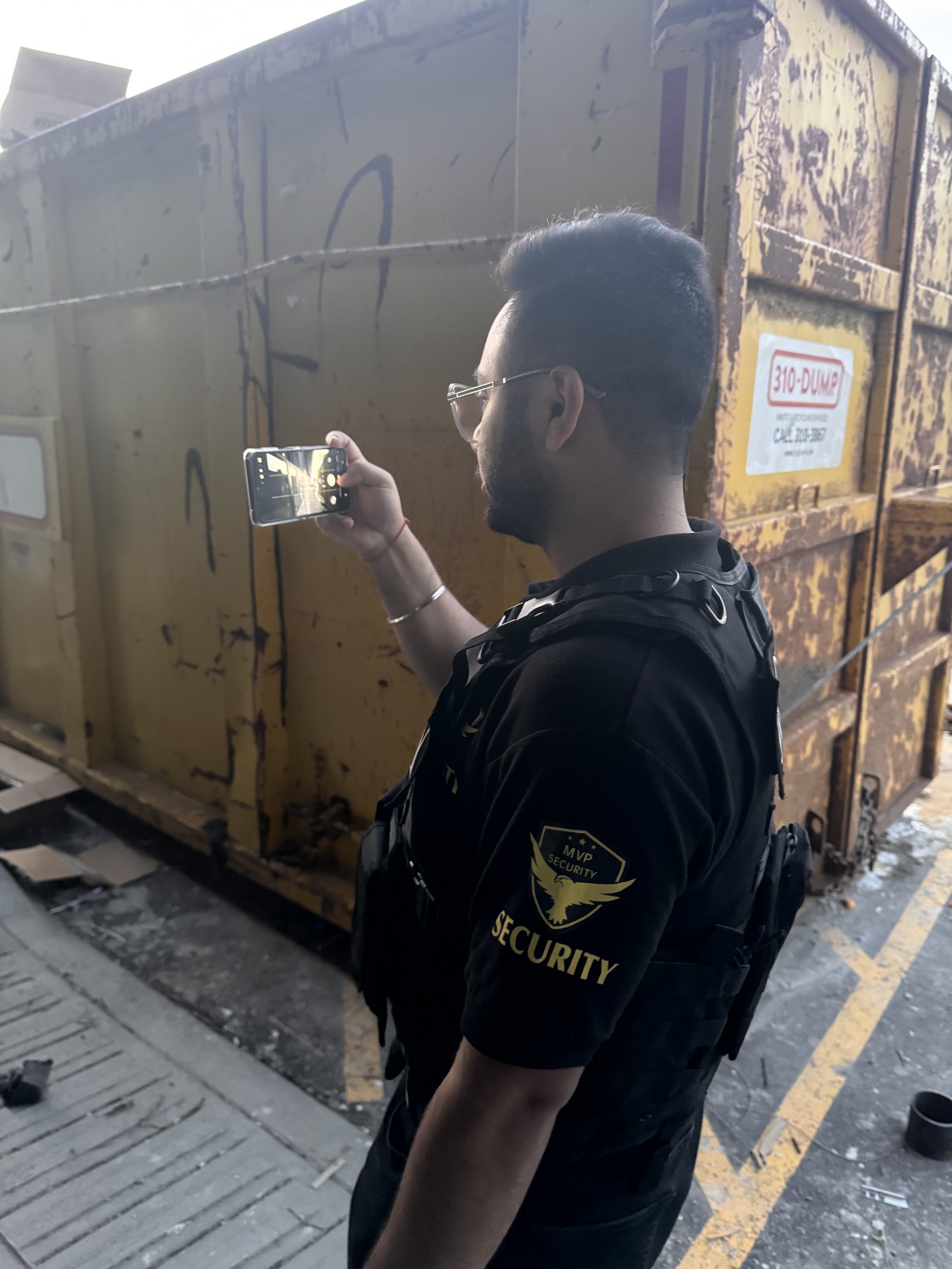
That gives clients more than a generic report that says a patrol was completed. It creates a timestamped record tied to an actual visit. Depending on the reporting setup, it may also include photos, incident notes, lock and gate checks, activity observations, and confirmation that specific checkpoints were visited.
For many sites, this is where the value becomes obvious. A patrol company may promise frequent visits, but without tracked verification, clients are left relying on trust alone. GPS-backed reporting supports trust with evidence.
Why accountability matters more than promises
Security buyers in Calgary and surrounding communities are often dealing with the same recurring problems: break-ins after hours, loitering around entries, copper theft, vehicle prowling, unauthorized trades or visitors on active sites, and alarm calls that need an immediate response. In those situations, coverage gaps are not minor administrative issues. They create direct financial exposure.
GPS tracked security patrols reduce that uncertainty. If a patrol is supposed to check a fenced construction site at 11:00 p.m., 1:30 a.m., and 4:00 a.m., the client should be able to see that those visits happened. If an officer found a damaged gate or open access point, that should be documented in real time. If a trespasser was moved along or police were called, the report should show the timeline clearly.
This level of documentation also improves internal accountability on the security provider's side. Supervisors can confirm routes, identify missed checkpoints, review response patterns, and correct issues quickly. That is especially important for clients who have been disappointed by providers who were difficult to reach, slow to respond, or vague in their reporting.
GPS tracked security patrols for different property types
Not every site needs the same patrol model. That is where some buyers get tripped up. GPS tracking is useful across many environments, but the patrol design still has to match the property.
Commercial and retail properties
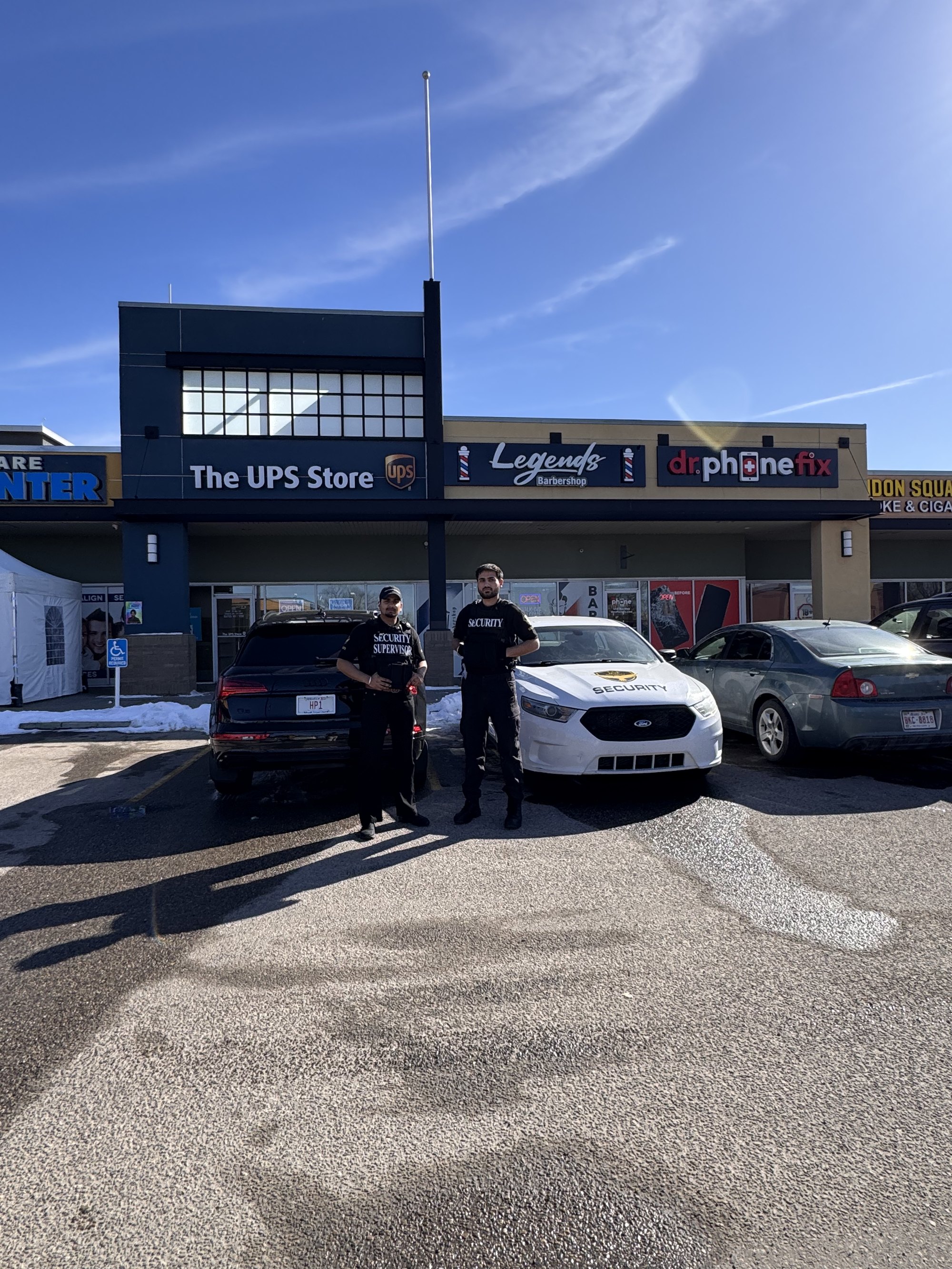
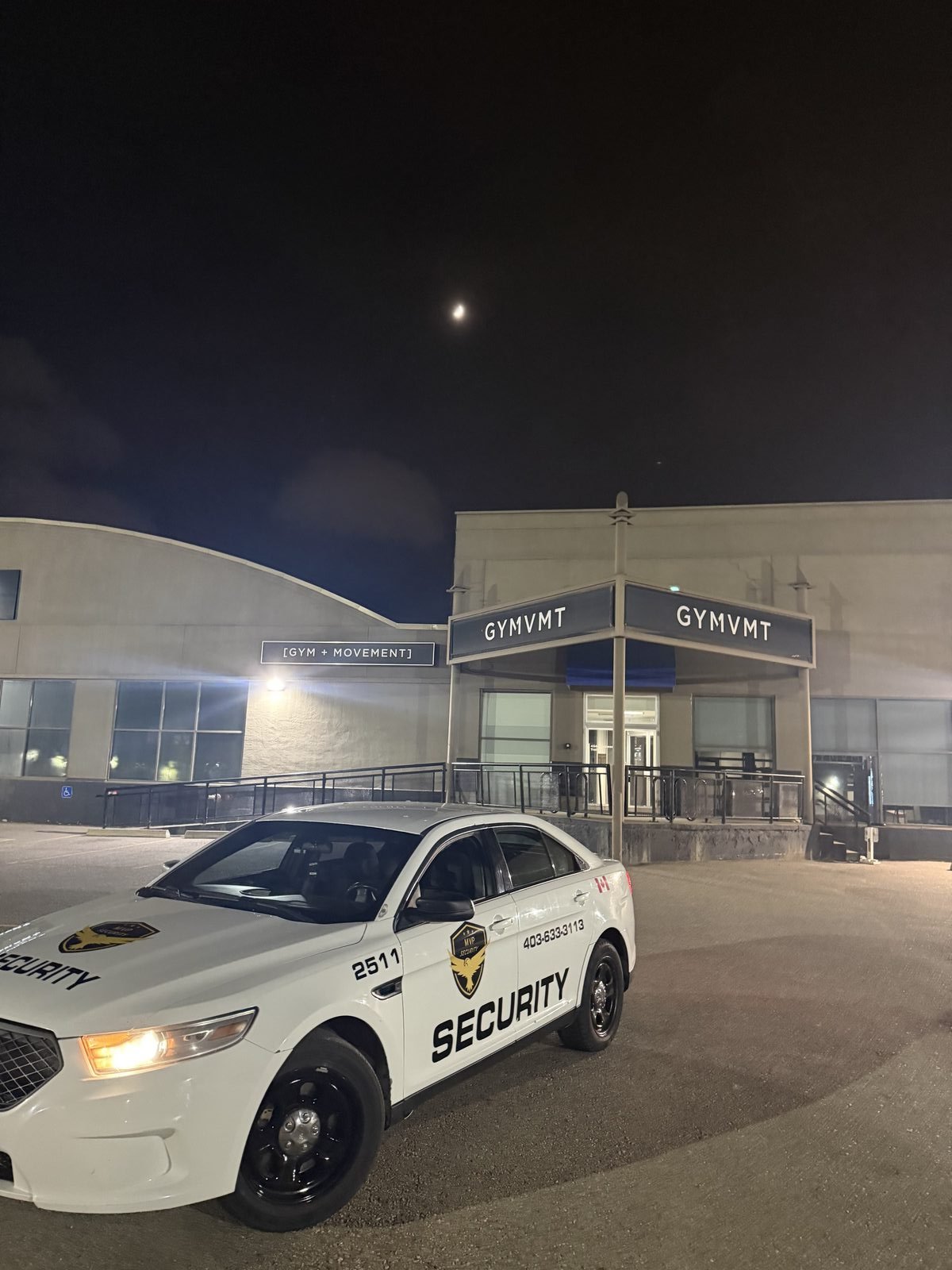
For plazas, office buildings, and mixed-use sites, patrols often focus on exterior doors, loading areas, parking lots, stairwells, and signs of forced entry or loitering. GPS tracking helps verify that the officer attended all priority areas during vulnerable hours, especially overnight and during holidays.
Construction sites
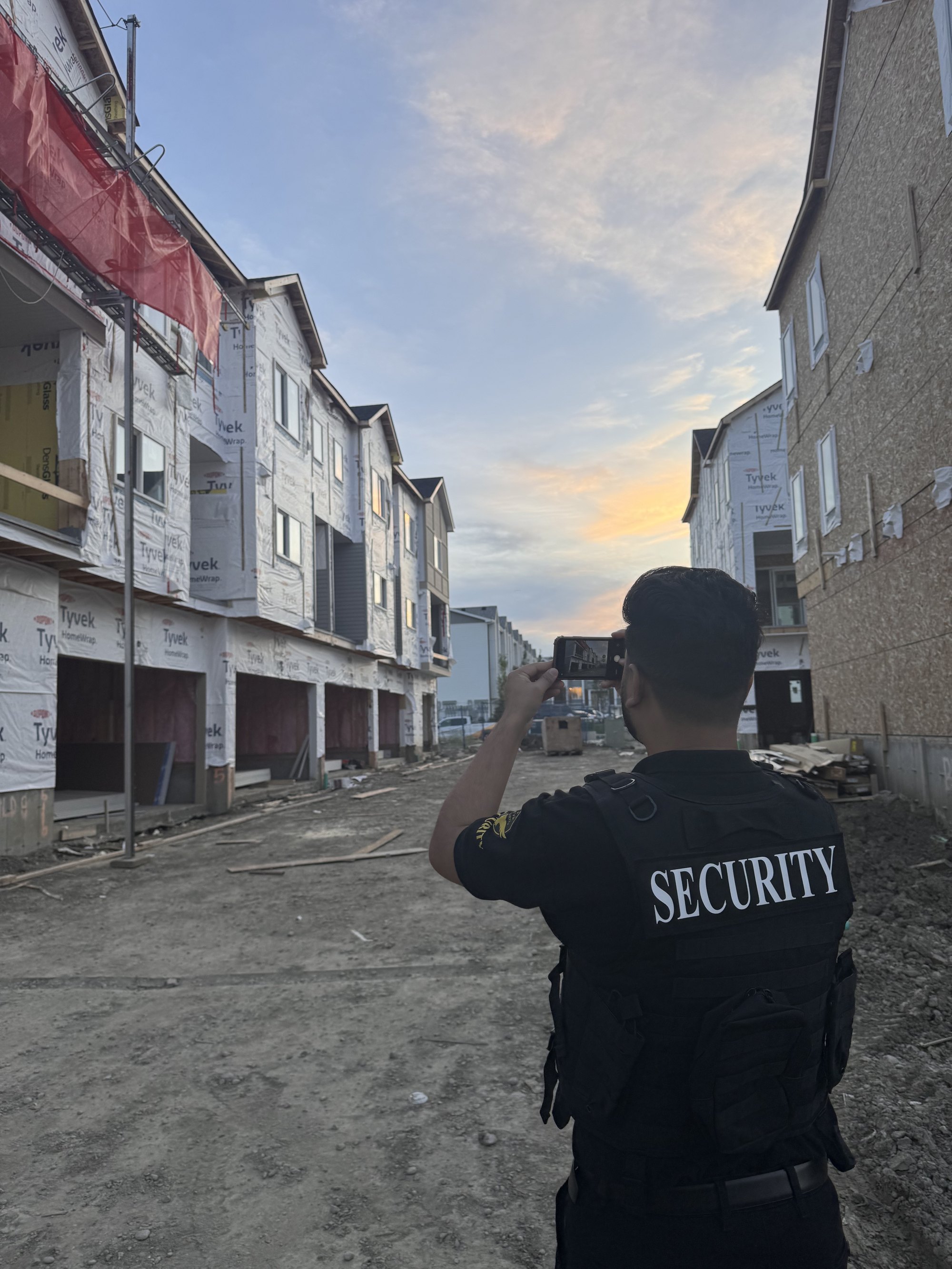
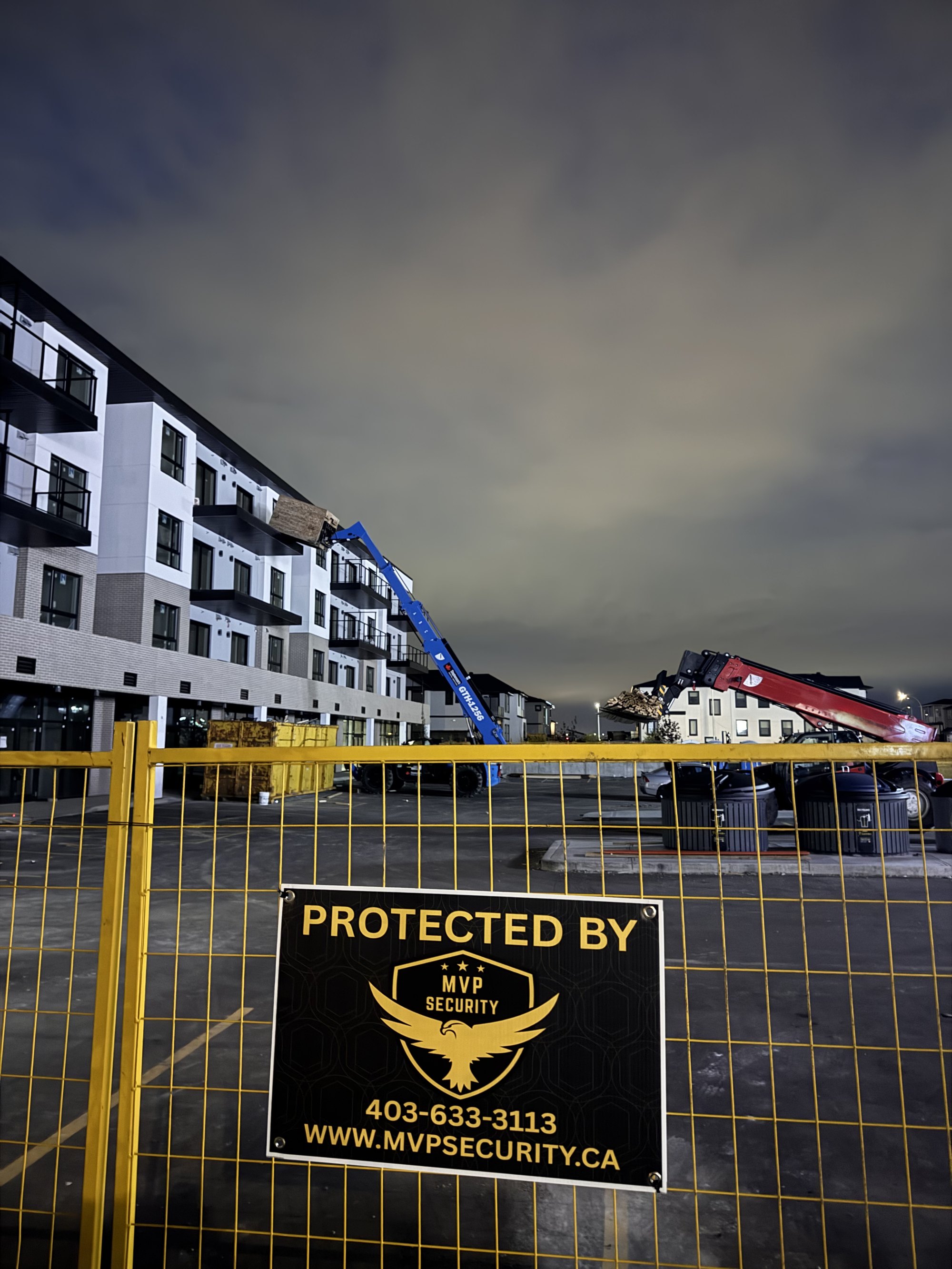
Construction security has a different rhythm. Patrols may need to focus on fencing, trailers, materials storage, heavy equipment, fuel, and access points that change as the project progresses. GPS verification is valuable here because site conditions shift quickly and clients need reliable proof that overnight checks were completed.
Condo and residential properties
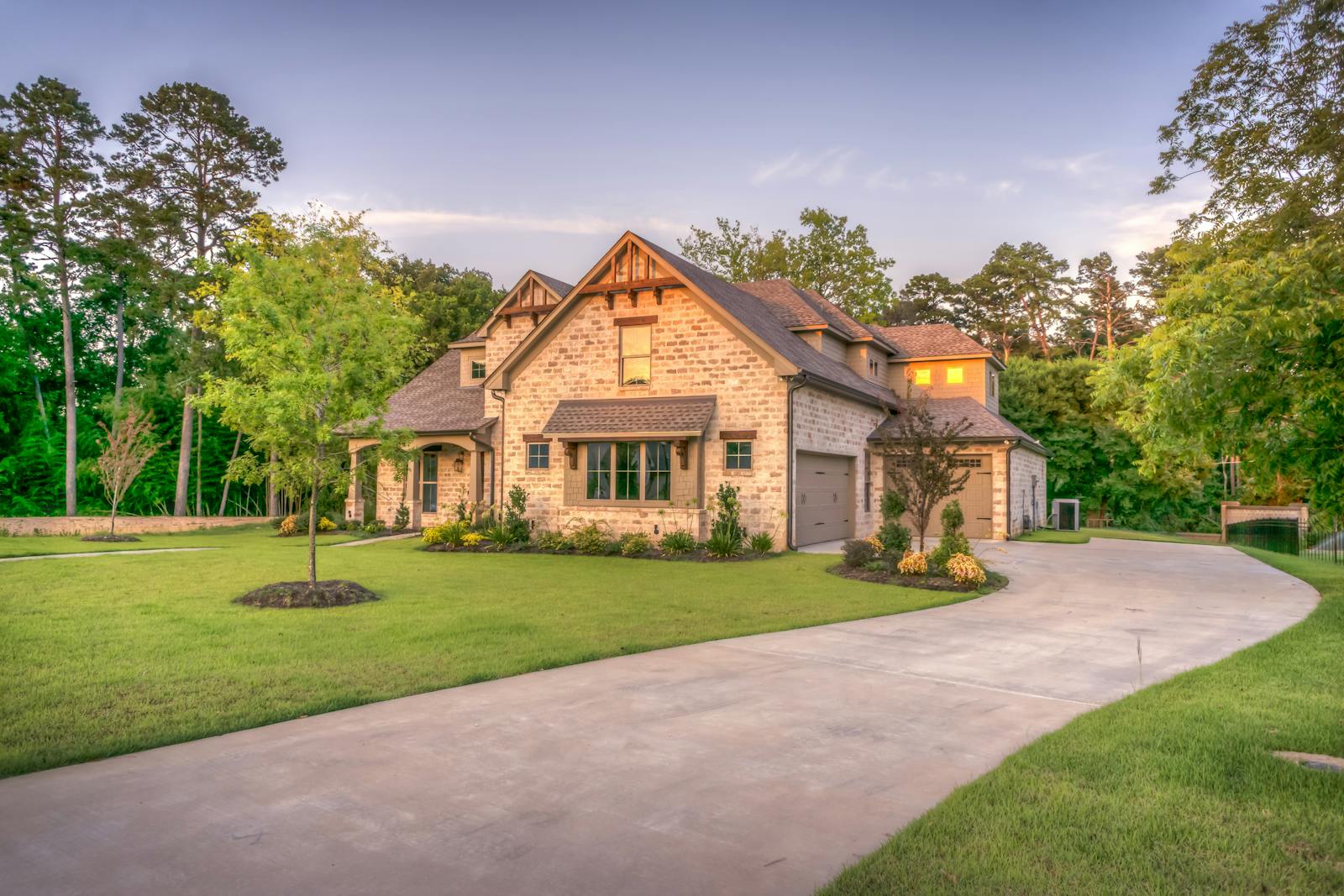
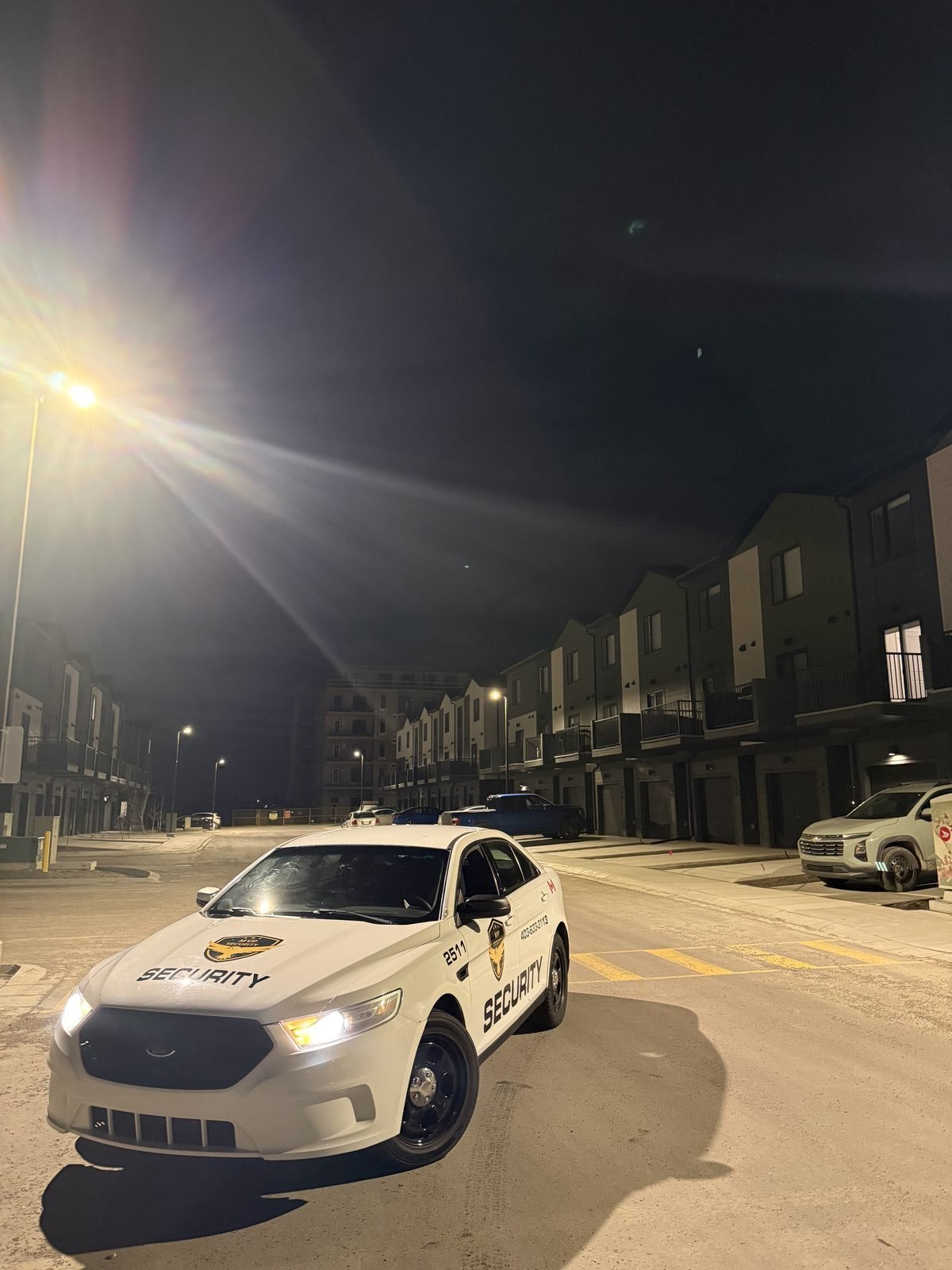
For residential buildings, the goal is usually a mix of deterrence, access control support, parking enforcement, common-area checks, and response to tenant concerns. GPS tracked patrols help building managers confirm regular attendance without needing to chase down updates.
Industrial sites and yards
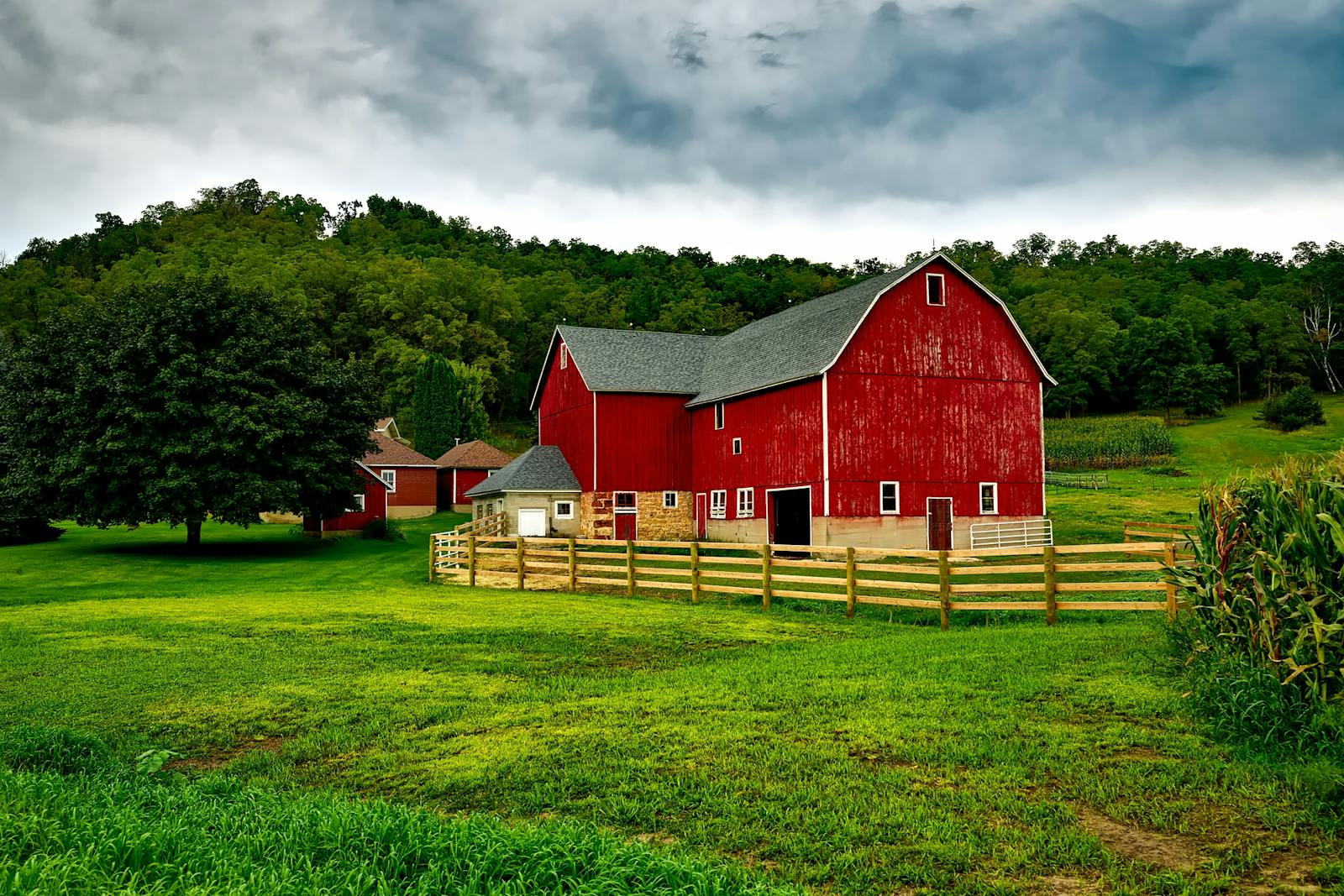
Industrial properties often require broader perimeter checks, gate security, asset monitoring, and after-hours attendance for alarm activity. In these cases, GPS data is useful, but it works best when paired with detailed incident reporting and clear escalation protocols.
Where GPS tracking helps and where it does not
GPS tracking is a strong accountability tool, but it is not a replacement for competent guards, good supervision, or a proper site plan. That distinction matters.
A tracked patrol can show that an officer was present at a location. It does not automatically mean the officer was thorough, alert, or trained to recognize site-specific risks. A weak provider with GPS is still a weak provider. The technology improves visibility, but the quality of the service still depends on licensing, training, dispatch standards, and operational follow-through.
There are also sites where GPS-tracked mobile patrols are only part of the answer. If a property has continuous access issues, frequent overnight incidents, or high-value assets exposed for long periods, a static guard or overnight dedicated presence may be the better fit. Mobile patrol works well for many locations, but not every location should rely on drive-through checks alone.
Why reporting quality matters as much as tracking
Decision-makers rarely need more raw data. They need useful reporting they can act on.
The best GPS tracked security patrols are paired with photo-documented reports that explain what was checked, what was found, and what action was taken. That helps property managers answer owner questions, support insurance or incident records, and identify patterns before they become larger losses.
For example, a report that notes repeated tampering at the same side gate over three nights is more valuable than a generic note saying patrol completed. Good reporting turns patrols into operational intelligence. It can help justify changes such as better lighting, stronger access control, revised patrol frequency, or temporary guard placement.
This is one reason many local clients prefer providers that stay closely involved in daily operations rather than routing everything through a distant call centre. The reporting needs to be timely, clear, and tied to the realities of the site.
Response time is part of the equation
Tracked patrols are most effective when they are backed by responsive dispatch. If an alarm comes in or a client requests an extra check after a break-in nearby, the ability to verify dispatch time and officer arrival is useful for both service quality and peace of mind.
For Calgary-area properties, local deployment makes a noticeable difference. Travel times, weather conditions, and neighbourhood-specific issues all affect patrol planning. A provider that knows the city and surrounding communities can usually schedule routes and react to urgent incidents more effectively than one trying to manage coverage from a broader regional model.
That local operational knowledge is part of why GPS tracking works best in a disciplined service environment. The data has to support action. If the patrol unit arrives quickly, documents the issue clearly, and escalates properly, the client gets a complete chain of accountability.
What to ask before you hire a patrol provider
If you are comparing providers, ask direct questions. How are patrol visits verified? What does the client report include? Are photos attached when needed? How are alarm responses documented? Can patrol frequency be adjusted based on incident trends or budget changes? Who reviews missed patrols or irregular activity?
You should also ask how the provider handles customization. A residential complex, a downtown commercial property, and a detached construction site on the edge of the city should not all receive the same patrol plan. GPS tracked security patrols are most useful when they are built around site-specific risks, not generic route schedules.
In Calgary, buyers also need to consider licensing, insurance, and Alberta SSIA compliance. Tracking and reporting are valuable, but they should sit on top of a compliant and professionally managed service model.
The real benefit is confidence you can verify
Most clients are not looking for flashy security features. They want to know their site was checked, their concerns were taken seriously, and any issues were documented without delay. GPS tracked security patrols support that standard because they make the work visible.
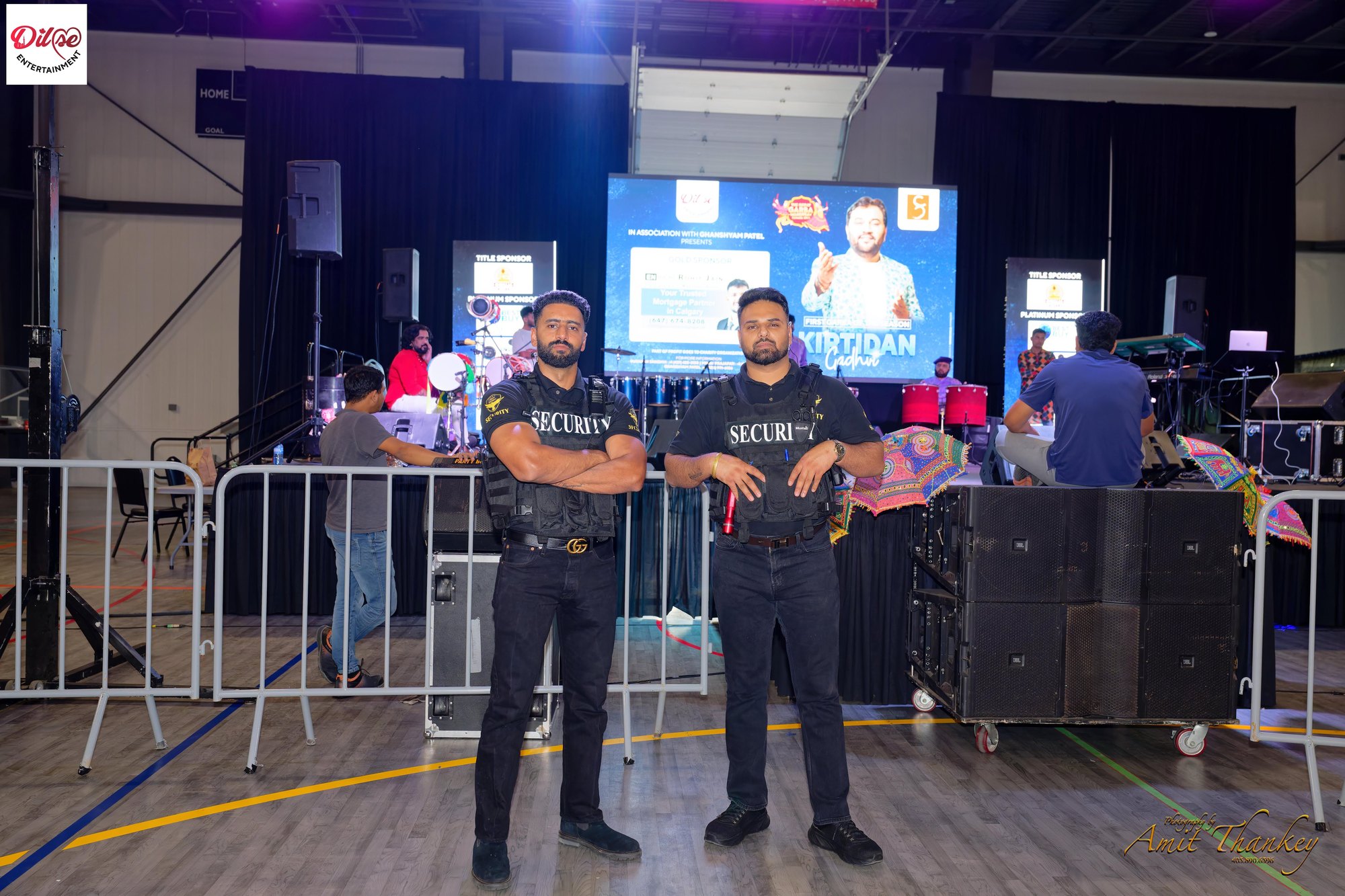
For a property manager, that may mean fewer questions from owners about whether overnight patrols happened. For a builder, it may mean better control over theft risk and after-hours access. For an event organizer or retail operator, it may mean faster confirmation when something goes wrong and a stronger record of what happened next.
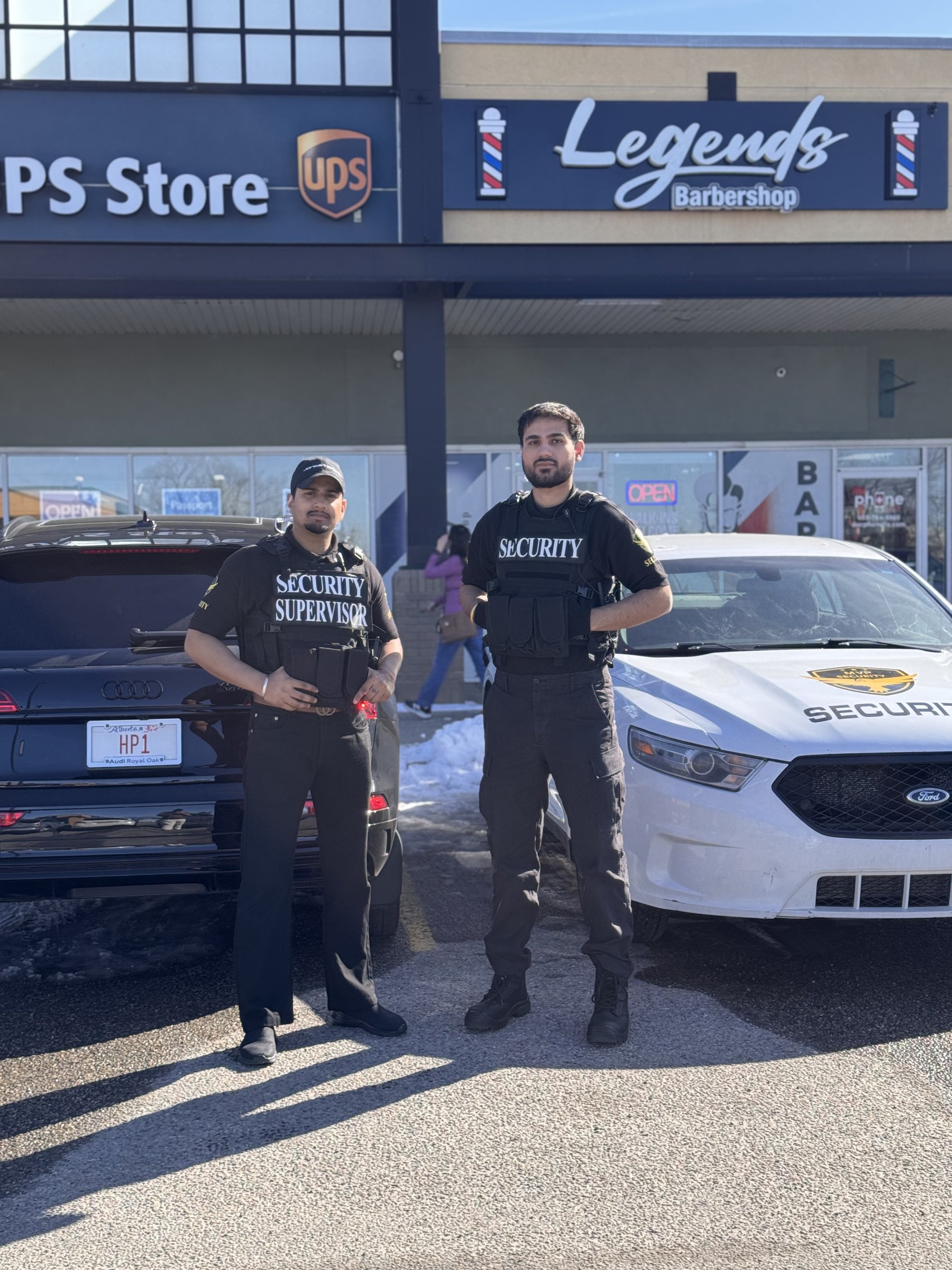
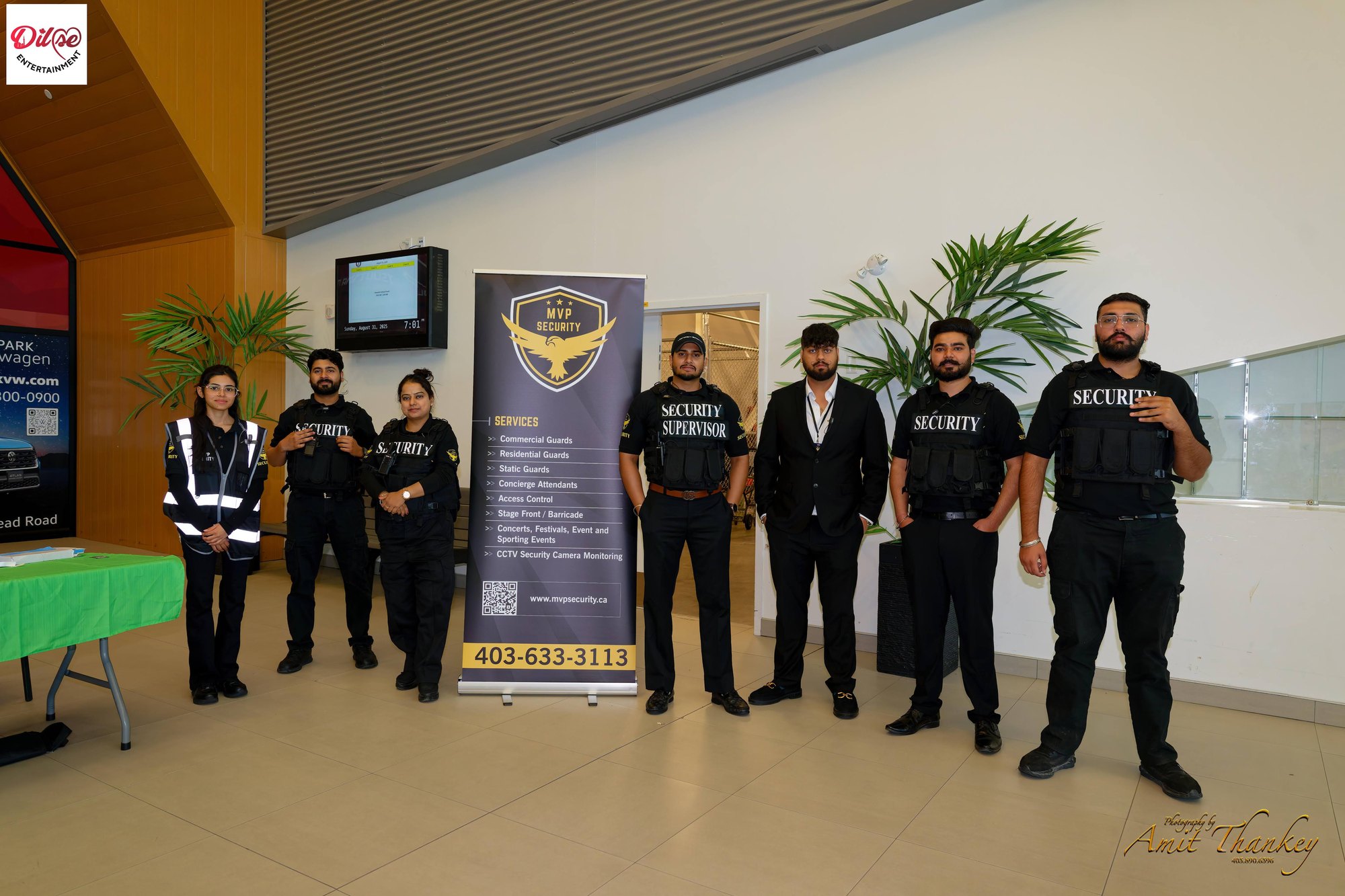
At MVP Security Inc., that kind of accountability is part of what clients should expect from a professional patrol program. When patrol attendance, reporting, and response are all documented properly, security becomes easier to manage and easier to trust.
If you are reviewing security coverage for your property, the right question is not just whether patrols are being done. It is whether you can verify that they are being done in the right places, at the right times, for the right reasons.