




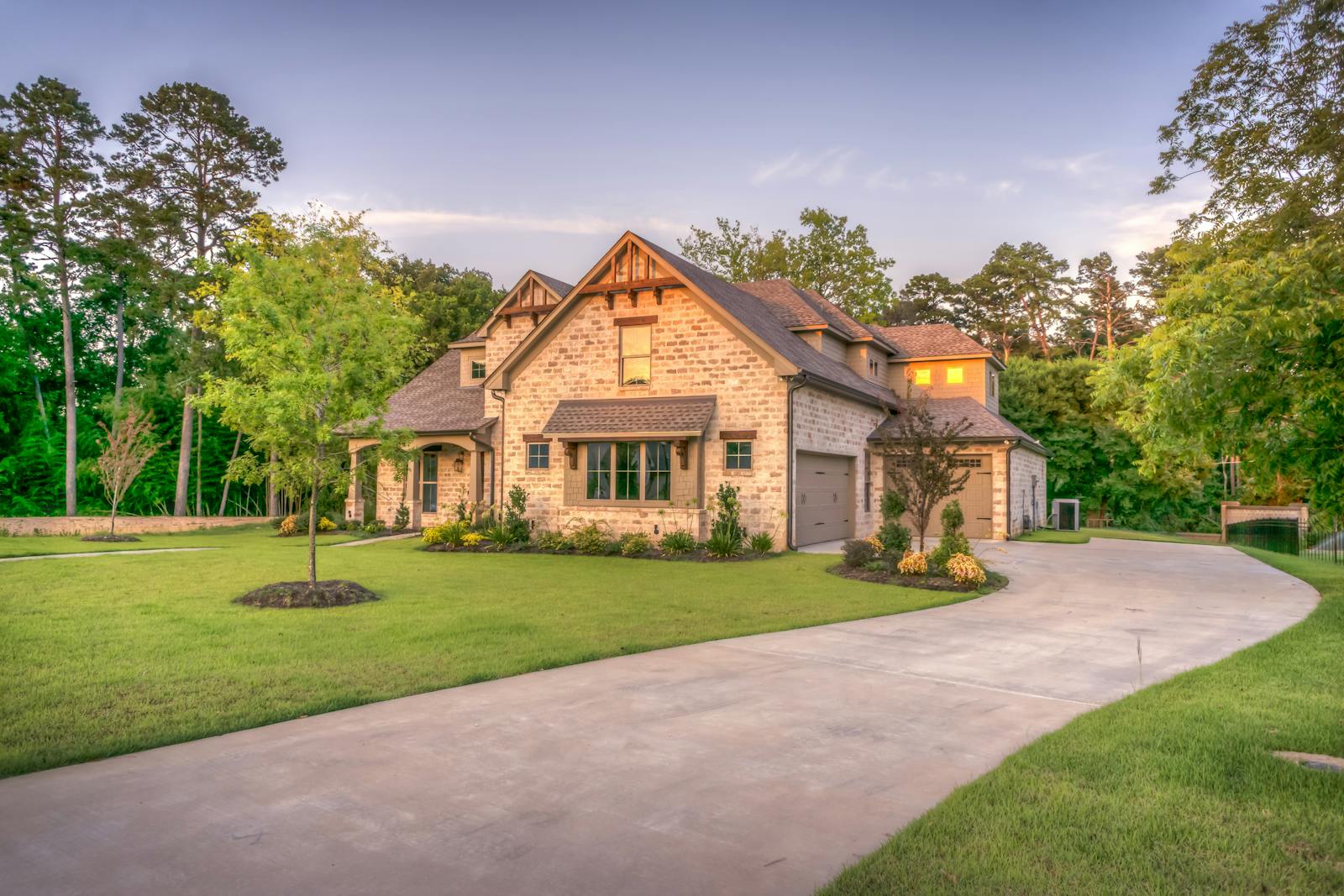


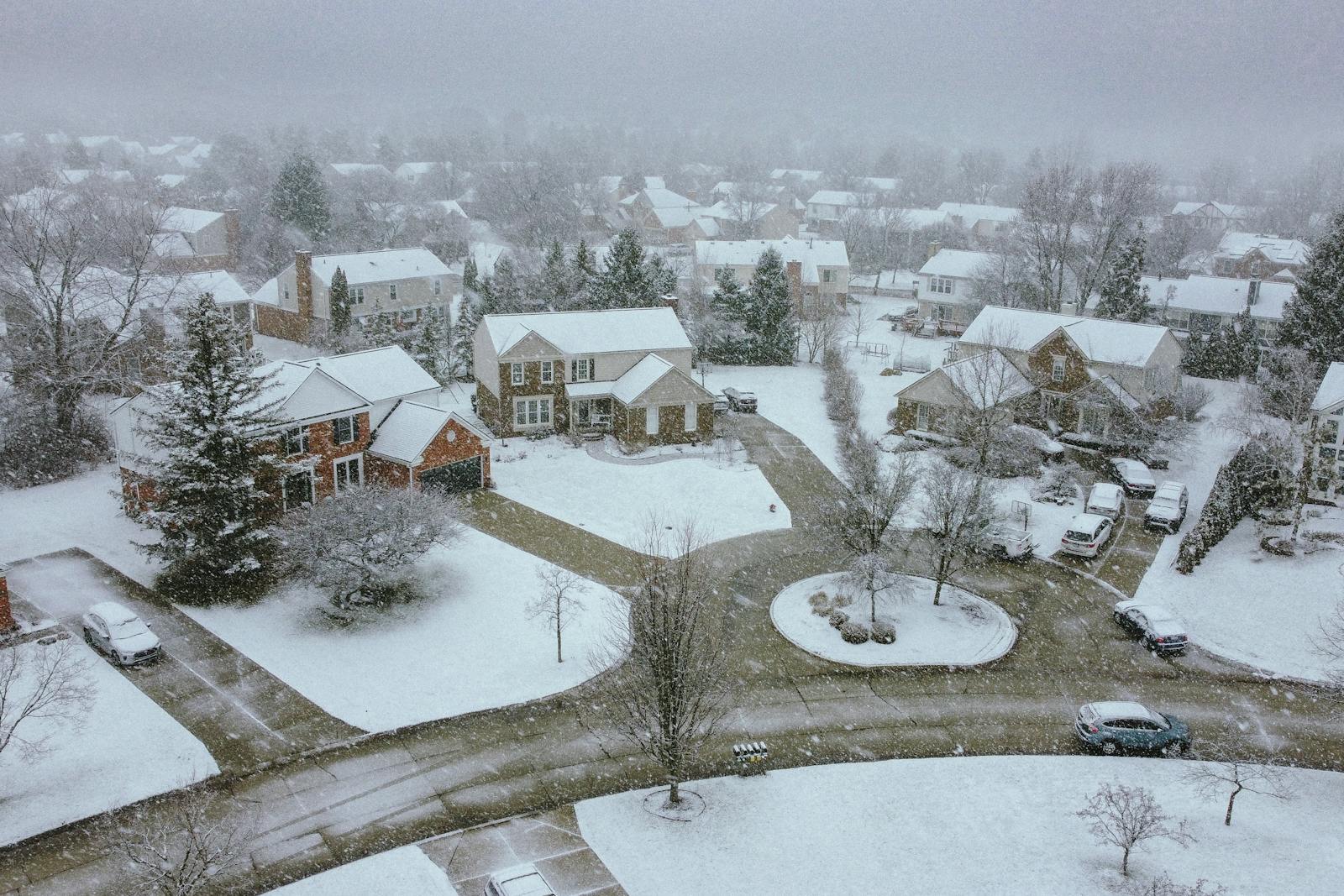





A security guard posted at the front entrance might look reassuring, but if your real problem is overnight material theft at the back fence, that coverage is already misaligned. That is exactly why site specific security planning matters. It turns security from a generic staffing exercise into an operational plan built around the actual risks, access points, schedules, and people connected to your property.
For property managers, builders, retail operators, and event organizers in Calgary and nearby communities, the gap between generic coverage and effective coverage is usually where losses happen. Theft, vandalism, trespassing, after-hours access, nuisance activity, and delayed incident response rarely occur in a neat, predictable way. They happen in the weak spots of a site. A proper plan identifies those weak spots first, then assigns the right mix of guard presence, patrol patterns, reporting, escalation, and response times to address them.
What site specific security planning really means
Site specific security planning is the process of designing security coverage around one location's real operating conditions rather than using a standard guard template. That includes the layout of the property, hours of activity, type of visitors, existing cameras or alarm systems, known incident history, lighting conditions, access points, vulnerable assets, and the level of deterrence required.
In practice, this means a construction site near a main road needs a different security program than a downtown residential tower, and both need something different from a weekend event venue. Even two similar properties may require different approaches if one has repeated break-ins, poor perimeter control, or a higher volume of contractor traffic.
A useful plan does not stop at identifying risks. It gives guards clear post orders, sets patrol priorities, outlines incident response procedures, and defines what must be documented on every shift. That level of direction improves consistency, especially across overnight coverage, rotating personnel, and urgent dispatch situations.
Why generic security coverage often falls short
Generic coverage usually looks fine on paper. One guard, set hours, occasional patrols. The issue is that sites do not fail on paper. They fail in the details.
A retail plaza may need visible parking lot patrols during evening hours to deter loitering and vehicle break-ins, but it may also need stronger lockup checks at the rear service corridor where unauthorized entry actually occurs. A condo building may not need constant roaming patrols, but it may need disciplined access control, visitor management, elevator monitoring, and detailed incident reporting for property management. If the service plan does not match the property, you end up paying for presence without getting proper risk reduction.
There is also a budget trade-off. Over-securing low-risk areas wastes money, while under-securing high-risk points creates expensive gaps. Site specific security planning helps avoid both problems by putting resources where they have the most practical value.
The key parts of a site specific security plan
Every site has its own pressure points, but strong plans usually start with a practical risk review. That review looks at what needs protection, when the site is most exposed, and what type of incident is most likely. For one client, the main concern may be copper theft or equipment tampering. For another, it may be tenant safety, disorderly behaviour, or alarm response after hours.
From there, the plan should define how coverage works on the ground. That includes guard placement, patrol frequency, access control procedures, key control, opening and closing checks, response protocols, and communication expectations. If a site uses CCTV, monitored alarms, or gate systems, those tools should be part of the plan rather than treated as separate systems.
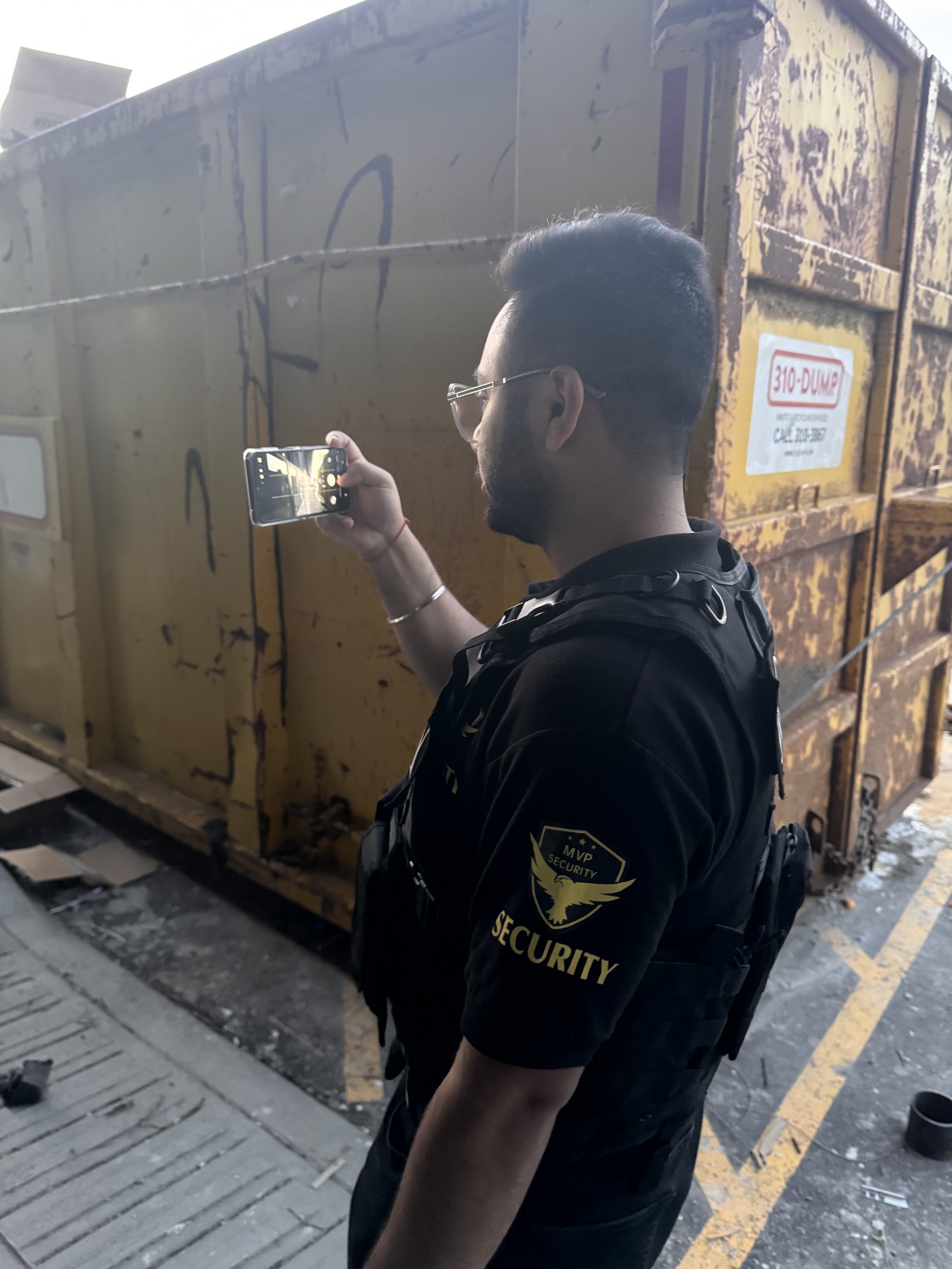
Documentation is another core piece. GPS-tracked patrol activity, photo-documented reporting, and clear incident logs matter because they create accountability. They also give site managers something more useful than verbal updates. If there is property damage, a trespass issue, or an insurance question later, those records become operational evidence.
How planning changes by property type
The biggest mistake in security planning is assuming all sites need the same kind of guard service. They do not.
Construction sites
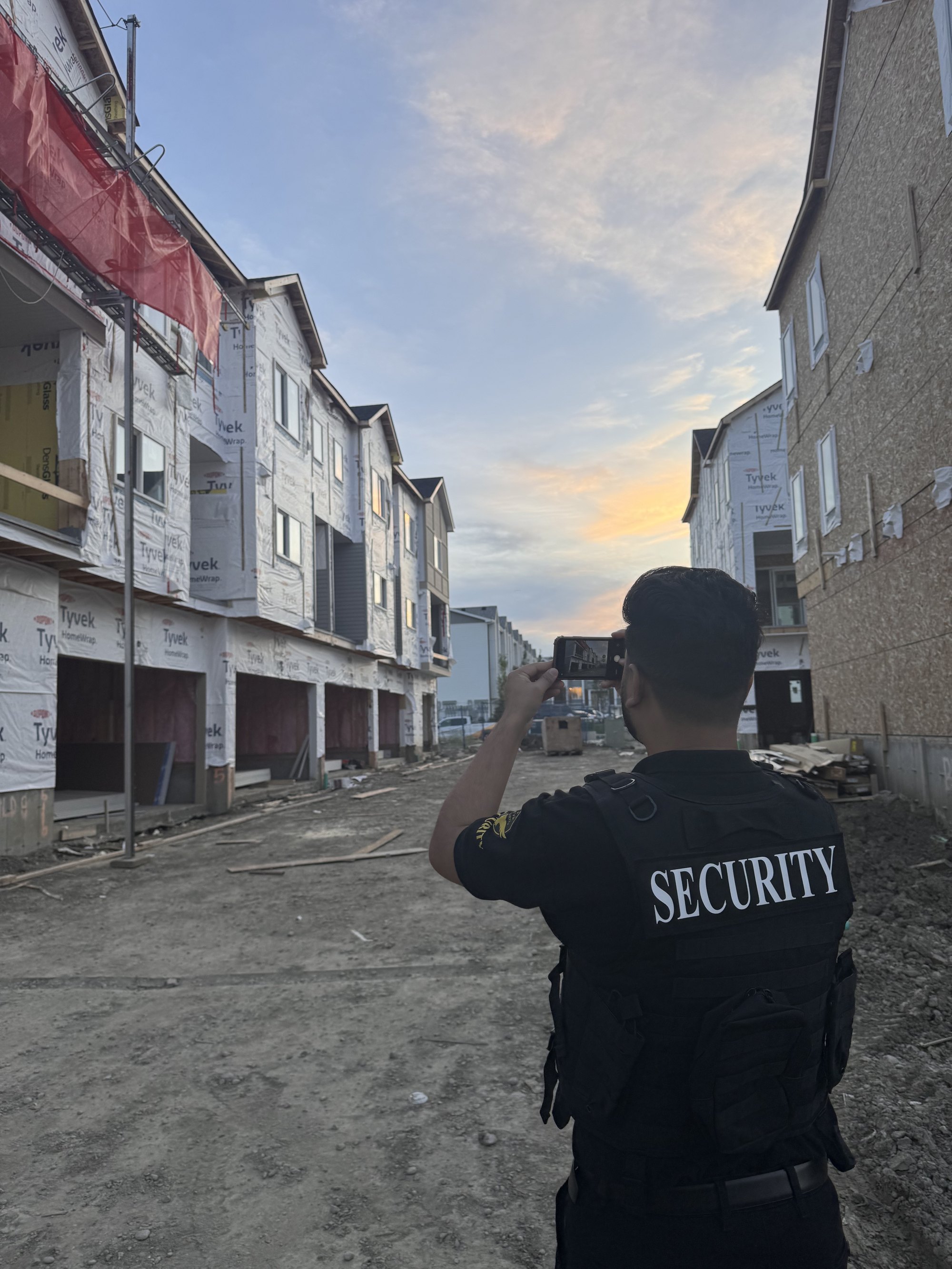
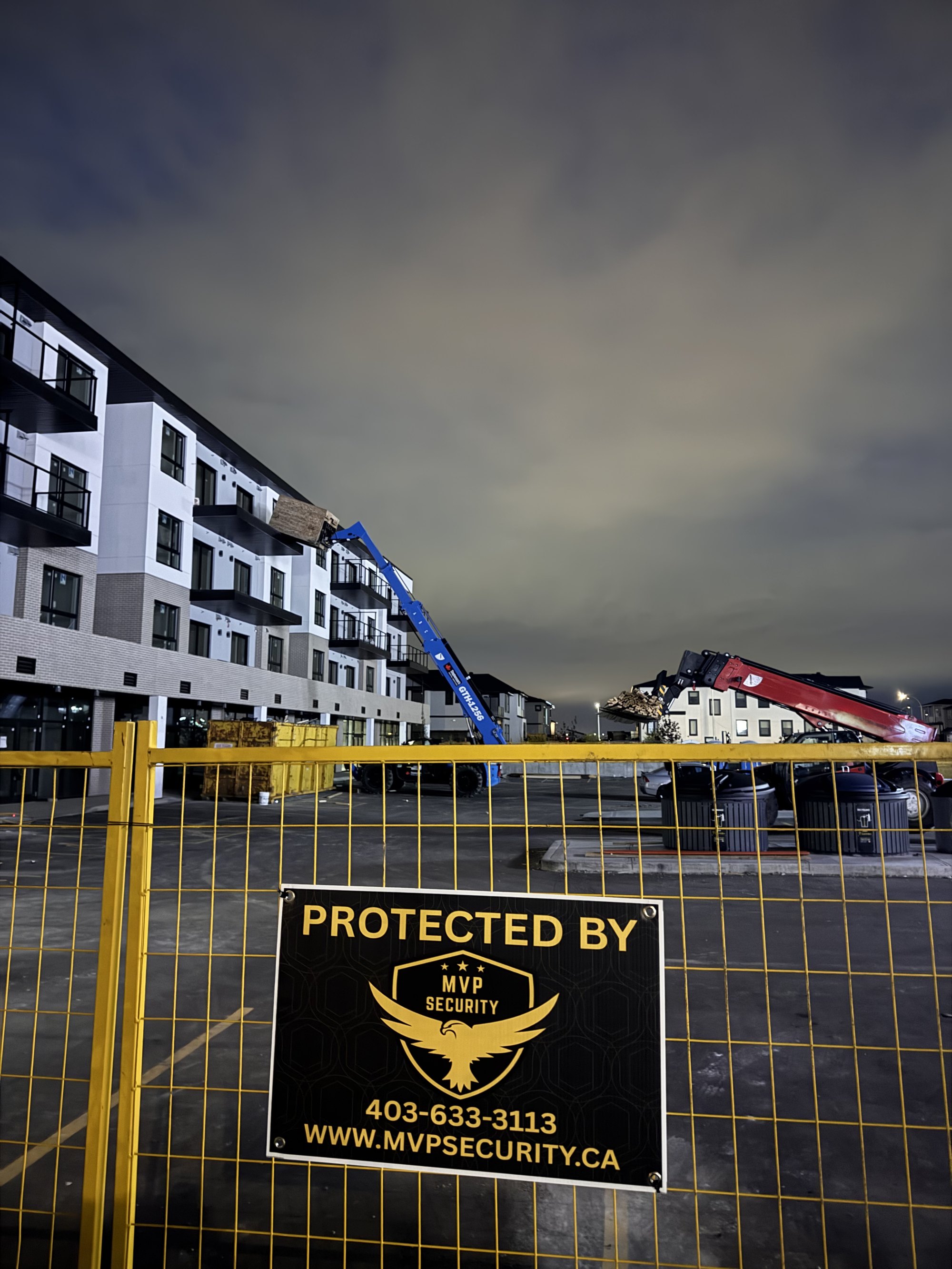
Construction environments usually deal with shifting risks. Material deliveries, changing fencing, exposed tools, temporary lighting, and subcontractor traffic all affect the security picture. Night coverage often needs a strong focus on perimeter checks, access control, suspicious vehicle monitoring, and rapid response to after-hours activity. As a project advances, those priorities can change. A partially framed site has different vulnerabilities than a nearly finished building with installed fixtures and appliances.
Commercial and retail properties
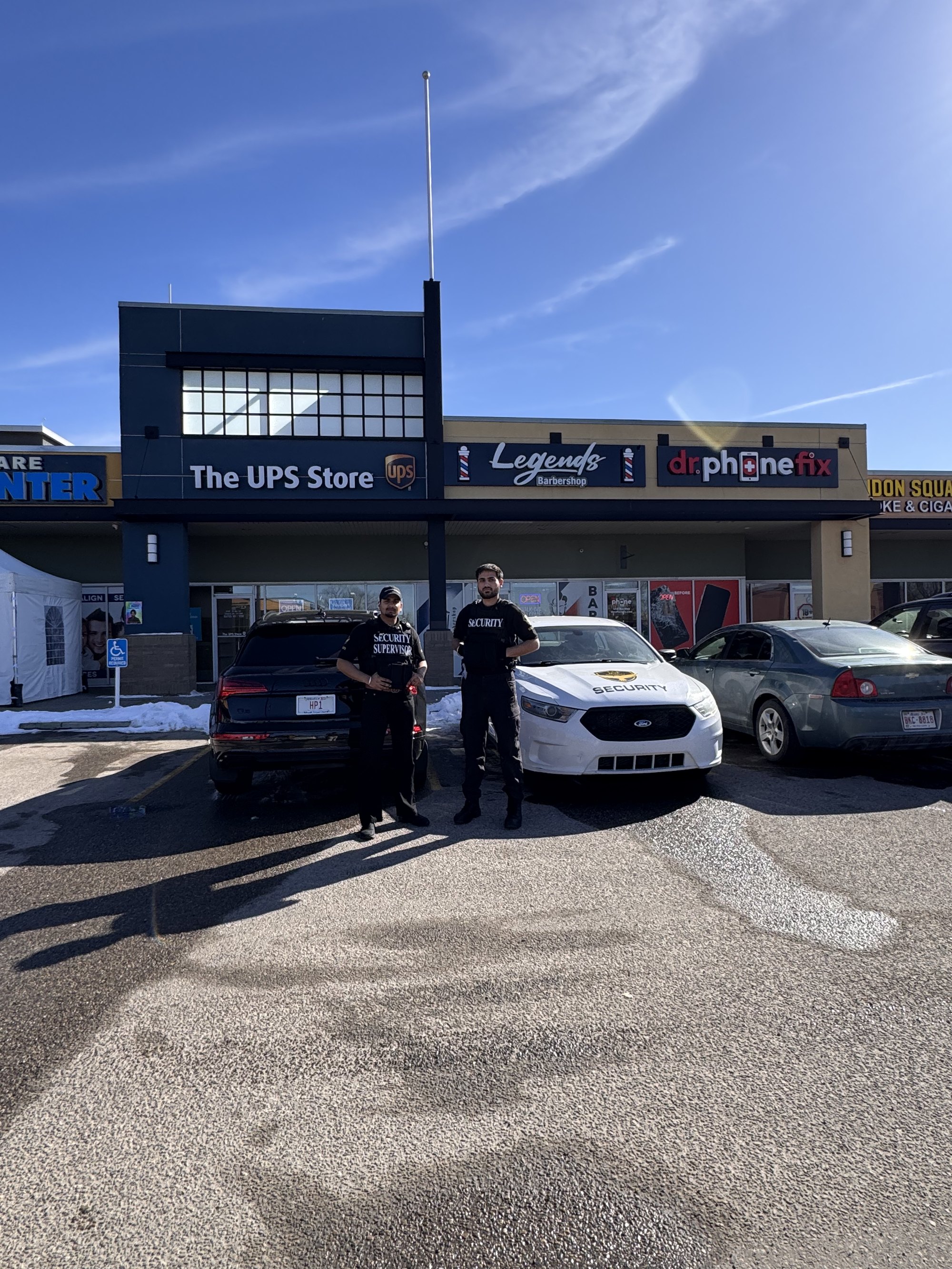
Commercial sites often need a balance between customer-friendly presence and firm control of nuisance behaviour, theft, and property misuse. In some cases, the priority is deterrence through visible patrols. In others, it is detailed reporting, lockup verification, or quick response to disturbances. Multi-tenant properties also need consistency, because one unresolved incident can affect several businesses at once.
Residential and condo buildings
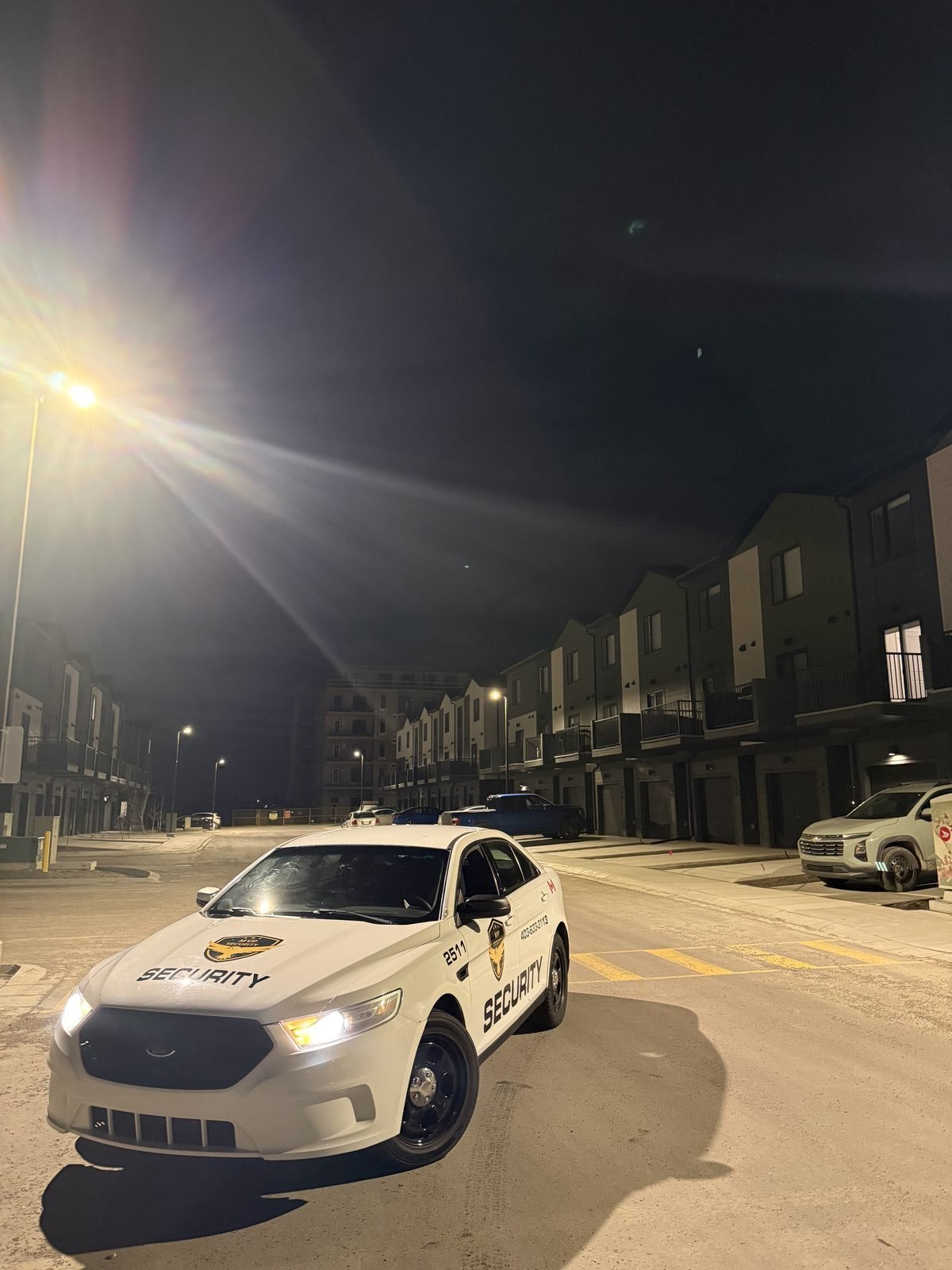
Residential properties require a more controlled approach. Guards may be handling guest access, contractor sign-in, amenity monitoring, parking issues, and resident concerns in addition to basic security duties. The right plan protects the building without creating friction for tenants. That requires good post orders, strong communication, and guards who understand the difference between presence and overreach.
Events and temporary venues
Event sites are less about static risk and more about timing, crowd flow, alcohol service, restricted zones, and emergency readiness. Entry points, bag checks, staffing density, and end-of-night dispersal all need to be planned around the event format. A simple under-staffing issue at the wrong entrance can create long lineups, frustration, and preventable safety problems.
Why local knowledge matters in Calgary-area security planning
A site plan should reflect local operating reality, not just a generic industry checklist. In Calgary and surrounding municipalities, that includes weather exposure, travel times, neighbourhood patterns, site isolation, and municipal-by-municipal differences in traffic flow and access challenges.
Response planning for a busy commercial property in Calgary is not the same as overnight coverage for a more isolated industrial yard in High River or a residential site in Cochrane. The site may need different patrol timing, different escalation procedures, or different support arrangements for alarm calls and mobile response.
This is where a local provider can offer practical value. Faster deployment, regional familiarity, and operational knowledge of surrounding communities help translate a written plan into a plan that actually works when conditions change.
Good planning improves more than security
The benefit of site specific security planning is not limited to stopping incidents. It also improves day-to-day operations.
When guards have clear instructions tied to the property, there is less confusion on shift handoff, fewer missed checks, and more consistent communication with management. Clients know what is being covered, when patrols occur, how incidents are escalated, and what reporting they will receive. That clarity matters, especially for sites with multiple stakeholders such as property managers, ownership groups, tenants, or project supervisors.
It also helps when coverage needs to scale. If a site suddenly needs added overnight protection, fire watch, event support, or emergency deployment after an incident, a defined plan makes that adjustment faster and cleaner.
What decision-makers should ask before approving coverage
If you are reviewing security proposals, the main question is not how many guards are being offered. The better question is whether the provider understands your site well enough to explain why that coverage is structured that way.
A credible security partner should be able to speak clearly about your risk points, expected incident types, reporting standards, patrol logic, and response procedures. They should also be honest about trade-offs. Some sites need static guards because deterrence is the priority. Others get better value from mobile patrols, alarm response, or a blended model. It depends on the property, the hours at risk, and the consequences of a missed incident.
That is also why the planning stage should never feel like a formality. It is where service quality is decided. A company that takes time to build clear post orders and property-specific instructions is usually far more reliable than one that simply promises coverage and sends a uniform.
At MVP Security, that planning process is part of how effective coverage gets built in the first place. The goal is not to place a guard and hope for the best. It is to provide licensed, documented, site-aligned protection that matches the realities of the property.
If your current security program feels generic, inconsistent, or reactive, the issue may not be staffing alone. It may be that the site was never planned properly to begin with, and fixing that usually changes the results faster than adding more hours ever will.