









A fire alarm panel goes down at 10:40 p.m., tenants are still in the building, and the question comes fast - can the site stay occupied, and what has to happen next? That is where a clear fire watch requirements Alberta guide matters. For property managers, builders, and site supervisors, the issue is not just security coverage. It is life safety, documentation, and making sure the site is monitored properly until fire protection systems are restored.
What fire watch means in Alberta
Fire watch is a temporary, continuous patrol put in place when normal fire protection measures are impaired, unavailable, or considered insufficient for current site conditions. In practice, that usually means a trained guard or designated watch person is actively monitoring a property for signs of smoke, fire, unsafe conditions, or occupant risk.
This is common when a fire alarm system is offline, sprinklers are shut down, hot work creates elevated risk, or a building is partially occupied during maintenance, renovation, or construction. The purpose is straightforward - detect a problem early, alert occupants, contact emergency services if needed, and document activity until the hazard is removed or the system is back in service.
In Alberta, the exact response can depend on the building type, occupancy, municipal fire authority direction, and the reason the system is impaired. That is why a fire watch is never just a guard standing by. It needs to be assigned, documented, and carried out with clear instructions.
Fire watch requirements Alberta guide for real sites
For most clients, the trigger is operational rather than theoretical. A panel fault, sprinkler shutdown, failed inspection item, overnight construction activity, or utility issue creates a gap in protection. Once that gap exists, the expectation is that the owner, manager, or responsible site representative acts quickly.
A proper fire watch typically includes continuous patrols of all required areas, checking exits and access routes, looking for smoke, heat, unusual odours, blocked egress, unauthorized activity, and any condition that could increase fire risk. The person performing the watch must also know what to do if a problem is found. That means escalation is part of the requirement, not an optional extra.
There is also a reporting piece. Patrol times, observations, deficiencies, and incident actions should be logged clearly. If the fire department, insurer, property owner, or general contractor asks what happened during the impairment period, there should be a documented record.
When a fire watch is usually required
The most common scenario is a fire alarm or sprinkler impairment in an occupied building. If tenants, staff, visitors, or contractors remain on site while a key life safety system is down, a fire watch is often required until repairs are completed or alternate instructions are provided by the authority having jurisdiction.
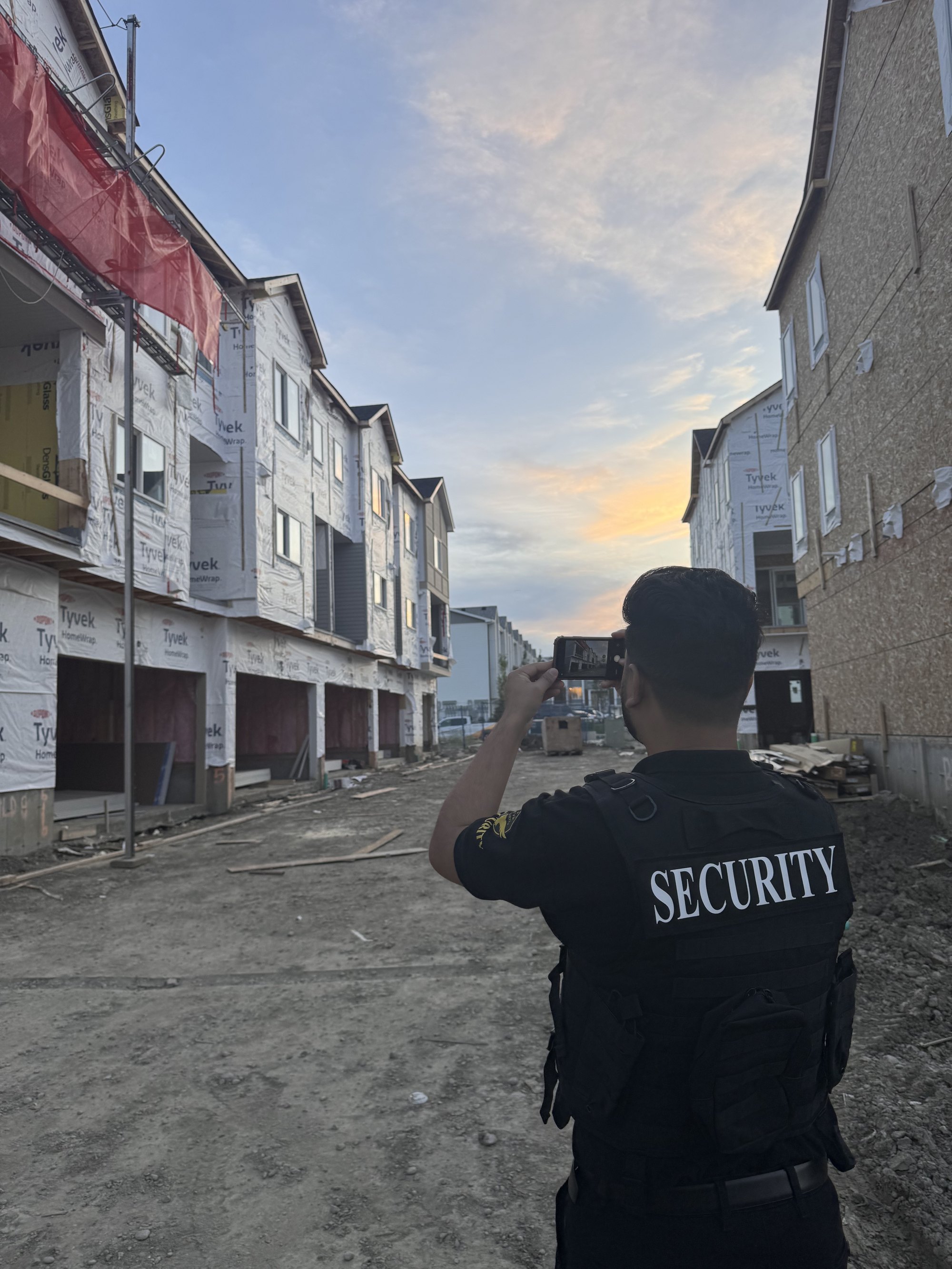
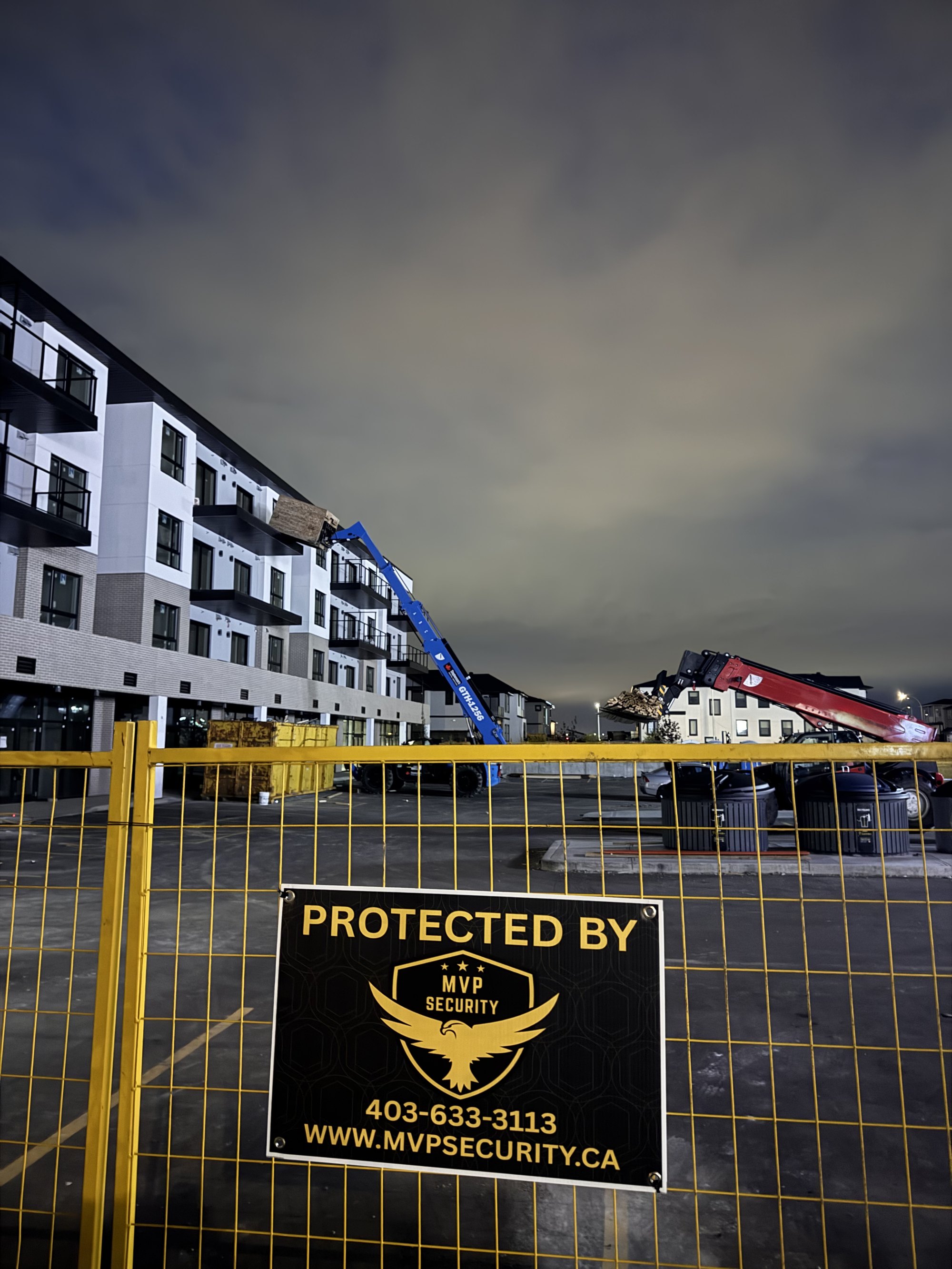
Construction and renovation sites are another regular case. A building under active work may have portions of its systems offline, temporary partitions in place, changing access routes, and trades performing higher-risk tasks. In those environments, a fire watch helps bridge the gap between changing site conditions and the permanent systems that are not fully active yet.
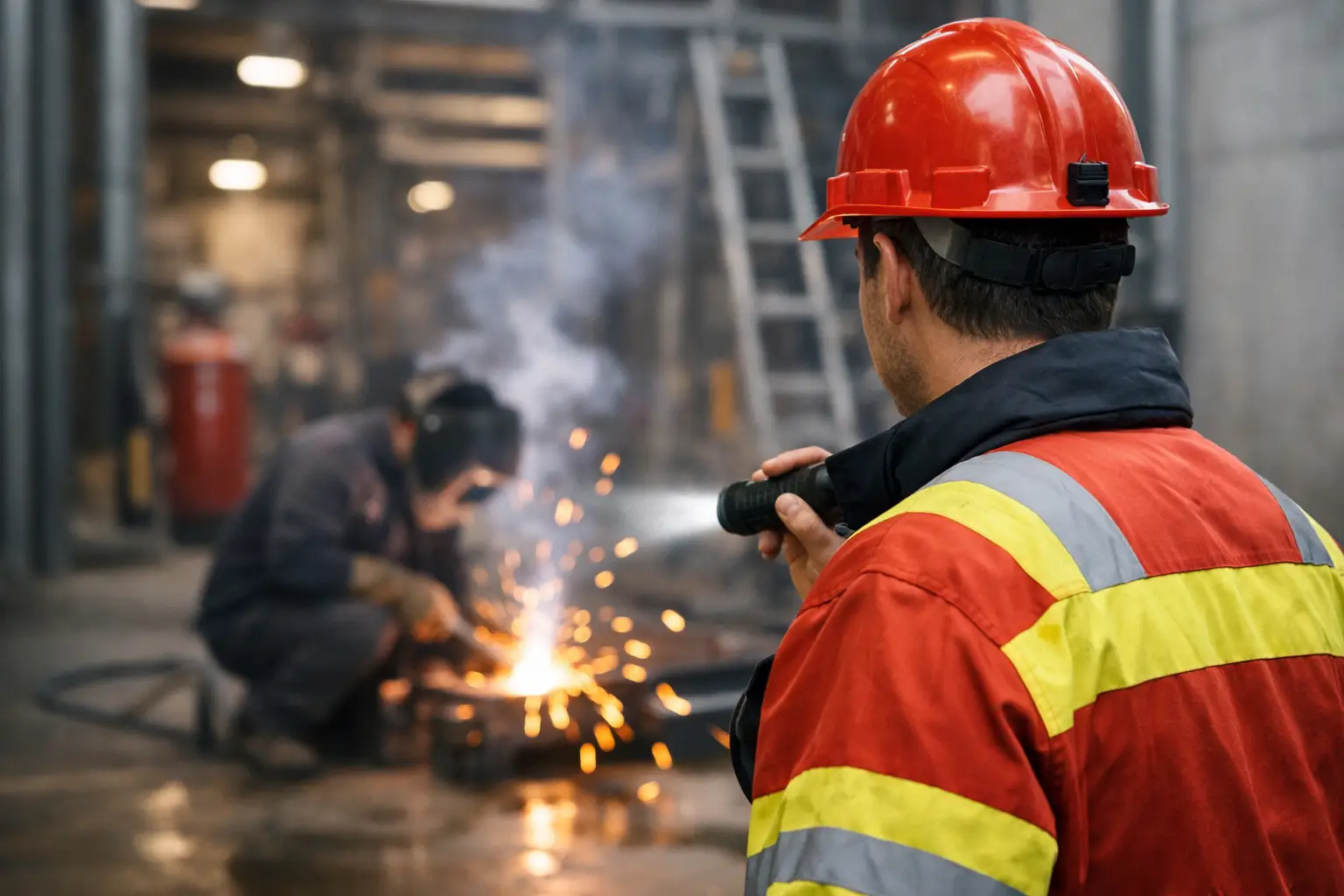
Hot work can also trigger fire watch responsibilities. Welding, cutting, torching, and similar activities can create ignition hazards that continue after the work itself stops. In those cases, the watch may be required during the work and for a period after, depending on the task, site rules, and permit conditions.
There are trade-offs here. A small vacant shell building with no public access may not be managed the same way as a fully occupied residential tower or a busy commercial property. The risk profile, occupancy, and impairment details matter.
Who is responsible for arranging fire watch
The responsibility usually sits with the party controlling the property or work area. That can mean the building owner, property manager, site superintendent, project manager, or tenant, depending on the situation. What does not change is the need for prompt action.
Waiting until the next morning because the issue started after hours can create unnecessary exposure. If a system is down overnight, the gap exists overnight. That is why responsive deployment matters. In many cases, the site needs coverage the same day, sometimes within hours.
For clients managing multiple stakeholders, clarity is critical. If the fire alarm vendor is handling repairs, the building operator still needs to address interim monitoring. If a general contractor shut down a system for work, there should be a plan for who provides the watch, who receives reports, and who confirms when the impairment ends.
What compliant fire watch coverage should include
A practical fire watch requirements Alberta guide has to go beyond the phrase itself and look at execution. Coverage should be site-specific. One guard at a front desk is not the same as an active patrol of all floors, service rooms, stairwells, parkades, and exterior risk points.
The assigned guard should understand patrol frequency, required checkpoints, emergency contacts, evacuation procedures, and how to communicate a problem without delay. They should also know the boundaries of the role. Fire watch is about active monitoring and rapid reporting, not performing repairs or making technical decisions on life safety equipment.
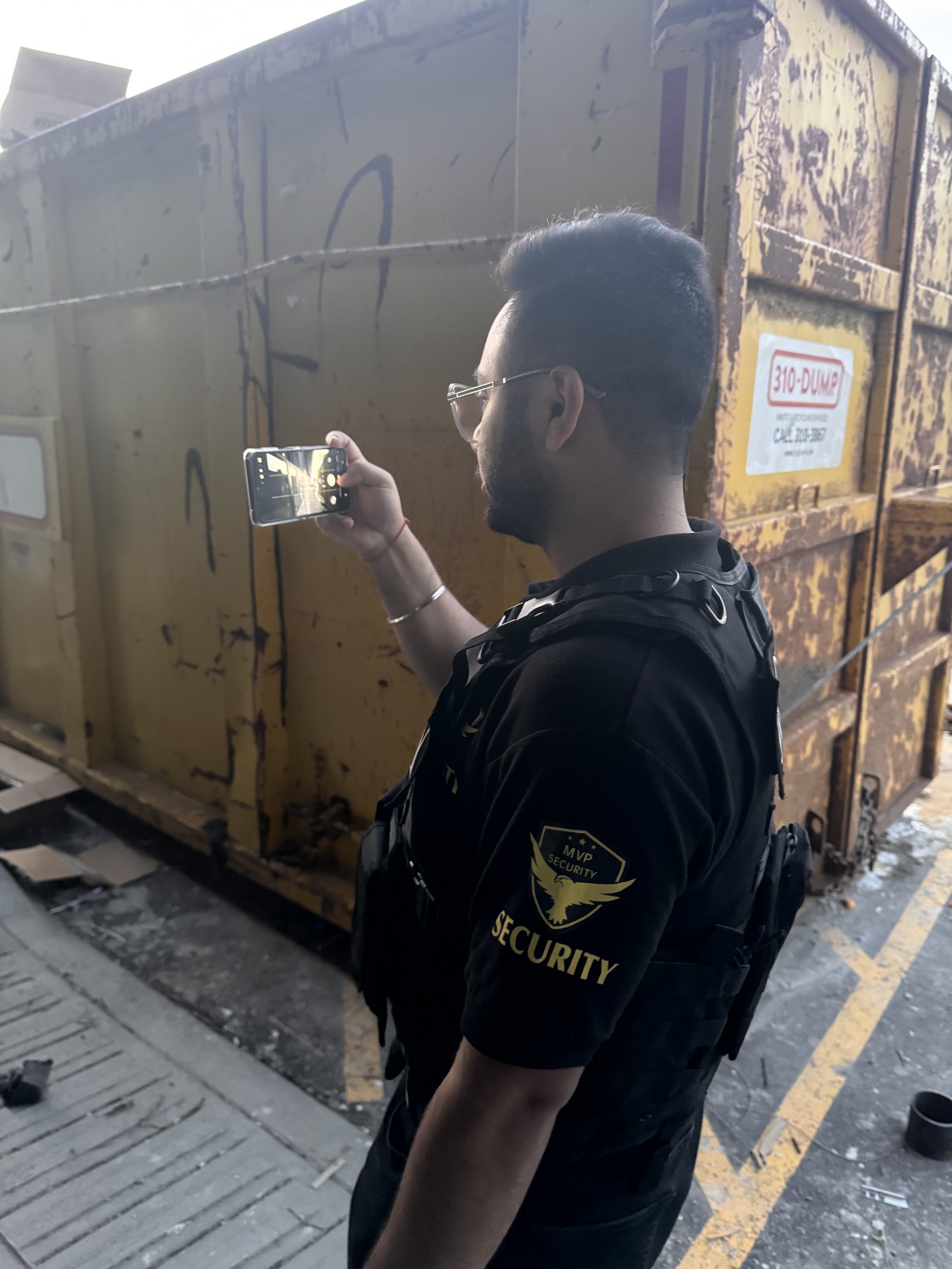
Documentation should be consistent and time-stamped. For higher-risk properties, photo-supported reporting and supervisor oversight add another layer of accountability. This is especially useful on construction sites, multi-tenant properties, and larger buildings where the owner may need proof that rounds were completed as directed.
A licensed, Alberta-compliant guard service also matters. Fire watch may be temporary, but it is still a serious assignment tied to occupant safety and site liability.
Common mistakes that create risk
One of the biggest problems is assuming any security presence counts as fire watch. It does not. If the guard is focused on access control, concierge tasks, or general overnight security without dedicated fire watch instructions, the site may still be exposed.
Another issue is incomplete patrol scope. Mechanical rooms, electrical areas, basements, loading zones, roof access points, and temporary construction routes can be missed if the assignment is vague. Fires and hazards do not limit themselves to the main hallway.
Poor logs are another weak point. If records only show that a guard was on site, but not where they patrolled, when they checked key areas, or what they observed, the client is left with little support if questions come later.
Then there is the handoff problem. A system may be repaired, but unless someone verifies the impairment is cleared and the watch can end, confusion follows. Good coverage includes a clean chain of communication from start to finish.
Fire watch on construction and renovation projects
Construction environments need a more operational approach because conditions change daily. Temporary heating, stored materials, hot work, open wall cavities, unsecured access points, and shifting occupancy all affect risk. A fire watch on a project site should reflect what is happening that day, not what the site looked like last week.
That often means coordinating with the superintendent, checking active work zones, confirming whether standpipes or alarms are online, and watching for unauthorized entry after hours. On some sites, fire watch and construction security overlap. They are not identical, but they can be coordinated effectively when the assignment is planned properly.
For Calgary-area builders and project teams, local response is a practical advantage. If an impairment happens late in the day and municipal inspection or trade work pushes occupancy into the evening, fast deployment can prevent costly delays.
How to prepare before you need one
The best time to think about fire watch is before there is a panel trouble signal or an emergency call from a tenant. Properties with older systems, phased renovations, or recurring maintenance shutdowns should have a response plan already in place.
That plan should identify who authorizes coverage, who the guard reports to, what areas need patrol, how logs are delivered, and what conditions allow the watch to be discontinued. If your site has special concerns such as mobility-limited residents, restricted zones, hazardous materials, or after-hours contractor access, those details should be built into the assignment.
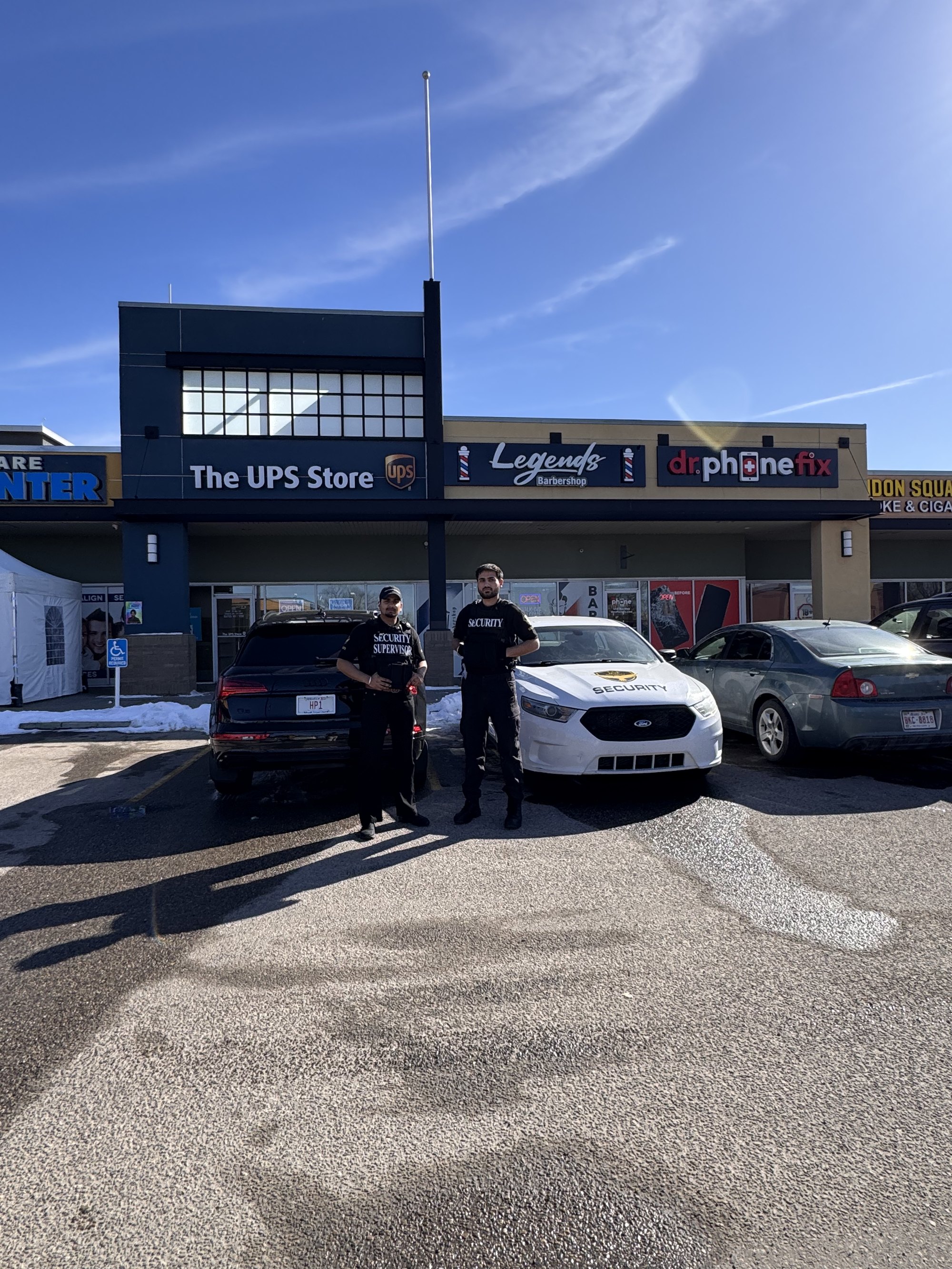
For many clients, this is where a local provider makes the process easier. A team that can deploy quickly, follow site instructions, document activity, and adjust coverage as conditions change is easier to work with than a generic call-centre model. That is particularly true when the issue starts after hours and decisions need to be made quickly.
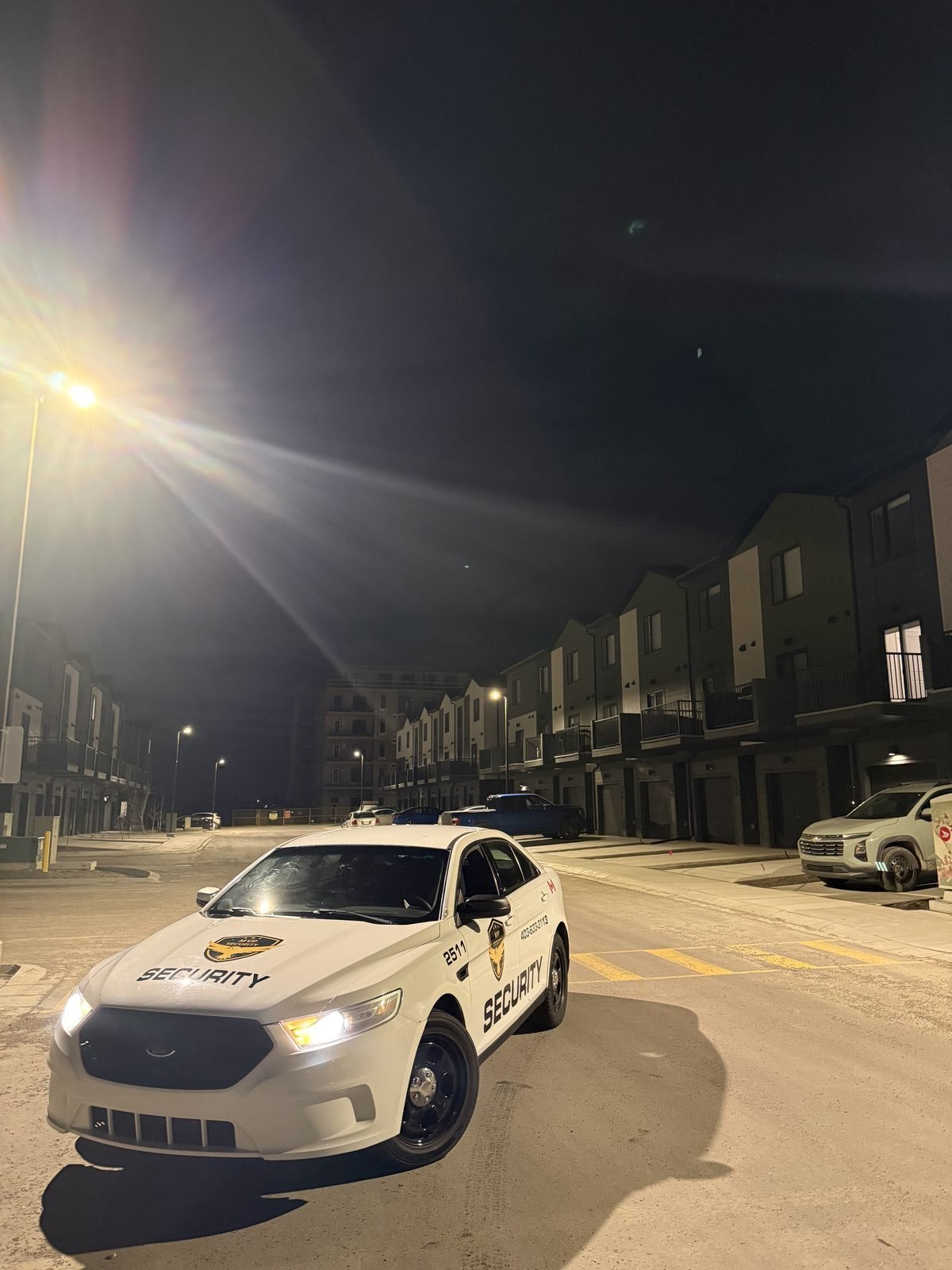
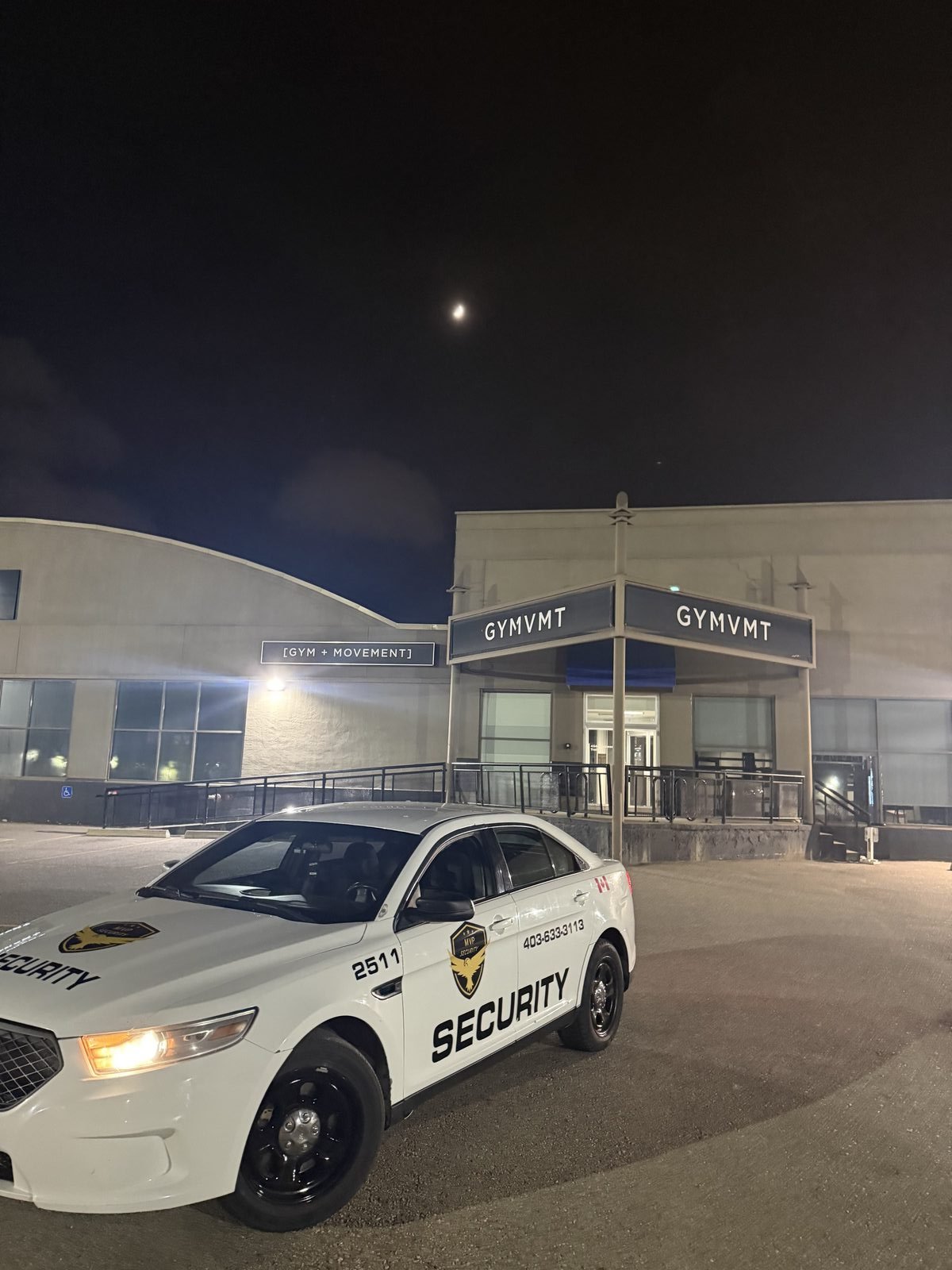
MVP Security Inc. supports this kind of coverage with Alberta-licensed guards, documented patrol activity, and site-specific deployment built around actual property conditions.
What decision-makers should ask before booking coverage
Before you arrange a fire watch, ask how patrols will be conducted, what reports you will receive, whether the guards are licensed in Alberta, and how quickly the team can attend. Also ask whether the provider has experience with your type of property. A residential high-rise, warehouse, retail centre, and active construction site all require different patrol patterns and communication.
Price matters, but under-scoped coverage can become expensive if it misses the actual requirement. The better question is whether the service matches the impairment, occupancy, and risk.
When a life safety system is down, a fire watch is not there to fill a schedule. It is there to close a serious temporary gap. The right response is clear, documented, and immediate - and that kind of readiness tends to matter most when the call comes after hours.