














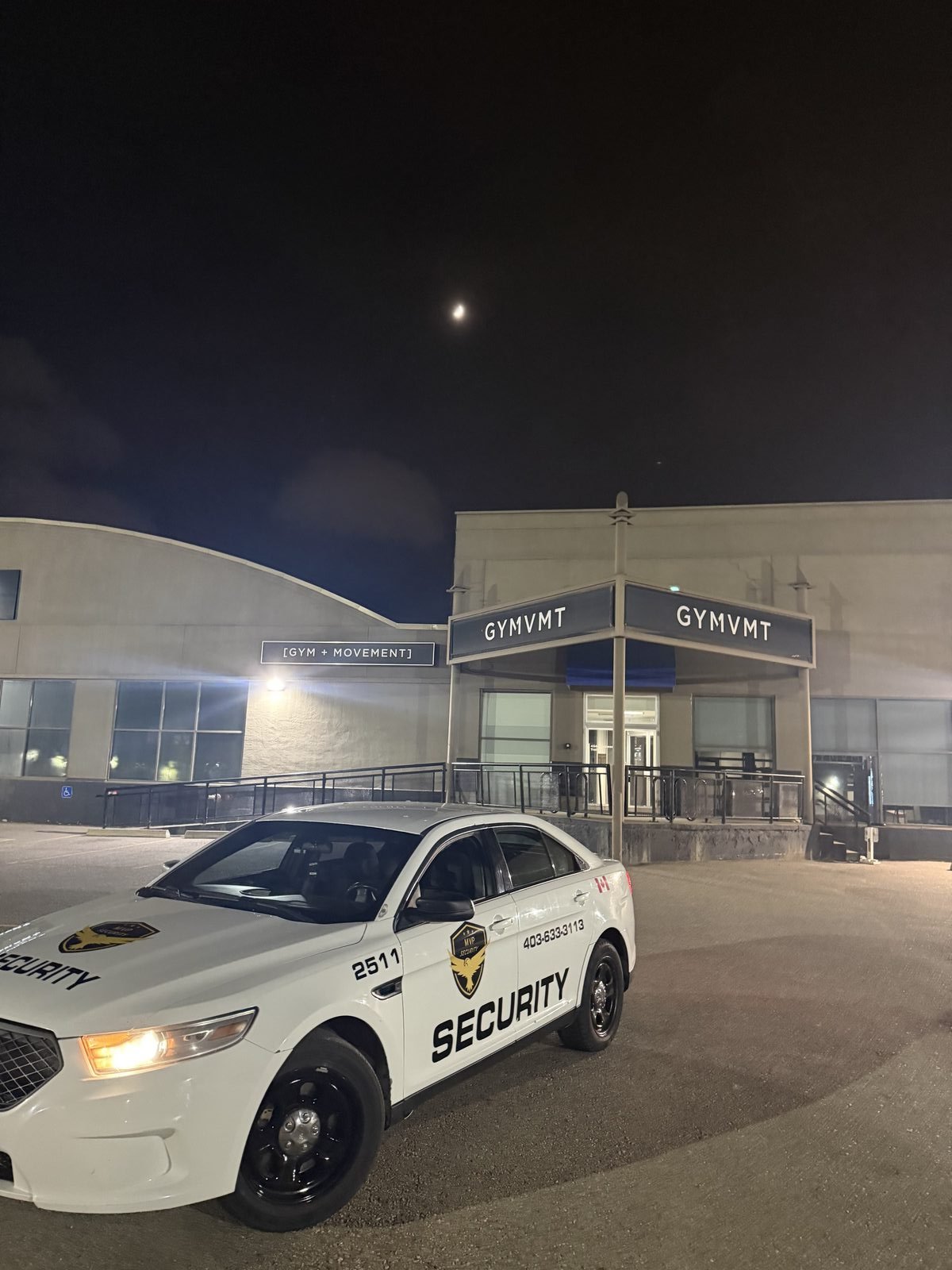
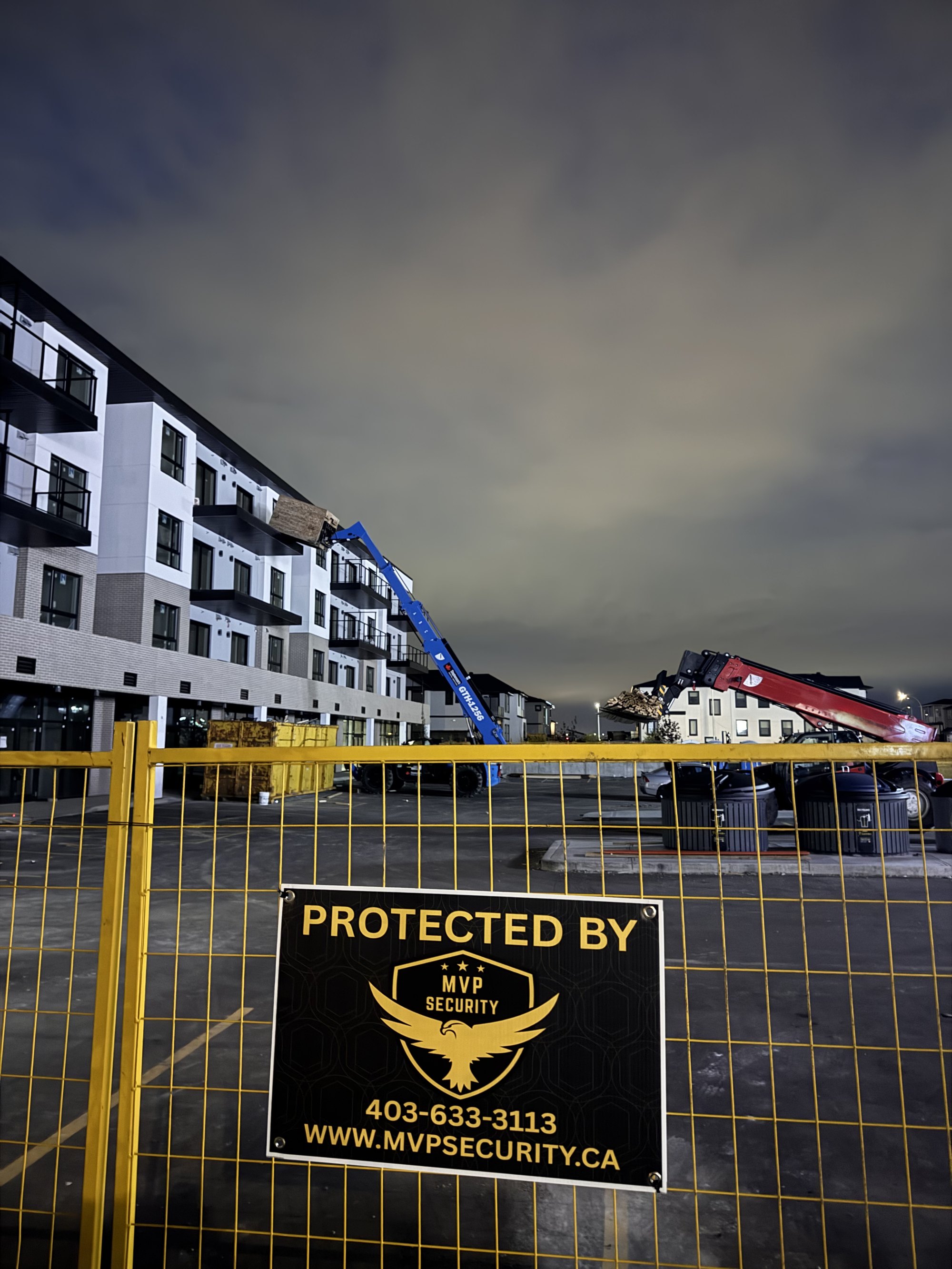

A break-in alarm at 2:13 a.m. is not the moment to find out your response plan is vague. Property managers, builders, and business owners usually ask the same question once risk becomes real: how fast can alarm response arrive, and what does that answer actually mean on the ground?
The honest answer is that alarm response times depend on dispatch conditions, site location, guard availability, access instructions, and what type of signal came in. Any company promising one fixed arrival time for every alarm, every night, in every part of Calgary is oversimplifying the job. What a professional provider should offer instead is a realistic response framework, clear communication, and enough local coverage to move quickly when an alarm event happens.
How fast can alarm response arrive in real conditions?
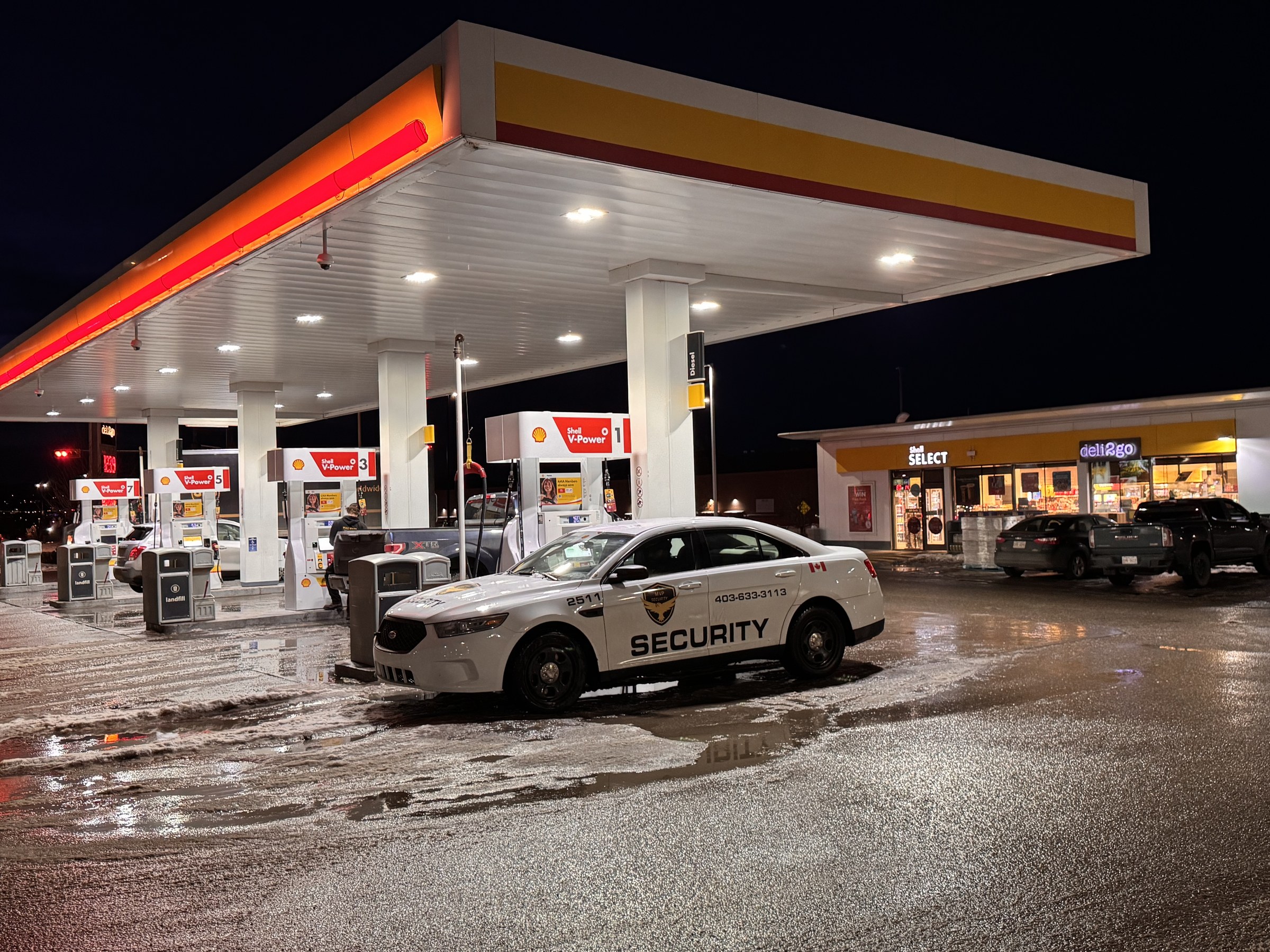
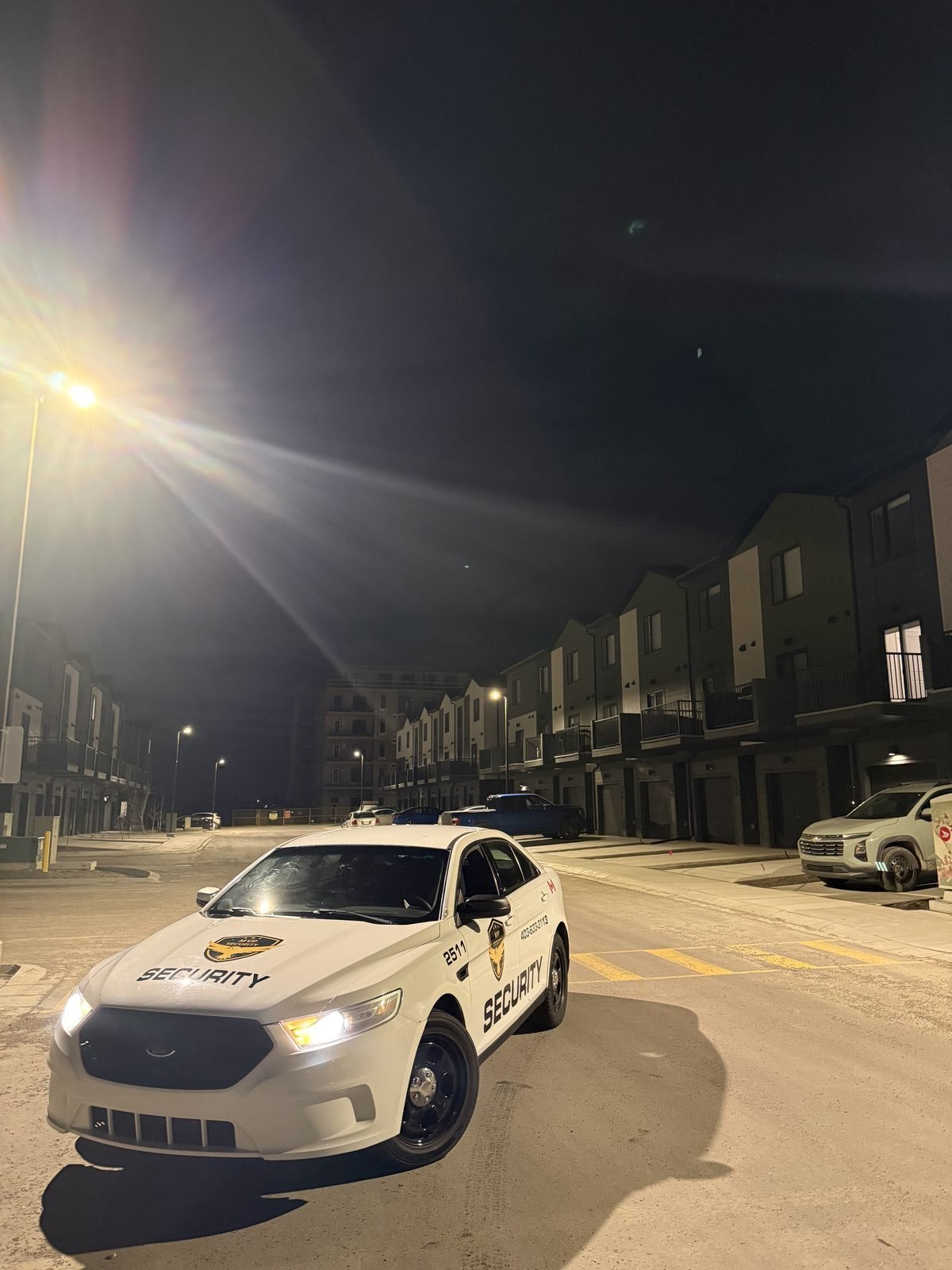
In practical terms, alarm response can often arrive within a short window when the site is in an active coverage area, dispatch information is clear, and a mobile unit is already positioned nearby. In Calgary and surrounding communities, local deployment matters a great deal. A guard stationed across the city is not the same as a patrol unit already working your quadrant.
That is why the better question is not only how fast can alarm response arrive, but how the provider is set up to respond under normal operating conditions and during peak demand. If multiple signals are active during a storm, a long weekend, or a city-wide incident spike, response times can stretch. A local company with mobile patrol coverage and established dispatch procedures is generally in a better position to manage those variables than a provider trying to coordinate from farther away.
For most commercial and residential clients, a reasonable expectation is not "instant" attendance. It is a prompt dispatch, an informed estimated time of arrival, and a trained licensed guard who knows what to check when they get there. That difference matters because speed without procedure can create missed details, unsafe approach decisions, or incomplete reporting.
What affects alarm response time most?
The biggest factor is geography. A downtown commercial building, an industrial yard in the southeast, and a construction site on the edge of a growing community will not all have the same arrival profile. Travel time is real, and so are weather, traffic restrictions, road closures, and gate access.
Dispatch readiness is the next major factor. When an alarm signal comes through, the response team needs accurate site notes right away. That includes keypad location, lockbox details, gate codes, contact hierarchy, known hazards, and whether police, fire, or a keyholder has also been notified. If those details are outdated, even a nearby guard can lose valuable minutes trying to gain lawful access or verify the cause of the alarm.
The type of property also affects arrival and on-site handling. A retail storefront with street access is one thing. A multi-building condo complex, fenced laydown yard, or active job site is another. Larger or more complex properties usually require more time for a proper exterior check, entry coordination, and incident verification.
Then there is service design. Some clients rely on alarm response as a standalone service. Others combine it with mobile patrol, overnight checks, lock and unlock visits, or CCTV-supported monitoring. The more integrated the coverage plan, the easier it is to respond efficiently because the site is already familiar to the security team.
Why local coverage changes the answer
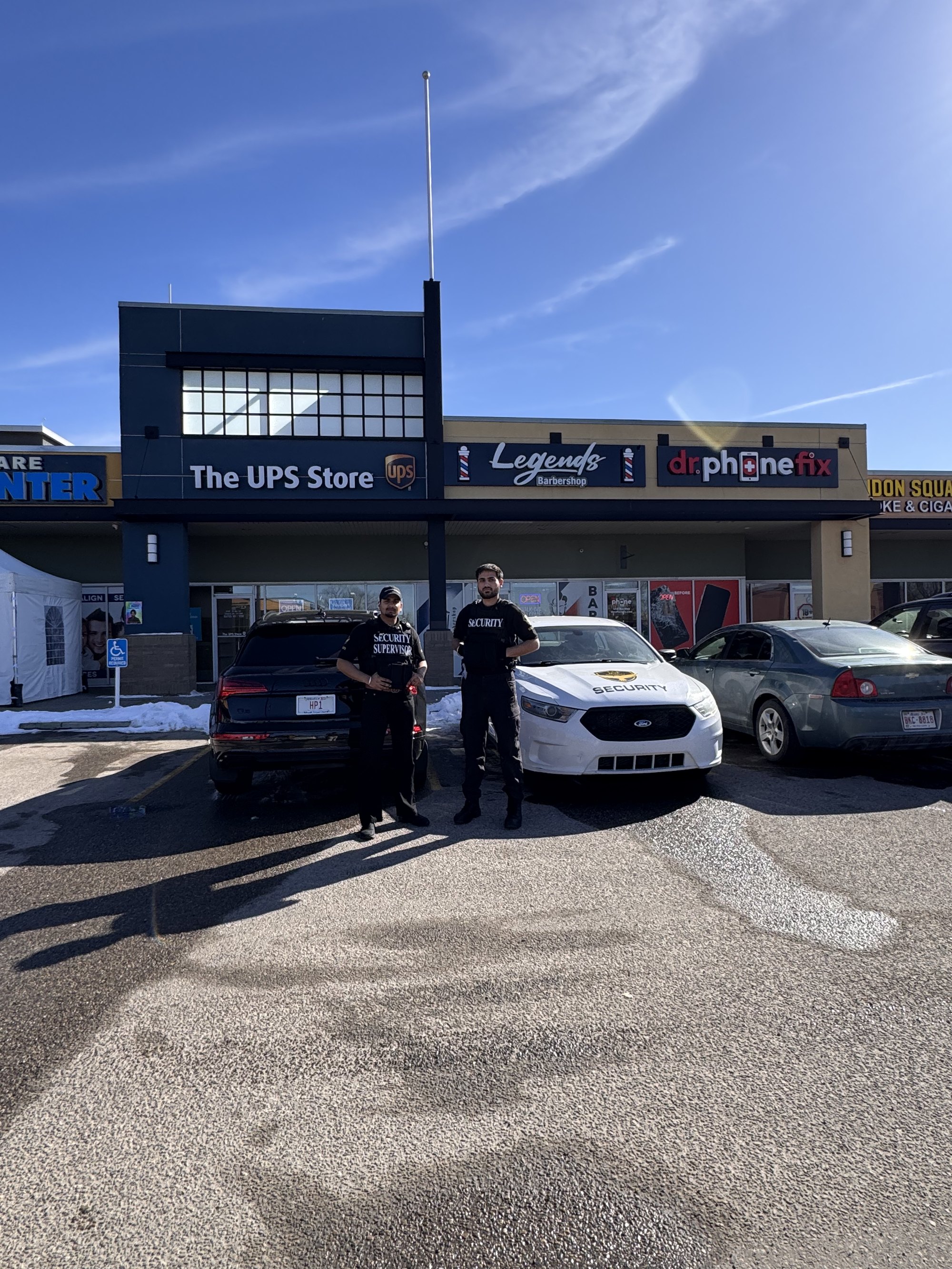
Alarm response is one of those services where local presence is not a marketing detail. It directly affects performance. A provider operating across Calgary, Airdrie, Chestermere, Cochrane, Okotoks, and High River needs enough field resources to support those service areas without overpromising.
For clients, that means asking where patrol units are typically deployed, how dispatch is handled after hours, and whether guards are assigned by zone. A local team that already understands travel routes, neighbourhood access issues, and recurring problem properties can usually respond with fewer delays and better judgment.
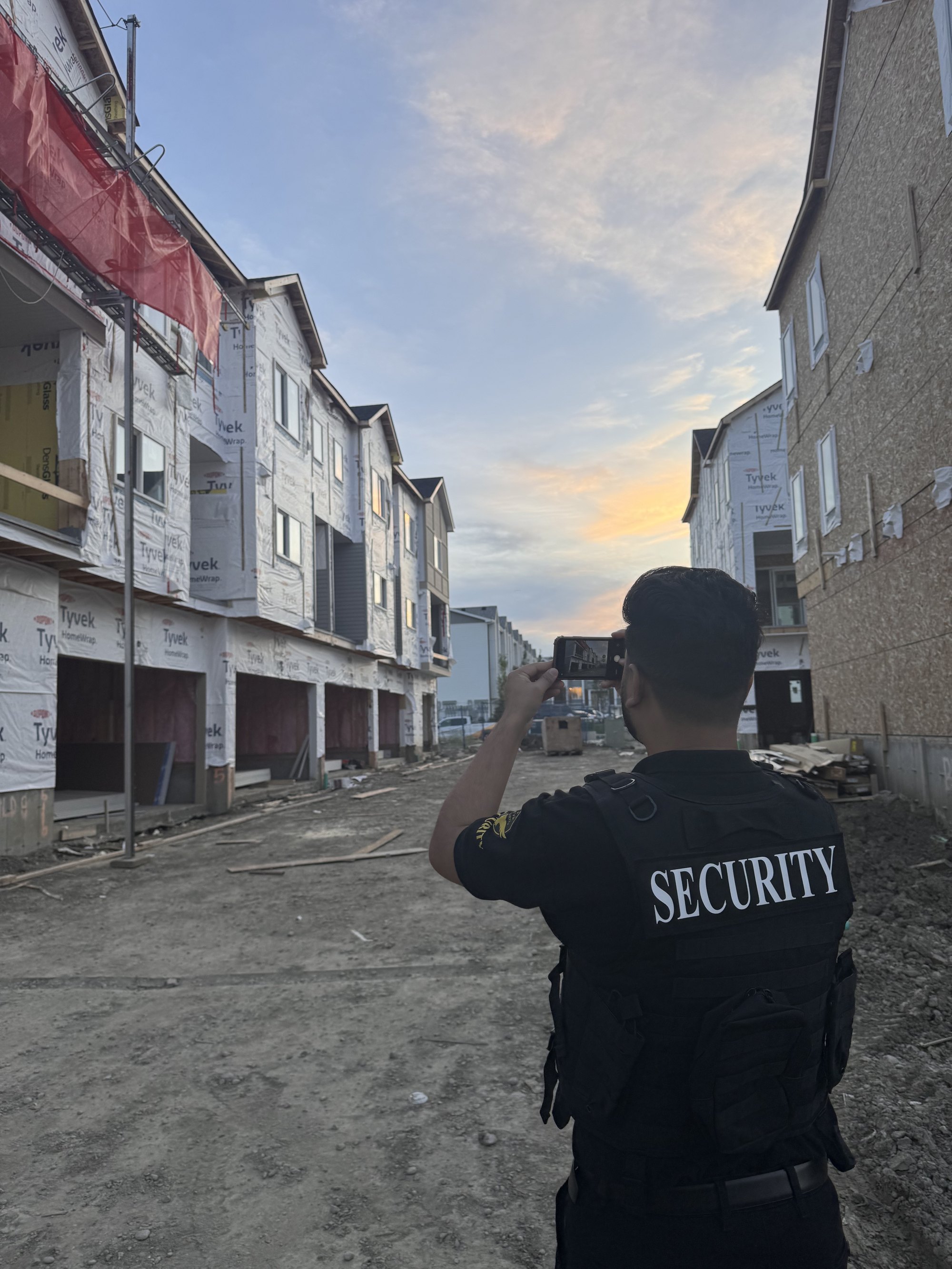
This is especially relevant for construction sites and industrial properties. These sites often sit outside dense commercial cores, and they tend to have more complicated access arrangements. If your alarm response provider has never attended the property before, the first alarm can become a learning exercise. That is not ideal when theft, trespassing, or equipment loss is the concern.
Fast is good. Verified is better.
Clients understandably focus on how quickly a guard can arrive, but arrival time is only one part of the service. What happens next is where the value shows up.
A proper alarm response should include a safe approach to the property, a check for visible forced entry, verification of suspicious activity, a site perimeter review where applicable, coordination with the monitoring station or client contact, and documented reporting. If entry is authorized and safe, the guard may also conduct an interior inspection based on post orders and site instructions.
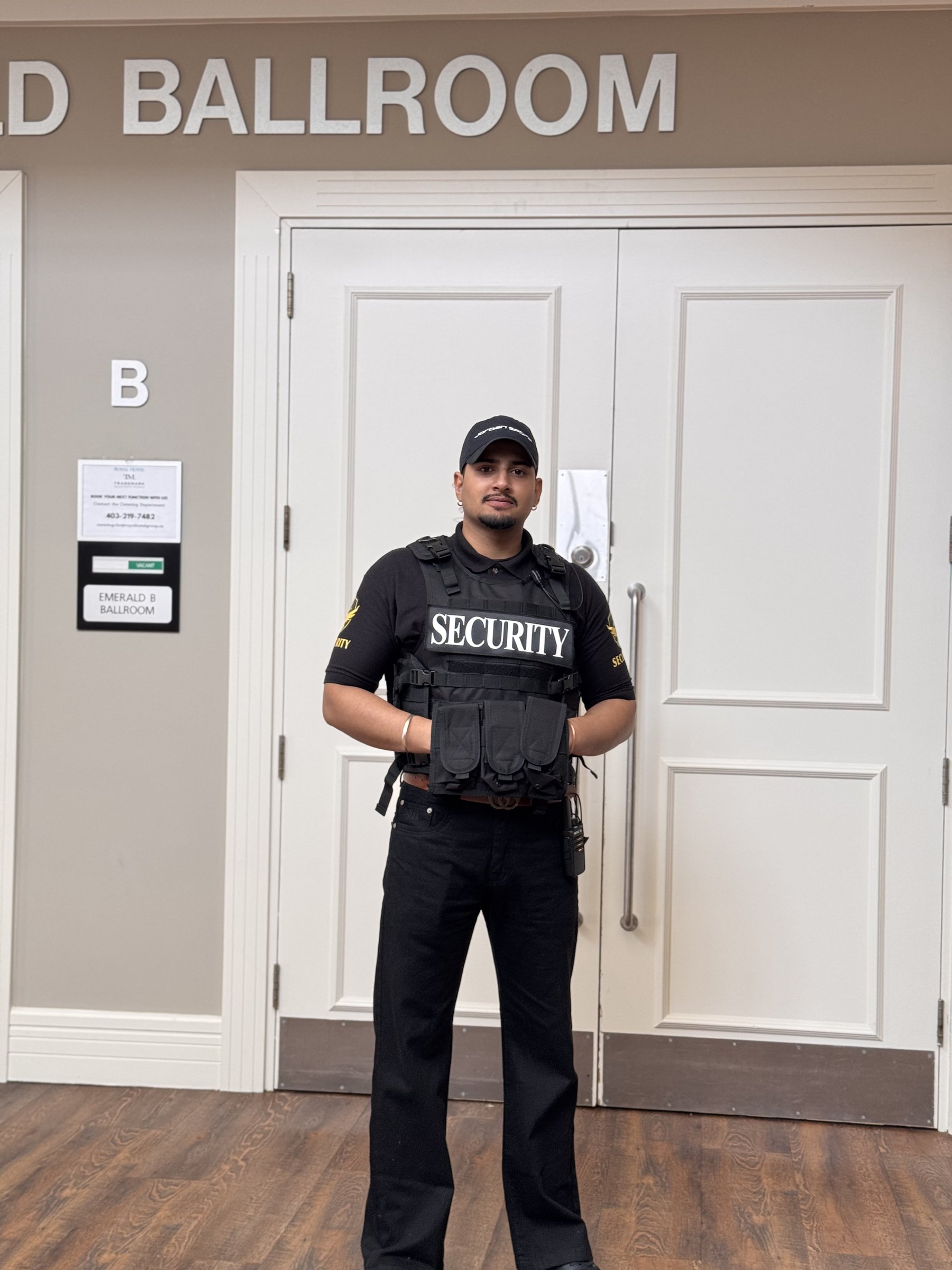
This is why trained, Alberta-licensed guards matter. The guard attending an alarm is not just there to stand outside and confirm they arrived. They need to assess, document, communicate, and escalate properly. If there is evidence of a break-in, they need to preserve the scene, notify the right parties, and stay on site as directed.
In other words, the fastest alarm response is not automatically the best alarm response if the follow-through is weak.
What clients should expect from a serious provider
A professional alarm response program should set expectations before the first dispatch ever happens. Clients should know who receives alarm notifications, what the guard is authorized to do, when a keyholder is contacted, and what kind of reporting follows the event.
You should also expect transparency around time windows. Some sites may qualify for faster average attendance because they are near active patrol routes. Others may require a wider response range based on distance or complexity. The important part is whether the provider gives you a realistic operating standard and then backs it up with dispatch discipline, GPS-tracked activity, and incident documentation.
That accountability matters when tenants, owners, or project stakeholders ask what happened and when. A verbal "we checked it" is not enough for most commercial environments. Photo-supported reports, time-stamped patrol activity, and clear incident notes help clients verify that the response was completed properly.
How to improve alarm response at your site
If you want faster and more effective alarm attendance, the site setup matters almost as much as the provider. Many delays come from preventable issues.
Start with current site instructions. Make sure alarm zones are labelled correctly, entry points are described clearly, and lockbox or gate access details are accurate. If your property has after-hours hazards such as aggressive dogs, unstable fencing, dark stairwells, or areas under renovation, those notes should be updated as well.
It also helps to define what the guard should do for different alarm types. A motion alarm in a vacant building may require a different response than a scheduled opening alarm, glass break signal, or repeated perimeter breach at a construction site. Good post orders reduce hesitation and make dispatch more efficient.
Clients who need a higher level of protection should also consider whether standalone alarm response is enough. For some sites, it makes more sense to combine alarm response with scheduled patrols or overnight guard coverage. If alarms are recurring, if copper theft is a pattern, or if unauthorized access is frequent, a stronger physical presence may reduce incidents before a signal is ever triggered.
When a guaranteed minute count is the wrong promise
Some buyers want a single number. Ten minutes. Fifteen minutes. Twenty minutes. That is understandable, especially when loss exposure is high. But security operations do not happen in a vacuum.
The more reliable standard is a well-run response operation with local dispatch capability, defined coverage zones, trained guards, and documented attendance. That gives clients something more useful than a sales promise. It gives them a response system they can audit and trust.
For example, a local provider like MVP Security Inc. may be able to respond quickly because of regional deployment and mobile patrol coverage, but the responsible answer still depends on where the site is, when the signal occurs, and what conditions are active at the time. That is the kind of answer serious buyers should want - specific, operational, and realistic.
If you are reviewing alarm response for a commercial property, condo, construction site, or industrial yard, the key question is not just how many minutes appear in a quote. It is whether the team behind that quote can actually attend, assess, document, and support your site when the call comes after hours and the risk is real.
A useful alarm response plan should leave you with fewer unknowns, not more. When your provider knows the property, communicates clearly, and arrives ready to act, the response becomes more than a checkbox - it becomes part of how you keep operations protected when no one else is on site.