











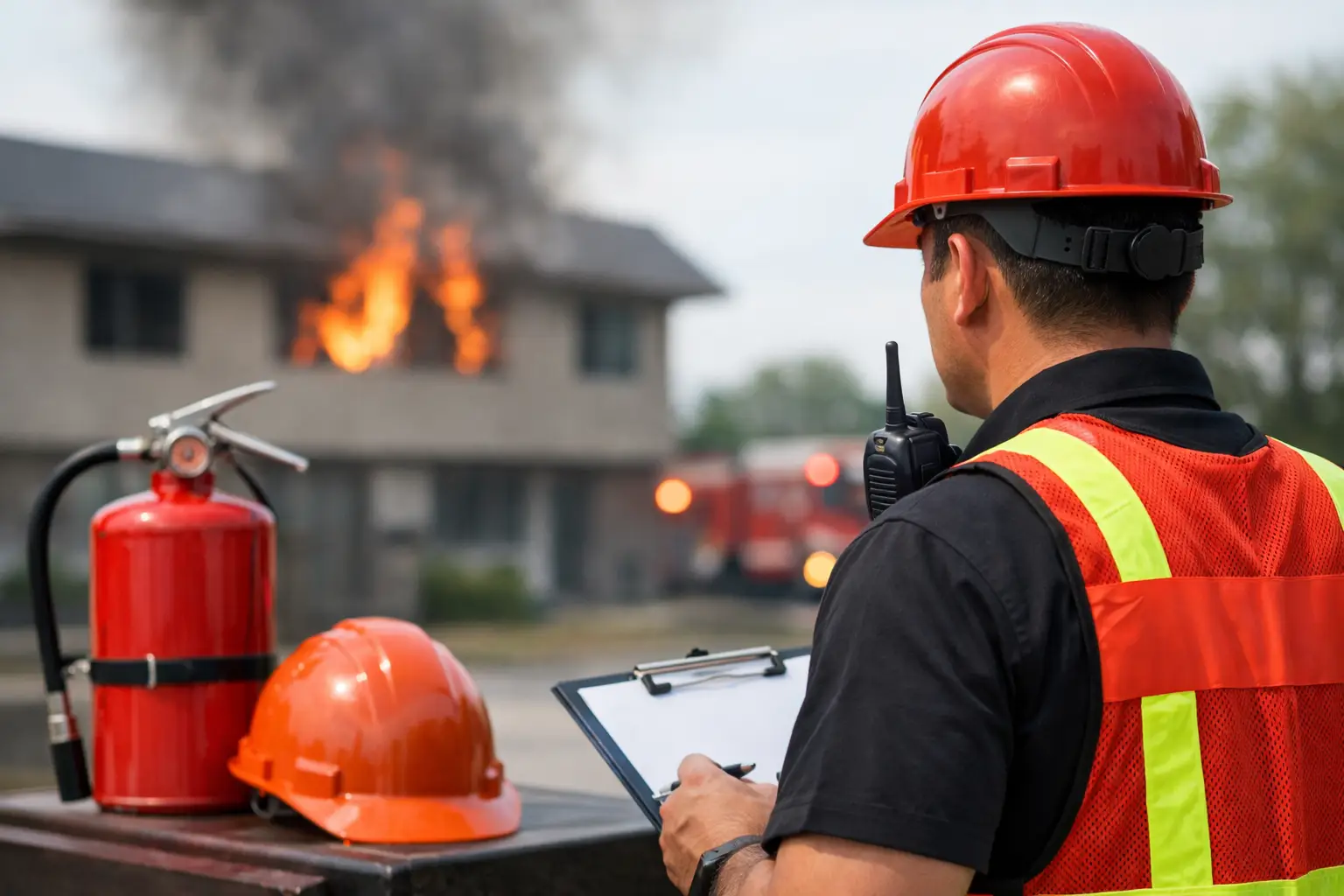
A fire alarm panel in trouble, a sprinkler system impairment, or a planned shutdown can quickly create a serious gap in a building's protection. Knowing how to prepare for fire watch before guards arrive helps protect occupants, preserves access for emergency responders, and keeps the response organized when conditions are already time-sensitive.
Fire watch is not simply placing a person at a front desk. It is a temporary life-safety measure used when a fire protection system is out of service, impaired, or unable to provide its intended level of protection. The right coverage depends on the building, the affected system, occupancy, work taking place, and instructions from the authority having jurisdiction. Preparation gives the assigned guard the information and access needed to perform meaningful patrols from the first round.
Confirm Why Fire Watch Is Required
Start by identifying the exact impairment. A fire alarm system may be in trouble because of a panel fault, communications issue, construction work, testing, or repairs. A sprinkler system may be partially or fully shut down because of a damaged line, valve work, freezing, or maintenance. The response required for one situation may not be appropriate for another.
Document what is affected, when the impairment began, the expected repair window, and which areas of the property are involved. If the building has a fire protection contractor on site, ask for a clear description of the issue and the anticipated restoration time. This information helps establish where patrol attention is needed and whether coverage must be continuous, overnight, or maintained until the system is formally returned to service.
Do not assume that a functioning portion of the system removes the need for a fire watch. A localized impairment can still affect egress routes, high-risk rooms, tenant spaces, or a connected alarm function. Follow directions from the fire department, insurer, property management team, and qualified fire protection provider where applicable. Requirements can vary based on the property type and the nature of the impairment.
Build the Information Package Before Guards Arrive
The fastest way to create an effective fire watch is to give the guard team a concise, site-specific briefing package. A building map is useful, but it is not enough on its own. Guards need practical information they can use while walking the property, responding to a concern, or directing emergency crews at 2 a.m.
Provide the site address, primary contact, after-hours contacts, building access instructions, alarm panel location, sprinkler room location, and any known hazards. Identify which doors, elevators, loading bays, roof hatches, mechanical rooms, storage areas, and tenant spaces must be included in patrols. For larger sites, note any areas that are normally locked, occupied only during certain shifts, or controlled by another contractor.
Access is often the point where a well-planned fire watch fails. Arrange keys, fobs, gate codes, parking instructions, and elevator access before the shift starts. If access cannot be provided to a required area, record the limitation and advise the responsible site contact immediately. A guard cannot inspect a locked electrical room, vacant suite, or fenced compound from the hallway.
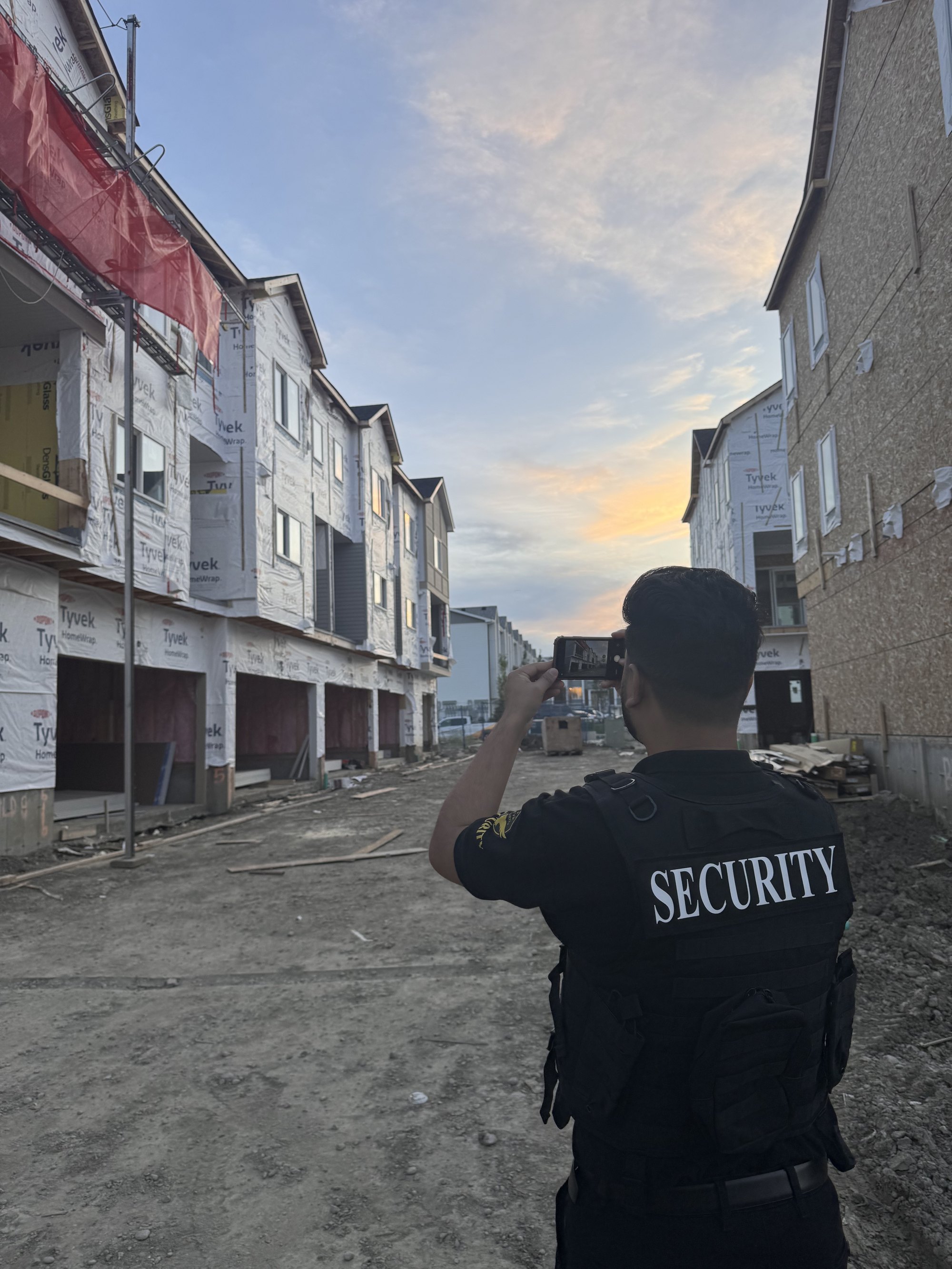
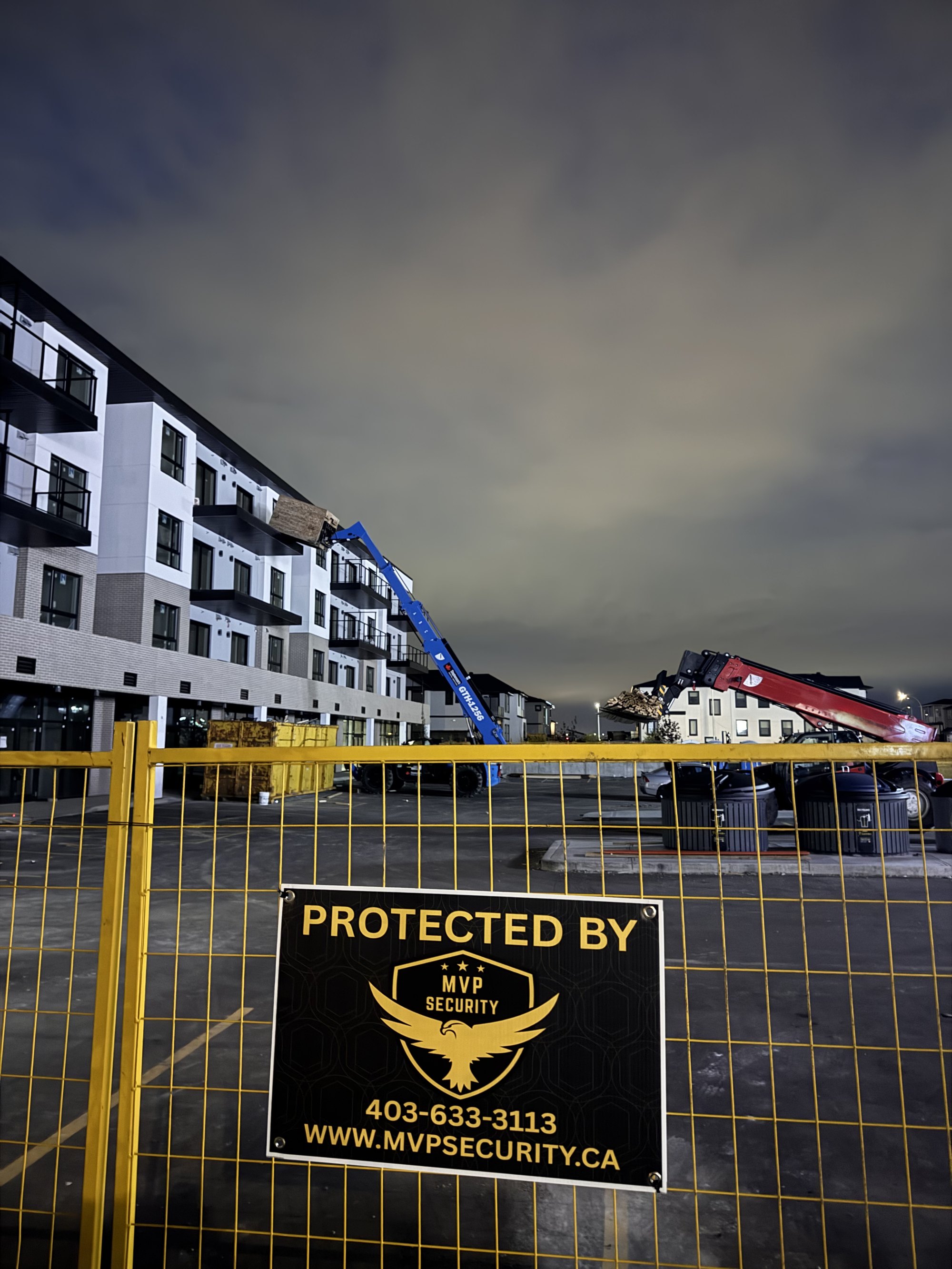
For construction sites, include the location of hot work, fuel storage, temporary heating, generators, electrical distribution, propane cylinders, waste bins, and fire extinguishers. Conditions can change by the hour, so the site superintendent should explain what work remains active after regular crews leave.
How to Prepare for Fire Watch Patrol Routes
A fire watch route should be designed around risk, not convenience. The guard's patrol must cover the areas affected by the impairment while also considering how fire, smoke, or unauthorized activity could develop or spread. A short route that repeatedly checks only the lobby and panel room may leave the highest-risk areas unobserved.
Walk the route with the guard supervisor or provide a clear route plan that identifies floors, stairwells, exits, mechanical rooms, electrical rooms, garbage areas, parkades, loading zones, and exterior perimeter points. In multi-tenant properties, include suites that may be vacant, under renovation, or storing combustible materials. In industrial settings, account for process equipment, warehouses, racking, battery charging areas, and exterior storage.
The patrol frequency should reflect the direction received for the impairment and the conditions on site. More frequent rounds may be necessary where hot work continues, combustible materials are present, occupants remain in the building, or the affected system protects a large or complex area. A quiet commercial office after hours does not carry the same profile as an occupied residential building or an active construction project.
Every route should include a check of escape paths. Guards should look for blocked exits, propped fire doors, smoke or burning odours, unusual heat, signs of electrical trouble, and conditions that could delay evacuation. They should also confirm that fire lanes, hydrant access, and emergency entrances remain clear.
Set Clear Emergency and Escalation Procedures
A fire watch guard is there to observe, report, and act quickly when a hazard is identified. The site must make the emergency process unambiguous. Provide a written instruction for who to call first for different conditions, including smoke or fire, a new alarm activation, water flow, system restoration, a security breach, or a tenant complaint.
If there is smoke, flame, or an immediate threat to life safety, the response is not a debate about who should be notified. Call 911, activate available emergency procedures, and support safe evacuation where required. The guard should then contact the designated property representative and security supervisor. Guards should never be expected to investigate a potentially dangerous fire condition alone or continue routine rounds while an emergency is developing.
Make sure the guard knows where the emergency meeting point is and where responding fire crews should be directed. For large properties, assign a practical entrance for emergency access and identify hazards such as locked gates, low clearance, active excavation, dogs, overhead work, or dangerous goods. This can save critical minutes when responders arrive.
Prepare Reporting That Proves Coverage Was Performed
Fire watch documentation matters because it creates an accountable record of what was checked, when it was checked, and what was found. It also gives property managers and contractors a usable handoff between shifts. A vague note that says “all clear” does not show which areas were inspected or whether an issue was escalated.
Ask for time-stamped patrol reporting that records completed rounds, observations, deficiencies, notifications, and corrective actions. Photo documentation is especially helpful when a guard finds a blocked exit, open fire door, unsecured mechanical room, leaking sprinkler component, or combustible debris near a work area. The report should distinguish between a condition observed and a condition corrected by site staff.
Decide who receives reports during the impairment. Some clients require real-time escalation for every concern, while others want routine reports at shift change and immediate calls only for urgent conditions. Both approaches can work, provided the guard has clear direction. For a fire watch, uncertainty about reporting thresholds is a risk that should be resolved before coverage begins.
Brief Staff, Tenants, and Contractors
People on site can either support the fire watch or unintentionally undermine it. Let affected staff, tenants, contractors, and night crews know that a fire protection impairment is in place and that patrol personnel will be conducting scheduled checks. They do not need technical detail, but they should understand that exits must remain clear, unauthorized hot work is not acceptable, and hazards must be reported immediately.
For occupied buildings, designate a site contact who can communicate with tenants if the condition changes. For construction projects, remind subcontractors about hot-work controls, housekeeping, extinguisher availability, and the need to secure flammable materials at the end of the shift. Fire watch coverage is more effective when the people creating site conditions are accountable for reducing obvious risks.
Choose Coverage That Matches the Site
Cost matters, but assigning insufficient coverage can create a false sense of protection. One guard may be appropriate for a small, accessible property with a focused impairment. A large high-rise, active construction site, industrial facility, or multi-building complex may require multiple guards, overlapping routes, or a supervisor to maintain proper patrol intervals and immediate response capability.
Use trained, Alberta-licensed security personnel who can follow post orders, communicate professionally with occupants and emergency services, and document activity accurately. Ask how the provider verifies patrol completion, handles missed access points, escalates incidents, and supports short-notice schedule changes. GPS-tracked activity and photo-documented reporting provide property managers with greater visibility when the building's normal fire protection is compromised.
For Calgary-area properties, MVP Security can deploy site-specific fire watch coverage for planned impairments and urgent system issues, with reporting tailored to the building, risk level, and required hours. The goal is not to add unnecessary staffing. It is to place capable personnel where they can maintain a credible watch until the protection system is restored.
Before the first patrol begins, take ten minutes to confirm access, routes, contacts, hazards, and escalation instructions with the assigned team. That small operational check often determines whether fire watch coverage is merely present on paper or genuinely ready to protect the property when it matters.