














A break-in alarm at 2:15 a.m. and a string of after-hours trespassing incidents may both point to a security gap, but they do not call for the same solution. When comparing mobile patrol vs alarm response, the practical question is whether your property needs visible, routine prevention, rapid action after a verified event, or a combination of both.
For Calgary property managers, construction supervisors, retail operators, and building owners, the right choice depends on what happens at the site after regular hours. Building use, access points, previous incidents, asset value, alarm reliability, and the distance from other occupied properties all matter. A security plan should address the actual risk, not simply add coverage because it sounds comprehensive.
What mobile patrol is designed to do
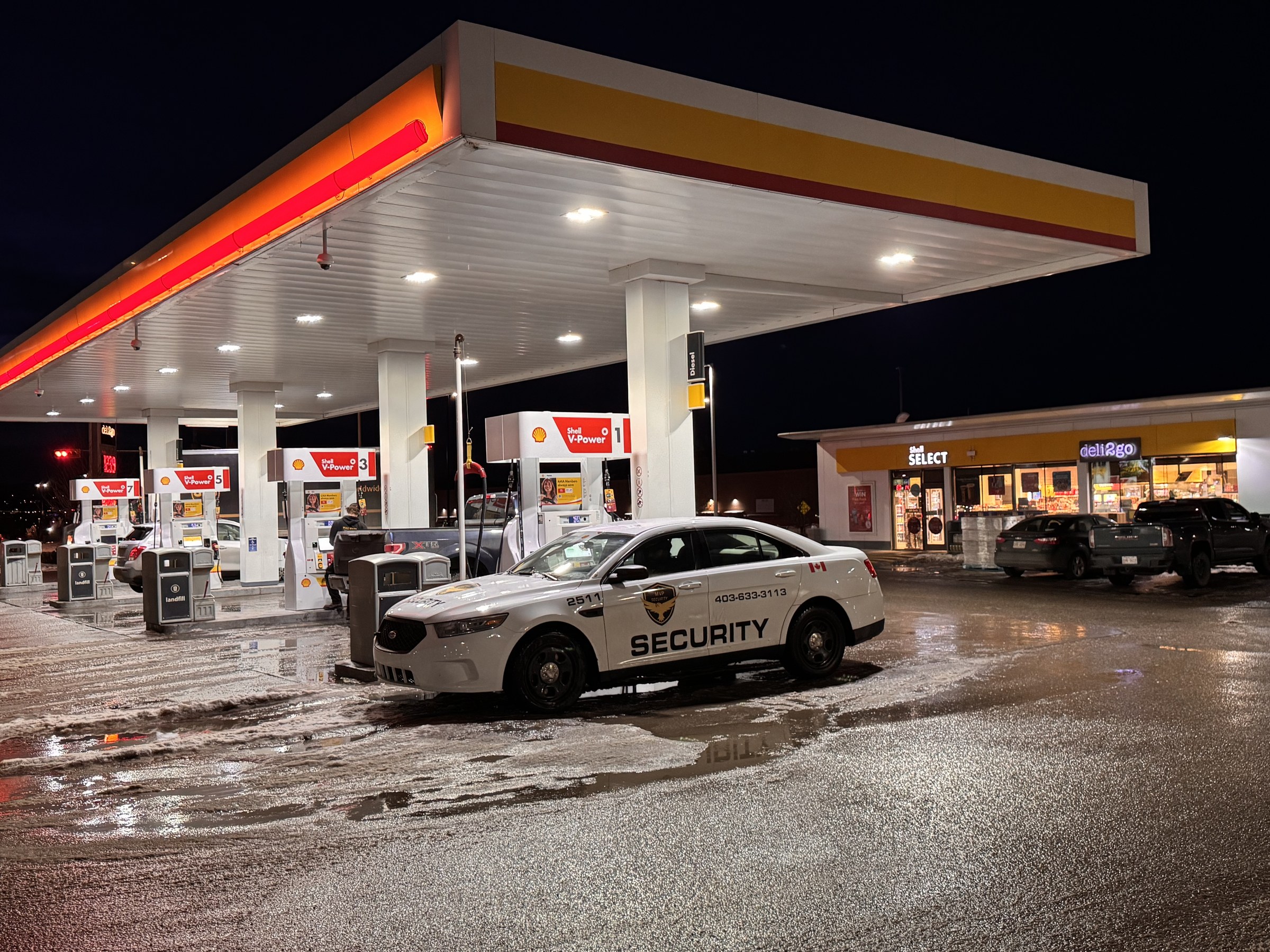
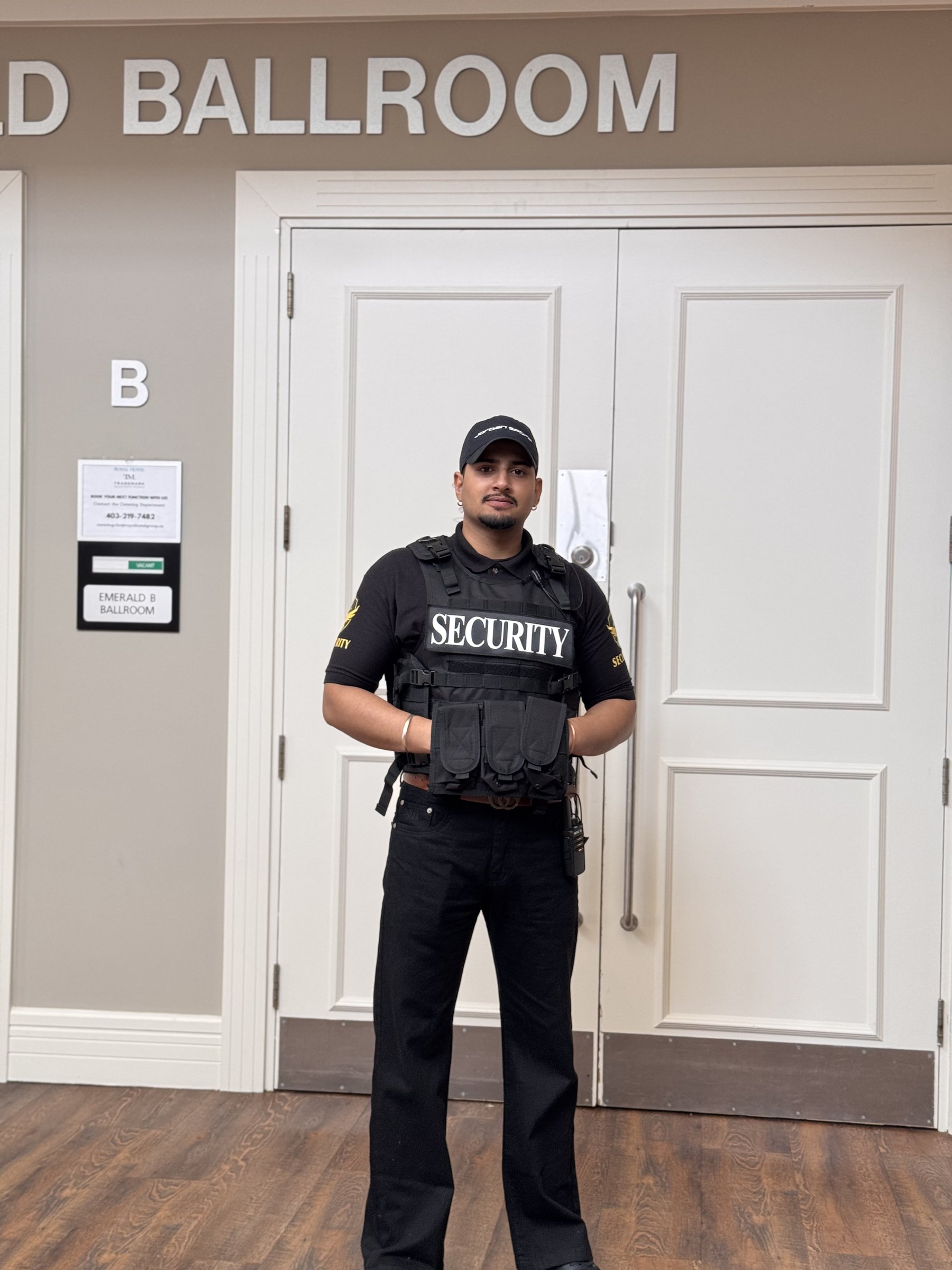
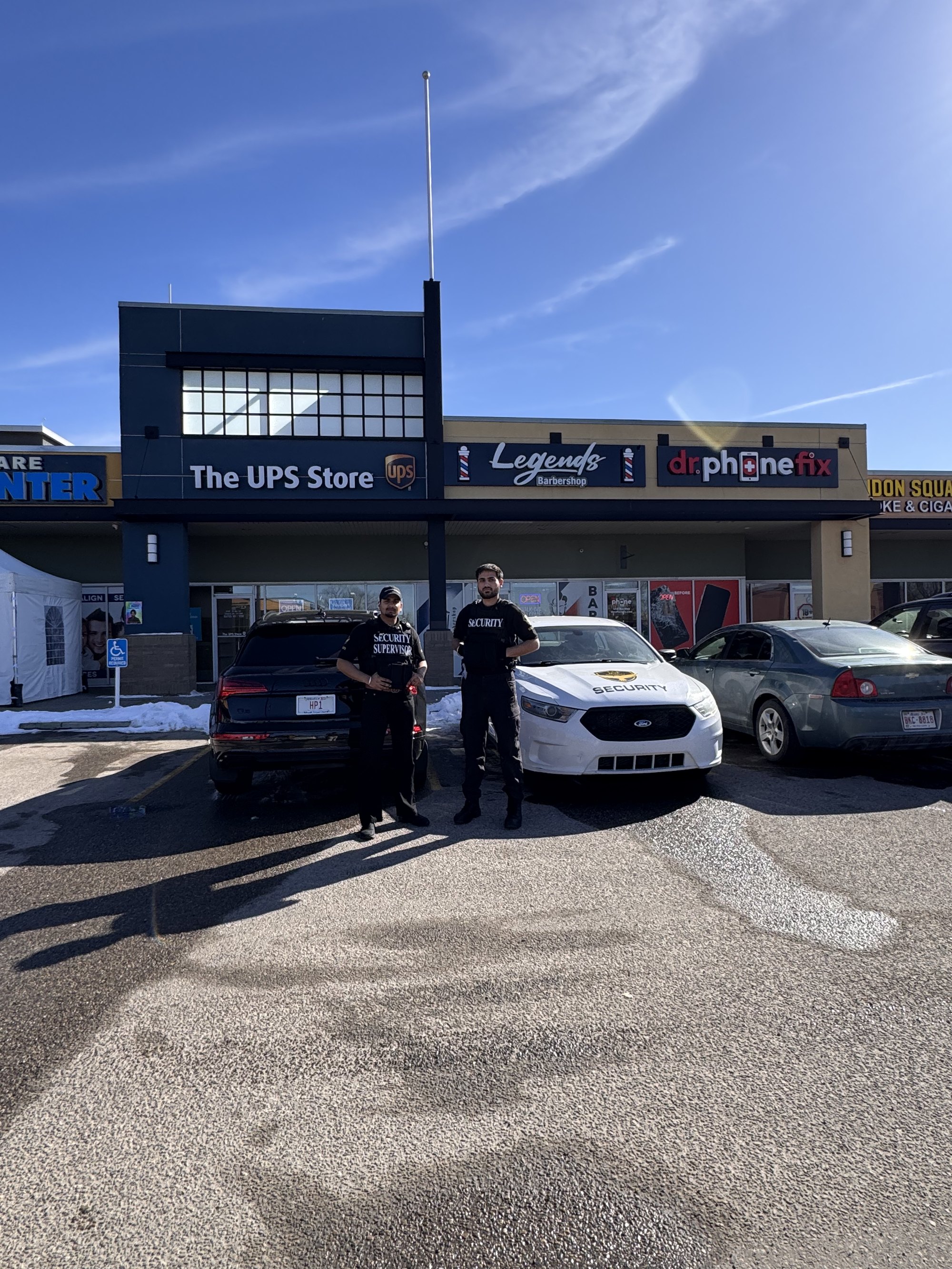
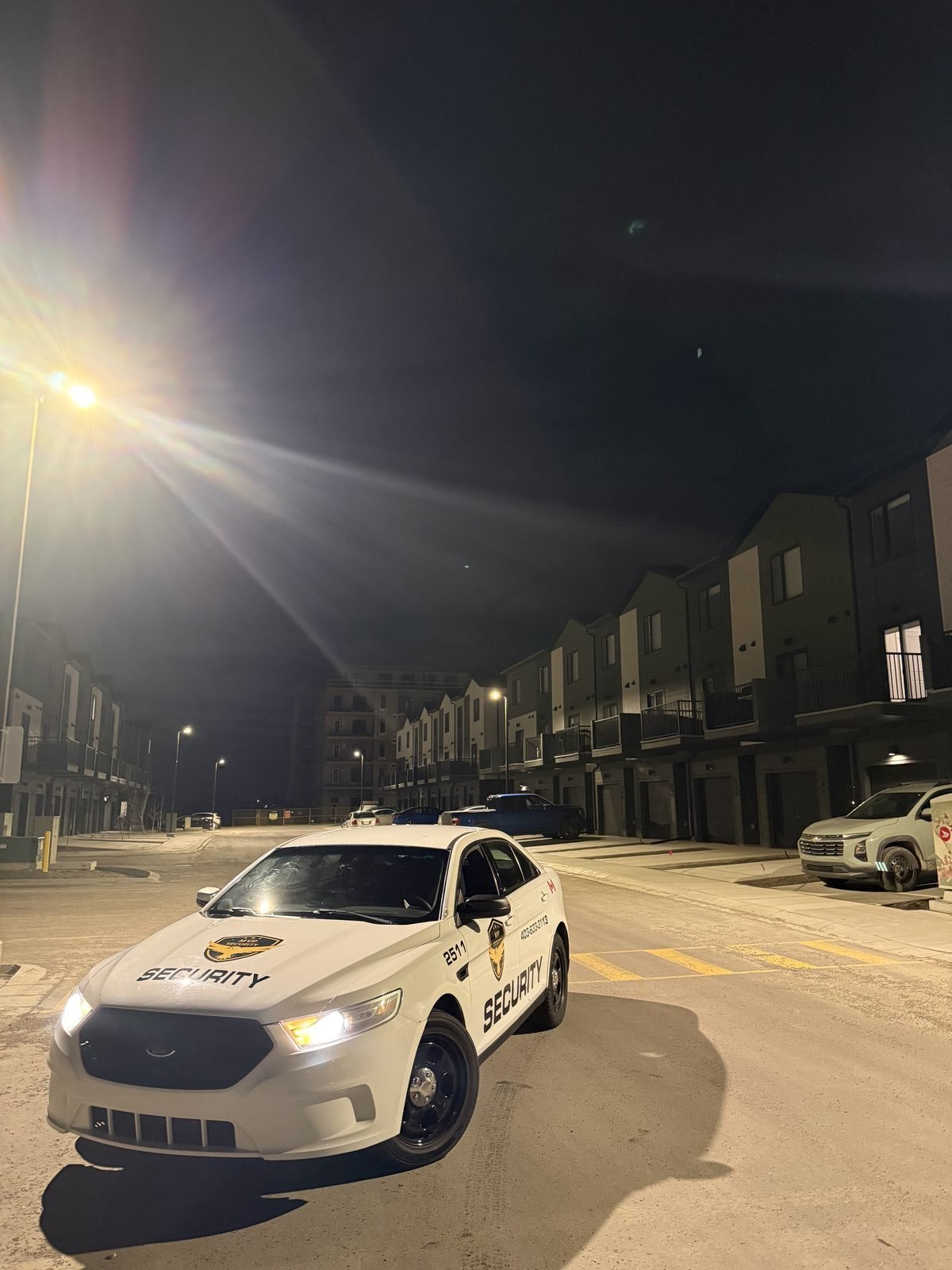
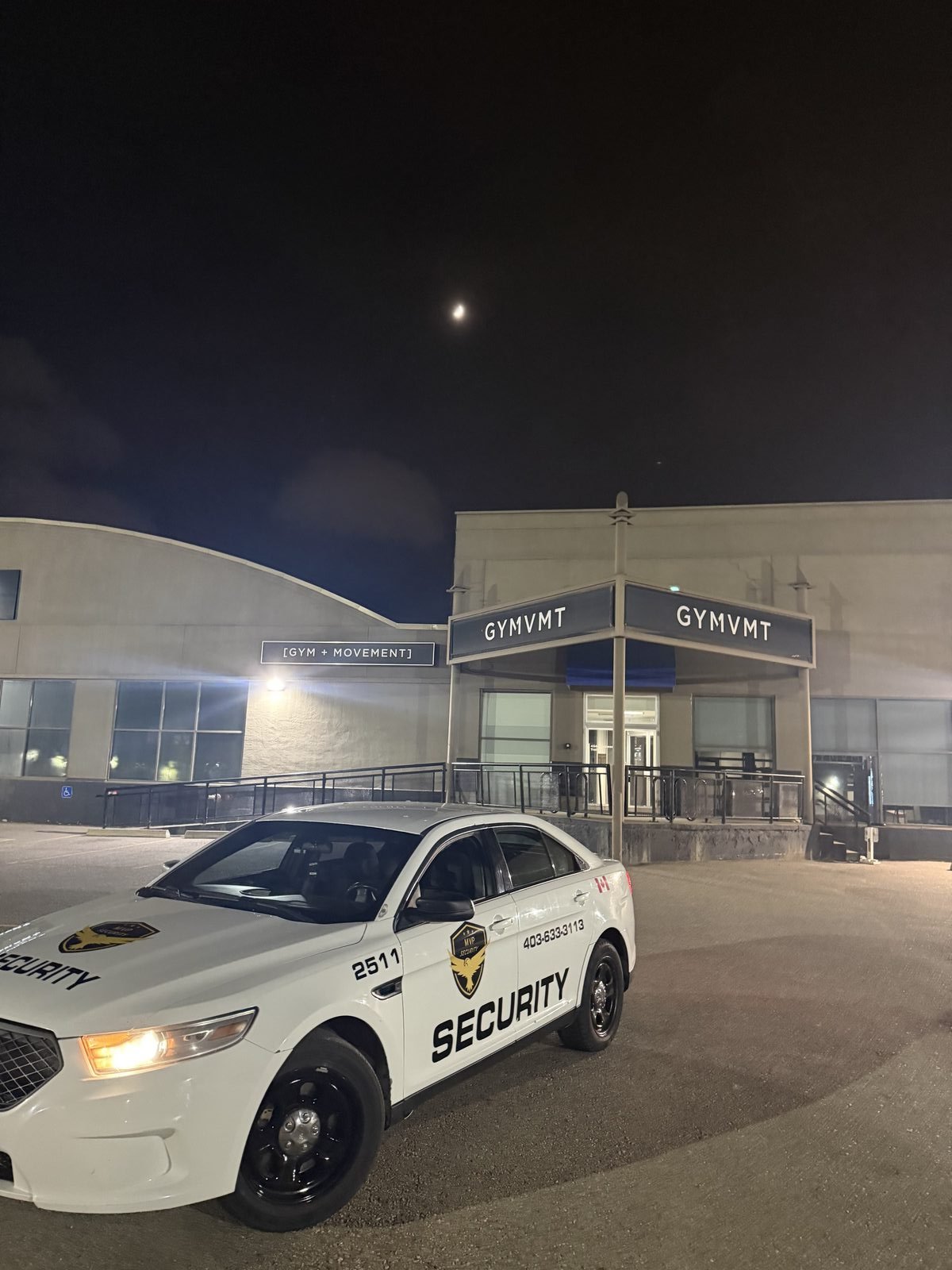
Mobile patrol is scheduled or randomized attendance by a licensed security professional in a marked or appropriately identified patrol vehicle. A guard attends the property at set intervals, checks defined areas, looks for signs of unauthorized access or damage, and documents the visit through GPS-tracked activity and site reporting.
Its main strength is visible deterrence. A site that is routinely checked is less attractive to opportunistic trespassers, thieves, and vandals than one that appears unattended night after night. Patrols also identify small problems before they become expensive ones: an unlocked gate, a damaged fence panel, an open overhead door, a leaking sprinkler line, or materials left exposed on a construction site.
Mobile patrol is often a strong fit for locations that are vacant or lightly occupied outside business hours. This includes commercial plazas, industrial yards, construction projects, warehouses, condominium exteriors, parking areas, and residential developments awaiting occupancy. It can be structured around opening and closing times, known problem periods, or higher-risk weekends and holidays.
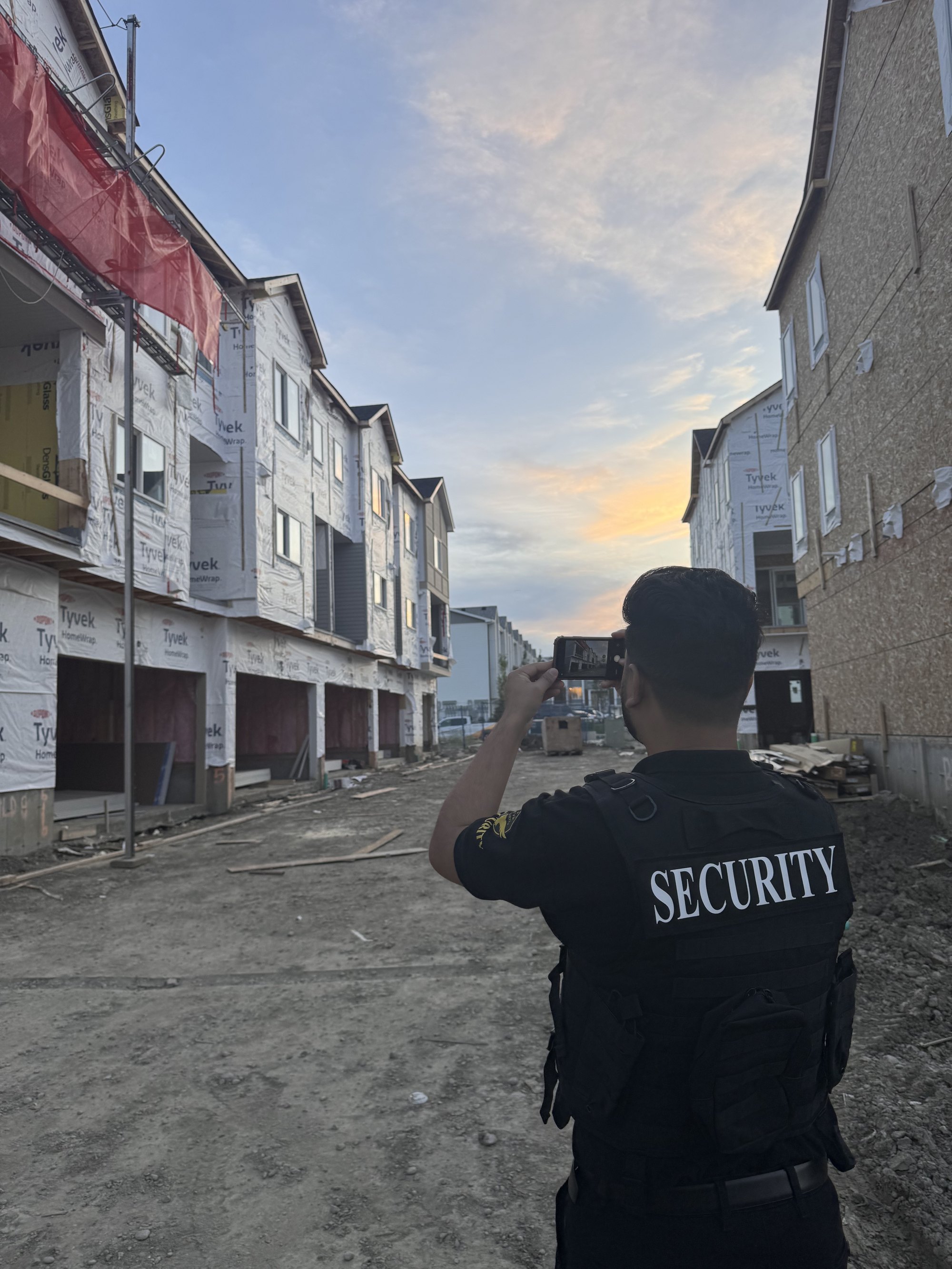
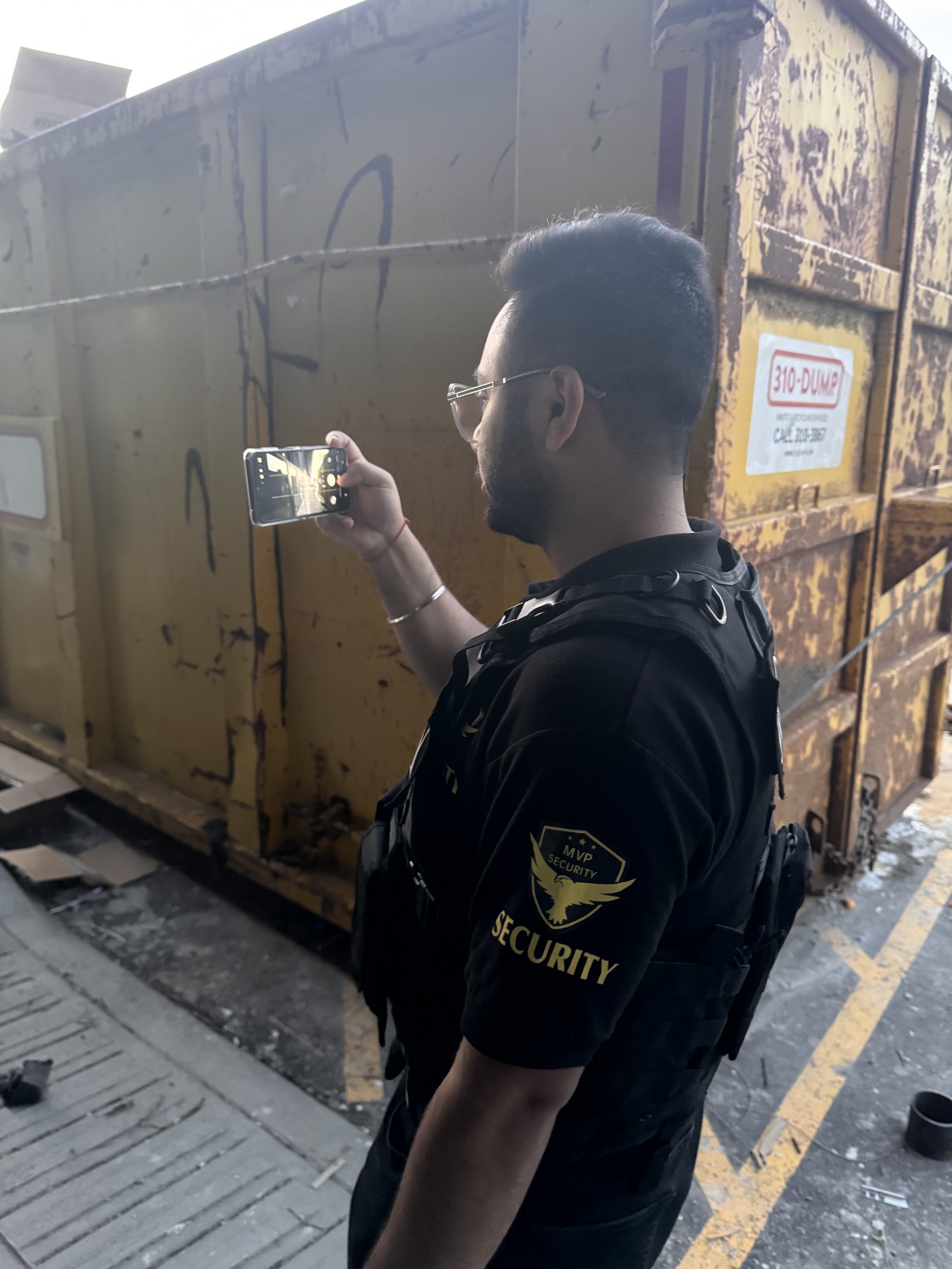
The guard is not simply driving through. Effective patrol instructions define where to check, what conditions to record, which access points require attention, and who should receive an incident report. Photo-documented reporting gives the client a record of what was observed and what action was taken during each visit.
What alarm response is designed to do
Alarm response begins when a monitored system sends an alarm signal and a security provider dispatches a guard to investigate. The guard attends the site, checks for apparent signs of forced entry or immediate risk, follows the site’s response instructions, contacts designated representatives when needed, and liaises with police, fire, or emergency services when circumstances require it.
This service is reactive by design. It does not provide routine visits throughout the night. Instead, it gives a property a trained local responder when an alarm event occurs, reducing the pressure on an owner, manager, or employee to attend an uncertain situation after hours.
For a small office, retail unit, professional practice, or low-traffic commercial space with a dependable monitored alarm system, alarm response may be the most efficient starting point. The property receives coverage when the system identifies a potential issue, without paying for recurring patrol visits that may not be necessary for its risk level.
A prompt response also helps protect staff and clients. Asking a manager to investigate an alarm alone can create an unnecessary personal safety concern. A licensed guard can assess the exterior, preserve observations, document the incident, and escalate appropriately. If police attendance is required, the security guard can remain on site within the scope of the assigned duties and provide relevant information.
Mobile patrol vs alarm response: the operational difference
The clearest distinction is timing. Mobile patrol aims to discourage incidents and detect issues through regular physical presence. Alarm response provides a dispatch after a monitored alarm is activated. One is preventive and scheduled; the other is event-driven and reactive.
That difference affects budgeting as well. Mobile patrol is typically planned as recurring coverage, with frequency based on the site’s needs. Alarm response costs are tied more closely to the monitoring and dispatch arrangement, along with the volume and nature of alarm events. A site with frequent false alarms may need its alarm system reviewed, as repeated unnecessary dispatches can add cost while distracting from genuine risks.
There is also a difference in what each service can uncover. An alarm can signal a door contact, motion detector, glass-break sensor, or other monitored condition. It may not identify a gate left open, graffiti on a rear wall, illegally dumped materials, an unsecured storage container, or a safety issue outside the alarmed footprint. Scheduled patrols can identify those conditions during physical checks.
Conversely, mobile patrol is not a substitute for a properly maintained monitored alarm system. Even a well-planned patrol schedule cannot observe every access point at every moment. Alarm monitoring provides a trigger between patrol visits, particularly for properties where a rapid response to entry or intrusion is essential.
Choosing coverage for common Calgary property types
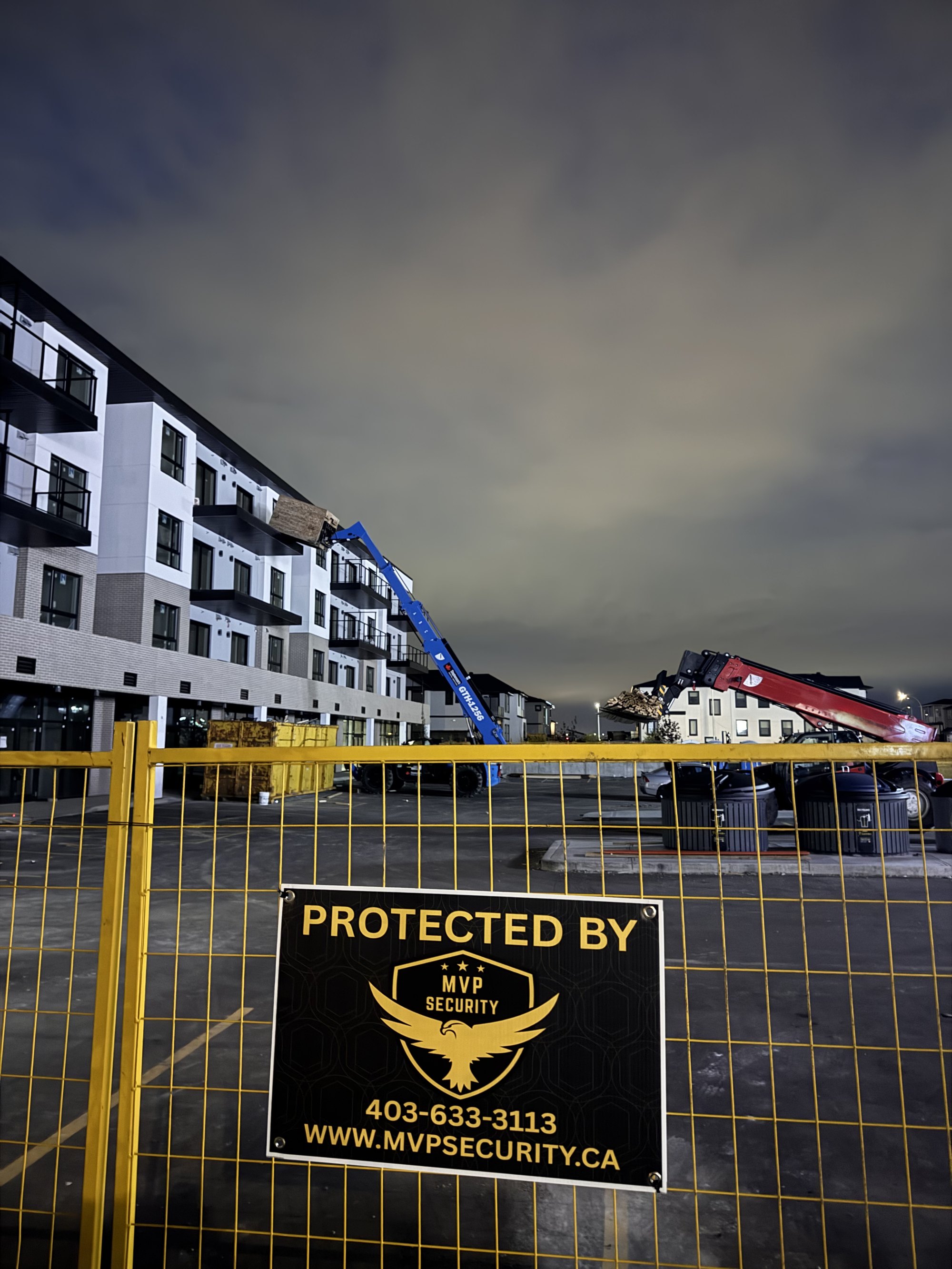
A construction site usually benefits from patrol coverage when it contains tools, copper, fuel, temporary fencing, equipment, or partially completed structures. Theft and vandalism often occur during predictable after-hours windows, and a visible guard presence can make repeat targeting less likely. If the site also has intrusion detection or monitored cameras, alarm response adds another layer between scheduled visits.
For a condominium or apartment property, the decision may centre on parkades, storage lockers, exterior doors, package areas, and recurring nuisance activity. Mobile patrol can help reinforce access control and document conditions around the building. Alarm response may be appropriate for a specific alarmed mechanical room, leasing office, or vacant suite, but it will not replace routine attention to the wider property.
Retail operators may need alarm response for a single storefront with a monitored intrusion system, particularly if the store closes overnight and has limited exterior exposure. A plaza with multiple units, loading areas, garbage enclosures, and recurring loitering may need mobile patrol to create a more consistent security presence across the site.
Industrial facilities and yards often require a more tailored decision. High-value inventory, large perimeters, isolated locations, and multiple vehicle gates can justify regular patrols. Facilities with critical alarm points, restricted areas, or sensitive equipment may combine patrol with alarm response, especially during shutdowns, holidays, or periods of reduced staffing.
When combining both services makes sense
The strongest option is sometimes not mobile patrol or alarm response, but both working to distinct roles. Patrols provide scheduled deterrence, identify site vulnerabilities, and verify general conditions. Alarm response provides a rapid process for alarm events outside a patrol window.
This approach is particularly useful when a property has a known history of theft, a large footprint, expensive equipment, or inconsistent occupancy. It also gives site management better information. Patrol reports can reveal recurring weak points, while alarm response reports show whether activations are genuine incidents, maintenance problems, or user error.
The program does not need to be excessive. A Calgary warehouse may need a few targeted patrols overnight and alarm response coverage, while a construction project may need increased visits only during a vulnerable phase of the build. Coverage should be adjusted as the site, season, and risk change.
Questions to ask before selecting a provider
Before committing to either service, establish what a guard will actually do on arrival or during a patrol. The provider should be able to explain dispatch procedures, escalation contacts, reporting standards, and how site instructions are kept current. Confirm that guards are Alberta-licensed and that the company is properly insured and compliant with Alberta security requirements.
Ask how patrol attendance is verified. GPS-tracked patrol activity, time-stamped reports, and photos where appropriate create accountability that cannot be replaced by a verbal assurance that someone attended. For alarm response, ask about local dispatch capacity, expected communication during an incident, and how the provider handles requests for additional support such as emergency guard coverage or fire watch.
A site-specific plan also matters. A generic checklist rarely addresses the realities of a loading dock, parkade, fenced laydown yard, vacant unit, or multi-tenant commercial property. At MVP Security, patrol routes and response instructions are built around the site’s access points, known concerns, operating hours, and emergency contacts.
Make the decision based on risk, not habit
Mobile patrol is the better fit when the goal is to make a site less appealing to offenders, find security issues early, and maintain a documented physical presence. Alarm response is the better fit when a monitored system provides reliable triggers and the main need is a professional after-hours responder. Neither option guarantees that an incident will never occur, but each can reduce exposure when it is matched to the property correctly.
If your security coverage was set years ago, or was chosen only because it was the least expensive option at the time, it is worth reassessing. The most useful security program is one that reflects what your property faces after the lights are off, and gives you a clear, accountable response when something is not right.