








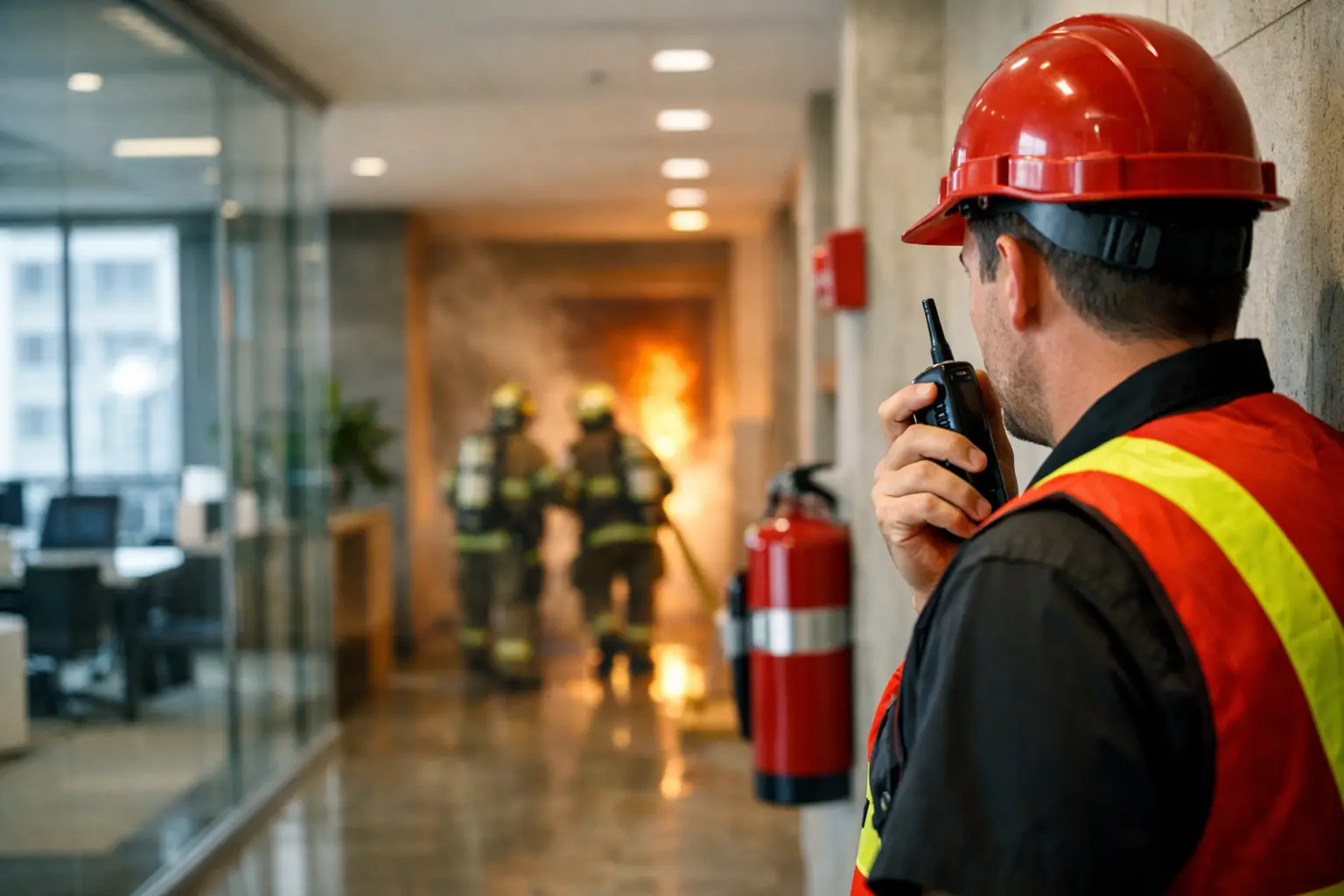
A fire alarm panel can be in trouble long before a building is visibly unsafe. A sprinkler system may be shut down for repair, a panel may show a supervisory trouble, or a construction crew may be working around temporary fire protection. The question is not simply whether a system has failed. It is when do buildings need fire watch coverage to maintain safe occupancy, support the fire code response, and ensure someone is actively watching for smoke, fire, or hazardous conditions?
For Calgary property managers, builders, and facility operators, fire watch is a temporary life-safety measure. It puts trained personnel on site to patrol designated areas, identify signs of fire, notify emergency services when needed, and document conditions until the impairment is corrected or the authority having jurisdiction provides other direction.
When Do Buildings Need Fire Watch Coverage?
Buildings commonly need fire watch when a required fire protection or fire alarm system is impaired, unavailable, or unable to provide its intended level of protection. The exact requirement depends on the building type, occupancy, the system affected, the duration of the impairment, the scope of the outage, and direction from the authority having jurisdiction.
A fire watch may be required when a fire alarm system is not functioning properly, including a panel failure, disabled devices, communication issues, or a monitored alarm that cannot transmit signals. It can also be necessary when sprinkler systems, standpipes, fire pumps, hydrants, or other water-based fire protection systems are shut down for maintenance, repairs, testing, renovations, or emergency damage.
The risk changes quickly in occupied buildings. A temporary alarm outage in a small, low-risk space may be handled differently than an impairment affecting a high-rise, seniors' residence, hotel, warehouse, retail centre, or occupied multi-family property. The same is true when only a limited area is affected versus an entire building or multiple systems.
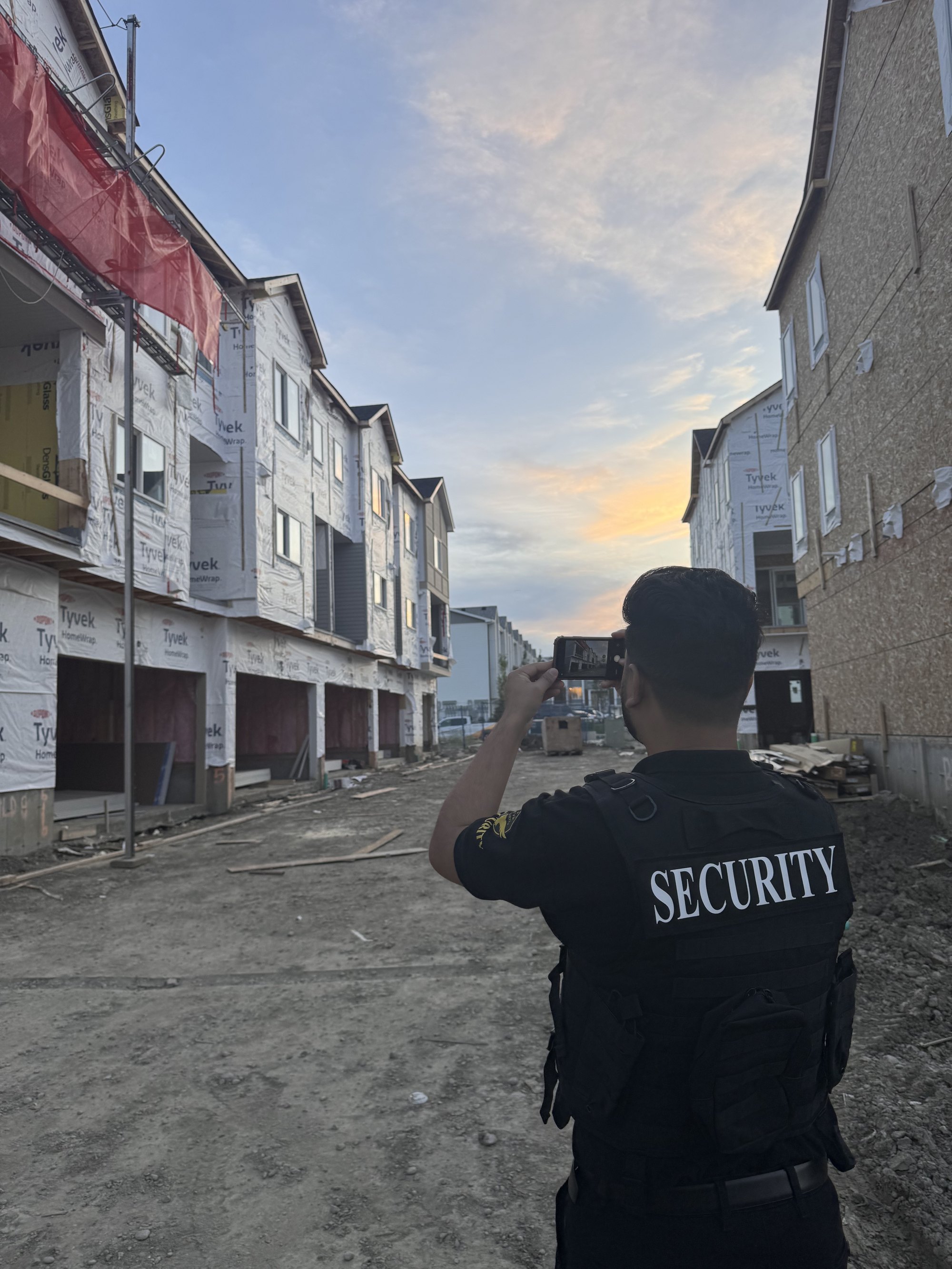
Fire watch may also be appropriate during construction and renovation work, particularly where fire separations are open, temporary heating is in use, combustible materials are present, or fire protection systems have been isolated. Hot work such as welding, cutting, grinding, and torch-applied roofing can require a separate fire watch process during and after the work. That duty is focused on detecting ignition from the work activity, while an impairment fire watch addresses the loss of a building fire protection system. On some sites, both concerns exist at the same time.
A System Trouble Is Not Always a Fire Watch Order
Not every alarm trouble signal automatically means a full-time guard must be posted. A single device issue, a short scheduled test, or a condition that is immediately repaired may not create the same obligation as a prolonged system-wide outage. What matters is the extent of the impairment and the direction provided by the fire department, fire prevention authority, insurer, building owner, or qualified fire protection contractor.
This distinction matters because fire watch is not a generic security add-on. It is a defined, active safety function. Assigning an untrained employee to walk through a building occasionally may leave gaps in coverage and create uncertainty if there is an incident. A proper plan sets patrol frequency, patrol routes, areas requiring special attention, notification procedures, access to communication, and escalation contacts.
When an impairment occurs, the first step is to confirm what is affected and how long restoration is expected to take. The building operator should notify the appropriate parties, which may include the monitoring provider, occupants, insurer, fire protection contractor, and local authority having jurisdiction. If the building cannot be operated safely with the system impaired, reducing occupancy or closing affected areas may be necessary. Fire watch does not make every impairment acceptable. It is one control within a broader response plan.
What a Fire Watch Guard Actually Does
A fire watch guard is there to detect and report, not to repair fire systems or replace firefighters. The role requires focused observation, reliable communication, and clear documentation.
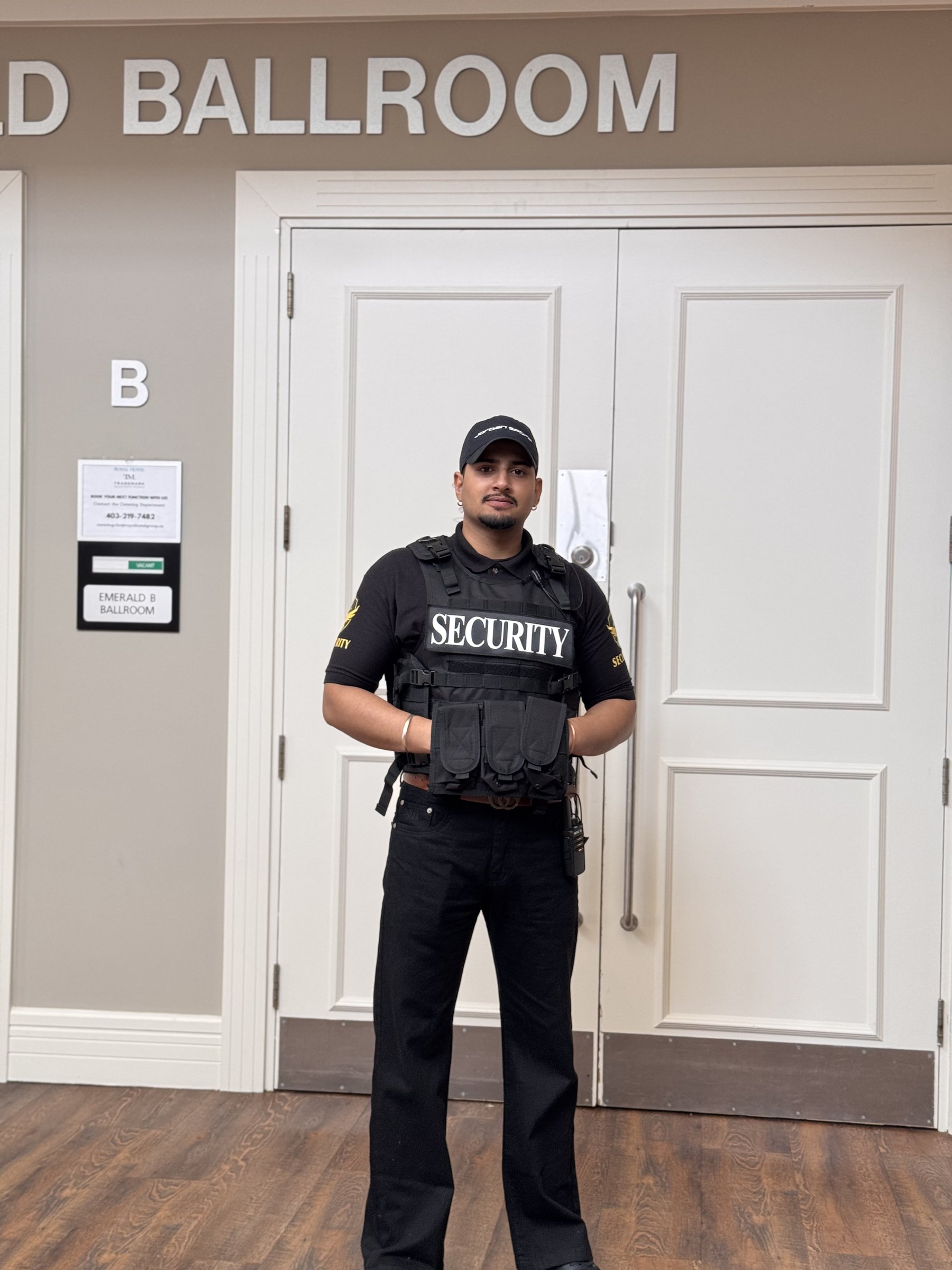
During patrols, the guard checks accessible common areas, mechanical spaces, stairwells, exits, corridors, storage areas, loading zones, and other site-specific risk locations. They look for smoke, flame, unusual heat, blocked exits, unsecured fire doors, unsafe storage, unauthorized work, and conditions that could delay evacuation or emergency response.
If signs of fire are found, the guard follows the site emergency procedure, calls 911 where required, initiates available notification processes, and helps provide responding crews with accurate site information. They also report deficiencies such as blocked egress routes or fire doors that are propped open. The focus is rapid detection and decisive escalation, not attempting to manage a fire beyond the guard's training and safe capability.
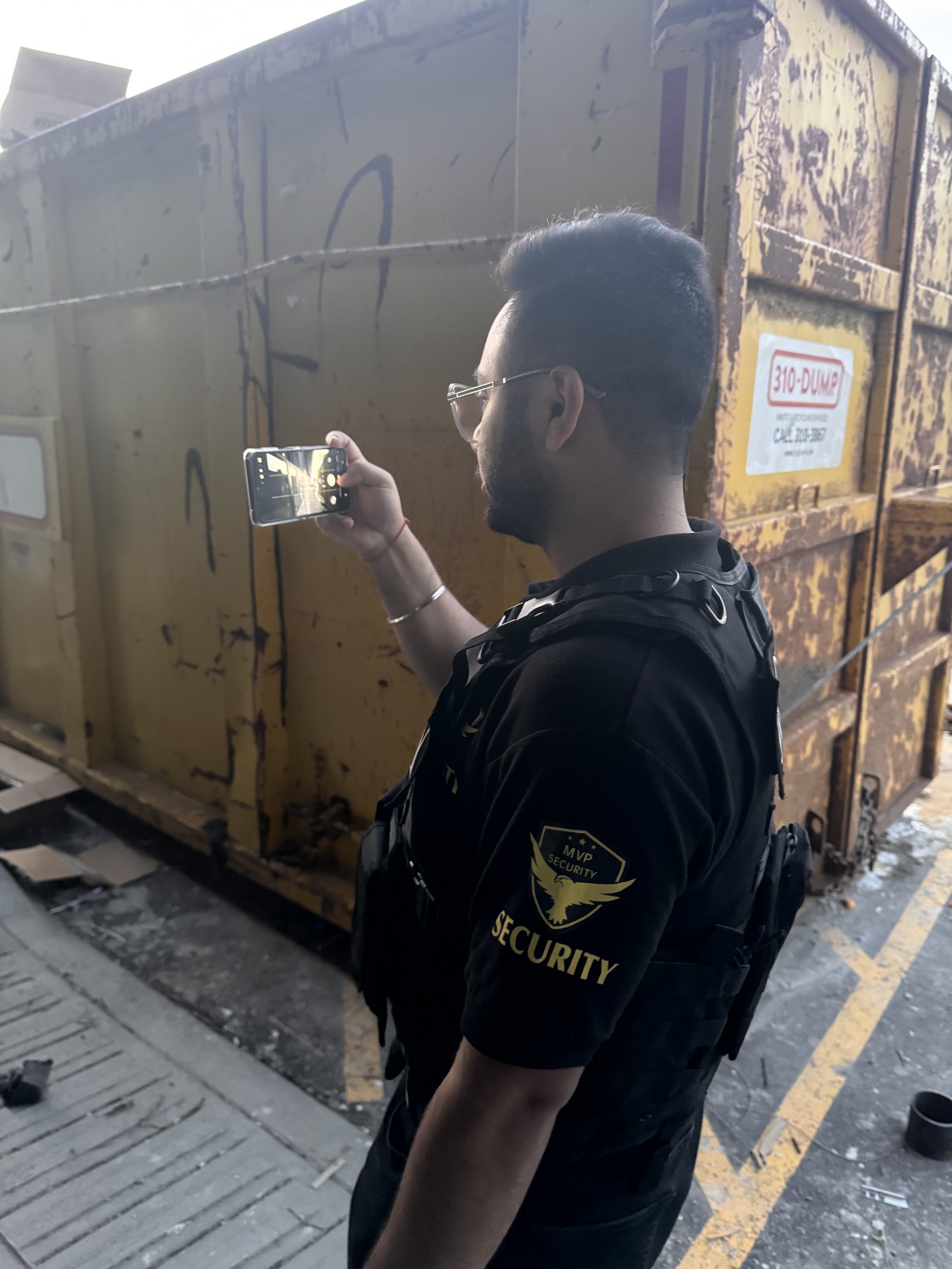
Documentation is a critical part of the service. Patrol logs should record the time and route of each round, observed conditions, corrective actions, notifications, and any incidents. GPS-tracked activity and photo-documented reporting can give property managers a defensible record that coverage was completed as instructed, especially during overnight outages or multi-day repairs.
Fire Watch Coverage Must Match the Property
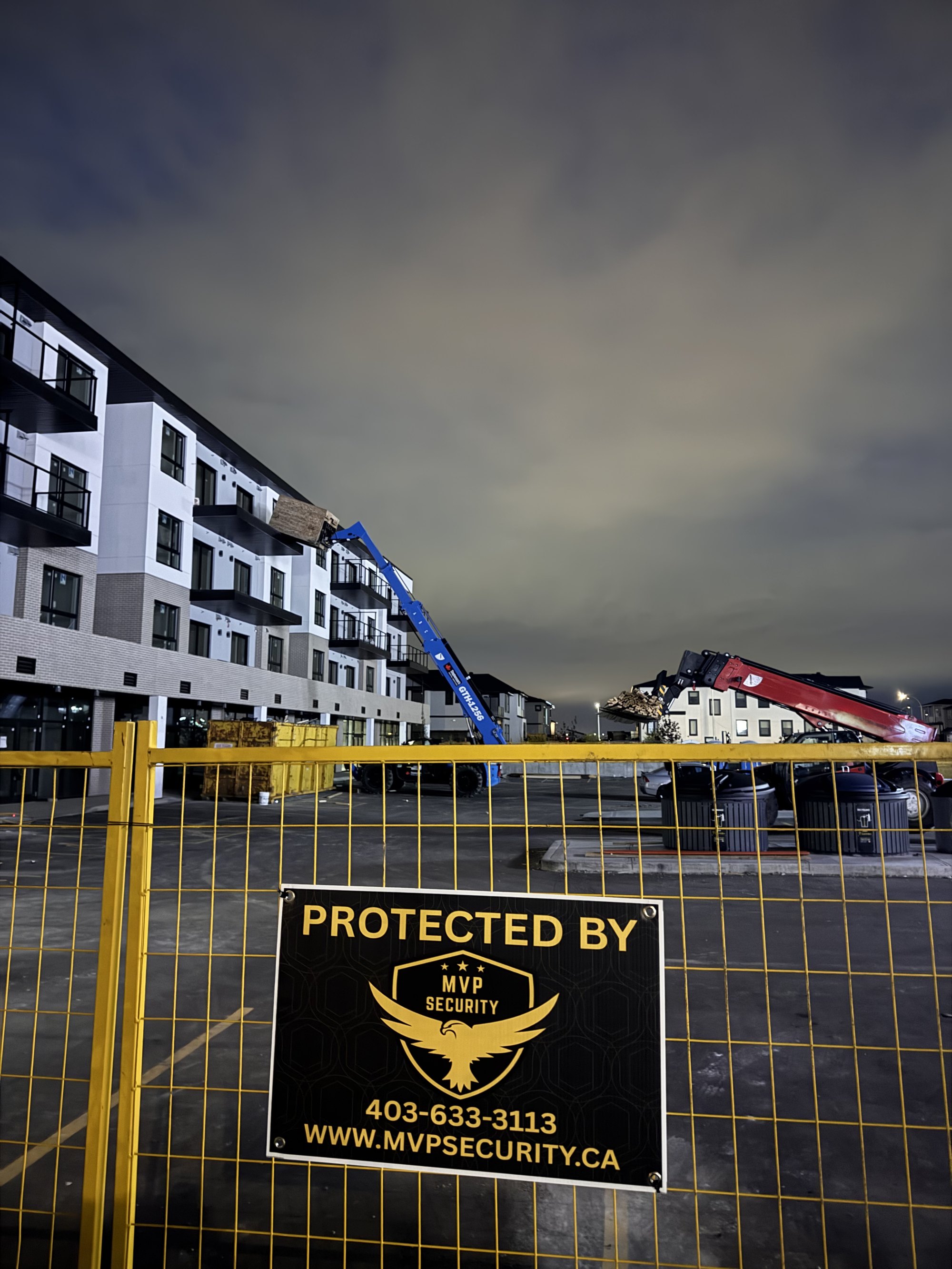
The right coverage plan is rarely identical from one site to another. A condominium tower may need regular patrols of every floor, parkade, electrical room, mechanical area, and exit route. A warehouse may require attention to racking aisles, loading bays, storage of combustible products, and isolated areas that are not visible from the office. A construction site may need patrols around temporary power, hoarding, equipment, material storage, and active work zones.
Coverage also depends on whether the building remains occupied. In an occupied commercial property, fire watch personnel may need to coordinate with building operations and tenant contacts while keeping emergency exits clear. In a vacant property, the principal concern may be unauthorized entry, arson exposure, and ensuring the site can be accessed quickly by emergency responders.
For larger or higher-risk properties, one guard may not be sufficient to complete meaningful rounds at the required interval. Multiple levels, separate buildings, restricted areas, and long travel distances can all affect staffing. A local security provider should assess the actual patrol route rather than offer a standard schedule that looks adequate only on paper.
What to Do When Fire Protection Is Impaired
Speed and clarity are essential when an alarm or suppression system goes out of service. Start by confirming the impairment with the service contractor or monitoring company and determining whether the issue affects detection, notification, suppression, communication, or several layers of protection.
Next, document the time the impairment began, the system affected, the expected repair timeline, and who has been notified. Follow the direction of the authority having jurisdiction and any site-specific emergency plan. If fire watch is required, establish coverage before the outage creates an unprotected period.
Provide the guard with practical site information: keys or access credentials, a current contact list, known hazards, mechanical room locations, fire department access points, alarm panel status, and the areas included in each patrol. The guard should know who can authorize urgent decisions after hours and how to reach the fire protection contractor if conditions change.
Do not overlook basic housekeeping while the system is impaired. Keep exits and fire lanes clear, maintain access to extinguishers, secure fire doors, limit ignition sources where possible, and avoid unnecessary hot work. If operations create an elevated risk during the outage, postponing that work may be the safer choice.
Choosing Fire Watch Support in Calgary
When coverage is needed on short notice, reliability is as important as availability. Ask whether guards are Alberta-licensed, whether the provider can deploy locally, how patrol activity is recorded, and how incident reports are delivered. Confirm that the provider understands the difference between a general security patrol and a fire watch assignment with defined life-safety responsibilities.
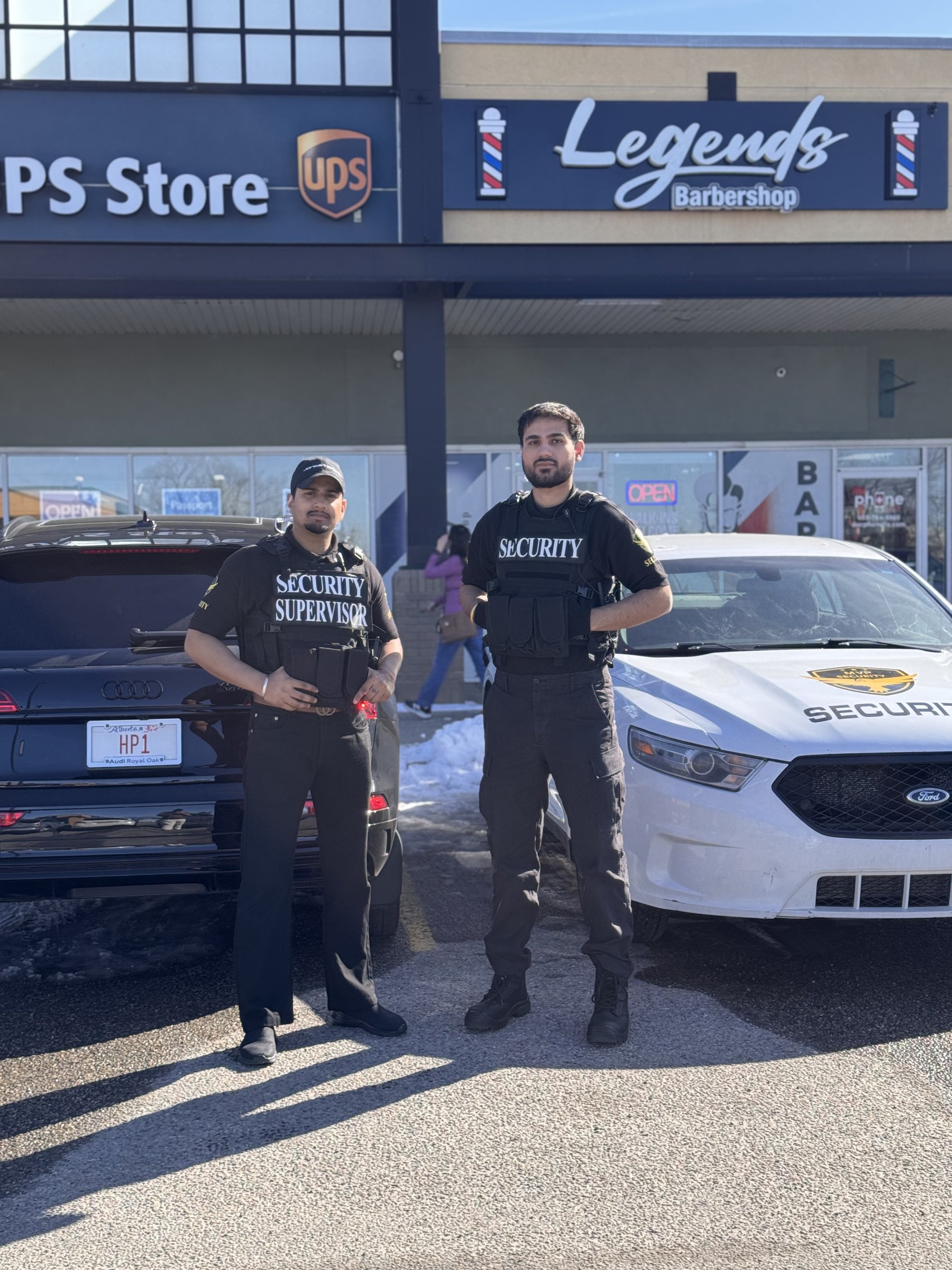
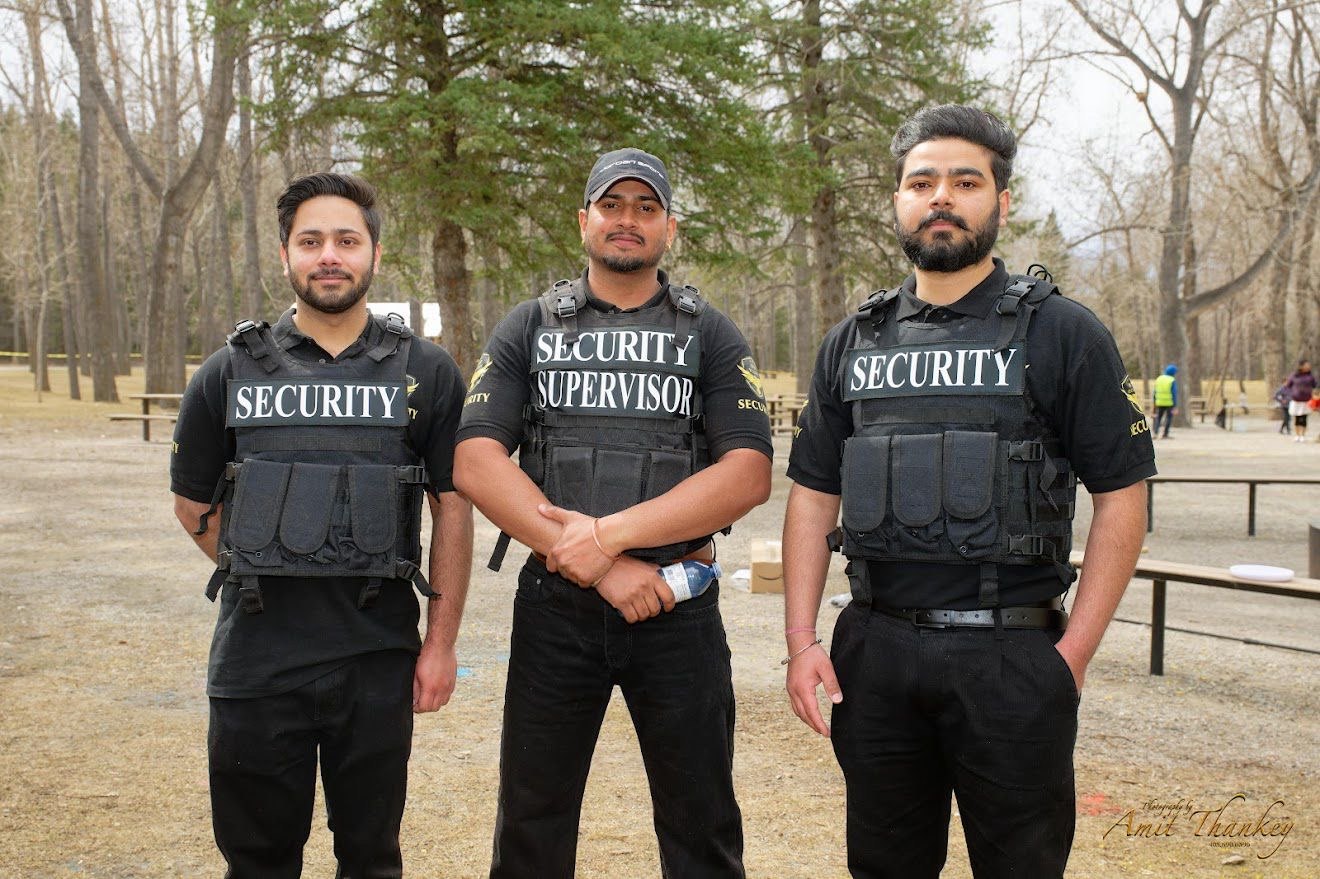
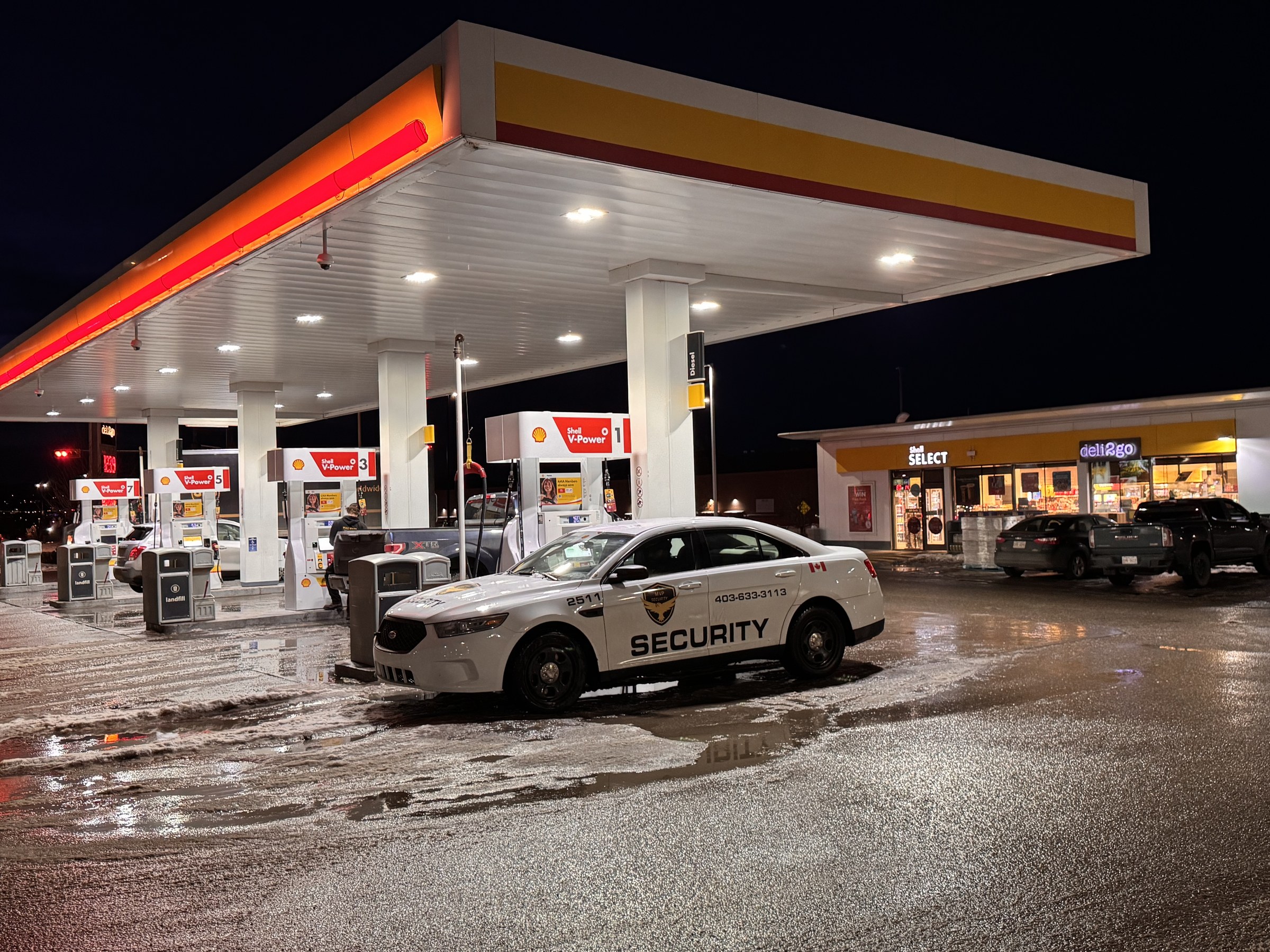
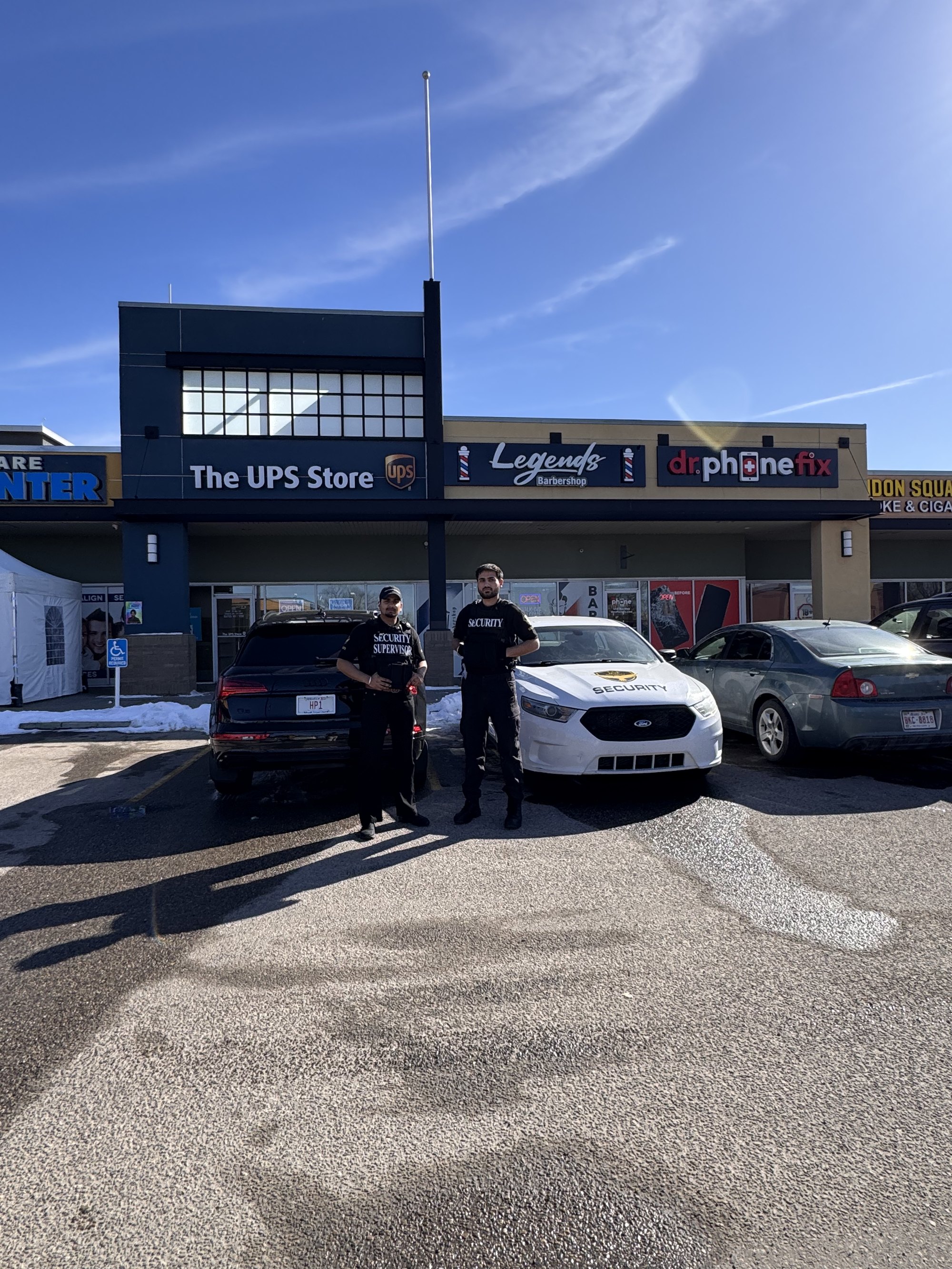
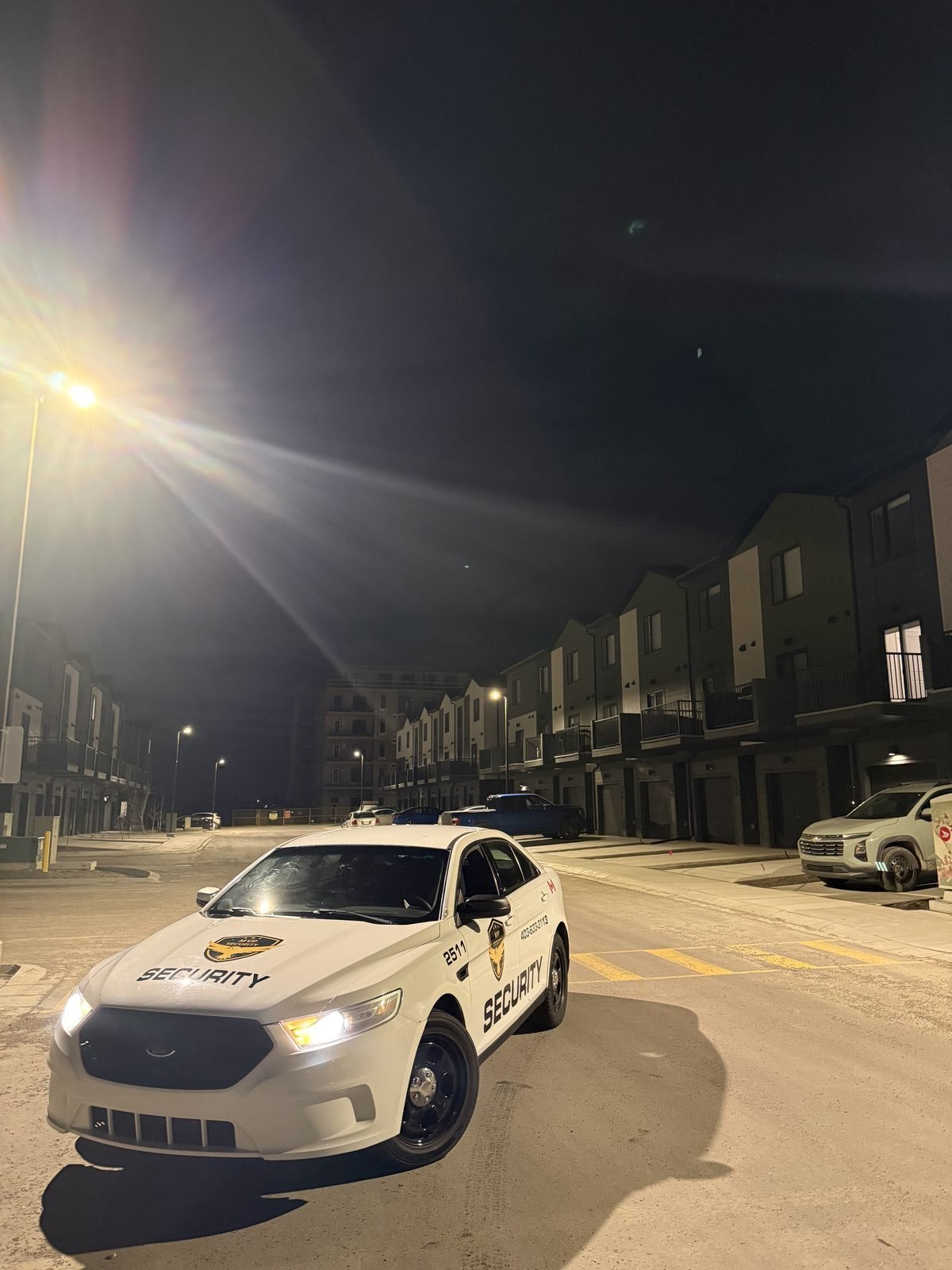
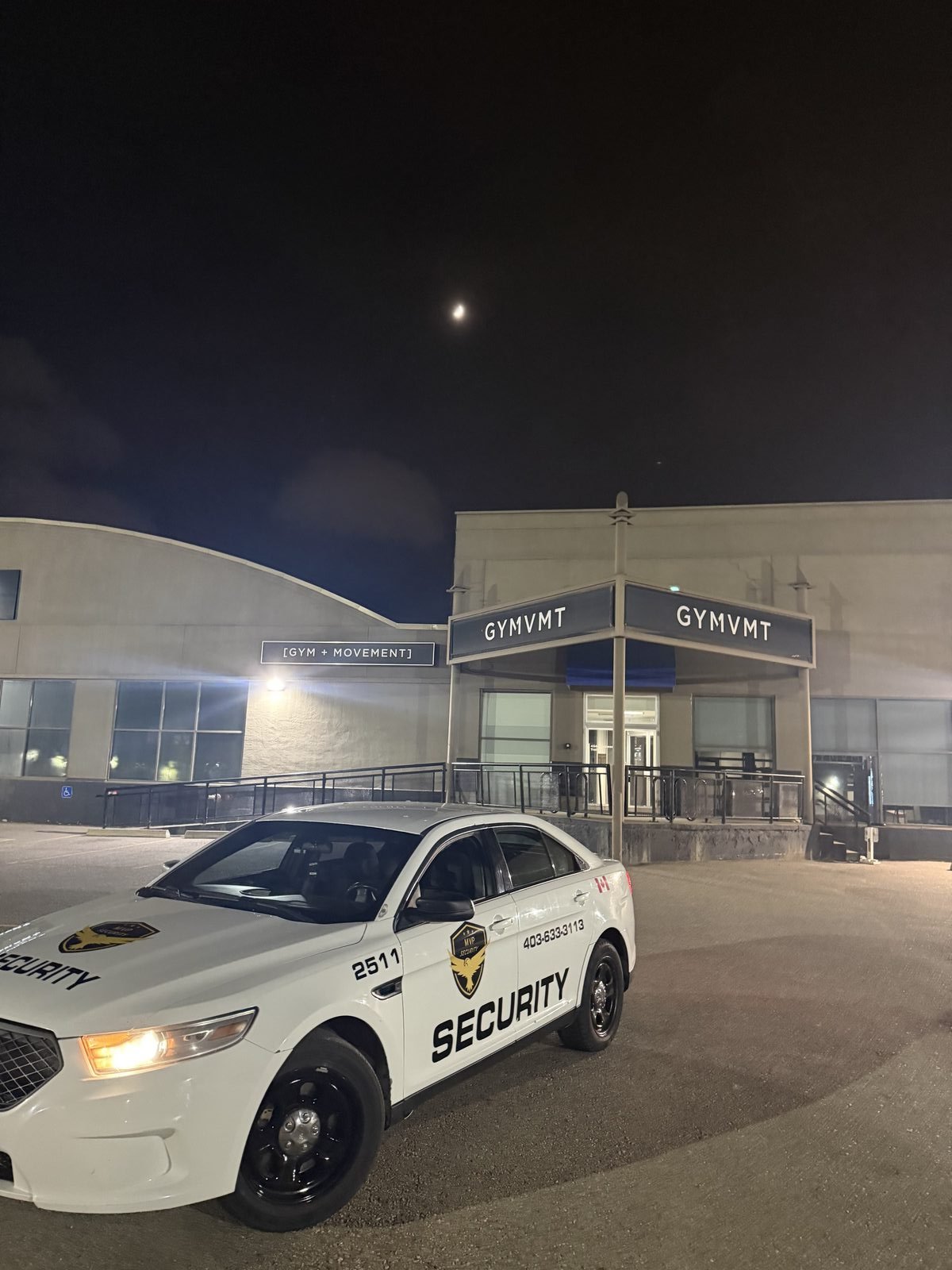
MVP Security provides Calgary-area fire watch coverage with trained, licensed guards, site-specific patrol instructions, and documented activity for commercial, residential, industrial, and construction properties. For an alarm impairment that begins late in the day or a suppression system repair that extends overnight, a responsive local team can help prevent a safety gap while restoration work is underway.
The practical priority is simple: treat any fire protection impairment as an operational event, not an administrative inconvenience. Confirm the risk, follow the required direction, and put accountable coverage in place until the building's protection is fully restored.